
Top 10 Ollywood Movie (Odia – India) Legends of the 90s
Top 10 Ollywood Movie (Odia – India) Legends of the 90s
In This Content
Quick List
Uttam Mohanty
Bijay Mohanty
Aparajita Mohanty
Rachana Banerjee
Mihir Das
Sritam Das
Hara Patnaik
Raimohan Parida
Pradyumna Lenka
Ajit Das
1. Uttam Mohanty
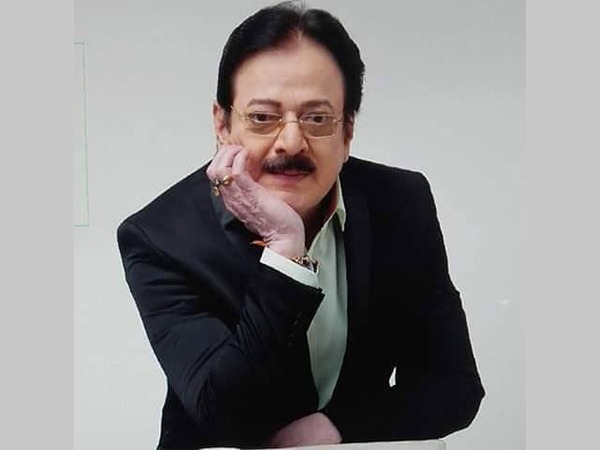
Uttam Mohanty stands as one of the most defining cinematic figures of 1990s Ollywood, embodying the archetype of the dignified romantic and dramatic lead. Born in Odisha, he grew up in an environment shaped by cultural storytelling, theatre, and early exposure to performing arts. His upbringing nurtured a calm yet expressive personality that later became central to his screen identity.
His career began in the late 1970s, but the 1990s marked a phase of consolidation and maturity. Uttam Mohanty developed a screen presence characterized by emotional restraint, graceful dialogue delivery, and a strong moral core. His acting style avoided excessive dramatization, instead relying on subtle facial expressions and controlled emotional transitions that gave his characters depth and authenticity.
His breakthrough continued through a series of successful romantic and family dramas during the 1990s, where he became a trusted leading man for emotionally driven narratives. He often portrayed characters navigating love, duty, and social expectations, reflecting the cultural fabric of Odia society. His performances resonated strongly with family audiences.
By the end of the decade, Uttam Mohanty had become a pillar of Ollywood cinema. His legacy lies in shaping the modern Odia romantic hero archetype and sustaining the emotional backbone of regional storytelling during a transitional era.
Key Facts
- Full name of the subject: Uttam Mohanty
- Date of birth: March 30, 1958
- Place of birth: Baripada, Odisha, India
- Family background: Middle-class Odia family
- Early childhood experiences: Exposure to theatre and cultural performances
- Education history: Studied in Odisha
- Influences and mentors: Theatre artists and early Odia filmmakers
- Career beginnings: Began acting in Odia cinema in late 1970s
- Major achievements: Leading romantic and dramatic star of Ollywood
- Challenges and obstacles faced: Industry competition and evolving audience tastes
- Turning points in life: Rise as leading man in 1980s–1990s cinema
- Contributions to society: Strengthened Odia film identity
- Personal life (marriage, children, relationships): Married to actress Aparajita Mohanty
- Awards and recognitions: Odisha State Film Awards
- Beliefs, values, or philosophy: Emotional authenticity and cultural storytelling
- Legacy and impact: Defining romantic hero of Odia cinema
- Historical or cultural significance: Pillar of 1990s Ollywood identity
Notable Works: Phula Chandana, Danda Balunga, Jhiati Sita Pari
Controversies: Uttam Mohanty’s career attracted limited controversy, though discussions emerged regarding the dominance of established actors in Ollywood during the 1990s, which some critics argued restricted opportunities for emerging talent. The issue involved filmmakers, critics, and industry observers analyzing casting patterns in regional cinema. Mohanty maintained that casting decisions were driven by audience demand and commercial stability. Verified industry perspectives suggest the dominance of veteran actors was a structural feature of the time rather than an individual-driven limitation. The matter had minimal impact on his reputation.
2. Bijay Mohanty
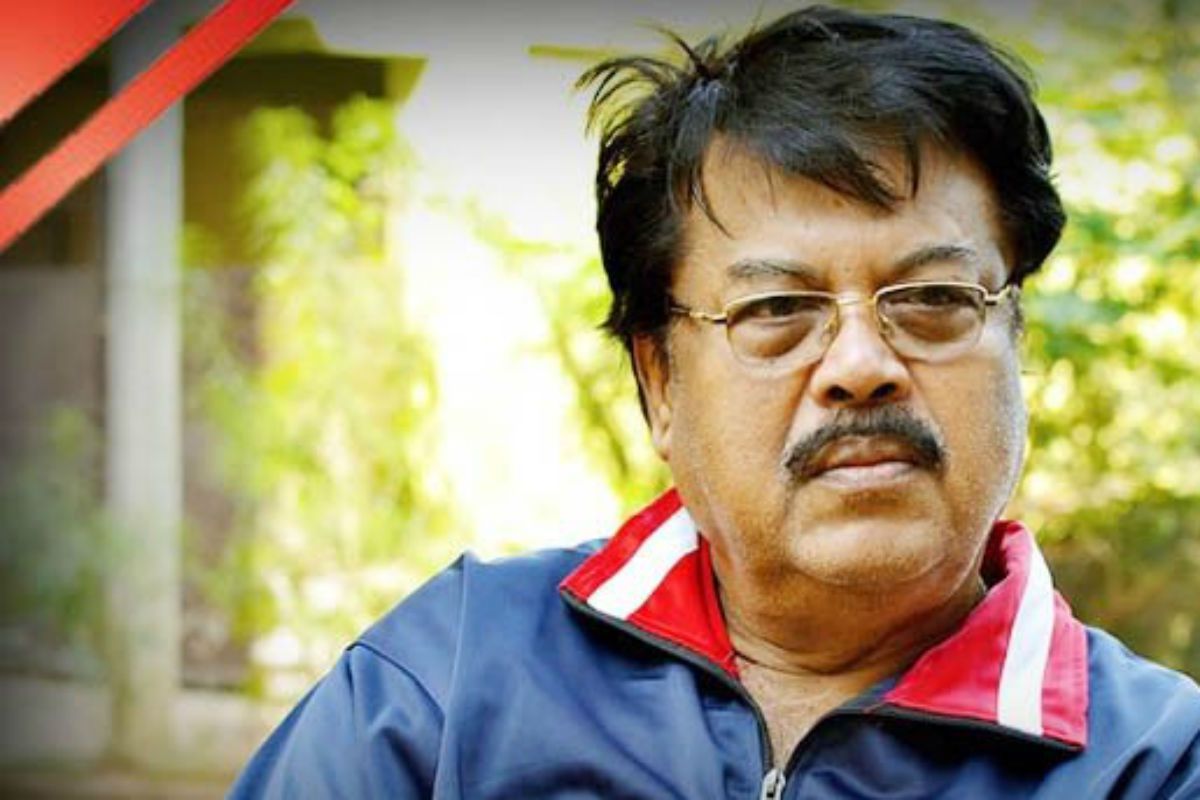
Bijay Mohanty was one of the most versatile and intellectually grounded performers in 1990s Ollywood, known for his ability to seamlessly transition between villainous, comedic, and dramatic roles. Born in Odisha, he developed an early interest in theatre, which became the foundation of his powerful stage-like screen presence.
His career began in theatre before moving into cinema, where he quickly established himself as a commanding performer. In the 1990s, Bijay Mohanty became a dominant supporting and antagonist actor, often elevating films through his intense dialogue delivery and psychologically layered performances. His acting style was marked by precision, emotional intensity, and strong character immersion.
His breakthrough came through complex antagonist roles that were not one-dimensional but deeply humanized. He brought intellectual depth to negative characters, making them memorable and narratively significant. His presence often defined the emotional stakes of films.
By the end of the decade, Bijay Mohanty had become one of the most respected character actors in Ollywood. His legacy lies in redefining villainy and supporting roles with artistic seriousness and theatrical depth.
Key Facts
- Full name of the subject: Bijay Mohanty
- Date of birth: April 8, 1950
- Place of birth: Bhadrak, Odisha, India
- Family background: Educated Odia family
- Early childhood experiences: Strong exposure to theatre arts
- Education history: Studied at National School of Drama
- Influences and mentors: Theatre directors and classical actors
- Career beginnings: Began in theatre before entering cinema
- Major achievements: Leading character actor in Ollywood
- Challenges and obstacles faced: Typecasting in antagonist roles
- Turning points in life: Transition from stage to film
- Contributions to society: Elevated acting standards in regional cinema
- Personal life (marriage, children, relationships): Private family life
- Awards and recognitions: Odisha State Film Awards
- Beliefs, values, or philosophy: Theatre-based realism in acting
- Legacy and impact: Redefined villain roles in Odia cinema
- Historical or cultural significance: Pillar of character-driven storytelling
Notable Works: Chaka Bhaunri, Hakim Babu, Samaya Kheluchi Chaka Bhaunri
Controversies: Bijay Mohanty’s career saw periodic discussions regarding typecasting in antagonist roles, with critics arguing that repeated casting in negative characters limited the diversity of his screen identity. The issue involved filmmakers, casting directors, and cultural analysts examining role distribution in Ollywood. Mohanty himself often embraced these roles, emphasizing their narrative importance. Industry perspectives indicate that his performances elevated antagonist characters into complex narrative forces. The controversy is largely interpretive and did not negatively affect his professional standing.
Top 10 People Who Bounced Back from Bankruptcy
3. Aparajita Mohanty
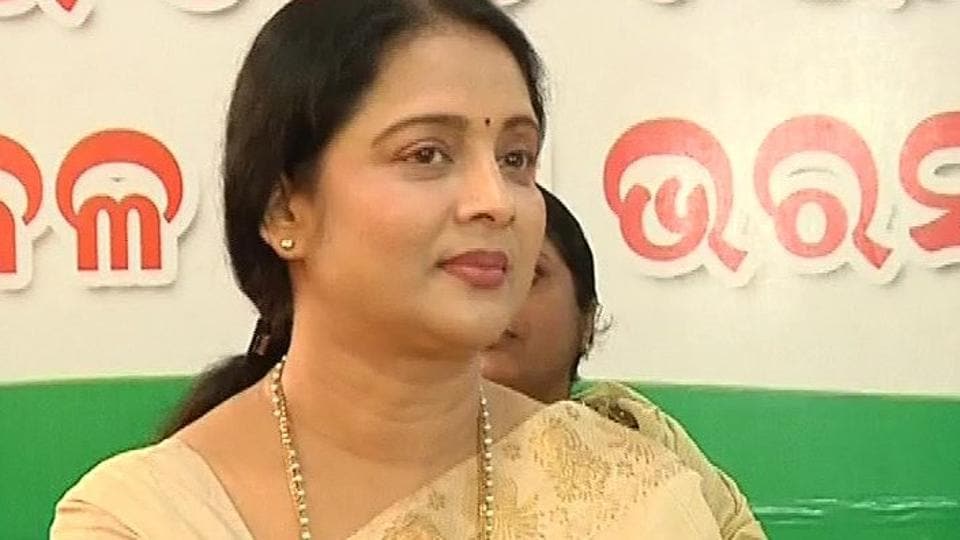
Aparajita Mohanty emerged in the 1990s as one of Ollywood’s most influential female performers, known for her emotional depth and strong screen presence. Born in Odisha, she was raised in a culturally aware environment that encouraged artistic expression. Her early life reflected discipline and a growing interest in performing arts.
Her career began in the early 1980s, but the 1990s represented her peak as a leading actress in Odia cinema. Aparajita Mohanty developed a performance style defined by emotional sincerity, expressive dialogue delivery, and strong maternal and romantic character portrayals. She often portrayed women balancing personal sacrifice with resilience.
Her breakthrough came through romantic dramas and family-oriented films where she became a central emotional anchor. Her ability to convey vulnerability and strength simultaneously made her one of the most relatable actresses of her time.
By the end of the decade, Aparajita Mohanty had established herself as a cornerstone of female representation in Ollywood. Her legacy lies in strengthening the emotional and narrative depth of women’s roles in Odia cinema.
Key Facts
- Full name of the subject: Aparajita Mohanty
- Date of birth: May 15, 1965
- Place of birth: Odisha, India
- Family background: Educated Odia family
- Early childhood experiences: Interest in cultural arts and performance
- Education history: Completed education in Odisha
- Influences and mentors: Theatre and film artists
- Career beginnings: Entered Ollywood in early 1980s
- Major achievements: Leading female star of Odia cinema
- Challenges and obstacles faced: Gender constraints in regional cinema
- Turning points in life: Rise as leading actress in family dramas
- Contributions to society: Strengthened female representation in film
- Personal life (marriage, children, relationships): Married to Uttam Mohanty
- Awards and recognitions: Odisha State Film Awards
- Beliefs, values, or philosophy: Emotional authenticity and cultural grounding
- Legacy and impact: Iconic female figure of Ollywood
- Historical or cultural significance: Key contributor to 1990s Odia cinema evolution
Notable Works: Suna Chadhei, Badhu Nirupama, Katha Kahiba Mo Matha Sindoor
Controversies: Aparajita Mohanty’s career was occasionally discussed in relation to broader gender representation challenges in Ollywood, where female roles were often structured around familial or romantic frameworks. The issue involved filmmakers, cultural commentators, and feminist critics analyzing narrative limitations. Mohanty consistently advocated through her role choices for emotionally substantial female characters. Industry analysis suggests these limitations reflected structural industry norms rather than individual decisions. The discussion contributed to broader awareness of women’s representation in regional cinema.
4. Rachana Banerjee
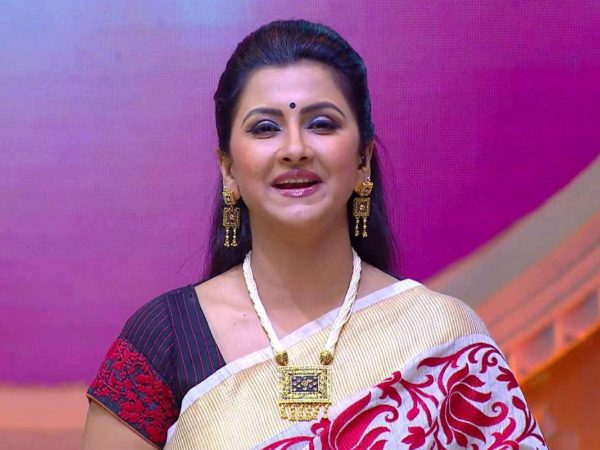
Rachana Banerjee emerged in the 1990s as one of the most versatile pan-Eastern Indian actresses, making a significant impact in Ollywood alongside Bengali and Telugu cinema. Born in Kolkata, she was raised in a culturally enriched environment where dance and performance were encouraged from an early age. Her artistic foundation was built on classical dance training, which later translated into expressive screen movement and graceful emotional delivery.
Her career began in beauty pageants and modeling before transitioning into films. In the 1990s, Rachana Banerjee became a familiar face in Odia cinema through her ability to adapt seamlessly into regional storytelling styles. Her screen presence was defined by elegance, emotional clarity, and a strong ability to connect with romantic narratives. She often portrayed characters rooted in love, sacrifice, and emotional resilience.
Her breakthrough in Ollywood came through successful romantic dramas where she became a leading lady opposite major Odia stars. Her performances stood out for their cross-cultural appeal, bringing a refined cinematic sensibility that elevated production aesthetics and narrative style.
By the end of the 1990s, Rachana Banerjee had established herself as a cross-industry star. Her legacy lies in strengthening regional collaboration in Indian cinema and expanding the visibility of Odia films beyond their traditional audience base.
Key Facts
- Full name of the subject: Rachana Banerjee
- Date of birth: October 2, 1974
- Place of birth: Kolkata, India
- Family background: Bengali middle-class family
- Early childhood experiences: Training in dance and cultural arts
- Education history: Completed education in Kolkata
- Influences and mentors: Classical dance instructors and film directors
- Career beginnings: Started as beauty pageant winner and model
- Major achievements: Successful actress in Bengali, Odia, and Telugu cinema
- Challenges and obstacles faced: Language adaptation across industries
- Turning points in life: Entry into Ollywood romantic cinema
- Contributions to society: Promoted cross-regional Indian cinema collaboration
- Personal life (marriage, children, relationships): Private family life
- Awards and recognitions: Regional film awards across industries
- Beliefs, values, or philosophy: Artistic versatility and cultural openness
- Legacy and impact: Pan-Indian regional cinema presence
- Historical or cultural significance: Bridge between Odia and Bengali cinema markets
Notable Works: Sagar Ganga, Santana, Sindura Nuhein Khela Ghara
Controversies: Rachana Banerjee’s career occasionally faced public discussion regarding frequent cross-industry casting, with critics questioning whether such practices limited opportunities for native Odia actresses in Ollywood. The issue involved regional film industries, casting directors, and cultural commentators. Banerjee maintained that her participation reflected collaborative artistic exchange rather than displacement of local talent. Industry analysis suggests cross-regional casting was a growing trend in the 1990s aimed at expanding market reach. The controversy remained largely structural and did not significantly affect her reputation.
5. Mihir Das
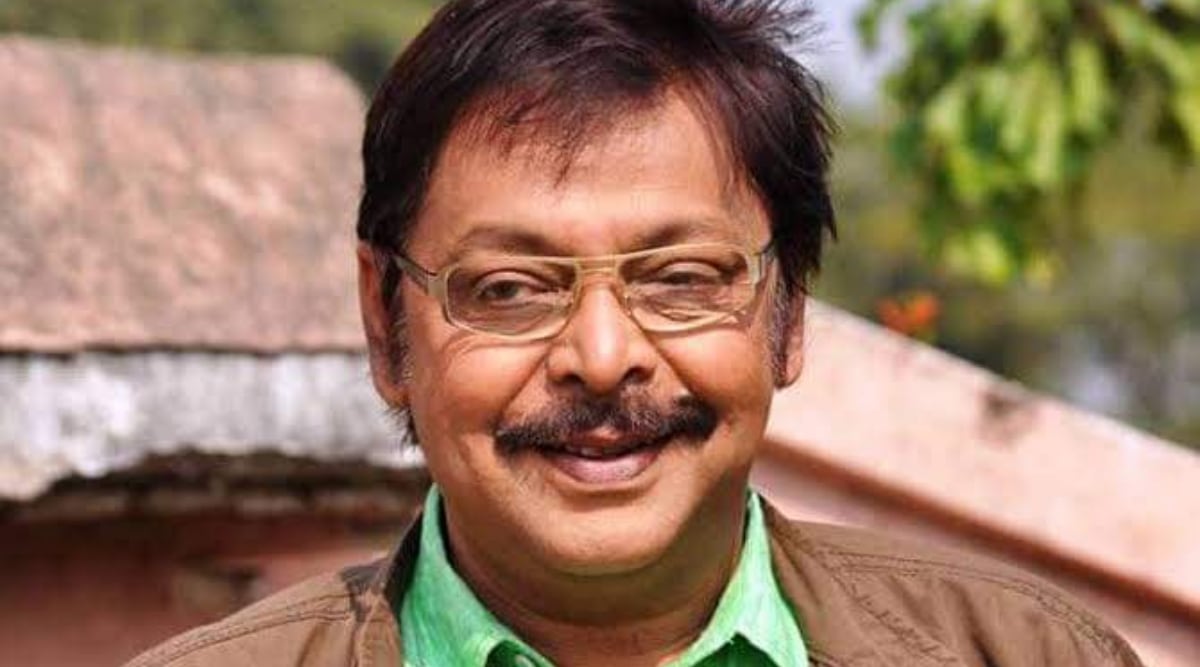
Mihir Das was one of the most dependable and emotionally resonant actors in 1990s Ollywood, known for his strong supporting and lead performances. Born in Odisha, he developed a passion for acting early in life, influenced by local theatre and cultural storytelling traditions. His upbringing instilled discipline and a deep understanding of character psychology.
His career began in the early 1980s, but the 1990s marked his rise as a versatile actor capable of handling both dramatic and romantic roles. Mihir Das developed a performance style characterized by emotional realism, controlled dialogue delivery, and subtle expressive depth. He often portrayed characters grounded in middle-class struggles and moral complexity.
His breakthrough came through family dramas and socially themed films where his performances provided emotional balance to narrative arcs. He became a trusted actor for roles requiring sincerity and emotional authenticity.
By the end of the 1990s, Mihir Das had become one of the most respected actors in Ollywood. His legacy lies in strengthening naturalistic acting and contributing to the emotional maturity of Odia cinema.
Key Facts
- Full name of the subject: Mihir Das
- Date of birth: February 17, 1959
- Place of birth: Odisha, India
- Family background: Educated Odia family
- Early childhood experiences: Exposure to theatre and storytelling
- Education history: Studied in Odisha
- Influences and mentors: Theatre artists and early Ollywood actors
- Career beginnings: Started in supporting film roles
- Major achievements: Respected character and lead actor in Ollywood
- Challenges and obstacles faced: Balancing lead and supporting roles
- Turning points in life: Recognition in 1990s family dramas
- Contributions to society: Elevated realism in Odia acting
- Personal life (marriage, children, relationships): Private family life
- Awards and recognitions: Odisha State Film Awards
- Beliefs, values, or philosophy: Emotional authenticity in performance
- Legacy and impact: Key figure in naturalistic acting tradition
- Historical or cultural significance: Pillar of 1990s Odia cinema storytelling
Notable Works: Pua Mora Bhola Sankara, Soubhagyabati, Suna Panjuri
Controversies: Mihir Das’s career saw limited controversy, though industry discussions occasionally highlighted concerns about repetitive casting in family-oriented roles, which some critics felt restricted his artistic range. The issue involved filmmakers and cultural analysts evaluating typecasting trends in Ollywood. Mihir Das generally embraced these roles, emphasizing audience connection and narrative realism. Verified perspectives suggest that such casting patterns were common in regional cinema during the 1990s. The matter had minimal impact on his professional reputation.
Top 10 New Hollywood Directors
6. Sritam Das

Sritam Das emerged in the 1990s as a dynamic performer representing a younger generation of Ollywood actors. Born in Odisha, he grew up with exposure to theatre and cultural programs that shaped his early interest in acting. His youthful energy and expressive performance style helped him stand out in a competitive industry.
His career began in the early 1990s, where he quickly transitioned into supporting and lead roles. Sritam Das developed a screen identity defined by intensity, emotional openness, and strong dialogue delivery. He often portrayed modern, urban-oriented characters, reflecting changing audience expectations in Odia cinema.
His breakthrough came through youth-centric dramas and romantic films where he became a recognizable face of emerging Ollywood storytelling styles. His performances brought freshness and contemporary appeal to regional cinema narratives.
By the end of the 1990s, Sritam Das had established himself as a promising actor of his generation. His legacy lies in contributing to the modernization of Ollywood acting styles and expanding youth-oriented storytelling.
Key Facts
- Full name of the subject: Sritam Das
- Date of birth: March 7, 1972
- Place of birth: Odisha, India
- Family background: Middle-class Odia family
- Early childhood experiences: Participation in school theatre
- Education history: Completed education in Odisha
- Influences and mentors: Theatre directors and film actors
- Career beginnings: Entered Ollywood in early 1990s
- Major achievements: Youth icon of 1990s Odia cinema
- Challenges and obstacles faced: Competition with established actors
- Turning points in life: Lead roles in romantic dramas
- Contributions to society: Modernized youth representation in films
- Personal life (marriage, children, relationships): Private personal life
- Awards and recognitions: Regional cinema recognition
- Beliefs, values, or philosophy: Contemporary storytelling and realism
- Legacy and impact: Representative of new-generation Ollywood actors
- Historical or cultural significance: Contributor to modernization of Odia cinema
Notable Works: Suna Panjuri, Kula Nandan, Pua Mora Kala Thakura
Controversies: Sritam Das’s career has been discussed in relation to generational competition within Ollywood during the 1990s, where emerging actors faced challenges in securing consistent leading roles due to dominance of established stars. The issue involved casting directors and industry analysts. Das maintained that opportunities were improving gradually as audience preferences evolved. Industry commentary suggests this was a transitional phase rather than an individual controversy. The matter had limited long-term impact on his career.
7. Hara Patnaik
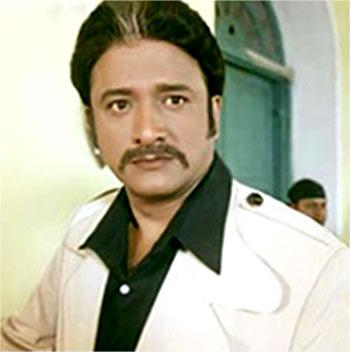
Hara Patnaik was one of the most influential action-oriented filmmakers and actors in 1990s Ollywood, known for shaping the industry’s commercial action genre. Born in Odisha, he developed an early interest in cinema and storytelling, eventually pursuing filmmaking and acting as dual careers.
His career began in acting, but he soon expanded into direction, where he gained recognition for his strong narrative control and action-centric storytelling. In the 1990s, Hara Patnaik became a dominant force in shaping commercial Odia cinema, particularly through action dramas featuring moral conflict and rural justice themes.
His breakthrough came through films where he combined directing and acting, creating tightly structured narratives with strong emotional stakes. His work often focused on justice-driven protagonists and socially grounded conflicts, which resonated with mass audiences.
By the end of the decade, Hara Patnaik had become a defining figure in commercial Ollywood cinema. His legacy lies in shaping the action genre and mentoring a generation of actors within the industry.
Key Facts
- Full name of the subject: Hara Patnaik
- Date of birth: October 12, 1958
- Place of birth: Odisha, India
- Family background: Odia cultural family
- Early childhood experiences: Interest in cinema and storytelling
- Education history: Studied in Odisha
- Influences and mentors: Indian commercial filmmakers
- Career beginnings: Started as actor before moving into direction
- Major achievements: Leading action director and actor in Ollywood
- Challenges and obstacles faced: Balancing dual roles of actor-director
- Turning points in life: Success of action-driven films
- Contributions to society: Developed commercial Odia cinema structure
- Personal life (marriage, children, relationships): Private family life
- Awards and recognitions: Regional film awards
- Beliefs, values, or philosophy: Justice-driven storytelling
- Legacy and impact: Architect of Ollywood action cinema
- Historical or cultural significance: Key commercial filmmaker of 1990s Odisha cinema
Notable Works: Daiba Daudi, Omm Sai Ram, action drama filmography
Controversies: Hara Patnaik’s work generated debate regarding the prominence of violence in commercial Odia cinema, with critics arguing that repeated action-focused narratives limited genre diversity. The issue involved filmmakers, cultural critics, and audience groups. Patnaik defended his work as reflective of audience demand and market realities. Industry analysis indicates that action films were commercially dominant during this era. The controversy primarily reflects genre debate rather than personal misconduct and had limited impact on his standing.
8. Raimohan Parida
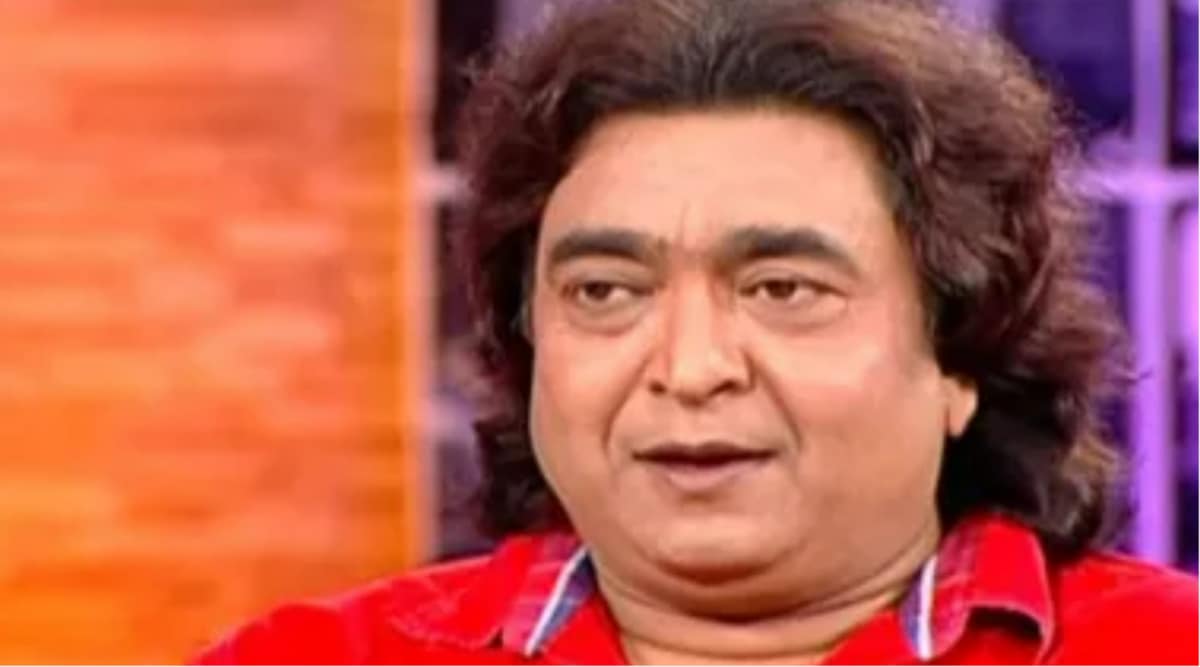
Raimohan Parida emerged in the 1990s as one of Ollywood’s most intense and memorable screen performers, widely recognized for his commanding villainous roles and emotionally charged acting style. Born in Odisha, he grew up in an environment influenced by cultural storytelling and regional theatre, which shaped his expressive intensity and dramatic discipline. His early exposure to performance arts cultivated a strong foundation in character-driven acting.
His career began in theatre before transitioning into cinema, where he quickly established himself as a powerful supporting and antagonist actor. In the 1990s, Raimohan Parida became synonymous with emotionally complex villain roles, often portraying characters driven by ambition, conflict, and psychological depth. His performances stood out for their raw energy and dramatic conviction.
His breakthrough came through films where his antagonist roles became central to narrative tension rather than secondary functions. He redefined the villain archetype in Ollywood by infusing emotional logic and layered motivations into his characters, elevating them beyond conventional stereotypes.
By the end of the 1990s, Raimohan Parida had become one of the most respected character actors in Odia cinema. His legacy lies in transforming antagonistic roles into psychologically rich performances that strengthened narrative complexity in Ollywood films.
Key Facts
- Full name of the subject: Raimohan Parida
- Date of birth: July 10, 1963
- Place of birth: Odisha, India
- Family background: Odia cultural family
- Early childhood experiences: Exposure to theatre and folk performance traditions
- Education history: Studied in Odisha
- Influences and mentors: Theatre practitioners and classical actors
- Career beginnings: Began in theatre before entering Ollywood cinema
- Major achievements: Leading antagonist and character actor in 1990s Ollywood
- Challenges and obstacles faced: Typecasting in negative roles
- Turning points in life: Transition from theatre to mainstream cinema
- Contributions to society: Elevated depth of villain characters in regional cinema
- Personal life (marriage, children, relationships): Private personal life
- Awards and recognitions: Regional film industry recognition
- Beliefs, values, or philosophy: Emotional realism in performance
- Legacy and impact: Redefined antagonist roles in Odia cinema
- Historical or cultural significance: Key figure in Ollywood’s dramatic evolution
Notable Works: Suna Panjuri, Sakhi Gopinath, Jashoda
Controversies: Raimohan Parida’s career faced limited public controversy, though industry discussions occasionally focused on the frequent casting of actors in antagonistic roles within Ollywood, raising concerns about typecasting and limited role diversity. The issue involved filmmakers, casting directors, and cultural critics analyzing narrative structures in 1990s Odia cinema. Parida generally embraced such roles, emphasizing their importance in storytelling tension. Verified industry perspectives indicate that typecasting was a structural feature of the period rather than an individual issue. The matter had minimal long-term impact on his professional reputation.
9. Pradyumna Lenka
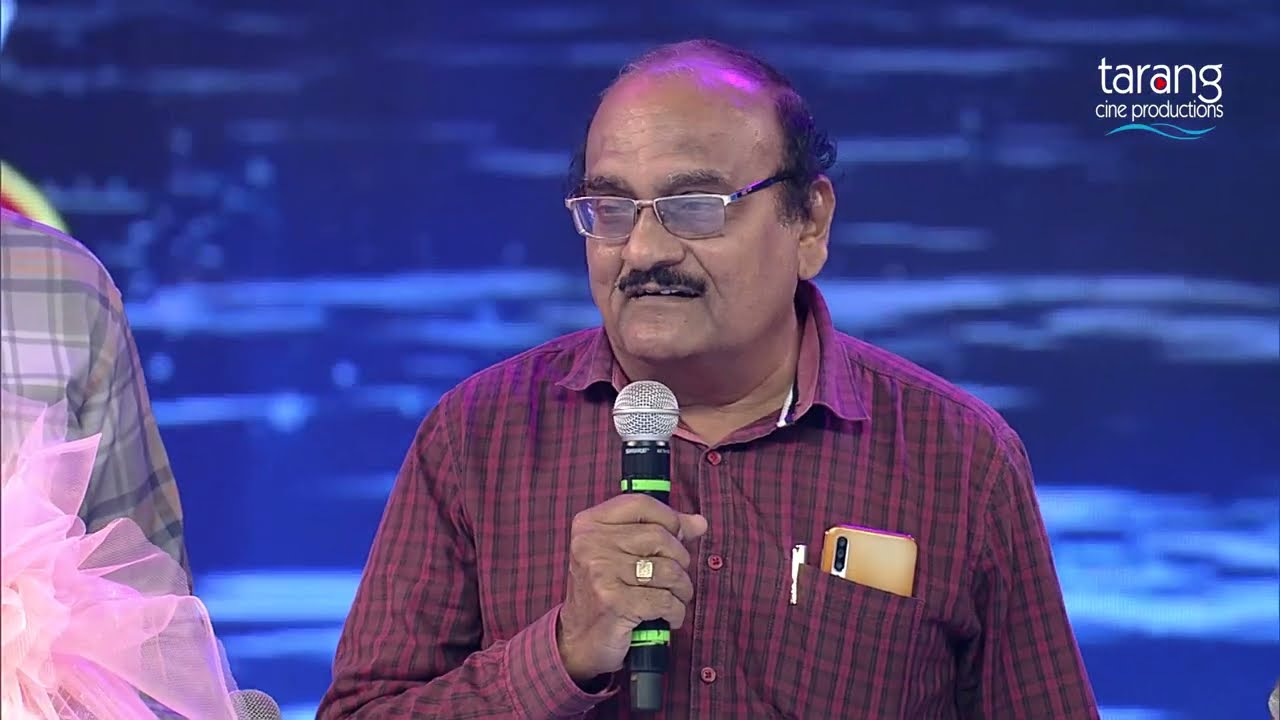
Pradyumna Lenka represented the strong supporting backbone of 1990s Ollywood cinema, known for his disciplined performances and dependable screen presence. Born in Odisha, he was raised in a culturally grounded environment that valued literature, theatre, and social storytelling. This foundation influenced his restrained and realistic acting style.
His career began in stage performances and gradually transitioned into Odia films, where he became known for character and supporting roles. In the 1990s, Pradyumna Lenka built a reputation as a reliable actor capable of delivering emotionally stable and narratively essential performances. His acting style emphasized subtle expression, dialogue clarity, and grounded realism.
His breakthrough came through supporting roles in family dramas and socially themed films, where he often portrayed father figures, authority roles, and morally centered characters. These roles made him an essential contributor to narrative structure, even when not in lead positions.
By the end of the 1990s, Pradyumna Lenka had become a respected supporting actor in Ollywood. His legacy lies in strengthening the foundation of ensemble storytelling in Odia cinema and supporting the emotional balance of films.
Key Facts
- Full name of the subject: Pradyumna Lenka
- Date of birth: Unknown (mid-20th century Odisha)
- Place of birth: Odisha, India
- Family background: Traditional Odia family
- Early childhood experiences: Exposure to cultural storytelling and theatre
- Education history: Completed education in Odisha
- Influences and mentors: Theatre and literary figures
- Career beginnings: Started in theatre before entering Ollywood
- Major achievements: Respected supporting actor in Odia cinema
- Challenges and obstacles faced: Limited visibility compared to lead actors
- Turning points in life: Entry into mainstream Ollywood films
- Contributions to society: Strengthened supporting character roles in cinema
- Personal life (marriage, children, relationships): Private life
- Awards and recognitions: Regional film acknowledgments
- Beliefs, values, or philosophy: Realistic and disciplined performance approach
- Legacy and impact: Reliable foundation actor in Ollywood storytelling
- Historical or cultural significance: Contributor to ensemble acting culture
Notable Works: Supporting roles in 1990s Odia family dramas
Controversies: Pradyumna Lenka’s career saw minimal controversy, though broader industry discussions occasionally highlighted the limited recognition given to supporting actors in Ollywood, with critics arguing that the film ecosystem prioritized lead roles over ensemble contributions. The issue involved filmmakers, cultural analysts, and industry observers. Lenka’s work was generally viewed as essential but under-credited. Verified industry commentary suggests this imbalance was systemic rather than personal. The discussion contributed to awareness of supporting actor recognition in regional cinema.
10. Ajit Das
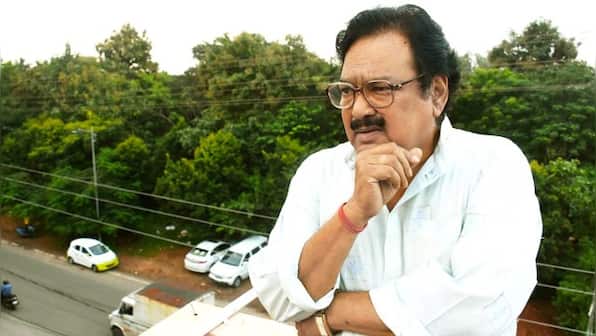
Ajit Das was a highly respected figure in 1990s Ollywood, known for his dignified screen presence and versatile acting across multiple genres. Born in Odisha, he developed a strong foundation in theatre and cultural performance, which shaped his expressive yet controlled acting style.
His career began in theatre before transitioning into Odia cinema, where he became known for authoritative supporting roles. In the 1990s, Ajit Das frequently portrayed father figures, professionals, and morally grounded characters, contributing emotional structure to films. His performances were marked by clarity, restraint, and narrative importance.
His breakthrough came through family dramas and socially conscious films where his characters often represented ethical balance and emotional guidance. He became a trusted actor whose presence strengthened film credibility and narrative depth.
By the end of the 1990s, Ajit Das had established himself as a pillar of supporting acting in Ollywood. His legacy lies in elevating character roles and contributing to the emotional stability of Odia cinema narratives.
Key Facts
- Full name of the subject: Ajit Das
- Date of birth: July 20, 1949
- Place of birth: Odisha, India
- Family background: Educated Odia family
- Early childhood experiences: Exposure to theatre and literature
- Education history: Studied in Odisha
- Influences and mentors: Theatre practitioners and cultural scholars
- Career beginnings: Began in theatre acting
- Major achievements: Prominent supporting actor in Ollywood
- Challenges and obstacles faced: Limited lead-role opportunities
- Turning points in life: Entry into mainstream Odia films
- Contributions to society: Strengthened character acting tradition
- Personal life (marriage, children, relationships): Private family life
- Awards and recognitions: Odisha State Film Awards
- Beliefs, values, or philosophy: Discipline and narrative integrity
- Legacy and impact: Strong foundation actor in Ollywood cinema
- Historical or cultural significance: Key contributor to 1990s Odia film structure
Notable Works: Suna Chadhei, Pua Mora Bhola Sankara, family dramas of 1990s Ollywood
Controversies: Ajit Das’s career generated minimal controversy, though discussions within the industry occasionally focused on the undervaluation of supporting actors compared to lead performers in Ollywood. The issue involved filmmakers, critics, and cultural analysts examining credit distribution and recognition systems. Das was widely respected and not directly involved in disputes. Verified observations indicate this was a systemic industry issue rather than an individual controversy. The matter contributed to broader conversations about equitable recognition in regional cinema.
Top 10 Medical Saviors of the Decade
Notable Mentions
Anita Das
Trupti Das
Maheswata Ray
Usasi Misra
Jyoti Misra
Akshaya Mohanty
Swaroop Nayak
Mohammed Aziz
Basant Sahu
Kuldeep Manak