
Top 10 New Hollywood Directors
Top 10 New Hollywood Directors
In This Content
1. Martin Scorsese
Martin Scorsese emerged from a working-class Italian-American neighborhood in New York City, where early exposure to Catholic ritual, urban violence, and immigrant identity profoundly shaped his artistic worldview. Frequent childhood illness limited his physical activity, directing him toward cinema as both escape and observation. This early intimacy with moral contradiction would later define his directorial language.
Scorsese’s career beginnings were rooted in academic film studies at New York University, where he began experimenting with short films that blended documentary realism with emotional volatility. His early works reflected a fascination with guilt, redemption, and urban survival. He entered the industry during the rise of New Hollywood, where directors were gaining unprecedented creative control.
The breakthrough came with gritty urban dramas that redefined American filmmaking through psychological intensity and street-level authenticity. His collaboration with actors who embodied moral ambiguity helped establish a new cinematic grammar of violence and redemption. During the 1990s, his work reached artistic and commercial maturity, producing films that balanced operatic scale with intimate character study.
Scorsese’s legacy lies in transforming American cinema into a morally complex, character-driven art form. His persistence preserved auteur-driven filmmaking within an increasingly commercial industry.
Key Facts
- Full name of the subject: Martin Charles Scorsese
- Date of birth: 17 November 1942
- Place of birth: New York City, United States
- Family background: Italian-American working-class family
- Early childhood experiences: Chronic asthma and film immersion
- Education history: New York University (Film School)
- Influences and mentors: Italian neorealism, Catholic imagery, film historians
- Career beginnings: Independent short films and early studio projects
- Major achievements: Defining works in American New Hollywood cinema
- Challenges and obstacles faced: Studio resistance to violent and unconventional themes
- Turning points in life: Breakthrough critical success in urban drama filmmaking
- Contributions to society: Elevation of auteur-driven cinema
- Personal life: Married; children
- Awards and recognitions: Academy Award, lifetime achievement honors
- Beliefs, values, or philosophy: Moral ambiguity and human psychological depth
- Legacy and impact: Redefined modern crime and character cinema
- Historical or cultural significance: Central figure in New Hollywood movement
Notable Works: Taxi Driver, Raging Bull, Goodfellas, The Departed
Controversies:
Scorsese has faced recurring debate over the depiction of violence in his films, with critics questioning whether stylized brutality risks normalizing criminal behavior. The issue centers on artistic representation versus social responsibility in cinema. The background involves increasing public sensitivity toward violent media during the late 20th century. Stakeholders included film critics, censorship boards, audiences, and cultural commentators. Critics argued that his films aestheticize violence, while Scorsese and supporters maintained that violence is depicted as morally and psychologically consequential rather than glorified. No regulatory bans or formal censorship rulings have defined his career output. The impact contributed to broader academic and industry discussions on cinematic violence and auteur responsibility.
2. Francis Ford Coppola
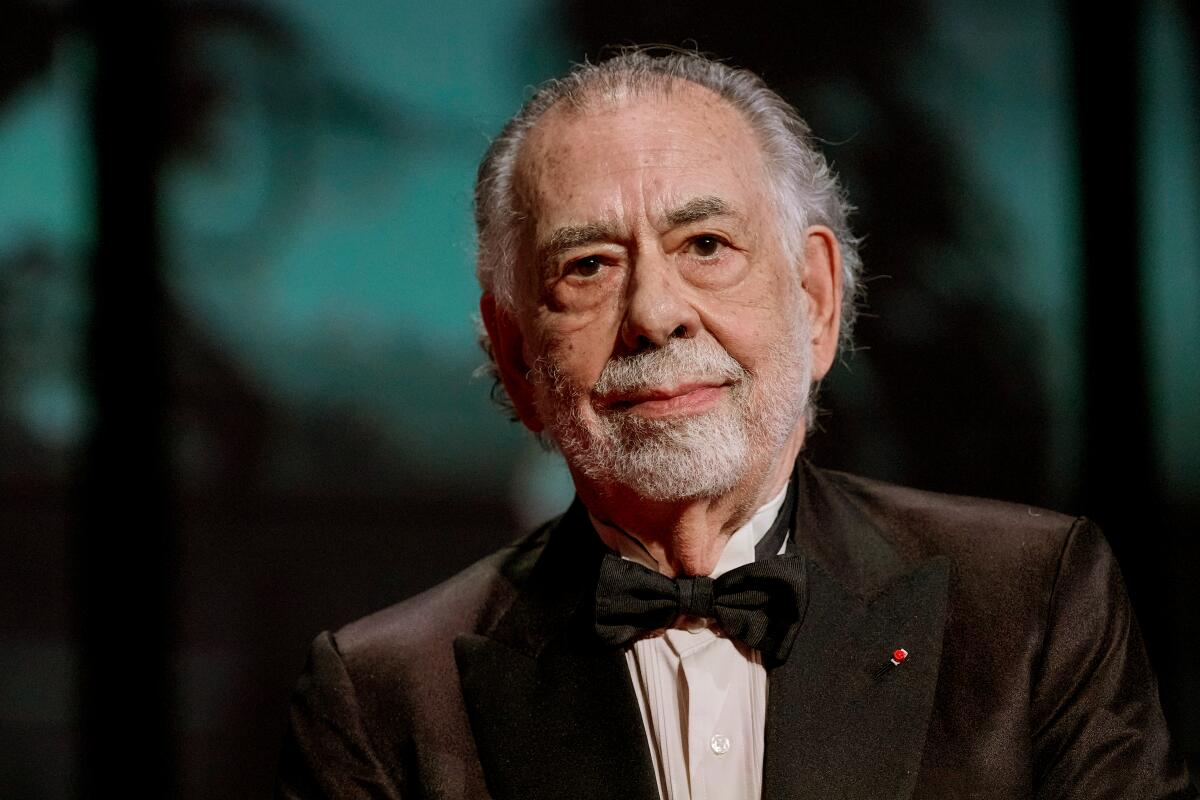
Francis Ford Coppola’s early life in Detroit was shaped by a highly creative household that blended music, theater, and scientific curiosity. His father’s career as a composer exposed him early to structured artistic discipline, while his childhood illness fostered introspection and imagination. These dual influences would later define his cinematic ambition.
Coppola’s career beginnings developed through experimental student filmmaking at UCLA, where he explored narrative scale and emotional structure. He entered Hollywood during a transitional era when studios were beginning to lose creative dominance to emerging directors. His early work demonstrated ambition beyond conventional studio storytelling.
The breakthrough came with large-scale narrative filmmaking that redefined American crime and political cinema. His epic storytelling approach reached its height during the 1970s and carried into the 1990s, where he balanced commercial pressures with artistic ambition. His films often explored power, family systems, and institutional decay.
Coppola’s legacy lies in redefining cinematic scale and narrative ambition. His persistence expanded what American filmmaking could achieve in both emotional and structural complexity.
Key Facts
- Full name of the subject: Francis Ford Coppola
- Date of birth: 7 April 1939
- Place of birth: Detroit, Michigan, United States
- Family background: Artistic Italian-American family
- Early childhood experiences: Musical upbringing and childhood illness
- Education history: UCLA Film School
- Influences and mentors: Classical literature, European cinema
- Career beginnings: Independent filmmaking and studio assistant roles
- Major achievements: Landmark epic films of the 1970s cinema era
- Challenges and obstacles faced: Financial instability and studio conflicts
- Turning points in life: Breakthrough success in crime epic filmmaking
- Contributions to society: Expansion of narrative cinema scale
- Personal life: Married; children
- Awards and recognitions: Academy Awards and international honors
- Beliefs, values, or philosophy: Artistic risk-taking and narrative ambition
- Legacy and impact: Architect of modern cinematic epics
- Historical or cultural significance: Key figure in New Hollywood transformation
Notable Works: The Godfather trilogy, Apocalypse Now, The Conversation
Controversies:
Coppola has faced scrutiny over extensive production delays and financial overruns in major projects, particularly during large-scale war film productions. The issue centers on whether artistic ambition justified operational and financial instability. The background involves complex overseas filming conditions and evolving studio expectations. Stakeholders included studios, investors, cast and crew, and production partners. Critics argued that excessive budgets reflected managerial risk, while supporters emphasized the artistic scale and eventual critical success of the works. Some financial disputes were publicly documented during production cycles, though outcomes varied across projects. The impact reinforced debates on auteur independence versus studio accountability in high-budget filmmaking.
3. Steven Spielberg
Steven Spielberg’s early life in Cincinnati and later Arizona was shaped by suburban isolation and early fascination with visual storytelling. He began filming homemade projects as a child, using storytelling as a response to social displacement and childhood bullying experiences. His early imagination was heavily influenced by science fiction and adventure literature.
Spielberg’s career beginnings involved self-funded short films that demonstrated technical ingenuity far beyond his age. His early work caught the attention of television studios, where he transitioned into directing episodic content. He entered Hollywood at a moment when young directors were being given unprecedented creative opportunities.
The breakthrough came with his early blockbuster successes, which fundamentally reshaped the global film industry’s commercial model. During the 1990s, his work evolved into large-scale historical and science fiction storytelling, blending emotional intimacy with spectacle. His films became central to the global cinematic experience.
Spielberg’s legacy lies in redefining global blockbuster cinema. His persistence transformed popular filmmaking into a balance of emotional storytelling and technological innovation.
Key Facts
- Full name of the subject: Steven Allan Spielberg
- Date of birth: 18 December 1946
- Place of birth: Cincinnati, Ohio, United States
- Family background: Jewish-American middle-class family
- Early childhood experiences: Early filmmaking experimentation
- Education history: California State University (partial attendance)
- Influences and mentors: Classic Hollywood directors, television producers
- Career beginnings: Television directing and independent short films
- Major achievements: Foundational blockbuster filmmaking success
- Challenges and obstacles faced: Early rejection from film school pathways
- Turning points in life: Breakthrough success in early feature films
- Contributions to society: Expansion of modern blockbuster cinema
- Personal life: Married; children
- Awards and recognitions: Academy Awards, global lifetime honors
- Beliefs, values, or philosophy: Emotional storytelling through spectacle
- Legacy and impact: Architect of modern commercial cinema
- Historical or cultural significance: Globalization of Hollywood filmmaking
Notable Works: Jaws, E.T., Jurassic Park, Schindler’s List
Controversies:
Spielberg has faced occasional critique regarding the commercialization of blockbuster cinema and its influence on industry homogenization. The issue centers on whether large-scale commercial films reduce space for independent storytelling. The background involves the rise of the modern Hollywood blockbuster model in the late 20th century. Stakeholders included studios, independent filmmakers, critics, and global audiences. Critics argue that blockbuster dominance narrows cinematic diversity, while supporters emphasize expanded global access and technological innovation. No formal industry violations exist. The impact remains a broader structural debate within global film economics and artistic diversity.
4. Brian De Palma
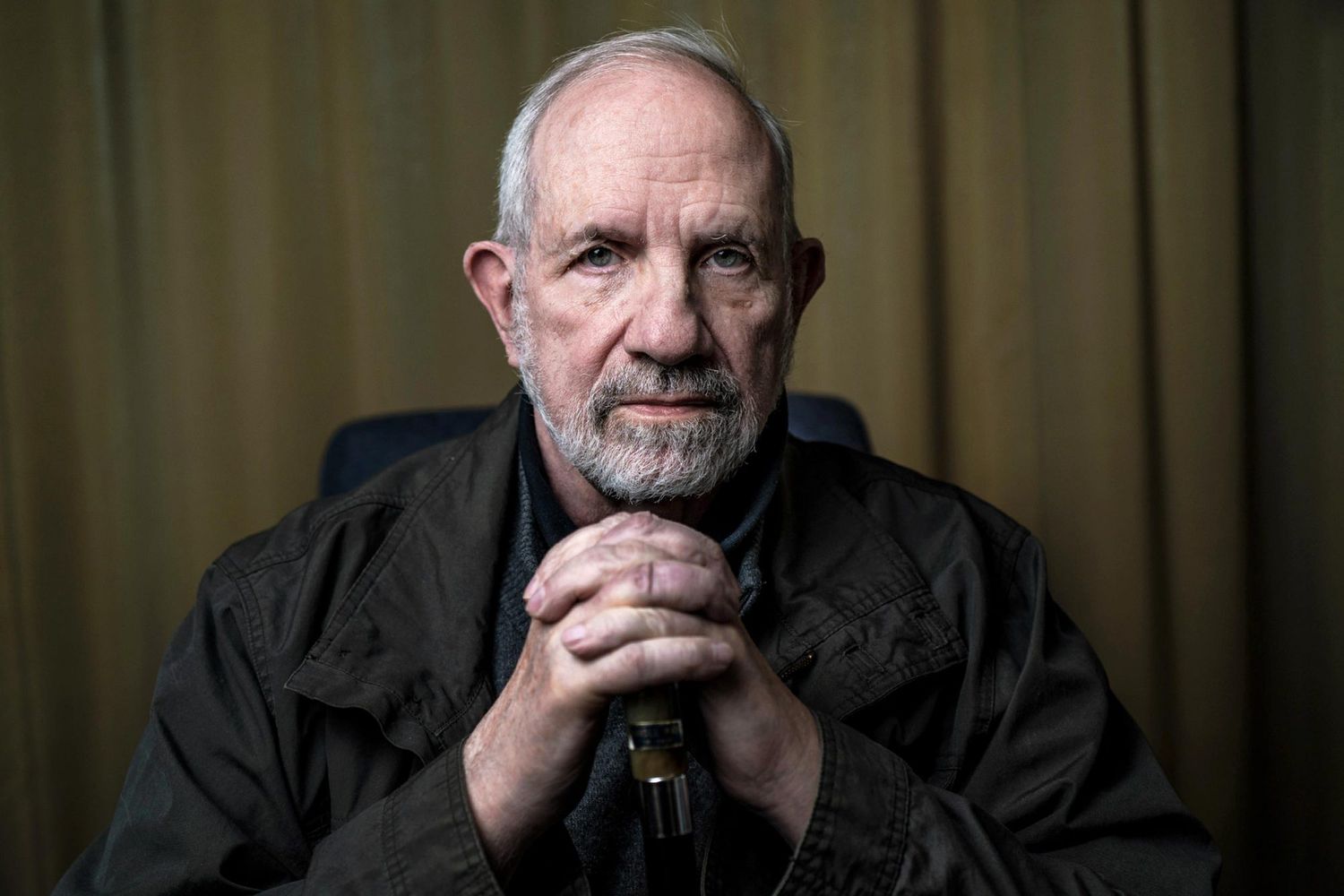
Brian De Palma’s early life in Newark, New Jersey, unfolded within a household shaped by academic discipline and post-war American cultural change. As a child, he developed an early fascination with observation, surveillance, and mechanical perception interests that would later become central motifs in his filmmaking language. His upbringing during a period of rapidly evolving American media culture exposed him to both classical Hollywood storytelling and emerging experimental cinema.
De Palma’s career beginnings were rooted in academic film training at Sarah Lawrence College, where he began producing early experimental works influenced by European auteurs and psychological cinema. His early films revealed a preoccupation with voyeurism, identity fragmentation, and cinematic structure itself. Entering the film industry during the New Hollywood era, he quickly aligned with a generation of directors challenging traditional studio storytelling conventions.
The breakthrough came with psychologically intense thrillers that fused stylistic experimentation with commercial accessibility. His use of split screens, long tracking shots, and subjective camera perspectives became defining technical signatures. During the 1990s, De Palma transitioned into large-scale studio productions, where his stylistic boldness intersected with mainstream action and suspense filmmaking.
De Palma’s legacy lies in redefining cinematic visual grammar. His persistence in formal experimentation influenced generations of directors exploring psychological tension and visual storytelling.
Key Facts
- Full name of the subject: Brian Russell De Palma
- Date of birth: 11 September 1940
- Place of birth: Newark, New Jersey, United States
- Family background: Italian-American family
- Early childhood experiences: Interest in observation and mechanical systems
- Education history: Sarah Lawrence College; Columbia University
- Influences and mentors: Alfred Hitchcock, European New Wave cinema
- Career beginnings: Experimental short films and independent projects
- Major achievements: Defining psychological thriller filmmaking style
- Challenges and obstacles faced: Studio resistance to experimental techniques
- Turning points in life: Breakthrough success in suspense cinema
- Contributions to society: Innovation in visual storytelling techniques
- Personal life: Married; children
- Awards and recognitions: Film festival honors and industry recognition
- Beliefs, values, or philosophy: Cinema as psychological and visual exploration
- Legacy and impact: Influential figure in modern thriller aesthetics
- Historical or cultural significance: Key innovator in New Hollywood stylistic cinema
Notable Works: Carrie, Scarface, Blow Out, Mission: Impossible
Controversies:
De Palma has faced criticism for the explicit violence and sexualized imagery present in several of his films. The issue centers on debates over whether stylized cinematic depictions of violence cross ethical boundaries in mainstream entertainment. The background involves shifting censorship standards in American cinema during the 1970s and 1980s. Stakeholders included film rating boards, critics, audiences, and advocacy groups. Critics argued that certain scenes were excessively graphic, while defenders maintained that his stylistic choices were intentionally reflective of genre conventions and psychological themes. No formal regulatory bans permanently restricted his work. The impact contributed to ongoing debates on film classification standards and artistic freedom in thriller cinema.
5. George Lucas

George Lucas’s early life in Modesto, California, was shaped by a quiet suburban environment and a strong interest in mechanics, racing culture, and visual storytelling. After surviving a serious car accident in his youth, he redirected his focus toward creative expression rather than physical competition. This formative experience deepened his interest in technology, motion, and narrative construction.
Lucas’s career beginnings developed at the University of Southern California’s film school, where he produced experimental and science-fiction-influenced short films. His early work reflected an analytical approach to editing, structure, and world-building. Entering the film industry during the rise of New Hollywood, he became part of a generation redefining cinematic storytelling.
The breakthrough came with large-scale space fantasy storytelling that revolutionized global entertainment architecture. His creation of expansive fictional universes and advanced visual effects pipelines fundamentally changed production models in Hollywood. During the 1990s, his influence expanded further through technological innovation in digital filmmaking and franchise development.
Lucas’s legacy lies in transforming cinema into a transmedia storytelling ecosystem. His persistence redefined how narratives are built, expanded, and commercialized across global entertainment platforms.
Key Facts
- Full name of the subject: George Walton Lucas Jr.
- Date of birth: 14 May 1944
- Place of birth: Modesto, California, United States
- Family background: Middle-class American family
- Early childhood experiences: Automobile accident and interest in mechanics
- Education history: University of Southern California School of Cinematic Arts
- Influences and mentors: Akira Kurosawa, classic serial storytelling
- Career beginnings: Experimental student films and early directing work
- Major achievements: Creation of major global science-fiction franchises
- Challenges and obstacles faced: Studio resistance to unconventional narratives
- Turning points in life: Breakthrough success in space fantasy filmmaking
- Contributions to society: Advancement of digital filmmaking and visual effects
- Personal life: Married; children
- Awards and recognitions: Lifetime achievement honors and industry awards
- Beliefs, values, or philosophy: Technological storytelling innovation
- Legacy and impact: Creator of modern blockbuster franchise model
- Historical or cultural significance: Global transformation of cinematic universes
Notable Works: Star Wars franchise, Indiana Jones collaboration, Lucasfilm innovations
Controversies:
Lucas has faced criticism regarding the perceived commercialization of film franchises and changes made to original theatrical releases of his works. The issue centers on artistic revision versus preservation of original cinematic versions. The background involves the evolution of home media, digital remastering, and expanded franchise management. Stakeholders included fans, distributors, film preservation groups, and studios. Critics argued that alterations affected historical authenticity, while Lucas defended revisions as improvements aligned with evolving technology and artistic intent. No legal violations were recorded. The impact contributed to ongoing debates about film restoration, authorship, and version control in modern cinema.
6. William Friedkin
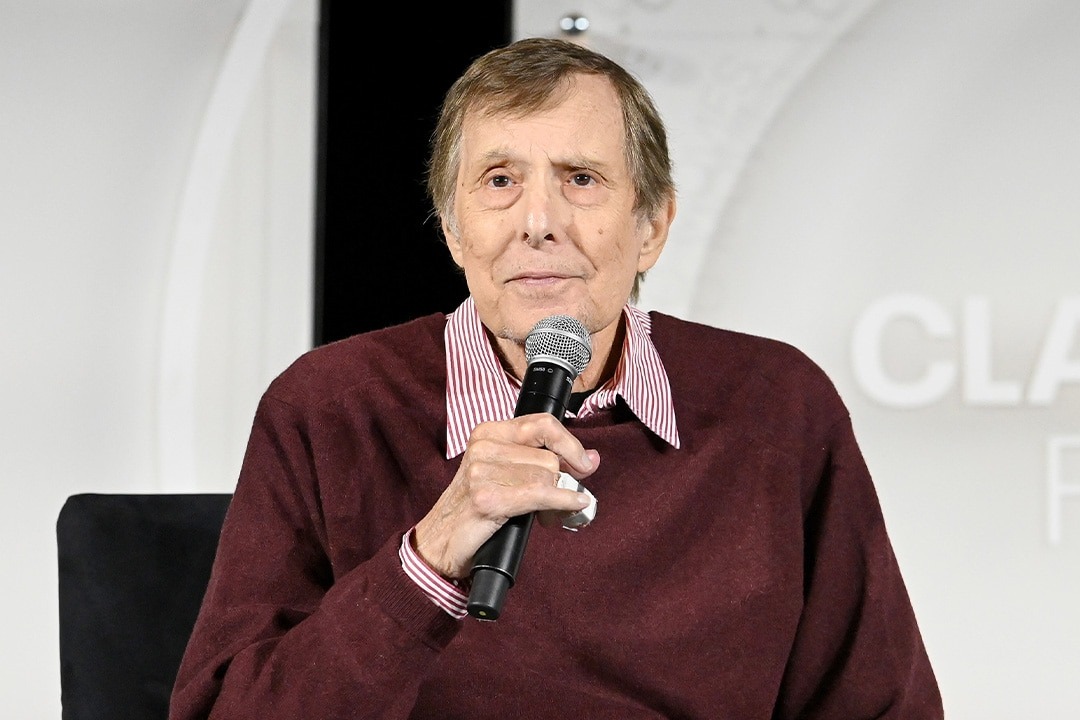
William Friedkin’s early life in Chicago was shaped by a working-class environment and early exposure to live television broadcasting. He developed an interest in realism and procedural storytelling, influenced by documentary-style media and urban environments. His upbringing in a rapidly changing American city contributed to his fascination with crime, authority, and moral ambiguity.
Friedkin’s career beginnings were rooted in television directing, where he honed a disciplined, observational style. His early documentary work influenced his transition into narrative filmmaking, emphasizing authenticity and tension. Entering Hollywood during the New Hollywood movement, he quickly established himself as a director unafraid of realism and intensity.
The breakthrough came with groundbreaking crime and supernatural thrillers that redefined genre filmmaking. His 1990s career maintained a focus on psychological tension and moral instability within institutional systems. His directing style emphasized realism, unpredictability, and emotional volatility.
Friedkin’s legacy lies in reshaping American genre cinema through documentary realism and narrative intensity. His persistence redefined how crime and horror films could be constructed with psychological depth.
Key Facts
Full name of the subject: William David Friedkin
Date of birth: 29 August 1935
Place of birth: Chicago, Illinois, United States
Family background: Working-class Jewish-American family
Early childhood experiences: Exposure to urban life and broadcasting
Education history: No formal film school training
Influences and mentors: Documentary filmmakers, European realism
Career beginnings: Television directing and documentary work
Major achievements: Landmark crime and horror filmmaking
Challenges and obstacles faced: Studio skepticism toward realism-heavy style
Turning points in life: Breakthrough success in crime thriller cinema
Contributions to society: Advancement of procedural realism in film
Personal life: Married; children
Awards and recognitions: Academy Awards
Beliefs, values, or philosophy: Realism and narrative intensity
Legacy and impact: Redefined American crime cinema
Historical or cultural significance: Key New Hollywood realism figure
Notable Works: The Exorcist, The French Connection, Sorcerer
Controversies:
Friedkin’s work has been the subject of controversy due to extremely intense depictions of violence and psychological distress in his films. The issue centers on whether such realism contributes to audience desensitization or artistic insight. The background involves shifting standards in film classification during the 1970s and 1980s. Stakeholders included censorship boards, audiences, critics, and filmmakers. Critics argued that certain scenes were excessively disturbing, while defenders maintained that the realism was essential to narrative impact and thematic authenticity. No formal censorship bans permanently restricted his work. The impact reinforced debates on realism, audience sensitivity, and genre boundaries in cinema.
7. Robert Altman
Robert Altman’s early life in Kansas City was shaped by Midwestern culture and early exposure to aviation and military service. His experience as a military pilot during World War II influenced his later fascination with group dynamics, hierarchy, and overlapping systems of communication. These early experiences informed his cinematic approach to ensemble storytelling.
Altman’s career beginnings developed in television production, where he directed episodic content under tight production constraints. This environment encouraged improvisation and naturalistic dialogue, which became defining features of his later film style. Entering Hollywood during the New Hollywood era, he positioned himself as an alternative voice to traditional narrative structure.
The breakthrough came with ensemble-driven films that rejected linear storytelling in favor of overlapping dialogue and multiple narrative threads. During the 1990s, Altman experienced a creative resurgence, producing critically acclaimed ensemble works that reaffirmed his influence on independent cinema. His films emphasized social observation over individual heroism.
Altman’s legacy lies in redefining cinematic structure through ensemble storytelling. His persistence challenged traditional narrative hierarchy and expanded the possibilities of character-driven film construction.
Key Facts
- Full name of the subject: Robert Bernard Altman
- Date of birth: 20 February 1925
- Place of birth: Kansas City, Missouri, United States
- Family background: Middle-class American family
- Early childhood experiences: Aviation interest and wartime service
- Education history: Saint Peter’s School; military training
- Influences and mentors: Documentary realism and television production
- Career beginnings: Television directing and industrial films
- Major achievements: Ensemble narrative filmmaking innovation
- Challenges and obstacles faced: Studio resistance to non-linear storytelling
- Turning points in life: Breakthrough success in ensemble cinema
- Contributions to society: Expansion of narrative experimentation in film
- Personal life: Married; children
- Awards and recognitions: Honorary Academy Award
- Beliefs, values, or philosophy: Collective storytelling over individual focus
- Legacy and impact: Pioneer of ensemble cinema structure
- Historical or cultural significance: Major influence on independent film language
Notable Works: MASH, Nashville, The Player, Gosford Park
Controversies:
Altman faced criticism early in his career for rejecting traditional narrative clarity in favor of overlapping dialogue and fragmented storytelling. The issue centers on whether experimental structure alienated mainstream audiences. The background involves shifts in American cinema during the New Hollywood era. Stakeholders included studios, critics, audiences, and film theorists. Critics argued that his films were deliberately inaccessible, while supporters viewed them as realistic representations of social complexity. No formal institutional disputes were recorded. The impact influenced academic debate on narrative structure and expanded acceptance of experimental mainstream cinema.
8. Ridley Scott
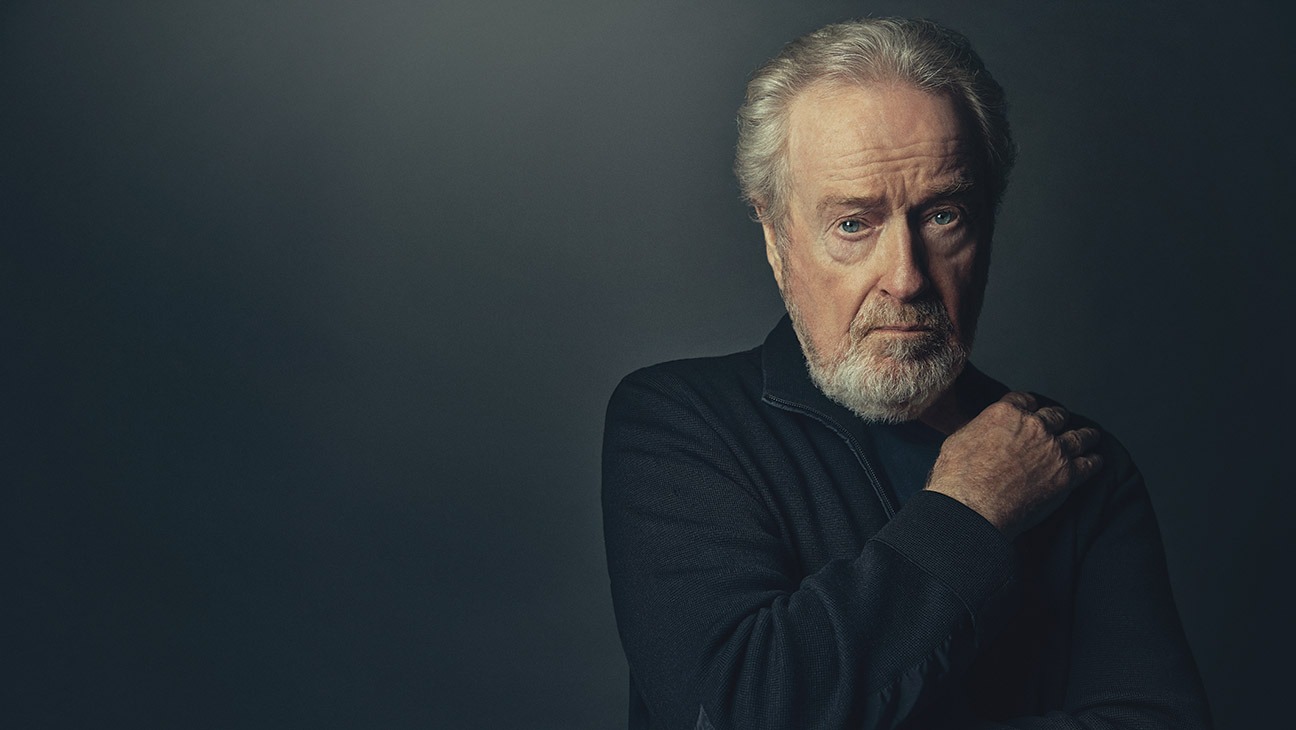
Ridley Scott’s early life in South Shields, England, was shaped by the industrial landscapes of post-war Britain, where stark environments and mechanical order influenced his visual imagination. Growing up in a disciplined household with military ties, he developed an early fascination with architecture, lighting, and visual composition rather than traditional storytelling.
Scott’s career beginnings were rooted in design rather than film. After studying at the Royal College of Art, he initially worked in television commercials, where he mastered precision-driven visual storytelling. This commercial background became the foundation of his cinematic identity, emphasizing atmosphere, texture, and controlled visual intensity.
The breakthrough came with his transition into feature filmmaking, where his ability to construct immersive worlds immediately distinguished him within New Hollywood’s later evolution. His 1990s output reflected a matured command of scale and genre, blending psychological tension with expansive visual environments. He became known for transforming narrative space into a character in itself.
Scott’s legacy lies in redefining cinematic world-building. His persistence bridged commercial visual design and auteur filmmaking, influencing global science fiction and historical epics.
Key Facts
- Full name of the subject: Ridley Scott
- Date of birth: 30 November 1937
- Place of birth: South Shields, England
- Family background: Military-influenced British working-class family
- Early childhood experiences: Exposure to industrial landscapes and structured environments
- Education history: Royal College of Art
- Influences and mentors: European visual artists, architectural design theory
- Career beginnings: Television commercials and production design
- Major achievements: Landmark science fiction and historical epics
- Challenges and obstacles faced: Transition from commercial directing to feature films
- Turning points in life: Breakthrough success in cinematic science fiction
- Contributions to society: Expansion of visual storytelling language
- Personal life: Married; children
- Awards and recognitions: Academy Award nominations and BAFTA honors
- Beliefs, values, or philosophy: Visual realism and immersive storytelling
- Legacy and impact: Pioneer of modern cinematic world-building
- Historical or cultural significance: Key architect of contemporary visual cinema
Notable Works: Alien, Blade Runner, Gladiator, Thelma & Louise
Controversies:
Scott has faced critical debate regarding historical accuracy in some of his epic films, particularly in portrayals of ancient and medieval settings. The issue centers on the tension between cinematic dramatization and historical fidelity. The background involves the production of large-scale historical epics designed for mass audiences. Stakeholders include historians, critics, audiences, and production studios. Critics argue that certain creative liberties distort historical realities, while supporters emphasize cinematic interpretation and narrative necessity. No formal institutional findings have challenged his work. The impact reflects ongoing debates about historical representation in mainstream cinema.
9. James Cameron
James Cameron’s early life in Kapuskasing, Canada, was shaped by a technically oriented household and early exposure to engineering concepts and science fiction literature. He developed a strong interest in mechanics, underwater exploration, and visual experimentation, often building homemade devices and studying special effects techniques independently.
Cameron’s career beginnings were marked by self-driven learning and work in low-budget film production, where he mastered practical effects and mechanical storytelling tools. He entered the industry during a period of technological transition in Hollywood, positioning himself as both a filmmaker and technical innovator.
The breakthrough came with his integration of advanced visual effects and high-intensity narrative structures in commercial filmmaking. During the 1990s, he redefined blockbuster cinema with large-scale emotional storytelling supported by groundbreaking technological innovation. His work consistently pushed production boundaries.
Cameron’s legacy lies in merging engineering precision with cinematic storytelling. His persistence redefined technological ambition within mainstream filmmaking.
Key Facts
- Full name of the subject: James Francis Cameron
- Date of birth: 16 August 1954
- Place of birth: Kapuskasing, Ontario, Canada
- Family background: Technical and working-class Canadian family
- Early childhood experiences: Mechanical experimentation and science fiction influence
- Education history: Self-directed learning; brief university attendance
- Influences and mentors: Science fiction literature, engineering design
- Career beginnings: Low-budget film production and effects work
- Major achievements: Revolutionary blockbuster filmmaking and technology integration
- Challenges and obstacles faced: Industry skepticism toward technical ambition
- Turning points in life: Breakthrough success in large-scale science fiction cinema
- Contributions to society: Advancement of cinematic technology and CGI integration
- Personal life: Married multiple times; children
- Awards and recognitions: Academy Awards and global industry honors
- Beliefs, values, or philosophy: Technological innovation through storytelling
- Legacy and impact: Pioneer of modern effects-driven cinema
- Historical or cultural significance: Transformation of blockbuster filmmaking
Notable Works: Terminator 2, Titanic, Avatar, The Abyss
Controversies:
Cameron has faced criticism regarding high-pressure production environments and extended filming schedules on major projects. The issue centers on whether intense production demands are justified by artistic and technical outcomes. The background involves complex large-scale film productions requiring cutting-edge technology development. Stakeholders include production crews, studios, actors, and industry regulators. Critics argue that his production methods can create demanding working conditions, while supporters emphasize technological breakthroughs and cinematic achievements. No formal regulatory violations have been recorded. The impact reinforces ongoing discussions about labor intensity and innovation in large-scale filmmaking.
10. Kathryn Bigelow

Kathryn Bigelow’s early life in San Carlos, California, was shaped by a strong interest in visual art, philosophy, and structural storytelling. She initially pursued painting before transitioning into film, where her artistic background influenced her precise visual composition and thematic focus on tension and conflict.
Bigelow’s career beginnings developed through experimental filmmaking and academic study at Columbia University’s film program. She entered the film industry during a period when female directors were significantly underrepresented, positioning her as a pioneering voice in a male-dominated cinematic landscape.
The breakthrough came with genre-defining action and thriller films that blended stylistic intensity with psychological realism. During the 1990s, her work gained critical recognition for its visceral approach to storytelling and technical precision. She became known for redefining action cinema through a grounded, immersive lens.
Bigelow’s legacy lies in reshaping action filmmaking through realism and psychological depth. Her persistence broke structural barriers in Hollywood directing.
Key Facts
- Full name of the subject: Kathryn Ann Bigelow
- Date of birth: 27 November 1951
- Place of birth: San Carlos, California, United States
- Family background: Middle-class American family
- Early childhood experiences: Strong artistic and philosophical interests
- Education history: San Francisco Art Institute; Columbia University
- Influences and mentors: Conceptual art, European cinema
- Career beginnings: Experimental films and independent projects
- Major achievements: Acclaimed action and war cinema director
- Challenges and obstacles faced: Gender barriers in Hollywood directing
- Turning points in life: Breakthrough success in action filmmaking
- Contributions to society: Redefined realism in action cinema
- Personal life: Divorced; private
- Awards and recognitions: Academy Award winner
- Beliefs, values, or philosophy: Realism, tension, and immersive storytelling
- Legacy and impact: Pioneer of modern female-directed action cinema
- Historical or cultural significance: Barrier-breaking Hollywood director
Notable Works: The Hurt Locker, Zero Dark Thirty, Point Break
Controversies:
Bigelow has faced debate regarding the portrayal of military and intelligence operations in her films, particularly in relation to realism versus perceived political framing. The issue centers on whether dramatized depictions of national security operations influence public perception. The background involves the production of films based on recent historical events and military contexts. Stakeholders include government observers, critics, audiences, and policy analysts. Critics argue that certain portrayals may oversimplify complex geopolitical realities, while supporters emphasize research-based storytelling and dramatic interpretation. No formal findings of misrepresentation have been issued. The impact reflects broader discussions on cinema’s role in representing contemporary political conflict.
Notable Mentions:
Denis Villeneuve
Christopher Nolan
Quentin Tarantino
Coen Brothers
David Fincher