Top 10 People Who Reinvented Their Careers Multiple Times
Top 10 People Who Reinvented Their Careers Multiple Times
In This Content
1. David Bowie
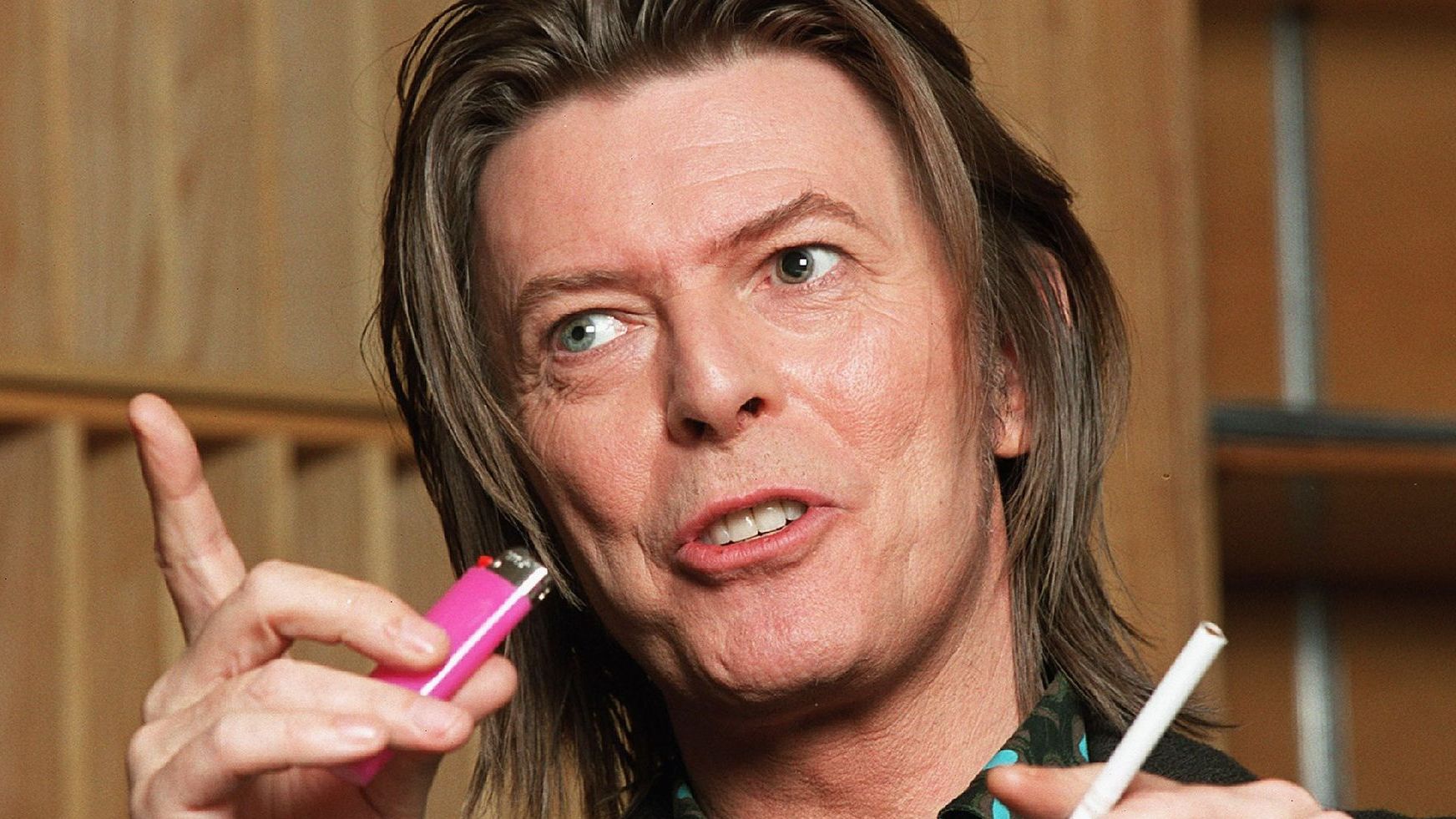
David Bowie stands as one of the most studied figures in modern cultural reinvention, not merely because he changed styles, but because he repeatedly dismantled and rebuilt his artistic identity with precision and intent. His career was defined by an unusual refusal to remain fixed in any single persona, genre, or public expectation. Across decades, Bowie treated identity itself as a creative medium, shifting between music, performance art, fashion, and cinematic expression.
Born in post-war London, Bowie grew up in a culturally shifting environment where jazz, literature, and experimental art were shaping new youth identities. His early exposure to music and visual art developed into a fascination with transformation, both sonic and psychological. Unlike many of his contemporaries who sought stability in genre, Bowie gravitated toward disruption, positioning change as a permanent artistic philosophy.
His breakthrough came in the early 1970s with the emergence of Ziggy Stardust, a persona that fused glam rock with theatrical science fiction storytelling. This era marked not only commercial success but also a radical redefinition of what a musical artist could represent. He followed this with successive reinventions, soul-inspired experimentation in the United States, electronic collaborations in Berlin, and later mainstream reintegration, each phase deliberately breaking from the last.
By the 1990s and early 2000s, Bowie had transitioned from trendsetter to cultural institution. His influence extended beyond music into fashion design, visual aesthetics, and performance theory. Even as newer genres emerged, his legacy persisted as a blueprint for artistic evolution without compromise, influencing generations of musicians and performers who viewed identity as fluid rather than fixed.
His death in 2016 marked not an end but a reinforcement of his mythos, as his final album, Blackstar, was widely interpreted as a carefully constructed artistic farewell. Bowie’s legacy remains rooted in the idea that reinvention is not adaptation it is authorship of self.
Key Facts
- Full name of the subject: David Robert Jones
- Date of birth: 8 January 1947
- Place of birth: Brixton, London, England
- Family background: Working-class British family
- Early childhood experiences: Early exposure to music, art, and theatrical expression
- Education history: Bromley Technical High School (art and design focus)
- Influences and mentors: Little Richard, Andy Warhol, Iggy Pop, avant-garde theatre
- Career beginnings: Early 1960s rhythm and blues bands and solo recordings
- Major achievements: Creation of Ziggy Stardust persona, global music innovation, Berlin Trilogy albums
- Challenges and obstacles faced: Early commercial failure, addiction struggles, identity reinvention pressure
- Turning points in life: Introduction of Ziggy Stardust persona; relocation to Berlin
- Contributions to society: Cultural redefinition of identity, influence on music and fashion
- Personal life (marriage, children, relationships): Married to Iman; one son
- Awards and recognitions: Multiple Grammy Awards, BRIT Awards, Rock and Roll Hall of Fame induction
- Beliefs, values, or philosophy: Artistic transformation as a continuous identity practice
- Legacy and impact: Pioneer of artistic reinvention and identity fluidity in modern music
- Historical or cultural significance: Transformed global pop culture and performance identity
Notable Works: The Rise and Fall of Ziggy Stardust and the Spiders from Mars, Heroes, Low, Let’s Dance, Blackstar
Controversies:
One of the most widely discussed controversies surrounding David Bowie was his evolving public persona in the 1970s, particularly the Ziggy Stardust character, which blurred boundaries between performance and personal identity. The issue centered on whether Bowie’s on-stage persona was intentionally misleading or a legitimate artistic expression of character-driven performance. The context of this debate emerged during a period when rock music was increasingly theatrical, and audiences were still adjusting to concept-driven performances. Critics, fans, and music journalists became key stakeholders in interpreting whether Bowie was “becoming” his character or simply portraying it. Bowie himself maintained that Ziggy was a constructed narrative figure rather than a permanent identity shift. While no institutional ruling existed, the public perception oscillated between admiration and confusion. The impact of this controversy ultimately strengthened Bowie’s reputation as a boundary-breaking artist, redefining performance authenticity in modern music.
Another area of controversy involved allegations and discussions around Bowie’s personal life and substance use during the mid-1970s, particularly during his time in Los Angeles. The public concern focused on reports of excessive drug use and erratic behavior, which some critics argued affected his reliability and artistic coherence. These claims were widely circulated in media accounts of the era, though often lacking consistent verification. Bowie later acknowledged struggles with addiction, framing them as part of a broader period of instability rather than defining traits of his career. The consequence of this period was a relocation to Berlin and a deliberate restructuring of his personal and professional life, which critics and historians now view as a pivotal recovery phase that led to some of his most critically acclaimed work.
2. Madonna
Madonna’s career is one of the most systematically documented examples of reinvention in global pop culture, defined by her ability to shift not only musical style but also visual identity, thematic focus, and cultural positioning. Her trajectory reflects an artist who understood early that longevity in entertainment requires continuous recalibration of public perception.
Raised in a large Italian-American family in Michigan, Madonna’s early life was marked by discipline, loss, and ambition. The death of her mother at a young age became a defining emotional force that shaped her drive for control and visibility. She later moved to New York City with limited financial resources, entering a competitive artistic landscape that combined dance, underground music, and performance art.
Her breakthrough in the early 1980s came through dance-pop records that fused commercial accessibility with provocative imagery. Unlike many contemporaries, Madonna treated controversy as a structural element of branding, using music videos, fashion, and choreography as interconnected storytelling tools. She rapidly transitioned from rising pop singer to global cultural figure.
In the 1990s, Madonna reached a peak of reinvention with era-defining projects that incorporated religious symbolism, eroticism, and political commentary. She continued to evolve into film acting, business ventures, and later electronic and world music experimentation. Each phase reflected an understanding of shifting cultural landscapes and audience psychology.
Her legacy is defined by her ability to maintain relevance across decades by anticipating cultural transitions rather than reacting to them. Madonna’s influence extends beyond music into marketing, gender discourse, and entertainment strategy, where she remains a foundational case study in sustained reinvention.
Key Facts
- Full name of the subject: Madonna Louise Ciccone
- Date of birth: 16 August 1958
- Place of birth: Bay City, Michigan, USA
- Family background: Italian-American working-class family
- Early childhood experiences: Early exposure to dance and strict upbringing following maternal loss
- Education history: University of Michigan (dance scholarship, did not complete)
- Influences and mentors: Martha Graham, Debbie Harry, New York underground artists
- Career beginnings: Dance performer in New York clubs and early band collaborations
- Major achievements: Global pop superstardom, reinvention across multiple musical eras
- Challenges and obstacles faced: Industry sexism, media backlash, artistic censorship
- Turning points in life: Release of Like a Virgin; Ray of Light reinvention phase
- Contributions to society: Expansion of pop performance boundaries and gender expression discourse
- Personal life (marriage, children, relationships): Multiple high-profile relationships; six children
- Awards and recognitions: Grammy Awards, MTV Awards, Rock and Roll Hall of Fame induction
- Beliefs, values, or philosophy: Artistic freedom and self-determination through reinvention
- Legacy and impact: Defined modern pop reinvention strategy
- Historical or cultural significance: Transformed global pop culture identity frameworks
Notable Works: Like a Virgin, True Blue, Like a Prayer, Ray of Light, Confessions on a Dance Floor
Controversies:
A major controversy in Madonna’s career emerged in the late 1980s and early 1990s surrounding her use of religious imagery, particularly in works such as Like a Prayer. The issue involved accusations of blasphemy and deliberate provocation directed at religious institutions. The context included growing tensions between pop culture expression and conservative religious groups. Key stakeholders included the Vatican, religious advocacy organizations, media broadcasters, and Madonna’s record label. Critics argued that her work crossed moral boundaries, while supporters framed it as artistic commentary on faith and institutional power. Madonna defended her work as symbolic exploration rather than religious disrespect. While no legal prohibitions were sustained, several commercial partnerships were affected, including advertising withdrawals. The long-term impact reinforced her reputation as a boundary-testing cultural figure who used controversy as a platform for artistic dialogue.
Another controversy involved criticism of her evolving cultural appropriation debates in later reinvention phases, particularly regarding the use of global and religious aesthetics in fashion and music. Critics argued that certain artistic choices lacked cultural sensitivity, while supporters viewed them as global artistic fusion. The debate continues in academic and media discourse, with no definitive consensus, but it has influenced broader conversations about cultural exchange in pop performance.
3. Arnold Schwarzenegger
Arnold Schwarzenegger’s career represents one of the most structured examples of multi-sector reinvention, transitioning from sports to cinema to politics while maintaining global recognition across each field. His journey reflects a strategic approach to reinvention grounded in discipline, branding, and long-term positioning.
Born in post-war Austria, Schwarzenegger grew up in a strict household shaped by economic hardship and disciplined upbringing. Early exposure to physical training and competitive sports led him to bodybuilding, where he rapidly distinguished himself through exceptional physical development and competitive focus. His early ambition extended beyond athletics into global recognition, an unusual aspiration in bodybuilding at the time.
His breakthrough came in the bodybuilding world with multiple Mr. Olympia titles, establishing him as a dominant figure in international fitness culture. However, his most significant reinvention began with his transition to Hollywood, where he overcame linguistic and cultural barriers to become a leading action film star. Films such as The Terminator franchise redefined his public identity and positioned him as a global entertainment icon.
By the 1990s, Schwarzenegger had achieved peak Hollywood status before undertaking a further reinvention into public service. His election as Governor of California marked a rare transition from entertainment celebrity to political leadership. This phase required repositioning his public identity from action figure to policymaker, navigating complex political landscapes and governance challenges.
His legacy is defined by cross-domain reinvention, demonstrating that career transformation can be structured, strategic, and sustained across entirely different industries.
Key Facts
- Full name of the subject: Arnold Alois Schwarzenegger
- Date of birth: 30 July 1947
Place of birth: Thal, Styria, Austria - Family background: Working-class Austrian family
- Early childhood experiences: Exposure to discipline, sports, and post-war economic hardship
- Education history: Business and language studies in Austria and United States
- Influences and mentors: Reg Park, bodybuilding pioneers, Hollywood producers
- Career beginnings: Professional bodybuilding competitions
- Major achievements: Mr. Olympia titles, global film career, Governor of California
- Challenges and obstacles faced: Language barriers, typecasting, political skepticism
- Turning points in life: Winning Mr. Olympia; starring in The Terminator
- Contributions to society: Fitness advocacy, public service leadership
- Personal life (marriage, children, relationships): Former marriage Maria Shriver; four children
- Awards and recognitions: Golden Globe, bodybuilding championships, civic honors
- Beliefs, values, or philosophy: Self-discipline, reinvention through structured ambition
- Legacy and impact: Model of cross-industry career transformation
- Historical or cultural significance: Bridged sports, entertainment, and politics
Notable Works: Conan the Barbarian, The Terminator, Predator, Total Recall, Governorship of California (2003–2011)
Controversies:
One notable controversy in Schwarzenegger’s career involved allegations of inappropriate conduct that emerged publicly during his political campaign and later years. The issue centered on claims of misconduct made by multiple individuals, which became a significant media focus during his transition into politics. The context included heightened scrutiny of celebrity candidates entering public office. Key stakeholders included the accusers, media organizations, political opponents, and the Schwarzenegger campaign. Schwarzenegger publicly acknowledged instances of inappropriate behavior in past environments, issuing apologies while disputing certain characterizations. The matter did not result in criminal charges but influenced public discourse during his election period. The impact included reputational scrutiny, though it did not prevent his electoral victory.
Another controversy involved criticism of certain policy decisions during his governorship, particularly regarding budget management and environmental regulations. Supporters highlighted infrastructure reforms and environmental initiatives, while critics argued inconsistencies in fiscal policy execution. The debate remains part of broader evaluations of his political legacy, reflecting mixed assessments of his governance effectiveness.
4. Oprah Winfrey
Oprah Winfrey’s career reinvention is rooted in her extraordinary transition from local broadcast journalism into a global media architecture that reshaped the boundaries of talk television, personal branding, and philanthropic influence. Her trajectory reflects not just professional adaptation, but the construction of an entirely new category of media authority built on emotional intelligence and narrative accessibility.
Born in rural Mississippi during a period of deep social and economic inequality in the American South, Oprah’s early life was shaped by instability, poverty, and frequent relocations. These formative experiences cultivated both resilience and a heightened sensitivity to human storytelling. Her academic strength and communication skills eventually led her into broadcasting, where she began in local radio and television reporting roles.
Her breakthrough came with the transformation of a struggling Chicago talk show into The Oprah Winfrey Show, a platform that redefined daytime television. Unlike traditional talk formats, Winfrey introduced emotional disclosure, audience participation, and deeply personal storytelling as central mechanisms of engagement. This shift elevated her from presenter to cultural interpreter, bridging entertainment and psychological discourse.
By the 1990s, Oprah had become a dominant force in global media, expanding into publishing, film production, and network ownership. Her influence extended beyond entertainment into literature markets, consumer behavior, and political discourse, effectively turning her platform into a cultural distribution system. Her legacy is defined by the fusion of media power and personal narrative authenticity.
Key Facts
- Full name of the subject: Oprah Gail Winfrey
- Date of birth: 29 January 1954
- Place of birth: Kosciusko, Mississippi, USA
- Family background: Working-class African-American family
- Early childhood experiences: Poverty, instability, and early public speaking success
- Education history: Tennessee State University (Speech Communications)
- Influences and mentors: Maya Angelou, local broadcast mentors
- Career beginnings: Local radio and television news reporting
- Major achievements: Creation of global talk show empire, OWN Network
- Challenges and obstacles faced: Poverty, abuse, systemic discrimination
- Turning points in life: Launch of The Oprah Winfrey Show
- Contributions to society: Philanthropy, literacy campaigns, media democratization
- Personal life (marriage, children, relationships): Long-term partnership with Stedman Graham
- Awards and recognitions: Presidential Medal of Freedom, Emmy Awards
- Beliefs, values, or philosophy: Personal growth through storytelling and emotional truth
- Legacy and impact: Redefined talk television and media influence
- Historical or cultural significance: Transformed global media consumption patterns
Notable Works: The Oprah Winfrey Show, OWN Network, Oprah’s Book Club, Beloved (film production)
Controversies:
A significant controversy associated with Oprah Winfrey involved public scrutiny of her endorsement of certain wellness and health figures, most notably Dr. Mehmet Oz during his rise to national prominence. The issue centered on whether her platform lent credibility to medical claims that were later challenged by scientific and regulatory communities. The context involved increasing public concern over health misinformation in mainstream media. Key stakeholders included medical professionals, regulatory bodies, audiences, and the individuals promoted on her platform. Critics argued that her influence amplified unverified health advice, while supporters emphasized her role in providing diverse perspectives and encouraging open dialogue. Winfrey has since clarified her commitment to evidence-based evaluation in media selections. The impact of this controversy contributed to broader discussions about media responsibility in public health communication.
Another debated issue involved criticisms of media ownership influence, particularly regarding how her cultural authority shaped political and consumer narratives. Some analysts argued that her endorsement power created disproportionate influence in public opinion formation. While no formal violations or institutional penalties were involved, the discussion remains active in media ethics scholarship, particularly regarding celebrity influence in democratic discourse.
5. Dwayne Johnson

Dwayne Johnson’s career reinvention is one of the most strategically executed transitions in modern entertainment history, moving from professional sports into global cinematic dominance and entrepreneurial branding. His trajectory demonstrates a calculated evolution from athletic identity to mass-market entertainment leadership.
Born into a family deeply rooted in professional wrestling, Johnson’s early life was shaped by constant movement, financial instability, and exposure to the physical performance culture of wrestling. His early ambition was initially directed toward professional football, where he played at the collegiate level before injuries and competitive setbacks altered his trajectory.
His breakthrough began in professional wrestling under the persona “The Rock,” where charisma, physical dominance, and audience engagement transformed him into one of the most recognizable figures in sports entertainment history. His ability to merge athletic performance with theatrical storytelling set him apart as a global wrestling icon.
By the early 2000s, Johnson transitioned into Hollywood, initially facing skepticism regarding his acting range. However, through consistent role diversification from action films to comedy and family entertainment he established himself as a leading box office presence. By the 2010s and 2020s, he expanded into production, business ventures, and global brand development.
His legacy is defined by the seamless merging of sports entertainment, film, and entrepreneurial branding into a unified personal empire that continues to evolve across industries.
Key Facts
- Full name of the subject: Dwayne Douglas Johnson
- Date of birth: 2 May 1972
- Place of birth: Hayward, California, USA
- Family background: Wrestling family lineage
- Early childhood experiences: Frequent relocation, exposure to professional wrestling culture
- Education history: University of Miami (Criminology and Football)
- Influences and mentors: Rocky Johnson, Pat Patterson, wrestling industry veterans
- Career beginnings: Professional football and WWE wrestling debut
- Major achievements: WWE global superstardom, Hollywood leading actor status
- Challenges and obstacles faced: Sports career injuries, Hollywood typecasting
- Turning points in life: Adoption of “The Rock” persona; Hollywood breakthrough
- Contributions to society: Youth motivation, charity work, entrepreneurship
- Personal life (marriage, children, relationships): Married to Lauren Hashian; children
- Awards and recognitions: MTV Awards, People’s Choice Awards
- Beliefs, values, or philosophy: Discipline, consistency, and brand authenticity
- Legacy and impact: Cross-industry entertainment and branding model
- Historical or cultural significance: Redefined athlete-to-actor career pathways
Notable Works: Fast & Furious franchise, Jumanji series, WWE Championship legacy, Moana
Controversies:
A notable controversy surrounding Dwayne Johnson involved debates over labor conditions and creative control within professional wrestling organizations during his early WWE years. The issue centered on broader industry concerns about athlete workload, contractual obligations, and performance expectations. The context included a physically demanding wrestling system with evolving labor standards. Key stakeholders included wrestling organizations, performers, unions, and media critics. Johnson himself was not individually accused of misconduct but was frequently referenced within systemic critiques of the industry. He later advocated for improved working conditions and performer recognition. The impact of these discussions contributed to ongoing reforms in wrestling entertainment labor practices.
Another discussion point involved criticism of Hollywood casting trends that positioned Johnson in similar action-oriented roles, raising questions about typecasting and creative range. While commercially successful, this pattern prompted debates among critics regarding artistic diversity versus commercial branding. Johnson has since diversified his roles, addressing these concerns through broader production involvement.
6. Lady Gaga
Lady Gaga’s career represents a high-intensity model of artistic reinvention driven by conceptual performance art, musical experimentation, and cultural boundary disruption. Her evolution reflects a deliberate merging of pop music with theatrical avant-garde traditions.
Born Stefani Joanne Angelina Germanotta in New York City, she was raised in an environment that emphasized music education and artistic discipline. Early exposure to classical piano and performance training shaped her understanding of composition and stage identity. Her formative years were marked by immersion in New York’s underground performance culture.
Her breakthrough came with the release of The Fame, which introduced a fusion of electronic pop and performance-driven visual identity. Gaga distinguished herself through carefully constructed personas, provocative fashion statements, and narrative-driven music videos that challenged traditional pop norms. Her early career was defined by rapid global recognition and cultural debate.
In the 2010s, Gaga expanded into acting, jazz performance, and stripped-down musical reinterpretation, notably shifting from maximalist pop performance to emotionally grounded artistic expression. This transition demonstrated her ability to recalibrate public perception while maintaining cultural relevance.
Her legacy is defined by the fusion of performance art and mainstream pop music, establishing new expectations for artistic identity fluidity in global entertainment.
Key Facts
- Full name of the subject: Stefani Joanne Angelina Germanotta
- Date of birth: 28 March 1986
- Place of birth: New York City, USA
- Family background: Italian-American family
- Early childhood experiences: Classical music training and theater exposure
- Education history: Collaborative Arts Project 21, NYU Tisch School (dropped out)
- Influences and mentors: Madonna, David Bowie, Queen
- Career beginnings: Club performances in New York underground scene
- Major achievements: Global pop stardom, acting career success
- Challenges and obstacles faced: Industry rejection, mental health struggles
- Turning points in life: Release of Just Dance and The Fame
- Contributions to society: Mental health advocacy, LGBTQ+ support
- Personal life (marriage, children, relationships): Public relationships, no children
- Awards and recognitions: Grammy Awards, Academy Award
- Beliefs, values, or philosophy: Artistic authenticity and emotional expression
- Legacy and impact: Redefined modern pop performance identity
- Historical or cultural significance: Merged avant-garde art with mainstream music
Notable Works: The Fame, Born This Way, A Star Is Born, Chromatica
Controversies:
A major controversy in Lady Gaga’s career involved criticism of her use of provocative imagery and performance art in early works, particularly regarding accusations of shock value overshadowing musical substance. The issue emerged during her rapid rise in global pop culture, where conservative groups and media commentators debated the boundaries of artistic expression. Key stakeholders included broadcasting regulators, cultural critics, fans, and advocacy organizations. Gaga defended her artistic choices as intentional commentary on identity, fame, and media consumption. While no regulatory sanctions were imposed, the controversy contributed to widespread academic and cultural debates about performance art in pop music.
Another discussion involved mental health visibility in celebrity culture, where her openness about personal struggles was both praised and critiqued. While many viewed her transparency as progressive, others questioned the commodification of vulnerability in entertainment. This discourse has since influenced broader conversations about mental health representation in media.
7. Elon Musk
Elon Musk’s career reinvention is characterized by repeated transitions across industries defined by high technological complexity, from digital finance to aerospace engineering and energy systems. His trajectory reflects an unusual blend of engineering ambition, entrepreneurial risk-taking, and long-term systems thinking.
Born in South Africa, Musk’s early life was shaped by intense intellectual curiosity and exposure to computing technology at a young age. He developed early programming skills and demonstrated an interest in physics, engineering, and science fiction narratives that would later influence his entrepreneurial vision.
His first major breakthrough came with the founding of Zip2 and later PayPal, positioning him within the emerging digital economy of the late 1990s. These ventures established his financial foundation and introduced him to scalable technology systems. However, his most significant reinventions occurred after entering space exploration and electric vehicle industries.
Through SpaceX and Tesla, Musk repositioned himself as a central figure in advanced engineering and sustainable technology. These companies not only disrupted established industries but also redefined public expectations of private-sector innovation in space travel and automotive design. By the 2010s and 2020s, he expanded into artificial intelligence, neural interfaces, and social media infrastructure.
His legacy is defined by aggressive cross-sector reinvention, where each career phase builds toward a larger vision of technological transformation at a planetary scale.
Key Facts
- Full name of the subject: Elon Reeve Musk
- Date of birth: 28 June 1971
- Place of birth: Pretoria, South Africa
- Family background: Middle-class professional family
- Early childhood experiences: Early computing exposure and intellectual independence
- Education history: University of Pretoria (brief attendance), University of Pennsylvania
- Influences and mentors: Science fiction authors, engineers, entrepreneurs
- Career beginnings: Zip2 software company
- Major achievements: PayPal, Tesla, SpaceX, Neuralink
- Challenges and obstacles faced: Financial risk, technical failures, public scrutiny
- Turning points in life: PayPal acquisition; early SpaceX rocket failures
- Contributions to society: Renewable energy expansion, space exploration advancement
- Personal life (marriage, children, relationships): Multiple marriages and children
- Awards and recognitions: Time Person of the Year (2021), innovation awards
- Beliefs, values, or philosophy: Multi-planetary survival and technological acceleration
- Legacy and impact: Transformational influence on modern engineering industries
- Historical or cultural significance: Redefined private space and EV industries
Notable Works: SpaceX launches, Tesla Model S development, PayPal acquisition, Starlink network
Controversies:
One major controversy surrounding Elon Musk involves regulatory scrutiny and public debate over his communications on social media platforms, particularly statements that have influenced financial markets. The issue centers on whether public statements made by a corporate leader can materially affect investor behavior and market stability. The context includes increased regulatory attention from financial oversight bodies in the United States. Key stakeholders include investors, regulatory agencies, shareholders, and social media users. Musk has argued that his communications are informal expressions rather than formal financial guidance, while regulators have at times imposed fines or settlements related to disclosure standards. The matter remains partially resolved through regulatory agreements, though public debate continues regarding the boundaries of executive communication.
Another controversy involves labor practices and workplace safety conditions reported in various facilities associated with his companies. Critics have raised concerns about working conditions, while company representatives have pointed to safety improvements and industry-standard comparisons. These debates remain ongoing, with differing interpretations across labor organizations, industry analysts, and company reports.
Top 10 People Who Reinvented Their Careers Multiple Times
8. Vera Wang
Vera Wang’s career is a defining example of late-stage reinvention, demonstrating that transformational success does not always follow a linear timeline. Her professional journey spans figure skating, journalism, fashion editing, and ultimately global luxury design each phase building an unexpected but coherent narrative of creative evolution.
Born into a well-educated immigrant family in New York City, Wang was exposed early to both cultural discipline and artistic refinement. Her childhood was initially oriented toward competitive figure skating, where she trained intensely with aspirations of reaching Olympic level. Although she did not qualify for the Olympic team, this early discipline shaped her understanding of precision, aesthetics, and performance pressure.
Her career began not in fashion design but in media, where she worked at Vogue as one of its youngest editors. This period placed her at the center of the fashion industry, though primarily as a curator rather than a creator. After nearly two decades in editorial work, Wang experienced a pivotal transition when she entered bridal design after her own wedding exposed a gap in high-fashion bridal wear.
Her breakthrough came in her 40s when she launched her bridal label, quickly redefining modern wedding aesthetics with minimalist elegance and architectural design influence. By the 1990s, she had established herself as a dominant force in luxury bridal fashion, later expanding into couture, ready-to-wear, and global lifestyle branding.
Wang’s legacy lies in demonstrating that reinvention can occur at any stage of life and that mastery in one creative field can translate into transformative success in another.
Key Facts
- Full name of the subject: Vera Ellen Wang
- Date of birth: 27 June 1949
- Place of birth: New York City, USA
- Family background: Chinese-American affluent professional family
- Early childhood experiences: Competitive figure skating training and elite education
- Education history: Sarah Lawrence College; University of Paris
- Influences and mentors: Vogue editorial leadership, European couture designers
- Career beginnings: Fashion journalism at Vogue
- Major achievements: Founding global bridal fashion empire
- Challenges and obstacles faced: Late entry into fashion design industry
- Turning points in life: Transition into bridal design after marriage experience
- Contributions to society: Redefined modern bridal fashion aesthetics
- Personal life (marriage, children, relationships): Married Arthur Becker (divorced); two daughters
- Awards and recognitions: CFDA Awards, fashion industry honors
- Beliefs, values, or philosophy: Reinvention is not age-dependent
- Legacy and impact: Transformed global bridal fashion industry
- Historical or cultural significance: Elevated bridal wear into high-fashion category
Notable Works: Vera Wang Bridal Collection, Red Carpet couture designs, global fashion collaborations
Controversies:
A notable controversy involving Vera Wang centers on broader industry debates regarding body image standards in high fashion, particularly criticisms that luxury bridal and couture fashion promotes unrealistic beauty expectations. While Wang herself has not been individually accused of wrongdoing, her brand has been discussed within larger critiques of fashion industry representation. The context includes ongoing global scrutiny of modeling standards and inclusivity in fashion campaigns. Stakeholders include fashion critics, advocacy groups, designers, and consumers. Wang and her brand have emphasized evolving inclusivity in sizing and representation in later collections. The impact of this debate has contributed to wider industry shifts toward more diverse modeling practices and expanded sizing standards.
Another discussion point involves the commercialization of celebrity-linked fashion branding, where critics argue that luxury fashion increasingly relies on personality-driven marketing. In Wang’s case, her personal brand became closely tied to her commercial success, sparking debate about the intersection of identity and commodified luxury culture. This remains an ongoing discussion in fashion economics and branding studies.
9. Martha Stewart
Martha Stewart’s career reinvention reflects one of the most complex trajectories in American business culture, moving from stockbroker to lifestyle publisher to television personality and later re-emergent cultural figure following legal and reputational challenges. Her career illustrates the intersection of domestic expertise, branding power, and corporate transformation.
Raised in a working-class Polish-American household in New Jersey, Stewart developed early skills in cooking, gardening, and domestic organization. Her upbringing emphasized discipline, efficiency, and self-sufficiency qualities that later became central to her brand identity. She initially pursued higher education in European and architectural history before entering finance.
Her early career began on Wall Street as a stockbroker, where she developed financial literacy and business acumen. However, her major reinvention occurred when she transitioned into catering and publishing, eventually building a domestic lifestyle empire through books, television programs, and magazines that standardized the aesthetics of modern home living.
By the 1990s, Stewart had reached peak influence as a lifestyle authority, shaping consumer behavior across cooking, home design, and seasonal entertainment. Her brand expanded into a multimedia corporation, making her one of the first women to build a lifestyle-driven media empire at scale.
Her legacy is defined by the transformation of domestic expertise into a commercial and cultural system, as well as her resilience in rebuilding her public image after legal and reputational setbacks.
Key Facts
- Full name of the subject: Martha Helen Stewart
- Date of birth: 3 August 1941
- Place of birth: Jersey City, New Jersey, USA
- Family background: Polish-American working-class family
- Early childhood experiences: Strong domestic skill development and discipline
- Education history: Barnard College (History and Architectural History)
- Influences and mentors: Corporate finance mentors, culinary traditions
- Career beginnings: Stockbroker on Wall Street
- Major achievements: Martha Stewart Living Omnimedia empire
- Challenges and obstacles faced: Legal convictions and reputational damage
- Turning points in life: Transition from finance to catering and publishing
- Contributions to society: Redefined domestic lifestyle branding and media
- Personal life (marriage, children, relationships): Former marriage to Andrew Stewart; one daughter
- Awards and recognitions: Emmy Awards, publishing and business honors
- Beliefs, values, or philosophy: Precision, order, and aesthetic discipline in daily life
- Legacy and impact: Created modern lifestyle media industry
- Historical or cultural significance: Transformed domestic culture into commercial media
Notable Works: Martha Stewart Living, cookbooks, television programming, lifestyle branding empire
Controversies:
A major controversy in Martha Stewart’s career involved her conviction related to insider trading allegations in the early 2000s. The issue centered on accusations that she sold stock based on non-public information related to a pharmaceutical company. The context involved heightened regulatory scrutiny of financial markets and executive trading behavior. Key stakeholders included federal prosecutors, financial regulators, investors, and Stewart’s corporate leadership. Stewart maintained that her actions were lawful, but she was ultimately convicted of obstruction of justice and related charges. The matter resulted in imprisonment and significant reputational damage. The impact included a temporary collapse of her corporate influence and public brand standing.
Another controversy involved the broader media debate on whether her prosecution reflected gendered and celebrity-targeted enforcement in corporate regulation. Some analysts argued that her case was disproportionately amplified due to her public persona, while others emphasized the legal standards applied uniformly. Over time, her successful brand recovery has reintroduced her as a case study in reputational resilience.
10. Jamie Foxx
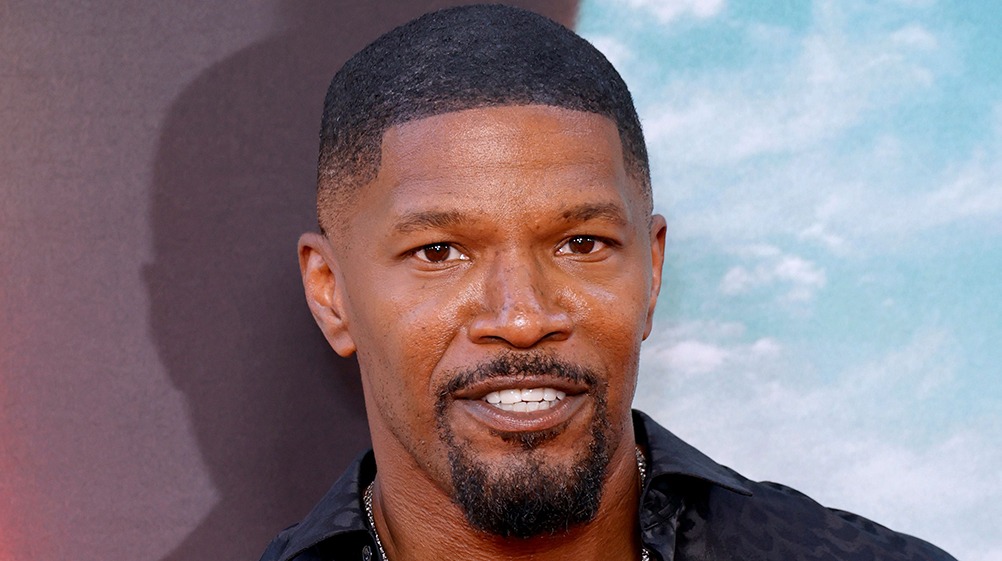
Jamie Foxx’s career reinvention is defined by extraordinary versatility across stand-up comedy, acting, music, and dramatic performance, making him one of the most multidimensional entertainers of his generation. His trajectory reflects a continuous expansion of artistic identity rather than a single transition.
Born Eric Marlon Bishop in Texas, Foxx was raised in a disciplined household by his grandparents, who played a significant role in his emotional and educational development. Early exposure to church music and piano training shaped his foundational artistic abilities, while his comedic talent emerged during adolescence.
His career began in stand-up comedy, where he developed a reputation for sharp impersonations and character-driven humor. This platform led to television opportunities, particularly in sketch comedy, where he refined his performance versatility. His breakthrough into mainstream film occurred in the 1990s, followed by a dramatic transformation into serious acting roles.
By the early 2000s, Foxx had achieved dual success in acting and music, culminating in award-winning performances that demonstrated exceptional emotional range. His portrayal of complex real-life figures marked a shift from comedic performer to dramatic heavyweight, while his music career further expanded his artistic identity.
His legacy is defined by multidimensional reinvention, demonstrating that a single artist can successfully inhabit multiple entertainment industries without losing coherence of identity.
Key Facts
- Full name of the subject: Eric Marlon Bishop (Jamie Foxx)
- Date of birth: 13 December 1967
- Place of birth: Terrell, Texas, USA
- Family background: Raised by grandparents in a disciplined household
- Early childhood experiences: Church music training and early performance exposure
- Education history: United States International University (music scholarship)
- Influences and mentors: Stand-up comedy circuit, Ray Charles (influence role)
- Career beginnings: Stand-up comedy and sketch television (In Living Color)
- Major achievements: Academy Award-winning actor, Grammy-winning musician
- Challenges and obstacles faced: Industry typecasting, early career limitations
- Turning points in life: Breakthrough film roles; portrayal of Ray Charles
- Contributions to society: Entertainment diversity and artistic cross-discipline success
- Personal life (marriage, children, relationships): Father of two daughters
- Awards and recognitions: Academy Award, Grammy Awards
- Beliefs, values, or philosophy: Artistic range and emotional authenticity
- Legacy and impact: Multi-industry entertainment reinvention model
- Historical or cultural significance: Bridged comedy, film, and music at elite level
Notable Works: Ray, Collateral, The Jamie Foxx Show, Unpredictable (album)
Controversies:
A notable controversy involving Jamie Foxx relates to public speculation and reporting surrounding health-related incidents in recent years. The issue centers on inconsistent public information and widespread media and social media speculation regarding his medical condition during periods of hospitalization. The context involved heightened public interest in celebrity health transparency. Key stakeholders included Foxx’s family representatives, media outlets, fans, and entertainment industry observers. Official statements provided limited detail, leading to further speculation and misinformation in public discourse. Foxx later reemerged publicly, helping clarify aspects of recovery without extensive medical disclosure. The impact highlighted broader concerns about privacy boundaries for public figures in health-related matters.
Another discussion point involves occasional industry debates regarding comedic content boundaries in early stand-up performances, where certain jokes were later reassessed under evolving cultural standards. These discussions remain part of broader evaluations of historical comedy material in contemporary entertainment ethics.
Notable Mentions:
Adele
Brad Pitt
Serena Williams
Jeff Bezos
Natalie Portman