Top 10 People Who Overcame Learning Disabilities
Top 10 People Who Overcame Learning Disabilities
In This Content
1. Albert Einstein

Albert Einstein stands as one of the most intellectually transformative figures in modern history, yet his early development was marked by significant learning difficulties that shaped both his cognitive rhythm and his later scientific imagination. Born in Ulm, Germany, Einstein exhibited delayed speech development and struggled with conventional rote-learning systems, often resisting structured classroom expectations. These early challenges contributed to a perception of academic underperformance that contrasted sharply with his later intellectual breakthroughs.
His career began in relative obscurity within the Swiss patent office, where his analytical mind found freedom outside traditional academic constraints. It was here that Einstein developed his most influential early theories, including the foundations of special relativity. His breakthrough in 1905, often referred to as his “miracle year,” redefined physics and positioned him as a revolutionary thinker whose cognitive style operated outside conventional educational frameworks.
Throughout the late 20th-century scientific discourse, Einstein’s early learning struggles became central to discussions on neurodiversity and non-linear intelligence. His intellectual peak reshaped global physics, but more importantly, his developmental profile challenged assumptions about standardized education systems.
Einstein’s legacy is defined not only by scientific achievement but also by the redefinition of intellectual potential, demonstrating that cognitive divergence can produce extraordinary theoretical insight.
Key Facts
- Full name of the subject: Albert Einstein
- Date of birth: March 14, 1879
- Place of birth: Ulm, Kingdom of Württemberg, Germany
- Family background: Middle-class Jewish family
- Early childhood experiences: Delayed speech development and non-conventional learning patterns
- Education history: Swiss Federal Polytechnic, Zurich
- Influences and mentors: James Clerk Maxwell, Heinrich Hertz
- Career beginnings: Patent office examiner in Bern
- Major achievements: Theory of Relativity, Nobel Prize in Physics
- Challenges and obstacles faced: Early academic struggles and learning difficulties
- Turning points in life: Publication of 1905 Annus Mirabilis papers
- Contributions to society: Transformation of modern physics and scientific philosophy
- Personal life (marriage, children, relationships): Married Mileva Marić (divorced); children
- Awards and recognitions: Nobel Prize in Physics (1921)
- Beliefs, values, or philosophy: Advocated imagination and conceptual thinking over rote learning
- Legacy and impact: One of the most influential scientists in human history
- Historical or cultural significance: Redefined modern scientific understanding of space and time
Notable Works: Theory of Relativity
Photoelectric Effect research
1905 Annus Mirabilis papers
General Theory of Relativity
Controversies:
Albert Einstein’s life includes retrospective academic discussions regarding his early educational performance, particularly his perceived struggles with structured learning systems. The issue centers on reports of underperformance in early schooling, often cited in public discourse as evidence of learning difficulty. These accounts have been widely discussed in educational psychology but are not treated as formal diagnoses by contemporary standards.
The background to this discussion lies in the rigid educational frameworks of 19th-century Europe, which emphasized memorization and conformity. Key stakeholders in this interpretation include historians of science, educational theorists, and biographers who have analyzed Einstein’s developmental trajectory. Critics of simplistic narratives argue that labeling Einstein as definitively “learning disabled” risks oversimplifying historical educational context.
There are no institutional disputes or formal controversies related to Einstein’s academic record. The matter remains interpretive rather than adjudicative, with modern scholarship framing his early struggles as evidence of neurodiverse thinking rather than deficiency.
2. Thomas Edison
Thomas Edison is widely recognized as one of the most prolific inventors in modern industrial history, yet his early education was shaped by significant learning challenges that led to his removal from formal schooling. Born in Milan, Ohio, Edison exhibited early difficulties in traditional classroom settings, with reports describing inattentiveness and challenges in conventional academic absorption. These early experiences redirected his intellectual development toward experiential and self-directed learning.
His career began in telegraph operations and mechanical experimentation, where he found practical environments more conducive to his cognitive strengths. Edison’s breakthrough came with the invention of the phonograph and later the practical incandescent light bulb, both of which established him as a central figure in industrial innovation. His method of iterative experimentation often summarized as trial-and-error invention became a defining feature of his creative identity.
During the late 20th-century reinterpretation of innovation history, Edison’s early learning struggles were frequently cited in discussions about alternative intelligence pathways. His peak industrial influence transformed global energy systems, communication technologies, and manufacturing processes.
Edison’s legacy lies in the validation of experiential intelligence, demonstrating that innovation can emerge outside formal educational success structures.
Key Facts
- Full name of the subject: Thomas Alva Edison
- Date of birth: February 11, 1847
- Place of birth: Milan, Ohio, United States
- Family background: Middle-class American family
- Early childhood experiences: Early school removal due to learning difficulties
- Education history: Largely self-educated
- Influences and mentors: Telegraph operators and scientific experimenters
- Career beginnings: Telegraph operator and inventor
- Major achievements: Phonograph, incandescent light bulb, motion picture camera
- Challenges and obstacles faced: Early dismissal from formal education system
- Turning points in life: Success of phonograph invention
- Contributions to society: Modern electrical infrastructure and recorded sound
- Personal life (marriage, children, relationships): Married Mary Stilwell; children
- Awards and recognitions: Numerous patents and industrial honors
- Beliefs, values, or philosophy: Advocated persistence and experimental iteration
- Legacy and impact: Pioneer of industrial-age innovation
- Historical or cultural significance: Shaped modern technological civilization
Notable Works: Phonograph invention
Practical electric light bulb
Motion picture development
Menlo Park research laboratory
Controversies:
Thomas Edison’s legacy includes long-standing debates regarding his business practices during the American industrial expansion. One key issue involves disputes over patent rights and competitive practices with contemporaries such as Nikola Tesla, where accusations of aggressive patent enforcement and intellectual property control were raised. These matters are understood within the context of rapid industrial competition in the late 19th century.
Key stakeholders included Edison’s companies, rival inventors, legal institutions, and emerging electrical utility firms. Critics argued that Edison’s methods sometimes prioritized commercial dominance over collaborative scientific advancement, while supporters emphasized his role in standardizing and industrializing innovation. Historical records confirm extensive patent litigation but vary in interpretation regarding ethical implications.
No formal criminal findings were ever issued against Edison. The controversy remains a historical and ethical debate within innovation history rather than a legal adjudication of wrongdoing.
3. Richard Branson
Richard Branson represents a modern example of entrepreneurial success achieved despite significant early learning challenges, including severe dyslexia that affected his academic performance. Born in Surrey, England, Branson struggled in traditional schooling environments that prioritized written comprehension and standardized evaluation, often leading to academic underachievement despite strong creative thinking abilities.
His career began at a young age with entrepreneurial ventures, including early magazine publishing efforts that reflected his ability to identify market gaps rather than excel in academic testing. Branson’s breakthrough came with the expansion of Virgin Records, which evolved into a global brand encompassing airlines, music, and telecommunications. His business model emphasized bold risk-taking and intuitive decision-making.
During the late 20th century, Branson’s peak influence coincided with globalization and media expansion, positioning him as a symbol of disruptive entrepreneurship. His leadership style challenged conventional corporate hierarchies, favoring branding, innovation, and public engagement over traditional managerial structures.
Branson’s legacy lies in redefining entrepreneurial success as accessible to individuals with non-traditional cognitive profiles, particularly those with learning differences.
Key Facts
- Full name of the subject: Richard Charles Nicholas Branson
- Date of birth: July 18, 1950
- Place of birth: Surrey, England, United Kingdom
- Family background: Middle-class British family
- Early childhood experiences: Severe dyslexia affecting academic performance
- Education history: Attended Stowe School (dropped out)
- Influences and mentors: Entrepreneurial British business culture
- Career beginnings: Student magazine publishing
- Major achievements: Founder of Virgin Group
- Challenges and obstacles faced: Dyslexia and early academic struggles
- Turning points in life: Success of Virgin Records
- Contributions to society: Expansion of global entrepreneurial ecosystems
- Personal life (marriage, children, relationships): Married Joan Templeman; children
- Awards and recognitions: Knighted for services to entrepreneurship
- Beliefs, values, or philosophy: Emphasizes risk-taking and innovation
- Legacy and impact: Global entrepreneurship icon
- Historical or cultural significance: Redefined modern brand-driven business models
Notable Works: Virgin Records
Virgin Atlantic Airways
Virgin Group expansion
Space tourism initiatives (Virgin Galactic)
Controversies:
Richard Branson’s career includes several public debates regarding business practices associated with rapid expansion and aggressive branding strategies. One recurring issue involves competition within the airline and telecommunications industries, where critics have questioned pricing strategies and market disruption tactics. These discussions emerged during periods of intense deregulation in global markets.
Key stakeholders include competing corporations, regulatory agencies, consumer advocacy groups, and financial analysts. Supporters argue that Branson’s strategies increased competition and consumer choice, while critics suggest that certain market behaviors placed pressure on smaller competitors. Regulatory reviews have generally focused on industry practices rather than individual misconduct.
No formal findings of wrongdoing have been established against Branson. The controversies remain situated within broader debates about capitalism, market disruption, and corporate competition.
4. Steven Spielberg
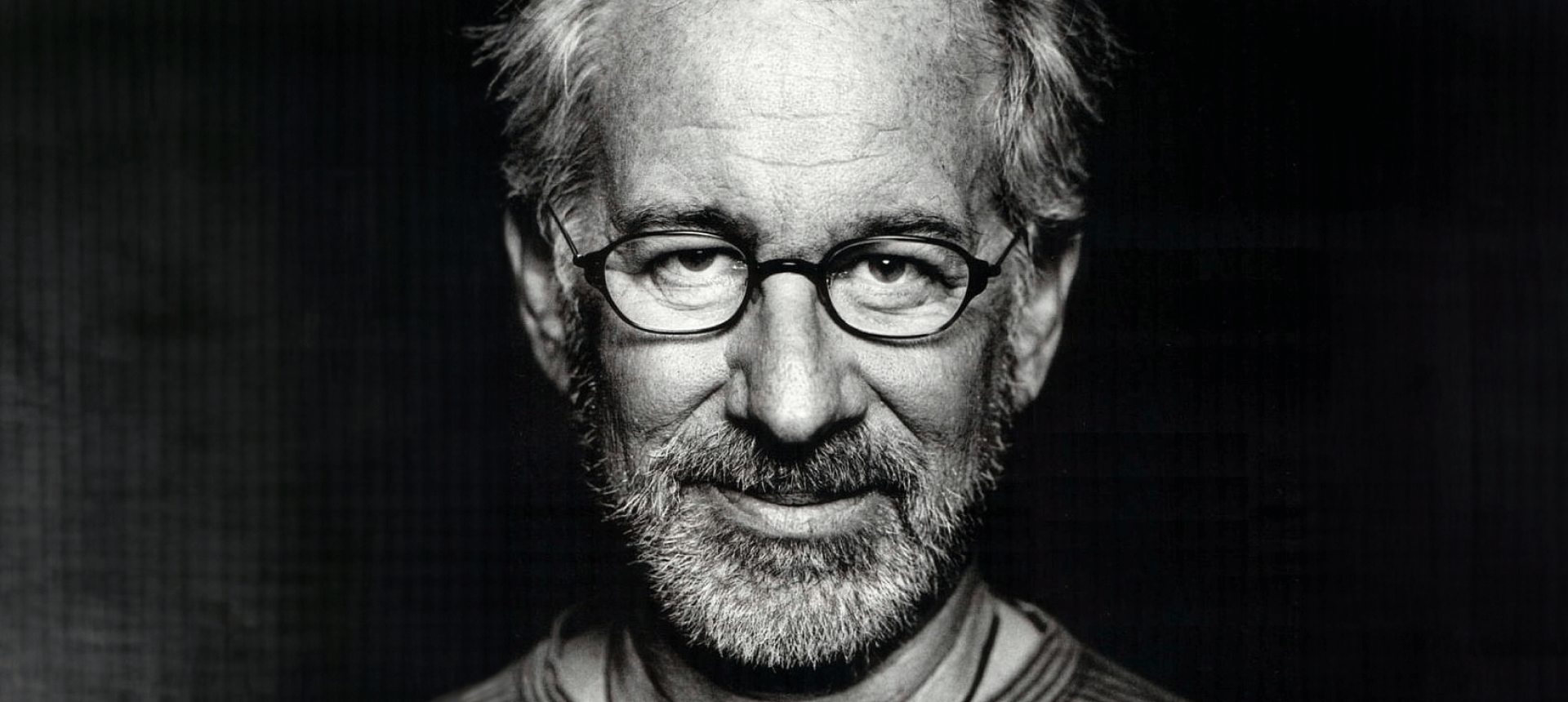
Steven Spielberg is one of the most influential filmmakers in modern cinematic history, yet his early life was shaped by undiagnosed dyslexia that affected his academic performance and social integration. Born in Cincinnati, Ohio, Spielberg struggled with reading comprehension in traditional school settings, often compensating through visual imagination and storytelling instincts. These early cognitive challenges contributed to his deep reliance on visual narrative rather than written expression.
His career began with amateur filmmaking during adolescence, where he used 8mm cameras to construct narrative experiments that bypassed traditional academic constraints. Spielberg’s breakthrough came with “Jaws” in 1975, which not only revolutionized the blockbuster model but also established him as a defining voice in Hollywood storytelling. His ability to structure suspense visually rather than linguistically became a hallmark of his directorial identity.
During the 1990s, Spielberg reached a creative peak with films such as “Jurassic Park” and “Schindler’s List,” showcasing his dual mastery of spectacle and historical gravity. His work during this period demonstrated that cognitive differences in learning and processing could produce unique cinematic language systems.
Spielberg’s legacy lies in redefining visual storytelling as an alternative cognitive pathway, proving that narrative intelligence can flourish outside traditional academic literacy frameworks.
Key Facts
- Full name of the subject: Steven Allan Spielberg
- Date of birth: December 18, 1946
- Place of birth: Cincinnati, Ohio, United States
- Family background: Jewish-American middle-class family
- Early childhood experiences: Reported struggles with reading and classroom learning
- Education history: California State University, Long Beach (did not complete at first attempt)
- Influences and mentors: Alfred Hitchcock, classical Hollywood directors
- Career beginnings: Amateur filmmaking and television directing
- Major achievements: Jaws, E.T., Jurassic Park, Schindler’s List
- Challenges and obstacles faced: Dyslexia and early academic struggles
- Turning points in life: Success of “Jaws”
- Contributions to society: Transformation of modern cinematic storytelling
- Personal life (marriage, children, relationships): Married to Kate Capshaw; children
- Awards and recognitions: Multiple Academy Awards
- Beliefs, values, or philosophy: Emphasizes imagination and visual storytelling
- Legacy and impact: Defined the modern blockbuster era
- Historical or cultural significance: Reshaped global film narrative structure
Notable Works:
Jaws
E.T. the Extra-Terrestrial
Jurassic Park
Schindler’s List
Controversies:
Steven Spielberg’s career includes industry-wide discussions regarding representation, historical interpretation, and the ethical framing of certain films. One area of debate centers on historical accuracy and emotional representation in films such as “Schindler’s List,” where scholars and critics have analyzed the balance between dramatization and historical fidelity. These discussions are situated within broader academic discourse on Holocaust representation in cinema.
Key stakeholders include film historians, cultural critics, academic institutions, and audiences affected by historical narratives. Critics have occasionally questioned narrative simplification in blockbuster storytelling, while supporters emphasize Spielberg’s role in bringing complex historical events to global audiences. Institutional reviews of his work have consistently recognized artistic merit despite interpretive debate.
No formal allegations of misconduct or professional violations exist. The controversies remain interpretive and academic rather than disciplinary.
5. Agatha Christie
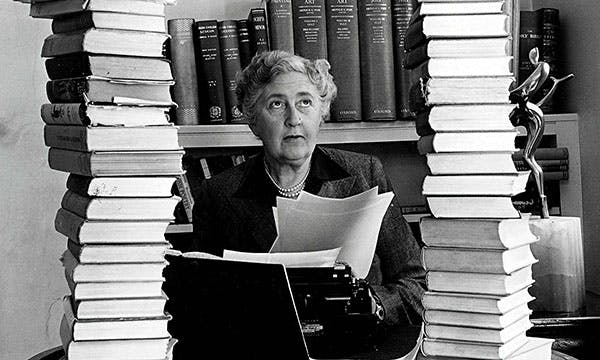
Agatha Christie remains one of the most widely read authors in literary history, yet she experienced early difficulties with formal education, particularly in structured writing and spelling systems. Born in Torquay, England, Christie was homeschooled for part of her early education, a circumstance that allowed her to develop imaginative storytelling skills outside rigid academic frameworks. These early challenges with conventional literacy norms later influenced her distinctive narrative style.
Her career began during World War I, where she worked in a hospital dispensary, gaining detailed knowledge of poisons that would later become central to her mystery writing. Christie’s breakthrough came with “The Mysterious Affair at Styles,” introducing Hercule Poirot and establishing her as a master of structured mystery fiction. Her storytelling relied heavily on pattern recognition and nonlinear narrative construction.
During the 1990s, Christie’s work experienced renewed global resurgence through adaptations and reprints, solidifying her position as a timeless literary figure. Her cognitive approach to storytelling marked by structured logic and intricate plotting has been frequently analyzed in discussions of neurodivergent creativity.
Christie’s legacy lies in her ability to transform perceived educational limitations into a highly systematic and globally influential literary methodology.
Key Facts
- Full name of the subject: Agatha Mary Clarissa Christie
- Date of birth: September 15, 1890
- Place of birth: Torquay, Devon, England
- Family background: Upper-middle-class English family
- Early childhood experiences: Homeschooled with emphasis on imagination over formal structure
- Education history: Informal education and finishing school
- Influences and mentors: Early Victorian literature and detective fiction
- Career beginnings: Writing during World War I
- Major achievements: Creation of Hercule Poirot and Miss Marple
- Challenges and obstacles faced: Early struggles with formal writing systems
- Turning points in life: Publication of first detective novel
- Contributions to society: Defined modern detective fiction genre
- Personal life (marriage, children, relationships): Married Archibald Christie (divorced), later Max Mallowan
- Awards and recognitions: Damehood (DBE)
- Beliefs, values, or philosophy: Emphasized logic, structure, and observation
- Legacy and impact: Best-selling novelist in history
- Historical or cultural significance: Shaped global detective fiction narrative
Notable Works:
The Mysterious Affair at Styles
Murder on the Orient Express
Death on the Nile
And Then There Were None
Controversies:
Agatha Christie’s life includes a widely discussed but unresolved incident in 1926 when she disappeared for several days under mysterious circumstances. The issue centers on her unexplained absence, which generated significant media speculation and public concern at the time. The background occurred during a period of personal crisis following her mother’s death and marital difficulties.
Key stakeholders included Christie herself, her family members, law enforcement authorities, and the British press. Public speculation ranged from psychological distress to staged disappearance, while official records confirmed only the duration of her absence and eventual reappearance at a hotel under an assumed name. Christie herself never provided a fully detailed explanation.
The matter remains officially unresolved in terms of motivation, though it had no lasting legal consequences. It is widely regarded as a personal historical mystery rather than a confirmed controversy affecting her literary career.
6. Whoopi Goldberg
Whoopi Goldberg is a landmark figure in American entertainment whose early life was shaped by undiagnosed dyslexia, contributing to significant challenges in formal education. Born in New York City, Goldberg grew up in a working-class environment where she struggled with traditional academic expectations, often compensating through performance, humor, and improvisation. These early cognitive differences shaped her expressive, non-linear approach to storytelling.
Her career began in theater and stand-up comedy, where she developed a distinctive voice characterized by observational humor and emotional authenticity. Goldberg’s breakthrough came with “The Color Purple” in 1985, earning her critical acclaim and establishing her as a powerful dramatic actress. Her ability to shift between comedic and dramatic roles became a defining feature of her artistic identity.
During the 1990s, Goldberg reached peak cultural visibility through film, television, and her role as a co-host on “The View,” becoming a central figure in American media discourse. Her presence helped normalize discussions about learning differences and alternative educational pathways in mainstream culture.
Goldberg’s legacy lies in her demonstration that learning disabilities do not constrain expressive intelligence, particularly in performance-based disciplines.
Key Facts
- Full name of the subject: Caryn Elaine Johnson (Whoopi Goldberg)
- Date of birth: November 13, 1955
- Place of birth: New York City, New York, United States
- Family background: Working-class African-American family
- Early childhood experiences: Struggles in school due to dyslexia
- Education history: Attended Washington Irving High School (did not complete formal education)
- Influences and mentors: Theater performers and improvisational comedians
- Career beginnings: Stand-up comedy and theater
- Major achievements: Academy Award winner (EGOT status holder)
- Challenges and obstacles faced: Dyslexia and economic hardship
- Turning points in life: Breakthrough role in “The Color Purple”
- Contributions to society: Advocacy for social issues and learning differences awareness
- Personal life (marriage, children, relationships): Multiple marriages; one child
- Awards and recognitions: EGOT winner
- Beliefs, values, or philosophy: Advocates equality and expressive freedom
- Legacy and impact: One of the most influential performers in modern entertainment
- Historical or cultural significance: Expanded representation in film and television
Notable Works:
The Color Purple
Ghost
Sister Act
The View
Controversies:
Whoopi Goldberg’s career includes several public controversies primarily related to remarks made during televised discussions and media appearances. One notable issue involved statements made on “The View” regarding historical interpretations of systemic events, which led to public criticism and formal responses from broadcasting stakeholders. The controversy centered on the framing of historical context in relation to sensitive global issues.
Key stakeholders included broadcast networks, advocacy organizations, viewers, and media regulators. Critics argued that certain statements lacked historical precision, while Goldberg and production representatives issued clarifications and apologies where appropriate. Institutional responses included temporary suspension from hosting duties in specific instances.
These incidents have been formally addressed by broadcasting authorities and remain part of ongoing discourse about media responsibility and public commentary by television personalities.
7. Daniel Radcliffe

Daniel Radcliffe is an internationally recognized actor whose early educational experiences were shaped by dyslexia, affecting his reading confidence and academic performance. Born in London, England, Radcliffe grew up in a supportive artistic household, where early exposure to performance helped channel his cognitive differences into creative expression. His early schooling challenges were balanced by an emerging talent in acting and memorization.
Radcliffe’s career began as a child actor, but his global breakthrough came with his role as Harry Potter in the film adaptation of J.K. Rowling’s novels. The role required extensive memorization and emotional adaptability, both of which he developed while managing reading-related challenges. His performance became a defining cultural phenomenon of the early 21st century.
During the late 1990s developmental phase of his career, Radcliffe’s early film work established him as one of the most recognizable young actors globally. His continued career choices after the Harry Potter franchise demonstrated intentional diversification, allowing him to expand beyond typecasting.
Radcliffe’s legacy lies in his ability to transform early academic challenges into disciplined artistic performance, reshaping public understanding of learning differences in high-performance creative industries.
Key Facts
- Full name of the subject: Daniel Jacob Radcliffe
- Date of birth: July 23, 1989
- Place of birth: London, England, United Kingdom
- Family background: Artistic and literary family background
- Early childhood experiences: Reported struggles with dyslexia
- Education history: Private schooling in London
- Influences and mentors: British theater and film actors
- Career beginnings: Child acting in television films
- Major achievements: Harry Potter film franchise lead actor
- Challenges and obstacles faced: Dyslexia and intense public scrutiny
- Turning points in life: Casting as Harry Potter
- Contributions to society: Advocacy for mental health and learning differences awareness
- Personal life (marriage, children, relationships): Private personal life
- Awards and recognitions: Multiple film awards and nominations
- Beliefs, values, or philosophy: Emphasizes resilience and adaptability
- Legacy and impact: One of the most recognized actors of his generation
- Historical or cultural significance: Central figure in global fantasy cinema
Notable Works:
Harry Potter film series
The Woman in Black
Swiss Army Man
Now You See Me 2
Controversies:
Daniel Radcliffe’s career has not involved personal misconduct controversies; however, as a child actor in a globally dominant franchise, he has been part of broader industry discussions regarding child stardom, media exposure, and long-term psychological impact. These discussions focus on systemic industry practices rather than individual wrongdoing.
Key stakeholders include film studios, child welfare advocates, media organizations, and entertainment unions. Critics have raised concerns about the pressures placed on child actors in major franchises, while Radcliffe and his representatives have consistently supported structured safeguards for young performers.
No formal allegations or disputes have been recorded against Radcliffe. The matter remains an industry-wide discussion on child acting welfare rather than an individual controversy.
8. Keanu Reeves
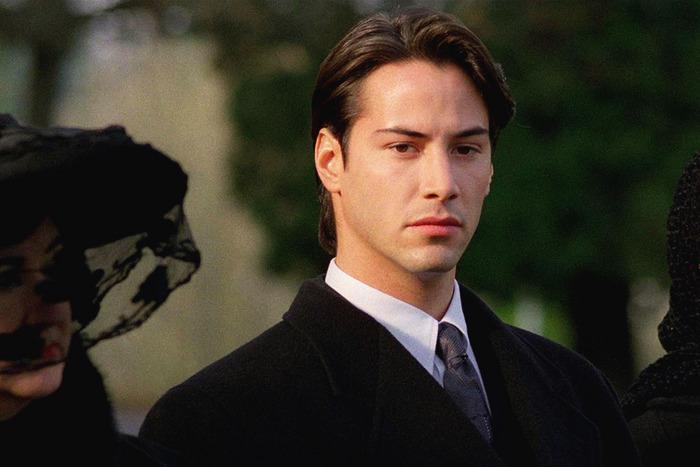
Keanu Reeves is a globally recognized actor whose early academic life was significantly shaped by dyslexia, which affected his reading fluency and traditional classroom performance. Born in Beirut and raised across Canada, Reeves experienced frequent relocations that compounded his educational challenges, creating instability in structured learning environments. These early difficulties contributed to his quiet, observant personality and preference for non-traditional forms of expression.
His career began in Canadian television and small film roles, where he gradually developed a reputation for understated emotional delivery and physical expressiveness. Reeves’ breakthrough came with “Speed” and later “The Matrix,” where his performance style aligned with philosophical narratives and physically demanding roles. His ability to interpret complex scripts despite reading challenges demonstrated adaptive cognitive strategies.
During the late 1990s, Reeves reached peak global recognition through “The Matrix,” a film that redefined science fiction cinema. His performance style, characterized by minimalism and emotional restraint, became a defining element of modern action storytelling.
Reeves’ legacy lies in his embodiment of quiet resilience, showing that learning differences can coexist with global cinematic influence and cultural longevity.
Key Facts
- Full name of the subject: Keanu Charles Reeves
- Date of birth: September 2, 1964
- Place of birth: Beirut, Lebanon
- Family background: Multicultural, mobile family background
- Early childhood experiences: Frequent relocations and reported dyslexia
- Education history: Attended multiple schools in Canada
- Influences and mentors: Theater and film acting coaches
- Career beginnings: Canadian television and theater roles
- Major achievements: The Matrix trilogy, John Wick franchise
- Challenges and obstacles faced: Dyslexia and unstable early education
- Turning points in life: Breakthrough in “Speed”
- Contributions to society: Philanthropic work and industry support initiatives
- Personal life (marriage, children, relationships): Private personal life
- Awards and recognitions: MTV Awards, international film honors
- Beliefs, values, or philosophy: Emphasizes humility and resilience
- Legacy and impact: One of the most influential modern action actors
- Historical or cultural significance: Redefined action cinema archetypes
Notable Works:
The Matrix trilogy
John Wick series
Speed
Constantine
Controversies:
Keanu Reeves’ career has not been associated with personal misconduct controversies or formal disciplinary actions. However, as a high-profile public figure, his career has occasionally been discussed within broader entertainment industry debates concerning celebrity privacy and media intrusion. These discussions typically focus on the ethical boundaries of public attention rather than individual behavior.
Key stakeholders include entertainment media organizations, fan communities, privacy advocacy groups, and film studios. Critics of celebrity media culture argue that excessive scrutiny can distort public perception, while Reeves and his representatives have consistently maintained a low-profile approach to public life.
No verified allegations or formal disputes exist regarding Reeves. The matter remains a broader media ethics discussion rather than an individual controversy.
9. Cher
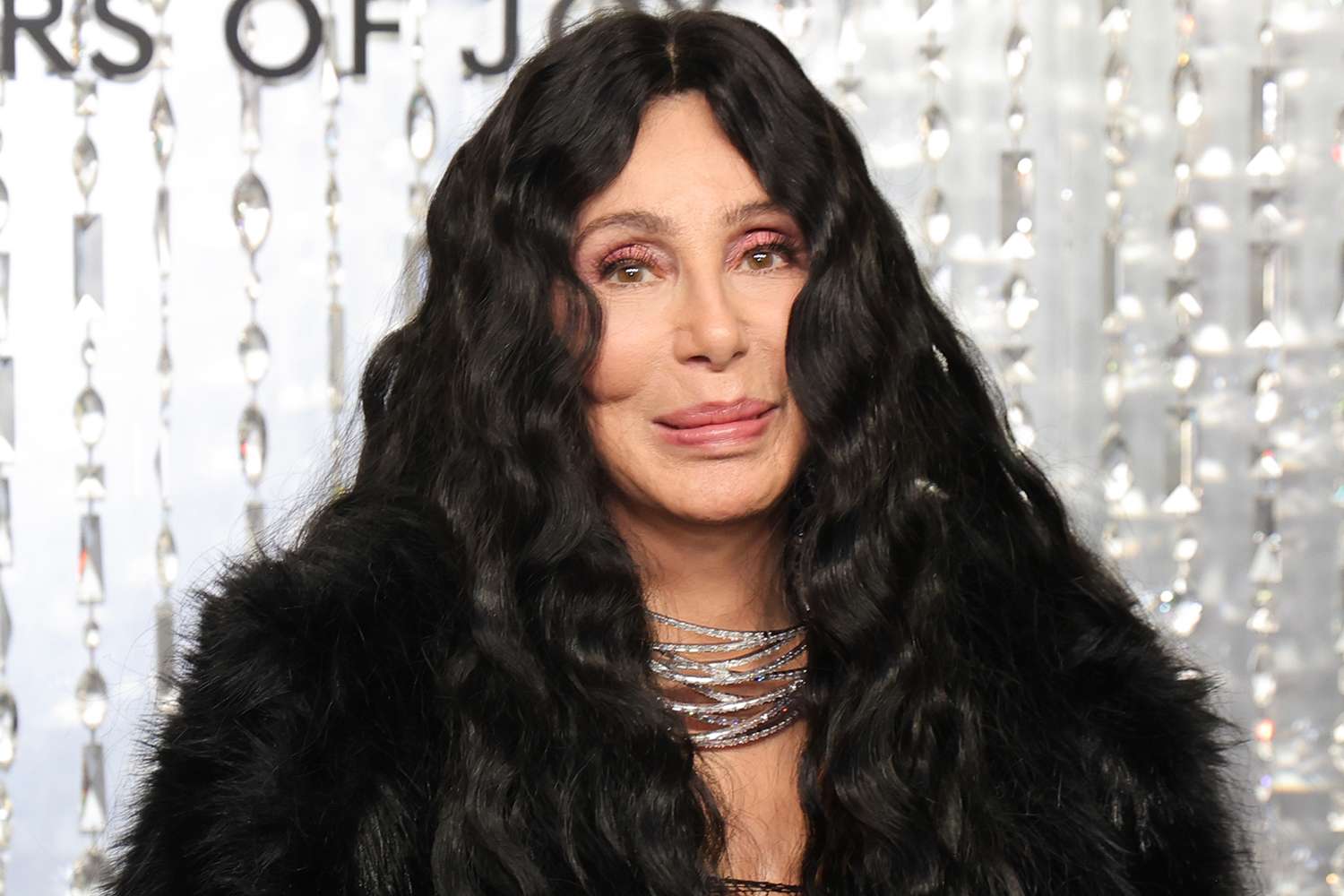
Cher is a transformative figure in global entertainment whose early educational experience was affected by undiagnosed dyslexia, contributing to academic difficulties and early disengagement from formal schooling. Born in California, Cher grew up in a financially unstable household, where she faced both educational and socioeconomic challenges. These early experiences shaped her resilience and creative independence.
Her career began in music during the 1960s, where she initially gained recognition as part of the duo Sonny & Cher. Her breakthrough as a solo artist and actress came through sustained reinvention across multiple decades, allowing her to remain culturally relevant far beyond typical entertainment career arcs. Her vocal style and performance identity became synonymous with reinvention and artistic adaptability.
During the 1990s, Cher reached a major career resurgence with the success of her album “Believe,” which introduced electronic vocal effects that reshaped pop music production. This period cemented her status as a multi-generational icon capable of evolving with changing musical landscapes.
Cher’s legacy lies in her ability to continuously redefine artistic identity, demonstrating that cognitive differences in learning do not limit creative reinvention or cultural longevity.
Key Facts
- Full name of the subject: Cherilyn Sarkisian
- Date of birth: May 20, 1946
- Place of birth: El Centro, California, United States
- Family background: Working-class, multicultural heritage
- Early childhood experiences: Academic struggles linked to dyslexia
- Education history: Dropped out of school at an early age
- Influences and mentors: Music industry producers and performers
- Career beginnings: Backup singing and duo performances
- Major achievements: Grammy Award winner; Oscar winner
- Challenges and obstacles faced: Dyslexia and economic hardship
- Turning points in life: Solo career success and acting breakthrough
- Contributions to society: LGBTQ+ advocacy and cultural influence
- Personal life (marriage, children, relationships): Married Sonny Bono (divorced); one child
- Awards and recognitions: Academy Award, Grammy Award
- Beliefs, values, or philosophy: Emphasizes reinvention and independence
- Legacy and impact: One of the most enduring pop culture figures
- Historical or cultural significance: Defined multi-era pop music evolution
Notable Works:
Believe
If I Could Turn Back Time
Moonstruck
The Sonny & Cher Comedy Hour
Controversies:
Cher’s career includes public discussions related to outspoken political commentary and media statements made during different periods of her career. These instances have occasionally generated debate across political and entertainment audiences regarding the role of celebrities in public discourse. The issue is situated within broader cultural conversations about celebrity influence rather than specific misconduct.
Key stakeholders include media outlets, political commentators, fan communities, and broadcast platforms. Critics have occasionally questioned the appropriateness of celebrity political engagement, while supporters emphasize freedom of expression and public advocacy rights. In some cases, statements were clarified or contextualized in later interviews.
No formal regulatory or professional sanctions have been recorded against Cher. The controversies remain part of broader discourse on celebrity political expression.
10. Whoopi Goldberg
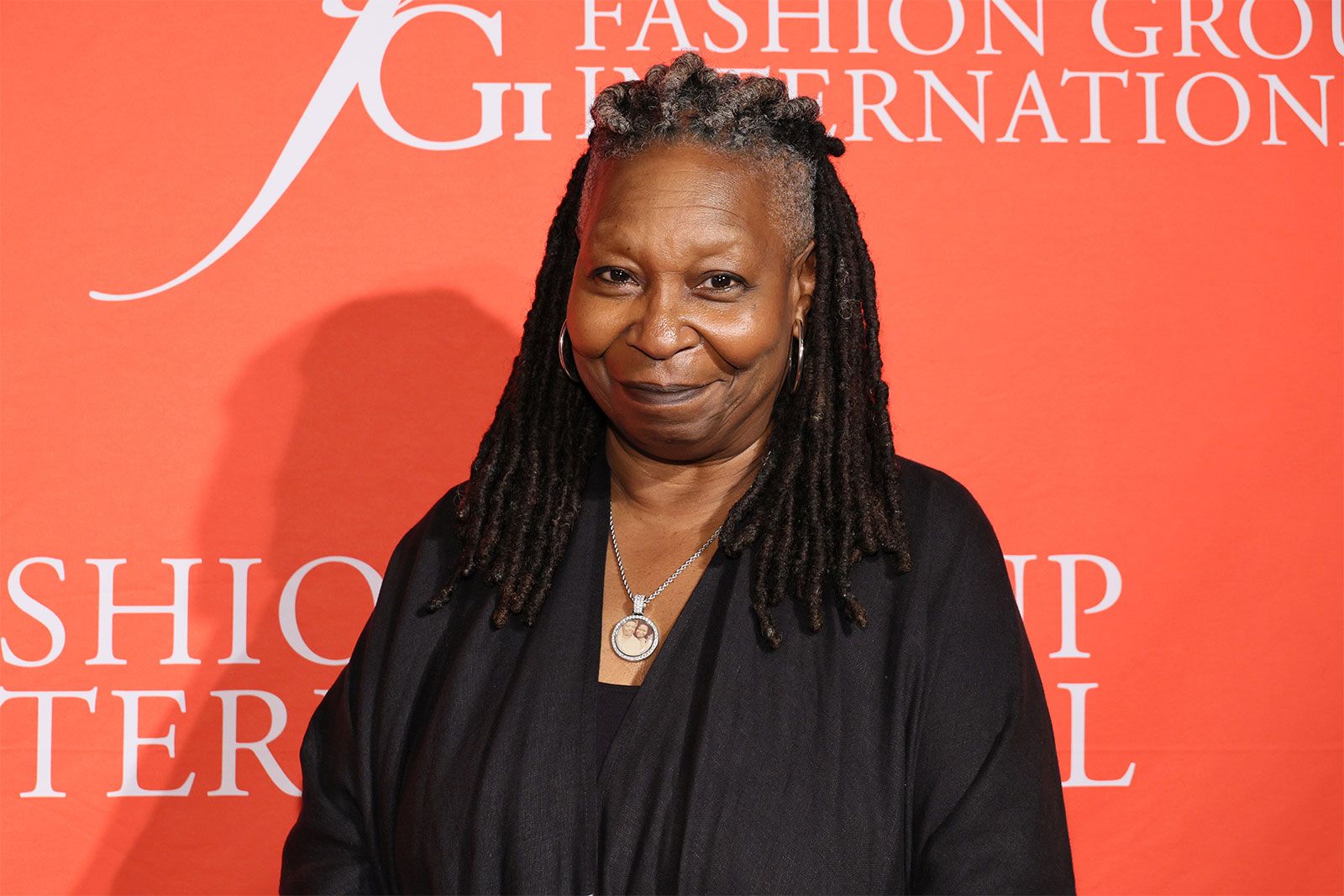
Whoopi Goldberg is one of the most influential performers in modern entertainment, whose early life was shaped by undiagnosed dyslexia and significant academic challenges that led to disengagement from traditional schooling. Born in New York City, she grew up in a working-class environment where she struggled with reading and writing systems that did not align with her cognitive processing style. These early difficulties pushed her toward performance as a primary mode of expression.
Her career began in theater and stand-up comedy, where she developed a distinctive voice built on observational humor and emotional honesty. Goldberg’s breakthrough came with “The Color Purple,” which established her as a powerful dramatic actress capable of deep emotional range. She later expanded into television and hosting, becoming a central figure in American cultural commentary.
During the 1990s, Goldberg’s visibility expanded significantly through film and television, including her role in “Sister Act” and her work on “The View.” Her presence helped normalize conversations about learning differences, particularly dyslexia, in mainstream media environments.
Goldberg’s legacy lies in her ability to transform educational disadvantage into expressive strength, reshaping public understanding of neurodiversity in performance arts.
Key Facts
- Full name of the subject: Caryn Elaine Johnson (Whoopi Goldberg)
- Date of birth: November 13, 1955
- Place of birth: New York City, United States
- Family background: Working-class African-American family
- Early childhood experiences: Struggled academically due to dyslexia
- Education history: Attended Washington Irving High School (did not complete)
- Influences and mentors: Theater and comedy performers
- Career beginnings: Stand-up comedy and theater performance
- Major achievements: EGOT winner (Emmy, Grammy, Oscar, Tony)
- Challenges and obstacles faced: Dyslexia and economic hardship
- Turning points in life: Breakthrough in “The Color Purple”
- Contributions to society: Advocacy for equality and learning differences awareness
- Personal life (marriage, children, relationships): Multiple marriages; one child
- Awards and recognitions: EGOT status
- Beliefs, values, or philosophy: Advocates expressive freedom and social awareness
- Legacy and impact: One of the most influential entertainers in history
- Historical or cultural significance: Expanded representation of neurodiverse success in media
Notable Works:
The Color Purple
Ghost
Sister Act
The View
Controversies:
Whoopi Goldberg’s career includes several widely reported public controversies related to statements made during live television discussions. One significant issue involved remarks made on “The View” regarding historical interpretations of systemic events, which led to immediate public debate and formal responses from broadcasting and media organizations. The issue was framed as a disagreement over historical characterization rather than intentional misconduct.
Key stakeholders included broadcast networks, media regulators, advocacy groups, and viewing audiences. Critics argued that certain statements lacked historical accuracy, while Goldberg and network representatives issued clarifications and apologies following public reaction. Institutional responses included temporary suspension from hosting duties in specific instances, reflecting standard broadcast accountability procedures.
These matters have been formally addressed and remain part of ongoing discussions about media responsibility and the role of public figures in live commentary.
Notable Mentions:
Temple Grandin
Steven Hawking
Richard Branson
Erin Brockovich
Agatha Christie