Top 10 Jazz Legends
Top 10 Jazz Legends
In This Content
1. Louis Armstrong
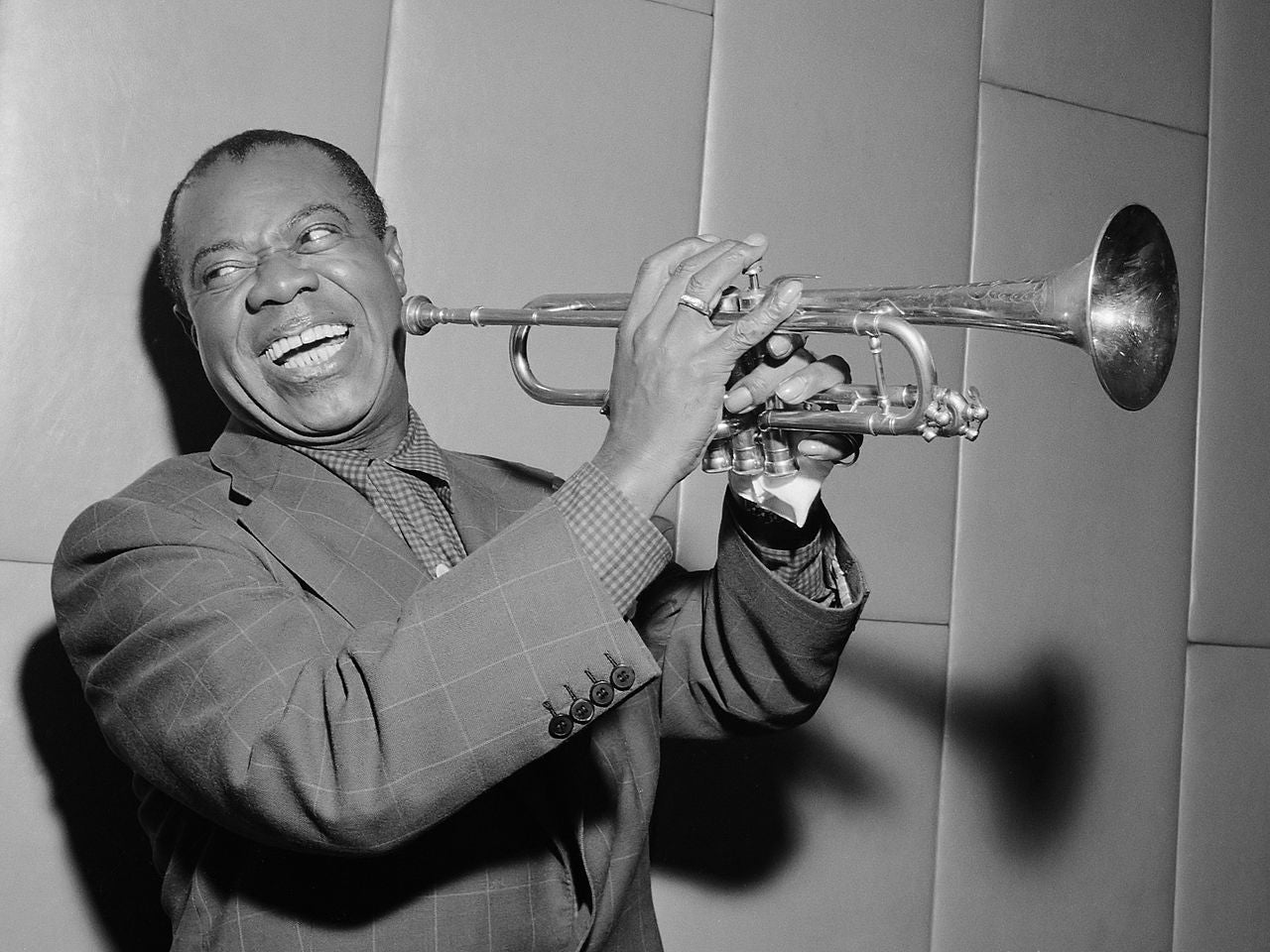
Louis Armstrong’s life represents one of the most transformative journeys in modern music history, emerging from the poverty-stricken streets of New Orleans to redefine the very language of jazz. Born into hardship in the early 20th century, Armstrong’s formative years were shaped by instability, segregated social conditions, and exposure to the vibrant but chaotic musical culture of the city’s Black communities. His early encounters with music particularly through brass bands and informal street performances became the foundation of a style that would later revolutionize global sound.
Armstrong’s career began in earnest when he learned the cornet under the guidance of local musicians, eventually joining Joe “King” Oliver’s Creole Jazz Band. This mentorship proved pivotal, providing both technical discipline and professional exposure. His relocation to Chicago marked a decisive turning point, placing him at the center of the jazz recording boom. It was here that Armstrong began developing his signature improvisational brilliance, shifting jazz from ensemble-based performance to a platform for individual expression.
The breakthrough phase of Armstrong’s career came with recordings such as the Hot Five and Hot Seven sessions, where his trumpet playing and vocal phrasing redefined musical storytelling. His ability to bend rhythm, manipulate tone, and inject emotional spontaneity transformed jazz into a deeply expressive art form. By the mid-20th century, Armstrong had become an international ambassador of jazz, touring extensively and shaping the genre’s global identity.
In his later career, Armstrong’s popularity expanded further through mainstream media appearances and iconic recordings like “What a Wonderful World.” While some critics debated his commercial image versus his artistic origins, his influence remained unquestionable. His style laid the foundation for virtually all modern jazz improvisation, making him a symbolic bridge between traditional and contemporary jazz eras.
Armstrong’s legacy endures as both a musical revolution and a cultural statement. He not only redefined trumpet performance but also elevated jazz into a respected global art form. His influence spans generations, shaping artists across genres and continents.
Key Facts
- Full name of the subject: Louis Daniel Armstrong
- Date of birth: August 4, 1901
Place of birth: New Orleans, Louisiana, United States - Family background: Born into a poor African-American family in the segregated South
- Early childhood experiences: Raised in extreme poverty, exposed to street music and labor from a young age
- Education history: Limited formal education; largely self-taught in music
- Influences and mentors: Joe “King” Oliver, New Orleans brass band musicians
- Career beginnings: Performed in local bands, later joined King Oliver’s Creole Jazz Band
- Major achievements: Revolutionized jazz improvisation, iconic recordings with Hot Five and Hot Seven
- Challenges and obstacles faced: Racial segregation, poverty, limited formal training
- Turning points in life: Move to Chicago and early recording success
- Contributions to society: Global ambassador of jazz and cultural diplomacy through music
- Personal life (marriage, children, relationships): Married multiple times, including to Lil Hardin Armstrong
- Awards and recognitions: Grammy Hall of Fame inductions, posthumous cultural honors
- Beliefs, values, or philosophy: Belief in joy, performance excellence, and universal appeal of music
- Legacy and impact: Foundational figure in jazz improvisation and modern trumpet performance
- Historical or cultural significance:Transformed jazz into a global art form and cultural export
Notable Works: “What a Wonderful World,” “West End Blues,” “Stardust,” “Potato Head Blues,” Hot Five and Hot Seven recordings
Controversies:
One recurring controversy surrounding Louis Armstrong concerns the perception of his public persona as overly accommodating to white audiences during a period of intense racial segregation in the United States. The issue emerged from critiques within segments of the Black intellectual community who argued that Armstrong’s broad smile and entertainment-focused style appeared to soften the realities of racial injustice. This tension reflected a broader debate within mid-20th-century America about the role of Black entertainers navigating segregated industries and mainstream popularity.
The context of this criticism was rooted in the Jim Crow era, when Black artists often faced limited opportunities and were frequently expected to perform in ways that aligned with white audience expectations. Armstrong’s global fame placed him in a complex position: while he broke racial barriers through his music, his public image was sometimes interpreted as politically neutral or non-confrontational. Civil rights leaders and cultural critics occasionally questioned whether this approach undermined more overt activism.
From Armstrong’s perspective and that of many historians, his strategy represented survival and access rather than compliance. He maintained that his music itself was a form of cultural assertion, breaking racial boundaries through excellence and visibility. Institutional historians and music scholars largely support this interpretation, emphasizing that Armstrong’s global influence helped open doors for future Black musicians in both jazz and popular music.
While no formal institutional wrongdoing or disciplinary controversy was ever recorded against him, the debate over his cultural positioning remains unresolved in academic discourse. The long-term impact of this controversy has contributed to a more nuanced understanding of Black artistic agency under segregation, reinforcing Armstrong’s legacy as both an entertainer and a complex cultural figure.
2. Duke Ellington
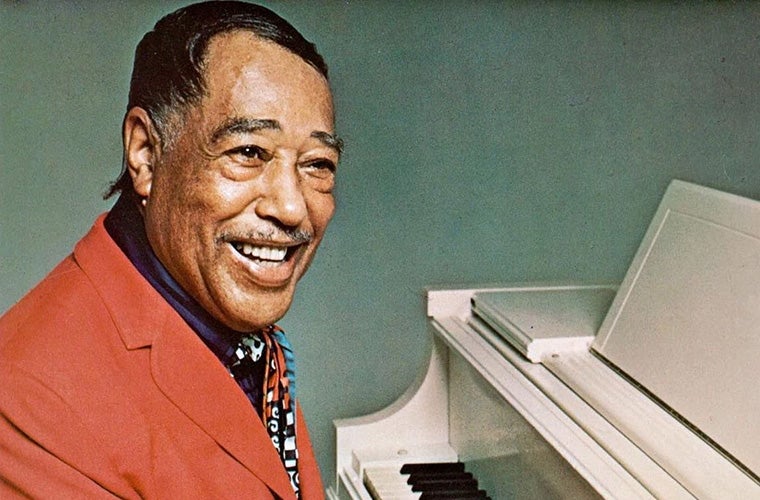
Duke Ellington stands as one of the most sophisticated architects of jazz orchestration, a composer whose work elevated jazz from club performance to concert hall legitimacy. Born in Washington, D.C., Ellington grew up in a stable, middle-class Black family that emphasized refinement and cultural education. His early exposure to classical music, piano instruction, and visual arts contributed to a creative sensibility that would later define his compositional approach.
Ellington’s early career began in the vibrant Washington music scene before he moved to New York City, where Harlem’s Renaissance culture provided fertile ground for his artistic expansion. His first major breakthrough came with performances at the Cotton Club, where his orchestra developed a distinctive sound characterized by rich harmonies and layered instrumentation. This period established him not just as a bandleader, but as a sonic innovator.
During his peak years, Ellington redefined the possibilities of jazz composition. Works such as extended suites and thematic orchestral pieces demonstrated his ability to blend improvisation with structured musical storytelling. Unlike many contemporaries, Ellington treated his orchestra as a living instrument, tailoring compositions to the unique strengths of individual musicians.
Ellington’s influence extended well beyond performance. He became a cultural diplomat, representing American jazz globally during international tours. His work challenged the perception of jazz as merely entertainment, positioning it instead as a legitimate art form comparable to classical music traditions.
His legacy is one of elegance, innovation, and institutional transformation. Ellington reshaped the identity of jazz orchestration and left behind a repertoire that continues to be studied in academic and musical institutions worldwide.
Key Facts
- Full name of the subject: Edward Kennedy “Duke” Ellington
- Date of birth: April 29, 1899
Place of birth: Washington, D.C., United States - Family background: Born into a supportive middle-class African-American family
- Early childhood experiences: Raised in a cultured household with emphasis on refinement and discipline
- Education history: Attended Armstrong Technical High School; trained in piano and music theory
- Influences and mentors: Stride pianists, early ragtime musicians, and Harlem jazz culture
- Career beginnings: Performed in Washington clubs before relocating to New York City
- Major achievements: Composed major jazz suites and led one of the most influential jazz orchestras in history
- Challenges and obstacles faced: Racial discrimination and limited access to mainstream concert institutions
- Turning points in life: Residency at the Cotton Club in Harlem
- Contributions to society: Elevated jazz to a respected concert art form
- Personal life (marriage, children, relationships): Married to Edna Thompson; one son, Mercer Ellington
- Awards and recognitions: Multiple Grammy Awards and posthumous honors
- Beliefs, values, or philosophy: Belief in musical sophistication, individuality, and artistic dignity
- Legacy and impact: Pioneer of jazz orchestration and long-form composition
- Historical or cultural significance: Central figure in the Harlem Renaissance and American cultural diplomacy
Notable Works: “Take the A Train,” “Mood Indigo,” “It Don’t Mean a Thing (If It Ain’t Got That Swing),” “Satin Doll,” “Black, Brown and Beige”
Controversies:
A notable controversy associated with Duke Ellington involves the commercial constraints and racial dynamics of his early career at the Cotton Club, where performances were presented to segregated white audiences while Black patrons were excluded. The issue reflects broader systemic segregation rather than personal misconduct, but it has been a focal point in cultural criticism of his early platform. The Cotton Club environment shaped Ellington’s rise but also positioned his artistry within a racially exclusive entertainment structure.
The historical context of this arrangement was the Harlem Renaissance era, when Black artists were gaining visibility but often under white ownership and control. Ellington’s orchestra became the musical centerpiece of the club, yet the audience demographics were restricted by segregationist policies enforced by venue ownership and broader societal norms.
Stakeholders included Ellington’s orchestra members, club owners, Harlem’s Black artistic community, and white patrons who dominated the venue’s audience. Critics have debated whether participation in such institutions reinforced systemic exclusion or provided necessary exposure for Black musicians.
From a factual standpoint, Ellington did not design or enforce segregation policies; however, his association with the venue has prompted ongoing scholarly discussion about compromise versus opportunity in segregated artistic systems. The matter is historically documented and widely contextualized rather than individually condemnatory.
The long-term impact of this controversy has become part of a larger academic conversation about the Harlem Renaissance, illustrating how Black excellence often emerged within constrained and unequal systems.
3. Charlie Parker
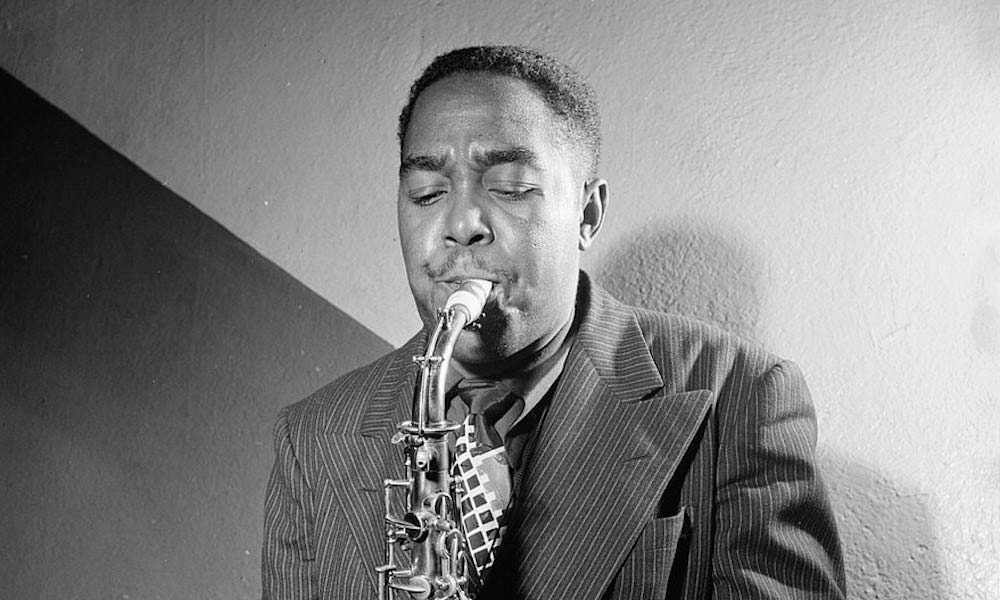
Charlie Parker emerged as one of the most revolutionary and complex figures in jazz history, a musician whose brilliance reshaped the harmonic and rhythmic boundaries of modern improvisation. Born in Kansas City, Parker was raised in a working-class environment where music and hardship coexisted closely. His early exposure to the vibrant Kansas City jazz scene provided both inspiration and competition, shaping his intense musical drive.
Parker’s early career was marked by rapid experimentation and relentless practice, often at the expense of personal stability. He began performing in local bands as a teenager, quickly developing a reputation for extraordinary technical skill on the alto saxophone. However, his early trajectory was also shaped by personal struggles that would later become central to his public narrative.
His breakthrough came with the development of bebop alongside musicians such as Dizzy Gillespie, where he redefined jazz improvisation through complex chord structures, rapid tempo shifts, and innovative melodic phrasing. This period marked a seismic shift in jazz history, moving the genre away from dance-oriented swing toward intellectually driven performance art.
During his peak in the 1940s and early 1950s, Parker’s recordings became foundational texts for modern jazz musicians. Despite his artistic genius, his life was marked by instability, including health issues and substance dependency, which affected his career consistency but not his artistic output. His performances remained electrifying, influencing countless musicians across generations.
Parker’s legacy is both transformative and tragic, embodying the tension between creative genius and personal vulnerability. His innovations continue to define jazz education and performance standards globally.
Key Facts
- Full name of the subject: Charles Parker Jr.
- Date of birth: August 29, 1920
Place of birth: Kansas City, Kansas, United States - Family background: Raised in a working-class African-American household
- Early childhood experiences: Grew up in a musically rich but economically modest environment
- Education history: Attended local schools; largely self-taught musician
- Influences and mentors: Lester Young, local Kansas City jazz musicians
- Career beginnings: Performed in Kansas City clubs as a teenager
- Major achievements: Co-founder of bebop, revolutionary improvisational techniques
- Challenges and obstacles faced: Substance dependency, health struggles, financial instability
- Turning points in life: Collaboration with Dizzy Gillespie in New York jazz scene
- Contributions to society: Redefined modern jazz improvisation and harmonic structure
- Personal life (marriage, children, relationships): Multiple marriages; father to several children
- Awards and recognitions: Posthumous jazz honors and Hall of Fame inductions
- Beliefs, values, or philosophy: Belief in musical innovation and improvisational freedom
- Legacy and impact: Foundational figure in bebop and modern jazz evolution
- Historical or cultural significance: Transformed jazz into a complex, modern art form
Notable Works: “Ko-Ko,” “Ornithology,” “Now’s the Time,” “Billie’s Bounce,” “Anthropology”
Controversies:
A central controversy surrounding Charlie Parker involves his long-term struggle with heroin addiction and its perceived impact on his professional reliability and public performances. The issue became prominent during the height of his career in the 1940s and 1950s, when addiction-related instability occasionally affected scheduled performances and collaborations. This situation unfolded within a broader context of widespread substance abuse issues in post-war jazz culture, particularly within bebop circles.
The background to this controversy lies in the demanding environments of New York jazz clubs, where musicians often worked under intense schedules, low pay, and high creative pressure. Substance use was, at times, normalized within parts of the jazz community, though it carried severe personal and professional consequences. Parker’s addiction became a focal point for both media scrutiny and internal industry concern.
Key stakeholders included Parker himself, club owners, fellow musicians, and recording institutions that depended on his talent. Critics often framed his addiction as a personal failing, while supporters and historians emphasize the systemic pressures and lack of adequate support systems for musicians at the time. Medical and cultural experts have since contextualized addiction as a health condition rather than purely a moral issue.
From a factual standpoint, Parker’s substance dependency is well documented, but its direct impact on specific artistic outputs remains debated. While some performances were affected, others from the same period are considered among his greatest achievements, highlighting the complexity of separating personal struggles from artistic legacy.
The long-term consequences of this controversy include ongoing discussions about artist welfare, addiction awareness, and the structural vulnerabilities of the mid-20th-century jazz industry. Parker’s story has since become a cautionary yet influential narrative in music history, emphasizing both the cost of genius and the need for systemic support in creative industries.
4. Miles Davis
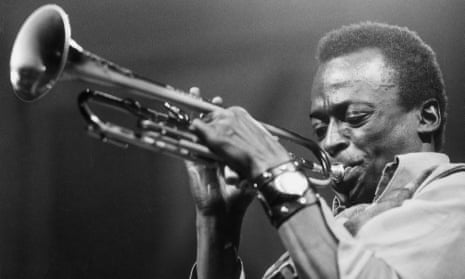
Miles Davis emerged as one of the most influential architects of modern jazz, a figure whose artistic evolution consistently reshaped the boundaries of the genre across multiple decades. Born into a relatively stable African-American middle-class family in Alton, Illinois, Davis was exposed early to both discipline and musical opportunity. His upbringing in East St. Louis placed him near a thriving musical ecosystem where blues, gospel, and early jazz converged, forming the foundation of his experimental instincts.
Davis began his formal musical journey on the trumpet during adolescence, quickly distinguishing himself through a restrained yet emotionally charged tone. His early relocation to New York City placed him at the heart of the bebop movement, where he briefly studied at the Juilliard School before immersing himself fully in the jazz underground. This period marked his transformation from promising instrumentalist to serious innovator, particularly through collaborations with Charlie Parker.
His breakthrough came with the development of the “cool jazz” movement and later modal jazz, particularly through landmark recordings such as Kind of Blue. Davis’s approach emphasized space, mood, and minimalism, contrasting sharply with the frenetic complexity of bebop. During the 1990s, he experienced yet another reinvention, incorporating elements of rock, funk, and electronic music, demonstrating an unmatched ability to evolve with changing musical landscapes.
Davis’s influence extended beyond performance into cultural redefinition. He challenged conventional ideas of jazz purity, often facing criticism for stylistic shifts that some purists viewed as commercial compromise. However, his work consistently expanded jazz’s global reach and intellectual depth.
His legacy is defined by reinvention, artistic courage, and an uncompromising commitment to evolution. Davis remains a central reference point for modern improvisation and genre fusion.
Key Facts
- Full name of the subject: Miles Dewey Davis III
- Date of birth: May 26, 1926
- Place of birth: Alton, Illinois, United States
- Family background: Born into a financially stable African-American family
- Early childhood experiences: Raised in a culturally supportive household with exposure to music education
- Education history: Attended Juilliard School (briefly), extensive informal jazz training
- Influences and mentors: Charlie Parker, Dizzy Gillespie
- Career beginnings: Performed in New York bebop scene in the mid-1940s
- Major achievements: Pioneered cool jazz, modal jazz, and jazz fusion
- Challenges and obstacles faced: Substance dependency, critical backlash for stylistic shifts
- Turning points in life: Recording of Birth of the Cool and Kind of Blue
- Contributions to society: Redefined jazz structure and expanded genre boundaries
- Personal life (marriage, children, relationships): Multiple marriages, including to Frances Taylor
- Awards and recognitions: Multiple Grammy Awards and lifetime achievement honors
- Beliefs, values, or philosophy: Belief in constant reinvention and artistic independence
- Legacy and impact: One of the most influential innovators in modern music history
- Historical or cultural significance: Transformed jazz into a continuously evolving global art form
Notable Works: Kind of Blue, Bitches Brew, Sketches of Spain, In a Silent Way, Birth of the Cool
Controversies:
One major controversy surrounding Miles Davis relates to his volatile professional behavior, particularly his treatment of band members and abrupt dismissals of musicians during periods of intense artistic pressure. The issue became prominent during his leadership of several groundbreaking ensembles in the 1960s and 1970s, where his demand for innovation often coincided with harsh interpersonal dynamics. This behavior was widely discussed in jazz circles and media portrayals of his career.
The background to these tensions lies in Davis’s perfectionist artistic philosophy, which required constant reinvention and adaptation from his collaborators. Musicians in his bands were often expected to anticipate stylistic shifts with minimal instruction, creating both creative breakthroughs and interpersonal strain. The jazz industry at the time lacked formalized labor protections for band members, intensifying the impact of such leadership styles.
Key stakeholders included Davis himself, his rotating ensemble of musicians, recording labels, and critics who documented his evolving sound. While some collaborators praised his visionary direction, others described a high-pressure environment characterized by unpredictability and emotional intensity.
From a factual perspective, Davis’s dismissals and interpersonal conflicts are well documented, though interpretations vary regarding intent and necessity. Some historians view his approach as a form of artistic discipline, while others see it as excessively authoritarian.
The long-term impact of this controversy has contributed to ongoing discussions about leadership ethics in creative industries, particularly the balance between artistic excellence and collaborative respect.
5. John Coltrane
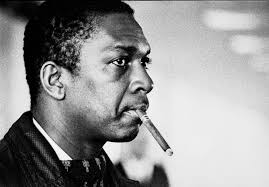
John Coltrane stands as one of the most spiritually and technically profound figures in jazz history, a musician whose work transcended performance to become a form of philosophical expression. Born in Hamlet, North Carolina, Coltrane was raised in a deeply religious household where church music played a central role in shaping his emotional and artistic identity. Early exposure to gospel and blues laid the groundwork for his later spiritual approach to improvisation.
Coltrane’s early career developed through military service, where he first engaged seriously with professional jazz performance. After moving to Philadelphia, he immersed himself in the bebop scene, eventually collaborating with Miles Davis and Thelonious Monk. These collaborations were instrumental in refining his technical approach and harmonic understanding.
His breakthrough came with the release of Giant Steps and later A Love Supreme, works that redefined the emotional and structural possibilities of jazz. His “sheets of sound” technique became a hallmark of his style, characterized by rapid sequences of notes that created dense harmonic landscapes.
During his peak in the 1960s, Coltrane’s music shifted toward spiritual and avant-garde expressions. His performances became increasingly exploratory, often challenging conventional audience expectations. Despite his relatively short career, his output during this period had an outsized influence on jazz, spiritual music, and experimental composition.
Coltrane’s legacy is rooted in transcendence his work is widely regarded as both musical innovation and spiritual exploration, influencing genres far beyond jazz.
Key Facts
- Full name of the subject: John William Coltrane
- Date of birth: September 23, 1926
- Place of birth: Hamlet, North Carolina, United States
- Family background: Raised in a religious African-American household
- Early childhood experiences: Influenced heavily by church music and Southern cultural traditions
- Education history: Attended music schools in Philadelphia; largely self-taught in jazz theory
- Influences and mentors: Charlie Parker, Thelonious Monk, Miles Davis
- Career beginnings: Performed in military bands and Philadelphia jazz clubs
- Major achievements: Created A Love Supreme, pioneered modal and spiritual jazz
- Challenges and obstacles faced: Struggled with substance abuse early in career
- Turning points in life: Recovery and renewed spiritual focus in late 1950s
- Contributions to society: Expanded jazz into spiritual and avant-garde dimensions
- Personal life (marriage, children, relationships): Married to Alice Coltrane; father of several children
- Awards and recognitions: Posthumous Grammy recognition and Hall of Fame honors
- Beliefs, values, or philosophy: Deep spiritual and philosophical approach to music
- Legacy and impact: One of the most influential saxophonists in jazz history
- Historical or cultural significance: Redefined jazz as a spiritual and transcendental art form
Notable Works: Giant Steps, A Love Supreme, Blue Train, My Favorite Things, Ascension
Controversies:
A recurring controversy in John Coltrane’s early career involves his struggles with substance abuse and its impact on his professional reliability during his tenure with major jazz ensembles. This issue became particularly relevant during his time with Miles Davis’s group, where his addiction reportedly affected performance consistency. The situation unfolded within a broader culture of substance use in mid-century jazz environments.
The context of this controversy reflects the high-pressure nature of the jazz circuit in the 1940s and 1950s, where long touring schedules and limited institutional support contributed to widespread addiction issues among musicians. Coltrane’s personal struggles were part of a larger systemic problem within the industry rather than an isolated case.
Stakeholders included Coltrane, his bandleaders, fellow musicians, and recording studios dependent on stable performance output. While contemporaries sometimes criticized his unreliability during this period, later assessments emphasize his recovery and transformation as central to his legacy.
From a factual standpoint, Coltrane’s substance abuse is well documented, but it is equally documented that he overcame these struggles and experienced a profound artistic and spiritual rebirth. This dual narrative has become central to scholarly interpretations of his life.
The long-term consequence of this controversy is its contribution to broader discussions on addiction recovery, artistic resilience, and the relationship between personal transformation and creative output.
6. Thelonious Monk
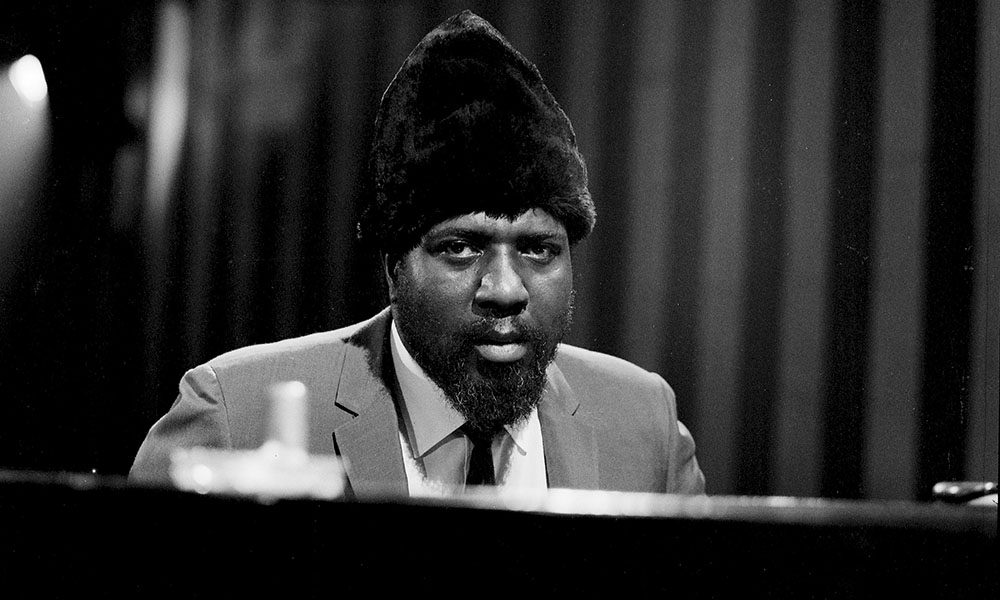
Thelonious Monk remains one of jazz’s most distinctive and unconventional composers, a pianist whose idiosyncratic style redefined harmonic structure and rhythmic interpretation. Born in Rocky Mount, North Carolina, Monk was raised in a modest household that eventually relocated to New York City’s San Juan Hill neighborhood. This environment exposed him to a wide range of musical influences during his formative years.
Monk’s early career was shaped by his work in Harlem jazz clubs, where his unconventional playing style initially confused audiences but intrigued fellow musicians. His approach to composition emphasized dissonance, angular melodies, and rhythmic unpredictability, setting him apart from contemporaries who favored more traditional structures.
His breakthrough came through collaborations with musicians such as Charlie Parker and his residency at Minton’s Playhouse, a key site in the development of bebop. Despite initial skepticism from critics, Monk gradually gained recognition for compositions such as “’Round Midnight,” which became jazz standards.
During the 1950s and 1960s, Monk’s reputation solidified as one of jazz’s most original voices. His performances were marked by both brilliance and eccentricity, often characterized by extended silences and sudden bursts of improvisation. These traits contributed to his mythic status within jazz history.
Monk’s legacy lies in his radical redefinition of musical structure. He challenged conventional harmony and timing, influencing generations of musicians in jazz and beyond.
Key Facts
- Full name of the subject: Thelonious Sphere Monk
- Date of birth: October 10, 1917
- Place of birth: Rocky Mount, North Carolina, United States
- Family background: Raised in a working-class African-American family
- Early childhood experiences: Moved to New York City during childhood; exposed to urban jazz culture
- Education history: Limited formal education; trained through performance experience
- Influences and mentors: Harlem stride pianists, bebop pioneers
- Career beginnings: Performed in Harlem jazz clubs and Minton’s Playhouse
- Major achievements: Composed enduring jazz standards and reshaped modern jazz harmony
- Challenges and obstacles faced: Early critical misunderstanding and inconsistent commercial recognition
- Turning points in life: Recognition through recordings in the 1950s
- Contributions to society: Redefined jazz piano and modern composition techniques
- Personal life (marriage, children, relationships): Married to Nellie Smith; father of two children
- Awards and recognitions: National recognition and posthumous honors
- Beliefs, values, or philosophy: Belief in musical individuality and structural experimentation
- Legacy and impact: One of the most influential jazz composers of the 20th century
- Historical or cultural significance: Pioneer of modern jazz composition and bebop development
Notable Works: “’Round Midnight,” “Blue Monk,” “Straight, No Chaser,” “Epistrophy,” “Well, You Needn’t”
Controversies:
A significant controversy involving Thelonious Monk centers on his 1951 arrest in New York City on drug-related charges, which led to the revocation of his cabaret card and severely restricted his ability to perform in venues that required official licensing. The incident had lasting effects on his career trajectory during a critical period of artistic development.
The background of the arrest occurred during heightened law enforcement scrutiny of jazz musicians in mid-century New York, where cabaret cards were essential for legal nightclub performances. Monk’s case became emblematic of broader tensions between jazz artists and regulatory authorities.
Key stakeholders included Monk, law enforcement officials, club owners, and the broader jazz community dependent on nightlife performance circuits. Critics argued that enforcement practices disproportionately impacted Black musicians, while authorities maintained that licensing laws were applied uniformly.
From a factual standpoint, Monk did lose his cabaret card, though later reviews and historical analysis have questioned the fairness and consistency of enforcement practices at the time. Monk himself experienced prolonged professional disruption as a result.
The long-term impact of this controversy includes increased scholarly attention to discriminatory licensing practices in mid-century entertainment industries and recognition of how legal structures shaped the careers of major jazz figures.
7. Ella Fitzgerald
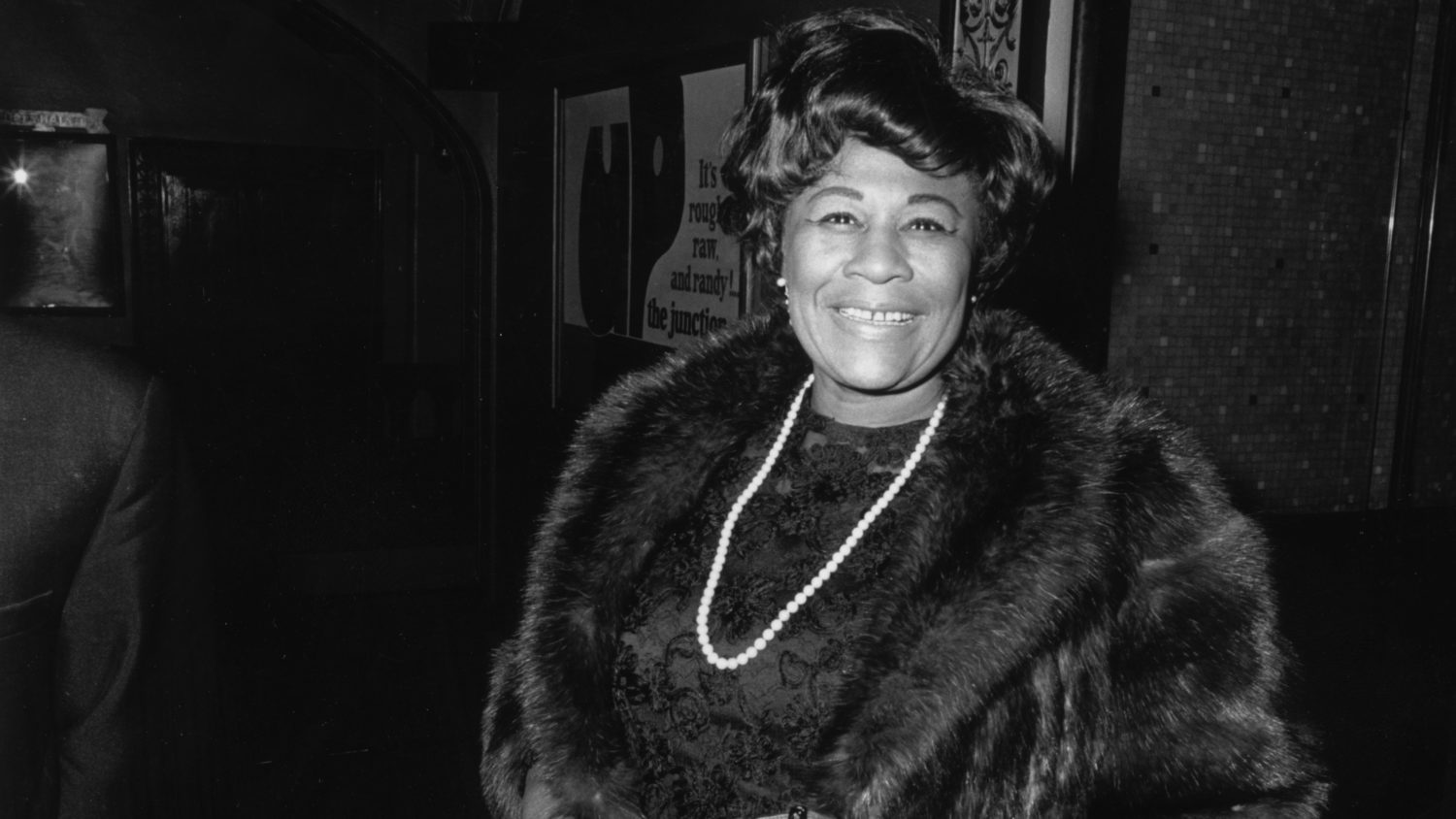
Ella Fitzgerald’s career represents one of the most extraordinary vocal achievements in the history of American music, defined by technical mastery, emotional clarity, and unparalleled improvisational skill. Born in Newport News, Virginia, Fitzgerald experienced a difficult childhood marked by instability and the loss of her parents at an early age. Raised in Harlem, she found refuge in music during a period of social and economic hardship.
Fitzgerald’s early career began when she won an amateur talent contest at the Apollo Theater, a moment that launched her into professional performance. Initially performing with the Chick Webb Orchestra, she quickly became the group’s defining vocal presence. Her ability to blend precision with emotional warmth distinguished her from contemporaries.
Her breakthrough came as she transitioned into a solo career, where she developed her signature scat singing technique. During the mid-20th century, Fitzgerald became one of the most recorded and celebrated jazz vocalists, producing iconic interpretations of the Great American Songbook.
Although her peak is often associated with the 1950s and 1960s, Fitzgerald remained highly influential throughout later decades, continuing to perform internationally and collaborate with leading musicians. Her work helped establish jazz vocals as a serious artistic discipline.
Fitzgerald’s legacy is defined by purity of tone, technical innovation, and cultural accessibility. She remains a foundational figure in both jazz and popular vocal performance.
Key Facts
- Full name of the subject: Ella Jane Fitzgerald
- Date of birth: April 25, 1917
- Place of birth: Newport News, Virginia, United States
- Family background: Raised in poverty; orphaned at a young age
- Early childhood experiences: Moved to Harlem; experienced hardship and institutional care
- Education history: Limited formal education; developed skills through performance experience
- Influences and mentors: Bing Crosby, Louis Armstrong, Chick Webb
- Career beginnings: Won Apollo Theater talent competition; joined Chick Webb Orchestra
- Major achievements: Revolutionized jazz vocal performance and scat singing
- Challenges and obstacles faced: Racial discrimination and early-life instability
- Turning points in life: Breakthrough performance with Chick Webb’s band
- Contributions to society: Elevated jazz vocals to global artistic recognition
- Personal life (marriage, children, relationships): Married twice; no biological children
- Awards and recognitions: Multiple Grammy Awards and Presidential Medal of Freedom
- Beliefs, values, or philosophy: Belief in musical excellence and emotional authenticity
- Legacy and impact: One of the greatest jazz vocalists in history
- Historical or cultural significance: Bridged jazz and popular music for global audiences
Notable Works: “Summertime,” “Dream a Little Dream of Me,” “Mack the Knife,” “Blue Skies,” Songbook series
Controversies:
A notable controversy surrounding Ella Fitzgerald involves the racial discrimination she and other Black artists faced while touring in segregated America, including restrictions in hotels, venues, and travel accommodations. One widely cited incident includes her being denied entry or equal treatment in certain performance-related spaces, reflecting broader systemic inequality rather than a singular personal dispute.
The context of these experiences was the Jim Crow era, where segregation laws and informal discriminatory practices shaped nearly every aspect of Black performers’ professional lives. Despite international acclaim, Fitzgerald frequently encountered unequal treatment while touring domestically.
Key stakeholders included Fitzgerald, venue owners, hotel operators, promoters, and audiences. Civil rights advocates later cited such experiences as evidence of the entertainment industry’s complicity in systemic segregation.
From a factual perspective, these incidents are well documented in historical accounts of touring musicians of the era, though specific details vary by location and tour. Fitzgerald herself often maintained a professional focus, allowing her artistry to serve as her primary response to discrimination.
The long-term impact of this controversy contributes to broader historical recognition of racial inequality in the American entertainment industry and highlights Fitzgerald’s resilience and professionalism in the face of systemic barriers.
8. Billie Holiday
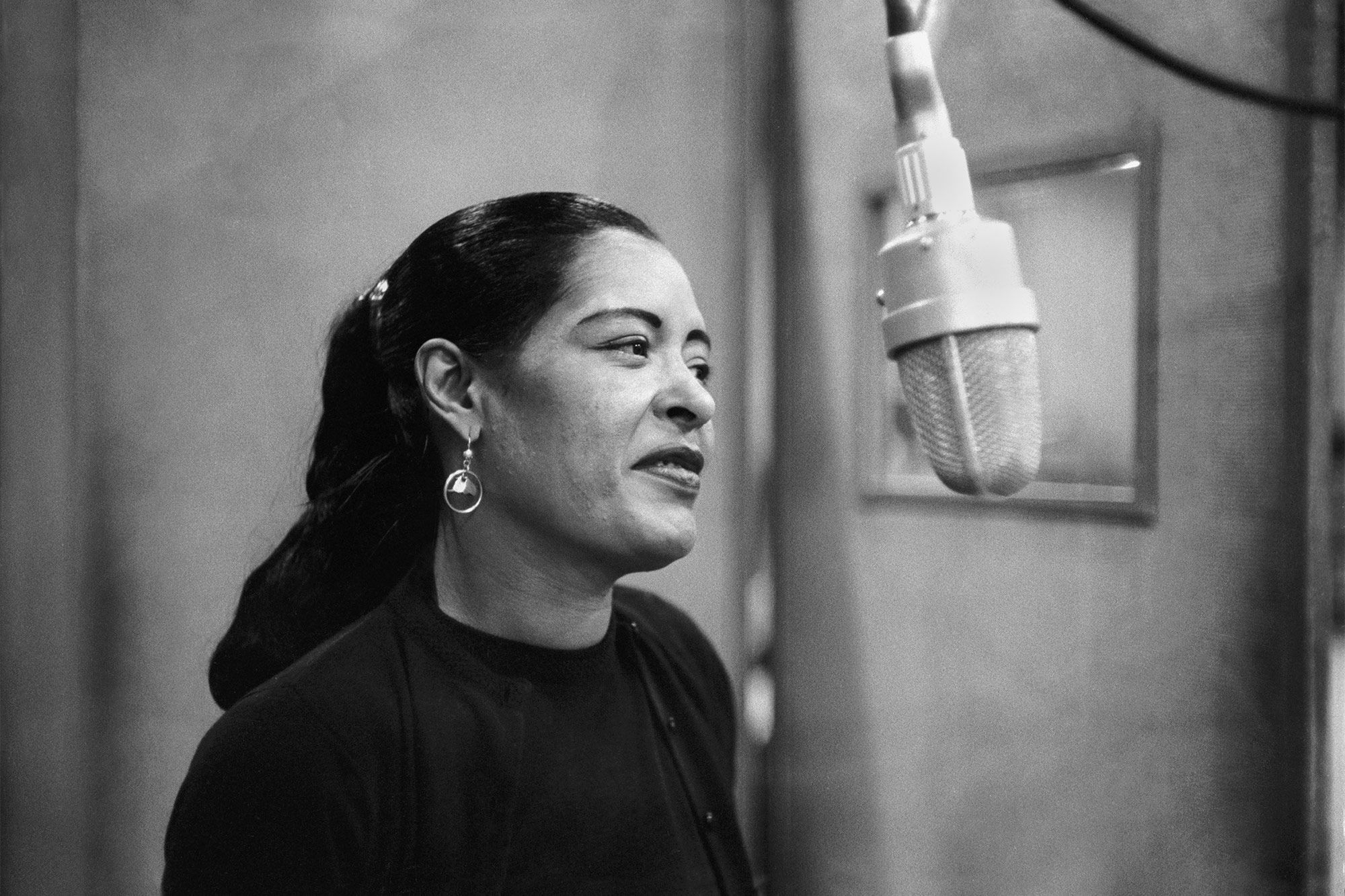
Billie Holiday’s artistry emerged from a life marked by hardship, resilience, and emotional depth that would ultimately redefine vocal jazz. Born Eleanora Fagan in Philadelphia and raised largely in Baltimore, Holiday’s early years were shaped by poverty, instability, and limited formal education. Her upbringing in segregated America exposed her to both the emotional weight of racial injustice and the expressive power of blues and early jazz, which would later become central to her interpretive style.
Holiday’s early career began in Harlem, where she was discovered performing in small clubs during the early 1930s. Her collaboration with saxophonist Lester Young became particularly significant, as he famously nicknamed her “Lady Day,” recognizing her unique phrasing and emotional phrasing style. Unlike many contemporaries, Holiday did not rely on vocal range but instead on timing, tone, and interpretive vulnerability.
Her breakthrough came with recordings such as “Strange Fruit,” a haunting protest against racial violence that positioned her not only as an entertainer but as a cultural witness. During the 1940s and 1950s, Holiday reached her artistic peak, producing deeply personal interpretations of jazz standards that emphasized emotional truth over technical perfection.
In her later years, Holiday faced declining health and legal struggles, yet her performances retained a raw emotional intensity that influenced generations of vocalists. Her legacy is defined by emotional authenticity and artistic courage, transforming jazz vocals into a vehicle for personal and social expression.
Holiday remains a symbol of artistic vulnerability and resilience, her voice continuing to resonate as one of the most emotionally powerful in music history.
Key Facts
- Full name of the subject: Eleanora Fagan (Billie Holiday)
- Date of birth: April 7, 1915
- Place of birth: Philadelphia, Pennsylvania, United States
- Family background: Born into a poor African-American family
- Early childhood experiences: Raised in unstable conditions with exposure to hardship and institutional care
- Education history: Limited formal education; developed artistry through performance experience
- Influences and mentors: Louis Armstrong, Bessie Smith, Lester Young
- Career beginnings: Started singing in Harlem nightclubs as a teenager
- Major achievements: Revolutionized jazz vocal interpretation and emotional phrasing
- Challenges and obstacles faced: Racial discrimination, substance dependency, legal troubles
- Turning points in life: Recording of “Strange Fruit”
- Contributions to society: Brought social consciousness into jazz music
- Personal life (marriage, children, relationships): Multiple marriages; no children
- Awards and recognitions: Posthumous Grammy Hall of Fame honors
- Beliefs, values, or philosophy: Belief in emotional honesty through music
- Legacy and impact: One of the most influential jazz vocalists in history
- Historical or cultural significance: Symbol of artistic resistance and emotional expression in jazz
Notable Works: “Strange Fruit,” “God Bless the Child,” “Lover Man,” “Fine and Mellow,” “Lady Sings the Blues”
Controversies:
One major controversy surrounding Billie Holiday involves her repeated legal persecution under narcotics laws and the extent to which her treatment was influenced by systemic racial bias and targeted enforcement. The issue became particularly prominent in the late 1940s when Holiday was arrested and subsequently lost her cabaret card, effectively limiting her ability to perform in licensed New York venues. This significantly impacted her career during her later years.
The background to these events lies in the broader “War on Drugs” policies of the era, which disproportionately affected Black artists and communities. Holiday’s struggles with substance dependency were widely publicized, often overshadowing her artistic contributions. Law enforcement agencies at the time maintained that her arrests were part of standard narcotics enforcement, while critics and historians argue that surveillance and prosecution were unevenly applied across racial lines.
Key stakeholders included Holiday, federal narcotics agents, New York licensing authorities, club owners, and civil rights observers. While some viewed her case as a personal struggle with addiction, others interpreted it as an example of institutional pressure placed on Black performers in mid-20th-century America.
From a factual standpoint, Holiday’s arrests and loss of performance rights are well documented, though interpretations of intent and fairness remain debated. Her autobiography and later biographies further shaped public perception, blending personal narrative with broader social critique.
The long-term impact of this controversy has contributed to ongoing discussions about racial bias in drug enforcement, the vulnerability of performing artists, and the intersection of addiction and systemic inequality. Holiday’s legacy has since been reframed as both tragic and profoundly influential in shaping socially conscious music.
9. Dizzy Gillespie
Dizzy Gillespie emerged as one of the most dynamic and innovative forces in jazz, a musician whose technical brilliance and charismatic personality helped define the bebop revolution. Born in Cheraw, South Carolina, Gillespie grew up in a working-class household where music was both a cultural outlet and a form of community expression. Early exposure to church music and local bands shaped his foundational understanding of rhythm and harmony.
Gillespie’s early career began in the big band era, where he played with prominent orchestras before joining the cutting-edge bebop movement in New York City. His collaboration with Charlie Parker proved instrumental in reshaping jazz, introducing rapid tempos, complex chord progressions, and virtuosic improvisation that challenged traditional musical structures.
His breakthrough came as bebop gained recognition in the 1940s, with Gillespie becoming one of its most visible ambassadors. Beyond technical innovation, he also incorporated Afro-Cuban rhythms into jazz, helping to create the foundation of Latin jazz. His bent trumpet and playful stage persona became iconic symbols of his artistic identity.
During his peak years in the mid-20th century, Gillespie toured extensively, bringing jazz to international audiences and participating in cultural diplomacy efforts sponsored by the United States. Despite occasional criticism that bebop was too complex for mainstream audiences, his influence expanded the intellectual and rhythmic boundaries of jazz.
Gillespie’s legacy is defined by innovation, cross-cultural fusion, and performance charisma. He remains a central figure in the evolution of modern jazz language.
Key Facts
- Full name of the subject: John Birks “Dizzy” Gillespie
- Date of birth: October 21, 1917
- Place of birth: Cheraw, South Carolina, United States
- Family background: Raised in a working-class African-American family
- Early childhood experiences: Exposed to church music and local band performances
- Education history: Attended Laurinburg Institute; informal musical training
- Influences and mentors: Roy Eldridge, Charlie Parker
- Career beginnings: Played in big bands before joining bebop pioneers in New York
- Major achievements: Co-founder of bebop and pioneer of Afro-Cuban jazz fusion
- Challenges and obstacles faced: Initial skepticism toward bebop’s complexity
- Turning points in life: Collaboration with Charlie Parker and Minton’s Playhouse scene
- Contributions to society: Expanded global understanding of jazz through cultural diplomacy
- Personal life (marriage, children, relationships): Married to Lorraine Willis
- Awards and recognitions: Multiple Grammy honors and cultural awards
- Beliefs, values, or philosophy: Belief in innovation, rhythm, and cultural fusion
- Legacy and impact: Shaped modern jazz improvisation and global jazz education
- Historical or cultural significance: Pioneer of bebop and Latin jazz integration
Notable Works: “A Night in Tunisia,” “Manteca,” “Salt Peanuts,” “Groovin’ High,” “Woody ’n You”
Controversies:
A notable controversy involving Dizzy Gillespie centers on the early reception of bebop, which was widely criticized by some segments of the jazz establishment and general audiences for being overly complex and inaccessible. The issue arose during the 1940s when bebop emerged as a radical departure from swing-era conventions, leading to debates about whether it represented the future of jazz or an elitist deviation from popular music traditions.
The background of this controversy lies in the transitional period between swing and modern jazz, where commercial big bands dominated popular entertainment. Bebop musicians, including Gillespie, often performed in smaller, more experimental settings that contrasted sharply with mainstream expectations. This created tension between artistic innovation and commercial viability.
Key stakeholders included Gillespie, fellow bebop musicians, club owners, record labels, critics, and audiences accustomed to swing music. Critics argued that bebop lacked accessibility, while supporters viewed it as a necessary artistic evolution that elevated jazz to a more sophisticated form.
From a factual standpoint, the criticism of bebop’s complexity is well documented, though it reflects aesthetic disagreement rather than misconduct or ethical controversy. Over time, bebop gained widespread recognition as a foundational movement in modern jazz history.
The long-term impact of this controversy is significant, as it ultimately contributed to the diversification of jazz and the acceptance of experimental forms as legitimate artistic expression.
10. Sarah Vaughan
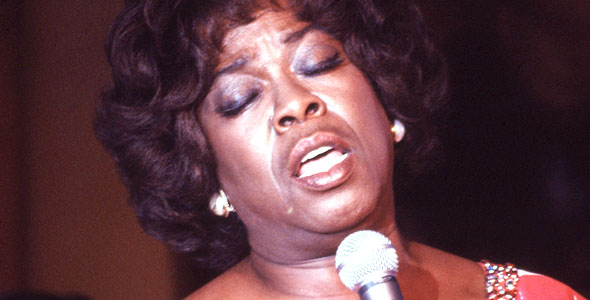
Sarah Vaughan stands as one of the most technically gifted and emotionally expressive vocalists in jazz history, often referred to as “The Divine One” for her extraordinary vocal control and range. Born in Newark, New Jersey, Vaughan was raised in a musically inclined household where church music played an early role in shaping her vocal sensibilities. Her early exposure to piano and choir performance laid the foundation for her later technical mastery.
Vaughan’s career began when she won an amateur night competition at the Apollo Theater, a pivotal moment that launched her into professional performance circles. She soon joined the Earl Hines and Billy Eckstine orchestras, where she developed her distinctive style characterized by operatic range and jazz phrasing.
Her breakthrough came in the 1940s as she transitioned into a solo career, where she demonstrated extraordinary control over tone, vibrato, and improvisational phrasing. During the 1950s and 1960s, Vaughan reached her artistic peak, recording extensively and performing internationally with leading jazz musicians.
In her later years, Vaughan continued to evolve stylistically, incorporating elements of pop and orchestral arrangements while maintaining her jazz identity. Her influence extended across vocal performance disciplines, setting new technical standards for jazz singers.
Vaughan’s legacy is defined by vocal innovation, emotional depth, and technical perfection. She remains one of the most studied and admired vocalists in jazz history.
Key Facts
- Full name of the subject: Sarah Lois Vaughan
- Date of birth: March 27, 1924
- Place of birth: Newark, New Jersey, United States
- Family background: Raised in a working-class musical family
- Early childhood experiences: Sang in church choirs and learned piano early
- Education history: Attended Newark arts programs; largely performance-trained
- Influences and mentors: Bing Crosby, Ella Fitzgerald, Fats Waller
- Career beginnings: Won Apollo Theater amateur competition; joined big bands
- Major achievements: Redefined jazz vocal technique and interpretive range
- Challenges and obstacles faced: Racial discrimination and industry gender bias
- Turning points in life: Breakthrough with Earl Hines Orchestra
- Contributions to society: Elevated jazz vocal artistry to global recognition
- Personal life (marriage, children, relationships): Married multiple times; no children
- Awards and recognitions: Grammy Awards and lifetime achievement honors
- Beliefs, values, or philosophy: Belief in vocal excellence and musical discipline
- Legacy and impact: One of the greatest jazz vocalists of all time
- Historical or cultural significance: Set new technical standards for jazz singing
Notable Works: “Lullaby of Birdland,” “Misty,” “Body and Soul,” “Send in the Clowns,” “Broken-Hearted Melody”
Controversies:
A notable controversy surrounding Sarah Vaughan involves recurring disputes over artistic control and contractual tensions with record labels during the mid-20th century, a period when many Black jazz artists faced restrictive recording agreements. The issue became particularly evident during transitions between labels, where disagreements over musical direction, royalties, and production autonomy were common in the industry.
The background to these disputes reflects the broader structure of the jazz recording industry in the 1940s–1960s, where artists often had limited negotiating power compared to record executives. Vaughan’s evolving artistic ambitions frequently clashed with commercial expectations imposed by producers who prioritized marketable formats over experimentation.
Key stakeholders included Vaughan, record label executives, producers, and session musicians. While labels emphasized commercial viability, Vaughan sought greater artistic freedom and control over arrangements and repertoire.
From a factual standpoint, contractual disagreements and label transitions are well documented in her career history, though specific financial and legal details varied across agreements. These tensions were not unique to Vaughan but reflected systemic industry practices of the era.
The long-term impact of these controversies contributed to broader reforms in artist-label relationships and reinforced Vaughan’s reputation as a performer committed to artistic integrity and creative independence.
Notable Mentions:
Chet Baker
Art Blakey
Herbie Hancock
Count Basie
Wynton Marsalis