[People Profile] All We Know About George Foreman Biography, Life, Career, Networth
George Foreman Biography, Life, Career, Networth
In This Content
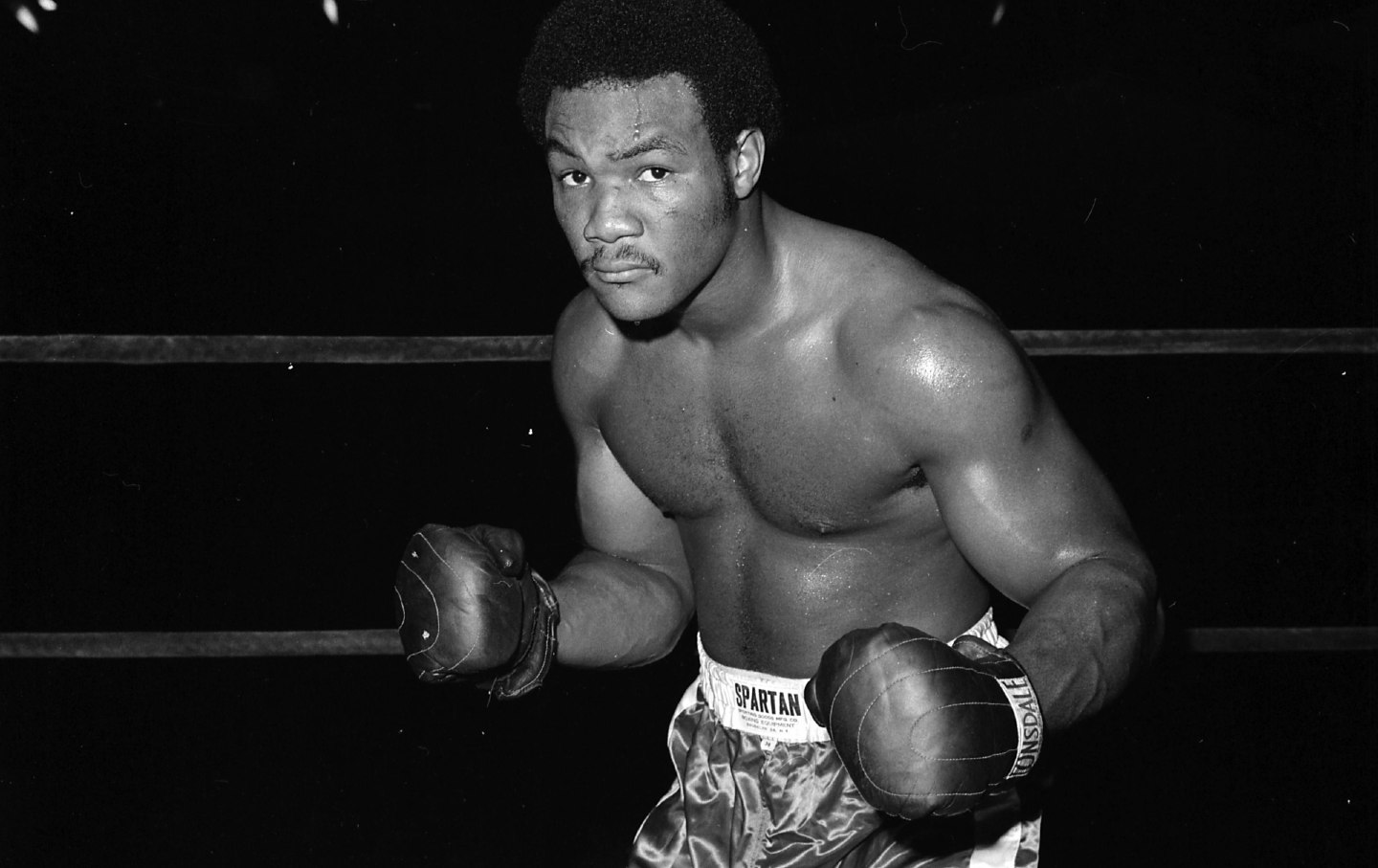
Biography & Early Life
- Full name: George Edward Foreman
- Born: January 10, 1949 — Marshall
- Raised in Houston in a tough neighborhood
- Troubled youth—dropped out of school, involved in street crime
- Life changed after joining the Job Corps, where he discovered boxing
Boxing gave him discipline and a path out of poverty.
Amateur Career
- Won an Olympic gold medal (1968) in Mexico City
- Famous for waving the American flag after victory
- Entered pro boxing shortly after
Professional Career
Career Statistics
- Total fights: 81
- Wins: 76
- Losses: 5
- Knockouts: 68
- KO ratio: ~89% (one of the highest in heavyweight history)
First Career (1969–1977)
Rise to Champion
- Destroyed opponents with raw power
- Won heavyweight title by defeating Joe Frazier (1973)
- Knocked him down 6 times in 2 rounds
Rumble in the Jungle
- Lost title to Muhammad Ali
- Shock defeat after being outsmarted
Decline & Retirement
- Lost to Jimmy Young (1977)
- Claimed to have a near-death spiritual experience
- Retired and became a Christian minister
Comeback Career (1987–1997)
The Comeback
- Returned at age 38—seen as a joke at first
- Became older, slower—but more strategic
Historic Victory
- 1994: Knocked out Michael Moorer
- Became heavyweight champion again at age 45
Oldest heavyweight champion in history
Final Retirement
- Retired in 1997
Net Worth & Business Empire
Estimated Net Worth
- Around $300 million+ (varies by source)
Business Success
Foreman made far more money outside boxing:
George Foreman Grill
- Sold over 100 million units worldwide
- Earned hundreds of millions in endorsements
Ironically:
- He made more from grills than from boxing
Controversies
1. Early Career Persona
- Seen as:
- Cold
- Intimidating
- Unfriendly compared to Ali
Fans initially disliked him
2. Rumble in the Jungle Loss
- Criticism for:
- Underestimating Ali
- Poor strategy
- Some say it damaged his legacy (temporarily)
3. Comeback Skepticism
- Critics believed:
- He was too old
- Fights were mismatched early on
He proved them wrong dramatically
Personality Transformation
One of the most fascinating parts of Foreman’s story:
Before
- Aggressive, silent, feared
After Comeback
- Smiling, funny, charismatic
- Became a beloved public figure
A complete reinvention
Legacy
George Foreman is remembered as:
- One of the hardest punchers ever
- A 2-time heavyweight champion (20-year gap!)
- A symbol of:
- Redemption
- Reinvention
- Longevity
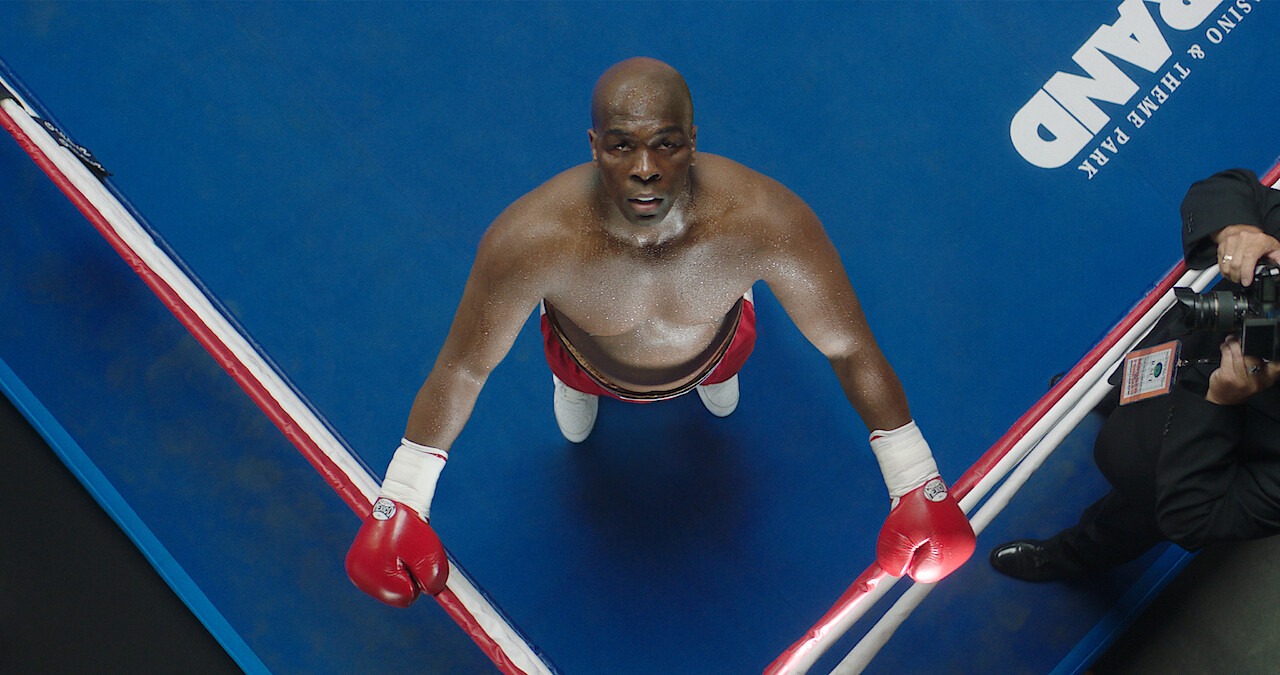
George Edward Foreman—known to the world as George Foreman—is a man whose life seems to unfold in two distinct acts: one defined by raw power and dominance, the other by redemption, reinvention, and unexpected success.
He was born on January 10, 1949, in Marshall and raised in the tough neighbourhoods of Houston. His early years were marked by struggle and directionless energy. As a teenager, Foreman drifted toward trouble until a government program—the Job Corps—gave him structure and introduced him to boxing. It was there that his immense physical strength found purpose.
Foreman’s rise in the boxing world was swift and formidable. At just 19, he won a gold medal at the 1968 Summer Olympics, signalling the arrival of a new and powerful force in heavyweight boxing. Unlike the poetic bravado of Muhammad Ali, Foreman was quiet, almost intimidatingly so. He let his fists speak—and they spoke with devastating clarity.
In 1973, he captured the world heavyweight title by defeating Joe Frazier in a brutal and one-sided fight. Frazier, who had once defeated Ali, was knocked down repeatedly, and Foreman’s dominance established him as one of the most feared champions in boxing history.
But the defining moment of his early career came in 1974, in Kinshasa, during the legendary “Rumble in the Jungle.” Facing Muhammad Ali, Foreman entered the ring as the overwhelming favourite. Younger, stronger, and seemingly unstoppable, he appeared destined to win.
What followed became one of the greatest upsets in sports history.
Ali, employing his now-famous “rope-a-dope” strategy, allowed Foreman to exhaust himself before striking back. In the eighth round, Ali knocked Foreman out. The defeat was not just physical—it was deeply personal. For a man who had built his identity on invincibility, the loss shattered something within him.
In the years that followed, Foreman stepped away from boxing. After a near-death experience following a fight in 1977, he underwent a profound spiritual transformation. He became a born-again Christian and devoted himself to preaching, eventually founding a church in Houston. For a time, it seemed his life as a fighter was over.
But George Foreman was not finished.
In one of the most remarkable comebacks in sports history, he returned to boxing in his late thirties, older, heavier, and outwardly less intimidating than before. Many dismissed his return as a curiosity, but Foreman had changed. He fought with patience, intelligence, and an almost disarming calmness.
Then, in 1994, at the age of 45, he did the unthinkable.
He knocked out Michael Moorer to reclaim the heavyweight championship, becoming the oldest heavyweight champion in history. It was a victory that transcended sport—a testament to endurance, belief, and the idea that time does not always have the final say.
Beyond boxing, Foreman achieved another kind of fame. He became the face of the George Foreman Grill, a simple cooking device that turned into a global commercial success. With his warm personality and approachable image, he transformed himself from a feared fighter into a beloved public figure and businessman, earning far more from the grill than he ever did in the ring.
His personal life is as expansive as his career—famously naming all five of his sons George, a gesture he once explained as a way of keeping unity among them.
Today, George Foreman stands as more than a champion. He is a symbol of reinvention—a man who moved from anger to peace, from dominance to humility, from defeat to triumph.
In the end, his story is not just about power.
It is about change.
About the possibility that even the strongest among us can fall—and rise again, not as they were, but as something greater.