Top 10 Peace Activists
Top 10 Peace Activists
In This Content
1. MAHATMA GANDHI
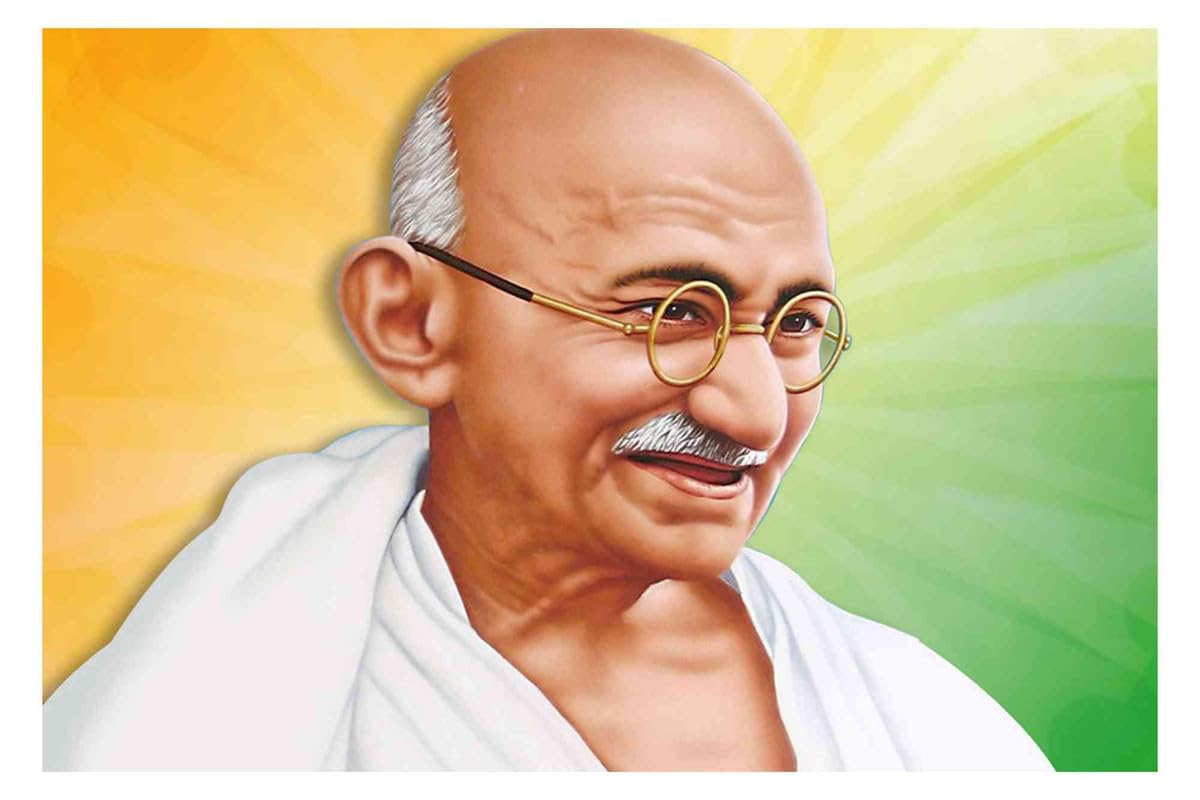
Mohandas Karamchand Gandhi emerged as one of the most influential architects of nonviolent resistance in modern history, a figure whose philosophy of peace was shaped by early experiences of cultural displacement and moral questioning. Born in Porbandar, India, in 1869, he grew up in a deeply traditional Hindu household where discipline, spirituality, and ethical conduct formed the foundation of his worldview. His early exposure to religious pluralism in India planted the seeds of his lifelong commitment to interfaith harmony and nonviolence.
Gandhi’s career began as a lawyer in South Africa, where he encountered systemic racial discrimination that fundamentally altered his life’s trajectory. It was in this environment that he first developed the concept of Satyagraha, or “truth-force,” a disciplined method of civil resistance rooted in moral courage rather than physical confrontation. His early activism focused on challenging institutional injustice through legal advocacy and organized civil disobedience.
His breakthrough came with the successful mobilization of mass movements against colonial policies, both in South Africa and later in India. By the 1920s and 1930s, Gandhi had become the symbolic leader of India’s independence movement, orchestrating nationwide campaigns such as the Salt March. His leadership style was marked by simplicity, moral austerity, and a refusal to separate political action from ethical living.
Gandhi’s legacy reshaped global political thought, influencing civil rights movements across continents. His philosophy of nonviolence became a strategic and moral framework adopted by leaders such as Martin Luther King Jr. and Nelson Mandela. Despite controversy surrounding his political negotiations and social views, his impact on peaceful resistance remains foundational to modern activism.
Key Facts
- Full name of the subject: Mohandas Karamchand Gandhi
- Date of birth: 2 October 1869
- Place of birth: Porbandar, Gujarat, India
- Family background: Hindu merchant caste family
- Early childhood experiences: Religious upbringing and exposure to moral discipline
- Education history: University College London (Law)
- Influences and mentors: Hindu scriptures, Jain philosophy, Leo Tolstoy
- Career beginnings: Law practice in South Africa
- Major achievements: Leader of Indian independence movement
- Challenges and obstacles faced: Colonial imprisonment and racial discrimination
- Turning points in life: Development of Satyagraha philosophy in South Africa
- Contributions to society: Nonviolent resistance methodology
- Personal life (marriage, children, relationships): Married to Kasturba Gandhi, four children
- Awards and recognitions: Widely regarded global moral leader (no formal awards during lifetime)
- Beliefs, values, or philosophy: Nonviolence, truth, and civil resistance
- Legacy and impact: Inspired global civil rights movements
- Historical or cultural significance: Architect of peaceful anti-colonial resistance
Notable Works: Hind Swaraj, The Story of My Experiments with Truth, Indian Opinion writings, Salt March campaigns, Quit India Movement leadership
Controversies:
Criticism of certain racial statements made during the early years of South Africa.
Debates over caste and social reform positions
Political disagreements with contemporaries on partition strategy
Ongoing scholarly debate about his personal lifestyle choices.
2. MARTIN LUTHER KING JR.
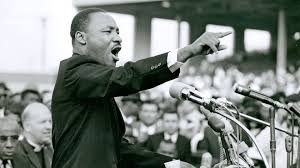
Martin Luther King Jr. emerged as the defining voice of the American civil rights movement, a leader whose philosophy of nonviolent resistance was deeply shaped by both theological study and the lived realities of racial segregation. Born in Atlanta, Georgia, in 1929, he grew up in a Baptist household where religious conviction and social responsibility were inseparable. This foundation later became the moral framework of his activism.
King began his career as a Baptist minister, where his eloquence and intellectual rigour quickly distinguished him as a rising leader within the Black church tradition. His exposure to Gandhi’s teachings during his theological studies profoundly influenced his belief that systemic injustice could be dismantled without violence. His early activism focused on local desegregation efforts and community organization.
His breakthrough came during the Montgomery Bus Boycott, where his leadership transformed him into a national figure. This event marked the beginning of a sustained campaign of civil disobedience that included marches, speeches, and organized protests across the United States. His ability to articulate moral clarity in moments of national crisis elevated him to global prominence.
By the 1960s, King had become the central architect of landmark civil rights victories, including the Civil Rights Act and the Voting Rights Act. His legacy is defined not only by legislative change but by his transformation of public consciousness around justice, equality, and nonviolent resistance. His assassination in 1968 solidified his status as a global symbol of peaceful struggle.
Key Facts
- Full name of the subject: Martin Luther King Jr.
- Date of birth: 15 January 1929
- Place of birth: Atlanta, Georgia, USA
- Family background: Baptist ministerial family
- Early childhood experiences: Exposure to racial segregation in the American South
- Education history: Morehouse College; Crozer Theological Seminary; Boston University (PhD)
- Influences and mentors: Mahatma Gandhi, Christian theology, Howard Thurman
- Career beginnings: Baptist minister and local civil rights organizer
- Major achievements: Leadership of U.S. Civil Rights Movement
- Challenges and obstacles faced: Arrests, threats, and surveillance by government agencies
- Turning points in life: Montgomery Bus Boycott leadership
- Contributions to society: Advancement of civil rights and racial equality
- Personal life (marriage, children, relationships): Married to Coretta Scott King, four children
- Awards and recognitions: Nobel Peace Prize (1964)
- Beliefs, values, or philosophy: Nonviolence, justice, and equality
- Legacy and impact: Global symbol of peaceful resistance
- Historical or cultural significance: Central figure in dismantling segregation laws
Notable Works: “I Have a Dream” speech, Letter from Birmingham Jail, Why We Can’t Wait, Stride Toward Freedom, Where Do We Go from Here
Controversies:
FBI surveillance and allegations during his lifetime
Criticism from some contemporaries of the nonviolent strategy
Posthumous scrutiny of personal life allegations
Political opposition from segregationist groups.
3. NELSON MANDELA
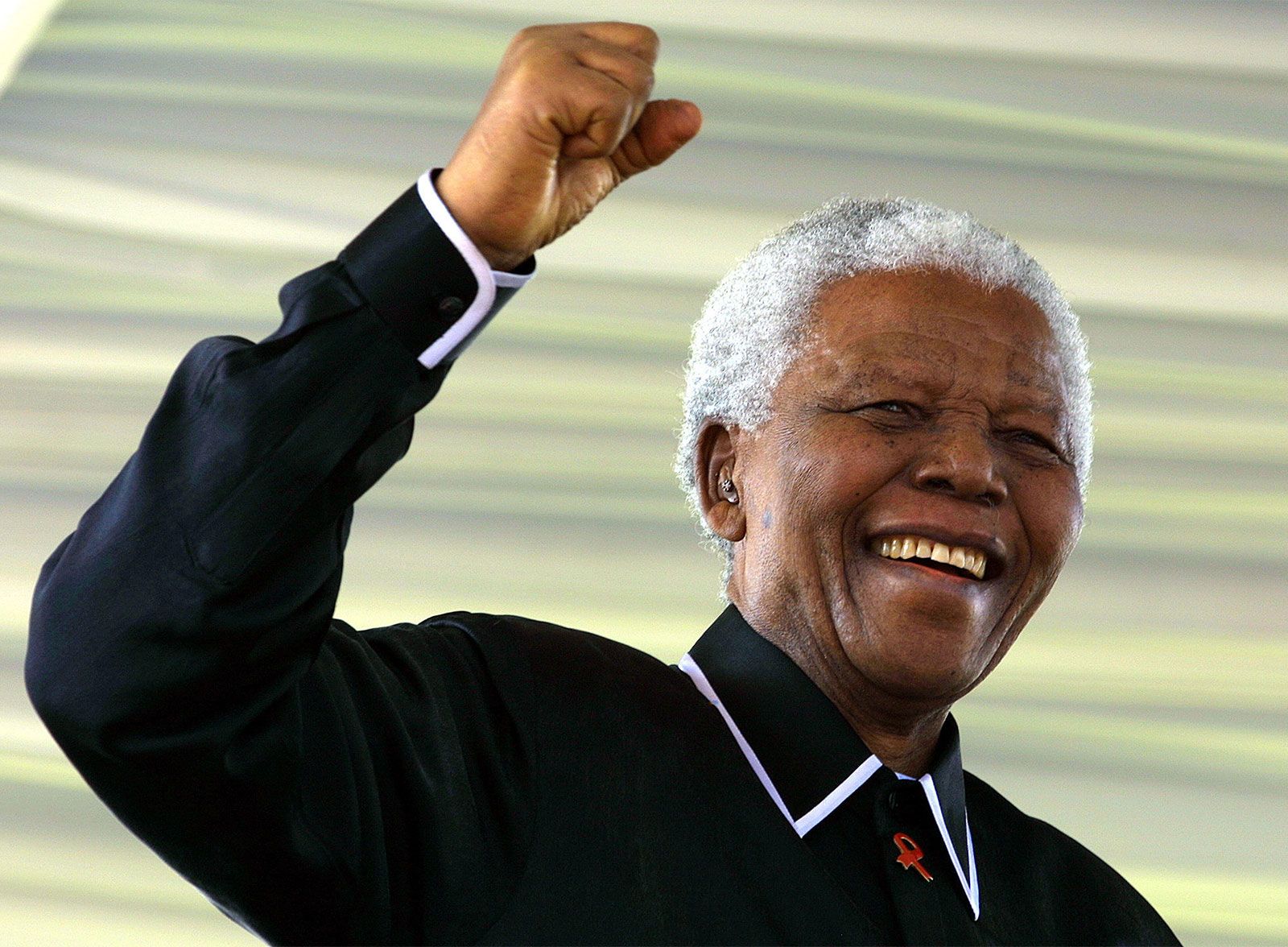
Nelson Mandela stands as one of the most transformative peace figures of the 20th century, a leader whose philosophy of reconciliation was forged through decades of political struggle and personal sacrifice. Born in the rural village of Mvezo, South Africa, in 1918, he was raised within the Thembu royal lineage, which instilled in him a sense of leadership, responsibility, and communal duty.
Mandela began his career as a lawyer in Johannesburg, where he became increasingly involved in anti-apartheid activism. His early political work focused on legal resistance to racial segregation laws, but growing state repression pushed him toward more organized and confrontational forms of activism within the African National Congress (ANC).
His breakthrough came as a leader of the ANC’s resistance movement, which led to his arrest and eventual imprisonment in 1962. He spent 27 years in prison, a period that transformed him into a global symbol of resistance and moral endurance. During incarceration, his ideological commitment shifted from resistance alone to include reconciliation and nation-building.
Mandela’s release in 1990 marked one of the most significant political transitions in modern history. As South Africa’s first Black president, he led the country through a peaceful transition from apartheid to democracy. His legacy is defined by forgiveness, strategic peacebuilding, and the rare ability to transform political victory into national healing.
Key Facts
- Full name of the subject: Nelson Rolihlahla Mandela
- Date of birth: 18 July 1918
- Place of birth: Mvezo, Eastern Cape, South Africa
- Family background: Royal Thembu lineage
- Early childhood experiences: Traditional leadership training and rural upbringing
- Education history: University of Fort Hare; University of Witwatersrand (Law studies)
- Influences and mentors: African nationalism leaders, Gandhi’s philosophy
- Career beginnings: Lawyer and ANC youth activist
- Major achievements: First Black President of South Africa
- Challenges and obstacles faced: 27 years of imprisonment under apartheid regime
- Turning points in life: Rivonia Trial and imprisonment
- Contributions to society: Dismantling apartheid and promoting reconciliation
- Personal life (marriage, children, relationships): Married multiple times, several children
- Awards and recognitions: Nobel Peace Prize (1993)
- Beliefs, values, or philosophy: Equality, reconciliation, and forgiveness
- Legacy and impact: Global symbol of peaceful political transition
- Historical or cultural significance: End of the institutional apartheid system
Notable Works: Long Walk to Freedom, Presidential speeches, Rivonia Trial statements, Letters from prison, ANC leadership writings
Controversies:
Early ANC armed resistance strategy debates
Criticism from some groups regarding reconciliation policies
Political tensions during post-apartheid economic restructuring
Western governments initially labelled him a security threat during the apartheid era.
4. NORMAN BORLAUG
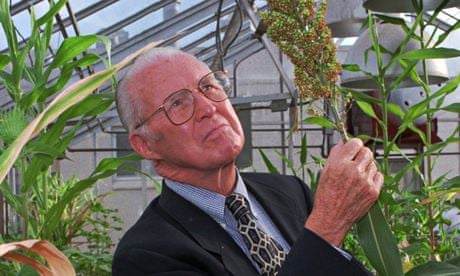
Norman Borlaug emerged as one of the most consequential yet quietly influential peace figures of the 20th century, a scientist whose life’s work redefined the relationship between food security and global stability. Born in Cresco, Iowa, in 1914, he grew up in a rural farming community where agricultural labour was not just a livelihood but survival. This early proximity to the realities of hunger shaped his lifelong commitment to preventing famine through scientific innovation.
Borlaug began his career as a plant pathologist, working on crop disease resistance and agricultural productivity. His early research in Mexico under the Cooperative Wheat Research Program laid the groundwork for what would later become the Green Revolution. Unlike traditional peace activists who operated in political or social spheres, Borlaug’s activism was embedded in agricultural science and rural development.
His breakthrough came when his high-yield, disease-resistant wheat varieties dramatically increased food production in Mexico, India, and Pakistan. These innovations arrived at critical moments of food crisis, preventing widespread famine and stabilizing regions vulnerable to political unrest. His work demonstrated a direct link between scientific advancement and geopolitical peace.
By the late 20th century, Borlaug was internationally recognized as a humanitarian scientist whose contributions saved an estimated billion lives from starvation. His legacy is defined by the principle that peace is impossible without food security, which has fundamentally reshaped how global development policy approaches hunger and stability.
Key Facts
- Full name of the subject: Norman Ernest Borlaug
- Date of birth: 25 March 1914
- Place of birth: Cresco, Iowa, USA
- Family background: Farming family of Norwegian descent
- Early childhood experiences: Farm labour and exposure to agricultural hardship
- Education history: University of Minnesota (Plant Pathology, PhD)
- Influences and mentors: Agriculture scientists, rural farming communities
- Career beginnings: USDA and international wheat research programs
- Major achievements: Leader of the Green Revolution
- Challenges and obstacles faced: Resistance to new agricultural methods
- Turning points in life: Success of high-yield wheat in Mexico
- Contributions to society: Global famine prevention through crop science
- Personal life (marriage, children, relationships): Married with children
- Awards and recognitions: Nobel Peace Prize (1970)
- Beliefs, values, or philosophy: Science-driven humanitarianism
- Legacy and impact: Prevented mass starvation in developing nations
- Historical or cultural significance: Revolutionized global food production systems
Notable Works: Wheat research programs, Green Revolution agricultural models, CIMMYT initiatives, global food security studies, famine prevention reports
Controversies:
Criticism over the environmental impacts of intensive farming
Debates about the long-term sustainability of Green Revolution methods
Concerns about dependence on chemical fertilisers and monocultures
Scholarly disagreement on the ecological consequences of increased yields.
5. AUNG SAN SUU KYI
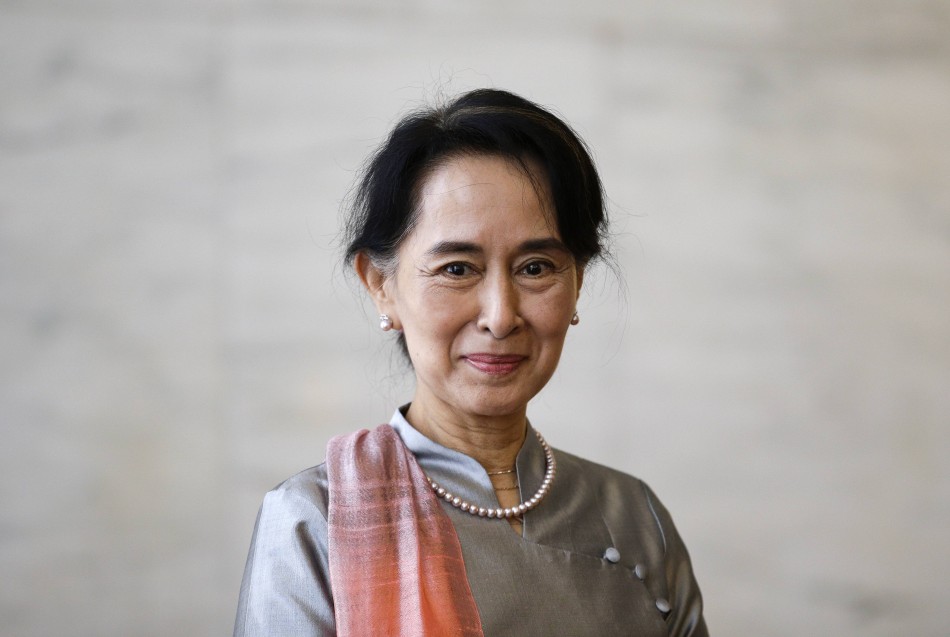
Aung San Suu Kyi emerged as a central figure in Myanmar’s struggle for democracy, a leader whose philosophy of peaceful resistance was shaped by a unique blend of political heritage and global intellectual exposure. Born in Yangon in 1945, she was the daughter of Aung San, a national independence hero, and grew up in an environment deeply connected to Myanmar’s political identity and unfinished democratic aspirations.
Her early life was divided between Myanmar, India, and the United Kingdom, where she studied politics, philosophy, and economics at Oxford University. This international education exposed her to democratic ideals and philosophies of nonviolent resistance, which later became central to her political identity. Her return to Myanmar in 1988 marked a turning point in both her life and the country’s political history.
Her breakthrough came during the 1988 pro-democracy uprising, where she quickly became the symbolic leader of the National League for Democracy. Despite being placed under prolonged house arrest by the military regime, she maintained her political influence through writings, speeches, and symbolic leadership, becoming an international icon of peaceful resistance.
By the 1990s and beyond, Aung San Suu Kyi had become one of the most recognized political prisoners and democracy advocates in the world. Her legacy is defined by her role in challenging authoritarian rule, although later years introduced complex debates about governance, human rights, and political responsibility in Myanmar’s evolving political landscape.
Key Facts
- Full name of the subject: Aung San Suu Kyi
- Date of birth: 19 June 1945
- Place of birth: Yangon, Myanmar
- Family background: Daughter of independence leader Aung San
- Early childhood experiences: Political exile and international upbringing
- Education history: University of Oxford (Politics, Philosophy, Economics)
- Influences and mentors: Mahatma Gandhi, Buddhist philosophy, democratic theory
- Career beginnings: Political activism during the 1988 uprising
- Major achievements: Leadership of the Myanmar democracy movement
- Challenges and obstacles faced: Long-term house arrest by the military government
- Turning points in life: Formation of the National League for Democracy
- Contributions to society: Promotion of democratic transition in Myanmar
- Personal life (marriage, children, relationships): Married with children
- Awards and recognitions: Nobel Peace Prize (1991)
- Beliefs, values, or philosophy: Nonviolence and democratic governance
- Legacy and impact: Symbol of peaceful resistance against dictatorship
- Historical or cultural significance: Central figure in Myanmar’s democratic struggle
Notable Works: Freedom from Fear essay, political speeches, NLD leadership communications, international advocacy writings, prison correspondence
Controversies:
Criticism over Myanmar’s treatment of the Rohingya minority during the political leadership
International condemnation and revocation of some honours.
Debates over balancing state governance and human rights advocacy
Complex global reassessment of her legacy in later years.
6. LECH WAŁĘSA
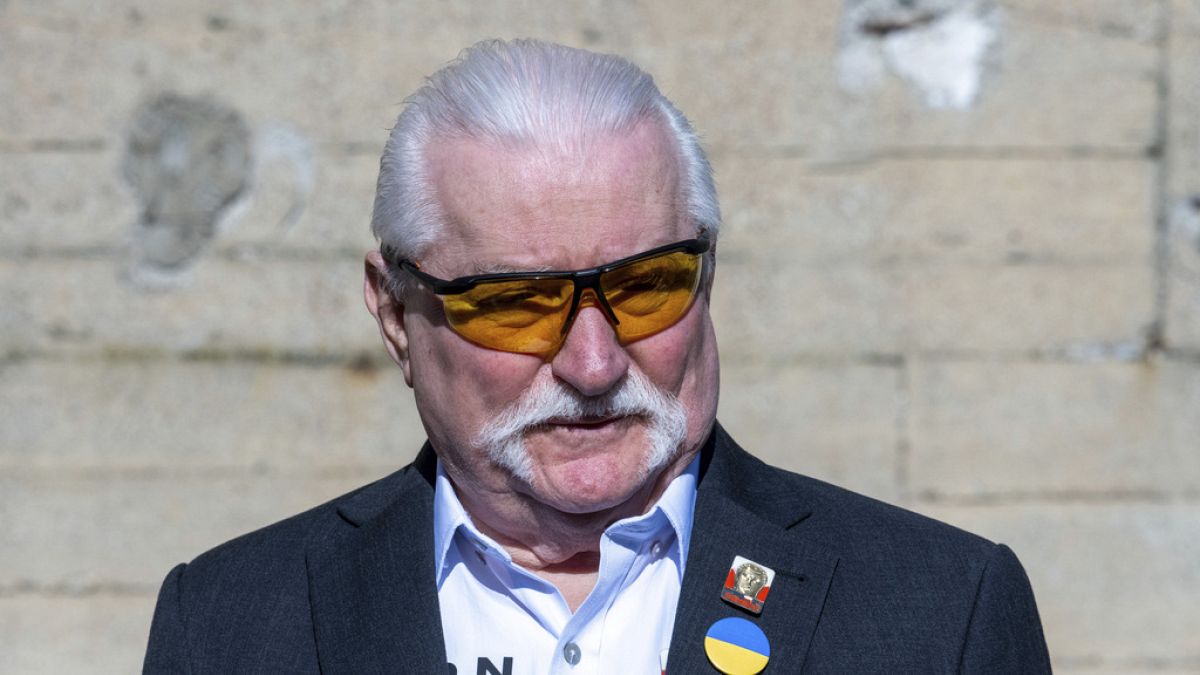
Lech Wałęsa emerged from the shipyards of Gdańsk as one of the most influential labour leaders in modern European history, a figure whose activism transformed Poland’s political landscape and contributed to the broader collapse of authoritarian regimes in Eastern Europe. Born in Popowo, Poland, in 1943, he grew up in a working-class Catholic family where discipline and resilience were essential for survival under post-war conditions.
Wałęsa began his career as an electrician at the Gdańsk Shipyard, where he became increasingly involved in labor disputes and worker rights advocacy. His early activism was shaped by growing dissatisfaction with state-controlled labor systems, leading him to organize strikes and underground worker movements that challenged communist authority.
His breakthrough came with the formation of the Solidarity movement in 1980, the first independent labor union in the Soviet bloc. This movement rapidly evolved into a nationwide political force advocating for democratic reform, civil rights, and economic restructuring. His leadership style combined charisma with direct confrontation, making him both a unifying and polarizing figure.
By the late 1980s and early 1990s, Wałęsa had become the central figure in Poland’s transition from communism to democracy, eventually serving as the country’s president. His legacy is defined by his role in peaceful systemic change, demonstrating the power of organized labor movements in reshaping political systems.
Key Facts
- Full name of the subject: Lech Wałęsa
- Date of birth: 29 September 1943
- Place of birth: Popowo, Poland
- Family background: Working-class Catholic family
- Early childhood experiences: Post-war economic hardship
- Education history: Vocational electrical training
- Influences and mentors: Catholic social teaching, labour rights movements
- Career beginnings: Electrician at Gdańsk Shipyard
- Major achievements: Founder of the Solidarity movement
- Challenges and obstacles faced: Imprisonment and state surveillance
- Turning points in life: 1980 Gdańsk strikes
- Contributions to society: Democratization of Poland
- Personal life (marriage, children, relationships): Married with children
- Awards and recognitions: Nobel Peace Prize (1983)
- Beliefs, values, or philosophy: Labour rights and democratic reform
- Legacy and impact: Catalyst for Eastern European democratic transition
- Historical or cultural significance: Key figure in the fall of communism in Europe
Notable Works: Solidarity movement leadership, presidential reforms, strike negotiations, public speeches, democratic transition initiatives
Controversies:
Allegations regarding past collaboration with communist-era security services
Political polarization during presidency
Criticism of post-leadership political commentary
Ongoing historical debate regarding archival interpretations.
7. BETTY WILLIAMS
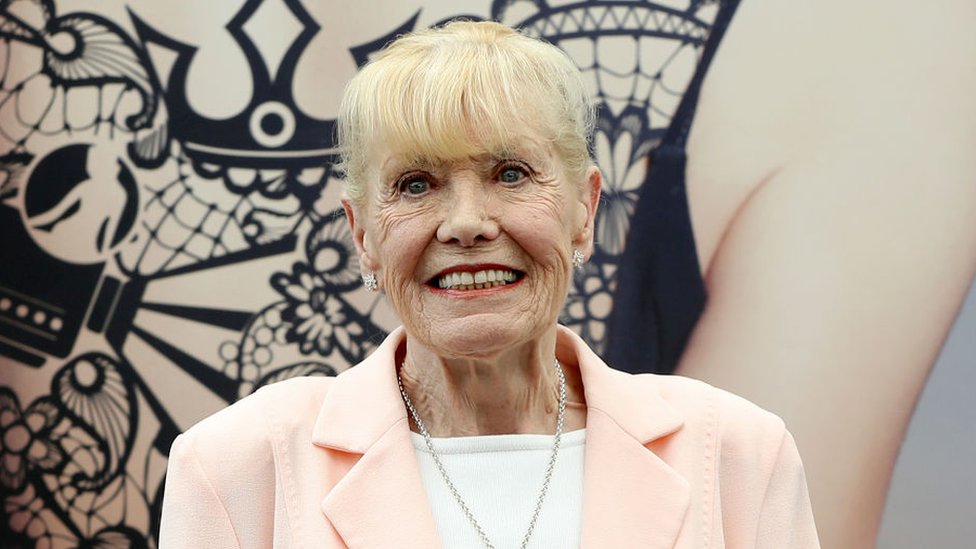
Betty Williams emerged as one of the most powerful civilian voices for peace during one of Northern Ireland’s most violent historical periods, a woman whose activism began not in political office but in personal tragedy. Born in Belfast in 1943, she grew up in a deeply divided society where sectarian tension shaped everyday life and community identity.
Williams began her career as a secretary, living a relatively ordinary life until a sudden and tragic event changed her trajectory. The death of children caught in crossfire during The Troubles became the emotional catalyst that pushed her into public activism. Rather than withdrawing into grief, she transformed personal loss into organized peace advocacy.
Her breakthrough came with the formation of the Peace People movement in 1976, alongside Mairead Corrigan. This grassroots initiative mobilized thousands of citizens in peaceful demonstrations against violence in Northern Ireland. Her leadership emphasized moral urgency, emotional truth, and community reconciliation over political ideology.
By the late 1970s, Williams had become an international symbol of civilian-led peace activism. Her legacy lies in demonstrating how ordinary individuals, driven by moral conviction rather than political authority, can influence conflict resolution and inspire global peace movements.
Key Facts
- Full name of the subject: Elizabeth Williams
- Date of birth: 22 May 1943
- Place of birth: Belfast, Northern Ireland
- Family background: Working-class Catholic-Protestant divided community context
- Early childhood experiences: Exposure to sectarian divisions
- Education history: Local schooling in Belfast
- Influences and mentors: Civil rights movements, grassroots activism
- Career beginnings: Office secretary before activism
- Major achievements: Co-founder of Peace People movement
- Challenges and obstacles faced: Threats during The Troubles
- Turning points in life: Death of children in Belfast violence
- Contributions to society: Peace advocacy in Northern Ireland conflict
- Personal life (marriage, children, relationships): Married with children
- Awards and recognitions: Nobel Peace Prize (1976)
- Beliefs, values, or philosophy: Nonviolence and community reconciliation
- Legacy and impact: Strengthened civilian peace movements globally
- Historical or cultural significance: Key civilian voice during Northern Ireland conflict
Notable Works: Peace People demonstrations, international peace tours, public speeches, conflict resolution advocacy, community reconciliation programs
Controversies:
Criticism from political factions on both sides of the conflict.
Debates over the effectiveness of the Peace People movement
Security threats and opposition during activism
Limited political influence despite global recognition.
8. JIGME SINGYE WANGCHUCK
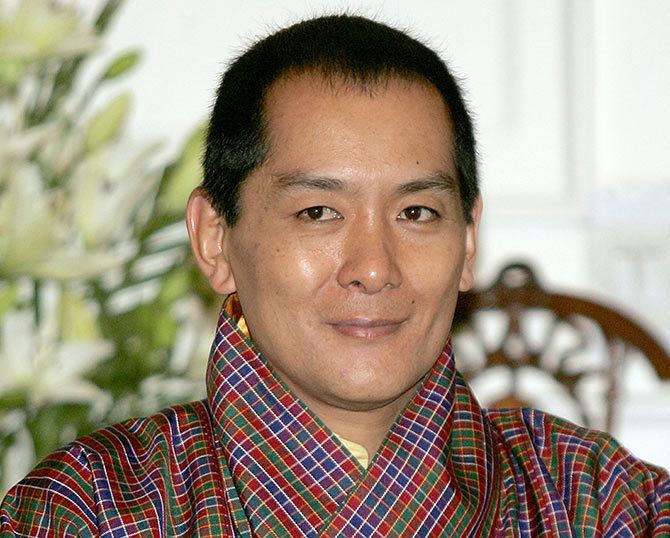
Jigme Singye Wangchuck emerged as one of the most unconventional peace-oriented leaders of the modern era, a monarch whose political philosophy reshaped how nations define success, governance, and stability. Born in 1955 in Bhutan, he was raised within a deeply spiritual Buddhist royal household where governance was inseparable from moral responsibility. From an early age, he was exposed to the principles of compassion, balance, and collective well-being that would later define his leadership ideology.
He began his formal role in governance at a remarkably young age, ascending the throne in 1972. Unlike many traditional monarchs who focused solely on economic expansion, he prioritised cultural preservation and social harmony. His early reign focused on stabilizing Bhutan’s internal political structure while maintaining independence amid regional geopolitical pressures.
His breakthrough came through the introduction of Gross National Happiness (GNH), a revolutionary governance model that positioned human well-being above purely economic metrics. This philosophy redefined development discourse globally, challenging the dominance of GDP-centred policy frameworks. His leadership emphasized environmental conservation, cultural preservation, and equitable development.
By the 1990s, Wangchuck had established Bhutan as a global reference point for sustainable and peaceful governance. His legacy lies in proving that national progress can be measured through happiness, environmental integrity, and cultural continuity rather than industrial output alone.
Key Facts
- Full name of the subject: Jigme Singye Wangchuck
- Date of birth: 11 November 1955
- Place of birth: Dechencholing Palace, Thimphu, Bhutan
- Family background: Bhutanese royal family
- Early childhood experiences: Buddhist monastic influence and royal training
- Education history: Western-style education and royal mentorship
- Influences and mentors: Buddhist philosophy, Himalayan governance traditions
- Career beginnings: Ascended the throne as the fourth King of Bhutan
- Major achievements: Introduction of Gross National Happiness philosophy
- Challenges and obstacles faced: Modernization pressures and geopolitical balancing
- Turning points in life: Institutionalization of the GNH framework
- Contributions to society: Sustainable development governance model
- Personal life (marriage, children, relationships): Married with children
- Awards and recognitions: International recognition for sustainable governance
- Beliefs, values, or philosophy: Compassionate leadership and holistic development
- Legacy and impact: Redefined global development indicators
- Historical or cultural significance: Pioneer of a happiness-based governance model
Notable Works: Gross National Happiness framework, Bhutan modernization reforms, environmental conservation policies, decentralization of governance, cultural preservation initiatives
Controversies:
Debates over the limitations of the monarchical governance structure
Criticism regarding the pace of democratization in Bhutan
Discussion over the practical scalability of the GNH model globally
Limited political opposition due to a controlled political environment.
9. JANE ADDAMS
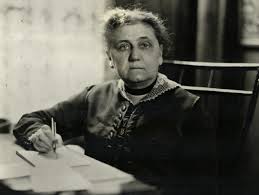
Jane Addams emerged as one of the founding figures of modern social peace activism, a reformer whose work bridged social justice, community development, and international peace advocacy. Born in Cedarville, Illinois, in 1860, she grew up in a prosperous Quaker-influenced household that emphasized education, moral responsibility, and humanitarian service.
Addams began her career after extensive education in Europe, where she was exposed to urban poverty and industrial inequality. This experience profoundly shaped her understanding of social fragmentation and the structural causes of conflict. Upon returning to the United States, she committed herself to addressing poverty and social exclusion through direct community engagement.
Her breakthrough came with the establishment of Hull House in Chicago in 1889, one of the first settlement houses in the United States. This institution provided education, healthcare, and social services to immigrant communities, becoming a model for urban social reform. Her work expanded beyond local reform into international peace advocacy.
By the early 20th century, Addams had become a leading voice in global peace movements, particularly during World War I, where she advocated for diplomacy over armed conflict. Her legacy lies in linking social justice with peacebuilding, demonstrating that sustainable peace begins with addressing inequality at the community level.
Key Facts
- Full name of the subject: Laura Jane Addams
- Date of birth: 6 September 1860
- Place of birth: Cedarville, Illinois, USA
- Family background: Wealthy Quaker-influenced family
- Early childhood experiences: Exposure to philanthropy and social responsibility
- Education history: Rockford Female Seminary
- Influences and mentors: European social reformers, Quaker philosophy
- Career beginnings: Social worker and settlement house founder
- Major achievements: Founder of Hull House and social reform pioneer
- Challenges and obstacles faced: Gender barriers in political and academic circles
- Turning points in life: Founding of Hull House
- Contributions to society: Social welfare and peace advocacy
- Personal life (marriage, children, relationships): Never married, no children
- Awards and recognitions: Nobel Peace Prize (1931)
- Beliefs, values, or philosophy: Social justice and nonviolent reform
- Legacy and impact: Pioneer of modern social work and peacebuilding
- Historical or cultural significance: Founder of U.S. settlement house movement
Notable Works: Twenty Years at Hull House, peace essays, social reform lectures, international peace conference speeches, child welfare advocacy writings
Controversies:
Criticism for anti-war stance during World War I
Political opposition from nationalist groups
Debates over immigration reform positions
Occasional skepticism from conservative reform critics.
10. MAIREAD CORRIGAN MAGUIRE
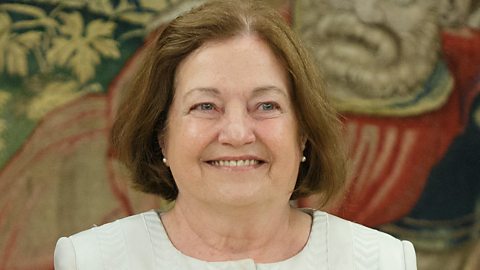
Mairead Corrigan Maguire emerged from the turbulence of Northern Ireland’s conflict as one of the most influential grassroots peace activists of the late 20th century. Born in Belfast in 1944, she grew up in a working-class Catholic neighborhood where sectarian divisions were a daily reality. Her early life was shaped by both religious faith and the persistent tension of living in a divided society.
She began her career working in administrative roles, living a relatively private life until tragedy struck her family during The Troubles. The death of children in a violent incident profoundly altered her worldview, pushing her toward peace activism grounded in moral urgency and emotional conviction rather than political strategy.
Her breakthrough came with the co-founding of the Peace People movement in 1976 alongside Betty Williams. This organization rapidly mobilized thousands of citizens across Northern Ireland in peaceful demonstrations against sectarian violence. Her leadership emphasized forgiveness, reconciliation, and the moral responsibility of ordinary citizens to reject violence.
By the late 1970s and beyond, Maguire had become an international advocate for peace, extending her activism to global conflicts and human rights issues. Her legacy lies in demonstrating that grassroots moral movements can influence political discourse and reshape public attitudes toward violence and reconciliation.
Key Facts
- Full name of the subject: Mairead Corrigan Maguire
- Date of birth: 27 January 1944
- Place of birth: Belfast, Northern Ireland
- Family background: Working-class Catholic family
- Early childhood experiences: Exposure to sectarian conflict in Belfast
- Education history: Local schooling in Belfast
- Influences and mentors: Catholic teachings, nonviolence philosophy, civil rights movements
- Career beginnings: Office worker before activism
- Major achievements: Co-founder of Peace People movement
- Challenges and obstacles faced: Threats and violence during The Troubles
- Turning points in life: Family tragedy during Northern Ireland conflict
- Contributions to society: Global peace activism and reconciliation efforts
- Personal life (marriage, children, relationships): Married with children
- Awards and recognitions: Nobel Peace Prize (1976)
- Beliefs, values, or philosophy: Nonviolence, forgiveness, and reconciliation
- Legacy and impact: Influential voice in global peace advocacy
- Historical or cultural significance: Key civilian leader in Northern Ireland peace efforts
Notable Works: Peace People campaigns, international peace speeches, humanitarian missions, conflict resolution advocacy, human rights activism writings
Controversies:
Criticism for outspoken political positions on international conflicts
Debates over engagement with controversial political figures during activism
Occasional disagreement with mainstream peace organizations
Viewed by some critics as overly idealistic in the conflict resolution approach.