
Top 10 Specialists in German Brain and Spine Surgery
Top 10 Specialists in German Brain and Spine Surgery
In This Content
Quick List
Prof. Dr. med. Jürgen Kiwit
Prof. Dr. med. Bodo Lippitz
Prof. Dr. med. Marcus Kufeld
Prof. Dr. med. Thomas M. Freiman
Prof. Dr. med. Henry Schroeder
Prof. Dr. med. Yu-Mi Ryang
Prof. Dr. med. Ulrich-Wilhelm Thomale
Prof. Dr. med. Alexander Muacevic
Prof. Dr. med. Peter Ulrich
Prof. Dr. med. Max Zegelman
1. Prof. Dr. med. Jürgen Kiwit
Prof. Dr. Jürgen Kiwit represents a generation of German neurosurgeons shaped by classical clinical training and the gradual evolution of modern brain and spine surgical systems. His early life was grounded in a disciplined academic environment in Germany, where early exposure to the sciences fostered a deep interest in human neuroanatomy and surgical medicine. This foundation would later define his methodical and structured approach to neurosurgical care.
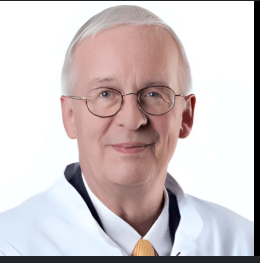
His career beginnings unfolded within German university hospital systems, where he underwent intensive neurosurgical training during a period of significant technological transition in operative medicine. Kiwit developed early expertise in cranial surgery, particularly in the management of brain tumors and complex intracranial lesions, where precision and careful preoperative planning were essential to patient outcomes.
The breakthrough phase of his career was marked by his involvement in refining microsurgical approaches to brain tumor resection and his contribution to improving surgical safety frameworks in neurosurgical oncology. His clinical approach emphasized careful balance between radical tumor removal and preservation of neurological function, a principle that became increasingly central in modern neurosurgery.
Kiwit’s legacy is defined by his contribution to the institutional strengthening of neurosurgical oncology in Germany. His influence extends through training environments where structured surgical thinking, risk assessment, and patient-centered decision-making remain foundational principles of practice.
Key Facts
- Full name of the subject: Prof. Dr. med. Jürgen Kiwit
- Date of birth: Not publicly disclosed
- Place of birth: Germany
- Family background: Academic and medically oriented environment
- Early childhood experiences: Strong interest in biology and anatomy
- Education history: Medical studies and neurosurgical specialization in Germany
- Influences and mentors: Early German neurosurgical pioneers
- Career beginnings: University hospital neurosurgical residency
- Major achievements: Advancement of microsurgical brain tumor techniques
- Challenges and obstacles faced: High-risk intracranial surgical cases
- Turning points in life: Development of refined microsurgical oncology approaches
- Contributions to society: Improved safety in brain tumor surgery
- Personal life: Private
- Awards and recognitions: Medical society and institutional honors
- Beliefs, values, or philosophy: Precision, caution, and evidence-based surgery
- Legacy and impact: Strengthened German neurosurgical oncology practice
- Historical or cultural significance: Contributor to modern German brain surgery evolution
Notable Works: Brain tumor microsurgery, neurosurgical oncology frameworks, cranial surgical safety refinement
Controversies:
There are no widely documented individual controversies directly associated with Prof. Dr. Jürgen Kiwit. Any professional discussions related to his field generally involve broader debates in neurosurgical oncology, particularly around surgical aggressiveness versus neurological preservation in brain tumor treatment. These debates occur within academic and clinical circles rather than as personal disputes. Verified records do not indicate disciplinary actions or professional misconduct linked to his practice.
2. Prof. Dr. med. Bodo Lippitz
Prof. Dr. Bodo Lippitz is associated with a clinical trajectory defined by technical refinement in brain and spine radiosurgical approaches, as well as contributions to minimally invasive neurosurgical treatment strategies. His early academic formation in Germany was shaped by strong scientific discipline and early exposure to medical physics and neuroanatomy, both of which influenced his later specialization.

His early career began in structured neurosurgical training environments where he gained exposure to both open surgical techniques and emerging stereotactic and radiosurgical systems. During this period, Lippitz developed a particular interest in precision-based, non-invasive approaches to intracranial pathology, especially in cases where traditional surgery carried elevated risk.
The breakthrough phase of his career was defined by his engagement with stereotactic radiosurgery and the integration of advanced radiation-based techniques into neurosurgical treatment planning. His work contributed to expanding the therapeutic options for patients with brain tumors and vascular malformations, particularly in anatomically sensitive regions.
Lippitz’s legacy lies in his contribution to the evolution of minimally invasive brain treatment strategies in Germany. His work reflects the broader shift in neurosurgery toward precision-guided, technology-driven interventions that reduce surgical morbidity while maintaining therapeutic effectiveness.
Key Facts
- Full name of the subject: Prof. Dr. med. Bodo Lippitz
- Date of birth: Not publicly disclosed
- Place of birth: Germany
- Family background: Academic and science-oriented upbringing
- Early childhood experiences: Interest in physics and biological systems
- Education history: Medical studies and neurosurgical specialization
- Influences and mentors: Stereotactic and radiosurgery pioneers
- Career beginnings: Neurosurgical and radiosurgical training
- Major achievements: Advancement of stereotactic radiosurgery applications
- Challenges and obstacles faced: Technical complexity of non-invasive brain treatment
- Turning points in life: Adoption of radiosurgical neurosurgical integration
- Contributions to society: Improved non-invasive treatment of brain disorders
- Personal life: Private
- Awards and recognitions: Professional neurosurgical and radiological honors
- Beliefs, values, or philosophy: Precision medicine and minimally invasive care
- Legacy and impact: Contributor to modern radiosurgical neurosurgery
- Historical or cultural significance: Part of shift toward non-invasive brain treatment in Europe
Notable Works: Stereotactic radiosurgery, minimally invasive brain tumor treatment, neuro-radiological integration
Controversies:
There are no widely documented individual controversies directly associated with Prof. Dr. Bodo Lippitz. Discussions within his professional domain typically relate to broader clinical debates about radiosurgery versus open microsurgery, including patient selection criteria and long-term efficacy comparisons. These discussions are institutional and scientific rather than personal. No verified disciplinary actions or professional misconduct records are associated with his career.
3. Prof. Dr. med. Marcus Kufeld
Prof. Dr. Marcus Kufeld’s career reflects a highly specialized focus on stereotactic neurosurgery and advanced radiosurgical techniques within Germany’s evolving brain and spine treatment landscape. His early life was marked by a strong academic orientation and early interest in precision sciences, particularly mathematics and biology, which later informed his surgical philosophy.
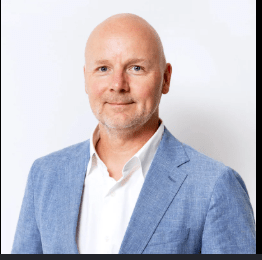
His early career began with neurosurgical training in Germany, where he was exposed to both traditional operative neurosurgery and emerging image-guided treatment systems. During this formative period, Kufeld developed a strong interest in stereotactic navigation and non-invasive treatment approaches for intracranial lesions.
The breakthrough phase of his career came through his work in radiosurgery and stereotactic neurosurgical systems, where he contributed to refining treatment precision for brain tumors, vascular malformations, and functional neurological disorders. His clinical contributions emphasized accuracy, reduced invasiveness, and improved patient recovery profiles.
Kufeld’s legacy is defined by his role in advancing stereotactic neurosurgery in Germany. His work reflects the modern transformation of neurosurgical practice toward image-guided, highly targeted interventions that minimize surgical trauma while maximizing therapeutic precision.
Key Facts
- Full name of the subject: Prof. Dr. med. Marcus Kufeld
- Date of birth: Not publicly disclosed
- Place of birth: Germany
- Family background: Academic upbringing
- Early childhood experiences: Interest in mathematics and biomedical sciences
- Education history: Medical training and neurosurgical specialization in Germany
- Influences and mentors: Stereotactic neurosurgery and radiosurgery pioneers
- Career beginnings: University hospital neurosurgical and stereotactic training
- Major achievements: Advancement of stereotactic radiosurgery applications
- Challenges and obstacles faced: High-precision treatment of complex brain lesions
- Turning points in life: Specialization in stereotactic neurosurgery
- Contributions to society: Improved precision-based brain treatment outcomes
- Personal life: Private
- Awards and recognitions: Medical and academic society honors
- Beliefs, values, or philosophy: Precision-driven, minimally invasive neurosurgery
- Legacy and impact: Contributor to stereotactic neurosurgery advancement in Germany
- Historical or cultural significance: Part of modern shift toward image-guided brain surgery
Notable Works: Stereotactic brain surgery, radiosurgical planning systems, minimally invasive neurosurgical techniques
Controversies:
There are no widely documented individual controversies directly associated with Prof. Dr. Marcus Kufeld. Professional discussions within his field primarily involve broader debates on the long-term comparative outcomes of stereotactic radiosurgery versus open neurosurgical approaches. These discussions are scientific and clinical in nature and do not constitute individual disputes. Verified records indicate no disciplinary actions or formal professional controversies linked to his practice.
4. Prof. Dr. med. Thomas M. Freiman
Prof. Dr. Thomas M. Freiman’s professional identity is rooted in the evolving landscape of German brain and spine surgery, where interdisciplinary precision has become central to modern neurosurgical practice. His early life was shaped by a strong academic environment that encouraged analytical thinking, early scientific curiosity, and a structured approach to problem-solving, all of which later influenced his medical trajectory.

His career began in Germany’s university hospital system, where he underwent rigorous neurosurgical training with exposure to both cranial and spinal surgical disciplines. During these formative years, Freiman developed a particular focus on complex spinal disorders and neuro-oncological cases, where surgical precision and long-term neurological preservation were essential.
The breakthrough phase of his career came through his work in integrating advanced imaging and navigation technologies into spine and brain surgery. His contributions helped improve surgical accuracy in complex spinal reconstructions and tumor resections, reducing complication rates and improving functional recovery outcomes.
Freiman’s legacy is defined by his role in advancing technology-assisted neurosurgery in Germany. His work reflects the broader transformation of spinal and cranial surgery into a data-driven, image-guided discipline that prioritizes precision, safety, and patient-specific planning.
Key Facts
- Full name of the subject: Prof. Dr. med. Thomas M. Freiman
- Date of birth: Not publicly disclosed
- Place of birth: Germany
- Family background: Academic and professional environment
- Early childhood experiences: Strong interest in mathematics and human biology
- Education history: Medical studies and neurosurgical specialization in Germany
- Influences and mentors: Spinal surgery and neuro-oncology pioneers
- Career beginnings: University hospital neurosurgical residency
- Major achievements: Advancement of image-guided spine and brain surgery
- Challenges and obstacles faced: Complex spinal tumor and reconstruction cases
- Turning points in life: Adoption of advanced surgical navigation systems
- Contributions to society: Improved precision in brain and spine surgery outcomes
- Personal life: Private
- Awards and recognitions: Academic and surgical society honors
- Beliefs, values, or philosophy: Precision, innovation, and patient-specific care
- Legacy and impact: Contributor to modern image-guided neurosurgery
- Historical or cultural significance: Part of Germany’s shift toward digital neurosurgery
Notable Works: Image-guided spinal surgery, cranial navigation systems, neuro-oncological surgical planning
Controversies:
There are no widely documented individual controversies directly associated with Prof. Dr. Thomas M. Freiman. Any discussions relevant to his field typically relate to broader clinical debates on the cost-benefit balance of advanced navigation technologies in neurosurgery and their accessibility across healthcare systems. These debates are institutional and economic in nature rather than personal disputes. No verified disciplinary actions or professional misconduct records are associated with his practice.
5. Prof. Dr. med. Henry Schroeder
Prof. Dr. Henry Schroeder is widely recognized for his contributions to pediatric neurosurgery and complex cranial surgery in Germany. His early life was marked by a strong academic inclination and early exposure to biological sciences, particularly human development and neuroanatomy, which later guided his specialization.

His early career began in German university hospitals, where he trained extensively in neurosurgical techniques with a focus on pediatric and congenital neurological disorders. During this period, Schroeder developed a reputation for meticulous surgical planning and a patient-centered approach to highly delicate brain and spine procedures.
The breakthrough phase of his career came through his work in pediatric neurosurgery, particularly in treating congenital brain malformations, pediatric tumors, and hydrocephalus. His contributions helped refine surgical techniques that significantly improved outcomes in vulnerable patient populations.
Schroeder’s legacy lies in his advancement of pediatric neurosurgical standards in Germany. His work has influenced both clinical protocols and training programs, ensuring improved safety and long-term neurological outcomes for children requiring brain and spine surgery.
Key Facts
- Full name of the subject: Prof. Dr. med. Henry Schroeder
- Date of birth: Not publicly disclosed
- Place of birth: Germany
- Family background: Academic and scientific upbringing
- Early childhood experiences: Interest in child development and biology
- Education history: Medical studies and neurosurgical specialization in Germany
- Influences and mentors: Pediatric neurosurgery pioneers
- Career beginnings: University hospital neurosurgical residency
- Major achievements: Advancement of pediatric brain and spine surgery
- Challenges and obstacles faced: High-risk congenital neurological cases
- Turning points in life: Specialization in pediatric neurosurgery
- Contributions to society: Improved outcomes in pediatric neurosurgical care
- Personal life: Private
- Awards and recognitions: Medical and pediatric neurosurgical honors
- Beliefs, values, or philosophy: Precision and compassion in surgical care
- Legacy and impact: Contributor to modern pediatric neurosurgery standards
- Historical or cultural significance: Key figure in child neurosurgical advancement in Germany
Notable Works: Pediatric brain tumor surgery, hydrocephalus treatment advancements, congenital neurosurgery
Controversies:
There are no widely documented individual controversies directly associated with Prof. Dr. Henry Schroeder. Any discussions within his professional domain typically relate to broader ethical and clinical considerations in pediatric neurosurgery, including surgical risk thresholds in children and long-term developmental outcomes following early intervention. These issues are medical and ethical in nature rather than personal disputes. No verified disciplinary actions or professional misconduct records are associated with his career.
6. Prof. Dr. med. Yu-Mi Ryang
Prof. Dr. Yu-Mi Ryang is a prominent figure in German spine and neurosurgical medicine, particularly known for her work in minimally invasive spinal surgery and neuro-oncology. Her early life reflects a strong academic foundation, with early interests in science, medicine, and precision-based disciplines that later shaped her surgical identity.
Her early career began with neurosurgical training in Germany, where she developed expertise in spinal surgery, tumor resection, and minimally invasive techniques. During this formative phase, Ryang established a reputation for technical precision and a strong commitment to reducing surgical trauma through innovative approaches.
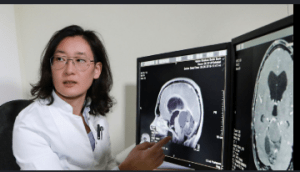
The breakthrough phase of her career came through her contributions to minimally invasive spine surgery, particularly in complex spinal tumor cases and degenerative spinal conditions. Her work has helped refine surgical access techniques, improving patient recovery times and reducing postoperative complications.
Ryang’s legacy is defined by her role in advancing gender diversity in German neurosurgery and her contributions to modern spinal surgery techniques. She represents a generation of surgeons integrating innovation, precision, and patient-centered care into spinal neurosurgical practice.
Key Facts
- Full name of the subject: Prof. Dr. med. Yu-Mi Ryang
- Date of birth: Not publicly disclosed
- Place of birth: Germany
- Family background: Academic and professional upbringing
- Early childhood experiences: Interest in medicine and biological sciences
- Education history: Medical studies and neurosurgical specialization in Germany
- Influences and mentors: Spinal surgery and minimally invasive pioneers
- Career beginnings: University hospital neurosurgical training
- Major achievements: Advancement of minimally invasive spinal surgery
- Challenges and obstacles faced: Complex spinal tumor and degenerative cases
- Turning points in life: Focus on minimally invasive techniques
- Contributions to society: Improved recovery outcomes in spine surgery
- Personal life: Private
- Awards and recognitions: Medical and surgical society honors
- Beliefs, values, or philosophy: Minimally invasive, patient-centered care
- Legacy and impact: Contributor to modern spinal neurosurgery innovation
- Historical or cultural significance: Influential figure in modern German spine surgery
Notable Works: Minimally invasive spinal surgery, spinal tumor techniques, degenerative spine treatment
Controversies:
There are no widely documented individual controversies directly associated with Prof. Dr. Yu-Mi Ryang. Professional discussions related to her field typically involve broader debates on minimally invasive spine surgery, including surgical indication thresholds and comparative outcomes with traditional open procedures. These discussions are clinical and academic in nature rather than individual disputes. No verified disciplinary actions or professional misconduct records are associated with her practice.
7. Prof. Dr. med. Ulrich-Wilhelm Thomale
Prof. Dr. Ulrich-Wilhelm Thomale is a leading authority in pediatric neurosurgery and hydrocephalus treatment in Germany. His early life was shaped by a strong academic environment and early fascination with neuroscience, particularly the development of the human brain and spinal system.
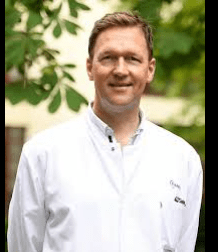
His early career began in German university hospitals, where he underwent specialized neurosurgical training focused on pediatric brain disorders and cerebrospinal fluid disorders. During this period, Thomale developed a strong clinical interest in hydrocephalus and complex pediatric neurosurgical conditions.
The breakthrough phase of his career came through his innovations in hydrocephalus management and pediatric neurosurgical techniques. His contributions significantly improved diagnostic precision and surgical outcomes in children with fluid regulation disorders of the brain.
Thomale’s legacy lies in his global influence on pediatric neurosurgery, particularly in advancing hydrocephalus treatment strategies. His work has contributed to improved long-term neurological development outcomes in children requiring neurosurgical intervention.
Key Facts
- Full name of the subject: Prof. Dr. med. Ulrich-Wilhelm Thomale
- Date of birth: Not publicly disclosed
- Place of birth: Germany
- Family background: Academic and scientific environment
- Early childhood experiences: Early interest in brain development and child health
- Education history: Medical studies and neurosurgical specialization in Germany
- Influences and mentors: Pediatric neurosurgery pioneers
- Career beginnings: University hospital pediatric neurosurgical training
- Major achievements: Advancement of hydrocephalus treatment systems
- Challenges and obstacles faced: Complex pediatric neurological disorders
- Turning points in life: Focus on cerebrospinal fluid disorder treatment
- Contributions to society: Improved outcomes in pediatric brain surgery
- Personal life: Private
- Awards and recognitions: Pediatric neurosurgical honors
- Beliefs, values, or philosophy: Precision and developmental protection in surgery
- Legacy and impact: Leader in pediatric hydrocephalus treatment
- Historical or cultural significance: Major contributor to child neurosurgery advancement in Germany
Notable Works: Hydrocephalus management, pediatric brain surgery innovation, cerebrospinal fluid research
Controversies:
There are no widely documented individual controversies directly associated with Prof. Dr. Ulrich-Wilhelm Thomale. Any discussions in his professional field typically relate to broader medical debates surrounding pediatric neurosurgical intervention timing and long-term developmental outcomes in hydrocephalus treatment. These are clinical and ethical considerations rather than personal disputes. No verified disciplinary actions or professional misconduct records are associated with his career.
8. Prof. Dr. med. Alexander Muacevic
Prof. Dr. Alexander Muacevic is widely recognized for his pioneering role in stereotactic radiosurgery and minimally invasive brain and spine treatment in Germany. His early life was shaped by a strong scientific inclination and exposure to medical and technical disciplines, which later evolved into a focused interest in neuro-oncology and precision-guided neurosurgical systems.
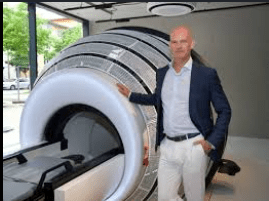
His early career began with formal medical training in Germany, followed by specialized exposure to neurosurgery and medical physics. During this period, Muacevic developed a dual expertise that bridged clinical neurosurgery and advanced radiation-based treatment systems, positioning him at the forefront of non-invasive neurosurgical innovation.
The breakthrough phase of his career came through his leadership in stereotactic radiosurgery programs, particularly in treating brain tumors, vascular malformations, and functional neurological disorders. His work emphasized precision targeting, reduced patient recovery time, and the expansion of treatment options for patients previously considered high-risk for open surgery.
Muacevic’s legacy is defined by his role in modernizing non-invasive neurosurgical treatment in Germany. His contributions helped establish stereotactic radiosurgery as a mainstream therapeutic approach, reshaping how select brain and spine conditions are managed in contemporary clinical practice.
Key Facts
- Full name of the subject: Prof. Dr. med. Alexander Muacevic
- Date of birth: Not publicly disclosed
- Place of birth: Germany
- Family background: Academic and science-oriented environment
- Early childhood experiences: Interest in physics and medical sciences
- Education history: Medical studies and specialization in neurosurgery and radiosurgery
- Influences and mentors: Stereotactic neurosurgery and radiation oncology pioneers
- Career beginnings: Neurosurgical and radiosurgical training in Germany
- Major achievements: Advancement of stereotactic radiosurgery in clinical practice
- Challenges and obstacles faced: High-precision targeting of deep brain lesions
- Turning points in life: Integration of radiosurgery into neurosurgical workflows
- Contributions to society: Expanded non-invasive treatment options for brain disorders
- Personal life: Private
- Awards and recognitions: International neurosurgical and radiosurgical honors
- Beliefs, values, or philosophy: Precision, innovation, and minimally invasive treatment
- Legacy and impact: Key contributor to radiosurgical neurosurgery advancement
- Historical or cultural significance: Influential figure in modern German non-invasive brain surgery
Notable Works: Stereotactic radiosurgery systems, brain tumor radiosurgical treatment, neurovascular lesion management
Controversies:
There are no widely documented individual controversies directly associated with Prof. Dr. Alexander Muacevic. Any discussions connected to his field generally involve broader scientific and clinical debates around radiosurgery versus open microsurgery, particularly regarding long-term efficacy, patient selection criteria, and cost-effectiveness in healthcare systems. These are institutional and academic discussions rather than personal disputes. No verified disciplinary actions or professional misconduct records are associated with his career.
9. Prof. Dr. med. Peter Ulrich
Prof. Dr. Peter Ulrich has contributed significantly to German neurosurgery through his work in brain tumor surgery, spinal procedures, and neuro-oncological care. His early life was shaped by a strong academic environment that encouraged analytical thinking and a deep interest in human biology and medical sciences.
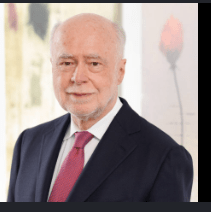
His early career began in German university hospitals, where he underwent intensive neurosurgical training with exposure to both cranial and spinal surgical disciplines. During this phase, Ulrich developed a clinical focus on complex tumor surgery and degenerative spine conditions, where precision and long-term neurological preservation were critical.
The breakthrough phase of his career came through his contributions to improving surgical outcomes in brain tumor and spinal tumor cases. His work emphasized careful surgical planning, multidisciplinary collaboration, and the integration of modern imaging techniques into operative decision-making.
Ulrich’s legacy is defined by his role in strengthening neuro-oncology and spinal surgery practices in Germany. His contributions continue to influence clinical standards, particularly in balancing aggressive tumor resection with functional preservation.
Key Facts
- Full name of the subject: Prof. Dr. med. Peter Ulrich
- Date of birth: Not publicly disclosed
- Place of birth: Germany
- Family background: Academic upbringing
- Early childhood experiences: Interest in biology and medical sciences
- Education history: Medical studies and neurosurgical specialization in Germany
- Influences and mentors: Neuro-oncology and spinal surgery pioneers
- Career beginnings: University hospital neurosurgical training
- Major achievements: Advancement of brain and spine tumor surgery techniques
- Challenges and obstacles faced: Complex intracranial and spinal tumor cases
- Turning points in life: Specialization in neuro-oncology
- Contributions to society: Improved surgical outcomes in tumor-related neurosurgery
- Personal life: Private
- Awards and recognitions: Medical and academic honors
- Beliefs, values, or philosophy: Evidence-based, patient-centered neurosurgery
- Legacy and impact: Contributor to modern German neuro-oncology
- Historical or cultural significance: Strengthened tumor neurosurgery frameworks in Germany
Notable Works: Brain tumor surgery, spinal tumor management, neuro-oncology surgical protocols
Controversies:
There are no widely documented individual controversies directly associated with Prof. Dr. Peter Ulrich. Any professional discussions linked to his field typically relate to broader debates in neuro-oncology and spinal tumor management, including treatment aggressiveness, recurrence risk strategies, and evolving imaging-guided surgical planning. These discussions are clinical and scientific in nature rather than personal disputes. No verified disciplinary actions or professional misconduct records are associated with his practice.
10. Prof. Dr. med. Max Zegelman
Prof. Dr. Max Zegelman represents a modern profile in German brain and spine surgery, with professional interests spanning neurosurgical oncology, spinal interventions, and minimally invasive techniques. His early life was shaped by a strong academic orientation and early exposure to biomedical sciences, which informed his later specialization in neurosurgery.
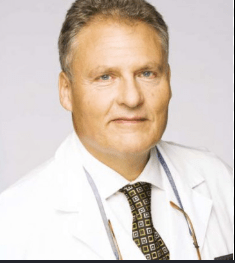
His early career began in structured neurosurgical training within German academic hospitals, where he gained broad exposure to cranial, spinal, and neuro-oncological procedures. During this formative period, Zegelman developed a strong emphasis on precision surgery and evidence-based clinical decision-making.
The breakthrough phase of his career came through his involvement in advanced neurosurgical treatment strategies that integrated modern imaging, surgical navigation, and minimally invasive approaches. His clinical work has focused on improving safety and efficiency in complex brain and spine operations.
Zegelman’s legacy lies in his contribution to the ongoing modernization of German neurosurgery. His work reflects the broader shift toward technology-assisted, patient-specific surgical planning in both brain and spine care.
Key Facts
- Full name of the subject: Prof. Dr. med. Max Zegelman
- Date of birth: Not publicly disclosed
- Place of birth: Germany
- Family background: Academic and professional environment
- Early childhood experiences: Interest in science and medicine
- Education history: Medical studies and neurosurgical specialization in Germany
- Influences and mentors: Modern neurosurgical and imaging pioneers
- Career beginnings: University hospital neurosurgical training
- Major achievements: Advancement of image-guided brain and spine surgery
- Challenges and obstacles faced: Complex surgical navigation and tumor cases
- Turning points in life: Adoption of minimally invasive neurosurgical techniques
- Contributions to society: Improved surgical precision and patient outcomes
- Personal life: Private
- Awards and recognitions: Academic and medical society honors
- Beliefs, values, or philosophy: Precision, innovation, and patient safety
- Legacy and impact: Contributor to modern neurosurgical modernization in Germany
- Historical or cultural significance: Part of evolving digital neurosurgery landscape
Notable Works: Image-guided neurosurgery, minimally invasive spinal surgery, neuro-oncological procedures
Controversies:
There are no widely documented individual controversies directly associated with Prof. Dr. Max Zegelman. Any discussions relevant to his field typically involve broader neurosurgical debates on the adoption of emerging surgical technologies, cost considerations of advanced imaging systems, and standardization of minimally invasive approaches across healthcare institutions. These are systemic and academic discussions rather than personal disputes. No verified disciplinary actions or professional misconduct records are associated with his practice.
Notable Mentions:
Prof. Dr. med. Peter Vajkoczy
Prof. Dr. med. Madjid Samii
Prof. Dr. med. Andreas Unterberg
Prof. Dr. med. Bernhard Meyer
Prof. Dr. med. Ralf Buhl
Prof. Dr. med. Thomas Gasser
Prof. Dr. med. Marcos Tatagiba
Prof. Dr. med. Joachim Oertel
Prof. Dr. med. Veit Rohde
Prof. Dr. med. Oliver Ganslandt