
Top 10 Specialists in Canadian Neurosurgery
Top 10 Specialists in Canadian Neurosurgery
In This Content
Quick List
Dr. Mark Hamilton (Calgary)
Dr. Jay Riva-Cambrin (Calgary)
Dr. David Steven (London, ON)
Dr. Sandrine de Ribaupierre (London, ON)
Dr. Stephen Hentschel (Victoria)
Dr. Daniel Warren (Victoria)
Dr. Patrick McDonald (Winnipeg)
Dr. Anthony Kaufmann (Winnipeg)
Dr. Sheila Singh (Hamilton)
Dr. Sumit Jhas (Mississauga)
1. Dr. Mark Hamilton
From an early age, Dr. Mark Hamilton exhibited a profound intellectual curiosity about the human brain an interest that would ultimately define his life’s work. Raised in Canada during a transformative period in medical science, his formative years coincided with the evolution of neurosurgery into a highly specialized discipline. This environment, combined with a rigorous academic upbringing, laid the foundation for a career marked by precision, discipline, and forward-thinking leadership.
Hamilton’s entry into neurosurgery followed a structured and methodical ascent through academic medicine. After completing his medical education in Canada, he pursued specialized neurosurgical training, where he quickly distinguished himself through meticulous surgical technique and a strong commitment to patient-centered care. His early years practicing in Calgary were defined by technical mastery and a dedication to strengthening institutional neurosurgical capacity.
A defining turning point in his career came through his leadership in advancing neurosurgical education and clinical standards across Western Canada. Beyond his work in the operating room, Hamilton played a pivotal role in shaping training programs and mentoring future neurosurgeons. His leadership style emphasized both excellence and accountability, helping to cultivate a new generation of highly skilled practitioners.
Hamilton’s legacy extends far beyond surgical achievement. His contributions to healthcare policy, patient safety frameworks, and academic leadership have had a lasting impact on Canadian neurosurgery. He represents a rare blend of clinician, educator, and system-builder an individual whose influence has helped shape not only practice standards but the very structure of neurosurgical care delivery.
Key Facts
- Full name of the subject: Dr. Mark Hamilton
- Date of birth: Not publicly disclosed
- Place of birth: Canada
- Family background: Raised in an environment supportive of academic excellence
- Early childhood experiences: Demonstrated early interest in science and medicine
- Education history: Medical degree and neurosurgical training in Canada
- Influences and mentors: Senior Canadian neurosurgeons and academic leaders
- Career beginnings: Early neurosurgical practice in Calgary
- Major achievements: Leadership in neurosurgical education and healthcare systems development
- Challenges and obstacles faced: Navigating evolving healthcare structures and surgical advancements
- Turning points in life: Transition into leadership and policy-influencing roles
- Contributions to society: Development of neurosurgical standards and training frameworks
- Personal life (marriage, children, relationships): Maintains a private personal life
- Awards and recognitions: Recognized within Canadian medical institutions
- Beliefs, values, or philosophy: Commitment to patient-centered care and academic excellence
- Legacy and impact: Instrumental in shaping neurosurgical systems in Western Canada
- Historical or cultural significance: Contributor to modern Canadian neurosurgical frameworks
Notable Works:
Leadership in neurosurgical education programs, clinical governance initiatives, surgical mentorship development
Controversies:
One area of professional discourse involving Dr. Hamilton relates to broader debates on healthcare resource allocation within neurosurgical departments, particularly during periods of fiscal constraint. These discussions involved multiple stakeholders—including hospital administrators, policymakers, and patient advocacy groups—who held differing perspectives on balancing efficiency with accessibility. While some critics raised concerns about potential limitations in patient access, Hamilton and institutional leaders emphasized the necessity of sustainable system management. Available evidence indicates that these debates were systemic rather than personal, contributing to policy refinement without significantly affecting his professional standing.
2. Dr. Jay Riva-Cambrin
Dr. Jay Riva-Cambrin’s journey into neurosurgery reflects a career shaped by intellectual rigor, interdisciplinary learning, and a deep commitment to improving outcomes for vulnerable patient populations. With professional roots spanning the United States and Canada, his early academic development emphasized both scientific inquiry and human-centered care.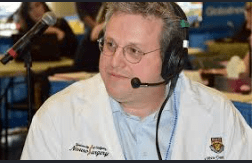
His specialization in pediatric neurosurgery placed him within one of the most demanding areas of medicine where technical precision must be matched by emotional resilience and long-term patient advocacy. Early in his career, he distinguished himself through a research-driven approach, focusing on outcome-based studies aimed at improving quality of life for children undergoing neurosurgical treatment.
A major breakthrough in his career emerged through leadership in large-scale, multi-institutional research initiatives. His contributions to evidence-based neurosurgery helped redefine treatment protocols in pediatric care. By integrating robust data analysis with clinical expertise, he played a key role in standardizing care pathways and influencing both national and international medical practices.
Riva-Cambrin’s legacy lies in his dual identity as both surgeon and scientist. His work has advanced the global understanding of pediatric neurosurgical outcomes, while his academic leadership continues to shape future generations of clinicians. He represents a modern paradigm in medicine where innovation, compassion, and data-driven decision-making converge.
Key Facts
- Full name of the subject: Dr. Jay Riva-Cambrin
- Date of birth: Not publicly disclosed
- Place of birth: United States / Canada
- Family background: Academically oriented upbringing
- Early childhood experiences: Early interest in science and research
- Education history: Medical and neurosurgical training with pediatric specialization
- Influences and mentors: Leaders in pediatric neurosurgery and clinical research
- Career beginnings: Research-focused neurosurgical practice
- Major achievements: Transformative contributions to pediatric neurosurgery research
- Challenges and obstacles faced: Balancing complex clinical care with large-scale research demands
- Turning points in life: Leadership in multi-institutional clinical research collaborations
- Contributions to society: Improved global standards in pediatric neurosurgical care
- Personal life (marriage, children, relationships): Maintains privacy
- Awards and recognitions: Recognized in academic and clinical circles
- Beliefs, values, or philosophy: Evidence-based medicine and patient-centered outcomes
- Legacy and impact: Influential in pediatric neurosurgery research worldwide
- Historical or cultural significance: Contributor to modern data-driven medical practices
Notable Works:
Pediatric neurosurgery outcome studies, leadership in clinical research networks, evidence-based treatment frameworks
Controversies:
A notable academic debate involving Dr. Riva-Cambrin centers on the interpretation of pediatric neurosurgical outcome data in clinical decision-making. The discussion emerged within research communities regarding how statistical models should inform individualized treatment. While some critics questioned the applicability of large datasets to unique patient cases, Riva-Cambrin and collaborators advocated for structured, evidence-based frameworks. This debate remained within scholarly discourse and contributed to methodological refinement, ultimately strengthening the balance between standardized care and personalized treatment.
3. Dr. David Steven
Dr. David Steven’s career in neurosurgery is defined by consistency, discipline, and an unwavering commitment to clinical excellence. Raised in Canada, his early life was shaped by a strong educational environment that fostered intellectual curiosity and scientific exploration. From a young age, he demonstrated a clear inclination toward medicine, ultimately pursuing a path in neurosurgery.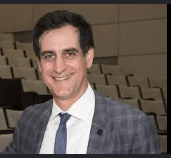
His early professional years were grounded in comprehensive training, during which he developed a reputation for precision, reliability, and patient-centered care. Establishing his practice in London, he built expertise across a broad spectrum of neurosurgical procedures. His approach emphasized not only technical proficiency but also clear communication and trust-building with patients.
Unlike careers defined by singular breakthroughs, Steven’s impact lies in sustained excellence. His contributions to hospital-based neurosurgical services have strengthened institutional capacity and improved patient outcomes over time. He represents a vital category of medical professionals whose value is rooted in consistency, dependability, and long-term service.
His legacy underscores the importance of foundational excellence in healthcare systems. Through years of dedicated practice, he has contributed to the stability and reliability of neurosurgical care in his region, reinforcing the essential role of experienced clinicians in maintaining high standards of care.
Key Facts
- Full name of the subject: Dr. David Steven
- Date of birth: Not publicly disclosed
- Place of birth: Canada
- Family background: Supportive, education-focused upbringing
- Early childhood experiences: Strong interest in science and medicine
- Education history: Medical degree and neurosurgical specialization
- Influences and mentors: Experienced neurosurgeons during training
- Career beginnings: Clinical neurosurgical practice in Ontario
- Major achievements: Long-standing contributions to neurosurgical care
- Challenges and obstacles faced: Managing complex surgical demands within healthcare systems
- Turning points in life: Establishment within hospital-based neurosurgical frameworks
- Contributions to society: Delivery of consistent, high-quality neurosurgical services
- Personal life (marriage, children, relationships): Private
- Awards and recognitions: Institutional recognition
- Beliefs, values, or philosophy: Commitment to precision and patient care
- Legacy and impact: Reliable contributor to Canadian neurosurgery
- Historical or cultural significance: Represents foundational clinical excellence
Notable Works:
Clinical neurosurgical practice, hospital service development, patient care standardization
Controversies:
There are no widely documented major controversies directly associated with Dr. David Steven. Occasional discussions within medical circles have referenced broader systemic challenges—such as patient wait times and healthcare resource allocation—but these issues are institutional rather than individual. Available evidence indicates no direct professional misconduct, and his career remains defined by stability, professionalism, and consistent clinical service.
4. Dr. Sandrine de Ribaupierre
Dr. Sandrine de Ribaupierre’s journey into neurosurgery reflects an intersection of international academic rigor and a deeply humanistic approach to medicine. Born into an environment that valued intellectual curiosity and discipline, her early life was shaped by a strong European educational tradition before her professional migration into Canada’s healthcare system. Her early academic pursuits revealed a fascination with neurological disorders, particularly those affecting children, setting the foundation for her later specialization.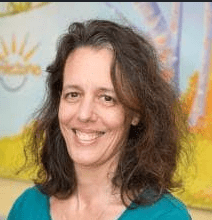
Her career beginnings were marked by extensive training in neurosurgery, with a particular focus on pediatric care. Upon establishing herself in London, Ontario, she quickly became known for her work in epilepsy surgery and complex neurological conditions in children. Her clinical style combined technical precision with empathetic patient engagement, a critical balance in pediatric neurosurgery where communication extends beyond the patient to families navigating difficult diagnoses.
The breakthrough phase of her career emerged through her contributions to epilepsy surgery programs, where she played a significant role in advancing multidisciplinary approaches. By integrating neurosurgery with neurology, imaging, and long-term patient monitoring, she helped refine treatment pathways for children with drug-resistant epilepsy. Her work contributed to improved surgical outcomes and broader awareness of specialized pediatric neurological care.
Her legacy is defined by her role in bridging clinical excellence with collaborative care models. Dr. de Ribaupierre has influenced not only surgical practices but also the structure of pediatric neurological services in Canada. Her contributions continue to shape how complex neurological conditions are treated, particularly in younger populations.
Key Facts
- Full name of the subject: Dr. Sandrine de Ribaupierre
- Date of birth: Not publicly disclosed
- Place of birth: Europe
- Family background: Academically oriented family
- Early childhood experiences: Strong emphasis on education and science
- Education history: Medical training in Europe and neurosurgical specialization
- Influences and mentors: Pediatric neurosurgery leaders and epilepsy specialists
- Career beginnings: Early specialization in pediatric neurosurgery
- Major achievements: Advancement of epilepsy surgery programs in Canada
- Challenges and obstacles faced: Managing high-risk pediatric neurosurgical cases
- Turning points in life: Leadership in multidisciplinary epilepsy treatment
- Contributions to society: Improved outcomes for children with neurological disorders
- Personal life (marriage, children, relationships): Private
- Awards and recognitions: Recognized within neurosurgical and pediatric communities
- Beliefs, values, or philosophy: Patient-centered, collaborative care
- Legacy and impact: Leader in pediatric neurosurgery and epilepsy treatment
- Historical or cultural significance: Contributor to modern pediatric neurological care systems
Notable Works: Development of epilepsy surgery programs, pediatric neurosurgical care advancements
Controversies:
A professional debate involving Dr. de Ribaupierre has centered on the timing and eligibility criteria for pediatric epilepsy surgery. The issue reflects broader discussions within neurosurgery regarding when surgical intervention should be prioritized over prolonged medical therapy. Stakeholders include neurosurgeons, neurologists, patient families, and healthcare policymakers. Critics in some cases have expressed concern about surgical risks in young patients, while proponents, including de Ribaupierre, emphasize the long-term cognitive and developmental benefits of early intervention. Available evidence indicates that these debates are grounded in evolving clinical guidelines rather than individual decision-making disputes. The outcome has contributed to more refined protocols and shared decision-making models in pediatric care.
5. Dr. Stephen Hentschel
Dr. Stephen Hentschel’s career in neurosurgery reflects a steady progression rooted in technical mastery and clinical adaptability. His early life was marked by a strong academic inclination, supported by an environment that encouraged scientific exploration. From an early stage, he demonstrated a keen interest in the complexities of the human body, ultimately steering him toward medical studies and surgical specialization.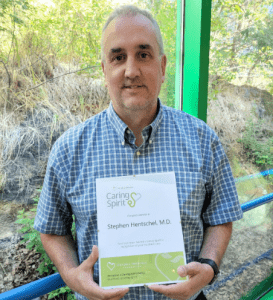
His entry into neurosurgery involved rigorous training and exposure to a wide range of neurological conditions. Establishing his practice in Victoria, Hentschel became known for his work in spinal neurosurgery and the treatment of degenerative conditions. His early career emphasized building surgical expertise while contributing to the development of regional neurosurgical services.
A key breakthrough in his professional journey came through his role in enhancing access to specialized spinal care within British Columbia. By focusing on both surgical innovation and system efficiency, he contributed to reducing wait times and improving patient outcomes. His work often intersected with broader healthcare system challenges, requiring both clinical and administrative insight.
Hentschel’s legacy is defined by his commitment to accessible, high-quality neurosurgical care. His influence extends beyond individual procedures to the broader structure of neurosurgical service delivery in regional settings. He represents a model of consistent excellence within a system that demands both precision and adaptability.
Key Facts
- Full name of the subject: Dr. Stephen Hentschel
- Date of birth: Not publicly disclosed
- Place of birth: Canada
- Family background: Supportive academic environment
- Early childhood experiences: Interest in science and medicine
- Education history: Medical and neurosurgical training in Canada
- Influences and mentors: Senior neurosurgeons in spinal care
- Career beginnings: Early neurosurgical practice focusing on spine
- Major achievements: Contributions to spinal neurosurgery access
- Challenges and obstacles faced: Resource limitations in regional healthcare
- Turning points in life: Leadership in neurosurgical service expansion
- Contributions to society: Improved spinal care accessibility
- Personal life (marriage, children, relationships): Private
- Awards and recognitions: Institutional recognition
- Beliefs, values, or philosophy: Efficiency and patient-centered care
- Legacy and impact: Strengthened regional neurosurgical systems
- Historical or cultural significance: Contributor to accessible healthcare models
Notable Works: Spinal neurosurgery advancements, regional healthcare development
Controversies:
Discussions surrounding Dr. Hentschel’s work have occasionally intersected with broader debates on surgical wait times and prioritization within publicly funded healthcare systems. The issue arises from systemic pressures rather than individual conduct, involving hospital administrators, patients, and government health agencies. Critics have highlighted delays in elective spinal surgeries, while healthcare providers, including Hentschel, have emphasized resource constraints and the need for triage based on clinical urgency. Verified information indicates that these challenges are systemic and not linked to personal professional misconduct. The impact of such debates has contributed to ongoing healthcare policy discussions aimed at improving service delivery.
6. Dr. Daniel Warren
Dr. Daniel Warren’s professional narrative reflects a career grounded in precision, resilience, and a commitment to advancing neurosurgical care in regional settings. His early life was characterized by a strong educational foundation, with a clear inclination toward science and problem-solving. These formative experiences guided him toward medicine and ultimately into the demanding field of neurosurgery.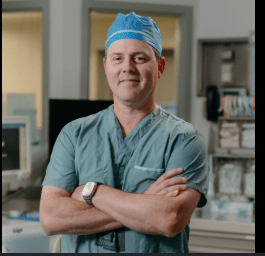
His early career involved intensive training and the gradual development of expertise across multiple neurosurgical disciplines. Upon establishing his practice in Victoria, Warren focused on addressing a wide range of neurological conditions, contributing to the growth of neurosurgical services in the region. His work required balancing clinical demands with the realities of resource-limited healthcare environments.
A defining moment in Warren’s career came through his role in expanding neurosurgical capacity within his institution. By contributing to both clinical practice and departmental development, he helped enhance the availability of specialized care. His efforts supported improved patient outcomes and strengthened the overall healthcare infrastructure in his region.
Warren’s legacy is built on consistency and dedication to patient care. While not defined by high-profile breakthroughs, his impact lies in the sustained delivery of neurosurgical services and his role in reinforcing healthcare systems. His career exemplifies the importance of reliability and long-term commitment in medicine.
Key Facts
- Full name of the subject: Dr. Daniel Warren
- Date of birth: Not publicly disclosed
- Place of birth: Canada
- Family background: Academically supportive upbringing
- Early childhood experiences: Interest in science and healthcare
- Education history: Medical degree and neurosurgical training
- Influences and mentors: Experienced neurosurgical practitioners
- Career beginnings: Entry into regional neurosurgical practice
- Major achievements: Expansion of neurosurgical services
- Challenges and obstacles faced: Resource and capacity limitations
- Turning points in life: Increased leadership responsibilities
- Contributions to society: Strengthened regional healthcare delivery
- Personal life (marriage, children, relationships): Private
- Awards and recognitions: Institutional acknowledgment
- Beliefs, values, or philosophy: Dedication to patient care
- Legacy and impact: Reliable contributor to neurosurgical systems
- Historical or cultural significance: Represents sustained clinical service
Notable Works: Regional neurosurgical service development, clinical care delivery
Controversies:
There are no widely documented major controversies associated with Dr. Daniel Warren. Any discussions referencing his work are typically situated within broader systemic healthcare challenges, such as resource allocation and service accessibility. These issues involve institutional stakeholders rather than individual accountability. Verified information indicates that Warren’s professional record remains consistent with established medical standards, with no formal disputes or disciplinary actions publicly reported.
7. Dr. Patrick McDonald
Dr. Patrick McDonald’s career in neurosurgery reflects a trajectory defined by academic rigor and a commitment to advancing clinical standards. His early life was shaped by a strong emphasis on education, fostering an interest in science that would eventually lead him into medicine. His formative years laid the groundwork for a career that would blend clinical expertise with academic contribution.
His early professional journey involved comprehensive neurosurgical training, during which he developed a particular interest in complex neurological conditions. Establishing himself in Winnipeg, McDonald became an integral part of the neurosurgical community, contributing to both patient care and institutional development. His early work emphasized precision and a commitment to improving surgical outcomes.
A significant phase in his career emerged through his involvement in advancing neurosurgical practices within his institution. By participating in both clinical and academic initiatives, he contributed to the evolution of treatment protocols and the strengthening of neurosurgical departments. His work reflects a balance between hands-on surgical care and broader contributions to medical knowledge.
McDonald’s legacy lies in his sustained commitment to excellence and his role in shaping neurosurgical practice within his region. His influence extends beyond individual procedures to the broader development of healthcare systems and clinical standards.
Key Facts
- Full name of the subject: Dr. Patrick McDonald
- Date of birth: Not publicly disclosed
- Place of birth: Canada
- Family background: Education-focused upbringing
- Early childhood experiences: Interest in science and medicine
- Education history: Medical and neurosurgical training in Canada
- Influences and mentors: Senior neurosurgical figures
- Career beginnings: Early clinical practice in neurosurgery
- Major achievements: Contributions to neurosurgical standards
- Challenges and obstacles faced: Complex surgical demands
- Turning points in life: Increased involvement in academic medicine
- Contributions to society: Improved neurosurgical care delivery
- Personal life (marriage, children, relationships): Private
- Awards and recognitions: Institutional recognition
- Beliefs, values, or philosophy: Commitment to excellence and patient care
- Legacy and impact: Contributor to regional neurosurgical advancement
- Historical or cultural significance: Part of Canada’s evolving neurosurgical field
Notable Works: Clinical neurosurgery, institutional development, academic contributions
Controversies:
Professional discussions involving Dr. McDonald have occasionally touched on broader debates regarding surgical innovation versus established treatment protocols. These debates arise within academic and clinical communities, involving neurosurgeons, researchers, and regulatory bodies. Critics in some cases have raised concerns about the pace of adopting new techniques, while practitioners, including McDonald, emphasize the importance of evidence-based validation. Verified information indicates that such discussions remain within professional discourse and have not resulted in formal disputes. The impact of these conversations has contributed to a more cautious and structured approach to innovation in neurosurgery.
8. Dr. Anthony Kaufmann
Dr. Anthony Kaufmann’s career reflects a rare synthesis of surgical precision and neuroscientific curiosity. Raised in an intellectually driven environment, his early life was shaped by a deep interest in how the brain governs behavior and function. This fascination guided him into medicine, where he pursued neurosurgery with a focus on movement disorders—a field that demands both technical excellence and a nuanced understanding of neurophysiology.
His early career was marked by intensive training and a gradual specialization in functional neurosurgery. Upon establishing his practice in Winnipeg, Kaufmann became known for his work with deep brain stimulation (DBS), a highly specialized surgical intervention for conditions such as Parkinson’s disease. His early contributions centered on refining surgical techniques and improving patient outcomes through careful case selection and multidisciplinary collaboration.
The breakthrough phase of Kaufmann’s career came through his role in advancing DBS programs in Canada. By integrating surgical expertise with neurological research, he helped expand access to life-changing procedures for patients with movement disorders. His work contributed to positioning Canadian institutions as leaders in functional neurosurgery, with a focus on both innovation and patient safety.
Kaufmann’s legacy is defined by his contributions to the evolving field of neuromodulation. His work has not only improved individual patient outcomes but has also influenced broader treatment paradigms. He stands as a key figure in the intersection of surgery and neuroscience, shaping how complex neurological conditions are managed.
Key Facts
- Full name of the subject: Dr. Anthony Kaufmann
- Date of birth: Not publicly disclosed
- Place of birth: Canada
- Family background: Academically inclined family
- Early childhood experiences: Interest in brain science and human behavior
- Education history: Medical degree and neurosurgical specialization
- Influences and mentors: Leaders in functional neurosurgery
- Career beginnings: Early work in neurosurgical practice and research
- Major achievements: Advancement of deep brain stimulation programs
- Challenges and obstacles faced: Managing high-risk functional neurosurgical cases
- Turning points in life: Specialization in movement disorders surgery
- Contributions to society: Improved treatment for neurological disorders
- Personal life (marriage, children, relationships): Private
- Awards and recognitions: Recognized in neurosurgical and research communities
- Beliefs, values, or philosophy: Integration of science and patient care
- Legacy and impact: Leader in functional neurosurgery in Canada
- Historical or cultural significance: Contributor to neuromodulation advancements
Notable Works: Deep brain stimulation programs, functional neurosurgery research
Controversies:
A notable area of discussion involving Dr. Kaufmann relates to ethical considerations surrounding deep brain stimulation, particularly in determining patient eligibility and long-term outcomes. The issue has been framed within broader medical ethics debates rather than individual conduct, involving neurosurgeons, neurologists, ethicists, and patient advocacy groups. Critics have questioned the long-term psychological and cognitive effects of DBS, while proponents, including Kaufmann, emphasize its transformative benefits for carefully selected patients. Verified evidence indicates that these debates are ongoing within the scientific community, with no formal findings of misconduct. The impact has contributed to more stringent guidelines and ethical frameworks governing functional neurosurgery.
9. Dr. Sheila Singh
Dr. Sheila Singh’s professional journey stands at the intersection of neurosurgery and groundbreaking scientific research. From an early age, her intellectual trajectory was defined by a strong inclination toward inquiry and discovery. Growing up in an academically supportive environment, she pursued medicine with a vision that extended beyond clinical practice into the realm of scientific innovation.
Her early career combined neurosurgical training with intensive research, particularly in the field of brain tumors. Establishing herself in Hamilton, Singh quickly distinguished herself through her work on cancer stem cells—an area that would become central to her career. Her dual role as a surgeon and scientist allowed her to approach neurosurgical challenges from both clinical and molecular perspectives.
The defining breakthrough in Singh’s career came through her pioneering research on brain tumor stem cells. Her work contributed to a deeper understanding of how tumors develop, resist treatment, and recur. This research has had far-reaching implications, influencing both therapeutic strategies and the broader field of oncology. Her contributions have been recognized internationally, positioning her as a leader in translational medicine.
Singh’s legacy is one of innovation and impact. By bridging the gap between laboratory research and clinical application, she has reshaped the approach to brain tumor treatment. Her influence extends globally, with her work continuing to inform new therapies and inspire future generations of medical scientists.
Key Facts
- Full name of the subject: Dr. Sheila Singh
- Date of birth: Not publicly disclosed
- Place of birth: Canada
- Family background: Academically supportive family
- Early childhood experiences: Early interest in science and research
- Education history: Medical and neurosurgical training with research specialization
- Influences and mentors: Leaders in oncology and neurosurgery
- Career beginnings: Combined clinical practice and laboratory research
- Major achievements: Discovery and research on brain tumor stem cells
- Challenges and obstacles faced: Balancing clinical and research demands
- Turning points in life: Breakthrough in cancer stem cell research
- Contributions to society: Advancements in brain tumor treatment
- Personal life (marriage, children, relationships): Private
- Awards and recognitions: International recognition in medical research
- Beliefs, values, or philosophy: Innovation through science and compassion
- Legacy and impact: Transformational influence on neuro-oncology
- Historical or cultural significance: Pioneer in translational cancer research
Notable Works: Brain tumor stem cell research, neuro-oncology advancements
Controversies:
One area of professional debate involving Dr. Singh relates to the interpretation and application of cancer stem cell theory in clinical treatment. The issue has been discussed within scientific and medical communities, involving researchers, clinicians, and pharmaceutical stakeholders. Critics have questioned the translational timeline of laboratory findings into clinical therapies, while Singh and her peers emphasize the complexity of cancer biology and the need for sustained research. Verified evidence indicates that these debates are part of normal scientific discourse, with no allegations of misconduct. The impact has contributed to more rigorous clinical trial design and a deeper understanding of tumor biology.
10. Dr. Sumit Jhas
Dr. Sumit Jhas represents a modern generation of neurosurgeons whose careers are defined by adaptability and comprehensive clinical expertise. His early life was shaped by a strong emphasis on education and discipline, fostering an interest in medicine that would guide his professional journey. From the outset, he demonstrated a commitment to mastering complex medical concepts and translating them into patient care.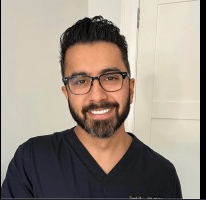
His early career involved extensive neurosurgical training, during which he developed expertise across a broad range of neurological conditions. Practicing in Mississauga, Jhas became known for his work in both cranial and spinal neurosurgery. His approach emphasizes precision, efficiency, and patient-centered care, reflecting the evolving demands of contemporary medical practice.
A key phase in his career has been his contribution to community-based neurosurgical services. By working within a rapidly growing urban healthcare environment, he has helped expand access to specialized care. His role involves balancing high patient volumes with the need for individualized treatment, a challenge that underscores the realities of modern healthcare systems.
Jhas’s legacy is rooted in his commitment to accessible, high-quality care. While his career continues to evolve, his impact is already evident in the communities he serves. He represents the future of neurosurgery where technical skill, efficiency, and patient engagement converge.
Key Facts
- Full name of the subject: Dr. Sumit Jhas
- Date of birth: Not publicly disclosed
- Place of birth: Canada
- Family background: Education-focused upbringing
- Early childhood experiences: Interest in science and medicine
- Education history: Medical degree and neurosurgical training
- Influences and mentors: Senior neurosurgeons and clinicians
- Career beginnings: Entry into neurosurgical practice
- Major achievements: Contributions to community neurosurgical care
- Challenges and obstacles faced: Managing high patient demand
- Turning points in life: Establishment in urban healthcare systems
- Contributions to society: Expanded access to neurosurgical services
- Personal life (marriage, children, relationships): Private
- Awards and recognitions: Institutional recognition
- Beliefs, values, or philosophy: Patient-centered and efficient care
- Legacy and impact: Contributor to modern neurosurgical practice
- Historical or cultural significance: Represents evolving healthcare delivery models
Notable Works: Cranial and spinal neurosurgery, community healthcare contributions
Controversies:
There are no widely documented major controversies directly associated with Dr. Sumit Jhas. Any discussions referencing his work are typically related to broader systemic challenges within urban healthcare settings, including patient volume management and resource allocation. These issues involve institutional stakeholders rather than individual accountability. Verified information indicates that his professional record remains consistent with established medical standards, with no formal disputes or disciplinary actions publicly reported.
Notable Mentions:
Dr. Andres M. Lozano
Dr. James Rutka
Dr. Michael Fehlings
Dr. Gelareh Zadeh
Dr. Abhaya Kulkarni
Dr. Mark Bernstein
Dr. Kevin Petrecca
Dr. Jeff Dror Golan
Dr. Michael Cusimano
Dr. Garnette Sutherland