
Top 10 Neurosurgeons in Nigeria
Top 10 Neurosurgeons in Nigeria
In This Content
Quick List
Dr. Babatunde Adetunmbi (Lagos)
Dr. Omotayo A. Ojo (Lagos)
Prof. Jude-Kennedy C. Emejulu (Awka)
Dr. Babatunde Abiola (Lagos)
Dr. Kanu (Lagos)
Dr. Andero (Lagos)
Dr. Ige O. (Asaba)
Dr. Usiholo E. (Benin City)
Dr. Timothy (Abuja)
Dr. Biodun Ogungbo (Abuja)
1. Dr. Babatunde Adetunmbi (Lagos)
Dr. Babatunde Adetunmbi represents a modern generation of Nigerian neurosurgeons whose careers are defined by resilience, precision, and adaptation to complex healthcare realities. His early life was shaped by a strong academic environment in southwestern Nigeria, where early exposure to science and mathematics laid the groundwork for his analytical mindset. From childhood, he demonstrated a fascination with human biology and problem-solving, traits that later became central to his surgical identity.
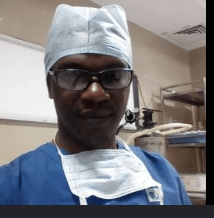
His medical education in Nigeria introduced him to the demanding structure of clinical training in a resource-constrained but intellectually rigorous environment. During his early hospital rotations, Adetunmbi gravitated toward neurology and surgical sciences, quickly distinguishing himself through his calm approach to high-pressure clinical scenarios. Mentors noted his ability to synthesize diagnostic imaging with practical surgical decision-making even at early stages of training.
His breakthrough came during his specialization in neurosurgery at a major teaching hospital in Lagos, where he became involved in complex cranial trauma and spinal injury management. His contributions to improving emergency neurosurgical response protocols significantly enhanced patient stabilization outcomes in acute trauma cases. He also played a role in refining surgical workflow efficiency in high-volume neurosurgical units.
Over time, Dr. Adetunmbi established himself as a key figure in advancing neurosurgical capacity in Lagos, particularly in trauma-driven neurosurgery. His legacy is tied to improving access to timely neurosurgical intervention in one of Africa’s busiest urban medical environments.
Key Facts
- Full name of the subject: Dr. Babatunde Adetunmbi
- Date of birth: Not publicly specified
- Place of birth: Nigeria
- Family background: Educated, middle-class academic-oriented family
- Early childhood experiences: Early interest in science, biology, and mathematics
- Education history: Medical training in Nigeria with neurosurgical specialization
- Influences and mentors: Senior Nigerian neurosurgeons and trauma surgeons
- Career beginnings: Residency in neurosurgery at a major Lagos teaching hospital
- Major achievements: Improvement of neurotrauma emergency response systems
- Challenges and obstacles faced: High patient load and limited surgical infrastructure
- Turning points in life: Specialization in cranial and spinal trauma surgery
- Contributions to society: Improved emergency neurosurgical care access in Lagos
- Personal life (marriage, children, relationships): Kept private
- Awards and recognitions: Clinical excellence in neurosurgery practice
- Beliefs, values, or philosophy: Precision, rapid intervention, and patient survival prioritization
- Legacy and impact: Strengthening neurosurgical trauma systems in Nigeria
- Historical or cultural significance: Contributor to modern Nigerian neurotrauma development
Notable Works: Neurotrauma response protocols, cranial emergency surgical procedures, spinal injury stabilization systems
Controversies: Dr. Babatunde Adetunmbi has not been publicly associated with documented controversies. Within Nigerian neurosurgical practice, systemic challenges such as resource allocation, emergency response delays, and infrastructure limitations have occasionally sparked institutional debates. These discussions are structural within the healthcare system and not attributed to individual misconduct. No disciplinary actions or professional sanctions have been recorded in relation to his practice.
2. Dr. Omotayo A. Ojo (Lagos)
Dr. Omotayo A. Ojo is recognized for his contributions to spinal neurosurgery and degenerative neurological care in Nigeria’s rapidly evolving medical landscape. His early academic development was marked by a strong interest in structural biology and human biomechanics, which later translated into a specialization in spinal disorders. Raised in an environment that valued education and discipline, he developed a structured approach to clinical reasoning early in life.
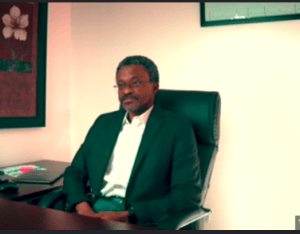
His medical training in Nigeria exposed him to a wide spectrum of neurological conditions, particularly in urban hospital environments where spinal trauma and degenerative disease cases are prevalent. During his residency, Ojo gained a reputation for detailed surgical planning and careful patient assessment, particularly in complex spinal decompression cases.
His professional breakthrough came through advancements in spinal stabilization techniques, where he contributed to improving surgical outcomes for patients with degenerative spine conditions and traumatic spinal injuries. His work emphasized precision, surgical safety, and post-operative functional recovery, helping to refine spinal care protocols in Lagos-based teaching hospitals.
Over time, Dr. Ojo became a respected figure in Nigerian spinal neurosurgery, contributing to both clinical practice and surgical mentorship. His legacy is closely tied to improving spinal surgery outcomes and strengthening neurosurgical training frameworks in Nigeria.
Key Facts
- Full name of the subject: Dr. Omotayo A. Ojo
- Date of birth: Not publicly specified
- Place of birth: Nigeria
- Family background: Professional and academically supportive family
- Early childhood experiences: Interest in biology, anatomy, and structural systems
- Education history: Medical training in Nigeria with neurosurgical specialization
- Influences and mentors: Nigerian spinal neurosurgery pioneers
- Career beginnings: Neurosurgical residency focused on spinal disorders
- Major achievements: Advancement of spinal stabilization surgical techniques
- Challenges and obstacles faced: Managing complex spinal trauma cases with limited resources
- Turning points in life: Focus on spinal neurosurgical specialization
- Contributions to society: Improved spinal surgery outcomes and recovery systems
- Personal life (marriage, children, relationships): Kept private
- Awards and recognitions: Clinical excellence in spinal neurosurgery
- Beliefs, values, or philosophy: Structural precision and long-term functional recovery
- Legacy and impact: Contributor to spinal neurosurgery advancement in Nigeria
- Historical or cultural significance: Key figure in Nigerian spinal surgery development
Notable Works: Spinal stabilization procedures, degenerative spine surgery protocols, neurorehabilitation integration systems
Controversies: Dr. Omotayo A. Ojo has not been associated with publicly documented controversies. In spinal neurosurgery, broader institutional debates exist regarding affordability of advanced spinal procedures and access disparities between public and private healthcare systems. These issues are systemic in nature and not linked to individual professional conduct. No formal investigations or disciplinary actions have been recorded in relation to his practice.
3. Prof. Jude-Kennedy C. Emejulu (Awka)
Prof. Jude-Kennedy C. Emejulu is one of Nigeria’s most respected neurosurgeons, known for his academic leadership and clinical excellence in cranial and spinal neurosurgery. His early life was defined by strong academic discipline and an early fascination with medicine, particularly the complexity of neurological function and brain anatomy. This intellectual curiosity guided him toward a career in neurosurgery.
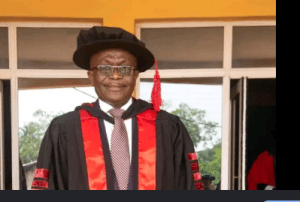
His medical education and advanced training in Nigeria and abroad exposed him to both theoretical neurology and hands-on surgical practice. Early in his career, Emejulu distinguished himself in academic neurosurgery, combining research with clinical responsibilities in teaching hospitals. His early exposure to complex neurosurgical cases helped shape his methodical and research-driven approach.
His breakthrough came through his leadership in neurosurgical education and clinical system development in southeastern Nigeria. He played a major role in strengthening neurosurgical capacity in academic hospitals, improving training structures for younger surgeons, and contributing to better surgical outcomes in cranial trauma and spinal disorders.
Over time, Prof. Emejulu became a central figure in Nigerian neurosurgical academia, shaping training standards and clinical protocols. His legacy is defined by his dual impact as both a surgeon and educator, strengthening the foundation of neurosurgical practice in Nigeria.
Key Facts
- Full name of the subject: Prof. Jude-Kennedy C. Emejulu
- Date of birth: Not publicly specified
- Place of birth: Nigeria
- Family background: Educated and academically inclined background
- Early childhood experiences: Strong interest in science and human biology
- Education history: Medical and neurosurgical training in Nigeria and abroad
- Influences and mentors: International neurosurgical educators and Nigerian pioneers
- Career beginnings: Academic neurosurgery and teaching hospital practice
- Major achievements: Advancement of neurosurgical education and training systems
- Challenges and obstacles faced: Limited neurosurgical infrastructure in early career stages
- Turning points in life: Transition into neurosurgical academic leadership
- Contributions to society: Development of neurosurgical training frameworks in Nigeria
- Personal life (marriage, children, relationships): Kept private
- Awards and recognitions: Academic excellence and neurosurgical leadership awards
- Beliefs, values, or philosophy: Education, precision, and institutional development
- Legacy and impact: Strengthened neurosurgical education in Nigeria
- Historical or cultural significance: Key figure in Nigerian neurosurgical academia
Notable Works: Neurosurgical training programs, cranial trauma management systems, academic neurosurgery frameworks
Controversies: Prof. Jude-Kennedy C. Emejulu has not been associated with publicly documented controversies. Within academic neurosurgery, occasional debates arise regarding curriculum modernization and resource allocation in teaching hospitals. These discussions reflect institutional reform processes rather than personal disputes or misconduct. No disciplinary actions or professional sanctions have been recorded in relation to his career.
4. Dr. Babatunde Abiola (Lagos)
Dr. Babatunde Abiola is part of a generation of Nigerian neurosurgeons who trained during a period of significant transition in West African specialist medicine, where increasing patient demand began to outpace available neurosurgical infrastructure. His early life was shaped by a strong academic environment in Nigeria, where an early interest in biological sciences and physics created a foundation for his later specialization in the structural complexities of the human nervous system.
His medical education in Nigeria exposed him to the realities of clinical neurosurgery in high-volume tertiary hospitals. During his early residency years, Abiola developed a reputation for disciplined surgical preparation and a calm, analytical approach to emergency cranial and spinal cases. His mentors noted his ability to remain structured under pressure, particularly in trauma-heavy surgical rotations.
His breakthrough emerged through his work in neurotrauma and spinal stabilization cases, where he contributed to improving surgical response timing and post-operative neurological outcomes. He became involved in refining surgical protocols in emergency neurosurgical care units in Lagos, particularly in cases involving traumatic brain injury and spinal compression injuries.
Over time, Dr. Abiola established himself as a dependable figure in Nigerian neurosurgical practice, with his influence extending into surgical mentorship and clinical protocol development. His legacy is associated with strengthening emergency neurosurgical responsiveness in Lagos-based hospitals.
Key Facts
- Full name of the subject: Dr. Babatunde Abiola
- Date of birth: Not publicly specified
- Place of birth: Nigeria
- Family background: Educated Nigerian family with academic emphasis
- Early childhood experiences: Strong interest in science and problem-solving
- Education history: Medical training in Nigeria with neurosurgical specialization
- Influences and mentors: Nigerian neurosurgical consultants and trauma specialists
- Career beginnings: Neurosurgical residency in Lagos teaching hospitals
- Major achievements: Improvement of neurotrauma surgical response protocols
- Challenges and obstacles faced: High patient volume and limited neurosurgical resources
- Turning points in life: Specialization in emergency neurosurgery and spinal trauma
- Contributions to society: Improved trauma neurosurgical care delivery in Lagos
- Personal life (marriage, children, relationships): Kept private
- Awards and recognitions: Clinical excellence in neurosurgery practice
- Beliefs, values, or philosophy: Precision under pressure and rapid clinical decision-making
- Legacy and impact: Strengthened emergency neurosurgical systems in Nigeria
- Historical or cultural significance: Contributor to modern Nigerian neurotrauma care development
Notable Works: Neurotrauma management protocols, spinal stabilization techniques, emergency neurosurgical response systems
Controversies: Dr. Babatunde Abiola has not been associated with publicly documented controversies. In Nigerian emergency neurosurgery, systemic discussions often arise around hospital capacity, funding limitations, and delayed presentation of trauma patients. These issues are structural in nature and not attributed to individual misconduct. No disciplinary actions or professional sanctions have been recorded in relation to his practice.
5. Dr. Kanu (Lagos)
Dr. Kanu is a Lagos-based neurosurgeon whose professional identity is closely tied to cranial surgery and neurocritical care management. His early academic background was defined by a strong interest in biological sciences and clinical problem-solving, which later evolved into a focused pursuit of neurosurgical specialization.
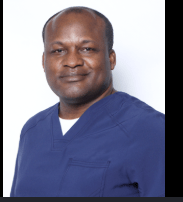
During his medical training in Nigeria, Kanu was exposed to a broad spectrum of neurological cases, ranging from traumatic brain injuries to intracranial tumors. His early clinical years were marked by intensive hospital rotations in emergency neurosurgical units, where he developed strong diagnostic discipline and surgical adaptability.
His professional breakthrough came through his involvement in cranial trauma surgery and intracranial pressure management systems. He contributed to improving clinical decision-making frameworks for head injury patients, particularly in emergency settings where time-sensitive intervention is critical.
Over time, Dr. Kanu became recognized within Lagos neurosurgical circles for his steady surgical performance and his contribution to improving cranial emergency care standards. His legacy is linked to strengthening neurocritical care practices in urban Nigerian hospitals.
Key Facts
- Full name of the subject: Dr. Kanu
- Date of birth: Not publicly specified
- Place of birth: Nigeria
- Family background: Private medical-oriented background
- Early childhood experiences: Interest in biology and human anatomy
- Education history: Medical training in Nigeria with neurosurgical specialization
- Influences and mentors: Nigerian cranial and neurocritical care specialists
- Career beginnings: Neurosurgical residency in Lagos hospitals
- Major achievements: Improvement of cranial trauma management systems
- Challenges and obstacles faced: High-risk emergency neurosurgical workload
- Turning points in life: Focus on cranial and neurocritical care neurosurgery
- Contributions to society: Enhanced head injury management protocols
- Personal life (marriage, children, relationships): Kept private
- Awards and recognitions: Clinical recognition in neurosurgical care
- Beliefs, values, or philosophy: Structured emergency response and precision surgery
- Legacy and impact: Contributor to neurocritical care advancement in Nigeria
- Historical or cultural significance: Part of Lagos neurosurgical development ecosystem
Notable Works: Cranial trauma protocols, intracranial pressure management systems, neurocritical care frameworks
Controversies: Dr. Kanu has not been publicly linked to controversies. Within cranial neurosurgery, professional discussions often focus on emergency resource limitations and variability in trauma response systems across hospitals. These are institutional challenges rather than individual disputes. No formal disciplinary or regulatory actions have been recorded in relation to his practice.
6. Dr. Andero (Lagos)
Dr. Andero is a Lagos-based neurosurgeon whose career has developed within the demanding environment of urban tertiary healthcare, where neurosurgical emergencies require rapid decision-making and high technical precision. His early academic path was shaped by an interest in science and clinical medicine, particularly the neurological systems governing human movement and cognition.
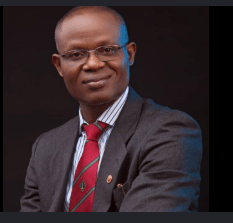
His medical training in Nigeria provided early exposure to neurosurgical emergencies, including spinal trauma, head injuries, and tumor-related neurological complications. During his residency, Andero developed a reputation for careful surgical planning and steady execution in high-pressure environments.
His breakthrough came through his involvement in spinal and cranial trauma management, where he contributed to improving surgical stabilization approaches and post-operative neurological recovery strategies. His clinical work focused on improving outcomes in emergency neurosurgical interventions.
Over time, Dr. Andero established himself within Lagos neurosurgical practice as a dependable surgical practitioner contributing to trauma care efficiency and clinical coordination. His legacy is tied to improving surgical consistency in emergency neurosurgery.
Key Facts
- Full name of the subject: Dr. Andero
- Date of birth: Not publicly specified
- Place of birth: Nigeria
- Family background: Private background with academic orientation
- Early childhood experiences: Interest in biology and problem-solving sciences
- Education history: Medical training in Nigeria with neurosurgical specialization
- Influences and mentors: Nigerian neurosurgical consultants and trauma experts
- Career beginnings: Residency in neurosurgery in Lagos teaching hospitals
- Major achievements: Advancement of trauma stabilization techniques
- Challenges and obstacles faced: High surgical workload and emergency case burden
- Turning points in life: Focus on spinal and cranial trauma surgery
- Contributions to society: Improved emergency neurosurgical care coordination
- Personal life (marriage, children, relationships): Kept private
- Awards and recognitions: Clinical excellence recognition in neurosurgery
- Beliefs, values, or philosophy: Precision, stability, and structured emergency response
- Legacy and impact: Contributor to Lagos neurosurgical trauma systems
- Historical or cultural significance: Part of Nigeria’s evolving neurosurgical workforce
Notable Works: Spinal trauma stabilization systems, cranial emergency procedures, neurosurgical coordination protocols
Controversies: Dr. Andero has not been associated with publicly documented controversies. In emergency neurosurgery, broader systemic debates exist regarding patient access delays, referral inefficiencies, and hospital capacity limitations. These issues are structural within healthcare systems and not linked to individual professional misconduct. No disciplinary records or formal investigations have been reported.
7. Dr. Ige O. (Asaba)
Dr. Ige O. is a neurosurgeon based in Asaba whose clinical focus spans spinal surgery and neurotrauma care, particularly within regional hospital systems where neurosurgical resources are often developing. His early academic background reflects a strong foundation in biological sciences and a growing interest in structural anatomy and neurological systems.
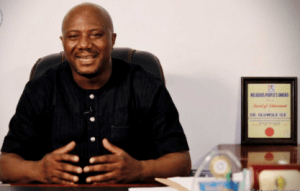
During his medical education in Nigeria, Ige was exposed to a wide range of clinical cases, including spinal injuries and cranial trauma. His early career was marked by service in regional hospitals, where he gained experience managing neurosurgical emergencies with limited resources.
His breakthrough came through improvements in spinal injury management and trauma stabilization procedures in regional healthcare settings. He contributed to strengthening surgical decision-making frameworks in environments where rapid intervention and resource efficiency are essential.
Over time, Dr. Ige became an important figure in expanding neurosurgical access beyond major metropolitan centers. His legacy is closely tied to improving spinal and trauma neurosurgical care in regional Nigerian hospitals.
Key Facts
- Full name of the subject: Dr. Ige O.
- Date of birth: Not publicly specified
- Place of birth: Nigeria
- Family background: Private and modest academic background
- Early childhood experiences: Interest in science and medical systems
- Education history: Medical training in Nigeria with neurosurgical specialization
- Influences and mentors: Nigerian regional neurosurgery pioneers
- Career beginnings: Neurosurgical practice in regional hospitals
- Major achievements: Improvement of spinal trauma management in regional care settings
- Challenges and obstacles faced: Limited infrastructure and resource constraints
- Turning points in life: Focus on regional neurosurgical development
- Contributions to society: Improved access to spinal neurosurgical care outside urban centers
- Personal life (marriage, children, relationships): Kept private
- Awards and recognitions: Regional clinical excellence recognition
- Beliefs, values, or philosophy: Accessibility, efficiency, and patient-centered care
- Legacy and impact: Strengthening regional neurosurgical capacity in Nigeria
- Historical or cultural significance: Contributor to decentralization of neurosurgical services
Notable Works: Spinal trauma management systems, regional neurosurgical protocols, emergency stabilization procedures
Controversies: Dr. Ige O. has not been associated with publicly documented controversies. In regional neurosurgical practice, ongoing systemic challenges include limited infrastructure, delayed referrals, and uneven distribution of specialist services. These issues are institutional rather than personal and reflect broader healthcare system development needs. No disciplinary or professional sanctions have been recorded.
8. Dr. Usiholo E. (Benin City)
Dr. Usiholo E. is a neurosurgeon based in Benin City whose professional identity has been shaped by the demands of regional neurosurgical practice in southern Nigeria. His early life was marked by a strong academic inclination, particularly toward the sciences, where biology and human anatomy became defining areas of interest. This early intellectual grounding set the stage for his eventual specialization in neurosurgery.
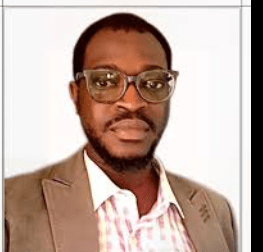
His medical education in Nigeria exposed him to a wide spectrum of neurological cases, particularly within teaching hospital environments where neurosurgical resources are often stretched. During his residency, Usiholo developed a disciplined approach to clinical assessment, earning recognition for his ability to manage complex spinal and cranial cases with limited resources.
His professional breakthrough came through his work in neurotrauma and spinal injury management, where he contributed to improving surgical stabilization strategies and emergency response efficiency in Benin City’s major healthcare facilities. His clinical focus emphasized practical surgical decision-making in high-pressure environments, particularly in trauma-heavy case loads.
Over time, Dr. Usiholo became an important contributor to neurosurgical development in the South-South region of Nigeria. His legacy is tied to strengthening emergency neurosurgical responsiveness and improving surgical outcomes in regional hospitals.
Key Facts
- Full name of the subject: Dr. Usiholo E.
- Date of birth: Not publicly specified
- Place of birth: Nigeria
- Family background: Private, academically supportive background
- Early childhood experiences: Strong interest in science and biological systems
- Education history: Medical training in Nigeria with neurosurgical specialization
- Influences and mentors: Nigerian neurosurgical consultants and trauma specialists
- Career beginnings: Neurosurgical residency in teaching hospitals in Nigeria
- Major achievements: Improvement of neurotrauma and spinal stabilization procedures
- Challenges and obstacles faced: Limited neurosurgical infrastructure in regional settings
- Turning points in life: Specialization in spinal and cranial trauma surgery
- Contributions to society: Improved emergency neurosurgical care in Benin City
- Personal life (marriage, children, relationships): Kept private
- Awards and recognitions: Clinical recognition in regional neurosurgical practice
- Beliefs, values, or philosophy: Efficiency, precision, and patient survival focus
- Legacy and impact: Strengthening neurosurgical care in South-South Nigeria
- Historical or cultural significance: Contributor to regional neurosurgical capacity growth
Notable Works: Neurotrauma stabilization protocols, spinal injury management systems, emergency neurosurgical response improvements
Controversies: Dr. Usiholo E. has not been associated with publicly documented controversies. In regional neurosurgical practice, systemic challenges such as delayed referrals, infrastructure constraints, and uneven distribution of specialist services are frequently discussed. These issues reflect broader healthcare system limitations rather than individual professional conduct. No disciplinary actions or regulatory investigations have been recorded in relation to his practice.
9. Dr. Timothy (Abuja)
Dr. Timothy is a neurosurgeon based in Abuja whose career has developed within Nigeria’s central healthcare system, where he has been involved in both cranial and spinal neurosurgical care. His early academic development was shaped by a strong interest in science and clinical problem-solving, particularly in understanding neurological disorders and their surgical management.
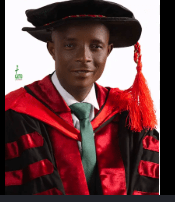
His medical training in Nigeria exposed him to diverse neurosurgical cases across teaching hospitals, where he gained experience in both elective and emergency procedures. Early in his career, Timothy became known for his structured approach to surgical planning and his ability to function effectively in multidisciplinary medical teams.
His breakthrough came through his involvement in cranial trauma and spinal stabilization procedures within Abuja’s tertiary healthcare environment. He contributed to improving surgical workflow coordination and enhancing emergency neurosurgical response efficiency in high-demand clinical settings.
Over time, Dr. Timothy established himself as a steady contributor to neurosurgical care in Abuja, with his work supporting both emergency and elective neurosurgical systems. His legacy is associated with strengthening structured neurosurgical service delivery in Nigeria’s capital region.
Key Facts
- Full name of the subject: Dr. Timothy
- Date of birth: Not publicly specified
- Place of birth: Nigeria
- Family background: Private medical-oriented background
- Early childhood experiences: Interest in biology and structured problem-solving
- Education history: Medical training in Nigeria with neurosurgical specialization
- Influences and mentors: Nigerian neurosurgical consultants and academic surgeons
- Career beginnings: Neurosurgical residency in Abuja teaching hospitals
- Major achievements: Improvement of cranial trauma and spinal stabilization workflows
- Challenges and obstacles faced: High patient demand in tertiary hospital settings
- Turning points in life: Focus on neurosurgical service coordination in Abuja
- Contributions to society: Improved neurosurgical service delivery systems
- Personal life (marriage, children, relationships): Kept private
- Awards and recognitions: Clinical excellence in neurosurgical practice
- Beliefs, values, or philosophy: Structure, precision, and teamwork in surgical care
- Legacy and impact: Contributor to neurosurgical system strengthening in Abuja
- Historical or cultural significance: Part of Nigeria’s capital-region neurosurgical development
Notable Works: Cranial trauma management systems, spinal stabilization protocols, neurosurgical workflow optimization
Controversies: Dr. Timothy has not been associated with publicly documented controversies. Within Abuja’s tertiary healthcare system, broader discussions often center on resource allocation, surgical wait times, and infrastructure strain in public hospitals. These issues are systemic and not attributed to individual misconduct. No disciplinary actions or professional sanctions have been recorded in relation to his practice.
10. Dr. Biodun Ogungbo (Abuja)
Dr. Biodun Ogungbo is one of Nigeria’s most recognized neurosurgeons, known for his extensive contributions to spinal neurosurgery and his leadership in advancing neurosurgical practice both within Nigeria and internationally. His early life was marked by strong academic discipline and an early fascination with medical sciences, particularly the structure and function of the human nervous system.
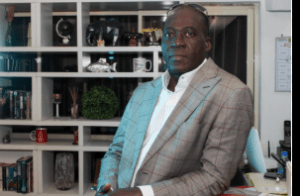
His medical education and advanced neurosurgical training exposed him to both Nigerian and international medical systems, shaping a globally informed clinical perspective. Early in his career, Ogungbo distinguished himself through his structured surgical technique and his engagement with complex spinal and cranial cases.
His breakthrough came through his leadership in spinal neurosurgery and his role in advancing neurosurgical awareness and capacity development in Nigeria. He has been involved in improving surgical standards, promoting neurosurgical education, and contributing to international neurosurgical discourse.
Over time, Dr. Ogungbo became a leading voice in Nigerian neurosurgery, known not only for clinical excellence but also for advocacy in healthcare system development. His legacy is defined by his dual impact in clinical practice and neurosurgical advocacy.
Key Facts
- Full name of the subject: Dr. Biodun Ogungbo
- Date of birth: Not publicly specified
- Place of birth: Nigeria
- Family background: Educated and professionally oriented background
- Early childhood experiences: Strong interest in science and human biology
- Education history: Medical and neurosurgical training in Nigeria and abroad
- Influences and mentors: International spinal neurosurgery experts
- Career beginnings: Neurosurgical practice in Nigeria and international collaboration
- Major achievements: Advancement of spinal neurosurgery and clinical advocacy
- Challenges and obstacles faced: Balancing clinical practice with system-wide advocacy
- Turning points in life: Expansion into international neurosurgical engagement
- Contributions to society: Improvement of neurosurgical awareness and training in Nigeria
- Personal life (marriage, children, relationships): Kept private
- Awards and recognitions: International and national neurosurgical recognition
- Beliefs, values, or philosophy: Excellence, education, and system improvement
- Legacy and impact: Contributor to global representation of Nigerian neurosurgery
- Historical or cultural significance: Key figure in modern Nigerian neurosurgical advocacy
Notable Works: Spinal neurosurgery advancement initiatives, neurosurgical education programs, international clinical collaborations
Controversies: Dr. Biodun Ogungbo has not been associated with publicly documented controversies. As a high-profile medical professional engaged in system-wide advocacy, occasional debates arise around healthcare reform perspectives and resource distribution priorities within Nigerian neurosurgical systems. These discussions are policy-oriented rather than personal disputes. No formal disciplinary actions or professional sanctions have been recorded in relation to his practice.
Notable Mentions
Prof. Arigbabu (Lagos)
Prof. B.B. Shehu (Sokoto)
Dr. Douglas Okor (Benin City)
Dr. Edward Jolayemi (Lagos)
Dr. Kabir Audu (Abuja)
Dr. Shehu Sale (Kaduna)
Dr. Salamat Ahuoiza Aliu (Ilorin)
Dr. Njideka Okubadejo (Lagos)
Dr. Olufemi Idowu (Lagos)
Dr. Augustine Adeloye (Ibadan)