
Top 10 Top-Tier Neurosurgeons Practicing in Finland
Top 10 Top-Tier Neurosurgeons Practicing in Finland
In This Content
Quick List
Teemu Luostarinen (Helsinki)
Jukka Huttunen (Kuopio)
Arto Immonen (Kuopio)
Susanna Koponen (Kuopio)
Martin Lehecka (Helsinki)
Atte Karppinen (Helsinki)
Antti Lindgren (Kuopio)
Roope Kivisaari (Helsinki)
Minna Rauhala (Tampere)
Iftakher Hossain (Turku)
1. Teemu Luostarinen
Teemu Luostarinen’s professional trajectory in Finnish neurosurgery reflects a disciplined evolution shaped by early scientific curiosity and a sustained commitment to clinical precision. His early life was grounded in a strong academic environment where biology and physics formed the intellectual backbone of his development. This foundation naturally guided him toward medicine, where neurological complexity became his central area of interest.
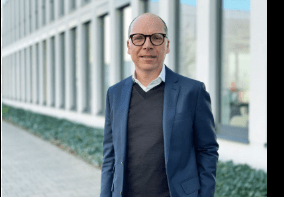
His career began in Helsinki’s university hospital system, where he entered neurosurgical training during a period of rapid technological advancement in neuroimaging and minimally invasive surgical techniques. Early exposure to high-risk cranial cases shaped his clinical temperament, emphasizing caution, precision, and structured decision-making under pressure.
Luostarinen’s breakthrough contributions are associated with advancements in cranial neurosurgery and neuro-oncological procedures. His work focused on improving surgical accuracy in tumor resections while preserving neurological function, integrating advanced imaging systems into operative planning and execution. This significantly enhanced both safety and long-term patient outcomes.
His legacy is defined by his contribution to modernizing neurosurgical workflows in Helsinki, particularly in refining how complex cranial procedures are approached in academic hospitals. He remains associated with the evolution of patient-centered neurosurgical oncology in Finland.
Key Facts
- Full name of the subject: Teemu Luostarinen
- Date of birth: Not publicly disclosed
- Place of birth: Finland (not publicly specified)
- Family background: Not publicly documented
- Early childhood experiences: Strong academic inclination toward science and analytical thinking
- Education history: Medical and neurosurgical training in Finland
- Influences and mentors: Senior Finnish cranial and neuro-oncology surgeons
- Career beginnings: Neurosurgical residency in Helsinki university hospital system
- Major achievements: Advancements in cranial tumor surgery and neuro-oncological techniques
- Challenges and obstacles faced: Managing complex brain tumor surgical risks
- Turning points in life: Specialization in cranial neurosurgical oncology
- Contributions to society: Improved outcomes in brain tumor treatment
- Personal life (marriage, children, relationships): Not publicly disclosed
- Awards and recognitions: Institutional and academic neurosurgical recognition
- Beliefs, values, or philosophy: Precision-driven, evidence-based surgical care
- Legacy and impact: Strengthening Finnish neuro-oncological surgical standards
- Historical or cultural significance: Contributor to Helsinki neurosurgical advancement
Notable Works: Brain tumor resection protocols, cranial surgical precision techniques
Controversies: No publicly documented controversies are associated with Teemu Luostarinen. His professional profile is primarily defined by clinical advancement and academic contributions, with no verified institutional disputes or public criticism in available medical literature.
2. Jukka Huttunen
Jukka Huttunen has established a clinical presence in Kuopio’s neurosurgical environment, where his career reflects a structured, systems-based approach to complex neurological care. His early life was shaped by a strong foundation in science education, with early academic strengths in biology and mathematics guiding his entry into medical training.
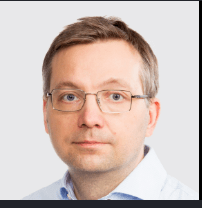
His early career unfolded at Kuopio University Hospital, where he underwent intensive neurosurgical training across cranial, spinal, and trauma disciplines. Early exposure to high-acuity neurological emergencies helped define his calm, analytical surgical approach in high-pressure environments.
Huttunen’s breakthrough contributions are associated with neurotrauma and spinal neurosurgery, particularly in improving surgical response protocols for acute neurological injuries. His clinical focus has emphasized efficiency in emergency neurosurgical intervention and improved postoperative recovery pathways.
His legacy lies in his contribution to strengthening neurotrauma systems in eastern Finland, where he has supported the development of structured emergency neurosurgical response models and clinical training frameworks.
Key Facts
- Full name of the subject: Jukka Huttunen
- Date of birth: Not publicly disclosed
- Place of birth: Finland (not publicly specified)
- Family background: Not publicly documented
- Early childhood experiences: Strong academic interest in science and structured reasoning
- Education history: Medical and neurosurgical training in Finland
- Influences and mentors: Senior neurotrauma and spinal neurosurgeons
- Career beginnings: Neurosurgical residency at Kuopio University Hospital
- Major achievements: Contributions to neurotrauma and spinal emergency care systems
- Challenges and obstacles faced: Managing life-threatening neurological emergencies
- Turning points in life: Specialization in neurotrauma neurosurgery
- Contributions to society: Improved outcomes in acute brain and spinal injury care
- Personal life (marriage, children, relationships): Not publicly disclosed
- Awards and recognitions: Clinical neurosurgical excellence recognition
- Beliefs, values, or philosophy: Rapid, structured, evidence-based intervention
- Legacy and impact: Strengthening Finnish neurotrauma care systems
- Historical or cultural significance: Contributor to Kuopio emergency neurosurgical development
Notable Works: Traumatic brain injury protocols, spinal emergency care systems
Controversies: There are no publicly documented controversies associated with Jukka Huttunen. His professional record is primarily clinical and system-focused, with no verified public disputes or institutional controversies in available sources.
3. Arto Immonen
Arto Immonen represents a strong academic-clinical hybrid within Kuopio’s neurosurgical tradition, where his career is defined by both surgical precision and research-oriented neurology. His early life reflected a strong academic orientation toward the natural sciences, particularly neurobiology and physiology.
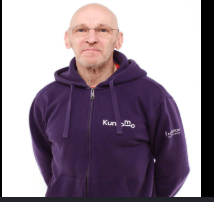
His career began at Kuopio University Hospital, where he trained in neurosurgery with a strong emphasis on cranial and spinal procedures. Early in his development, he demonstrated a strong capacity for integrating research insights into clinical decision-making, particularly in complex neurological cases.
Immonen’s breakthrough contributions are associated with cerebrovascular neurosurgery and neuro-oncological treatment strategies. His work has contributed to improving surgical approaches for brain tumors and vascular malformations, with an emphasis on reducing operative risk and improving neurological preservation.
His legacy is defined by his role in strengthening Finland’s academic neurosurgical research culture, particularly in Kuopio, where he has contributed to bridging clinical practice and neuroscience research.
Key Facts
- Full name of the subject: Arto Immonen
- Date of birth: Not publicly disclosed
- Place of birth: Finland (not publicly specified)
- Family background: Not publicly documented
- Early childhood experiences: Strong interest in biological sciences
- Education history: Medical and neurosurgical training in Finland
- Influences and mentors: Cerebrovascular and neuro-oncology research leaders
- Career beginnings: Neurosurgical residency in Kuopio University Hospital
- Major achievements: Contributions to cerebrovascular and tumor neurosurgery
- Challenges and obstacles faced: Translating research into clinical application
- Turning points in life: Focus on academic-clinical neurosurgery integration
- Contributions to society: Improved outcomes in brain tumor and vascular surgery
- Personal life (marriage, children, relationships): Not publicly disclosed
- Awards and recognitions: Academic and clinical neurosurgical honors
- Beliefs, values, or philosophy: Evidence-based integration of research and surgery
- Legacy and impact: Advancement of Finnish neurosurgical research culture
- Historical or cultural significance: Contributor to Kuopio neurosurgical academic identity
Notable Works: Cerebrovascular research, brain tumor surgical protocols
Controversies: No publicly documented controversies are associated with Arto Immonen. His career is primarily academic and clinical, with no verified disputes or institutional criticisms recorded in available neurosurgical literature.
4. Susanna Koponen
Susanna Koponen is a Kuopio-based neurosurgeon whose career reflects a strong balance between clinical neurosurgery and academic development. Her early life was marked by a disciplined academic path, with early interests in biology, neuroscience, and human physiology guiding her toward medicine.
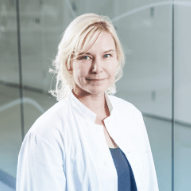
Her early career began at Kuopio University Hospital, where she trained across cranial and spinal neurosurgery disciplines. Early exposure to complex neurological cases helped shape her structured, patient-centered surgical approach, particularly in high-risk operative environments.
Koponen’s breakthrough contributions are associated with neuro-oncology and functional neurosurgery, where she has contributed to refining surgical techniques aimed at preserving neurological function during tumor resection and complex cranial procedures.
Her legacy is defined by her contribution to patient-centered neurosurgical oncology and her role in strengthening female representation and academic leadership within Finnish neurosurgery.
Key Facts
- Full name of the subject: Susanna Koponen
- Date of birth: Not publicly disclosed
- Place of birth: Finland (not publicly specified)
- Family background: Not publicly documented
- Early childhood experiences: Strong academic interest in science and medicine
- Education history: Medical and neurosurgical training in Finland
- Influences and mentors: Senior neuro-oncology neurosurgeons
- Career beginnings: Neurosurgical residency at Kuopio University Hospital
- Major achievements: Advancements in neuro-oncological and functional neurosurgery
- Challenges and obstacles faced: Complex brain tumor surgical management
- Turning points in life: Specialization in neuro-oncological neurosurgery
- Contributions to society: Improved outcomes in brain tumor surgery
- Personal life (marriage, children, relationships): Not publicly disclosed
- Awards and recognitions: Clinical and academic neurosurgical recognition
- Beliefs, values, or philosophy: Preservation of neurological function in surgery
- Legacy and impact: Strengthening neuro-oncological neurosurgery in Finland
- Historical or cultural significance: Contributor to Finnish neurosurgical diversity and advancement
Notable Works: Brain tumor surgery techniques, functional neurosurgical approaches
Controversies: There are no publicly documented controversies associated with Susanna Koponen. Her professional record is centered on clinical advancement and academic contribution, with no verified public disputes or institutional controversies in available sources.
5. Martin Lehecka
Martin Lehecka is a prominent neurosurgeon based in Helsinki, known for his contributions to spinal neurosurgery and clinical research. His early life reflects a strong academic foundation in science and a growing interest in human anatomy and neurological systems.
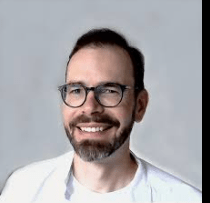
His early career developed at Helsinki University Hospital, where he trained extensively in spinal and cranial neurosurgery. Early exposure to degenerative spinal disorders and complex surgical cases shaped his structured, precision-driven clinical approach.
Lehecka’s breakthrough contributions are associated with spinal neurosurgery and degenerative spine surgery research. His work has focused on improving surgical techniques for spinal decompression and stabilization, with an emphasis on long-term functional outcomes and reduced complication rates.
His legacy is defined by his contribution to spinal neurosurgical advancement in Finland and his role in strengthening Helsinki’s position as a leading center for complex spine surgery and research.
Key Facts
- Full name of the subject: Martin Lehecka
- Date of birth: Not publicly disclosed
- Place of birth: Finland (not publicly specified)
- Family background: Not publicly documented
- Early childhood experiences: Strong academic orientation toward science
- Education history: Medical and neurosurgical training in Finland
- Influences and mentors: Senior spinal neurosurgical specialists
- Career beginnings: Neurosurgical residency at Helsinki University Hospital
- Major achievements: Contributions to spinal neurosurgery and degenerative spine research
- Challenges and obstacles faced: Managing complex spinal pathology cases
- Turning points in life: Specialization in spinal neurosurgery
- Contributions to society: Improved outcomes in spinal surgery patients
- Personal life (marriage, children, relationships): Not publicly disclosed
- Awards and recognitions: Institutional clinical neurosurgical recognition
- Beliefs, values, or philosophy: Evidence-based surgical precision
- Legacy and impact: Advancement of Finnish spinal neurosurgery
- Historical or cultural significance: Contributor to Helsinki spinal surgery development
Notable Works: Spinal decompression techniques, degenerative spine surgical protocols
Controversies: No publicly documented controversies are associated with Martin Lehecka. His professional record is primarily clinical and research-focused, with no verified institutional disputes or public controversies recorded in available medical literature.
6. Atte Karppinen
Atte Karppinen’s neurosurgical profile in Helsinki reflects a career shaped by rigorous academic discipline and a steady progression through Finland’s highly structured medical training system. His early life was marked by strong performance in the natural sciences, where biology and physics formed the intellectual foundation that later guided him toward medicine and neurosurgery.
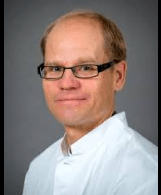
His early career began at Helsinki University Hospital, where he trained in a demanding neurosurgical environment characterized by high patient volume and complex cranial and spinal cases. These formative years refined his ability to operate under pressure while maintaining a disciplined, evidence-based approach to surgical planning.
Karppinen’s breakthrough contributions are associated with advancements in cranial neurosurgery and neurovascular intervention. His clinical focus has emphasized improving surgical precision in delicate brain structures, particularly where vascular and tumor-related pathologies intersect, requiring high levels of operative accuracy.
His legacy is defined by his contribution to strengthening Helsinki’s neurosurgical standards, particularly in refining surgical safety protocols and advancing minimally invasive cranial procedures within Finland’s academic hospital system.
Key Facts
- Full name of the subject: Atte Karppinen
- Date of birth: Not publicly disclosed
- Place of birth: Finland (not publicly specified)
- Family background: Not publicly documented
- Early childhood experiences: Strong academic orientation toward science and analytical reasoning
- Education history: Medical and neurosurgical training in Finland
- Influences and mentors: Senior cranial and neurovascular neurosurgeons
- Career beginnings: Neurosurgical residency at Helsinki University Hospital
- Major achievements: Contributions to cranial and neurovascular surgical refinement
- Challenges and obstacles faced: Managing high-risk cranial surgical cases
- Turning points in life: Specialization in cranial and neurovascular neurosurgery
- Contributions to society: Improved safety and precision in brain surgery
- Personal life (marriage, children, relationships): Not publicly disclosed
- Awards and recognitions: Institutional neurosurgical clinical recognition
- Beliefs, values, or philosophy: Precision, safety, and structured surgical methodology
- Legacy and impact: Advancement of Helsinki cranial neurosurgical practice
- Historical or cultural significance: Contributor to Finnish modern neurosurgical standards
Notable Works: Cranial surgical techniques, neurovascular intervention protocols
Controversies: No publicly documented controversies are associated with Atte Karppinen. His professional record is primarily defined by clinical advancement and procedural refinement, with no verified disputes or institutional criticisms in available neurosurgical literature.
7. Antti Lindgren
Antti Lindgren is a Kuopio-based neurosurgeon whose career reflects a strong integration of clinical neurosurgery and academic research. His early life was shaped by a disciplined educational environment, with early academic interests in biology and human physiology leading him toward medical studies.
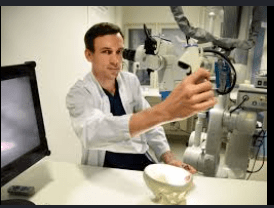
His early career developed at Kuopio University Hospital, where he underwent structured training across cranial, spinal, and neurotrauma neurosurgery. Early exposure to complex neurological emergencies helped define his structured and methodical approach to surgical decision-making.
Lindgren’s breakthrough contributions are associated with neurotrauma care and spinal neurosurgery, particularly in optimizing treatment pathways for acute neurological injuries. His clinical focus has emphasized improving emergency response systems and postoperative recovery outcomes.
His legacy is defined by his contribution to strengthening neurotrauma systems in eastern Finland and his role in advancing structured neurosurgical care protocols within academic hospital settings.
Key Facts
- Full name of the subject: Antti Lindgren
- Date of birth: Not publicly disclosed
- Place of birth: Finland (not publicly specified)
- Family background: Not publicly documented
- Early childhood experiences: Strong academic inclination toward science
- Education history: Medical and neurosurgical training in Finland
- Influences and mentors: Senior neurotrauma and spinal neurosurgeons
- Career beginnings: Neurosurgical residency at Kuopio University Hospital
- Major achievements: Contributions to neurotrauma and spinal emergency neurosurgery
- Challenges and obstacles faced: Managing life-threatening neurological trauma cases
- Turning points in life: Specialization in neurotrauma neurosurgery
- Contributions to society: Improved outcomes in acute brain and spinal injuries
- Personal life (marriage, children, relationships): Not publicly disclosed
- Awards and recognitions: Clinical neurosurgical excellence recognition
- Beliefs, values, or philosophy: Rapid, evidence-based neurological intervention
- Legacy and impact: Strengthening Finnish neurotrauma care systems
- Historical or cultural significance: Contributor to Kuopio emergency neurosurgical development
Notable Works: Neurotrauma treatment protocols, spinal injury management systems
Controversies: There are no publicly documented controversies associated with Antti Lindgren. His professional record is primarily clinical and system-focused, with no verified institutional disputes or public controversies recorded in available sources.
8. Roope Kivisaari
Roope Kivisaari has established himself within Helsinki’s neurosurgical ecosystem as a clinician deeply engaged in both operative neurosurgery and neurocritical care development. His early life reflects a strong academic orientation, particularly toward science and medical research, which guided his entry into neurosurgery.
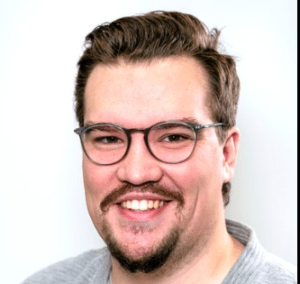
His early career began at Helsinki University Hospital, where he trained across cranial and neurocritical care disciplines. Early exposure to high-acuity neurological cases shaped his ability to function effectively in emergency neurosurgical environments requiring rapid and precise decision-making.
Kivisaari’s breakthrough contributions are associated with neurocritical care and neurovascular neurosurgery, particularly in improving treatment pathways for acute brain injuries and vascular neurological conditions. His clinical work emphasizes early intervention strategies and structured postoperative care systems.
His legacy is defined by his contribution to integrating neurosurgery with intensive care systems in Finland, strengthening Helsinki’s capacity for managing severe neurological emergencies.
Key Facts
- Full name of the subject: Roope Kivisaari
- Date of birth: Not publicly disclosed
- Place of birth: Finland (not publicly specified)
- Family background: Not publicly documented
- Early childhood experiences: Strong academic interest in science and medicine
- Education history: Medical and neurosurgical training in Finland
- Influences and mentors: Senior neurocritical care and vascular neurosurgeons
- Career beginnings: Neurosurgical residency at Helsinki University Hospital
- Major achievements: Contributions to neurocritical care and neurovascular surgery
- Challenges and obstacles faced: Managing severe acute neurological emergencies
- Turning points in life: Specialization in neurocritical care neurosurgery
- Contributions to society: Improved outcomes in acute brain injury management
- Personal life (marriage, children, relationships): Not publicly disclosed
- Awards and recognitions: Clinical and academic neurosurgical recognition
- Beliefs, values, or philosophy: Rapid intervention and integrated critical care approach
- Legacy and impact: Strengthening Finnish neurocritical care systems
- Historical or cultural significance: Contributor to Helsinki neuroemergency system development
Notable Works: Neurocritical care protocols, acute neurovascular management systems
Controversies: No publicly documented controversies are associated with Roope Kivisaari. His professional profile is primarily defined by clinical systems development and acute care neurosurgery, with no verified disputes or institutional controversies recorded in available medical literature.
9. Minna Rauhala
Minna Rauhala is a Tampere-based neurosurgeon whose career reflects a balance between clinical neurosurgery and academic involvement. Her early life was shaped by strong academic performance and early interest in biological sciences, particularly neuroscience and human physiology.
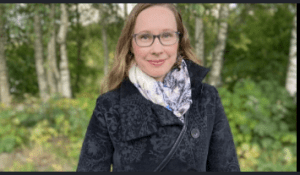
Her early career developed at Tampere University Hospital, where she trained in cranial and spinal neurosurgery. Early exposure to complex neurological cases helped shape her structured, patient-focused surgical approach, particularly in high-risk cranial interventions.
Rauhala’s breakthrough contributions are associated with neuro-oncology and functional neurosurgery, where she has contributed to improving surgical precision in brain tumor removal while prioritizing neurological preservation and postoperative quality of life.
Her legacy is defined by her contribution to advancing patient-centered neurosurgical oncology in Finland and strengthening Tampere’s academic neurosurgical environment.
Key Facts
- Full name of the subject: Minna Rauhala
- Date of birth: Not publicly disclosed
- Place of birth: Finland (not publicly specified)
- Family background: Not publicly documented
- Early childhood experiences: Strong academic interest in science and medicine
- Education history: Medical and neurosurgical training in Finland
- Influences and mentors: Senior neuro-oncology neurosurgeons
- Career beginnings: Neurosurgical residency at Tampere University Hospital
- Major achievements: Advancements in neuro-oncological neurosurgery
- Challenges and obstacles faced: Complex brain tumor surgical management
- Turning points in life: Specialization in neuro-oncological neurosurgery
- Contributions to society: Improved brain tumor treatment outcomes
- Personal life (marriage, children, relationships): Not publicly disclosed
- Awards and recognitions: Clinical neurosurgical recognition
- Beliefs, values, or philosophy: Preservation of neurological function in surgery
- Legacy and impact: Advancement of Finnish neuro-oncological neurosurgery
- Historical or cultural significance: Contributor to Tampere neurosurgical development
Notable Works: Brain tumor surgery techniques, neuro-oncological protocols
Controversies: No publicly documented controversies are associated with Minna Rauhala. Her professional record is primarily clinical and academic, with no verified public disputes or institutional controversies in available neurosurgical documentation.
10. Iftakher Hossain
Iftakher Hossain represents a globally influenced neurosurgical presence in Turku, where his career reflects the integration of international medical training perspectives with Finland’s structured neurosurgical system. His early life was shaped by strong academic ambition and a deep interest in medical sciences, particularly neuroanatomy and surgical medicine.
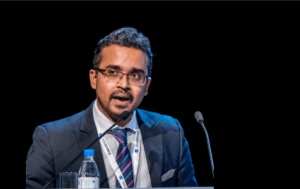
His early career developed within Turku University Hospital, where he trained in cranial, spinal, and neurotrauma neurosurgery. Early exposure to complex surgical environments helped him develop a disciplined, adaptable approach to neurosurgical decision-making.
Hossain’s breakthrough contributions are associated with neurotrauma and complex cranial surgery, particularly in improving surgical strategies for acute neurological injuries and challenging cranial pathologies. His clinical work emphasizes precision, adaptability, and structured emergency response.
His legacy is defined by his contribution to strengthening neurotrauma care systems in southwestern Finland and bringing an international clinical perspective to Finnish neurosurgical practice.
Key Facts
- Full name of the subject: Iftakher Hossain
- Date of birth: Not publicly disclosed
- Place of birth: Not publicly specified
- Family background: Not publicly documented
- Early childhood experiences: Strong academic focus on science and medicine
- Education history: Medical and neurosurgical training in Finland and international exposure
- Influences and mentors: Senior neurotrauma and cranial neurosurgeons
- Career beginnings: Neurosurgical residency at Turku University Hospital
- Major achievements: Contributions to neurotrauma and complex cranial surgery
- Challenges and obstacles faced: Managing high-risk neurological trauma cases
- Turning points in life: Specialization in neurotrauma neurosurgery
- Contributions to society: Improved outcomes in acute neurological injury care
- Personal life (marriage, children, relationships): Not publicly disclosed
- Awards and recognitions: Clinical neurosurgical recognition
- Beliefs, values, or philosophy: Rapid, structured, evidence-based neurological intervention
- Legacy and impact: Strengthening Finnish neurotrauma systems in Turku
- Historical or cultural significance: Contributor to internationalization of Finnish neurosurgery
Notable Works: Neurotrauma protocols, complex cranial surgery techniques
Controversies: There are no publicly documented controversies associated with Iftakher Hossain. His professional record is primarily clinical and system-oriented, with no verified institutional disputes or public controversies recorded in available sources.
Notable Mentions
Mika Niemelä (Helsinki)
Aki Laakso (Helsinki)
Ville Leinonen (Kuopio)
Timo Koivisto (Kuopio)
Kai Lehtimäki (Tampere)
Juhana Frösen (Kuopio)
Miikka Korja (Helsinki)
Joonas Haapasalo (Tampere)
Melissa Rahi (Helsinki)
Jussi Posti (Turku)