
Top 10 Nollywood Yoruba Movie Legends of the 90s
Top 10 Nollywood Yoruba Movie Legends of the 90s
In This Content
Quick List
1. Hubert Ogunde
2. Adebayo Salami
3. Kareem Adepoju
4. Idowu Philips
5. Lanre Hassan
6. Lere Paimo
7. Sunday Omobolanle
8. Taiwo Hassan
9. Yinka Quadri
10. Dele Odule
1. Hubert Ogunde
Hubert Ogunde stands as the foundational architect of Yoruba theatrical storytelling that later influenced 1990s Nollywood. Born into a traditional Yoruba family, his early life was deeply shaped by indigenous performance traditions, religious ceremonies, and oral storytelling. These cultural exposures formed the bedrock of his artistic identity. His upbringing in Ososa, Ogun State, immersed him in cultural rituals that later became central themes in his stage productions and film adaptations.
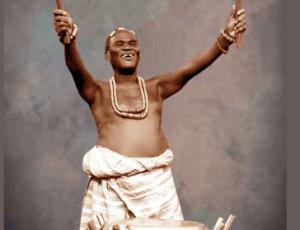
Ogunde’s career began in theater during the colonial period, when he founded one of Nigeria’s earliest professional traveling theater companies. His productions blended music, dance, satire, and dramatic storytelling, creating a unique performance style that resonated with Yoruba audiences. By the time video film emerged in the late 1980s and early 1990s, his influence had already structured the narrative format adopted by Yoruba filmmakers. His works transitioned from stage to film, providing a blueprint for storytelling continuity.
His breakthrough impact came through pioneering Yoruba-language productions that tackled politics, spirituality, and morality. Ogunde’s screen presence reflected theatrical authority, with commanding dialogue delivery and elaborate costume symbolism. His artistic depth lay in merging entertainment with social commentary. Many actors of the 1990s Yoruba Nollywood era emerged directly from his theatrical lineage.
Ogunde’s legacy is foundational rather than generational. He shaped acting techniques, narrative structure, and cultural authenticity that defined Yoruba Nollywood in the 1990s. His influence extends globally through recognition as one of Africa’s earliest professional dramatists. Modern Yoruba cinema still echoes his integration of music, folklore, and moral instruction.
Key FactsRonulll name of the subject: Hubert Adedeji Ogunde
- Date of birth: July 10, 1916
- Place of birth: Ososa, Ogun State, Nigeria
- Family background: Traditional Yoruba family with strong cultural roots
- Early childhood experiences: Exposure to religious festivals and oral storytelling
- Education history: St. John’s School, Ososa; teacher training
- Influences and mentors: Traditional performers and church drama
- Career beginnings: Founded Ogunde Theatre Company
- Major achievements: Pioneer of modern Yoruba theatre and film
- Challenges and obstacles faced: Colonial censorship and funding constraints
- Turning points in life: Establishment of traveling theatre troupe
- Contributions to society: Cultural preservation and artistic mentorship
- Personal life (marriage, children, relationships): Married with children
- Awards and recognitions: National honors for cultural contribution
- Beliefs, values, or philosophy: Art as cultural education
- Legacy and impact: Father of modern Yoruba theatre
- Historical or cultural significance: Foundation of Yoruba Nollywood storytelling
Notable Works: Aiye, Jaiyesimi, Yoruba Ronu
Controversies:
A significant controversy involved government censorship of Ogunde’s politically themed productions. The issue centered on allegations that his plays criticized colonial and post-independence authorities. Government bodies and cultural commentators were key stakeholders. Authorities imposed restrictions, while supporters argued for artistic freedom. Documented records confirm temporary bans on certain productions, distinguishing verified actions from speculation. The controversy ultimately elevated Ogunde’s status as an artist willing to challenge authority and reinforced the role of theater as social commentary.
2. Adebayo Salami (Oga Bello)
Adebayo Salami, popularly known as Oga Bello, emerged as one of the most influential figures bridging traditional theater and 1990s Yoruba Nollywood. Born into a culturally inclined family, his early life involved exposure to traveling theater groups. This environment nurtured his interest in performance and storytelling from a young age. His apprenticeship under established theater pioneers provided him with practical training in acting, directing, and production.

His career began in the Young Concert Party, where he honed comedic timing and dramatic delivery. As Yoruba theater transitioned into video film in the late 1980s, Salami adapted seamlessly. His acting style combined humor with emotional depth, making him versatile across genres. He portrayed patriarchal figures, comic elders, and morally conflicted leaders with equal effectiveness.
His breakthrough in the 1990s came through film productions that he also produced and directed. Salami’s leadership extended beyond acting into talent development. He introduced new actors and maintained the theatrical discipline of rehearsals and ensemble acting. His screen presence emphasized authenticity, particularly in family-centered narratives.
Salami’s legacy lies in institutional continuity. He sustained Yoruba storytelling traditions while adapting to modern production. His influence shaped numerous actors and filmmakers who emerged in the 1990s. Globally, his work contributed to the preservation of indigenous language cinema.
Key Facts
- Full name of the subject: Adebayo Salami
- Date of birth: May 9, 1952
- Place of birth: Lagos, Nigeria
- Family background: Yoruba cultural family
- Early childhood experiences: Exposure to traveling theater
- Education history: Primary and secondary education in Lagos
- Influences and mentors: Hubert Ogunde theatre tradition
- Career beginnings: Young Concert Party troupe
- Major achievements: Leading Yoruba Nollywood actor and producer
- Challenges and obstacles faced: Transition from stage to film
- Turning points in life: Establishment of film production unit
- Contributions to society: Mentorship of young actors
- Personal life (marriage, children, relationships): Married with children
- Awards and recognitions: Lifetime achievement awards
- Beliefs, values, or philosophy: Discipline and cultural preservation
- Legacy and impact: Bridge between theater and Nollywood
- Historical or cultural significance: Key Yoruba film industry pioneer
Notable Works: Oga Bello series, Asewo To Re Mecca, Ajani Ogun
Controversies:
Debate emerged around nepotism allegations within Salami’s productions, where critics suggested family members were frequently cast. Industry observers, media commentators, and actors were stakeholders. Supporters argued that family members were trained professionals, while critics questioned equal opportunity. No institutional ruling was made, and casting remained a creative decision. The discussion highlighted broader industry practices and had limited impact on Salami’s reputation.
3. Kareem Adepoju (Baba Wande)
Kareem Adepoju, widely known as Baba Wande, became a defining elder figure in Yoruba Nollywood during the 1990s. Born in Osun State, his early life was steeped in traditional Yoruba values and storytelling. He developed an interest in drama through community performances and later joined traveling theater groups. This foundation shaped his calm, authoritative acting style.
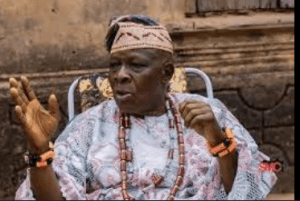
His career began in theater, where he specialized in portraying wise elders and traditional leaders. As video film expanded, Adepoju transitioned into Nollywood, bringing theatrical discipline. His performances emphasized measured dialogue, reflective pauses, and cultural authenticity. He became synonymous with characters embodying wisdom and moral authority.
His breakthrough came through films that relied on strong narrative structure and cultural themes. Adepoju’s acting depth lay in subtle emotional expression rather than exaggerated gestures. His presence added credibility to traditional settings and historical narratives. He became a reliable figure for roles requiring gravitas.
Adepoju’s legacy is rooted in cultural preservation. His performances reinforced Yoruba values and proverbs. He influenced younger actors to respect linguistic authenticity. His work contributed to global awareness of Yoruba storytelling traditions.
Key Facts
- Full name of the subject: Kareem Adepoju
- Date of birth: January 6, 1945
- Place of birth: Osun State, Nigeria
- Family background: Traditional Yoruba family
- Early childhood experiences: Community storytelling participation
- Education history: Local schooling in Osun
- Influences and mentors: Traveling theatre pioneers
- Career beginnings: Stage acting in Yoruba theatre
- Major achievements: Elder roles in Yoruba Nollywood
- Challenges and obstacles faced: Industry modernization transition
- Turning points in life: Breakthrough film appearances
- Contributions to society: Cultural mentorship
- Personal life (marriage, children, relationships): Married with children
- Awards and recognitions: Nollywood lifetime honors
- Beliefs, values, or philosophy: Cultural authenticity
- Legacy and impact: Symbol of traditional authority roles
- Historical or cultural significance: Preservation of Yoruba elder archetype
Notable Works: Koto Orun, Omo Orukan, Owo Blow
Controversies:
A public discussion arose concerning Adepoju’s advocacy for traditional storytelling over modernized scripts. Critics argued this stance could limit innovation, while supporters viewed it as cultural preservation. Stakeholders included filmmakers and cultural scholars. Adepoju clarified that modernization should not erase heritage. The debate remained philosophical, with no formal conflict, and ultimately reinforced his image as a cultural custodian.
4. Idowu Philips
Idowu Philips, widely known as Iya Rainbow, emerged in the 1990s as one of Yoruba Nollywood’s most emotionally compelling maternal figures. Born into a culturally rooted Yoruba household, her early life was shaped by community traditions and storytelling. Her upbringing emphasized resilience and spirituality, themes that later became central to her performances. Before entering film, she was involved in theater circles, particularly through her late husband’s troupe, where she gained practical stage experience.

Her career began within traveling theater groups, where she played supporting roles that emphasized emotional authenticity. Following personal loss, Philips intensified her involvement in performance, channeling lived experience into her craft. As Yoruba video films gained popularity in the 1990s, she transitioned into Nollywood, quickly becoming known for portraying strong maternal characters. Her acting style relied on expressive facial storytelling and emotionally grounded dialogue.
Her breakthrough came through roles that explored family conflict, sacrifice, and spiritual themes. Philips’ performances resonated with audiences because they reflected everyday struggles. She portrayed mothers, community elders, and spiritual figures with equal credibility. Her emotional depth helped shape the maternal archetype in Yoruba cinema.
Philips’ legacy lies in her authenticity. She demonstrated that powerful performances could emerge from personal experience rather than theatrical exaggeration. Her influence remains visible in contemporary Yoruba actresses who adopt her emotionally driven style. Internationally, her work contributed to recognition of Yoruba cinema’s cultural specificity.
Key Facts
- Full name of the subject: Idowu Philips
- Date of birth: October 16, 1942
- Place of birth: Ijebu Ode, Ogun State, Nigeria
- Family background: Traditional Yoruba family
- Early childhood experiences: Exposure to community storytelling
- Education history: Local schooling in Ogun State
- Influences and mentors: Traveling theatre practitioners
- Career beginnings: Stage acting in theater troupe
- Major achievements: Maternal roles in Yoruba Nollywood
- Challenges and obstacles faced: Personal loss and financial hardship
- Turning points in life: Transition to video film in the 1990s
- Contributions to society: Mentorship of young actresses
- Personal life (marriage, children, relationships): Widow with children
- Awards and recognitions: Nollywood lifetime honors
- Beliefs, values, or philosophy: Spirituality and resilience
- Legacy and impact: Defined maternal archetype in Yoruba cinema
- Historical or cultural significance: Representation of Yoruba motherhood
Notable Works: Aiye, Owo Blow, Koto Orun
Controversies:
A public debate arose regarding Philips’ comments about welfare challenges faced by veteran actors. The issue centered on her advocacy for improved industry support. Stakeholders included actor guilds, producers, and government agencies. Critics suggested her statements portrayed the industry negatively, while supporters viewed them as necessary advocacy. No formal dispute occurred, and her remarks contributed to discussions on welfare policies for veteran performers.
5. Lanre Hassan
Lanre Hassan, popularly known as Iya Awero, built a reputation in the 1990s as a dynamic Yoruba actress blending humor with emotional depth. Born into a culturally inclined family, her early life included exposure to traditional performances and folklore. She developed interest in drama at a young age, participating in school plays and community theater. This early foundation shaped her versatility as both comedic and dramatic performer.

Her career began in theater under established traveling troupes. Hassan’s expressive delivery and strong voice projection distinguished her. As Yoruba video films expanded, she transitioned into Nollywood, portraying characters ranging from strict mothers to comedic antagonists. Her acting style combined exaggerated expressions with grounded emotional realism.
Her breakthrough came through roles that balanced humor and moral instruction. Hassan’s characters often embodied societal archetypes, such as domineering matriarchs. She demonstrated the ability to shift seamlessly between comedy and drama, making her a valuable ensemble performer. Her presence added rhythm to storytelling.
Hassan’s legacy lies in her versatility. She influenced actresses to embrace multi-genre performance. Her work reinforced Yoruba cinema’s blend of humor and morality. She remains recognized as one of the most adaptable performers of the era.
Key Facts
- Full name of the subject: Lanre Hassan
- Date of birth: October 3, 1950
- Place of birth: Lagos, Nigeria
- Family background: Yoruba cultural family
- Early childhood experiences: Participation in community drama
- Education history: Primary and secondary education in Lagos
- Influences and mentors: Traveling theatre pioneers
- Career beginnings: Stage acting
- Major achievements: Versatile roles in Yoruba Nollywood
- Challenges and obstacles faced: Typecasting in comedic roles
- Turning points in life: Transition to film
- Contributions to society: Mentorship and cultural preservation
- Personal life (marriage, children, relationships): Married with children
- Awards and recognitions: Nollywood honors
- Beliefs, values, or philosophy: Discipline and adaptability
- Legacy and impact: Multi-genre acting style
- Historical or cultural significance: Comedic-dramatic balance in Yoruba cinema
Notable Works: Omo Orukan, Asewo To Re Mecca, Owo Blow
Controversies:
A discussion emerged around typecasting concerns, with critics suggesting Hassan was frequently cast in domineering roles. Stakeholders included producers and audiences. Hassan clarified that she embraced diverse characters and sought variety. The issue remained an artistic debate rather than formal controversy, with minimal impact on her career.
6. Lere Paimo
Lere Paimo, known as Eda Onileola, became a cornerstone of Yoruba Nollywood through his comedic brilliance. Born in Osun State, his early life involved participation in traditional festivals and storytelling. These experiences shaped his natural comedic timing. He later joined traveling theater groups, where he refined his performance techniques.
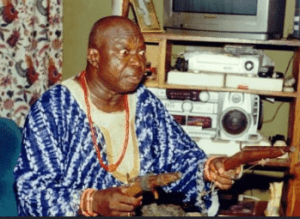
His career began in theater productions emphasizing satire. Paimo’s comedic style relied on exaggerated body language and rhythmic dialogue. As video film emerged, he transitioned seamlessly into Nollywood. His characters often portrayed humorous villagers navigating social challenges. His comedic timing provided relief within dramatic narratives.
His breakthrough came through iconic comedic roles that resonated widely. Paimo’s performances balanced humor with cultural commentary. He demonstrated that comedy could address serious themes. His presence became synonymous with laughter in Yoruba cinema.
Paimo’s legacy lies in elevating comedic acting. He influenced a generation of comedians in Yoruba Nollywood. His work contributed to global recognition of Yoruba comedic storytelling. He remains a respected veteran.
Key Facts
- Full name of the subject: Lere Paimo
- Date of birth: November 19, 1939
- Place of birth: Ogbomosho, Oyo State, Nigeria
- Family background: Traditional Yoruba family
- Early childhood experiences: Festival participation
- Education history: Local schooling
- Influences and mentors: Traveling theatre leaders
- Career beginnings: Stage comedy
- Major achievements: Comedic roles in Yoruba Nollywood
- Challenges and obstacles faced: Industry transition
- Turning points in life: Breakthrough comedic film roles
- Contributions to society: Mentorship of comedians
- Personal life (marriage, children, relationships): Married with children
- Awards and recognitions: Lifetime honors
- Beliefs, values, or philosophy: Humor as social commentary
- Legacy and impact: Pioneer comedic actor
- Historical or cultural significance: Yoruba comedic tradition
Notable Works: Eda Onileola series, Koto Aiye, Ajani Ogun
Controversies:
Discussion surfaced regarding preservation of classic comedy styles amid modernization. Critics argued traditional comedy might appear outdated. Paimo advocated maintaining cultural humor. The debate remained artistic and did not affect his reputation.
7. Sunday Omobolanle
Sunday Omobolanle, popularly known as Aluwe, emerged in the 1990s as one of Yoruba Nollywood’s most charismatic comic performers. Born into a theatrical family, his early life revolved around stage productions. This environment nurtured his improvisational skill and expressive performance style. He learned performance discipline through mentorship within traveling theater troupes.

His career began in theater before transitioning into film. Omobolanle’s comedic delivery relied on exaggerated expressions and quick dialogue. He became known for portraying witty characters navigating everyday conflicts. His performances added humor to moral narratives.
His breakthrough came through comedic films that gained popularity across Yoruba-speaking audiences. Omobolanle balanced humor with character depth, avoiding caricature. His improvisational skills enriched ensemble casts. He became a staple in comedy-driven productions.
Omobolanle’s legacy lies in sustaining Yoruba comedic tradition. He influenced younger comedians and maintained theatrical performance discipline. His work contributed to Nollywood’s diversity of genres.
Key Facts
- Full name of the subject: Sunday Omobolanle
- Date of birth: October 10, 1954
- Place of birth: Oyo State, Nigeria
- Family background: Theater-oriented family
- Early childhood experiences: Exposure to stage productions
- Education history: Local schooling
- Influences and mentors: Traveling theatre mentors
- Career beginnings: Stage comedy
- Major achievements: Comedic roles in Yoruba Nollywood
- Challenges and obstacles faced: Typecasting concerns
- Turning points in life: Breakthrough film roles
- Contributions to society: Mentorship of comedians
- Personal life (marriage, children, relationships): Married with children
- Awards and recognitions: Nollywood honors
- Beliefs, values, or philosophy: Humor and discipline
- Legacy and impact: Sustained Yoruba comedic tradition
- Historical or cultural significance: Popular comic archetype
Notable Works: Aluwe series, Owo Blow, Omo Orukan
Controversies:
A debate emerged concerning generational differences in comedic style, with critics suggesting traditional humor needed modernization. Omobolanle emphasized cultural authenticity. The matter remained a creative discussion without formal dispute.
8. Taiwo Hassan
Taiwo Hassan, popularly known as Ogogo, emerged in the 1990s as one of the defining action-oriented figures in Yoruba Nollywood. Born into a modest Yoruba family, his early life was shaped by discipline, physical endurance, and exposure to traditional folklore. Before acting, he worked in various occupations that strengthened his rugged persona, a trait that later became central to his screen identity. His background in theater, particularly under established traveling troupes, refined his performance discipline and introduced him to structured storytelling.
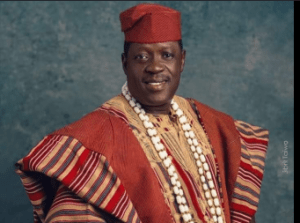
His career began in stage productions where he often played strong-willed characters. As Yoruba cinema transitioned into video film, Hassan’s imposing physical presence made him a natural fit for roles involving conflict, justice, and heroism. His acting style emphasized controlled aggression, minimal dialogue, and expressive body language. These traits distinguished him from contemporaries who leaned more toward comedic or patriarchal roles.
His breakthrough came through action-driven films that portrayed him as a defender of justice or a complex antihero. Hassan’s performances resonated with audiences seeking dynamic storytelling. He combined physicality with emotional restraint, adding depth to characters that might otherwise appear one-dimensional. His roles helped expand Yoruba Nollywood beyond domestic and comedic narratives.
Hassan’s legacy lies in redefining masculinity within Yoruba cinema. He introduced an action archetype grounded in cultural authenticity. His influence extended to younger actors who adopted physically expressive performance styles. Internationally, his work contributed to the perception of Yoruba films as versatile in genre and storytelling.
Key Facts
- Full name of the subject: Taiwo Hassan
- Date of birth: October 31, 1959
- Place of birth: Ilaro, Ogun State, Nigeria
- Family background: Modest Yoruba family
- Early childhood experiences: Community upbringing emphasizing discipline
- Education history: Primary and secondary education in Ogun State
- Influences and mentors: Traveling theatre practitioners
- Career beginnings: Stage acting in Yoruba theatre
- Major achievements: Action roles in Yoruba Nollywood
- Challenges and obstacles faced: Typecasting as action character
- Turning points in life: Breakthrough film performances
- Contributions to society: Mentorship and cultural storytelling
- Personal life (marriage, children, relationships): Married with children
- Awards and recognitions: Nollywood honors
- Beliefs, values, or philosophy: Discipline and authenticity
- Legacy and impact: Defined action archetype in Yoruba cinema
- Historical or cultural significance: Expansion of genre diversity
Notable Works: Owo Blow, Ija Omode, Eni Eleni
Controversies:
A discussion emerged regarding Hassan’s frequent casting in physically intense roles, with critics suggesting that repeated portrayals reinforced narrow character expectations. Stakeholders included producers, audiences, and critics. Hassan clarified that he sought diverse roles while embracing audience demand. The debate remained artistic rather than institutional, with minimal impact on his career trajectory.
9. Yinka Quadri
Yinka Quadri rose to prominence in the 1990s as one of Yoruba Nollywood’s most reliable dramatic performers. Born in Lagos into a culturally rooted family, his early life involved exposure to performance through community theater. His collaboration with fellow actors during his formative years shaped his commitment to ensemble storytelling. He developed an interest in acting while still young, eventually joining theater groups.
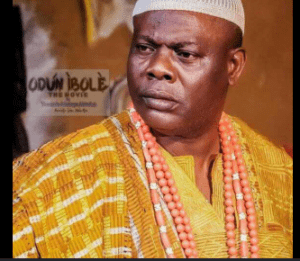
His career began in stage productions, where he refined his acting discipline and dialogue delivery. As video films emerged, Quadri transitioned into Nollywood, portraying emotionally layered characters. His acting style emphasized naturalism, often reflecting everyday struggles. He demonstrated versatility, playing both protagonists and antagonists.
His breakthrough came through films that explored moral dilemmas and social conflict. Quadri’s performances balanced emotional depth with cultural authenticity. He became known for portraying determined individuals navigating adversity. His screen presence added credibility to dramatic narratives.
Quadri’s legacy lies in consistency. He maintained high performance standards throughout the 1990s. His mentorship of younger actors contributed to industry growth. Internationally, his work reinforced the authenticity of Yoruba-language storytelling.
Key Facts
- Full name of the subject: Yinka Quadri
- Date of birth: September 6, 1959
- Place of birth: Lagos, Nigeria
- Family background: Yoruba cultural family
- Early childhood experiences: Participation in community drama
- Education history: Local schooling in Lagos
- Influences and mentors: Traveling theatre mentors
- Career beginnings: Stage acting
- Major achievements: Leading roles in Yoruba Nollywood
- Challenges and obstacles faced: Industry competition
- Turning points in life: Breakthrough film roles
- Contributions to society: Mentorship of young actors
- Personal life (marriage, children, relationships): Married with children
- Awards and recognitions: Nollywood awards
- Beliefs, values, or philosophy: Discipline and professionalism
- Legacy and impact: Consistent dramatic performances
- Historical or cultural significance: Authentic Yoruba storytelling
Notable Works: Koto Aiye, Owo Blow, Omo Orukan
Controversies:
A public debate arose concerning Quadri’s involvement in industry leadership discussions, with differing views on actor representation. Stakeholders included actor associations and producers. Quadri advocated for improved welfare. The issue remained organizational and did not affect his artistic reputation.
10. Dele Odule
Dele Odule became one of Yoruba Nollywood’s most recognizable faces in the 1990s, known for blending charisma with emotional depth. Born in Ogun State, his early life included exposure to community performances and cultural traditions. He developed interest in acting during his youth, eventually joining theater groups where he honed his craft. This early experience shaped his disciplined approach to performance.

His career began in stage drama before transitioning into video film. Odule’s acting style combined expressive dialogue with controlled emotional delivery. He often portrayed relatable characters navigating moral dilemmas. His versatility allowed him to move between comedic and dramatic roles.
His breakthrough came through films that highlighted his ability to embody complex personalities. Odule’s performances resonated with audiences due to authenticity. He became a central figure in ensemble casts, contributing to narrative cohesion. His presence added reliability to productions.
Odule’s legacy lies in longevity and mentorship. He influenced younger actors and maintained performance discipline. Internationally, his work contributed to broader recognition of Yoruba cinema. He remains one of the era’s enduring figures.
Key Facts
- Full name of the subject: Dele Odule
- Date of birth: November 23, 1961
- Place of birth: Ogun State, Nigeria
- Family background: Yoruba cultural family
- Early childhood experiences: Community storytelling exposure
- Education history: Local schooling
- Influences and mentors: Traveling theatre practitioners
- Career beginnings: Stage acting
- Major achievements: Leading Yoruba Nollywood roles
- Challenges and obstacles faced: Industry competition
- Turning points in life: Breakthrough film performances
- Contributions to society: Mentorship and advocacy
- Personal life (marriage, children, relationships): Married with children
- Awards and recognitions: Nollywood honors
- Beliefs, values, or philosophy: Professional discipline
- Legacy and impact: Versatile performer
- Historical or cultural significance: Representation of Yoruba cinema growth
Notable Works: Owo Blow, Koto Aiye, Eni Eleni
Controversies:
Discussion emerged around Odule’s advocacy for actor welfare within industry associations. Some stakeholders debated leadership approaches, while others supported reforms. No formal dispute occurred, and the conversation highlighted governance challenges within the industry.
Notable Mentions:
Ishola Ogunshola
Tajudeen Oyewole
Kayode Odumosu
Babatunde Omidina
Folake Aremu
Monsuru Obadina
Bolaji Amusan
Toyin Afolayan
Ebun Oloyede
Olasunkanmi Omobolanle