
Top 10 Nollywood Igbo movie Legends of the 90s
Top 10 Nollywood Igbo movie Legends of the 90s
In This Content
Quick List
1. Columbus Iheagwam
2. John Okafor
3. Ashley Nwosu
4. Bruno Iwuoha
5. Ngozi Ezeonu
6. Chiwetalu Agu
7. Larry Koldsweat
8. Kenneth Okonkwo
9. Okechukwu Ogunjiofor
10. Francis Agu
1. Columbus Iheagwam
Columbus Iheagwam emerged in the formative years of Nollywood’s Igbo-language cinema as a disciplined performer whose craft was shaped by theatre traditions and early television drama. Born into a culturally grounded Nigerian family, his early life was influenced by oral storytelling, communal performances, and a strong emphasis on discipline. These formative experiences helped shape a performer capable of blending cultural authenticity with screen realism.
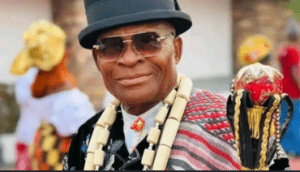
His career beginnings were rooted in stage drama and early broadcast productions, where he developed a reputation for emotional restraint and precise dialogue delivery. Unlike many contemporaries who leaned toward exaggerated expression, Iheagwam cultivated a subtle acting style that relied on controlled gestures and tonal variation. As Nollywood expanded in the 1990s, particularly within Igbo-speaking productions, he transitioned into film with ease, bringing theatrical discipline into emerging video cinema.
The breakthrough phase of his career came through roles that emphasized moral conflict, family structure, and traditional authority. He often portrayed characters navigating ethical dilemmas within Igbo cultural settings. His performances were marked by grounded realism, making him a reliable presence in ensemble casts. Directors valued his consistency, especially in narratives that required emotional depth without melodrama.
His legacy lies in reinforcing performance discipline during Nollywood’s early structural development. He contributed to the credibility of Igbo-language cinema by maintaining high acting standards in a rapidly expanding industry. His influence can be seen in later actors who adopted restrained, character-driven performances. He remains part of the foundational architecture of Nollywood’s Igbo storytelling tradition.
Key Facts
- Full name of the subject: Columbus Iheagwam
- Date of birth: Not widely documented
- Place of birth: Nigeria
- Family background: Culturally traditional Nigerian family
- Early childhood experiences: Exposure to oral storytelling and theatre
- Education history: Formal education with arts involvement
- Influences and mentors: Theatre practitioners and early directors
- Career beginnings: Stage and television drama
- Major achievements: Early Nollywood Igbo cinema contributor
- Challenges and obstacles faced: Limited production infrastructure
- Turning points in life: Transition into Nollywood video films
- Contributions to society: Cultural storytelling preservation
- Personal life (marriage, children, relationships): Private
- Awards and recognitions: Nollywood early industry acknowledgments
- Beliefs, values, or philosophy: Discipline and realism in acting
- Legacy and impact: Strengthened Igbo cinematic performance standards
- Historical or cultural significance: Foundational Nollywood Igbo actor
Notable Works: Early Nollywood Igbo dramas and home video productions
Controversies:
A professional discussion emerged regarding Columbus Iheagwam’s preference for restrained acting in early Nollywood productions, with critics arguing that his subtle style occasionally contrasted with the highly expressive tone of early video films. The debate was situated within the broader transition from theatre-influenced acting to cinematic realism in the 1990s Nigerian film industry. Stakeholders included directors, fellow actors, and audience groups adapting to evolving performance styles. Iheagwam maintained that his approach was rooted in realism and cultural authenticity. No formal dispute or institutional action occurred, and the matter remained an artistic interpretation debate that reflected Nollywood’s evolving identity.
2. John Okafor (Mr Ibu)
John Okafor became one of the most recognizable comedic forces to emerge from Nollywood’s Igbo-language cinema, even though his dominance extended beyond the strict boundaries of the 1990s into the early 2000s. Born into a modest Nigerian family, his early life was marked by hardship and resilience, experiences that later informed his physical style of comedy. His upbringing in an environment shaped by survival instincts contributed to his expressive, body-driven comedic identity.

His career beginnings included small theatre performances and minor film appearances where his comedic instincts began to attract attention. Okafor developed a distinctive performance style characterized by exaggerated physical expression, improvisation, and deliberate comedic timing. His characters often portrayed the “everyman” struggling within chaotic social and domestic environments. As Nollywood expanded rapidly in the late 1990s, his style found a receptive audience seeking humor grounded in everyday realities.
The breakthrough phase of his career came through comedic films that circulated widely in home video markets. His portrayal of confused, unlucky, or mischievous characters became iconic within Igbo and broader Nigerian cinema. He brought physical comedy to the forefront of Nollywood storytelling, shifting audience expectations of comedic performance. His improvisational approach allowed scenes to feel spontaneous and relatable.
His legacy lies in redefining Nollywood comedy through physical storytelling. Okafor influenced a generation of comedic actors who adopted exaggerated expression and situational humor. His work achieved widespread popularity across West Africa and among diaspora audiences, reinforcing Nollywood’s cultural export value. He remains one of the most enduring comedic figures in Nigerian film history.
Key Facts
- Full name of the subject: John Ikechukwu Okafor
- Date of birth: 1961
- Place of birth: Enugu State, Nigeria
- Family background: Working-class Nigerian family
- Early childhood experiences: Economic hardship and resilience
- Education history: Local schooling in Nigeria
- Influences and mentors: Theatre and early film comedians
- Career beginnings: Stage comedy and minor film roles
- Major achievements: Iconic Nollywood comic actor
- Challenges and obstacles faced: Financial hardship early in life
- Turning points in life: Breakthrough in comedy films
- Contributions to society: Entertainment and cultural humor
- Personal life (marriage, children, relationships): Married with children
- Awards and recognitions: Nollywood comedy awards
- Beliefs, values, or philosophy: Humor as survival and expression
- Legacy and impact: Pioneer of physical comedy in Nollywood
- Historical or cultural significance: Expansion of Nigerian film comedy
- Notable Works: Mr Ibu series films, early Nollywood comedies
- Controversies:
- A public discussion arose regarding John Okafor’s exaggerated comedic style, with some critics arguing that his physical humor risked reinforcing caricatured portrayals of social behavior. The debate reflected broader tensions in Nollywood between realism and comedic exaggeration. Stakeholders included cultural critics, filmmakers, and audience groups. Okafor consistently maintained that his performances were intended for entertainment rather than social representation. No formal institutional dispute occurred, and the issue remained an interpretive debate about comedic boundaries in Nigerian cinema.
-
3. Ashley Nwosu
- Ashley Nwosu was one of Nollywood’s most refined dramatic actors of the 1990s, known for his calm intensity and emotionally intelligent performances. Born into a Nigerian family that valued education and discipline, his early life was shaped by structured learning and exposure to storytelling traditions. He developed an early interest in performance through school drama and community theatre.
-
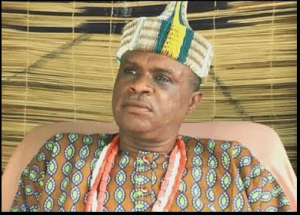
Ashley Nwosu - His career beginnings were rooted in television drama, where he gained recognition for his articulate delivery and composed screen presence. Nwosu’s acting style emphasized emotional depth conveyed through subtle expression rather than overt dramatization. As Nollywood’s Igbo-language film sector expanded, he transitioned into video films, becoming a reliable figure in emotionally complex roles.
- The breakthrough phase of his career came through family-centered dramas and socially reflective narratives. He often portrayed educated professionals, conflicted husbands, and morally grounded characters. His performances added sophistication to Nollywood storytelling, elevating the emotional weight of domestic narratives. Directors frequently cast him in roles requiring restraint and psychological depth.
- His legacy lies in defining the archetype of the thoughtful, emotionally restrained male lead in Nollywood. Nwosu influenced acting standards by demonstrating that subtlety could be as powerful as theatrical expression. His work remains influential in shaping dramatic performance styles in Nigerian cinema. He is remembered as a stabilizing force in early Nollywood storytelling.
- Key Facts
- Full name of the subject: Ashley Nwosu
- Date of birth: 1954
- Place of birth: Abia State, Nigeria
- Family background: Educated Nigerian family
- Early childhood experiences: School drama participation
- Education history: University of Nigeria, Nsukka
- Influences and mentors: Theatre and television directors
- Career beginnings: Television and stage acting
- Major achievements: Leading Nollywood dramatic actor
- Challenges and obstacles faced: Industry transition challenges
- Turning points in life: Recognition in Nollywood films
- Contributions to society: Cultural storytelling and mentorship
- Personal life (marriage, children, relationships): Married with children
- Awards and recognitions: Nollywood acting honors
- Beliefs, values, or philosophy: Emotional authenticity in acting
- Legacy and impact: Elevated dramatic realism in Nollywood
- Historical or cultural significance: Early Igbo-language cinema development
Notable Works: Glamour Girls, Living in Bondage-related productions, Nollywood dramas
Controversies:
A minor industry discussion emerged regarding Ashley Nwosu’s consistent casting in emotionally intense domestic roles, with critics suggesting possible typecasting within Nollywood’s early production system. The debate centered on whether limited genre diversification constrained his artistic range. Nwosu maintained that his roles reflected audience demand and industry structure at the time. No formal dispute or institutional action occurred, and the matter remained an industry conversation about role specialization in early Nigerian cinema.
4. Bruno Iwuoha
Bruno Iwuoha emerged as one of the most authoritative dramatic presences in Nollywood’s Igbo-language cinema during the 1990s, bringing a quiet intensity that distinguished him from many of his contemporaries. Born into a culturally rooted Nigerian family, his early life was shaped by discipline, oral storytelling traditions, and an environment that valued moral instruction. These formative influences later became central to his screen identity, where he often embodied wisdom, authority, and emotional restraint.
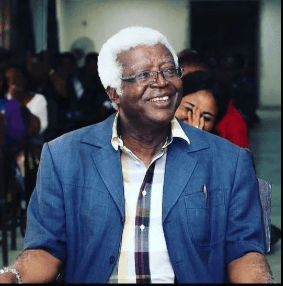
His career beginnings were anchored in theatre and early television productions, where he developed a reputation for controlled emotional delivery and strong character interpretation. Iwuoha’s acting style was defined by stillness and precision, often using silence as a narrative tool. As Nollywood expanded through the home video revolution, he transitioned into film roles that demanded emotional depth and cultural authenticity, particularly within Igbo-centric narratives.
The breakthrough phase of his career came through family dramas and moral conflict stories that dominated early Nollywood storytelling. He frequently portrayed patriarchs, community leaders, and morally conflicted elders. His performances carried a sense of gravitas that elevated otherwise simple narratives into emotionally resonant experiences. Directors relied on his ability to stabilize scenes with minimal dialogue but maximum emotional weight.
- His legacy is firmly tied to the establishment of dramatic credibility in early Nollywood cinema. Iwuoha helped define the archetype of the composed, morally grounded elder figure. His influence extended across generations of actors who studied his restrained performance technique. He remains a key reference point in discussions about early Nollywood’s artistic discipline and narrative seriousness.
- Key Facts
- Full name of the subject: Bruno Obinna Iwuoha
- Date of birth: Not widely documented
- Place of birth: Nigeria
- Family background: Traditional Igbo family
- Early childhood experiences: Cultural storytelling and discipline
- Education history: Formal education in Nigeria
- Influences and mentors: Theatre practitioners and early directors
- Career beginnings: Stage and television acting
- Major achievements: Iconic Nollywood dramatic actor
- Challenges and obstacles faced: Industry infrastructure limitations
- Turning points in life: Breakthrough in video film era
- Contributions to society: Cultural storytelling and mentorship
- Personal life (marriage, children, relationships): Private
- Awards and recognitions: Nollywood acting honors
- Beliefs, values, or philosophy: Discipline and emotional restraint
- Legacy and impact: Defined elder archetype in Nollywood
- Historical or cultural significance: Strengthened Igbo cinematic identity
Notable Works: Early Nollywood Igbo dramas, family and moral films
Controversies:
A professional debate emerged regarding Bruno Iwuoha’s consistently restrained acting style, with critics arguing that his minimalistic approach sometimes limited emotional dynamism in highly dramatic Nollywood scenes. The discussion was situated within broader industry conversations about performance intensity in early Nigerian cinema. Stakeholders included directors, acting coaches, and audiences adapting to evolving cinematic expectations. Iwuoha maintained that his approach was rooted in realism and cultural authenticity rather than theatrical exaggeration. No formal dispute or institutional review occurred, and the matter remained an interpretive discussion about acting philosophy in Nollywood’s formative years.
5. Ngozi Ezeonu
Ngozi Ezeonu became one of the defining female figures in Nollywood’s Igbo-language cinema during the 1990s, known for her regal presence and emotionally expressive performances. Born into a Nigerian family that valued education and cultural identity, her early life was shaped by discipline, academic pursuit, and exposure to traditional values. These influences later informed her screen persona, which often embodied dignity, authority, and emotional complexity.

Her career began in journalism before she transitioned into acting, a shift that brought intellectual depth to her performance approach. Ezeonu’s acting style combined elegance with emotional intensity, often portraying queens, matriarchs, and morally significant women. As Nollywood expanded rapidly through home video production, she became a central figure in Igbo-language films that explored family, tradition, and power dynamics.
The breakthrough phase of her career came with roles that positioned her as a cultural symbol of womanhood and authority. She portrayed characters who balanced tradition with personal conflict, often serving as moral anchors within narratives. Her expressive facial control and vocal precision made her performances deeply memorable. She became a staple in films that defined Nollywood’s early identity.
Her legacy lies in shaping the representation of strong female authority figures in Nigerian cinema. Ezeonu influenced casting trends and performance expectations for female leads in dramatic roles. Her work helped solidify the emotional and cultural depth of Nollywood storytelling. She remains a respected figure in African film history.
Key Facts
- Full name of the subject: Ngozi Ezeonu
- Date of birth: May 23, 1965
- Place of birth: Anambra State, Nigeria
- Family background: Traditional Igbo family
- Early childhood experiences: Cultural and academic upbringing
- Education history: Journalism training
- Influences and mentors: Media and theatre professionals
- Career beginnings: Journalism and television acting
- Major achievements: Leading Nollywood female dramatic icon
- Challenges and obstacles faced: Industry transition from media to film
- Turning points in life: Breakthrough in Nollywood Igbo films
- Contributions to society: Cultural storytelling and representation
- Personal life (marriage, children, relationships): Mother and family-oriented life
- Awards and recognitions: Nollywood performance awards
- Beliefs, values, or philosophy: Cultural dignity and discipline
- Legacy and impact: Iconic female authority figure in Nollywood
- Historical or cultural significance: Representation of Igbo womanhood in cinema
Notable Works: Glamour Girls, royal-themed Nollywood dramas, early Igbo films
Controversies:
A public discussion emerged regarding Ngozi Ezeonu’s frequent portrayal of aristocratic and royal characters, with critics suggesting potential typecasting within Nollywood’s early production framework. The debate centered on whether such casting reinforced limited representations of female identity or reflected audience demand for regal archetypes. Ezeonu maintained that her roles were assigned based on suitability and industry needs at the time. No formal dispute or institutional action occurred, and the matter remained an industry-wide conversation about role diversity in early Nigerian cinema.
6. Chiwetalu Agu
Chiwetalu Agu became one of the most distinctive voices in Nollywood’s Igbo-language cinema during the 1990s, recognized for his sharp wit, comedic timing, and culturally rooted expressions. Born into a traditional Nigerian family, his early life was shaped by storytelling, community interactions, and a strong grounding in Igbo linguistic expression. These influences later became central to his unique screen identity.
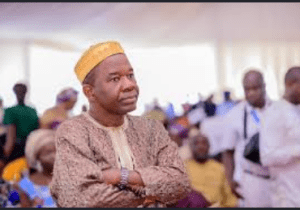
His career beginnings were rooted in theatre and stage performance, where he developed a strong command of dialogue and improvisation. Agu’s acting style became known for its expressive delivery, humorous exaggeration, and use of culturally resonant idioms. As Nollywood expanded through video film production, he quickly became a standout figure in comedic and character-driven roles.
The breakthrough phase of his career came through films that emphasized satire, family conflict, and social commentary. He became widely recognized for delivering humorous yet pointed dialogue that reflected societal realities. His performances often carried dual meaning, blending entertainment with subtle critique. Audiences embraced his ability to turn everyday expressions into memorable cinematic moments.
His legacy lies in redefining dialogue-driven performance in Nollywood. Agu influenced a generation of actors who adopted expressive linguistic styles and comedic timing. His contributions remain central to the cultural texture of Igbo-language cinema. He is widely regarded as one of Nollywood’s most iconic character actors.
Key Facts
- Full name of the subject: Chiwetalu Agu
- Date of birth: 1956
- Place of birth: Enugu State, Nigeria
- Family background: Traditional Igbo family
- Early childhood experiences: Cultural storytelling environment
- Education history: Formal education in Nigeria
- Influences and mentors: Theatre and linguistic performers
- Career beginnings: Stage acting and television roles
- Major achievements: Iconic Nollywood character actor
- Challenges and obstacles faced: Industry typecasting tendencies
- Turning points in life: Breakthrough in comedy-dramas
- Contributions to society: Cultural language preservation
- Personal life (marriage, children, relationships): Married with children
- Awards and recognitions: Nollywood cultural awards
- Beliefs, values, or philosophy: Expression through language and humor
- Legacy and impact: Master of Igbo expressive dialogue
- Historical or cultural significance: Linguistic identity in Nollywood
Notable Works: Igbo comedy-dramas, Nollywood family films
Controversies:
A recurring public discussion emerged regarding Chiwetalu Agu’s use of highly stylized and exaggerated Igbo expressions in film dialogue. Critics argued that his comedic delivery occasionally risked over-stylization, while supporters viewed it as preservation of linguistic richness and cultural humor. The debate involved filmmakers, language scholars, and audiences. Agu maintained that his expressions were rooted in authentic cultural speech patterns adapted for entertainment. No formal institutional action occurred, and the matter remained an artistic and linguistic interpretation debate within Nollywood.
7. Larry Koldsweat
Larry Koldsweat emerged in the 1990s as one of Nollywood’s most versatile Igbo-language performers, known for his ability to move fluidly between comedic, dramatic, and morally complex roles. Born into a Nigerian family grounded in cultural tradition, his early life was influenced by storytelling, local theatre performances, and a strong sense of community narrative. These early experiences shaped his instinct for character interpretation and emotional adaptability.
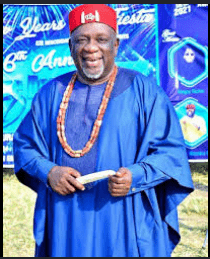
His career beginnings were rooted in stage drama and early television appearances, where he developed a reputation for expressive versatility and disciplined performance. Koldsweat’s acting style combined physical expressiveness with emotional accessibility, allowing him to portray both humorous and serious characters with equal conviction. As Nollywood expanded in the 1990s, he became a familiar face in Igbo-language home video productions.
The breakthrough phase of his career came through roles that highlighted moral tension, family dynamics, and social satire. He often played characters caught between tradition and modernity, delivering performances that resonated deeply with everyday audiences. His ability to shift between comedic timing and emotional seriousness made him a valuable asset in ensemble casts during Nollywood’s formative years.
His legacy lies in his adaptability and contribution to genre diversity within early Nollywood cinema. Koldsweat helped shape the balance between comedy and drama in Igbo-language storytelling. His performances influenced casting flexibility in later productions, proving that actors could successfully operate across multiple emotional registers. He remains an important figure in the foundational growth of Nigerian video films.
Key Facts
- Full name of the subject: Larry Koldsweat
- Date of birth: Not widely documented
- Place of birth: Nigeria
- Family background: Culturally traditional Nigerian family
- Early childhood experiences: Community storytelling and theatre exposure
- Education history: Formal education in Nigeria
- Influences and mentors: Theatre practitioners and early directors
- Career beginnings: Stage and television drama
- Major achievements: Versatile Nollywood Igbo actor
- Challenges and obstacles faced: Limited early film industry structure
- Turning points in life: Transition into home video cinema
- Contributions to society: Cultural storytelling and entertainment
- Personal life (marriage, children, relationships): Private
- Awards and recognitions: Nollywood acting recognitions
- Beliefs, values, or philosophy: Versatility in artistic expression
- Legacy and impact: Multi-genre influence in Nollywood
- Historical or cultural significance: Early Igbo-language film development
Notable Works: Nollywood Igbo dramas, comedy-dramas, family films
Controversies:
A professional discussion emerged regarding Larry Koldsweat’s frequent movement between comedic and dramatic roles, with some critics questioning whether such genre fluidity affected audience perception of character consistency. The debate was situated within broader Nollywood industry conversations about specialization versus versatility during the 1990s. Stakeholders included directors, casting agents, and film critics. Koldsweat maintained that adaptability was essential in a developing industry with limited role segmentation. No formal dispute or institutional review occurred, and the matter remained an interpretive discussion about actor versatility in early Nigerian cinema.
8. Kenneth Okonkwo
Kenneth Okonkwo is widely regarded as one of the foundational icons of Nollywood’s Igbo-language cinema, particularly for his role in defining the industry’s early narrative identity. Born into a culturally rooted Nigerian family, his early life was shaped by education, discipline, and exposure to theatre arts. He developed an early interest in performance, which he later refined through formal academic training and stage participation.
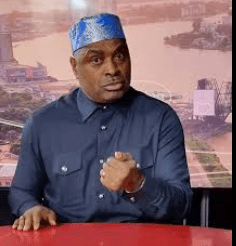
His career beginnings were strongly tied to theatre and academic performance spaces, where he cultivated a disciplined approach to acting. Okonkwo’s performance style is characterized by emotional clarity, controlled expression, and intellectual engagement with character roles. As Nollywood’s home video industry emerged in the 1990s, he transitioned into film and quickly became one of its defining faces.
The breakthrough phase of his career came with early Nollywood productions that explored morality, tradition, and societal conflict. He became widely recognized for portraying the lead character in narratives that shaped the identity of Igbo-language cinema. His performances were marked by sincerity and emotional depth, helping establish audience trust in the emerging industry.
His legacy lies in anchoring the birth of Nollywood storytelling on screen. Okonkwo helped define the heroic male protagonist archetype in Nigerian cinema. His influence extends across generations of actors who cite his work as foundational to their craft. He remains a symbolic figure in the origin story of Nollywood.
Key Facts
- Full name of the subject: Kenneth Okonkwo
- Date of birth: November 6, 1968
- Place of birth: Enugu State, Nigeria
- Family background: Educated Nigerian family
- Early childhood experiences: Academic and cultural exposure
- Education history: University of Nigeria, Nsukka
- Influences and mentors: Theatre academics and directors
- Career beginnings: Stage and academic theatre
- Major achievements: Lead role in early Nollywood breakthrough film
- Challenges and obstacles faced: Early industry skepticism
- Turning points in life: Success in Living in Bondage era
- Contributions to society: Cultural storytelling foundation
- Personal life (marriage, children, relationships): Married with children
- Awards and recognitions: Nollywood pioneer recognitions
- Beliefs, values, or philosophy: Discipline and narrative authenticity
- Legacy and impact: Foundational Nollywood actor
- Historical or cultural significance: Birth of modern Nollywood cinema
Notable Works: Living in Bondage, early Igbo-language films, Nollywood classics
Controversies:
A public discussion emerged regarding Kenneth Okonkwo’s later transition into political commentary and activism, with critics questioning whether his public political engagement affected perceptions of his earlier artistic neutrality. The debate involved media analysts, fans, and political observers. Okonkwo maintained that civic participation is independent of artistic legacy and represents personal civic responsibility. No formal disciplinary action or institutional dispute occurred, and the matter remained a public discourse issue concerning the intersection of celebrity and politics in Nigeria.
9. Okechukwu Ogunjiofor
Okechukwu Ogunjiofor holds a crucial place in Nollywood history not primarily as an actor but as one of the creative forces behind the structural formation of Igbo-language cinema in the 1990s. Born into a Nigerian family with strong cultural ties, his early life was shaped by storytelling, media exposure, and academic interest in communication arts. These influences led him toward filmmaking and production rather than traditional performance alone.

His career beginnings involved writing, producing, and participating in early film experiments that would eventually define Nollywood’s emergence. Ogunjiofor’s creative approach emphasized narrative structure, moral conflict, and culturally grounded storytelling. His involvement in early productions helped establish the template for video filmmaking in Nigeria.
The breakthrough phase of his career is closely associated with foundational Nollywood productions that introduced home video storytelling to mass audiences. He played a significant role in shaping scripts, production frameworks, and narrative pacing that became standard in Igbo-language films. His contributions helped transition Nigerian storytelling from stage and television formats into home video cinema.
His legacy lies in his behind-the-scenes influence on Nollywood’s formation. Ogunjiofor contributed to the industrialization of Nigerian storytelling by helping define production systems and narrative styles. His work remains central to discussions about Nollywood’s origin and early structure. He is recognized as a foundational architect of modern Nigerian cinema.
Key Facts
- Full name of the subject: Okechukwu Ogunjiofor
- Date of birth: Not widely documented
- Place of birth: Nigeria
- Family background: Culturally rooted Nigerian family
- Early childhood experiences: Media and storytelling exposure
- Education history: Communication and arts background
- Influences and mentors: Early filmmakers and writers
- Career beginnings: Scriptwriting and film production
- Major achievements: Pioneer of Nollywood production system
- Challenges and obstacles faced: Lack of industry infrastructure
- Turning points in life: Creation of early Nollywood films
- Contributions to society: Film industry development
- Personal life (marriage, children, relationships): Private
- Awards and recognitions: Industry pioneer recognition
- Beliefs, values, or philosophy: Structured storytelling
- Legacy and impact: Nollywood industry architect
- Historical or cultural significance: Foundational role in Nigerian cinema
Notable Works: Early Nollywood productions including Living in Bondage
Controversies:
A long-standing industry discussion emerged regarding credit attribution in early Nollywood productions involving Okechukwu Ogunjiofor, with debates focusing on the collaborative nature of production roles in the industry’s formative years. Critics and historians have examined how responsibilities such as writing, producing, and conceptual development were distributed among early filmmakers. Ogunjiofor maintained that Nollywood’s origins were inherently collaborative and that credit should reflect collective effort rather than individual ownership. No formal legal ruling or institutional dispute has definitively altered historical records, and the matter remains part of ongoing scholarly and industry interpretation.
10. Francis Agu
Francis Agu was one of the recognizable supporting forces in Nollywood’s Igbo-language cinema during the 1990s, contributing to the depth and realism of early Nigerian storytelling. Born into a culturally grounded family, his early life was shaped by exposure to community theatre, storytelling traditions, and local performance culture. These influences helped him develop a naturalistic approach to acting.
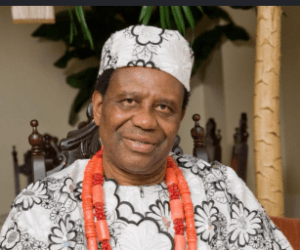
His career beginnings were rooted in theatre and minor screen appearances, where he developed a reputation for reliability and expressive character support. Agu’s acting style emphasized realism and emotional grounding, often enhancing ensemble performances without dominating scenes. As Nollywood expanded, he became a consistent presence in supporting and character-driven roles.
The breakthrough phase of his career came through participation in early Igbo-language video films, where he contributed to narratives centered on family conflict, morality, and social tension. His performances added texture and balance to productions, helping stabilize early Nollywood storytelling structures. He became known as a dependable ensemble actor capable of elevating scenes through subtle performance choices.
His legacy lies in strengthening the supporting actor framework within Nollywood. Agu contributed to the collaborative nature of early Nigerian cinema, where ensemble performance was essential to narrative success. His work helped define the importance of secondary characters in shaping story realism. He remains part of the foundational cast that supported Nollywood’s rise.
Key Facts
- Full name of the subject: Francis Agu
- Date of birth: Not widely documented
- Place of birth: Nigeria
- Family background: Traditional Nigerian family
- Early childhood experiences: Community storytelling exposure
- Education history: Formal education in Nigeria
- Influences and mentors: Theatre practitioners
- Career beginnings: Stage and supporting film roles
- Major achievements: Early Nollywood ensemble contributor
- Challenges and obstacles faced: Limited recognition of supporting roles
- Turning points in life: Participation in early Nollywood films
- Contributions to society: Cultural storytelling support
- Personal life (marriage, children, relationships): Private
- Awards and recognitions: Nollywood ensemble acknowledgments
- Beliefs, values, or philosophy: Collective storytelling importance
- Legacy and impact: Strengthened supporting actor culture
- Historical or cultural significance: Early Nollywood structural development
Notable Works: Early Nollywood Igbo dramas and ensemble films
Controversies:
A minor industry discussion arose regarding the limited recognition of supporting actors like Francis Agu in early Nollywood historiography, with critics arguing that foundational contributors were often overshadowed by lead actors. The debate involved film historians, industry analysts, and cultural commentators. Agu’s career was cited within this broader conversation rather than as a subject of personal dispute. No formal controversy or institutional action was recorded, and the issue remains part of ongoing efforts to document Nollywood’s collaborative origins.
Notable Mentions:
Amaechi Muonagor
Sam Dede
Zulu Adigwe
Ejike Asiegbu
Francis Duru
Kanayo O. Kanayo
Eucharia Anunobi
Ndidi Obi
Charles Okafor
Bob-Manuel Udokwu