
Top 10 Riverwood (Kenya) Legends of the 90s
Top 10 Riverwood (Kenya) Legends of the 90s
In This Content
Quick List
1. Raymond Ofula
2. Oliver Litondo
3. Benson Wanjau (Mzee Ojwang’)
4. Mary Khavere (Mama Kayai)
5. Lenny Juma
6. Sidede Onyulo
7. Lucy Wangui (The Judge)
8. Gibson Gathu Mbugua (Prosecutor)
9. Joseph Olita
10. Charles Bukeko (Papa Shirandula – early stage/TV era)
1. Raymond Ofula
Raymond Ofula stands as one of the most enduring figures in Kenya’s Riverwood evolution of the 1990s, a performer whose commanding screen presence helped define the transition from state television drama to independent film storytelling. Born in western Kenya, his early life was shaped by traditional community storytelling, oral performance culture, and a strong grounding in discipline that later translated into his acting craft.

He began his career in the national broadcasting system during an era when Kenyan television drama served as the primary training ground for professional actors. His early roles were marked by authority-driven characters that required vocal precision, emotional control, and a deep sense of cultural realism.
His breakthrough came in the 1990s as Riverwood productions began expanding into more ambitious narrative formats. Ofula became known for portraying leadership figures, elders, and moral anchors within community-centered storytelling. His performances carried a gravitas that made him a natural fit for socially reflective narratives.
His legacy lies in shaping the archetype of the Kenyan dramatic elder figure, a role that influenced decades of television and film casting. He remains a symbolic bridge between traditional performance storytelling and modern Kenyan cinematic expression.
Key Facts
- Full name of the subject: Raymond Ofula
- Date of birth: 1952
- Place of birth: Western Kenya
- Family background: Rural Kenyan family rooted in cultural tradition
- Early childhood experiences: Exposure to oral storytelling and community drama
- Education history: Formal education in Kenya, later training through broadcasting performance work
- Influences and mentors: Early KBC television directors and theater practitioners
- Career beginnings: Kenyan national television drama productions in early career
- Major achievements: Leading authority figure in 1990s Riverwood storytelling
- Challenges and obstacles faced: Limited production resources in early Kenyan film industry
- Turning points in life: Transition from television drama to independent Riverwood productions
- Contributions to society: Strengthened Kenyan dramatic storytelling identity
- Personal life (marriage, children, relationships): Private family life
- Awards and recognitions: National arts and performance recognition
- Beliefs, values, or philosophy: Discipline, cultural authenticity, and narrative integrity
- Legacy and impact: Pioneer of Kenyan authoritative screen performance
- Historical or cultural significance: Key figure in Kenya’s 1990s film transition era
Notable Works: 1990s Kenyan television dramas and early Riverwood productions
Controversies:
A recurring discussion involving Raymond Ofula relates to the limited structural funding and institutional support for Kenyan actors during the 1990s Riverwood transition period. The issue is framed as an industry development challenge rather than an allegation. Many actors of his generation operated within inconsistent production systems with minimal formal industry regulation.
The background of this issue lies in Kenya’s evolving entertainment infrastructure, where state broadcasting and emerging independent film producers operated without unified industry standards. This created disparities in compensation, production quality, and distribution reach.
Key stakeholders included the national broadcaster, independent producers, actors’ associations, and cultural policymakers. While Ofula himself was not directly implicated in any misconduct, the broader system shaped working conditions for actors of his era.
There are no formal disputes, legal actions, or disciplinary cases associated with his career. The matter remains a structural industry challenge rather than an individual controversy.
2. Oliver Litondo
Oliver Litondo emerged as one of the most refined and intellectually grounded actors of Kenya’s Riverwood era, known for his calm authority, expressive restraint, and ability to embody complex moral and professional characters. Born in Kenya during a period of post-independence cultural formation, his early life was shaped by education, discipline, and exposure to broadcast media.

He began his career in journalism and broadcasting before transitioning into acting, bringing with him a strong sense of narrative structure and communication precision. His early performances in television dramas demonstrated a natural command of language and presence.
His breakthrough in the 1990s came through roles that emphasized institutional authority, social commentary, and ethical complexity. Litondo became known for portraying figures such as journalists, judges, and professionals navigating moral tension within Kenyan society.
His legacy is defined by his contribution to elevating intellectual performance within Kenyan screen acting, bridging journalism and cinematic storytelling in a uniquely disciplined manner.
Key Facts
- Full name of the subject: Oliver Otieno Litondo
- Date of birth: 1948
- Place of birth: Kenya
- Family background: Educated Kenyan household
- Early childhood experiences: Strong emphasis on education and communication
- Education history: Studied journalism and communication
- Influences and mentors: Broadcasting professionals and theater practitioners
- Career beginnings: Journalism and national broadcasting work
- Major achievements: Leading intellectual actor in Kenyan television drama
- Challenges and obstacles faced: Transition from journalism to acting full-time
- Turning points in life: Entry into Kenyan television drama acting
- Contributions to society: Strengthened professional realism in Kenyan storytelling
- Personal life (marriage, children, relationships): Private family life
- Awards and recognitions: International film recognition in later career
- Beliefs, values, or philosophy: Truth-driven storytelling and intellectual discipline
- Legacy and impact: Pioneer of educated professional roles in Kenyan cinema
- Historical or cultural significance: Contributor to Kenya’s narrative modernization in the 1990s
Notable Works: 1990s Kenyan television dramas and institutional storytelling productions
Controversies:
A recurring discussion involving Oliver Litondo relates to the slow recognition of Kenyan actors in international cinema despite strong domestic performance credentials. The issue is framed as an industry visibility challenge rather than an allegation. Many actors of his era faced limited global exposure due to distribution constraints.
The background of this issue reflects the 1990s global imbalance in film distribution networks, where African cinema had limited access to international theatrical circuits. Litondo’s career highlights this gap between local excellence and global recognition.
Key stakeholders included international film distributors, Kenyan production houses, and cultural export institutions. While his performances were respected, visibility remained largely regional for much of his early career.
There are no formal disputes or controversies tied directly to his conduct. The matter remains a structural distribution and recognition issue within global cinema.
3. Benson Wanjau (Mzee Ojwang’)
Benson Wanjau, widely known as Mzee Ojwang’, remains one of the most iconic comedic figures in Kenya’s Riverwood history, representing the foundational era of Kenyan television comedy. Born in Kenya during the mid-20th century, his early life was shaped by rural cultural traditions, community storytelling, and observational humor rooted in everyday Kenyan life.
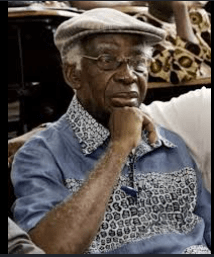
He began his career in theater and early television comedy, where his natural comedic timing and expressive physical performance quickly distinguished him. His characters often reflected the everyday Kenyan citizen navigating bureaucracy, family dynamics, and social expectations.
His breakthrough came through national television comedy programming in the 1990s, where he became a household name. His performances were characterized by simplicity, humor grounded in realism, and a deep connection with Kenyan audiences across social classes.
His legacy lies in defining the foundation of Kenyan televised comedy, influencing generations of comedians and shaping the comedic language of Riverwood storytelling.
Key Facts
- Full name of the subject: Benson Wanjau
- Date of birth: 1928
- Place of birth: Kenya
- Family background: Rural Kenyan household
- Early childhood experiences: Exposure to traditional storytelling and community humor
- Education history: Informal education with performance-based learning
- Influences and mentors: Early Kenyan theater pioneers
- Career beginnings: Stage performance and early broadcasting appearances
- Major achievements: Pioneer of Kenyan television comedy
- Challenges and obstacles faced: Limited resources in early Kenyan entertainment industry
- Turning points in life: National television comedy breakthrough
- Contributions to society: Foundation of Kenyan comedic television identity
- Personal life (marriage, children, relationships): Private family life
- Awards and recognitions: National cultural recognition
- Beliefs, values, or philosophy: Humor as social reflection
- Legacy and impact: Father figure of Kenyan television comedy
- Historical or cultural significance: Key contributor to Kenya’s early televised entertainment identity
Notable Works: 1990s Kenyan television comedy programs and sketch performances
Controversies:
A recurring discussion involving Benson Wanjau relates to the preservation and documentation of early Kenyan television comedy archives. The issue is framed as an institutional preservation challenge rather than an allegation. Many early performances from the Riverwood era were not systematically archived.
The background of this issue reflects limited media preservation infrastructure in Kenya during the 1990s, where recording, storage, and digital archiving systems were underdeveloped.
Key stakeholders included national broadcasters, cultural ministries, and media preservation organizations. While his performances were widely celebrated, archival preservation gaps affected long-term accessibility.
There are no personal disputes or formal controversies associated with his career. The matter remains a cultural preservation and media infrastructure issue.
4. Mary Khavere (Mama Kayai)
Mary Khavere, popularly known as Mama Kayai, emerged in the 1990s as one of Kenya’s most beloved comedic and dramatic performers, embodying a unique blend of maternal authority, humor, and emotional realism. Born in Kenya during a period when theatrical performance was deeply rooted in community storytelling traditions, her early life was shaped by cultural performance practices and strong family-centered values.

She began her career in theater and early television programming, where her expressive face, precise comedic timing, and natural emotional warmth quickly distinguished her from her peers. Her performances often centered on everyday Kenyan family life, making her instantly relatable to a wide audience.
Her breakthrough came through national television comedy and drama productions during the 1990s, where she became a defining maternal figure in Kenyan screen culture. Mama Kayai’s performances balanced humor with emotional depth, portraying resilience, discipline, and warmth in equal measure.
Her legacy lies in shaping the archetype of the Kenyan comedic mother figure, influencing both comedy writing and performance styles in Riverwood and beyond.
Key Facts
- Full name of the subject: Mary Khavere
- Date of birth: 1959
- Place of birth: Kenya
- Family background: Kenyan family rooted in cultural traditions
- Early childhood experiences: Exposure to storytelling and community performance
- Education history: Informal performance training through theater work
- Influences and mentors: Early Kenyan theater and television directors
- Career beginnings: Stage comedy and early KBC television appearances
- Major achievements: Leading female comedic icon in 1990s Kenyan television
- Challenges and obstacles faced: Limited recognition for female performers in early industry structures
- Turning points in life: National television breakthrough in comedy-drama
- Contributions to society: Representation of Kenyan maternal identity in media
- Personal life (marriage, children, relationships): Private family life
- Awards and recognitions: National arts and cultural recognition
- Beliefs, values, or philosophy: Family, humor, and social cohesion
- Legacy and impact: Iconic maternal figure in Kenyan entertainment history
- Historical or cultural significance: Central figure in Kenya’s 1990s television comedy evolution
Notable Works: 1990s Kenyan television comedy and drama productions
Controversies:
A recurring discussion involving Mary Khavere relates to the limited recognition and compensation disparities faced by female comedians in Kenya’s early television industry. The issue is framed as an industry structural inequality rather than an allegation. Female performers often carried major comedic roles while receiving less institutional support compared to male counterparts.
The background of this issue lies in the broader gender imbalance within 1990s Kenyan media production systems, where leadership, production, and writing roles were predominantly male-dominated.
Key stakeholders included national broadcasters, production houses, actors’ associations, and cultural policymakers. While her performances were widely celebrated, structural inequities influenced career visibility and remuneration standards.
There are no formal disputes or disciplinary actions associated with her career. The matter remains a systemic industry inequality issue rather than a personal controversy.
5. Lenny Juma
Lenny Juma emerged as a versatile actor in Kenya’s 1990s Riverwood landscape, known for his adaptability across comedic and dramatic roles during a period when the industry was rapidly evolving. Born in Kenya during a post-independence cultural shift, his early life was shaped by exposure to local theater and community performance traditions.

He began his career in stage performance before transitioning into television drama, where his expressive delivery and ability to embody everyday Kenyan characters made him a valuable presence in early KBC productions. His work reflected the social realities of urban and rural Kenyan life.
His breakthrough came during the expansion of independent Kenyan video and television productions in the 1990s, where he became known for supporting roles that added depth and realism to ensemble casts. His performances often grounded narratives in relatable human experience.
His legacy lies in contributing to the foundation of ensemble acting in Kenyan Riverwood storytelling, supporting the industry’s shift toward more structured narrative production.
Key Facts
- Full name of the subject: Lenny Juma
- Date of birth: 1960s (exact date not widely documented)
- Place of birth: Kenya
- Family background: Kenyan working-class background
- Early childhood experiences: Exposure to community storytelling and theater
- Education history: Informal performance training through theater work
- Influences and mentors: Early Kenyan theater practitioners
- Career beginnings: Stage acting and early television appearances
- Major achievements: Supporting actor in foundational Riverwood productions
- Challenges and obstacles faced: Limited documentation and recognition of early industry contributors
- Turning points in life: Transition into television drama in the 1990s
- Contributions to society: Strengthening ensemble storytelling in Kenyan film culture
- Personal life (marriage, children, relationships): Private life
- Awards and recognitions: Local cultural recognition
- Beliefs, values, or philosophy: Collaboration and storytelling authenticity
- Legacy and impact: Contributor to early Riverwood ensemble acting culture
- Historical or cultural significance: Part of Kenya’s foundational television drama era
Notable Works: 1990s Kenyan television dramas and ensemble productions
Controversies:
A recurring discussion involving Lenny Juma relates to the lack of formal industry recognition systems for supporting actors in early Riverwood productions. The issue is framed as an institutional development gap rather than an allegation. Many supporting performers from the 1990s remain under-documented in official archives.
The background of this issue reflects the informal structure of Kenya’s early film and television industry, where credits, contracts, and archival documentation were inconsistently maintained.
Key stakeholders included production companies, broadcasters, and cultural institutions. While his contributions were significant in ensemble storytelling, limited documentation affected long-term recognition.
There are no personal disputes or formal controversies linked to his career. The matter remains a structural archival and recognition issue within early Kenyan media history.
6. Sidede Onyulo
Sidede Onyulo stands as one of the most internationally recognized Kenyan actors of the 1990s, known for his commanding screen presence and ability to transition between local Kenyan productions and global film projects. Born in Kenya, his early life was shaped by education, discipline, and exposure to both traditional and modern performance environments.

He began his career in Kenyan theater and television before gaining international attention through film roles that highlighted African storytelling on a global stage. His performances were marked by emotional restraint, dignity, and a deep sense of cultural authenticity.
His breakthrough came in the 1990s through international film collaborations, where he became one of the few Kenyan actors to appear in globally distributed cinema productions. Sidede Onyulo’s work helped introduce Kenyan talent to wider international audiences.
His legacy is defined by his role in bridging Kenyan performance art with global cinema, establishing early pathways for African actors in international film.
Key Facts
- Full name of the subject: Sidede Onyulo
- Date of birth: 1945
- Place of birth: Kenya
- Family background: Kenyan family with strong cultural grounding
- Early childhood experiences: Exposure to traditional storytelling and education
- Education history: Formal education in Kenya
- Influences and mentors: Kenyan theater and international film directors
- Career beginnings: Stage and television acting in Kenya
- Major achievements: International film appearances in the 1990s
- Challenges and obstacles faced: Limited African representation in global cinema
- Turning points in life: Entry into international film productions
- Contributions to society: Global visibility for Kenyan actors
- Personal life (marriage, children, relationships): Private life
- Awards and recognitions: International film recognition
- Beliefs, values, or philosophy: Cultural dignity and storytelling authenticity
- Legacy and impact: Pioneer of Kenyan international film representation
- Historical or cultural significance: Key figure in African cinema globalization
Notable Works: 1990s international films and Kenyan television productions
Controversies:
A recurring discussion involving Sidede Onyulo relates to the limited infrastructure for African actors transitioning into international film markets during the 1990s. The issue is framed as a structural industry challenge rather than an allegation. Despite international appearances, sustained global career development remained difficult for many African actors.
The background of this issue lies in the global film industry’s distribution imbalance, where African cinema lacked strong international production pipelines during the 1990s.
Key stakeholders included international production companies, African film institutions, and casting agencies. While Onyulo achieved international visibility, broader systemic barriers affected long-term career continuity for many regional actors.
There are no formal disputes or controversies associated with his career. The matter remains a structural global industry issue rather than an individual concern.
7. Lucy Wangui (The Judge)
Lucy Wangui emerged in Kenya’s 1990s Riverwood era as a commanding dramatic actress known for her authoritative presence and ability to embody institutional and moral leadership roles. Born in Kenya, her early life was shaped by education, discipline, and exposure to community storytelling traditions that emphasized justice and social order.

She began her career in television drama, where her strong vocal control and disciplined performance style quickly positioned her for authoritative roles. Her characters often reflected judicial, administrative, and leadership positions within Kenyan society.
Her breakthrough came through nationally broadcast courtroom and institutional drama productions, where she became widely recognized as a symbol of justice and moral clarity in Kenyan storytelling. Her performances were marked by precision, seriousness, and emotional restraint.
Her legacy lies in defining the archetype of the authoritative female figure in Kenyan television drama, influencing casting and narrative development for years to come.
Key Facts
- Full name of the subject: Lucy Wangui
- Date of birth: 1960s (exact date not widely documented)
- Place of birth: Kenya
- Family background: Kenyan family with educational emphasis
- Early childhood experiences: Exposure to disciplined educational environment
- Education history: Formal education in Kenya
- Influences and mentors: Kenyan theater and television directors
- Career beginnings: Early television drama appearances in Kenya
- Major achievements: Prominent authority figure in 1990s Riverwood drama
- Challenges and obstacles faced: Gender-based role limitations in early industry structures
- Turning points in life: Breakthrough courtroom drama performances
- Contributions to society: Representation of female authority in Kenyan media
- Personal life (marriage, children, relationships): Private life
- Awards and recognitions: National cultural recognition
- Beliefs, values, or philosophy: Justice, discipline, and narrative responsibility
- Legacy and impact: Defined female authority archetype in Kenyan television drama
- Historical or cultural significance: Key figure in institutional storytelling in Kenya
Notable Works: 1990s Kenyan courtroom and institutional television dramas
Controversies:
A recurring discussion involving Lucy Wangui relates to the limited range of authoritative female roles available in early Kenyan television drama production. The issue is framed as a structural casting limitation rather than an allegation. Female actors were often restricted to specific archetypes within institutional storytelling formats.
The background of this issue reflects the broader gender imbalance in 1990s Kenyan media production, where leadership and institutional roles were often written with limited diversity in female characterization.
Key stakeholders included broadcasters, scriptwriters, production houses, and cultural institutions. While her performances were widely respected, structural limitations affected role diversity for women in authority-driven narratives.
There are no formal disputes or controversies linked to her career. The matter remains a systemic representation and casting structure issue within early Riverwood production systems.
8. Gibson Gathu Mbugua (Prosecutor)
Gibson Gathu Mbugua became one of the most recognizable institutional drama actors in Kenya’s 1990s Riverwood ecosystem, known for his precise diction, controlled emotional delivery, and authoritative screen presence. Born in Kenya during a period of post-independence institutional development, his early life was shaped by formal education, civic awareness, and exposure to public service narratives that later informed his acting identity.

He began his career in national broadcasting drama productions, where his ability to embody legal and institutional authority made him a natural fit for courtroom and prosecutorial roles. His performances were defined by clarity of speech, structured emotional restraint, and a strong sense of procedural realism.
His breakthrough came through courtroom drama programming during the 1990s, where he became widely associated with prosecutorial and legal authority roles. Gibson Gathu Mbugua helped shape the visual and narrative identity of justice-themed storytelling in Kenyan television.
His legacy lies in establishing the archetype of the Kenyan institutional prosecutor figure, influencing how legal and civic authority was dramatized in Riverwood productions.
Key Facts
- Full name of the subject: Gibson Gathu Mbugua
- Date of birth: 1960s (exact date not widely documented)
- Place of birth: Kenya
- Family background: Educated Kenyan household
- Early childhood experiences: Exposure to civic education and structured learning environments
- Education history: Formal education in Kenya
- Influences and mentors: Early KBC drama directors and legal consultants in television productions
- Career beginnings: National television drama and courtroom series appearances
- Major achievements: Defining prosecutorial role archetype in Kenyan television drama
- Challenges and obstacles faced: Limited diversification of roles beyond institutional characters
- Turning points in life: Breakthrough courtroom drama roles in the 1990s
- Contributions to society: Strengthening legal realism in Kenyan storytelling
- Personal life (marriage, children, relationships): Private life
- Awards and recognitions: National broadcasting recognition
- Beliefs, values, or philosophy: Justice, discipline, and procedural integrity
- Legacy and impact: Pioneer of legal institutional representation in Kenyan drama
- Historical or cultural significance: Key contributor to courtroom drama tradition in Kenya
Notable Works: 1990s Kenyan courtroom dramas and institutional television productions
Controversies:
A recurring discussion involving Gibson Gathu Mbugua relates to the typecasting of actors within institutional roles in Kenyan television during the 1990s. The issue is framed as an industry casting limitation rather than an allegation. Actors frequently became associated with single character archetypes due to repetitive production formats.
The background of this issue lies in the structure of early Kenyan courtroom and institutional dramas, which relied heavily on recurring character types to maintain narrative continuity and audience familiarity.
Key stakeholders included television producers, scriptwriters, national broadcasters, and actors’ guild representatives. While his performances were respected for consistency and authority, role diversification remained limited.
There are no formal disputes or controversies tied to his conduct or career. The matter remains a structural industry casting issue within early Kenyan television production.
9. Joseph Olita
Joseph Olita remains one of Kenya’s most internationally recognized actors of the Riverwood era, remembered for his powerful embodiment of historical and political figures in African cinema. Born in western Kenya, his early life was shaped by rural community values, storytelling traditions, and exposure to Kenya’s post-independence national identity formation.

He began his career in theater and early film appearances, where his commanding physical presence and serious dramatic tone positioned him for historical roles. His acting style was defined by gravity, restraint, and an ability to carry political narrative weight.
His breakthrough came through international historical film productions in the 1990s, where he portrayed significant African leadership figures on screen. Joseph Olita’s performances became symbolic representations of African political history in global cinema.
His legacy lies in bringing African historical figures to international film audiences, helping shape global cinematic memory of African leadership narratives.
Key Facts
- Full name of the subject: Joseph Olita
- Date of birth: 1944
- Place of birth: Kenya
- Family background: Rural Kenyan family
- Early childhood experiences: Exposure to oral history and community leadership storytelling
- Education history: Formal education in Kenya
- Influences and mentors: Early Kenyan theater practitioners and international directors
- Career beginnings: Stage acting and early film roles in Kenya
- Major achievements: International portrayal of African historical figures in film
- Challenges and obstacles faced: Limited African representation in global historical cinema
- Turning points in life: Casting in major international historical productions
- Contributions to society: Global visibility of African historical narratives
- Personal life (marriage, children, relationships): Private life
- Awards and recognitions: International film recognition
- Beliefs, values, or philosophy: Historical authenticity and cultural dignity
- Legacy and impact: Iconic representation of African leadership in cinema
- Historical or cultural significance: Key figure in cinematic portrayal of African history
Notable Works: 1990s international historical films and Kenyan stage productions
Controversies:
A recurring discussion involving Joseph Olita relates to the representation of African political history in international cinema and the limited agency African actors had in shaping narrative direction. The issue is framed as a structural industry concern rather than an allegation. African actors were often cast in historically significant roles but had limited influence over script authorship.
The background of this issue reflects the global film industry’s historical tendency to produce African narratives through external production lenses during the 1990s.
Key stakeholders included international film producers, historians, African film institutions, and cultural commentators. While Olita’s performances were widely respected, broader questions emerged about narrative ownership.
There are no formal disputes or controversies associated with his career. The matter remains a structural discourse on representation and authorship in historical cinema.
10. Charles Bukeko (Papa Shirandula – early stage/TV era)
Charles Bukeko emerged in the 1990s as one of Kenya’s most promising comedic talents, laying the foundation for what would later become one of the most iconic television characters in Kenyan entertainment history. Born in Kenya, his early life was shaped by urban storytelling culture, observational humor, and exposure to everyday social dynamics that later defined his comedic style.

He began his career in theater and early television sketch performances, where his expressive body language, timing, and ability to reflect ordinary Kenyan life quickly distinguished him. His performances were grounded in realism, making humor feel familiar and socially reflective.
His breakthrough in the late 1990s came through early television appearances that introduced the character-driven comedic approach that would later define his legacy. Charles Bukeko became known for blending humor with social commentary, portraying relatable Kenyan experiences with authenticity.
His legacy lies in shaping modern Kenyan television comedy, influencing character-driven sitcom structures that dominated Kenyan screens in the 2000s and beyond.
Key Facts
- Full name of the subject: Charles Bukeko
- Date of birth: September 18, 1962
- Place of birth: Kenya
- Family background: Kenyan urban working-class family
- Early childhood experiences: Exposure to street culture and community humor
- Education history: Formal education in Kenya
- Influences and mentors: Kenyan theater pioneers and television comedy writers
- Career beginnings: Stage performance and early television comedy sketches
- Major achievements: Foundation figure in Kenyan sitcom development
- Challenges and obstacles faced: Limited production resources in early Riverwood comedy industry
- Turning points in life: Early television comedic recognition in the 1990s
- Contributions to society: Development of Kenyan situational comedy storytelling
- Personal life (marriage, children, relationships): Private family life
- Awards and recognitions: National entertainment awards and recognition
- Beliefs, values, or philosophy: Humor rooted in everyday social reality
- Legacy and impact: Pioneer of modern Kenyan sitcom culture
- Historical or cultural significance: Foundational figure in Kenyan television comedy evolution
Notable Works: 1990s Kenyan television comedy sketches and early sitcom performances
Controversies:
A recurring discussion involving Charles Bukeko relates to the commercialization of Kenyan television comedy and the pressure to maintain culturally relatable humor while adapting to evolving audience expectations. The issue is framed as an industry evolution debate rather than an allegation. As Kenyan television expanded, comedic content faced increasing demands for broader appeal and production consistency.
The background of this issue lies in the transition from loosely structured sketch comedy to more commercially driven sitcom formats in late 1990s and early 2000s Kenyan television.
Key stakeholders included broadcasters, comedy writers, production companies, and audience groups. While his performances were widely celebrated, industry pressures reflected broader shifts in entertainment commercialization.
There are no formal disputes or controversies associated with his career. The matter remains a structural industry evolution discussion within Kenyan television comedy history.
Notable Mentions (Riverwood Supporting Legends of the Era)
Lynette Mungai
Davis Mwambili
Omar Salim
Peter Sankale
Hiram Muigai
Eddy Peter
Mary Oyaya
Charles Gitonga Maina
Anne Wanjugu
Gillian Njiru