
Top 10 Most Controversial TV Hosts in Modern Broadcasting
Top 10 Most Controversial TV Hosts in Modern Broadcasting
In This Content
Quick List
Sharon Osbourne
Don Imus
Jeremy Kyle
Glenn Beck
Phillip Schofield
Jerry Springer
Piers Morgan
Joy Behar
Bill O’Reilly
Wendy Williams
1. Sharon Osbourne
Sharon Osbourne’s presence in modern broadcasting is defined by a volatile blend of managerial precision, outspoken commentary, and an unfiltered personality that has repeatedly placed her at the center of cultural and institutional debates. Born into the influential music family of Don Arden in London, her early life was shaped by the intersection of entertainment business pressures and personal exposure to the complexities of artist management. This background instilled in her a direct communication style and a willingness to confront industry norms without restraint.
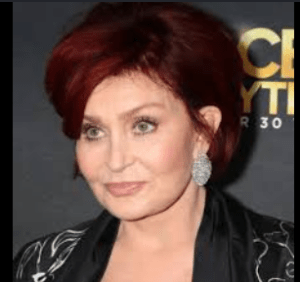
Her early career began behind the scenes in music management, where she played a pivotal role in shaping the global success of her husband, Ozzy Osbourne. However, her transition to television transformed her from a behind-the-scenes strategist into a public-facing media personality. The breakthrough came with “The Osbournes,” a reality series that redefined celebrity domestic broadcasting by exposing private family life to global audiences.
Osbourne’s screen presence is characterized by assertiveness, emotional candor, and sharp evaluative commentary. On “The Talk,” she became known for her direct engagement in cultural and political discussions, often challenging co-hosts and guests with uncompromising viewpoints. Her influence lies in normalizing outspoken female authority in panel-based television, even when such authority provoked public disagreement.
Her legacy is complex, balancing cultural impact in reality television with repeated controversies that have shaped conversations around race, free speech, and workplace conduct in broadcasting environments.
Key Facts
- Full name of the subject: Sharon Rachel Osbourne
- Date of birth: October 9, 1952
- Place of birth: London, England, United Kingdom
- Family background: Daughter of music manager Don Arden
- Early childhood experiences: Raised in entertainment industry environment
- Education history: Limited formal academic documentation
- Influences and mentors: Don Arden (father), music industry executives
- Career beginnings: Music artist management
- Major achievements: Co-creator of The Osbournes reality series
- Challenges and obstacles faced: Public scrutiny of personal and professional conduct
- Turning points in life: Transition from music management to television
- Contributions to society: Popularization of reality television family formats
- Personal life (marriage, children, relationships): Married to Ozzy Osbourne
- Awards and recognitions: Reality television industry recognition
- Beliefs, values, or philosophy: Direct communication and personal authenticity
- Legacy and impact: Pioneer of celebrity reality broadcasting
- Historical or cultural significance: Shaped modern reality TV culture
Notable Works: The Osbournes, The Talk
Controversies:
One major controversy involving Sharon Osbourne occurred during her tenure on “The Talk,” where a heated on-air exchange regarding race and public commentary led to accusations of racially insensitive remarks and workplace conduct concerns. The issue centered on a discussion about media figures and public accountability, escalating into allegations that her responses were dismissive of concerns raised by colleagues. CBS initiated an internal review, during which production was temporarily suspended. Osbourne maintained that her intent was to defend a colleague and herself against accusations of racism, while critics argued that her language and tone contributed to a hostile discussion environment. The investigation concluded with her departure from the program, and the incident prompted broader industry reflection on diversity protocols and live broadcast accountability.
Another recurring controversy has involved criticism of her outspoken public statements regarding celebrity culture and industry peers. These remarks have periodically generated disputes within entertainment media, with detractors describing them as overly confrontational. Supporters argue that her commentary reflects candid industry transparency. The debate has contributed to her enduring reputation as one of television’s most polarizing figures.
2. Don Imus
Don Imus occupied a unique and controversial space in American broadcasting, blending pioneering radio innovation with a career repeatedly defined by public backlash and institutional consequences. Born in California and raised in a difficult family environment marked by instability, Imus developed a rebellious communication style that later became the foundation of his radio identity. His early experiences shaped a worldview that often translated into provocative humor and confrontational commentary.

He began his career in radio broadcasting, gradually developing a distinctive “shock jock” persona that merged satire, political commentary, and abrasive humor. His breakthrough came with “Imus in the Morning,” a nationally syndicated program that attracted both high ratings and intense criticism. The show’s influence extended into television simulcasts, amplifying his reach and cultural visibility.
Imus’s screen and broadcast presence was defined by unpredictability, satirical exaggeration, and often controversial humor that challenged broadcasting norms. While he cultivated a loyal audience, his style consistently placed him at odds with advocacy groups and regulatory scrutiny. His legacy remains deeply divided between pioneering radio influence and repeated ethical controversies that reshaped broadcasting standards.
Key Facts
- Full name of the subject: John Donald Imus Jr.
- Date of birth: July 23, 1940
- Place of birth: Riverside, California, United States
- Family background: Working-class American family
- Early childhood experiences: Difficult and unstable upbringing
- Education history: Dropout from formal higher education pathways
- Influences and mentors: Early radio broadcasters
- Career beginnings: Local radio stations
- Major achievements: Host of Imus in the Morning
- Challenges and obstacles faced: Multiple suspensions and broadcast controversies
- Turning points in life: National syndication of radio program
- Contributions to society: Influence on modern talk radio format
- Personal life (marriage, children, relationships): Married to Deirdre Imus
- Awards and recognitions: Broadcasting industry acknowledgments
- Beliefs, values, or philosophy: Unfiltered commentary and satirical expression
- Legacy and impact: Pioneer of shock radio format
- Historical or cultural significance: Influenced modern controversial talk radio
Notable Works: Imus in the Morning
Controversies:
One major controversy occurred in 2007 when Don Imus made racially insensitive remarks about the Rutgers University women’s basketball team during a live broadcast. The statement was widely condemned by civil rights organizations, advertisers, and public officials. The context involved casual sports commentary that escalated into offensive characterization. Key stakeholders included the broadcasting network, sponsors, advocacy groups, and the affected athletes. Imus issued a public apology, stating the remarks were intended as satire, though critics rejected this explanation as insufficient. NBC and CBS Radio ultimately terminated his program following sponsor withdrawals. The incident had a lasting impact on broadcast accountability standards and advertiser sensitivity policies.
Another controversy involved prior instances of offensive language and workplace behavior allegations that surfaced in media retrospectives of his career. While some supporters framed these as part of his shock-jock persona, critics argued they reflected deeper cultural insensitivity. These repeated incidents contributed to long-term reputational damage and increased regulatory scrutiny of radio broadcasting content.
3. Jeremy Kyle
Jeremy Kyle became one of the most recognizable and controversial figures in British daytime television through a format built on confrontation, emotional exposure, and public conflict resolution. Born in England, Kyle grew up in a middle-class environment that emphasized discipline and communication, later shaping his direct and often confrontational hosting style. His early experiences in sales and radio helped refine his persuasive communication techniques.
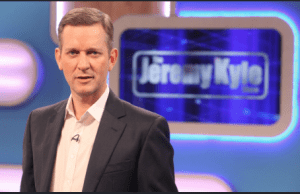
He began his media career in radio before transitioning into television, where he developed “The Jeremy Kyle Show,” a program designed around resolving interpersonal disputes in a studio environment. The show gained rapid popularity due to its emotionally charged format, which often involved family disputes, relationship conflicts, and DNA revelations presented before a live audience.
Kyle’s screen presence was defined by authoritative mediation, firm questioning, and an interventionist approach to human conflict. While audiences were drawn to the emotional intensity of the program, critics argued that the format risked exploiting vulnerable individuals for entertainment purposes.
His legacy is closely tied to debates about ethical boundaries in reality television, particularly regarding duty of care and psychological impact on participants.
Key Facts
- Full name of the subject: Jeremy Neil Kyle
- Date of birth: July 7, 1965
- Place of birth: Reading, England, United Kingdom
- Family background: Middle-class British family
- Early childhood experiences: Structured upbringing with emphasis on communication
- Education history: Local schooling in England
- Influences and mentors: Radio broadcasting professionals
- Career beginnings: Radio presenter roles
- Major achievements: Host of The Jeremy Kyle Show
- Challenges and obstacles faced: Public criticism of show format ethics
- Turning points in life: National television syndication success
- Contributions to society: Popularization of conflict-resolution talk shows
- Personal life (marriage, children, relationships): Married multiple times
- Awards and recognitions: Television hosting recognition
- Beliefs, values, or philosophy: Direct confrontation as problem resolution
- Legacy and impact: Influenced modern conflict-based reality TV
- Historical or cultural significance: Central figure in UK daytime controversy television
Notable Works: The Jeremy Kyle Show
Controversies:
One major controversy involved allegations regarding the psychological welfare of participants on “The Jeremy Kyle Show,” particularly following the death of a former guest shortly after filming. The incident triggered a formal governmental and regulatory review into the production practices of daytime talk shows. The background centered on concerns about aftercare support and the intensity of on-air confrontations. Key stakeholders included the broadcaster ITV, production companies, regulators, participants, and advocacy groups. Critics argued that the format prioritized entertainment over participant welfare, while producers maintained that duty-of-care procedures were in place. The investigation led to the cancellation of the show, marking a significant shift in UK broadcast regulation standards.
Another controversy involved broader criticism of the show’s editorial style, which some observers described as amplifying personal conflict for dramatic effect. While supporters viewed the program as a form of social intervention television, detractors argued it blurred ethical boundaries between entertainment and psychological vulnerability. The debate continues to influence regulatory discussions on reality-based talk programming.
4. Glenn Beck
Glenn Beck emerged as one of the most polarizing voices in American television broadcasting, building a career defined by emotional political commentary, historical analogy, and an intensely personal presentation style. Born in Everett, Washington, Beck experienced a difficult early life marked by personal loss and struggles with substance abuse in his youth. These experiences shaped his later worldview, particularly his emphasis on redemption narratives and cultural critique.
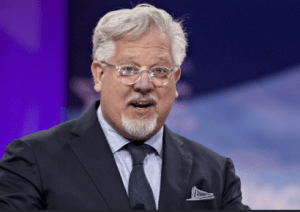
He began his career in radio, where his dramatic monologues and politically charged commentary quickly distinguished him from conventional broadcasters. His breakthrough into television came with “The Glenn Beck Program” on Fox News, where his combination of chalkboard-style analysis and emotional storytelling attracted both strong viewership and significant criticism.
Beck’s screen presence is characterized by theatrical intensity, moral framing of political issues, and a narrative-driven approach to current affairs. His ability to fuse historical references with contemporary politics created a distinctive broadcasting identity that resonated with a highly engaged audience while alienating critics who viewed his style as overly sensationalized.
His legacy lies in redefining opinion-driven cable news broadcasting, expanding the boundaries of emotional political commentary while contributing to debates about media responsibility and ideological polarization.
Key Facts
- Full name of the subject: Glenn Lee Beck
- Date of birth: February 10, 1964
- Place of birth: Everett, Washington, United States
- Family background: Working-class American family
- Early childhood experiences: Personal tragedy and instability in youth
- Education history: High school education
- Influences and mentors: Conservative commentators and radio broadcasters
- Career beginnings: Radio hosting
- Major achievements: Host of The Glenn Beck Program
- Challenges and obstacles faced: Substance abuse recovery and public criticism
- Turning points in life: Transition to Fox News television platform
- Contributions to society: Political commentary and media entrepreneurship
- Personal life (marriage, children, relationships): Married to Tania Colonna
- Awards and recognitions: Broadcasting and media industry recognition
- Beliefs, values, or philosophy: Moral framing of political discourse
- Legacy and impact: Influenced modern opinion-based cable news formats
- Historical or cultural significance: Key figure in political media polarization
Notable Works: The Glenn Beck Program, The Blaze
Controversies:
One major controversy involved Glenn Beck’s on-air commentary during his tenure at Fox News, where he made statements regarding political figures and social movements that were widely criticized as inflammatory. The issue centered on the framing of political narratives using historical analogies that critics argued lacked contextual accuracy. Key stakeholders included media watchdog organizations, network executives, political figures, and viewers. Beck defended his commentary as interpretive analysis rather than literal comparison, while critics argued that his rhetoric contributed to heightened political tension. Fox News eventually distanced itself from some of his programming, though he retained a strong independent following.
Another controversy involved advertiser boycotts prompted by concerns over the tone and content of his broadcasts. Several companies withdrew advertising partnerships, citing brand safety concerns. Supporters framed these actions as politically motivated censorship, while advertisers maintained that the decision was based on reputational risk. The incident highlighted ongoing tensions between media expression and commercial accountability.
5. Phillip Schofield
Phillip Schofield was for decades one of the most familiar faces in British daytime television, known for his polished presenting style and ability to connect with mainstream audiences. Born in Oldham, England, Schofield developed an early interest in broadcasting, later pursuing opportunities in children’s television before transitioning into mainstream presenting. His early career reflected a steady rise through the BBC and ITV broadcasting systems.

He achieved breakthrough success with programs such as “This Morning,” where his partnership-driven presenting style became central to the show’s identity. Schofield’s screen presence was characterized by professionalism, warmth, and controlled emotional engagement, allowing him to navigate both light entertainment and serious interviews with ease.
His influence extended across decades of British television, where he became a symbol of stability in daytime broadcasting. However, his career trajectory later shifted dramatically due to personal disclosures and public scrutiny, reshaping his legacy within the industry.
His legacy remains complex, reflecting both his long-standing contribution to British television and the rapid re-evaluation of public trust in media figures.
Key Facts
- Full name of the subject: Phillip Bryan Schofield
- Date of birth: April 1, 1962
- Place of birth: Oldham, England, United Kingdom
- Family background: Middle-class British family
- Early childhood experiences: Early interest in performance and broadcasting
- Education history: Local schooling in England
- Influences and mentors: BBC and ITV production teams
- Career beginnings: Children’s television presenter
- Major achievements: Long-running co-host of This Morning
- Challenges and obstacles faced: Public scrutiny and career disruption
- Turning points in life: Public personal revelations impacting career
- Contributions to society: Daytime television presentation and media influence
- Personal life (marriage, children, relationships): Previously married, father of children
- Awards and recognitions: British television awards
- Beliefs, values, or philosophy: Professionalism in broadcasting
- Legacy and impact: Major figure in UK daytime TV history
- Historical or cultural significance: Central personality in British television culture
Notable Works: This Morning, Dancing on Ice
Controversies:
One major controversy involved Phillip Schofield’s public admission of a previously undisclosed personal relationship with a younger colleague at ITV. The issue raised questions about workplace disclosure policies, professional boundaries, and institutional oversight within broadcasting organizations. Key stakeholders included ITV management, colleagues, media regulators, and the viewing public. Schofield issued a public statement acknowledging the relationship and the failure to disclose it appropriately during his tenure. ITV conducted internal reviews into workplace procedures and duty-of-care policies. The situation resulted in his departure from the network and significant reputational impact within British media.
Another controversy involved broader media scrutiny of internal workplace culture at ITV, with the Schofield case serving as a catalyst for wider institutional review. Critics argued that the situation revealed systemic weaknesses in disclosure and safeguarding procedures, while network leadership committed to policy reforms.
6. Jerry Springer
Jerry Springer became one of the most controversial figures in television history through a program format that redefined daytime talk entertainment by emphasizing confrontation, sensational storytelling, and raw human conflict. Born in London during World War II and later raised in the United States, Springer grew up in a politically engaged household that influenced his early interest in law and public service.

He began his career in politics and journalism before transitioning into television hosting. His breakthrough came with “The Jerry Springer Show,” which initially began as a traditional talk program before evolving into a highly theatrical format centered on personal disputes and public confrontations.
Springer’s screen presence was defined by calm mediation amid chaotic on-stage confrontations, positioning him as a stabilizing figure within intentionally volatile environments. While widely criticized for sensationalism, the show became a cultural phenomenon, attracting massive global audiences and redefining daytime television norms.
His legacy lies in reshaping talk television into a form of reality-based spectacle that influenced international broadcasting formats.
Key Facts
- Full name of the subject: Gerald Norman Springer
- Date of birth: February 13, 1944
- Place of birth: London, England, United Kingdom
- Family background: Jewish refugee family background
- Early childhood experiences: Immigrated to the United States during childhood
- Education history: Northwestern University; Northwestern Law School
- Influences and mentors: Political journalists and legal professionals
- Career beginnings: Political advisor and journalist
- Major achievements: Host of The Jerry Springer Show
- Challenges and obstacles faced: Public criticism of show content
- Turning points in life: Transformation of talk show format
- Contributions to society: Influence on reality-based television formats
- Personal life (marriage, children, relationships): Married, father of one child
- Awards and recognitions: Television industry recognition
- Beliefs, values, or philosophy: Entertainment through human storytelling
- Legacy and impact: Pioneer of sensational talk television
- Historical or cultural significance: Global influence on reality TV culture
Notable Works: The Jerry Springer Show
Controversies:
One major controversy involved widespread criticism that “The Jerry Springer Show” exploited vulnerable individuals by staging or amplifying personal conflicts for entertainment purposes. The issue centered on the ethical boundaries of reality-based talk television and whether participants fully understood how their stories would be portrayed. Key stakeholders included guests, production teams, broadcasters, and media watchdog groups. Springer and producers maintained that participants consented to appearances and that narratives reflected real disputes, while critics argued that editing and production choices exaggerated conflict for ratings.
Another controversy involved concerns from mental health advocates regarding the potential psychological impact on participants exposed to public humiliation or intense confrontation. This led to ongoing debate about duty of care in daytime television formats. The program’s legacy remains deeply divided between cultural entertainment influence and ethical criticism.
7. Piers Morgan
Piers Morgan has built a broadcasting career defined by confrontation, outspoken commentary, and a willingness to engage directly with cultural and political controversies. Born in Surrey, England, Morgan grew up in a middle-class household and demonstrated early interest in journalism and media critique. His early ambition centered on becoming a newspaper editor, which he achieved at a relatively young age.

He transitioned from print journalism into television, where his direct interviewing style and combative questioning quickly distinguished him. His breakthrough came through talent competition judging roles and later international talk show hosting, most notably “Piers Morgan Live” and “Good Morning Britain.”
Morgan’s screen presence is defined by assertive questioning, polarizing commentary, and high-intensity debate formats. He often positions himself as a challenger of public figures, which has resulted in both strong audience engagement and repeated institutional friction.
His legacy is characterized by global recognition as a controversial broadcaster who consistently pushes boundaries in interview journalism and opinion television.
Key Facts
- Full name of the subject: Piers Stefan Pughe-Morgan
- Date of birth: March 30, 1965
- Place of birth: Guildford, Surrey, England, United Kingdom
- Family background: Middle-class British family
- Early childhood experiences: Early interest in journalism
- Education history: Chailey School
- Influences and mentors: British newspaper editors
- Career beginnings: Newspaper journalism
- Major achievements: Editor of News of the World; TV host
- Challenges and obstacles faced: Public criticism of interviewing style
- Turning points in life: Transition from print to television
- Contributions to society: Political and cultural commentary broadcasting
- Personal life (marriage, children, relationships): Married, father of children
- Awards and recognitions: Journalism industry awards
- Beliefs, values, or philosophy: Direct confrontation in journalism
- Legacy and impact: Influential global talk show host
- Historical or cultural significance: Key figure in confrontational interview television
Notable Works: Piers Morgan Live, Good Morning Britain, America’s Got Talent
Controversies:
One major controversy involved Piers Morgan’s comments regarding the British Royal Family during a televised discussion, which led to complaints about public statements and journalistic boundaries. The issue centered on remarks concerning a high-profile interview and broader media coverage of the monarchy. Key stakeholders included broadcasters, regulatory bodies, and public figures. Morgan defended his comments as legitimate opinion and media critique, while critics argued that his statements crossed professional lines of respect and impartiality. The matter resulted in formal complaints and internal review processes at the broadcasting network.
Another controversy involved his departure from “Good Morning Britain” following disagreements over commentary related to public health issues. The incident sparked debate about freedom of expression versus responsibility in broadcast journalism. While some supported his right to personal opinion, others viewed the remarks as inappropriate for a public broadcaster. The event ultimately led to his exit from the program and intensified discussions about editorial boundaries in live television.
8. Joy Behar
Joy Behar has established herself as one of the most enduring and outspoken voices in American daytime television, with a career built on comedic timing, political commentary, and conversational sharpness. Born in Brooklyn, New York, Behar grew up in an Italian-American household where humor and direct expression were central to family communication. Her early exposure to urban culture and diverse viewpoints shaped her later conversational style on television.

She began her career in education and stand-up comedy before transitioning into television, where her wit and observational humor quickly distinguished her from traditional daytime personalities. Her breakthrough came with “The View,” a program that blended panel discussion with topical debate, giving Behar a platform to engage in cultural and political commentary on a national scale.
Behar’s screen presence is defined by sharp comedic instinct, quick rebuttals, and an unapologetically candid approach to discussion. She often uses humor as a tool for critique, allowing her to navigate sensitive topics while maintaining audience engagement. Over time, her role evolved into one of the program’s central ideological voices.
Her legacy lies in redefining daytime television as a space for political dialogue and opinion-driven conversation, particularly for female commentators in mainstream media.
Key Facts
- Full name of the subject: Josephine Victoria Behar
- Date of birth: October 7, 1942
- Place of birth: Brooklyn, New York, United States
- Family background: Italian-American working-class family
- Early childhood experiences: Raised in culturally diverse urban environment
- Education history: Queens College; Stony Brook University
- Influences and mentors: New York comedy and theater scene
- Career beginnings: Stand-up comedy and teaching
- Major achievements: Co-host of The View
- Challenges and obstacles faced: Navigating politically polarized media environment
- Turning points in life: Joining The View as original panel member
- Contributions to society: Political discussion in daytime television
- Personal life (marriage, children, relationships): Married to Steve Janowitz
- Awards and recognitions: Daytime television awards
- Beliefs, values, or philosophy: Open political discourse through humor
- Legacy and impact: Influential female voice in political talk TV
- Historical or cultural significance: Pioneer of panel-based daytime debate television
Notable Works: The View, The Joy Behar Show
Controversies:
One recurring controversy involving Joy Behar centers on politically charged remarks made during live broadcasts of “The View,” where her commentary on public officials and cultural issues has occasionally sparked viewer backlash. The issue typically arises from statements perceived as overly direct or partisan in tone. Key stakeholders include broadcast network executives, co-hosts, political commentators, and viewing audiences. Behar has often defended her remarks as personal opinion within a discussion-based format, while critics argue that such commentary blurs the line between entertainment and political advocacy. Network responses have generally emphasized the show’s panel-based opinion structure as a framework for diverse viewpoints.
Another controversy involved public criticism following remarks about religious and cultural topics during televised discussions. The incident led to calls for clarification from advocacy groups, while Behar later addressed the comments in subsequent broadcasts. The matter contributed to broader discussions about balancing free expression with cultural sensitivity in daytime television programming.
9. Bill O’Reilly
Bill O’Reilly became one of the most influential and controversial figures in cable news broadcasting, known for his assertive interviewing style and strong opinion-based commentary. Born in New York City and raised on Long Island, O’Reilly grew up in a middle-class household that emphasized education and discipline. His academic background in history and journalism shaped his analytical approach to news presentation.
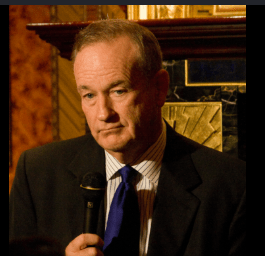
He began his career as a local television reporter before transitioning into national broadcast journalism. His breakthrough came with “The O’Reilly Factor,” which became one of the highest-rated cable news programs in the United States. The show’s format combined political commentary with direct interviews, often featuring confrontational exchanges with guests.
O’Reilly’s screen presence is defined by authoritative delivery, structured argumentation, and a combative interview style. He positioned himself as a defender of traditional values while engaging in politically charged debates that attracted both strong viewership and significant criticism.
His legacy remains deeply influential in shaping opinion-driven cable news formats, particularly in the integration of personality-led commentary into mainstream journalism.
Key Facts
- Full name of the subject: William James O’Reilly Jr.
- Date of birth: September 10, 1949
- Place of birth: New York City, New York, United States
- Family background: Middle-class Irish-American family
- Early childhood experiences: Structured and disciplined upbringing
- Education history: Marist College; Boston University; Harvard University
- Influences and mentors: Broadcast journalists and political commentators
- Career beginnings: Local television reporting
- Major achievements: Host of The O’Reilly Factor
- Challenges and obstacles faced: Public controversies and career termination
- Turning points in life: National success of Fox News program
- Contributions to society: Political commentary and media influence
- Personal life (marriage, children, relationships): Married and divorced, father of children
- Awards and recognitions: Broadcasting industry awards
- Beliefs, values, or philosophy: Traditional values and assertive commentary
- Legacy and impact: Pioneer of opinion-based cable news dominance
- Historical or cultural significance: Major figure in modern political media
Notable Works: The O’Reilly Factor, Killing series of books
Controversies:
One major controversy involved multiple allegations of workplace misconduct that were reported by various individuals during his tenure at Fox News. The issue centered on claims of inappropriate behavior, which led to internal investigations and extensive media coverage. Key stakeholders included Fox News management, legal representatives, employees, and advocacy groups. O’Reilly denied wrongdoing, and settlements were reached in some cases, though details remained confidential. The network ultimately ended his program following advertiser pressure and reputational concerns. The incident had significant implications for workplace conduct policies within broadcast media organizations.
Another controversy involved prior on-air commentary that critics argued reflected partisan bias and inflammatory rhetoric. Supporters viewed his style as assertive opinion journalism, while critics argued it contributed to media polarization. These debates have continued to influence discussions about journalistic standards in cable news programming.
10. Wendy Williams
Wendy Williams became one of the most recognizable and unconventional figures in daytime television through a career defined by candid commentary, celebrity-focused journalism, and an unfiltered broadcasting style. Born and raised in New Jersey, Williams grew up in a middle-class African-American household where communication and confidence were strongly encouraged. Her early interest in radio shaped her later career trajectory.

She began her career in radio broadcasting, where her outspoken personality and willingness to discuss celebrity controversies earned her both popularity and criticism. Her breakthrough into television came with “The Wendy Williams Show,” which translated her radio persona into a visual format centered on celebrity news, gossip commentary, and audience interaction.
Williams’s screen presence is defined by directness, spontaneity, and emotional transparency. She became known for her signature “how you doing?” catchphrase and her ability to discuss sensitive entertainment industry topics openly. Her influence lies in shaping modern celebrity commentary television, blending journalism with entertainment gossip culture.
Her legacy is closely tied to the evolution of celebrity media coverage and the rise of personality-driven daytime talk shows focused on entertainment reporting.
Key Facts
- Full name of the subject: Wendy Joan Williams
- Date of birth: July 18, 1964
- Place of birth: Asbury Park, New Jersey, United States
- Family background: Middle-class American family
- Early childhood experiences: Early interest in media and communication
- Education history: Northeastern University
- Influences and mentors: Radio broadcasting industry professionals
- Career beginnings: Radio DJ and host
- Major achievements: Host of The Wendy Williams Show
- Challenges and obstacles faced: Public health and career disruptions
- Turning points in life: Transition from radio to television
- Contributions to society: Celebrity journalism and entertainment commentary
- Personal life (marriage, children, relationships): Previously married to Kevin Hunter
- Awards and recognitions: Daytime television awards
- Beliefs, values, or philosophy: Transparency and open commentary
- Legacy and impact: Influential figure in celebrity talk television
- Historical or cultural significance: Pioneer of gossip-driven daytime TV formats
Notable Works: The Wendy Williams Show
Controversies:
One major controversy involved Wendy Williams’ on-air commentary about celebrities, which frequently drew criticism for crossing into personal or sensitive territory. The issue centers on the ethical boundaries of celebrity journalism and whether certain discussions contribute to reputational harm. Key stakeholders include public figures discussed on her show, media outlets, advertisers, and advocacy groups. Williams maintained that her commentary reflected entertainment reporting traditions, while critics argued it blurred lines between journalism and gossip. The discussions contributed to ongoing debates about responsibility in celebrity media coverage.
Another controversy involved concerns about her health and on-air performance during later seasons of her show, which led to production interruptions and eventual program conclusion. The situation involved network executives, production teams, and public audiences, with differing perspectives on privacy, health disclosure, and professional obligations. The matter ultimately reshaped conversations about support systems for long-running television hosts.
Notable Mentions
Roseanne Barr
Don Lemon
Matt Lauer
Tucker Carlson
Megyn Kelly
Rush Limbaugh
Morton Downey Jr.
Geraldo Rivera
James Corden
Ellen DeGeneres