
Top 10 Comedic Satirists: The people using humor to analyze African geopolitics
Top 10 Comedic Satirists: The people using humor to analyze African geopolitics
In This Content
Quick List
Zapiro (Jonathan Shapiro)
Tilapia the Cartoonist
Dennis Itumbi
Long John the Comedian
Khaby Lame
Martins Vincent Otse (VDM)
Celany
Tundu Lissu
Bassem Youssef
Oliver Mtukudzi (The Satirist)
1. Zapiro (Jonathan Shapiro)
Jonathan Shapiro, widely known by his pen name Zapiro, stands as one of Africa’s most influential visual satirists, whose work has shaped political commentary in post-apartheid South Africa. Born into a politically conscious Jewish family in Cape Town, his early exposure to activism during the apartheid era profoundly shaped his worldview. He studied architecture briefly before shifting fully into cartooning, a move that would redefine political illustration across the continent.

Zapiro’s career began in exile during his time in the United States, where he refined his craft and developed a biting visual language rooted in irony and caricature. On returning to South Africa in the early 1990s, as apartheid collapsed, his work found fertile ground in a nation grappling with transition. His cartoons became a weekly ritual of political reflection, appearing in leading newspapers and challenging emerging power structures with equal intensity.
His breakthrough came with his consistent critique of post-apartheid leadership, where he used symbolism, recurring characters, and allegory to dissect corruption, governance failures, and judicial controversies. Zapiro’s depiction of political figures, including presidents and party leaders, often sparked national debate, positioning him not merely as an artist but as a political commentator operating in ink rather than speech.
Over decades, Zapiro’s legacy has evolved into that of a civic watchdog. His work has influenced public discourse, legal debates, and media freedom discussions across Africa. While frequently controversial, his cartoons are widely regarded as essential to South Africa’s democratic culture, reflecting both the promise and contradictions of its political landscape.
Key Facts
- Full name of the subject: Jonathan Shapiro
- Date of birth: 27 March 1958
- Place of birth: Cape Town, South Africa
- Family background: Middle-class Jewish South African family
- Early childhood experiences: Grew up during apartheid-era political tension
- Education history: Studied architecture at the University of Cape Town; later trained in cartooning in the United States
- Influences and mentors: African political movements, global editorial cartoonists
- Career beginnings: Began cartooning professionally in exile during the 1980s
- Major achievements: Leading political cartoonist in South African media
- Challenges and obstacles faced: Legal threats, censorship pressure, political backlash
- Turning points in life: Return to South Africa during democratic transition
- Contributions to society: Political accountability through satire
- Personal life (marriage, children, relationships): Private family life
- Awards and recognitions: Multiple international press and cartooning awards
- Beliefs, values, or philosophy: Strong advocacy for democracy and press freedom
- Legacy and impact: Defined modern African political cartooning
- Historical or cultural significance: Chronicler of South Africa’s democratic evolution
Notable Works: Weekly political cartoons in leading South African newspapers; satirical depictions of national political scandals; judicial satire illustrations; post-apartheid governance commentary series
Controversies:
A recurring controversy surrounding Zapiro’s work involves his satirical depictions of political leaders, particularly those involving sensitive allegations of corruption and sexual violence. The issue centers on whether his cartoons cross ethical boundaries in portraying public figures in highly provocative symbolic scenarios. The background of these disputes lies in South Africa’s strong constitutional protection of freedom of expression, which often clashes with cultural sensitivities and political dignity claims.
Key stakeholders include political parties, public officials depicted in his cartoons, media houses publishing his work, and civil society organizations defending press freedom. Critics argue that some of his illustrations risk reinforcing harmful stereotypes or defamation, while supporters maintain that his work is protected satire essential to democratic accountability. Zapiro has consistently defended his approach as metaphorical commentary rather than literal accusation.
Fact clarification versus public perception remains central to the debate, as courts and press councils have at times reviewed complaints but largely upheld the principle of artistic freedom. However, public reaction has often been polarized, with segments of society interpreting his work as offensive or partisan.
The impact of these controversies has reinforced Zapiro’s position as both a celebrated and contested figure in African media. While his reputation within journalistic circles remains strong, his cartoons continue to provoke national conversations about the limits of satire in democratic societies.
2. Tilapia the Cartoonist
Tilapia the Cartoonist emerged from Ghana’s vibrant but politically charged media landscape as a visual satirist whose work reflects the everyday tensions of governance, economy, and civic life. Born in Accra, Tilapia grew up in a household where storytelling and oral commentary were central to community interaction, shaping his instinct for satire rooted in local realities.
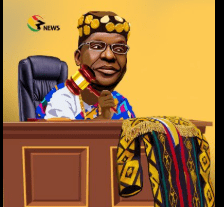
His early career began with small illustrations circulated in student publications and independent newspapers, where he developed a style that blended humor with sharp political critique. Ghana’s relatively stable democratic environment provided both opportunity and constraint, allowing Tilapia to comment freely while navigating editorial boundaries.
His breakthrough came when his cartoons began addressing economic inequality, electoral politics, and institutional accountability, gaining traction on digital platforms. Social media amplified his reach, transforming him from a print cartoonist into a continental voice in digital satire.
Tilapia’s legacy lies in his ability to translate complex political and economic issues into accessible visual humor. His work resonates particularly with younger audiences, who engage with politics through digital media rather than traditional print outlets.
Key Facts
- Full name of the subject: Not publicly disclosed (Tilapia the Cartoonist)
- Date of birth: Not publicly available
- Place of birth: Accra, Ghana
- Family background: Middle-class Ghanaian household
- Early childhood experiences: Exposure to storytelling and street commentary culture
- Education history: Studied visual arts (informal and formal training)
- Influences and mentors: African editorial cartooning traditions
- Career beginnings: Student publication illustrations
- Major achievements: Viral political cartoons in Ghana and West Africa
- Challenges and obstacles faced: Editorial restrictions, political pressure
- Turning points in life: Social media virality
- Contributions to society: Civic political awareness through satire
- Personal life (marriage, children, relationships): Not publicly disclosed
- Awards and recognitions: Regional digital media recognition
- Beliefs, values, or philosophy: Advocacy for civic accountability
- Legacy and impact: Digital transformation of Ghanaian political satire
- Historical or cultural significance: Part of Africa’s new media satire movement
Notable Works: Viral digital political cartoons on elections; economic policy satire illustrations; governance critique series; youth political engagement visuals
Controversies:
A notable controversy involving Tilapia the Cartoonist centers on accusations of political bias in his satirical depictions of electoral candidates and governance institutions. The issue arose during a heated election cycle where his cartoons were interpreted by some political actors as partisan commentary rather than neutral satire. The background reflects Ghana’s competitive multi-party democracy, where media interpretation of political content is often highly sensitive.
Key stakeholders included political party representatives, media regulators, and digital audiences who widely shared his work. Critics argued that his cartoons risked influencing voter perception unfairly, while supporters emphasized satire’s role in democratic critique. Tilapia maintained that his work targeted systems of power rather than individual candidates.
From a factual standpoint, no formal sanctions or regulatory penalties were imposed, though public debate intensified around ethical boundaries in political satire. The matter remained largely in the court of public opinion rather than legal adjudication.
The impact of the controversy elevated Tilapia’s visibility across West Africa, solidifying his role in discussions about digital satire, media ethics, and political expression in emerging democracies.
3. Dennis Itumbi
Dennis Itumbi is a Kenyan political communicator and satirical strategist whose influence spans digital activism, political messaging, and media narrative shaping. Born in rural Kenya, Itumbi’s early exposure to community radio and grassroots political discourse informed his understanding of communication as a tool of influence.
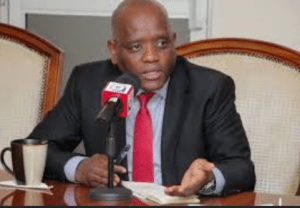
He began his career in digital media and political communication, working within government and later transitioning into independent commentary. His early work focused on shaping online narratives around governance and national development, often blending factual reporting with satirical undertones.
His breakthrough came with his prominent role in Kenya’s digital political ecosystem, where he became known for crafting viral political content and strategic messaging campaigns. His work blurred the lines between satire, communication strategy, and political advocacy.
Itumbi’s legacy is complex, defined by both influence and controversy. He has played a significant role in shaping Kenya’s digital political culture, particularly in how satire intersects with political messaging and online discourse.
Key Facts
- Full name of the subject: Dennis Itumbi
- Date of birth: Not publicly disclosed
- Place of birth: Kenya
- Family background: Rural Kenyan upbringing
- Early childhood experiences: Exposure to community radio and political storytelling
- Education history: Communication and media studies background
- Influences and mentors: Kenyan political communicators and digital media pioneers
- Career beginnings: Government digital communication roles
- Major achievements: Influential political communication strategist
- Challenges and obstacles faced: Political scrutiny and public criticism
- Turning points in life: Transition from government to independent commentary
- Contributions to society: Digital political communication development
- Personal life (marriage, children, relationships): Not publicly detailed
- Awards and recognitions: Media and communication industry acknowledgments
- Beliefs, values, or philosophy: Strategic communication and civic engagement
- Legacy and impact: Shaped Kenya’s digital political narrative space
- Historical or cultural significance: Key figure in African political communication evolution
Notable Works: Digital political campaigns; viral political messaging strategies; governance communication initiatives; online political satire content
Controversies:
A major controversy surrounding Dennis Itumbi involves allegations related to the creation and dissemination of politically sensitive digital content, raising questions about the boundaries between satire, misinformation, and political communication. The issue emerged during periods of heightened political tension in Kenya, where online narratives significantly influenced public perception.
Key stakeholders included political parties, government institutions, digital media audiences, and regulatory bodies overseeing communication standards. Critics alleged that some of the content associated with Itumbi’s digital ecosystem blurred ethical lines, while supporters argued that it represented legitimate political expression and strategic communication.
From a factual standpoint, investigations and public debates have produced mixed interpretations, with no universally agreed conclusion on intent versus impact. Some inquiries focused on the broader ecosystem of digital political messaging rather than individual culpability.
The impact of these controversies has positioned Itumbi as a polarizing figure in Kenyan media discourse, highlighting the evolving challenges of political satire and communication in the digital age.
4. Long John the Comedian
Long John the Comedian represents a strand of Zimbabwean satire shaped by economic hardship, political tension, and a deeply expressive street culture. Born in Harare during a period of economic instability, his early life was defined by scarcity, community resilience, and the use of humor as a coping mechanism. These formative experiences later became the foundation of his comedic voice.

He began his career performing at small local gatherings and informal comedy nights, where storytelling and observational humor dominated his style. Zimbabwe’s challenging socio-political environment meant that comedy often functioned as indirect commentary on governance, and Long John quickly developed a reputation for subtle but pointed critique.
His breakthrough came through radio and later televised comedy appearances, where his exaggerated characters and situational satire resonated with audiences across class divides. He became known for transforming everyday frustrations with inflation, bureaucracy, and social inequality into comedic narratives that reflected broader political realities.
Long John’s legacy lies in his ability to merge entertainment with socio-political awareness. His comedy acts as both relief and reflection, capturing the contradictions of Zimbabwean society while maintaining accessibility for mass audiences.
Key Facts
- Full name of the subject: Long John (stage name; legal name not publicly emphasized)
- Date of birth: Not publicly disclosed
- Place of birth: Harare, Zimbabwe
- Family background: Working-class Zimbabwean family
- Early childhood experiences: Exposure to economic hardship and street storytelling culture
- Education history: Informal creative development and performance training
- Influences and mentors: Zimbabwean theatre and street comedians
- Career beginnings: Local comedy performances and community shows
- Major achievements: National recognition in Zimbabwean comedy circuits
- Challenges and obstacles faced: Political sensitivity in comedic expression
- Turning points in life: Transition to national radio and television exposure
- Contributions to society: Social commentary through humor
- Personal life (marriage, children, relationships): Not widely publicized
- Awards and recognitions: Regional comedy accolades
- Beliefs, values, or philosophy: Humor as survival and social critique
- Legacy and impact: Voice of everyday Zimbabwean experience
- Historical or cultural significance: Part of Zimbabwe’s modern satirical performance tradition
Notable Works: Television comedy sketches on social life; radio satire segments; live performance tours; character-based political humor routines
Controversies:
A notable controversy involving Long John the Comedian centers on the interpretation of his satirical material as indirect political criticism of government institutions and public officials. The issue emerged from performances in which fictional characters and exaggerated scenarios were perceived by some audiences as references to real political figures. This reflects Zimbabwe’s broader sensitivity toward political commentary in entertainment.
Key stakeholders included entertainment regulators, political observers, audiences, and comedy venues hosting performances. Critics argued that certain sketches risked crossing into politically sensitive territory, while supporters maintained that his work remained within the boundaries of artistic expression and social commentary.
From a factual standpoint, there were no widely documented legal sanctions against Long John, though discussions in media and cultural spaces highlighted the fine line between satire and political interpretation. The controversy largely remained within public discourse rather than formal institutional proceedings.
The impact of these debates reinforced the cautious environment in which Zimbabwean comedians operate, while also elevating Long John’s profile as a performer navigating complex socio-political boundaries through humor.
5. Khaby Lame
Khaby Lame, though globally recognized as a digital creator, has emerged as one of the most influential satirical voices of the internet age, using silent humor to critique complexity, inefficiency, and modern absurdity. Born in Senegal and raised in Italy, his early life was shaped by migration, working-class struggles, and cultural adaptation.

Before his rise to fame, Khaby worked factory jobs in Italy after losing employment during the COVID-19 pandemic. This period became a turning point, as he began creating short-form videos that humorously exposed overly complicated life hacks and bureaucratic absurdities without speaking a word.
His breakthrough came on TikTok, where his silent expressions and simple gestures became a global language of satire. Unlike traditional comedians, Khaby’s humor transcends linguistic barriers, making his commentary on global systems, consumer culture, and inefficiency universally accessible.
His legacy lies in redefining satire for the digital era. He represents a shift from spoken political critique to visual minimalism, where silence itself becomes commentary on global excess and inefficiency.
Key Facts
- Full name of the subject: Khabane Lame
- Date of birth: 9 March 2000
- Place of birth: Dakar, Senegal
- Family background: Working-class immigrant family
- Early childhood experiences: Migration from Senegal to Italy
- Education history: Attended school in Italy; vocational background
- Influences and mentors: Internet culture and global meme ecosystems
- Career beginnings: Factory work in Italy; early TikTok videos
- Major achievements: Global social media influence
- Challenges and obstacles faced: Immigration status and economic hardship
- Turning points in life: Viral TikTok breakthrough
- Contributions to society: Digital satire without language barriers
- Personal life (marriage, children, relationships): Private
- Awards and recognitions: Global digital creator recognition
- Beliefs, values, or philosophy: Simplicity over complexity
- Legacy and impact: Redefined global digital satire
- Historical or cultural significance: Symbol of borderless internet humor
Notable Works: Silent TikTok reaction videos; viral satire of “life hack” culture; global brand collaborations; digital humor campaigns
Controversies:
A recurring controversy surrounding Khaby Lame involves discussions over content ownership and originality in digital satire, particularly in relation to his reinterpretation of existing internet trends. The issue emerged as his rapid global rise prompted debates about how digital creators build satire from pre-existing viral content.
Key stakeholders included content creators, digital platforms, intellectual property commentators, and online audiences. Critics argued that his format relies heavily on reacting to or simplifying existing ideas, while supporters contend that his execution transforms content into a unique satirical commentary on digital excess.
From a factual perspective, no formal copyright violations or legal disputes have been conclusively established against him. The debate remains largely conceptual, focusing on creative boundaries in the fast-moving digital economy.
The impact of this controversy has contributed to broader conversations about authorship in internet culture, while not diminishing Khaby’s position as one of the most recognizable global satirists of the digital age.
6. Martins Vincent Otse (VDM)
Martins Vincent Otse, widely known as VDM, is a Nigerian digital commentator and satirical voice whose content blends humor, activism, and social critique. Born and raised in Nigeria, his early life was shaped by exposure to urban social dynamics and the realities of youth unemployment and governance debates.

He began his career creating short-form online videos that combined comedic exaggeration with commentary on social behavior, institutional inefficiencies, and public accountability. His tone often oscillates between humor and direct critique, positioning him within Nigeria’s evolving digital activist space.
His breakthrough came through viral social media content, where his outspoken style and confrontational humor attracted both large audiences and institutional attention. He became known for addressing sensitive societal issues through satire, often engaging directly with public figures and trending topics.
VDM’s legacy is still developing, but he represents a generation of African digital satirists who use social media as both stage and courtroom for public accountability and comedic critique.
Key Facts
- Full name of the subject: Martins Vincent Otse
- Date of birth: Not publicly disclosed
- Place of birth: Nigeria
- Family background: Middle-class Nigerian upbringing
- Early childhood experiences: Exposure to urban social realities
- Education history: Studied in Nigeria (details not widely publicized)
- Influences and mentors: Nigerian street satire and digital creators
- Career beginnings: Social media comedy content creation
- Major achievements: Viral digital influence in Nigeria
- Challenges and obstacles faced: Public backlash and online disputes
- Turning points in life: Viral breakout on social platforms
- Contributions to society: Digital civic commentary
- Personal life (marriage, children, relationships): Not publicly detailed
- Awards and recognitions: Online creator recognition
- Beliefs, values, or philosophy: Accountability through humor
- Legacy and impact: Emerging voice in Nigerian digital satire
- Historical or cultural significance: Part of Nigeria’s influencer-driven satire movement
Notable Works: Viral social commentary videos; online accountability skits; public issue satire content; digital activism humor series
Controversies:
A significant controversy involving VDM centers on accusations of defamation and the boundaries of online criticism in his satirical commentary on public figures and institutions. The issue arose from viral videos in which individuals and organizations felt misrepresented or publicly criticized in a comedic format.
Key stakeholders include individuals referenced in his content, social media platforms, legal representatives, and digital audiences. Critics argue that his style sometimes blurs the line between satire and personal targeting, while supporters view his work as necessary social accountability in a media environment with limited institutional transparency.
Factually, some disputes have escalated into public complaints and legal discussions, though outcomes vary depending on jurisdiction and case specifics. Many matters remain unresolved or settled informally through public dialogue.
The impact of these controversies has increased scrutiny of digital satire in Nigeria, positioning VDM as both a controversial and influential figure in the evolving space of online civic commentary.
7. Celany
Celany is a regional East African satirical voice whose identity is tied less to a single nation and more to a cross-border digital commentary culture. Emerging from the interconnected media environments of East Africa, Celany’s work reflects shared political and social experiences across Kenya, Uganda, and Tanzania.
Their early development was rooted in online creative spaces, where humor, meme culture, and political discourse intersected. This environment allowed Celany to develop a flexible satirical style that addresses governance, youth identity, and regional integration challenges.

Celany’s breakthrough came through viral digital sketches and commentary posts that resonated with East African youth audiences. Their ability to distill complex regional issues into accessible humor positioned them as a unifying digital voice in a fragmented media landscape.
Celany’s legacy is still unfolding, but they represent a new generation of borderless African satire shaped by digital connectivity and shared socio-political realities.
Key Facts
Full name of the subject: Celany (pseudonym/brand identity)
Date of birth: Not publicly disclosed
Place of birth: East Africa (regional identity)
Family background: Not publicly detailed
Early childhood experiences: Exposure to East African urban culture
Education history: Informal digital media and creative development
Influences and mentors: Regional meme culture and political satire traditions
Career beginnings: Online sketch and commentary content
Major achievements: Regional digital audience growth
Challenges and obstacles faced: Cross-border content interpretation issues
Turning points in life: Viral regional engagement
Contributions to society: Youth political awareness through humor
Personal life (marriage, children, relationships): Not publicly disclosed
Awards and recognitions: Regional digital creator recognition
Beliefs, values, or philosophy: Unity through shared humor
Legacy and impact: Emerging East African digital satirical identity
Historical or cultural significance: Symbol of regional digital satire convergence
Notable Works: Viral East African meme satire; regional political humor sketches; youth commentary content; cross-border digital satire series
Controversies:
A notable controversy involving Celany relates to the interpretation of their regional satire as politically sensitive commentary across different East African jurisdictions. The issue emerged as content circulated widely beyond its original national context, leading to varied interpretations by audiences in different countries.
Key stakeholders included digital audiences across East Africa, content regulators in multiple jurisdictions, and political commentators. Critics argued that cross-border satire can unintentionally amplify politically sensitive narratives, while supporters emphasized the importance of regional artistic expression and shared cultural critique.
From a factual standpoint, there have been no formal cross-border regulatory actions conclusively restricting Celany’s work, though debates about digital content governance continue to evolve in the region.
The impact of this controversy highlights the challenges of regional satire in a digitally connected Africa, where humor transcends borders faster than regulatory frameworks can adapt.
8. Tundu Lissu
Tundu Lissu occupies a unique position in African political satire, where legal precision meets sharp political critique. Born in Tanzania, his early life was shaped by rural upbringing and early exposure to civic inequality, which later influenced his legal and political consciousness. He studied law and quickly developed a reputation for fearless advocacy in constitutional and human rights matters.
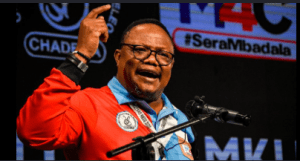
His career began in legal practice and public interest litigation, where he often challenged state authority through constitutional interpretation and courtroom advocacy. While not a comedian in the traditional sense, Lissu’s rhetorical style and public speeches increasingly incorporated satire, irony, and pointed critique of governance structures.
His breakthrough as a satirical political voice emerged during his tenure in opposition politics, where his public addresses frequently dissected policy failures and governance contradictions with analytical humor. His ability to blend legal reasoning with sharp, cutting commentary made him a standout figure in Tanzanian political discourse.
Lissu’s legacy lies in his transformation of political speech into a form of structured satire. His influence extends beyond politics into civic education, where humor and critique become tools for public awareness about constitutional governance and accountability.
Key Facts
- Full name of the subject: Tundu Antiphas Lissu
- Date of birth: 20 January 1968
- Place of birth: Singida Region, Tanzania
- Family background: Rural Tanzanian family
- Early childhood experiences: Exposure to rural governance challenges
- Education history: Law degree (University of Dar es Salaam); legal training in Tanzania and abroad
- Influences and mentors: Constitutional law scholars and human rights advocates
- Career beginnings: Legal practice and human rights litigation
- Major achievements: Prominent opposition political leadership and legal advocacy
- Challenges and obstacles faced: Political persecution, legal battles, exile periods
- Turning points in life: Transition from legal practice to full political opposition leadership
- Contributions to society: Constitutional awareness and governance accountability
- Personal life (marriage, children, relationships): Married with children (private details limited)
- Awards and recognitions: Human rights and legal advocacy recognition
- Beliefs, values, or philosophy: Constitutional democracy and rule of law
- Legacy and impact: Symbol of political resistance and civic accountability
- Historical or cultural significance: Major voice in Tanzanian democratic discourse
Notable Works: Parliamentary speeches with satirical critique; constitutional law challenges; governance reform advocacy; public political commentary
Controversies:
A major controversy surrounding Tundu Lissu relates to his repeated arrests, legal prosecutions, and allegations of political intimidation linked to his outspoken criticism of government policies and leadership. The issue is rooted in Tanzania’s broader political climate, where opposition figures often face heightened scrutiny.
Key stakeholders include the Tanzanian government, judicial institutions, opposition parties, human rights organizations, and international observers. Critics of the state argue that his legal troubles reflect political suppression, while government positions have often framed actions against him as lawful responses to alleged violations of public order or legal procedures.
Factually, Lissu has faced multiple legal proceedings, including charges and detentions, some of which have been widely debated in international human rights forums. However, interpretations of these events differ significantly depending on political perspective and legal framing.
The impact of these controversies has elevated Lissu into a continental symbol of political resilience, reinforcing his image as both a legal mind and a satirical political critic operating within high-stakes governance environments.
9. Bassem Youssef
Bassem Youssef is widely regarded as one of the most influential political satirists to emerge from Africa and the Middle East, often referred to as the “Jon Stewart of the Arab world.” Born in Cairo, Egypt, his early life was shaped by medical training and exposure to structured professional environments far removed from media or comedy.

Initially trained as a cardiac surgeon, Youssef’s career trajectory changed dramatically during the Arab Spring, when he began producing short satirical videos commenting on political events unfolding in Egypt. These videos rapidly gained popularity and evolved into a televised program that became a national phenomenon.
His breakthrough came with his show “Al-Bernameg,” which used satire to dissect political transitions, military governance, and media narratives in post-revolution Egypt. His comedic style blended sarcasm, parody, and investigative critique, making complex political realities accessible to mass audiences.
Youssef’s legacy is defined by his ability to transform satire into a national political force. Despite operating in a restrictive media environment, he established a new model of political comedy that influenced global perceptions of Middle Eastern and African political humor.
Key Facts
- Full name of the subject: Bassem Raafat Mohamed Youssef
- Date of birth: 21 March 1974
- Place of birth: Cairo, Egypt
- Family background: Egyptian middle-class family
- Early childhood experiences: Exposure to academic discipline and civic life
- Education history: Medical degree (Cairo University); cardiac surgery training
- Influences and mentors: Western political satire (e.g., Jon Stewart), Egyptian political discourse
- Career beginnings: Post-Arab Spring online satirical videos
- Major achievements: Host of influential political satire program “Al-Bernameg”
- Challenges and obstacles faced: Censorship, political pressure, show cancellation
- Turning points in life: Transition from surgery to full-time satire
- Contributions to society: Political awareness through televised satire
- Personal life (marriage, children, relationships): Married with children
- Awards and recognitions: International journalism and media awards
- Beliefs, values, or philosophy: Freedom of expression and political accountability
- Legacy and impact: Pioneer of televised political satire in the Arab world
- Historical or cultural significance: Key figure in post-Arab Spring media evolution
Notable Works: “Al-Bernameg” television show; viral political satire segments; international comedy appearances; political commentary specials
Controversies:
A significant controversy surrounding Bassem Youssef involves the cancellation of his television program and allegations of political pressure influencing media freedom in Egypt. The issue emerged as his show gained widespread popularity while simultaneously critiquing powerful political institutions during a sensitive transitional period.
Key stakeholders included Egyptian broadcasting authorities, political leadership structures, media regulators, international press freedom organizations, and audiences across the Arab world. Critics of the shutdown argued that it represented censorship and suppression of dissenting satire, while official narratives emphasized regulatory compliance and national stability considerations.
Factually, the termination of “Al-Bernameg” was officially attributed to broadcasting and contractual issues, though extensive public debate continues regarding the extent of political influence. International organizations have frequently cited the case in discussions on media freedom in Egypt.
The impact of this controversy significantly elevated Youssef’s global profile, transforming him into an international symbol of political satire under pressure and reinforcing debates about the boundaries of comedy in politically sensitive environments.
10. Oliver Mtukudzi (The Satirist)
Oliver “Tuku” Mtukudzi, celebrated primarily as one of Zimbabwe’s greatest musical legends, also functioned as a cultural satirist whose music carried deep commentary on governance, morality, and social behavior. Born in rural Zimbabwe, his early life was shaped by traditional storytelling, communal life, and music as a form of education and expression.

He began his career as a musician in the post-independence era, joining bands before launching a solo career that would span decades. While his work was rooted in music, many of his lyrics functioned as coded satire, addressing political corruption, social injustice, and human behavior in ways that were accessible yet layered.
His breakthrough came as his music gained continental recognition, blending Afro-jazz rhythms with lyrical storytelling that resonated across African societies. His songs often used metaphor and allegory, allowing him to critique societal issues without direct confrontation.
Mtukudzi’s legacy is that of a cultural philosopher. Through music, he created a form of satirical storytelling that influenced generations of African artists, positioning him as both entertainer and moral commentator.
Key Facts
- Full name of the subject: Oliver “Tuku” Mtukudzi
- Date of birth: 22 September 1952
- Place of birth: Harare, Zimbabwe
- Family background: Rural Zimbabwean family
- Early childhood experiences: Traditional storytelling and community music exposure
- Education history: Informal musical training and self-development
- Influences and mentors: Zimbabwean traditional music and African oral literature
- Career beginnings: Early band performances in post-independence Zimbabwe
- Major achievements: International Afro-jazz music career
- Challenges and obstacles faced: Political sensitivity of lyrical content
- Turning points in life: Rise to continental musical recognition
- Contributions to society: Social commentary through music
- Personal life (marriage, children, relationships): Family life with children
- Awards and recognitions: Numerous continental music awards
- Beliefs, values, or philosophy: Humanity, morality, and social responsibility
- Legacy and impact: Redefined African music as social commentary
- Historical or cultural significance: Cultural voice of Zimbabwean post-independence identity
Notable Works: “Todii,” “Neria,” “Wasakara,” and other socially reflective songs; Afro-jazz albums addressing governance and morality; international cultural performances
Controversies:
A minor but recurring controversy surrounding Oliver Mtukudzi’s work involved interpretations of his socially conscious lyrics as indirect political commentary during sensitive political periods in Zimbabwe. The issue centered on whether his metaphorical storytelling constituted criticism of state institutions or remained purely cultural expression.
Key stakeholders included government cultural bodies, music industry regulators, audiences, and political commentators. Critics occasionally interpreted certain songs as politically charged, while supporters emphasized his consistent public stance of artistic neutrality and human-centered storytelling.
Factually, Mtukudzi maintained a reputation for avoiding explicit political alignment, and no formal sanctions or restrictions were imposed on his work. However, public interpretation often varied depending on the political climate at the time of release.
The impact of these debates reinforced his status as a cultural satirist operating through metaphor rather than direct confrontation, strengthening his legacy as one of Africa’s most respected artistic voices.
Notable Mentions
Kagiso “KG” Mokgadi
Mammito Eunice
Gado (Godfrey Mwampembwa)
Teacher Wanjiku
Lasizwe Dambuza
Basketmouth
Mark Angel
Loyiso Gola
Shank Comics (Adesokan Emmanuel)
Oheneba Mitterrand