
Top 10 Critics Who Define Global Style Standards
Top 10 Critics Who Define Global Style Standards
In This Content
Quick List
Cathy Horyn
Vanessa Friedman
Robin Givhan
Joe Zee
Brad Goreski
Steven Cojocaru (Cozy)
Bevy Smith
Tom Fitzgerald
Zanna Roberts Rassi
Tan France
1.Cathy Horyn
Cathy Horyn stands as one of the most formidable voices in modern fashion criticism, known for her uncompromising editorial clarity and intellectual rigor. Raised in the United States in a family that valued education and analytical thinking, Horyn developed an early sensitivity to language, structure, and cultural observation. Her academic background in journalism provided the foundation for a career defined not by spectacle, but by precision in critique and depth of interpretation.

Horyn began her career in journalism working across various editorial outlets before entering fashion reporting, where her ability to dissect collections with both literary intelligence and cultural awareness quickly distinguished her. Her breakthrough came during her tenure at major publications where she became recognized for her sharp, often controversial runway reviews. Unlike many of her contemporaries, Horyn approached fashion not as entertainment, but as a system of ideas, politics, and historical reference.
Her legacy is defined by elevating fashion criticism into serious cultural journalism. Horyn challenged designers, luxury houses, and editorial systems to justify their creative decisions beyond aesthetics. Her critiques often sparked industry-wide debate, reinforcing the idea that fashion is both art and argument.
Cathy Horyn remains a defining force in global fashion discourse, shaping how editorial criticism is written, read, and challenged.
Key Facts
- Full name of the subject: Cathy Horyn
- Date of birth: November 11, 1956
- Place of birth: United States
- Family background: Raised in an academically inclined household
- Early childhood experiences: Strong exposure to reading and analytical writing
- Education history: University-level journalism training
- Influences and mentors: Investigative journalists and literary critics
- Career beginnings: Local journalism and editorial reporting
- Major achievements: Fashion critic for The New York Times
- Challenges and obstacles faced: Industry pushback against critical runway reviews
- Turning points in life: Appointment as leading fashion critic at major newspaper
- Contributions to society: Elevated fashion criticism into cultural analysis
- Personal life (marriage, children, relationships): Maintains private personal life
- Awards and recognitions: Journalism and criticism honors
- Beliefs, values, or philosophy: Intellectual honesty in cultural critique
- Legacy and impact: Redefined fashion criticism as serious journalism
- Historical or cultural significance: Transformed runway reporting into cultural discourse
Notable Works: The New York Times fashion criticism, international runway reviews, designer profile analyses
Controversies:
A notable controversy involving Cathy Horyn centered on her critical reviews of high-profile fashion collections, which some designers and industry figures characterized as overly harsh or dismissive. The issue emerged during her tenure as a leading fashion critic when her published assessments of runway shows sparked public disagreements with prominent designers. The situation involved fashion houses, editorial institutions, and media audiences debating the boundaries between honest criticism and reputational sensitivity. Horyn maintained that her role required independence and analytical rigor, emphasizing that fashion criticism must remain free from promotional bias. While some industry stakeholders questioned her tone, others supported her approach as essential to maintaining journalistic integrity. The broader impact of these debates reinforced ongoing discussions about the role of critics in shaping creative accountability within the fashion industry.
2. Vanessa Friedman
Vanessa Friedman represents the evolution of fashion criticism into global economic and cultural analysis, blending editorial authority with deep institutional insight. Born in the United Kingdom, Friedman grew up in a family that valued intellectual engagement and global awareness, shaping her early interest in cultural systems and communication. She studied at Oxford University, where her academic focus on history and analytical writing laid the foundation for her later work in journalism.

Friedman began her career in financial and cultural reporting, working across respected international publications before transitioning into fashion journalism. Her breakthrough came when she became fashion director and later chief fashion critic at major global media institutions. Her writing distinguishes itself through its integration of economics, politics, and cultural identity within fashion analysis, elevating the subject beyond aesthetic interpretation.
Her legacy lies in positioning fashion criticism within global discourse. Friedman consistently examines how fashion intersects with power structures, consumer behavior, and cultural identity. Her work has expanded the scope of fashion journalism into a multidimensional field of global relevance.
Vanessa Friedman remains one of the most authoritative voices in contemporary fashion criticism, shaping how style is interpreted across economic and cultural systems.
Key Facts
- Full name of the subject: Vanessa Friedman
- Date of birth: Not publicly disclosed
- Place of birth: United Kingdom
- Family background: Academically oriented family background
- Early childhood experiences: Exposure to international culture and literature
- Education history: University of Oxford
- Influences and mentors: Economic journalists and cultural theorists
- Career beginnings: Financial and cultural reporting
- Major achievements: Chief fashion critic at The New York Times
- Challenges and obstacles faced: Transitioning fashion into serious journalism discourse
- Turning points in life: Appointment as global fashion critic
- Contributions to society: Integration of economics and culture in fashion criticism
- Personal life (marriage, children, relationships): Maintains private personal life
- Awards and recognitions: International journalism awards
- Beliefs, values, or philosophy: Fashion as a reflection of global systems
- Legacy and impact: Expanded fashion criticism into global cultural analysis
- Historical or cultural significance: Bridged economics, culture, and fashion journalism
Notable Works: The New York Times fashion criticism, global runway analysis, cultural-economic fashion essays
Controversies:
A notable controversy involving Vanessa Friedman emerged from debates over editorial interpretations of designer intent in critical reviews of fashion collections. The issue centered on disagreements between certain fashion houses and published critiques that analyzed collections through political and cultural frameworks. The situation involved designers, editorial leadership, and media audiences discussing whether such interpretations accurately reflected creative intent or imposed external narratives. Friedman maintained that fashion criticism inherently involves contextual interpretation beyond surface aesthetics. While some industry voices challenged her framing, others supported her analytical depth as necessary for modern cultural journalism. The discussion highlighted broader tensions between creative authorship and critical interpretation in global fashion media.
3. Robin Givhan
Robin Givhan is widely regarded as one of the most influential fashion critics in contemporary journalism, known for her sophisticated integration of culture, politics, and visual analysis. Born in the United States, Givhan was raised in a family that encouraged intellectual curiosity and disciplined writing. She studied journalism at the University of Michigan, where she developed a strong foundation in investigative reporting and cultural analysis.

Givhan began her career in journalism working across various editorial roles before specializing in fashion criticism. Her breakthrough came when she became a Pulitzer Prize-winning fashion critic, a recognition that firmly established fashion writing as a legitimate form of cultural journalism. Her work is distinguished by its ability to connect clothing choices to political symbolism and societal narratives.
Her legacy lies in redefining fashion criticism as a form of cultural interpretation. Givhan has consistently demonstrated that clothing functions as communication, particularly in political and public spheres. Her work has influenced how journalists, historians, and cultural critics analyze public figures and fashion choices.
Robin Givhan remains a foundational figure in modern fashion journalism, shaping the intellectual framework through which style is understood globally.
Key Facts
- Full name of the subject: Robin Givhan
- Date of birth: September 11, 1964
- Place of birth: United States
- Family background: Raised in an academically supportive environment
- Early childhood experiences: Strong emphasis on writing and observation
- Education history: University of Michigan (Journalism)
- Influences and mentors: Political journalists and cultural critics
- Career beginnings: Editorial journalism and cultural reporting
- Major achievements: Pulitzer Prize for Criticism
- Challenges and obstacles faced: Establishing fashion criticism as serious journalism
- Turning points in life: Pulitzer Prize recognition
- Contributions to society: Reframed fashion as cultural and political language
- Personal life (marriage, children, relationships): Maintains private personal life
- Awards and recognitions: Pulitzer Prize for Criticism
- Beliefs, values, or philosophy: Fashion as cultural communication
- Legacy and impact: Elevated fashion criticism into cultural and political analysis
- Historical or cultural significance: Redefined fashion journalism as intellectual critique
Notable Works: Pulitzer Prize-winning articles, political fashion analyses, cultural criticism essays
Controversies:
A notable controversy involving Robin Givhan centered on her politically framed fashion critiques of public figures, which some commentators argued placed excessive interpretive weight on clothing choices during political events. The issue emerged from published analyses that linked attire to political messaging and public perception. The situation involved political stakeholders, media analysts, and fashion commentators debating the extent to which clothing should be interpreted as intentional symbolism. Givhan maintained that fashion is inherently communicative and must be analyzed within its public context. While some critics viewed certain interpretations as subjective, others supported her approach as essential to understanding visual political communication. The debate reinforced ongoing discourse about the intersection of fashion, politics, and media interpretation.
4. Joe Zee
Joe Zee has long stood at the intersection of editorial fashion authority and commercial style direction, shaping how fashion is visually interpreted in mainstream media. Born in Hong Kong and raised in Canada, Zee grew up in a multicultural environment that exposed him early to global aesthetics and diverse cultural references. His academic path in design and media studies provided a structured foundation for his creative sensibilities, blending editorial thinking with visual storytelling.

Zee began his career in fashion magazines, working behind the scenes in editorial production and creative direction. His breakthrough came when he assumed senior editorial roles at major fashion publications, where he redefined visual storytelling through bold, modern styling narratives. He later transitioned into television and media commentary, bringing editorial fashion expertise into accessible entertainment formats. His ability to translate runway concepts into consumer-friendly visuals made him a bridge between high fashion and mass audiences.
His legacy lies in democratizing fashion editorial direction. Zee expanded the influence of fashion editors beyond print, positioning them as cultural translators in television and digital media. His work helped shape modern fashion storytelling as a hybrid of editorial authority and visual communication.
Joe Zee remains a defining figure in fashion media evolution, influencing how style is curated, presented, and interpreted globally.
Key Facts
- Full name of the subject: Joe Zee
- Date of birth: November 23, 1968
- Place of birth: Hong Kong
- Family background: Raised in a multicultural immigrant household
- Early childhood experiences: Exposure to diverse cultural fashion influences
- Education history: Fashion and design studies in Canada
- Influences and mentors: Editorial fashion directors and magazine pioneers
- Career beginnings: Fashion editorial assistant roles
- Major achievements: Creative director at major fashion publications
- Challenges and obstacles faced: Transitioning print editorial work into television media
- Turning points in life: Move into television fashion commentary
- Contributions to society: Bridged editorial fashion and mainstream media
- Personal life (marriage, children, relationships): Maintains private personal life
- Awards and recognitions: Fashion media industry honors
- Beliefs, values, or philosophy: Fashion as visual storytelling communication
- Legacy and impact: Modernized fashion editorial influence across media platforms
- Historical or cultural significance: Key figure in fashion media globalization
Notable Works: Elle magazine creative direction, television fashion commentary, brand collaborations
Controversies:
A notable controversy involving Joe Zee centered on debates about the commercialization of editorial fashion roles, particularly his transition from magazine leadership into television and branded media partnerships. The issue involved discussions within fashion journalism circles regarding whether such transitions compromise editorial independence. The situation included media analysts, fashion editors, and industry stakeholders evaluating the evolving boundaries between editorial integrity and commercial visibility. Zee maintained that modern fashion media requires cross-platform adaptability and that storytelling now exists across both editorial and entertainment ecosystems. While some critics raised concerns about blurred professional lines, others viewed his career trajectory as reflective of necessary industry evolution. The discussion contributed to broader debates about the future of fashion editorial independence in a digital and commercialized media environment.
5. Brad Goreski
Brad Goreski represents a polished and contemporary voice in fashion styling and critique, known for his refined aesthetic and media-savvy presence. Born in Canada, Goreski grew up in a supportive environment that encouraged creativity and visual expression. His early exposure to fashion magazines and celebrity culture shaped his ambition to enter the fashion industry. He later studied art history and fashion-related subjects, building a conceptual foundation for his stylistic approach.
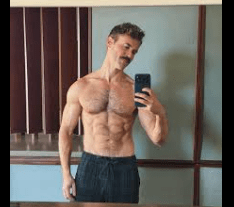
Goreski began his career working in fashion editorial environments, where he developed his understanding of luxury styling and celebrity image-making. His breakthrough came when he became a celebrity stylist, working with high-profile clients and gaining recognition for his clean, structured, and highly curated aesthetic. His transition into television expanded his influence, allowing audiences to observe the stylistic process behind celebrity fashion development.
His legacy lies in modernizing the celebrity stylist persona. Goreski helped shift styling from behind-the-scenes work to public-facing cultural commentary, influencing how audiences perceive red carpet image construction. His presence in fashion media continues to bridge styling, entertainment, and critique.
Brad Goreski remains an influential figure in celebrity styling and fashion commentary, shaping modern red carpet aesthetics.
Key Facts
- Full name of the subject: Brad Goreski
- Date of birth: August 15, 1977
- Place of birth: Ontario, Canada
- Family background: Supportive middle-class Canadian upbringing
- Early childhood experiences: Strong interest in fashion magazines and celebrity culture
- Education history: Studied art history and fashion-related disciplines
- Influences and mentors: Fashion editors and celebrity stylists
- Career beginnings: Fashion editorial assistant and stylist roles
- Major achievements: Celebrity stylist and television personality
- Challenges and obstacles faced: Establishing credibility in competitive styling industry
- Turning points in life: Breakthrough as Hollywood celebrity stylist
- Contributions to society: Popularized styling as a visible media profession
- Personal life (marriage, children, relationships): Married to Gary Janetti
- Awards and recognitions: Fashion media recognition and stylist honors
- Beliefs, values, or philosophy: Precision, polish, and personality-driven styling
- Legacy and impact: Elevated stylist visibility in entertainment media
- Historical or cultural significance: Influenced modern celebrity red carpet aesthetics
Notable Works: Celebrity styling portfolios, television fashion commentary, red carpet coverage
Controversies:
A notable controversy involving Brad Goreski centered on discussions about stylist authenticity and credit attribution within celebrity fashion production. The issue arose from industry debates about how credit is distributed between designers, stylists, and creative teams during high-profile red carpet appearances. The situation involved fashion commentators, industry professionals, and media observers questioning transparency in styling recognition. Goreski maintained that styling is a collaborative process involving multiple creative contributors. While some critics called for clearer attribution structures, others emphasized that fashion production is inherently team-based. The controversy contributed to broader conversations about recognition and authorship within celebrity styling ecosystems.
6. Steven Cojocaru (Cozy)
Steven Cojocaru, widely known as “Cozy,” is one of the most recognizable red carpet personalities in entertainment journalism, known for his enthusiastic and expressive fashion commentary style. Born in Canada, Cojocaru grew up in a modest household where creativity and media consumption played an important role in his early development. His academic background in journalism and communications provided the foundation for his eventual career in entertainment reporting.
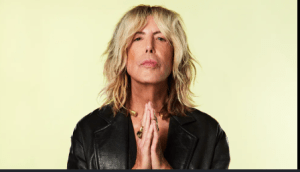
Cojocaru began his career in print and entertainment journalism, working across fashion and celebrity coverage before transitioning into television. His breakthrough came when he became a red carpet correspondent, where his energetic personality and bold fashion opinions made him a standout media figure. His style of commentary, often emotionally expressive and highly descriptive, differentiated him from more traditional critics.
His legacy lies in bringing personality-driven fashion commentary into mainstream entertainment media. Cojocaru helped popularize the idea that red carpet coverage could be both informative and theatrical, blending critique with entertainment performance.
Steven Cojocaru remains a distinctive voice in entertainment fashion journalism, known for his expressive and engaging red carpet presence.
Key Facts
- Full name of the subject: Steven Cojocaru
- Date of birth: July 4, 1965
- Place of birth: Montreal, Canada
- Family background: Raised in a modest Canadian household
- Early childhood experiences: Strong interest in entertainment media and fashion magazines
- Education history: Journalism and communications studies
- Influences and mentors: Entertainment journalists and fashion editors
- Career beginnings: Print entertainment journalism
- Major achievements: E! red carpet correspondent
- Challenges and obstacles faced: Health-related challenges and career interruptions
- Turning points in life: Transition to televised red carpet reporting
- Contributions to society: Popularized expressive entertainment fashion commentary
- Personal life (marriage, children, relationships): Maintains private personal life
- Awards and recognitions: Entertainment journalism recognition
- Beliefs, values, or philosophy: Fashion as expressive entertainment communication
- Legacy and impact: Brought theatrical personality to red carpet journalism
- Historical or cultural significance: Key figure in early 2000s entertainment fashion media
Notable Works: E! red carpet coverage, celebrity interviews, entertainment journalism segments
Controversies:
A notable controversy involving Steven Cojocaru emerged during public discussions about the tone and style of red carpet commentary, where his expressive delivery was sometimes criticized as overly theatrical or lacking analytical depth. The issue involved media critics, audience members, and entertainment executives debating the balance between entertainment value and journalistic critique in celebrity coverage. Cojocaru maintained that his role was rooted in entertainment journalism, where personality and engagement are central to audience experience. While some critics preferred more restrained commentary styles, others valued his contribution to making red carpet coverage more dynamic and accessible. The discussion highlighted broader tensions between performance-based media presentation and traditional journalistic critique standards.
7. Bevy Smith
Bevy Smith has established herself as a powerful voice in fashion commentary and cultural storytelling, blending media personality with deep industry insight. Born in Harlem, New York, Smith grew up in a culturally rich environment that exposed her to music, fashion, and urban artistic expression. Her early experiences in creative communities shaped her understanding of style as both identity and cultural capital. She later studied communications, developing a foundation for her media career.
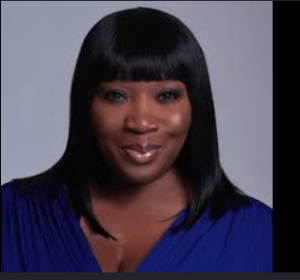
Smith began her professional journey in advertising, working in media planning and brand development for major publishing houses. Her breakthrough came when she transitioned into television and radio commentary, where her bold personality and cultural insight resonated with audiences. She became known for her ability to connect fashion with broader conversations about race, identity, and social visibility.
Her legacy lies in culturalizing fashion commentary. Smith redefined fashion criticism by placing it within the context of lived experience, urban culture, and identity politics. Her voice continues to influence how fashion is discussed in relation to culture and representation.
Bevy Smith remains an influential figure in fashion media, shaping conversations around style, identity, and cultural expression.
Key Facts
- Full name of the subject: Bevy Smith
- Date of birth: December 2, 1966
- Place of birth: Harlem, New York, United States
- Family background: Raised in a culturally vibrant urban environment
- Early childhood experiences: Exposure to music, fashion, and urban culture
- Education history: Communications studies
- Influences and mentors: Media executives and cultural commentators
- Career beginnings: Advertising and media planning roles
- Major achievements: Television and radio fashion commentator
- Challenges and obstacles faced: Transition from corporate advertising to media personality
- Turning points in life: Breakthrough in entertainment commentary
- Contributions to society: Integrated cultural identity into fashion discourse
- Personal life (marriage, children, relationships): Maintains private personal life
- Awards and recognitions: Media influence recognition
- Beliefs, values, or philosophy: Fashion as cultural identity expression
- Legacy and impact: Expanded fashion commentary into cultural discourse
- Historical or cultural significance: Key voice in urban cultural fashion media
Notable Works: Fashion commentary shows, radio hosting, cultural media appearances
Controversies:
A notable controversy involving Bevy Smith emerged from discussions about candid commentary on celebrity culture and industry practices, where some remarks were perceived as overly direct in public discourse. The issue involved media audiences, entertainment analysts, and cultural commentators debating the boundaries of frank cultural critique in entertainment media. Smith maintained that her commentary is rooted in authenticity and cultural honesty, emphasizing the importance of open dialogue in fashion and media spaces. While some critics argued that certain statements could be interpreted as confrontational, others supported her perspective as necessary for truthful cultural engagement. The discussion contributed to broader conversations about authenticity, tone, and responsibility in modern media commentary.
8. Tom Fitzgerald
Tom Fitzgerald has established himself as a refined voice in fashion criticism and cultural commentary, best known for his analytical depth and collaborative storytelling approach. Born in the United States, Fitzgerald grew up in an environment that valued creativity, literature, and visual culture. His early interest in fashion was shaped by magazines, film aesthetics, and the evolving language of celebrity culture, which he later translated into a professional focus on editorial storytelling.

Fitzgerald began his career in entertainment journalism and digital media, where he worked on developing fashion commentary platforms that blended humor, critique, and cultural observation. His breakthrough came with the creation of Tom and Lorenzo alongside his partner Lorenzo Marquez, a platform that became a widely respected voice in celebrity fashion critique. Their work stood out for its structured analysis of red carpet appearances, combining accessibility with editorial rigor.
His legacy lies in redefining digital fashion criticism as structured cultural commentary. Fitzgerald helped elevate online fashion discourse into a credible space for analysis, influencing how audiences engage with celebrity style and media narratives.
Tom Fitzgerald remains a significant figure in digital fashion journalism, shaping how online audiences interpret celebrity style.
Key Facts
- Full name of the subject: Tom Fitzgerald
- Date of birth: Not publicly disclosed
- Place of birth: United States
- Family background: Private
- Early childhood experiences: Exposure to visual culture and media storytelling
- Education history: Communications and media-related studies
- Influences and mentors: Fashion editors and entertainment journalists
- Career beginnings: Digital media and entertainment commentary
- Major achievements: Co-creator of Tom and Lorenzo fashion platform
- Challenges and obstacles faced: Establishing credibility in digital journalism space
- Turning points in life: Viral success of celebrity fashion commentary platform
- Contributions to society: Democratized fashion criticism through digital media
- Personal life (marriage, children, relationships): Married to Lorenzo Marquez
- Awards and recognitions: Digital media influence recognition
- Beliefs, values, or philosophy: Structured, analytical fashion commentary
- Legacy and impact: Elevated online fashion criticism to professional standard
- Historical or cultural significance: Key figure in digital fashion journalism evolution
Notable Works: Tom and Lorenzo blog, celebrity fashion breakdowns, red carpet analysis
Controversies:
A notable controversy involving Tom Fitzgerald centered on debates about the tone and interpretive nature of online fashion criticism, particularly regarding celebrity-focused commentary published on digital platforms. The issue involved public discussions within fashion media circles about whether highly analytical breakdowns of celebrity style risk overinterpretation or undue scrutiny. The situation included celebrities, readers, and media analysts evaluating the boundaries between critique and entertainment commentary. Fitzgerald maintained that digital fashion criticism is rooted in structured observation and cultural interpretation rather than personal judgment. While some critics questioned the intensity of online commentary, others defended it as part of evolving media literacy in fashion discourse. The debate contributed to broader discussions about the legitimacy of independent digital fashion journalism.
9. Zanna Roberts Rassi
Zanna Roberts Rassi is a dynamic figure in fashion journalism and media commentary, known for her energetic on-air presence and editorial expertise. Born in the United Kingdom, Rassi grew up in a culturally diverse environment that fostered her interest in global fashion trends and storytelling. She studied fashion journalism, developing a strong foundation in editorial writing and visual communication.

Rassi began her career in fashion magazines, working in editorial and reporting roles that exposed her to high-level industry operations. Her breakthrough came when she transitioned into television as a fashion correspondent and style expert for major entertainment networks. Her ability to translate runway trends into accessible commentary made her a recognizable voice in fashion media.
Her legacy lies in bridging editorial journalism and television fashion reporting. Rassi helped make fashion commentary more approachable for global audiences, particularly through live event coverage and entertainment media integration.
Zanna Roberts Rassi remains a prominent voice in fashion broadcasting, shaping how trends are communicated to mainstream audiences.
Key Facts
- Full name of the subject: Zanna Roberts Rassi
- Date of birth: Not publicly disclosed
- Place of birth: United Kingdom
- Family background: Raised in a culturally diverse environment
- Early childhood experiences: Strong interest in global fashion culture
- Education history: Fashion journalism studies
- Influences and mentors: Fashion editors and broadcast journalists
- Career beginnings: Fashion magazine editorial roles
- Major achievements: Television fashion correspondent and editor
- Challenges and obstacles faced: Transition from print journalism to broadcast media
- Turning points in life: Entry into television fashion reporting
- Contributions to society: Made fashion journalism more accessible to global audiences
- Personal life (marriage, children, relationships): Married; mother
- Awards and recognitions: Fashion media recognition
- Beliefs, values, or philosophy: Fashion as accessible global storytelling
- Legacy and impact: Bridged editorial fashion and broadcast commentary
- Historical or cultural significance: Influential figure in modern fashion media broadcasting
Notable Works: E! fashion coverage, magazine editorial work, live red carpet commentary
Controversies:
A notable controversy involving Zanna Roberts Rassi arose from discussions about the commercialization of fashion journalism in broadcast media, particularly her dual role as both editorial contributor and television personality. The issue involved media critics and fashion industry observers debating whether the blending of editorial authority with entertainment presentation compromises journalistic independence. Rassi maintained that modern fashion media operates across multiple platforms and requires adaptability between print and broadcast formats. While some critics expressed concern about role overlap, others viewed her career as representative of necessary evolution in fashion journalism. The debate highlighted broader industry tensions between traditional editorial boundaries and multimedia fashion communication.
10. Tan France
Tan France is a globally recognized fashion expert and cultural voice, known for redefining men’s style commentary and inclusive fashion representation. Born in Doncaster, England, to a Pakistani Muslim family, France grew up navigating cultural identity, tradition, and personal expression. His early fascination with clothing and design led him to study fashion and eventually pursue a career in styling and fashion retail.
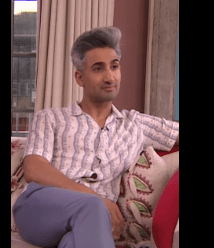
France began his career working in the fashion industry as a designer and retail specialist, where he developed expertise in garment construction and styling. His breakthrough came with Queer Eye, where he became the fashion expert of the Fab Five. His approach emphasized body positivity, cultural inclusivity, and accessible style transformation, making fashion guidance relatable to global audiences.
His legacy lies in redefining fashion advice through inclusivity. France shifted fashion commentary away from exclusivity and toward personal empowerment, helping audiences understand style as identity expression rather than luxury limitation.
Tan France remains a leading global fashion voice, influencing modern inclusive style culture.
Key Facts
- Full name of the subject: Tanveer Wasim “Tan” France
- Date of birth: April 20, 1983
- Place of birth: Doncaster, England, United Kingdom
- Family background: Raised in a Pakistani Muslim immigrant family
- Early childhood experiences: Navigating cultural identity and self-expression
- Education history: Fashion design and retail training
- Influences and mentors: Fashion designers and retail industry professionals
- Career beginnings: Fashion designer and retail specialist
- Major achievements: Fashion expert on Queer Eye
- Challenges and obstacles faced: Cultural identity and industry representation barriers
- Turning points in life: Joining Queer Eye cast
- Contributions to society: Promoted inclusive and body-positive fashion
- Personal life (marriage, children, relationships): Married; father
- Awards and recognitions: Emmy Award (Queer Eye ensemble)
- Beliefs, values, or philosophy: Inclusive, accessible fashion empowerment
- Legacy and impact: Transformed men’s fashion commentary into inclusive global discourse
- Historical or cultural significance: Key figure in modern inclusive fashion media
Notable Works: Queer Eye, fashion styling expertise, inclusive fashion advocacy, memoir The Queer Eye Guide
Controversies:
A notable controversy involving Tan France centered on discussions about cultural representation in mainstream fashion media, particularly regarding the portrayal of identity-based styling narratives on Queer Eye. The issue involved critics, cultural commentators, and audiences debating whether simplified styling transformations adequately represent complex cultural identities. France maintained that his role focuses on empowerment and accessibility rather than exhaustive cultural representation. While some critiques focused on media simplification, others praised his work for increasing visibility of diverse identities in fashion discourse. The discussion contributed to broader conversations about representation, authenticity, and inclusivity in global fashion media.
NOTABLE MENTIONS
Joan Rivers
André Leon Talley
Tim Gunn
Law Roach
Giuliana Rancic
Lindsey Schuyler
Karamo Brown
Derek Blasberg
Rachel Zoe
Nina Garcia