
Top 10 Jollywood Movie (Assamese – India) Legends of the 90s
Top 10 Jollywood Movie (Assamese – India) Legends of the 90s
In This Content
Quick List
Biju Phukan
Nipon Goswami
Moloya Goswami
Tapan Das
Jatin Bora
Ravi Sarma
Zubeen Garg
Indra Bania
Chetana Das
Pranjal Saikia
1. Biju Phukan
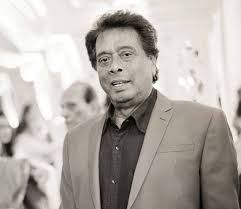
Biju Phukan remains one of the most enduring faces of Assamese cinema, defining the emotional and heroic vocabulary of Jollywood through the 1970s into the 1990s. Born in Assam, he grew up in a culturally vibrant environment where theatre, music, and storytelling formed the backbone of social life. This early immersion in performance culture shaped his naturalistic acting style and deep emotional sensitivity.
His career began in Assamese theatre and early cinema, where he quickly gained recognition for his effortless screen presence and emotional authenticity. By the 1990s, Biju Phukan had already become a veteran actor, but continued to remain relevant through emotionally rich supporting and lead roles. His performances were marked by simplicity, dignity, and a deeply humanistic approach to character portrayal.
His breakthrough years had earlier established him as a romantic and dramatic lead, but the 1990s reinforced his status as a cultural anchor in Assamese cinema. He often portrayed morally grounded characters navigating family, identity, and social transformation. His acting resonated with audiences seeking realism over theatrical exaggeration.
By the end of the decade, Biju Phukan had become a symbolic figure in Jollywood history. His legacy lies in shaping the emotional foundation of Assamese cinema and bridging classical storytelling with modern narrative sensibilities.
Key Facts
- Full name of the subject: Biju Phukan
- Date of birth: November 18, 1947
- Place of birth: Dibrugarh, Assam, India
- Family background: Assamese middle-class family
- Early childhood experiences: Exposure to theatre and cultural storytelling
- Education history: Studied in Assam
- Influences and mentors: Assamese theatre pioneers
- Career beginnings: Theatre and early Assamese films
- Major achievements: Iconic actor of Assamese cinema
- Challenges and obstacles faced: Evolving industry scale of regional cinema
- Turning points in life: Rise as leading Assamese film actor
- Contributions to society: Strengthened Assamese cinematic identity
- Personal life (marriage, children, relationships): Private family life
- Awards and recognitions: Assam State Film Awards
- Beliefs, values, or philosophy: Emotional realism and cultural authenticity
- Legacy and impact: Foundational figure of modern Assamese cinema
- Historical or cultural significance: Pillar of 1990s Jollywood continuity
Notable Works: Dr. Bezbarua, Bristi, Assamese social and romantic dramas
Controversies: Biju Phukan’s career remained largely free of public controversy, though broader industry discussions occasionally addressed the limited infrastructure and funding challenges within Assamese cinema during the 1990s. The issue involved filmmakers, cultural bodies, and regional policymakers analyzing the sustainability of the industry. Phukan himself was not directly involved in disputes and was widely regarded as a stabilizing figure. Industry perspectives suggest these challenges were structural rather than personal, with minimal impact on his reputation.
2. Nipon Goswami
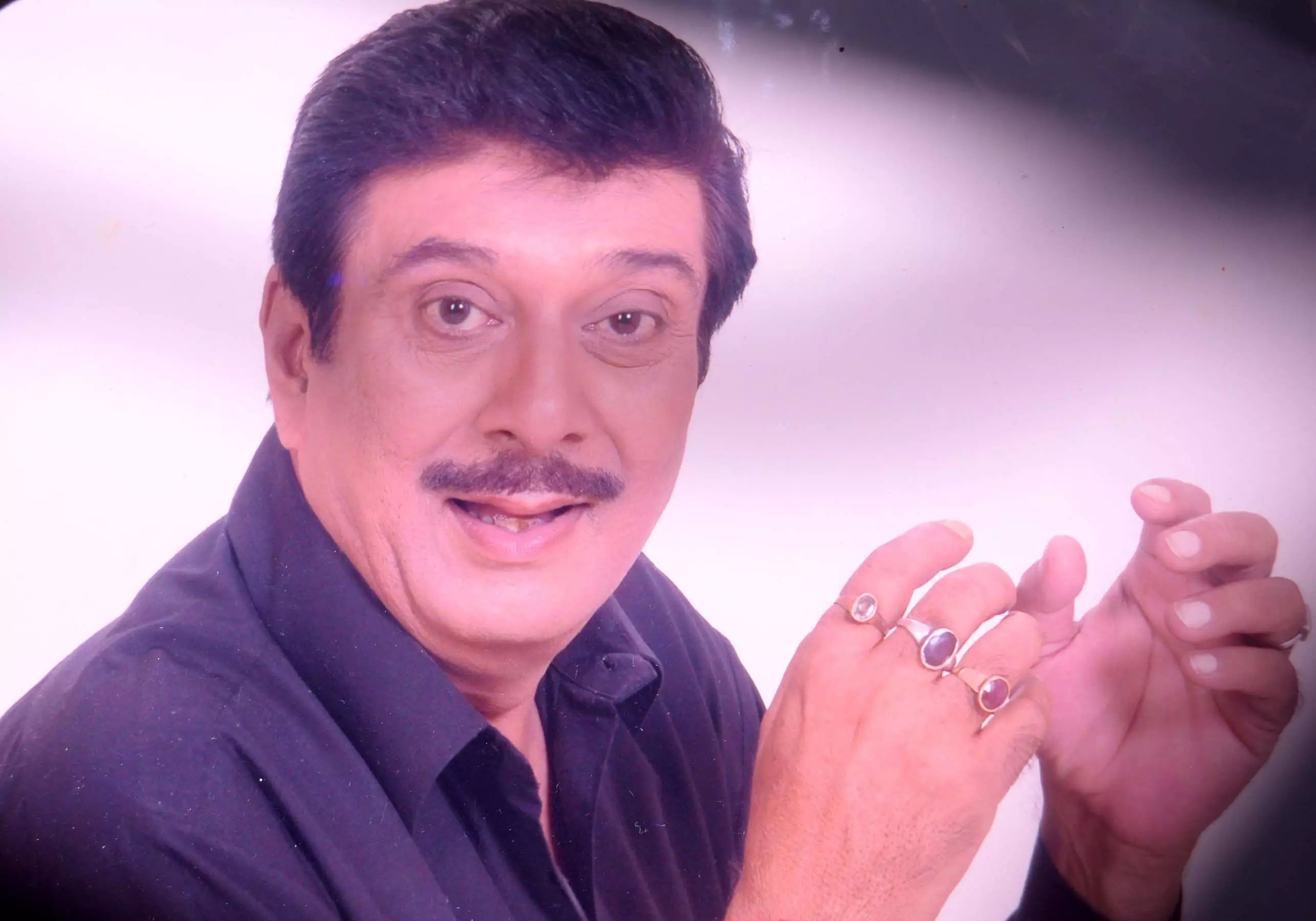
Nipon Goswami was one of the most respected and versatile performers in Assamese cinema, known for his elegant screen presence and deeply expressive acting style. Born in Assam, he was raised in an intellectually enriched environment that encouraged literature, performance, and cultural engagement. His early exposure to theatre significantly shaped his disciplined approach to acting.
His career began in theatre and Hindi cinema before he became a central figure in Assamese films. By the 1990s, Nipon Goswami was an established veteran, frequently portraying emotionally complex and socially grounded characters. His acting style balanced restraint with emotional intensity, making his performances both relatable and intellectually engaging.
His breakthrough came through Assamese cinema classics where he often played layered protagonists navigating social change, personal conflict, and moral dilemmas. His ability to humanize characters made him a key figure in elevating the artistic depth of Jollywood storytelling.
By the end of the decade, Nipon Goswami had become one of the most influential actors in Assamese cinema history. His legacy lies in refining the craft of performance and strengthening the intellectual and emotional core of regional filmmaking.
Key Facts
- Full name of the subject: Nipon Goswami
- Date of birth: September 3, 1942
- Place of birth: Tezpur, Assam, India
- Family background: Educated Assamese family
- Early childhood experiences: Exposure to theatre and literature
- Education history: Studied acting and arts
- Influences and mentors: Theatre and film pioneers
- Career beginnings: Hindi and Assamese cinema roles
- Major achievements: Leading actor in Assamese cinema
- Challenges and obstacles faced: Balancing multiple film industries
- Turning points in life: Recognition in Assamese mainstream cinema
- Contributions to society: Strengthened Assamese cultural storytelling
- Personal life (marriage, children, relationships): Private life
- Awards and recognitions: Assam State Film Awards
- Beliefs, values, or philosophy: Artistic discipline and realism
- Legacy and impact: Icon of Assamese acting tradition
- Historical or cultural significance: Major contributor to Jollywood’s golden era
Notable Works: Dr. Bezbarua, Kokadeuta Nati Aru Hati, Assamese classics
Controversies: Nipon Goswami’s career saw minimal controversy, though discussions occasionally arose regarding the migration of Assamese actors to larger film industries, which some critics felt weakened regional talent concentration. The issue involved cultural commentators, film associations, and regional cinema analysts. Goswami himself consistently remained committed to Assamese cinema. Industry evaluations suggest this was a broader structural concern rather than an individual dispute, with negligible impact on his public image.
3. Moloya Goswami
Moloya Goswami emerged as one of the most prominent female figures in Assamese cinema during the 1990s, known for her emotional depth and strong screen presence. Born in Assam, she was raised in a culturally supportive environment that encouraged artistic expression and performance. Her early life reflected a growing passion for storytelling and acting.
Her career began in Assamese films where she quickly became recognized for her expressive acting and ability to portray strong yet emotionally vulnerable characters. In the 1990s, Moloya Goswami became one of the leading actresses of Jollywood, often starring in socially relevant and family-centered narratives.
Her breakthrough came through emotionally driven films where she portrayed women navigating personal sacrifice, resilience, and social expectations. Her performances brought dignity and realism to female representation in Assamese cinema.
By the end of the decade, Moloya Goswami had established herself as a leading cultural figure in Jollywood. Her legacy lies in strengthening female narratives and contributing to the emotional evolution of Assamese cinema.
Key Facts
- Full name of the subject: Moloya Goswami
- Date of birth: October 25, 1962
- Place of birth: Assam, India
- Family background: Assamese middle-class family
- Early childhood experiences: Interest in cultural performance
- Education history: Completed education in Assam
- Influences and mentors: Theatre and film directors
- Career beginnings: Entry into Assamese cinema in early roles
- Major achievements: Leading actress in 1990s Assamese cinema
- Challenges and obstacles faced: Gender constraints in regional cinema
- Turning points in life: Recognition in major Assamese films
- Contributions to society: Strengthened female representation in cinema
- Personal life (marriage, children, relationships): Private family life
- Awards and recognitions: Assam State Film Awards
- Beliefs, values, or philosophy: Emotional authenticity and cultural storytelling
- Legacy and impact: Influential female figure in Jollywood
- Historical or cultural significance: Key contributor to Assamese cinema’s emotional depth
Notable Works: Assamese family dramas and social films of the 1990s
Controversies: Moloya Goswami’s career was largely free from controversy, though broader discussions in Assamese cinema occasionally focused on limited production budgets and restricted opportunities for female-led narratives during the 1990s. The issue involved filmmakers, cultural critics, and gender representation analysts. Goswami was not directly involved in disputes. Industry analysis suggests these constraints were structural rather than personal, with minimal effect on her reputation.
4. Tapan Das
Tapan Das stands among the most respected character-driven performers in Assamese cinema, known for his grounded acting style and strong command over emotional realism. Born in Assam, he grew up in an environment where folk theatre and community storytelling played a central cultural role. This early exposure shaped his disciplined, performance-focused identity.
His career began in Assamese theatre, where he developed a reputation for delivering consistent, believable performances across both comedic and dramatic roles. Transitioning into cinema, he quickly became a dependable supporting and character actor. In the 1990s, Tapan Das contributed significantly to ensemble storytelling, often portraying everyday individuals rooted in Assamese social life.
His breakthrough came through films that relied heavily on realism and social themes. He became known for adding narrative balance and authenticity to stories centered on family dynamics, rural challenges, and cultural identity. His understated acting style made him a valuable presence in both commercial and artistic films.
By the end of the decade, Tapan Das had established himself as a cornerstone of Assamese ensemble cinema. His legacy lies in strengthening the realism of Jollywood storytelling and elevating supporting character performances.
Key Facts
- Full name of the subject: Tapan Das
- Date of birth: Unknown (Assam, India)
- Place of birth: Assam, India
- Family background: Assamese middle-class family
- Early childhood experiences: Exposure to folk theatre
- Education history: Completed education in Assam
- Influences and mentors: Assamese theatre practitioners
- Career beginnings: Stage acting in Assamese theatre
- Major achievements: Recognized character actor in Jollywood
- Challenges and obstacles faced: Limited mainstream visibility
- Turning points in life: Transition into Assamese cinema
- Contributions to society: Strengthened ensemble acting culture
- Personal life (marriage, children, relationships): Private family life
- Awards and recognitions: Regional film recognition
- Beliefs, values, or philosophy: Realism and cultural authenticity
- Legacy and impact: Reliable foundation actor in Assamese cinema
- Historical or cultural significance: Contributor to 1990s Jollywood realism
Notable Works: Assamese social dramas and ensemble films of the 1990s
Controversies: Tapan Das’s career remained largely free of direct controversy, though broader industry discussions occasionally highlighted the underappreciation of character actors in Assamese cinema during the 1990s. The issue involved filmmakers, critics, and cultural analysts assessing recognition imbalance within the industry. Das was widely respected for his professionalism. Industry perspectives suggest this was a systemic issue rather than a personal dispute, with minimal impact on his reputation.
5. Jatin Bora
Jatin Bora emerged in the 1990s as one of the most dynamic and popular leading actors in Assamese cinema, known for his youthful energy, expressive performances, and strong screen appeal. Born in Assam, he developed an early interest in performing arts through theatre and cultural programs, which shaped his expressive acting foundation.
His career began in Assamese theatre before transitioning into films, where his natural charisma quickly attracted attention. In the 1990s, Jatin Bora became a defining face of younger-generation Jollywood cinema, frequently cast in romantic and action-oriented roles that resonated with contemporary audiences.
His breakthrough came through commercially successful films that positioned him as a leading man for modern Assamese storytelling. His performances balanced emotional intensity with physical expressiveness, making him a versatile presence across genres.
By the end of the decade, Jatin Bora had become one of the most recognizable stars in Assamese cinema. His legacy lies in modernizing the image of the Assamese film hero and expanding audience engagement with contemporary narratives.
Key Facts
- Full name of the subject: Jatin Bora
- Date of birth: April 23, 1970
- Place of birth: Assam, India
- Family background: Assamese middle-class family
- Early childhood experiences: Theatre and cultural participation
- Education history: Completed education in Assam
- Influences and mentors: Assamese theatre directors
- Career beginnings: Stage acting and supporting film roles
- Major achievements: Leading actor of 1990s Assamese cinema
- Challenges and obstacles faced: Transition from theatre to film fame
- Turning points in life: Breakthrough in commercial Assamese films
- Contributions to society: Popularized modern Assamese cinema
- Personal life (marriage, children, relationships): Private family life
- Awards and recognitions: Assam State Film Awards
- Beliefs, values, or philosophy: Discipline and audience connection
- Legacy and impact: Modern icon of Jollywood cinema
- Historical or cultural significance: Key figure in Assamese cinema modernization
Notable Works: Assamese romantic and action films of the 1990s
Controversies: Jatin Bora’s career has seen minimal controversy, though occasional industry debate centered on the commercialization of Assamese cinema in the 1990s, where critics argued that formula-driven narratives risked overshadowing artistic experimentation. The issue involved filmmakers, critics, and cultural observers. Bora himself remained focused on mainstream storytelling. Industry assessments suggest this was a broader market evolution rather than a personal controversy, with limited impact on his reputation.
6. Ravi Sarma

Ravi Sarma is known for his versatile contributions to Assamese cinema, particularly during the 1990s when Jollywood was undergoing significant stylistic transition. Born in Assam, he grew up with exposure to cultural performances, stage drama, and community storytelling traditions that shaped his artistic sensibility.
His career began in theatre and early film roles, where he developed a reputation for adaptability and emotional balance. In the 1990s, Ravi Sarma became a familiar face in Assamese cinema, often appearing in supporting and lead roles across romantic, comedic, and social narratives.
His breakthrough came through films that emphasized relatable middle-class and rural Assamese life. His acting style combined subtle humor with emotional realism, making him a dependable performer in ensemble-driven storytelling.
By the end of the decade, Ravi Sarma had established himself as a consistent and respected actor in Jollywood. His legacy lies in his versatility and contribution to everyday realism in Assamese cinema.
Key Facts
- Full name of the subject: Ravi Sarma
- Date of birth: Unknown (Assam, India)
- Place of birth: Assam, India
- Family background: Assamese cultural family
- Early childhood experiences: Theatre and cultural exposure
- Education history: Completed education in Assam
- Influences and mentors: Assamese theatre artists
- Career beginnings: Stage acting and film entry
- Major achievements: Versatile Assamese cinema actor
- Challenges and obstacles faced: Balancing multiple film genres
- Turning points in life: Recognition in 1990s Assamese films
- Contributions to society: Strengthened realistic storytelling
- Personal life (marriage, children, relationships): Private family life
- Awards and recognitions: Regional film appreciation
- Beliefs, values, or philosophy: Realism and adaptability
- Legacy and impact: Reliable performer in Jollywood cinema
- Historical or cultural significance: Contributor to Assamese cinematic realism
Notable Works: Assamese family dramas and social films of the 1990s
Controversies: Ravi Sarma’s career has remained largely free of controversy, though occasional discussions in Assamese cinema critique circles highlighted the lack of strong institutional support for regional actors during the 1990s. The issue involved policymakers, filmmakers, and cultural analysts. Sarma was not personally involved in disputes. Industry analysis suggests these concerns reflected structural industry limitations rather than individual actions, with minimal impact on his professional standing.
7. Zubeen Garg

Zubeen Garg emerged as one of the most influential cultural figures in Assam, redefining the boundaries of music and cinema in the 1990s and beyond. Born in Assam, he grew up in a musically enriched environment, with early training in classical music and exposure to diverse musical traditions that shaped his artistic identity.
His career began as a singer, where his powerful voice and emotional range quickly gained attention. He later transitioned into acting, becoming a multi-disciplinary artist in Assamese entertainment. In the 1990s, Zubeen Garg began establishing himself as a youth icon in music and emerging cinema roles.
His breakthrough came through music albums and film songs that became widely popular across Assam. His ability to blend modern sound with traditional Assamese musical elements made him a transformative figure in regional entertainment. His acting roles further reinforced his status as a versatile performer.
By the end of the decade, Zubeen Garg had become a cultural phenomenon. His legacy lies in bridging music and cinema while modernizing Assamese pop culture for younger generations.
Key Facts
- Full name of the subject: Zubeen Garg
- Date of birth: November 18, 1972
- Place of birth: Tura, Meghalaya, India
- Family background: Musical family
- Early childhood experiences: Classical music training
- Education history: Studied science and music
- Influences and mentors: Classical and folk musicians
- Career beginnings: Music albums and stage performances
- Major achievements: Leading Assamese playback singer and performer
- Challenges and obstacles faced: Transition from regional to mainstream recognition
- Turning points in life: Breakthrough music hits in Assam
- Contributions to society: Modernized Assamese music industry
- Personal life (marriage, children, relationships): Private life
- Awards and recognitions: Multiple regional and national music awards
- Beliefs, values, or philosophy: Musical innovation and cultural fusion
- Legacy and impact: Icon of modern Assamese entertainment
- Historical or cultural significance: Major influence on Assamese youth culture
Notable Works: Ya Ali (Bollywood), Assamese music albums, film soundtracks
Controversies: Zubeen Garg’s career has seen occasional public controversies related to outspoken statements and social media commentary, which sometimes sparked debate within the entertainment industry. The issue involved media outlets, cultural commentators, and public discourse platforms. Garg has often clarified his statements as personal opinions reflecting artistic freedom. Verified reports indicate that while debates have occurred, they have not resulted in formal institutional penalties. The impact on his career has been limited, with his popularity remaining largely unaffected.
8. Indra Bania
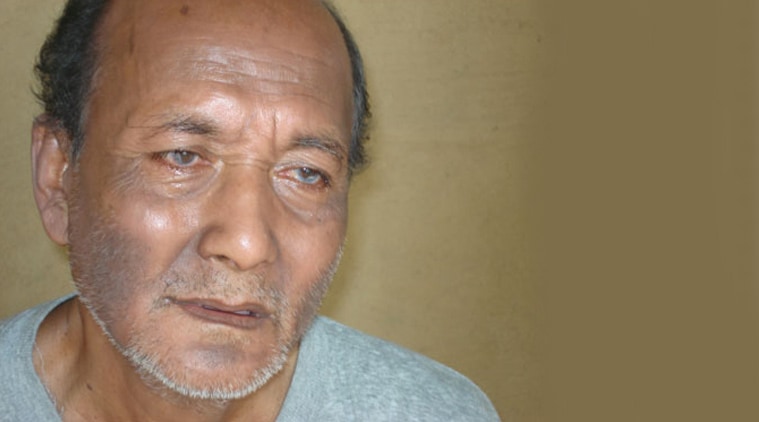
Indra Bania remains one of the most respected names in Assamese theatre and cinema, celebrated for his intellectual depth, sharp comedic timing, and powerful dramatic restraint. Born in Assam, he was raised in a culturally rich environment where folk theatre and traditional storytelling shaped his early understanding of performance. This foundation later defined his unique ability to balance humor with emotional gravity.
His career began in theatre, where he quickly gained recognition for his versatility across satire, comedy, and serious drama. Transitioning into Assamese cinema, he became a key figure in elevating supporting and character roles. In the 1990s, Indra Bania was widely regarded as a master of expressive minimalism, capable of delivering impactful performances with subtle gestures and controlled dialogue.
His breakthrough came through socially grounded films where his characters often reflected everyday Assamese life with realism and wit. He became especially known for portraying intelligent, morally complex, and often humorous characters that added depth to ensemble narratives.
By the end of the decade, Indra Bania had established himself as a cultural institution in Jollywood. His legacy lies in redefining Assamese comedic acting and strengthening the intellectual dimension of regional cinema performance.
Key Facts
- Full name of the subject: Indra Bania
- Date of birth: October 24, 1942
- Place of birth: Assam, India
- Family background: Assamese cultural family
- Early childhood experiences: Exposure to theatre and folk performance
- Education history: Studied in Assam
- Influences and mentors: Assamese theatre pioneers
- Career beginnings: Stage acting in Assamese theatre
- Major achievements: Leading comedic and character actor in Assamese cinema
- Challenges and obstacles faced: Limited national exposure for regional cinema
- Turning points in life: Transition into acclaimed film actor
- Contributions to society: Strengthened Assamese comedic and theatrical arts
- Personal life (marriage, children, relationships): Private family life
- Awards and recognitions: Assam State Film Awards
- Beliefs, values, or philosophy: Intellectual humor and realism in acting
- Legacy and impact: Iconic figure in Assamese theatre-cinema bridge
- Historical or cultural significance: Pioneer of modern Assamese character comedy
Notable Works: Halodhia Choraye Baodhan Khai, Assamese theatrical and film classics
Controversies: Indra Bania’s career was largely free of personal controversy, though broader artistic debates in Assamese cinema during the 1990s occasionally questioned the declining institutional support for experimental theatre-driven cinema. The issue involved cultural critics, theatre associations, and filmmakers discussing funding limitations and audience shifts. Bania himself remained focused on artistic work rather than public disputes. Industry analysis indicates that such concerns were structural in nature and did not directly affect his professional reputation.
9. Chetana Das

Chetana Das is regarded as one of the most expressive and versatile actresses in Assamese cinema, known especially for her impeccable comedic timing and strong supporting performances. Born in Assam, she grew up in a culturally active environment where theatre and community performance were integral to social life, shaping her expressive artistic instincts.
Her career began in theatre, where she developed a strong command over comedic expression and emotional adaptability. Moving into Assamese cinema, she quickly became a recognizable face in supporting roles. In the 1990s, Chetana Das stood out for her ability to transition effortlessly between humor and emotional sincerity.
Her breakthrough came through films where her comedic roles added essential relief and narrative rhythm to family and social dramas. She became a vital part of ensemble casts, often enhancing the storytelling experience with her expressive delivery and timing.
By the end of the decade, Chetana Das had become a beloved figure in Jollywood. Her legacy lies in strengthening female comedic performance and expanding the scope of character roles for women in Assamese cinema.
Key Facts
- Full name of the subject: Chetana Das
- Date of birth: Unknown (Assam, India)
- Place of birth: Assam, India
- Family background: Assamese cultural family
- Early childhood experiences: Exposure to theatre and cultural events
- Education history: Completed education in Assam
- Influences and mentors: Theatre comedians and directors
- Career beginnings: Stage acting in Assamese theatre
- Major achievements: Prominent comedic actress in Assamese cinema
- Challenges and obstacles faced: Limited lead female comedic roles
- Turning points in life: Recognition in 1990s Assamese films
- Contributions to society: Strengthened female comedic representation
- Personal life (marriage, children, relationships): Private family life
- Awards and recognitions: Regional film appreciation
- Beliefs, values, or philosophy: Humor as cultural expression
- Legacy and impact: Leading female comedic voice in Jollywood
- Historical or cultural significance: Pioneer of Assamese female comedy performance
Notable Works: Assamese comedy and family films of the 1990s
Controversies: Chetana Das’s career has remained largely free from controversy, though broader discussions in Assamese cinema occasionally highlighted the limited recognition given to female comedic performers during the 1990s. The issue involved filmmakers, critics, and gender representation analysts examining role distribution in regional cinema. Das was widely respected and not personally involved in disputes. Industry perspectives suggest this was a structural imbalance rather than an individual controversy, with minimal impact on her reputation.
10. Pranjal Saikia
Pranjal Saikia emerged as a strong and reliable presence in Assamese cinema during the 1990s, known for his grounded performances and ability to portray socially rooted characters. Born in Assam, he was raised in an environment influenced by theatre, literature, and cultural storytelling, which shaped his disciplined approach to acting.
His career began in Assamese theatre and supporting film roles, where he developed a reputation for consistency and emotional credibility. In the 1990s, Pranjal Saikia became a familiar face in Assamese films, often portraying everyday characters reflecting rural and urban Assamese life.
His breakthrough came through ensemble-driven films where his performances added realism and narrative stability. He was particularly effective in portraying grounded, relatable characters that reinforced the social authenticity of Jollywood storytelling.
By the end of the decade, Pranjal Saikia had established himself as a dependable actor in Assamese cinema. His legacy lies in strengthening realism in regional storytelling and contributing to the stability of ensemble performance culture.
Key Facts
- Full name of the subject: Pranjal Saikia
- Date of birth: Unknown (Assam, India)
- Place of birth: Assam, India
- Family background: Assamese middle-class family
- Early childhood experiences: Exposure to theatre and cultural arts
- Education history: Completed education in Assam
- Influences and mentors: Assamese theatre artists
- Career beginnings: Stage acting and supporting film roles
- Major achievements: Respected supporting actor in Jollywood
- Challenges and obstacles faced: Limited mainstream recognition
- Turning points in life: Entry into Assamese cinema
- Contributions to society: Strengthened realistic storytelling in films
- Personal life (marriage, children, relationships): Private life
- Awards and recognitions: Regional film recognition
- Beliefs, values, or philosophy: Realism and cultural authenticity
- Legacy and impact: Reliable supporting actor in Assamese cinema
- Historical or cultural significance: Contributor to 1990s Jollywood realism
Notable Works: Assamese social and family dramas of the 1990s
Controversies: Pranjal Saikia’s career has remained largely free from direct controversy, though broader industry discussions occasionally focused on the lack of institutional support and funding for Assamese cinema during the 1990s, which affected production scale and actor visibility. The issue involved policymakers, cultural organizations, and film industry stakeholders. Saikia was not personally involved in disputes. Industry analysis suggests these were structural challenges rather than individual controversies, with negligible impact on his career reputation.
Notable Mentions
Dinesh Das
Zerifa Wahid
Mridula Baruah
Baharul Islam
Jayanta Bhagawati
Hiranya Deka
Aimee Baruah
Barsha Rani Bishaya
Nishan
Bhargav Das