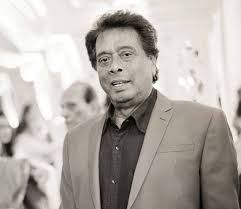
Top 10 Kaliwood (Nepal) Movie Legends of the 90s
Top 10 Kaliwood (Nepal) Movie Legends of the 90s
In This Content
Quick List
Rajesh Hamal
Bhuwan K.C.
Shiva Shrestha
Karishma Manandhar
Saroj Khanal
Gauri Malla
Shree Krishna Shrestha
Kristi Mainali
Dhiren Shakya
Tripti Nadakar
1. Rajesh Hamal

Rajesh Hamal emerged in the 1990s as the defining face of modern Nepali cinema, a performer whose commanding presence and intellectual aura reshaped audience expectations of stardom in Kaliwood. Born in Tansen, Palpa, Nepal, Hamal grew up in a family rooted in diplomacy and education, which contributed to his articulate personality and disciplined worldview.
His early exposure to international environments shaped a performer who combined traditional Nepali storytelling sensibilities with global cinematic awareness. After studying literature and acting, he gradually entered the film industry at a time when Nepali cinema was still searching for a stable identity.
His breakthrough came with Yug Dekhi Yug Samma (1991), a film that established him as a leading man capable of balancing emotional depth with mass appeal. Unlike many contemporaries, Hamal’s screen presence was defined by measured dialogue delivery, expressive restraint, and a near-mythic heroic framing that resonated strongly with 90s audiences.
By the end of the decade, he had become more than an actor he became a cultural symbol of aspiration, masculinity, and national cinematic pride. His legacy is deeply tied to the modernization of Nepali cinema’s hero archetype.
Key Facts
- Full name of the subject: Rajesh Hamal
- Date of birth: September 9, 1964
- Place of birth: Tansen, Palpa, Nepal
- Family background: Educated and diplomatically connected family
- Early childhood experiences: Exposure to international cultures and literature
- Education history: Studied in Nepal and abroad (literature and arts)
- Influences and mentors: Global cinema and theatre traditions
- Career beginnings: Early 1990s Nepali film industry debut
- Major achievements: Established as “Maha Nayak” of Nepali cinema
- Challenges and obstacles faced: Industry instability and limited infrastructure
- Turning points in life: Success of Yug Dekhi Yug Samma
- Contributions to society: Elevated standards of acting professionalism
- Personal life (marriage, children, relationships): Married to Madhu Bhattarai
- Awards and recognitions: Multiple national film honors
- Beliefs, values, or philosophy: Discipline, education, and artistic integrity
- Legacy and impact: Redefined Nepali film stardom
- Historical or cultural significance: Icon of 1990s Kaliwood transformation
Notable Works: Yug Dekhi Yug Samma, Deuta, Ek Number Ko Pakhe
Controversies: Rajesh Hamal’s career has largely remained free of direct personal scandal; however, industry-wide debates during the 1990s and 2000s frequently centered on the concentration of stardom in a limited number of actors, including Hamal. Critics argued that such dominance restricted the emergence of diverse leading talents in Kaliwood. The issue involved filmmakers, cultural analysts, and industry stakeholders. Hamal himself addressed such perceptions by emphasizing professionalism and artistic growth, and no formal wrongdoing or dispute was ever established. The matter is generally viewed as a structural industry discussion rather than an individual controversy.
2. Bhuwan K.C.
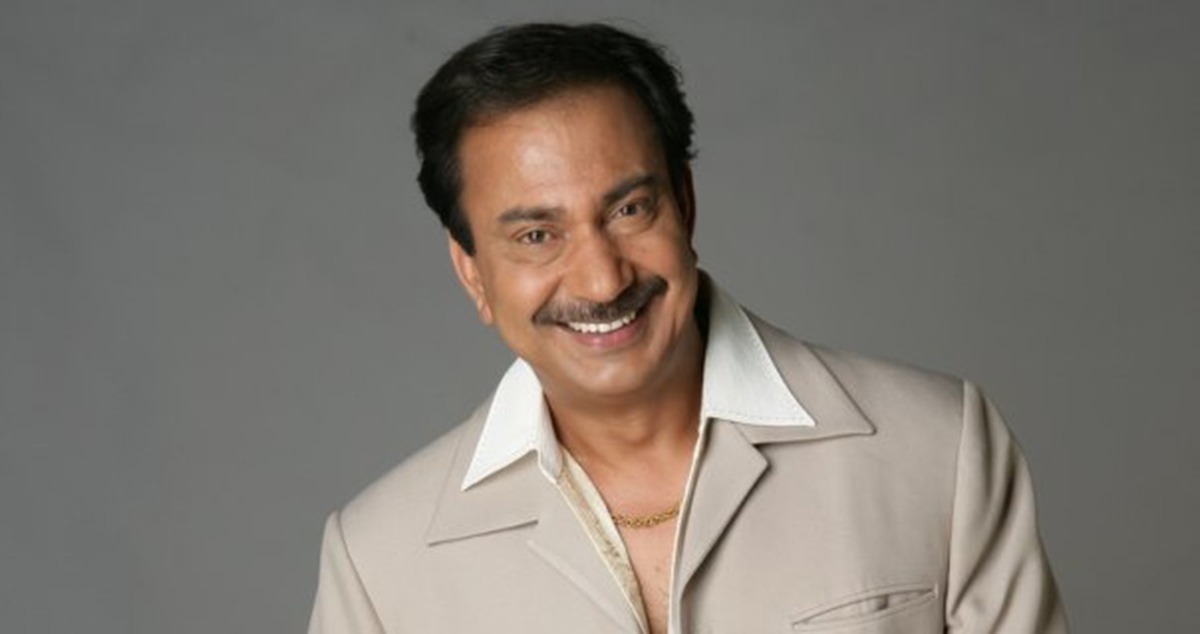
Bhuwan K.C. played a foundational role in shaping the commercial and narrative direction of Nepali cinema during the 1990s, balancing roles as an actor, producer, and later filmmaker. Born in Kathmandu, Nepal, he was raised in a culturally rich environment that encouraged artistic expression and performance interest from an early age.
He began his career in the early stages of modern Nepali cinema, initially gaining attention for his youthful charm and emotional expressiveness. As the industry evolved, Bhuwan K.C. transitioned into leading roles that reflected contemporary youth themes, romance, and social change narratives.
His breakthrough came through romantic dramas that resonated strongly with younger audiences, positioning him as one of the defining romantic heroes of his era. His on-screen chemistry and relatable character portrayals made him a central figure in 90s commercial cinema.
By the end of the decade, Bhuwan K.C. had expanded into production and filmmaking, influencing the structural development of Kaliwood beyond acting alone. His legacy is tied to industry expansion and the commercialization of modern Nepali cinema.
Key Facts
- Full name of the subject: Bhuwan K.C.
- Date of birth: Unknown
- Place of birth: Kathmandu, Nepal
- Family background: Urban Nepali family
- Early childhood experiences: Exposure to Kathmandu cultural arts scene
- Education history: Educated in Nepal
- Influences and mentors: Early Nepali theatre and film pioneers
- Career beginnings: Entry into early Nepali commercial films
- Major achievements: Actor, producer, and filmmaker
- Challenges and obstacles faced: Industry instability and financial limitations
- Turning points in life: Success in romantic drama films
- Contributions to society: Development of Nepali commercial film structure
- Personal life (marriage, children, relationships): Publicly known family life
- Awards and recognitions: National film awards and honors
- Beliefs, values, or philosophy: Commercial storytelling and audience engagement
- Legacy and impact: Builder of modern Kaliwood production systems
- Historical or cultural significance: Key figure in 1990s Nepali film commercialization
Notable Works: Romantic and social drama films of the 1990s
Controversies: Bhuwan K.C.’s career has been occasionally associated with public debates regarding industry politics and generational transition within Nepali cinema. The controversy centers on discussions around production influence and creative control in film projects during the expansion period of Kaliwood. These discussions involved filmmakers, media commentators, and industry stakeholders. While criticisms were publicly aired, no formal institutional finding of misconduct was established. The matter remains a debated industry narrative rather than a resolved controversy.
A List of Famous Late Bloomers
3. Shiva Shrestha
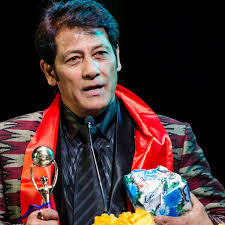
Shiva Shrestha is widely regarded as one of the most charismatic action and romantic stars of 1990s Nepali cinema, known for his dynamic screen presence and strong emotional expressiveness. Born in Nepal, he developed an early interest in performance and physical storytelling, which later defined his cinematic identity.
He began his acting journey in Nepali films during the late 1980s, gradually gaining recognition for his versatility in both romantic and action-driven roles. His natural charisma and confident screen energy quickly positioned him as a leading actor.
His breakthrough came in the 1990s through commercially successful films that combined romance, action, and social drama. He became particularly known for portraying intense emotional characters with strong moral undertones, appealing to mass audiences across Nepal.
By the end of the decade, Shiva Shrestha had become one of Kaliwood’s most bankable stars. His legacy lies in establishing the action-romance hybrid hero archetype in Nepali cinema.
Key Facts
- Full name of the subject: Shiva Shrestha
- Date of birth: Unknown
- Place of birth: Nepal
- Family background: Traditional Nepali family
- Early childhood experiences: Exposure to local cultural performances
- Education history: Educated in Nepal
- Influences and mentors: Early Nepali film pioneers
- Career beginnings: Late 1980s film debut
- Major achievements: Leading action-romance star of 1990s Kaliwood
- Challenges and obstacles faced: Limited production resources in early Nepali cinema
- Turning points in life: Breakthrough commercial film success in the 1990s
- Contributions to society: Strengthened commercial viability of Nepali cinema
- Personal life (marriage, children, relationships): Private
- Awards and recognitions: National film honors
- Beliefs, values, or philosophy: Strong narrative-driven performance style
- Legacy and impact: Defined 1990s Nepali action-romance hero image
- Historical or cultural significance: Key figure in Kaliwood’s commercial evolution
Notable Works: Action-romance and social dramas of the 1990s
Controversies: Shiva Shrestha’s career has remained largely free from direct controversy, though broader industry discussions during the 1990s occasionally examined the dominance of action-hero archetypes in Nepali cinema and its impact on genre diversity. These discussions involved critics and filmmakers analyzing creative balance within Kaliwood productions. Shrestha himself was not implicated in any dispute, and the matter is considered an industry-wide thematic critique rather than a personal controversy.
4. Karishma Manandhar

Karishma Manandhar stands as one of the most influential female stars in 1990s Nepali cinema, redefining screen femininity with a blend of emotional intelligence, glamour, and grounded performance style. Born in Kathmandu, Nepal, she grew up in an environment that valued education and cultural expression, which later shaped her balanced artistic identity.
She entered the film industry at a young age, quickly distinguishing herself through her natural screen presence and expressive emotional range. In an industry still developing its narrative grammar, Karishma brought a refreshing modernity to female characters, making them more central to storytelling rather than decorative elements.
Her breakthrough came in the early 1990s with commercially successful romantic and social dramas, where she consistently delivered performances that combined vulnerability with strength. Her on-screen pairing with leading male actors helped define the visual and emotional language of Kaliwood cinema during its formative decade.
By the late 1990s, Karishma Manandhar had become a cultural icon of Nepali cinema. Her legacy lies in elevating the status of female leads and expanding the emotional depth of women’s roles in mainstream Nepali storytelling.
Key Facts
- Full name of the subject: Karishma Manandhar
- Date of birth: February 9, 1971
- Place of birth: Kathmandu, Nepal
- Family background: Urban Nepali family
- Early childhood experiences: Exposure to arts and media culture
- Education history: Educated in Nepal
- Influences and mentors: Early Nepali filmmakers and theatre artists
- Career beginnings: Early 1990s film debut
- Major achievements: Leading actress of 1990s Nepali cinema
- Challenges and obstacles faced: Gender bias in early film industry structures
- Turning points in life: Breakthrough romantic film roles
- Contributions to society: Empowered female representation in cinema
- Personal life (marriage, children, relationships): Married, mother
- Awards and recognitions: National film awards and honors
- Beliefs, values, or philosophy: Women empowerment through performance
- Legacy and impact: Transformed female stardom in Kaliwood
- Historical or cultural significance: Icon of 1990s Nepali cinematic femininity
Notable Works: Romantic and social dramas of the 1990s
Top 10 People Who Reinvented Themselves After Failure
Controversies: Karishma Manandhar’s career has largely remained free of major personal controversy; however, industry-wide discussions during the 1990s and early 2000s often centered on gender representation and pay disparity between male and female leads in Nepali cinema. These debates involved filmmakers, producers, and cultural critics examining structural inequalities in casting and remuneration. While Manandhar was frequently referenced as a leading figure within these discussions, she was not personally involved in any dispute or formal allegation. The matter remains a broader industry critique rather than an individual controversy.
5. Saroj Khanal
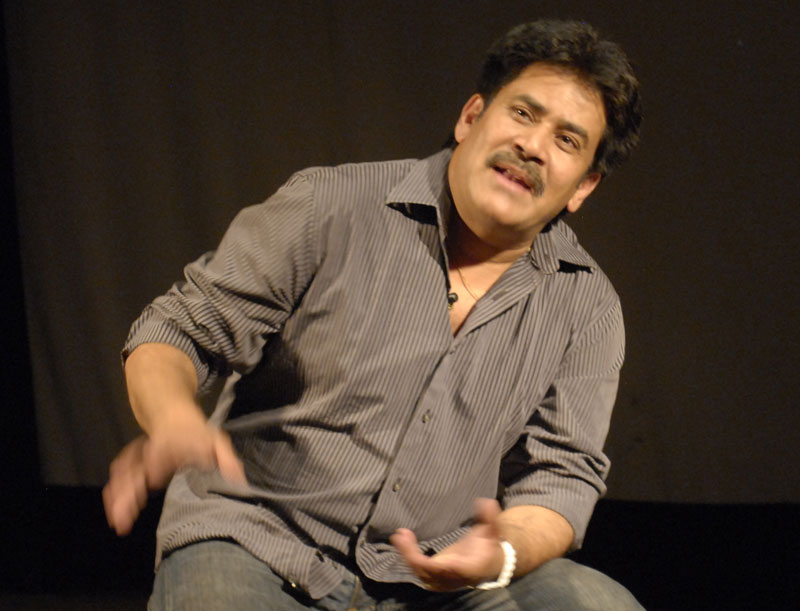
Saroj Khanal emerged in the 1990s as one of Nepali cinema’s most respected supporting and lead actors, known for his refined dialogue delivery and emotionally controlled performances. Born in Nepal, he developed an early interest in theatre and literature, which later influenced his disciplined acting approach.
He began his career in theatre before transitioning into films, where his intellectual screen presence quickly set him apart from more commercially driven performers. His acting style emphasized realism, subtle expression, and strong narrative grounding.
His breakthrough came during the 1990s through socially themed dramas where he often portrayed morally complex characters. His performances added intellectual weight to films that otherwise leaned heavily on commercial storytelling structures.
By the end of the decade, Saroj Khanal had established himself as a thinking actor within Kaliwood. His legacy lies in introducing refined acting techniques and narrative seriousness to mainstream Nepali cinema.
Key Facts
- Full name of the subject: Saroj Khanal
- Date of birth: Unknown
- Place of birth: Nepal
- Family background: Educated Nepali family
- Early childhood experiences: Exposure to literature and theatre
- Education history: Studied arts and humanities
- Influences and mentors: Theatre practitioners and literary works
- Career beginnings: Theatre acting before film transition
- Major achievements: Respected actor in 1990s Nepali cinema
- Challenges and obstacles faced: Limited space for intellectual acting roles
- Turning points in life: Entry into socially driven film narratives
- Contributions to society: Elevated acting realism in Nepali films
- Personal life (marriage, children, relationships): Private
- Awards and recognitions: National film appreciation
- Beliefs, values, or philosophy: Realism and narrative depth
- Legacy and impact: Strengthened intellectual acting tradition in Kaliwood
- Historical or cultural significance: Contributor to artistic evolution of Nepali cinema
Notable Works: Social dramas and character-driven films
Controversies: Saroj Khanal’s career has remained largely free from personal controversy; however, broader industry discussions in the 1990s often focused on the limited commercial space for intellectually driven films within Kaliwood. These discussions involved filmmakers, critics, and producers evaluating the balance between commercial and artistic cinema. Khanal was referenced as part of this artistic movement but was not directly involved in disputes. The issue is regarded as an industry structural debate rather than an individual controversy.
6. Gauri Malla

Gauri Malla is regarded as one of the most powerful and expressive actresses of 1990s Nepali cinema, known for her emotional intensity and commanding screen presence. Born in Nepal, she developed an early interest in performance arts and storytelling, which later translated into a disciplined acting career.
She entered the film industry through theatre and early film roles, where her natural emotional depth and strong dialogue delivery quickly gained attention. Unlike many contemporaries, she specialized in complex female characters that carried both emotional vulnerability and resilience.
Her breakthrough came in the 1990s with critically appreciated films where she portrayed layered emotional roles, often centered on family conflict, social struggle, and moral dilemmas. Her performances added seriousness and emotional gravity to Nepali cinema narratives.
By the end of the decade, Gauri Malla had become a benchmark for dramatic acting in Kaliwood. Her legacy lies in shaping emotionally powerful female character archetypes in Nepali cinema.
Key Facts
- Full name of the subject: Gauri Malla
- Date of birth: Unknown
- Place of birth: Nepal
- Family background: Traditional Nepali family
- Early childhood experiences: Exposure to cultural storytelling
- Education history: Educated in Nepal
- Influences and mentors: Theatre and early film actors
- Career beginnings: Theatre and supporting film roles
- Major achievements: Leading dramatic actress of 1990s Kaliwood
- Challenges and obstacles faced: Limited roles for intense female characters
- Turning points in life: Breakthrough dramatic film roles
- Contributions to society: Strengthened emotional storytelling in cinema
- Personal life (marriage, children, relationships): Private
- Awards and recognitions: National film honors
- Beliefs, values, or philosophy: Emotional authenticity in acting
- Legacy and impact: Defined dramatic female performance standards
- Historical or cultural significance: Key figure in Nepali cinematic drama evolution
Notable Works: Emotional and family drama films of the 1990s
Controversies: Gauri Malla’s career has remained free of direct controversy; however, broader film industry discussions during the 1990s occasionally addressed the limited scope of female-centric narratives in Nepali cinema. These discussions involved filmmakers and cultural analysts evaluating gender representation in storytelling. Malla was not involved in any disputes, and the matter is widely understood as an industry-wide structural critique rather than a personal controversy.
7. Shree Krishna Shrestha
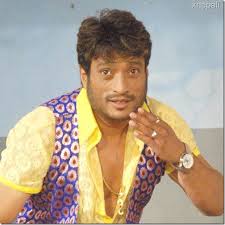
Shree Krishna Shrestha emerged in the late 1990s as one of the most promising young talents in Kaliwood, known for his emotional sincerity, romantic screen presence, and natural acting style. Born in Nepal, he grew up with strong exposure to music and performance culture, which influenced his artistic sensibilities.
He began his career in Nepali cinema during a transitional phase when the industry was evolving toward more youthful storytelling. His early roles reflected innocence, emotional clarity, and strong romantic appeal, making him instantly relatable to younger audiences.
His breakthrough came toward the late 1990s and early 2000s with romantic and social films that positioned him as the next-generation leading man. His performances were marked by sincerity rather than theatrical exaggeration, giving him a unique identity among peers.
By the end of the decade, Shree Krishna Shrestha had established himself as a rising icon of Nepali romantic cinema. His legacy is tied to redefining youthful romance and emotional storytelling in Kaliwood.
Key Facts
- Full name of the subject: Shree Krishna Shrestha
- Date of birth: Unknown
- Place of birth: Nepal
- Family background: Middle-class Nepali family
- Early childhood experiences: Exposure to music and performance arts
- Education history: Educated in Nepal
- Influences and mentors: Nepali film and theatre artists
- Career beginnings: Late 1990s film debut
- Major achievements: Rising romantic lead actor of Kaliwood
- Challenges and obstacles faced: Entering a competitive evolving industry
- Turning points in life: Breakthrough romantic film success
- Contributions to society: Strengthened youth-centered storytelling in cinema
- Personal life (marriage, children, relationships): Married to Sweta Khadka
- Awards and recognitions: National film awards and honors
- Beliefs, values, or philosophy: Emotional sincerity in performance
- Legacy and impact: Icon of modern Nepali romantic cinema
- Historical or cultural significance: Bridge between 90s and 2000s Nepali film era
Notable Works: Romantic and youth-oriented films
Controversies: Shree Krishna Shrestha’s career remained largely free from controversy; however, broader industry discussions occasionally highlighted concerns around the commercialization of Nepali romantic cinema in the late 1990s. These discussions involved filmmakers and critics analyzing narrative depth versus commercial appeal. Shrestha was not directly involved in any dispute, and the matter is considered an industry-wide thematic critique rather than an individual controversy.
8. Kristi Mainali

Kristi Mainali remains one of the most expressive and emotionally resonant actresses of 1990s Nepali cinema, known for her naturalistic acting style and strong screen vulnerability. Born in Nepal, she grew up in a culturally grounded environment where storytelling and traditional performance arts influenced her early artistic instincts.
She entered the film industry during a transformative period when Nepali cinema was shifting from theatrical performance styles to more realistic storytelling. Kristi Mainali quickly distinguished herself through subtle emotional expression and a restrained acting approach that contrasted with the more dramatic norms of the era.
Her breakthrough came through emotionally driven romantic and social dramas in the 1990s, where she portrayed deeply human characters facing moral, emotional, and societal challenges. Her performances often carried quiet intensity, making her roles memorable even in ensemble casts.
By the end of the decade, she had become a defining face of emotional realism in Kaliwood. Her legacy lies in introducing understated, performance-driven acting to mainstream Nepali cinema.
Key Facts
- Full name of the subject: Kristi Mainali
- Date of birth: Unknown
- Place of birth: Nepal
- Family background: Traditional Nepali family
- Early childhood experiences: Exposure to cultural storytelling traditions
- Education history: Educated in Nepal
- Influences and mentors: Early Nepali theatre and film artists
- Career beginnings: Early 1990s film debut
- Major achievements: Prominent emotional lead actress of Kaliwood
- Challenges and obstacles faced: Limited strong female character writing
- Turning points in life: Breakthrough dramatic film roles
- Contributions to society: Strengthened emotional realism in cinema
- Personal life (marriage, children, relationships): Private
- Awards and recognitions: National film appreciation
- Beliefs, values, or philosophy: Subtle emotional authenticity in acting
- Legacy and impact: Pioneer of restrained acting style in Nepali cinema
- Historical or cultural significance: Key contributor to 1990s cinematic realism
Notable Works: Romantic and social drama films of the 1990s
Controversies: Kristi Mainali’s career has remained free from personal controversy; however, broader industry discussions in the 1990s occasionally focused on the limited depth of female-driven narratives in Nepali cinema. These debates involved filmmakers, critics, and cultural commentators analyzing structural storytelling limitations. Mainali was not directly involved in disputes, and the matter is widely regarded as an industry-level critique rather than an individual controversy.
9. Dhiren Shakya

Dhiren Shakya emerged in the 1990s as one of the most popular romantic and action-oriented actors in Kaliwood, known for his energetic screen presence and youthful charisma. Born in Nepal, he developed an early interest in performance arts and physical expression, which later became central to his acting identity.
He entered the Nepali film industry during a time when youth-oriented cinema was gaining momentum. His early roles emphasized romance, action, and emotional intensity, allowing him to quickly connect with younger audiences.
His breakthrough came through commercially successful films that positioned him as a leading romantic-action hero of the decade. His performances often combined emotional vulnerability with physical intensity, making him a versatile screen presence.
By the end of the 1990s, Dhiren Shakya had established himself as a prominent youth icon in Kaliwood. His legacy lies in shaping the modern romantic-action archetype in Nepali cinema.
Top 10 Political Leaders in Modern History
Key Facts
- Full name of the subject: Dhiren Shakya
- Date of birth: Unknown
- Place of birth: Nepal
- Family background: Middle-class Nepali family
- Early childhood experiences: Exposure to performance and cultural arts
- Education history: Educated in Nepal
- Influences and mentors: Nepali film and theatre pioneers
- Career beginnings: Early 1990s film debut
- Major achievements: Leading romantic-action actor of Kaliwood
- Challenges and obstacles faced: Industry competition and evolving audience tastes
- Turning points in life: Breakthrough commercial success in the 1990s
- Contributions to society: Popularized youth-centric storytelling in cinema
- Personal life (marriage, children, relationships): Private
- Awards and recognitions: National film recognition
- Beliefs, values, or philosophy: Emotional authenticity and energy-driven performance
- Legacy and impact: Defined youthful hero archetype in Nepali cinema
- Historical or cultural significance: Key figure in 1990s commercial film evolution
Notable Works: Romantic-action films of the 1990s
Controversies: Dhiren Shakya’s career has remained largely free from direct controversy; however, industry discussions during and after the 1990s occasionally highlighted concerns regarding typecasting of actors in romantic-action roles, limiting diversification of character portrayals. These discussions involved filmmakers and critics analyzing casting trends in Kaliwood. Shakya himself was not involved in any formal dispute, and the matter is regarded as an industry-wide thematic critique rather than a personal controversy.
10. Tripti Nadakar
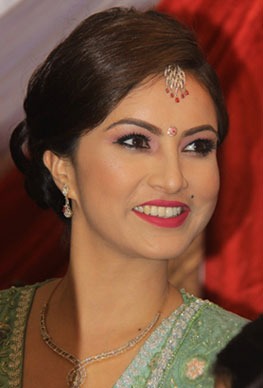
Tripti Nadakar is widely regarded as one of the most iconic actresses of 1990s Nepali cinema, known for her graceful screen presence and emotionally rich performances. Born in India and later active in Nepali cinema, she became a unique cross-cultural figure in Kaliwood’s development.
She entered the film industry through roles that emphasized emotional depth and romantic storytelling. Her natural elegance and expressive acting style quickly made her one of the most admired female leads of the era.
Her breakthrough came through highly successful romantic dramas in the 1990s, particularly through her on-screen pairing with leading actors of the time. Her performances were marked by emotional sincerity, strong screen chemistry, and a refined acting style that resonated deeply with audiences.
By the end of the decade, Tripti Nadakar had become one of the defining female faces of Nepali cinema. Her legacy lies in elevating romantic storytelling and strengthening cross-border artistic collaboration in Kaliwood.
Key Facts
- Full name of the subject: Tripti Nadakar
- Date of birth: Unknown
- Place of birth: India
- Family background: South Asian cultural family background
- Early childhood experiences: Exposure to performance arts
- Education history: Educated in India
- Influences and mentors: Indian and Nepali film industry artists
- Career beginnings: Entry into Nepali cinema in the 1980s–1990s
- Major achievements: Leading romantic actress of Kaliwood
- Challenges and obstacles faced: Cross-industry adaptation challenges
- Turning points in life: Breakthrough romantic film success
- Contributions to society: Strengthened romantic cinema narrative depth
- Personal life (marriage, children, relationships): Private
- Awards and recognitions: Film industry honors
- Beliefs, values, or philosophy: Emotional sincerity in performance
- Legacy and impact: Icon of 1990s Nepali romantic cinema
- Historical or cultural significance: Cross-border cultural contributor to Kaliwood cinema
Notable Works: Romantic dramas of the 1990s Nepali cinema
Notable Mentions
Madan Krishna Shrestha
Hari Bansha Acharya
Sharmila Malla
Mithila Sharma
Mausami Malla
Nir Shah
Dilip Rayamajhi
Ramesh Upreti
Bipana Thapa
Manisha Koirala