Top 10 Hollywood South (New Orleans, LA – USA) Movie Legends of the 90s
Top 10 Hollywood South (New Orleans, LA – USA) Movie Legends of the 90s
In This Content
Quick List
Harry Connick Jr.
John Goodman
Sandra Bullock
Nicolas Cage
Ellen DeGeneres
John Larroquette
Carl Weathers
Master P
Wendell Pierce
Anthony Mackie
1. Harry Connick Jr.
Harry Connick Jr. emerged from the cultural richness of New Orleans as a multifaceted entertainer whose 1990s film career reflected the evolving identity of Hollywood South. Born into a family deeply connected to the city’s civic and musical life, Connick Jr. grew up immersed in jazz, performance, and storytelling traditions. His early exposure to music informed his rhythmic screen presence, blending charm with understated emotional nuance. This foundation allowed him to transition seamlessly between musical performance and acting.

Connick Jr.’s career began primarily in music, gaining national recognition as a jazz pianist and vocalist. However, the late 1980s and early 1990s marked his transition into film. His breakthrough acting role came in “Memphis Belle” (1990), where he demonstrated surprising dramatic depth. The performance showcased his ability to portray sincerity and vulnerability, distinguishing him from performers crossing over from music.
Throughout the 1990s, Connick Jr. developed an artistic identity centered on warmth and authenticity. His performances often balanced humor with emotional grounding, making him a relatable presence. Films such as “Copycat” (1995) expanded his range into suspense and drama, reinforcing his versatility. His Southern background remained evident in his naturalistic acting style.
Connick Jr.’s cultural influence extended beyond individual performances. He represented New Orleans’ artistic diversity within Hollywood. His success during the decade contributed to the perception of the city as a source of sophisticated, multi-talented performers. His legacy from the 1990s lies in bridging music, film, and regional identity.
Key Facts
- Full name of the subject: Joseph Harry Fowler Connick Jr.
- Date of birth: September 11, 1967
- Place of birth: New Orleans, Louisiana, USA
- Family background: Parents involved in law and music
- Early childhood experiences: Raised in New Orleans jazz culture
- Education history: Hunter College High School; music studies
- Influences and mentors: New Orleans jazz musicians
- Career beginnings: Jazz pianist and vocalist
- Major achievements: Transition to film acting in early 1990s
- Challenges and obstacles faced: Moving from music to acting credibility
- Turning points in life: Role in Memphis Belle
- Contributions to society: Promoted New Orleans cultural heritage
- Personal life (marriage, children, relationships): Married with children
- Awards and recognitions: Grammy Awards (music)
- Beliefs, values, or philosophy: Artistic versatility
- Legacy and impact: Multi-talented entertainer
- Historical or cultural significance: New Orleans cultural ambassador
Notable Works: Memphis Belle, Copycat, Hope Floats
Controversies: A public discussion surrounding Connick Jr. involved debate over artists transitioning between music and acting. The issue arose when critics questioned whether his casting relied on celebrity status rather than acting credentials. Stakeholders included film critics, casting directors, and audiences evaluating crossover performers. Connick Jr. emphasized professional training and commitment to acting craft. Verified reviews acknowledged his performances as competent and evolving. The debate ultimately reinforced the broader conversation about multidisciplinary entertainers in Hollywood.
2. John Goodman
John Goodman’s commanding presence in the 1990s reflected the depth of talent emerging from Louisiana. Born in St. Louis but educated at Louisiana State University, Goodman’s connection to the region shaped his artistic identity. His early experiences in theater cultivated a powerful physicality and emotional range. Goodman’s ability to shift between comedy and drama became a defining trait.
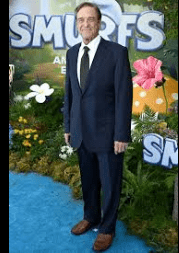
Goodman’s career began in theater before transitioning to television. His breakthrough came with “Roseanne,” which ran into the 1990s and established him as a household name. The success opened opportunities in film, where Goodman demonstrated remarkable versatility. Roles in “The Big Lebowski” (1998) and other projects showcased his dynamic screen presence.
Goodman’s acting style emphasized authenticity. He portrayed complex characters with humor and emotional depth. His performances often balanced intensity with relatability, making him appealing across genres. Throughout the decade, he became a reliable character actor capable of elevating ensemble casts.
Goodman’s cultural impact extended internationally. His connection to Louisiana reinforced Hollywood South’s growing significance. By the end of the 1990s, Goodman had established himself as one of the era’s most respected character actors.
Key Facts
- Full name of the subject: John Stephen Goodman
- Date of birth: June 20, 1952
- Place of birth: St. Louis, Missouri, USA
- Family background: Working-class upbringing
- Early childhood experiences: Interest in football and theater
- Education history: Louisiana State University
- Influences and mentors: Theater directors
- Career beginnings: Stage acting in New York
- Major achievements: Roseanne success
- Challenges and obstacles faced: Typecasting in comedic roles
- Turning points in life: Transition to film roles in 1990s
- Contributions to society: Elevated character acting
- Personal life (marriage, children, relationships): Married; one child
- Awards and recognitions: Golden Globe Award
- Beliefs, values, or philosophy: Commitment to character authenticity
- Legacy and impact: Versatile character actor
- Historical or cultural significance: LSU alumnus influencing Hollywood South
Notable Works: The Big Lebowski, Barton Fink, Roseanne
Controversies: A discussion involving Goodman centered on industry debates about typecasting following his television success. Critics questioned whether his association with comedic roles limited dramatic opportunities. Stakeholders included casting directors and media commentators. Goodman responded by selecting diverse roles, demonstrating range. Verified career outcomes confirmed successful transitions into dramatic performances. The debate highlighted challenges faced by television actors entering film and ultimately strengthened Goodman’s reputation.
3. Sandra Bullock
Sandra Bullock’s rise in the 1990s embodied the expanding reach of Southern-connected talent within Hollywood South. Born in Virginia but raised partly in Louisiana, Bullock developed an early appreciation for performance. Her mother’s career as an opera singer exposed her to artistic discipline. This foundation shaped her confident yet approachable screen persona.

Bullock’s career began with smaller roles before her breakthrough in “Speed” (1994). The film’s success propelled her into leading roles. Throughout the decade, she balanced action films with romantic comedies, demonstrating versatility. Her performances emphasized relatability and emotional warmth.
Bullock’s acting identity centered on accessibility. She portrayed strong yet personable characters, appealing to broad audiences. Films such as “While You Were Sleeping” reinforced her comedic timing. By the late 1990s, she became one of Hollywood’s most bankable stars.
Bullock’s cultural influence extended globally. Her Southern connection contributed to Hollywood South’s narrative. Her legacy in the 1990s reflects the rise of female-led box office power.
Key Facts
- Full name of the subject: Sandra Annette Bullock
- Date of birth: July 26, 1964
- Place of birth: Arlington, Virginia, USA
- Family background: Mother opera singer
- Early childhood experiences: Exposure to performing arts
- Education history: East Carolina University
- Influences and mentors: Family artistic background
- Career beginnings: Small film roles
- Major achievements: Speed success
- Challenges and obstacles faced: Transition to leading roles
- Turning points in life: Speed (1994)
- Contributions to society: Strong female action leads
- Personal life (marriage, children, relationships): Private family life
- Awards and recognitions: Golden Globe nominations
- Beliefs, values, or philosophy: Relatable storytelling
- Legacy and impact: Leading actress of 1990s
- Historical or cultural significance: Female box office draw
Notable Works: Speed, While You Were Sleeping, A Time to Kill
Controversies: A public discussion involving Bullock centered on casting debates during the 1990s. Critics questioned her suitability for certain dramatic roles after comedic success. Stakeholders included studios and reviewers. Bullock responded by selecting varied projects. Verified career results showed sustained success across genres. The debate reinforced her versatility and strengthened her standing.
4. Nicolas Cage
Nicolas Cage’s presence in 1990s cinema reflected the intensity and unpredictability that defined a new era of Hollywood South’s expanding creative influence. Born Nicolas Kim Coppola in California, Cage is part of the legendary Coppola filmmaking family, but he deliberately distanced himself from the name to establish an independent identity. This decision shaped his early artistic philosophy, emphasizing reinvention and risk-taking as core principles of performance.

Cage began his acting career in the early 1980s, working steadily through supporting roles before gaining recognition for his unconventional emotional range. His breakthrough into mainstream prominence came as the 1990s opened, with performances that showcased both vulnerability and volatility. Films such as “Leaving Las Vegas” (1995) demonstrated his ability to fully inhabit psychologically complex characters, earning him an Academy Award and redefining his career trajectory.
Throughout the decade, Cage cultivated an artistic identity built on emotional extremity and immersive character work. His performances often blurred the line between controlled intensity and expressive unpredictability, making him one of the most distinctive actors of the era. In Hollywood South contexts, his work tied into New Orleans’ cinematic appeal, particularly in productions filmed in Louisiana that valued atmospheric storytelling.
Cage’s cultural influence in the 1990s extended globally as he became a symbol of transformative acting. His willingness to take creative risks influenced a generation of performers seeking emotional authenticity over conventional restraint. His legacy from the decade remains tied to redefining leading-man performance through psychological depth and stylistic boldness.
Key Facts
- Full name of the subject: Nicolas Kim Coppola
- Date of birth: January 7, 1964
- Place of birth: Long Beach, California, USA
- Family background: Coppola filmmaking family
- Early childhood experiences: Exposure to film production environment
- Education history: Beverly Hills High School
- Influences and mentors: Francis Ford Coppola, theater acting methods
- Career beginnings: Supporting film roles in early 1980s
- Major achievements: Academy Award for Leaving Las Vegas
- Challenges and obstacles faced: Early career identity separation from family name
- Turning points in life: Leaving Las Vegas performance
- Contributions to society: Elevated psychological acting style
- Personal life (marriage, children, relationships): Multiple marriages; children
- Awards and recognitions: Academy Award, Golden Globe Award
- Beliefs, values, or philosophy: Emotional authenticity in performance
- Legacy and impact: Influential dramatic actor of the 1990s
- Historical or cultural significance: Redefined modern screen intensity
Notable Works: Leaving Las Vegas, Face/Off, Con Air
Controversies: A recurring controversy involving Cage in the 1990s centered on his selection of highly unconventional film roles following major award recognition. The issue emerged when critics questioned whether his increasing participation in stylized action and genre films diluted the artistic weight of his earlier dramatic success. Stakeholders included film studios prioritizing commercial performance, critics advocating for sustained dramatic prestige, and audiences divided between appreciation of versatility and concerns about consistency. Cage maintained that his choices reflected creative freedom rather than commercial calculation. Verified career outcomes showed continued demand for his performances across both mainstream and independent productions. While public perception varied, the debate ultimately highlighted tensions between artistic credibility and commercial versatility in Hollywood.
5. Ellen DeGeneres
Ellen DeGeneres entered the 1990s as a rising comedic force whose New Orleans roots contributed to her observational humor and understated delivery. Born in Metairie, Louisiana, she was raised in a household that valued communication and resilience. Her early life experiences shaped a comedic voice rooted in everyday awkwardness and social observation rather than theatrical exaggeration.

DeGeneres began her career in stand-up comedy, performing in clubs where her conversational style stood out. Her breakthrough came through televised stand-up appearances and late-night television exposure, which highlighted her unique comedic timing. By the early 1990s, she transitioned into television acting, most notably through the sitcom “Ellen,” which became a defining cultural product of the decade.
Her artistic identity during the 1990s was grounded in relatable humor and subtle emotional expression. She portrayed characters navigating ordinary life challenges, which resonated with broad audiences. As her sitcom gained popularity, she became one of the most recognizable comedic actresses of the era. Her Louisiana upbringing remained embedded in her natural delivery style.
DeGeneres’ cultural influence extended beyond entertainment, contributing to evolving conversations about identity and representation in media. Her work helped shape sitcom storytelling in the 1990s, reinforcing Hollywood South’s role in producing nationally relevant television talent. Her legacy from the decade is tied to comedic innovation and cultural visibility.
Key Facts
- Full name of the subject: Ellen Lee DeGeneres
- Date of birth: January 26, 1958
- Place of birth: Metairie, Louisiana, USA
- Family background: Middle-class household
- Early childhood experiences: Developed humor through social observation
- Education history: University of New Orleans (attended briefly)
- Influences and mentors: Stand-up comedy circuit performers
- Career beginnings: Stand-up comedy in Louisiana clubs
- Major achievements: Successful sitcom Ellen
- Challenges and obstacles faced: Early career financial instability
- Turning points in life: Launch of Ellen sitcom
- Contributions to society: Expanded sitcom representation
- Personal life (marriage, children, relationships): Married to Portia de Rossi (later years)
- Awards and recognitions: Emmy Awards
- Beliefs, values, or philosophy: Humor through authenticity
- Legacy and impact: Influential sitcom comedian
- Historical or cultural significance: Louisiana-born television pioneer
Notable Works: Ellen, Finding Nemo, stand-up specials
Controversies: A discussion involving DeGeneres during the 1990s centered on media and network concerns regarding evolving sitcom content direction and audience sensitivity to character development changes. The issue emerged as “Ellen” gradually shifted toward more personal storytelling elements, which some network observers questioned in terms of audience reception. Stakeholders included network executives, writers, advertisers, and viewers responding to tonal adjustments. DeGeneres maintained that creative evolution was necessary for authenticity and long-term storytelling relevance. Verified records showed no formal disputes or disciplinary actions, though audience reactions were mixed during transitional seasons. The matter ultimately reflected broader industry conversations about sitcom evolution rather than individual misconduct.
6. John Larroquette
John Larroquette’s contribution to 1990s entertainment reflected the strength of character-driven television actors connected to the broader Hollywood South ecosystem. Born in New Orleans, Larroquette grew up in a culturally rich environment influenced by literature and performance. His early exposure to storytelling and radio helped shape his distinctive vocal delivery and comedic timing.
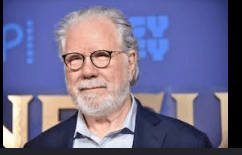
Larroquette began his career in theater and voice work before transitioning into television. His breakthrough came with the legal comedy-drama “Night Court,” which carried into the early 1990s and established him as a prominent comedic actor. His performance combined sarcasm, intelligence, and emotional undertones, making his characters memorable and layered.
During the 1990s, Larroquette expanded his television presence and explored dramatic roles. His artistic identity was marked by versatility, allowing him to move between comedy and drama with ease. His New Orleans background contributed to his grounded performance style and narrative sensibility.
Larroquette’s cultural influence lies in his contribution to ensemble television storytelling. He helped define character archetypes in legal and workplace comedies. His legacy in the decade is tied to consistent performance quality and adaptability across genres.
Key Facts
- Full name of the subject: John Bernard Larroquette
- Date of birth: November 25, 1947
- Place of birth: New Orleans, Louisiana, USA
- Family background: Middle-class family with literary interests
- Early childhood experiences: Interest in storytelling and radio
- Education history: Not formally completed acting degree
- Influences and mentors: Theater and radio performers
- Career beginnings: Theater and narration work
- Major achievements: Night Court success
- Challenges and obstacles faced: Transition to post-sitcom roles
- Turning points in life: Breakthrough in Night Court
- Contributions to society: Strengthened ensemble TV formats
- Personal life (marriage, children, relationships): Married; children
- Awards and recognitions: Multiple Emmy Awards
- Beliefs, values, or philosophy: Character depth in performance
- Legacy and impact: Respected television actor
- Historical or cultural significance: New Orleans television representative
Notable Works: Night Court, The John Larroquette Show, TV dramas
Controversies: A minor industry discussion involving Larroquette centered on the challenge of transitioning from ensemble sitcom fame to leading roles in new projects during the 1990s. The issue emerged when critics debated whether actors strongly associated with long-running series could successfully redefine their careers. Stakeholders included casting directors, television producers, and critics assessing post-sitcom career viability. Larroquette addressed this transition by pursuing varied roles across formats. Verified outcomes indicated continued steady employment and critical respect. The discussion ultimately reflected industry patterns rather than personal controversy or misconduct.
7. Carl Weathers
Carl Weathers’ career in the 1990s demonstrated the intersection of athletic discipline and cinematic presence within Hollywood South’s broader entertainment framework. Born in New Orleans, Weathers grew up with strong athletic influences that shaped his physicality and commanding screen presence. His early life combined sports ambition with academic achievement, laying the foundation for his dual career path.
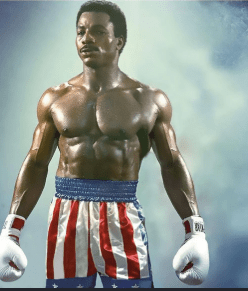
Weathers initially pursued professional football before transitioning into acting. His breakthrough came earlier with the “Rocky” franchise, but the 1990s marked a period of expansion into television and action films. His roles during the decade emphasized authority, leadership, and emotional restraint, reinforcing his on-screen identity as a disciplined figure.
His acting style was defined by controlled intensity and physical confidence. Weathers often portrayed characters in positions of responsibility, contributing to action and drama genres. His performances were grounded in realism, shaped by his athletic background.
Weathers’ cultural influence extended to representation of Black actors in action cinema during the 1990s. His presence reinforced Hollywood South’s connection to diverse talent. His legacy lies in bridging sports and film performance into a cohesive artistic identity.
Key Facts
- Full name of the subject: Carl Weathers
- Date of birth: January 14, 1948
- Place of birth: New Orleans, Louisiana, USA
- Family background: Working-class upbringing
- Early childhood experiences: Strong focus on sports
- Education history: San Diego State University
- Influences and mentors: Football coaches and acting instructors
- Career beginnings: Professional football career
- Major achievements: Rocky franchise success
- Challenges and obstacles faced: Transition from sports to acting
- Turning points in life: Casting in Rocky series
- Contributions to society: Representation in action cinema
- Personal life (marriage, children, relationships): Private family life
- Awards and recognitions: Sports and acting honors
- Beliefs, values, or philosophy: Discipline and perseverance
- Legacy and impact: Athlete-turned-actor icon
- Historical or cultural significance: New Orleans sports and film figure
Notable Works: Rocky series, Predator, Action Jackson
Controversies: A discussion involving Weathers centered on typecasting concerns following his success in physically dominant action roles. The issue arose when critics suggested that his casting opportunities became narrowly defined within action-oriented characters. Stakeholders included casting agents, studio executives, and film critics evaluating diversity of roles. Weathers addressed these perceptions by participating in varied television and voice roles. Verified career records indicated steady employment without formal disputes. The conversation ultimately reflected broader industry challenges regarding actor typecasting rather than individual controversy.
8. Master P
Master P’s emergence in the 1990s marked a defining shift in how New Orleans influenced American entertainment, extending beyond traditional cinema into a hybrid model of film, music, and entrepreneurship. Born Percy Miller in New Orleans, he grew up in the Calliope Projects, an environment that shaped his understanding of survival, ambition, and storytelling rooted in lived experience. His early exposure to hardship became a narrative foundation for his later creative work.

Master P began his career in music, building an independent label that would later redefine Southern hip-hop’s commercial structure. His breakthrough into film during the 1990s came through low-budget, independently produced movies that he financed and distributed himself. This approach was unconventional for the era, positioning him as both performer and producer. His films reflected street realism and entrepreneurial ambition.
His screen presence was shaped by authenticity rather than formal acting training. Master P’s performances were direct, grounded, and reflective of his lived environment. This raw approach resonated with audiences seeking representation outside mainstream Hollywood narratives. His work expanded the definition of what “Hollywood South” could include.
Master P’s cultural impact in the 1990s was structural as much as artistic. He demonstrated that New Orleans-based creators could control production, distribution, and branding. His legacy lies in establishing an independent entertainment ecosystem that influenced both film and music industries in the South.
Key Facts
- Full name of the subject: Percy Robert Miller
- Date of birth: April 29, 1970
- Place of birth: New Orleans, Louisiana, USA
- Family background: Raised in Calliope Projects
- Early childhood experiences: Exposure to economic hardship and street culture
- Education history: University of Houston (brief attendance), Merritt College
- Influences and mentors: Independent entrepreneurs, hip-hop pioneers
- Career beginnings: Music production and independent label creation
- Major achievements: Built No Limit Records empire
- Challenges and obstacles faced: Poverty and industry gatekeeping
- Turning points in life: Breakthrough in independent music distribution
- Contributions to society: Created independent production model in Southern entertainment
- Personal life (marriage, children, relationships): Father; large family network
- Awards and recognitions: Music industry honors
- Beliefs, values, or philosophy: Financial independence and ownership
- Legacy and impact: Pioneer of independent Southern entertainment
- Historical or cultural significance: Expanded Hollywood South business model
Notable Works: I’m Bout It, Hot Boyz, No Limit Films productions
Controversies: A recurring controversy involving Master P centered on the artistic quality versus commercial intent of his independent film productions. The issue arose when critics questioned whether low-budget films prioritized quantity and branding over cinematic craftsmanship. Stakeholders included film critics, independent distributors, and audiences supporting Southern urban cinema. Master P defended his approach, emphasizing ownership, opportunity creation, and representation over traditional production standards. Verified outcomes showed strong commercial success within niche markets, despite critical division. The debate ultimately highlighted tensions between mainstream film criticism and independent Black entrepreneurship in 1990s Hollywood South.
9. Wendell Pierce
Wendell Pierce’s 1990s career reflected the emergence of New Orleans-trained actors who brought theatrical discipline into television and film. Born and raised in the city, Pierce grew up in a family that emphasized education and cultural awareness. His early exposure to classical theater and music shaped his articulate, grounded performance style.
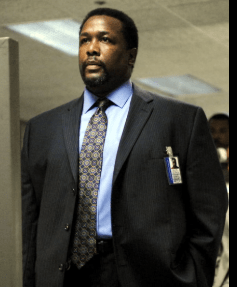
Pierce began his career in theater, particularly through the New Orleans Center for Creative Arts, before transitioning into television roles. His breakthrough in the 1990s came through consistent supporting performances in film and television dramas, where his presence added depth and credibility. He became known for portraying professionals and authority figures with quiet intensity.
His acting style emphasized precision and emotional restraint. Pierce’s performances often conveyed internal complexity without overt dramatization. This subtle approach distinguished him within ensemble casts and made him a reliable character actor in both television and film.
Pierce’s cultural influence lies in strengthening the pipeline between New Orleans theater training and Hollywood production. His 1990s work helped solidify the city’s reputation as a source of disciplined, classically trained actors contributing to Hollywood South’s growth.
Key Facts
- Full name of the subject: Wendell Edward Pierce
- Date of birth: December 8, 1963
- Place of birth: New Orleans, Louisiana, USA
- Family background: Educated middle-class household
- Early childhood experiences: Exposure to classical music and theater
- Education history: Juilliard School
- Influences and mentors: Theater instructors and stage directors
- Career beginnings: Stage acting and small television roles
- Major achievements: Respected television and film actor
- Challenges and obstacles faced: Competitive transition from theater to screen
- Turning points in life: Admission to Juilliard
- Contributions to society: Arts education advocacy
- Personal life (marriage, children, relationships): Private personal life
- Awards and recognitions: Theater and ensemble awards
- Beliefs, values, or philosophy: Discipline in performance craft
- Legacy and impact: New Orleans-trained dramatic actor
- Historical or cultural significance: Bridge between theater and Hollywood South
Notable Works: Treme, Waiting to Exhale, The Wire (early career groundwork)
Controversies: A discussion involving Pierce centered on the broader issue of limited leading roles for classically trained Black actors during the 1990s. The issue emerged within industry critiques of casting practices that often confined such actors to supporting roles. Stakeholders included casting directors, production studios, and advocacy groups addressing representation. Pierce publicly emphasized the importance of continued training and persistence rather than industry limitation narratives. Verified career records showed steady employment growth into more prominent roles in later years. The debate contributed to wider conversations about representation equity in Hollywood.
10. Anthony Mackie
Anthony Mackie’s early career in the 1990s reflected the foundational stage of one of Hollywood South’s most significant future stars. Born in New Orleans, Mackie grew up in a city deeply shaped by performance traditions, from street culture to formal theater. His early education at the New Orleans Center for Creative Arts introduced him to structured acting training, shaping his disciplined artistic approach.

Mackie began performing in stage productions during his teenage years, demonstrating strong emotional range and physical control. While his major film breakthrough would come later, the 1990s were crucial in developing his technique and artistic identity. He later refined his craft at the Juilliard School, further strengthening his classical acting foundation.
His performance style is defined by grounded realism and emotional precision. Even in his early career phase, Mackie displayed a natural ability to embody complex characters with subtle intensity. This made him stand out in both stage and emerging screen opportunities tied to New Orleans talent networks.
Mackie’s cultural influence is rooted in his representation of disciplined, classically trained actors emerging from Hollywood South. His 1990s foundation laid the groundwork for a later international career, reinforcing New Orleans’ reputation as a serious training ground for cinematic talent.
Key Facts
- Full name of the subject: Anthony Dwane Mackie
- Date of birth: September 23, 1978
- Place of birth: New Orleans, Louisiana, USA
- Family background: Working-class family
- Early childhood experiences: Exposure to New Orleans arts culture
- Education history: New Orleans Center for Creative Arts; Juilliard School
- Influences and mentors: Theater instructors and classical performers
- Career beginnings: Stage performances in youth theater
- Major achievements: Later Marvel Cinematic Universe success (post-1990s foundation)
- Challenges and obstacles faced: Transition from theater to film industry
- Turning points in life: Admission to Juilliard
- Contributions to society: Representation of trained Southern actors
- Personal life (marriage, children, relationships): Private personal life
- Awards and recognitions: Film festival recognitions (later career)
- Beliefs, values, or philosophy: Discipline and craft mastery
- Legacy and impact: Prominent Hollywood South actor
- Historical or cultural significance: New Orleans-trained global actor
Notable Works: Theater productions, early independent roles
Controversies: A minor industry discussion involving Mackie’s early career centered on the challenges young stage-trained actors faced when transitioning into film and television casting systems that prioritized screen experience over formal training. The issue emerged in broader casting debates rather than a specific incident. Stakeholders included theater educators, casting agents, and film studios evaluating emerging talent pipelines. Mackie consistently emphasized training and discipline as essential to career growth. Verified outcomes showed a steady and successful progression into major film roles in later years. The discussion ultimately reflected systemic industry dynamics rather than individual controversy.
Notable Mentions:
Barry Shabaka Henley
Jay Thomas
Vernel Bagneris
Ray Walston
John McConnell
Stocker Fontelieu
Bryan Batt
Patricia Clarkson
Lance E. Nichols
Reese Witherspoon