Top 10 Authors of the Beat Generation
Top 10 Authors of the Beat Generation
In This Content
1. Jack Kerouac
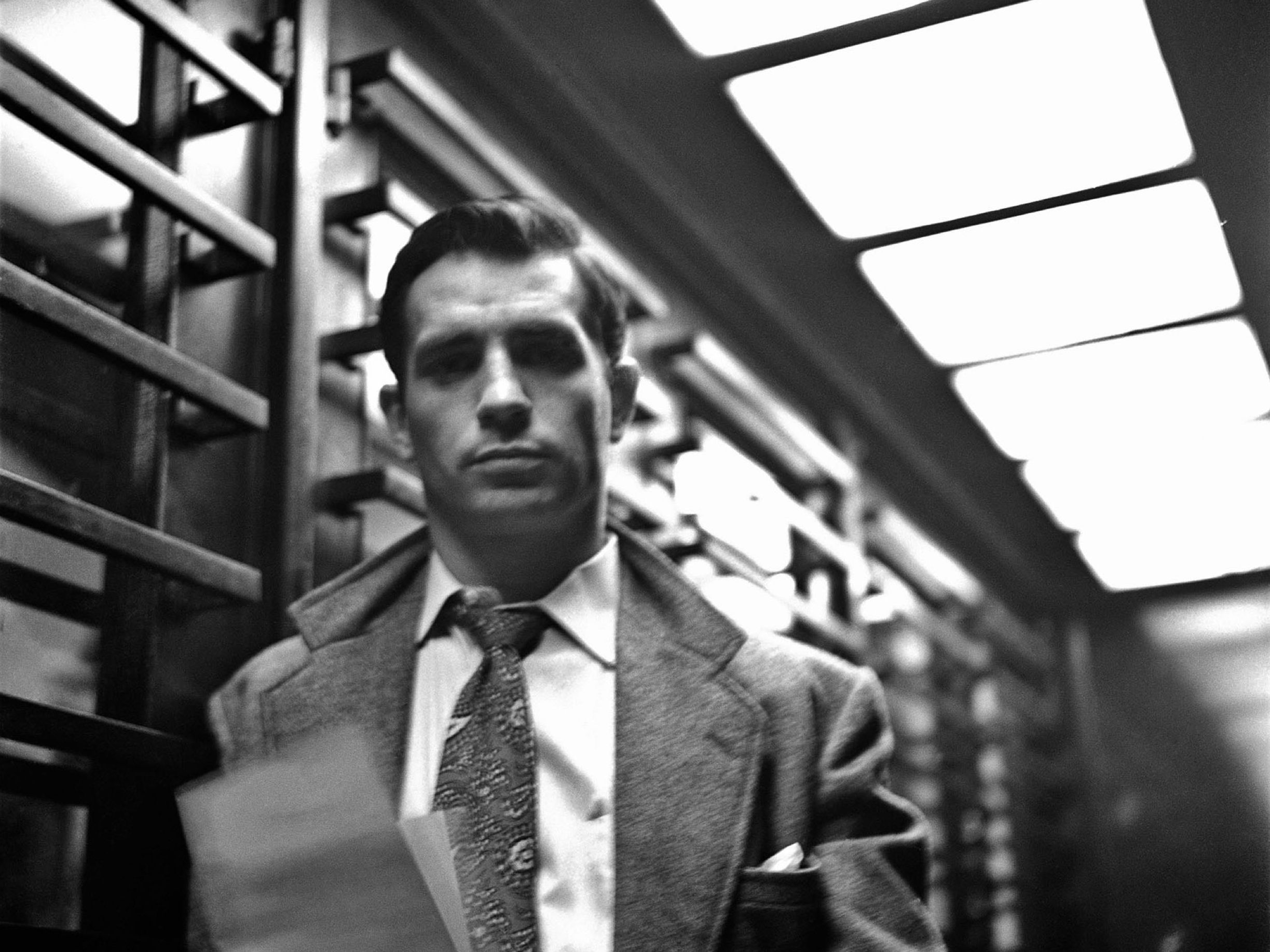
Jack Kerouac stands as one of the most defining literary voices of the Beat Generation, a writer whose life and work fused into a single restless narrative of motion, longing, and spiritual searching. Born into a French-Canadian immigrant family in Lowell, Massachusetts, Kerouac’s early life was shaped by grief, linguistic duality, and a deep sense of displacement following the death of his older brother. These formative experiences cultivated an introspective temperament that would later evolve into a lifelong literary pursuit of meaning through movement, travel, and spontaneous expression.
Kerouac’s career began in the intellectual ferment of Columbia University, where he formed friendships with Allen Ginsberg and William S. Burroughs relationships that would anchor the Beat movement. His early writing efforts were disciplined but conventional, heavily influenced by modernist traditions. However, his breakthrough came with On the Road, a manuscript written in a rapid, unbroken scroll that mirrored his philosophy of “spontaneous prose.” The novel redefined narrative structure and became a cultural artifact of post-war disillusionment and youthful rebellion.
During the 1990s revival of Beat literature, Kerouac’s reputation underwent a renewed critical reassessment. Though he had passed away in 1969, his influence surged among scholars, musicians, and countercultural movements that viewed him as a prophetic voice of American restlessness. His works were reinterpreted as spiritual roadmaps rather than mere chronicles of travel, positioning him as both a literary innovator and cultural icon.
Kerouac’s legacy rests in his transformation of autobiography into mythic literature. His ability to capture the immediacy of experience without editorial restraint reshaped American prose style and inspired generations of writers seeking authenticity over formality. He remains a symbol of artistic freedom, but also of the personal cost that often accompanies relentless creative pursuit.
Key Facts
- Full name of the subject: Jean-Louis Lebris de Kérouac
- Date of birth: March 12, 1922
- Place of birth: Lowell, Massachusetts, United States
- Family background: French-Canadian immigrant working-class family
- Early childhood experiences: Experienced the death of his brother and bilingual upbringing in French and English
- Education history: Columbia University (attended on football scholarship)
- Influences and mentors: Neal Cassady, William S. Burroughs, Buddhist philosophy, American modernists
- Career beginnings: Early journalism, experimental prose writing, literary circle at Columbia
- Major achievements: Author of On the Road, The Dharma Bums, and Big Sur
- Challenges and obstacles faced: Substance abuse, financial instability, critical misunderstanding during his lifetime
- Turning points in life: Writing of On the Road manuscript; spiritual exploration of Buddhism
- Contributions to society: Redefined narrative nonfiction and inspired the Beat cultural movement
- Personal life (marriage, children, relationships): Multiple marriages; complex relationships including ties with Edie Parker
- Awards and recognitions: Posthumous recognition as a major American literary figure
- Beliefs, values, or philosophy: Spontaneous prose, spiritual questing, rejection of materialism
- Legacy and impact: Central architect of Beat literature and countercultural storytelling
- Historical or cultural significance: Symbol of postwar American youth rebellion and literary experimentation
Notable Works:
On the Road; The Dharma Bums; Big Sur; Desolation Angels; Visions of Cody
Controversies:
Criticism of glorifying drug use; accusations of romanticizing aimlessness; debates over literary discipline vs spontaneity
2. Allen Ginsberg
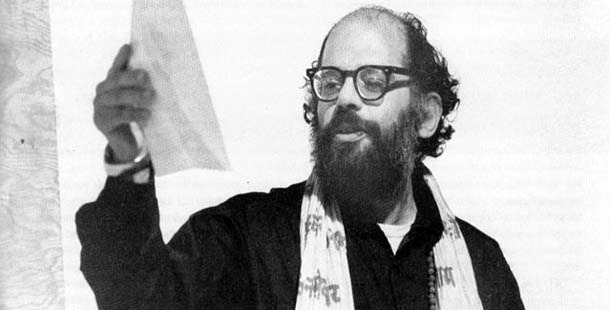
Allen Ginsberg emerged as the lyrical conscience of the Beat Generation, a poet whose voice carried both the rage and vulnerability of a society in transition. Born in Newark, New Jersey, into a politically conscious Jewish household, Ginsberg’s early life was shaped by his mother’s mental illness and his father’s socialist ideals. These dual influences political awareness and psychological instability deeply informed his poetic sensibility and his lifelong engagement with themes of madness, identity, and social repression.
Ginsberg’s formal entry into the Beat movement occurred during his time at Columbia University, where he met Kerouac and Burroughs. His breakthrough came with the publication of Howl, a poem that shattered conventional poetic structure and confronted themes of sexuality, capitalism, and institutional control with unprecedented intensity. The obscenity trial surrounding its publication became a defining moment in American literary history, establishing Ginsberg as both a poet and a public intellectual.
In the decades that followed, including the cultural shifts of the 1990s, Ginsberg evolved into a global figure of artistic activism. His readings, collaborations with musicians, and political engagements extended his influence far beyond literature. He became a bridge between Beat aesthetics and later countercultural movements, including the civil rights era, anti-war activism, and LGBTQ+ liberation.
Ginsberg’s legacy is rooted in his fearless expansion of poetic form and his insistence on personal truth as a political act. His work dismantled boundaries between private anguish and public discourse, creating a new space for confessional and activist poetry that continues to shape contemporary literary expression.
Key Facts
- Full name of the subject: Irwin Allen Ginsberg
- Date of birth: June 3, 1926
- Place of birth: Newark, New Jersey, United States
- Family background: Jewish immigrant family with strong political awareness
- Early childhood experiences: Witnessed mother’s mental illness and political activism of father
- Education history: Columbia University
- Influences and mentors: Walt Whitman, William Blake, William S. Burroughs, Jack Kerouac
- Career beginnings: Early poetry writing in New York literary circles
- Major achievements: Publication of Howl, Kaddish, global literary readings
- Challenges and obstacles faced: Obscenity trials, censorship battles, societal backlash
- Turning points in life: Publication of Howl and subsequent legal defense victory
- Contributions to society: Expanded freedom of speech in literature and poetry
- Personal life (marriage, children, relationships): Long-term relationship with Peter Orlovsky
- Awards and recognitions: National Book Award finalist, numerous literary honors
- Beliefs, values, or philosophy: Spiritual openness, anti-censorship activism, Buddhist practice
- Legacy and impact: Redefined modern poetry and political expression
- Historical or cultural significance: Central voice in Beat poetry and 20th-century counterculture
Notable Works:
Howl; Kaddish; America; Sunflower Sutra; The Fall of America
Controversies:
Obscenity trial over Howl; political radicalism; public discussions of sexuality and drug use
3. William S. Burroughs
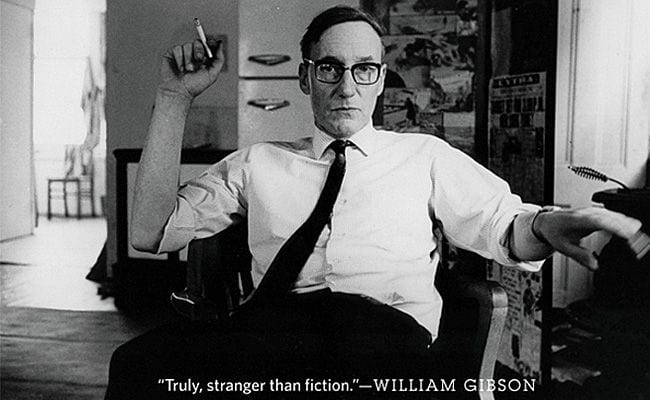
William S. Burroughs represents the most experimental and psychologically complex voice within the Beat Generation, a writer whose work pushed narrative form into fragmented, nonlinear territories. Born in St. Louis, Missouri, into a wealthy and intellectually privileged family, Burroughs experienced early dislocation despite material comfort. His fascination with language, control systems, and human psychology emerged early, later intensifying through his struggles with addiction and existential alienation.
Burroughs’ entry into the Beat circle was marked by intellectual collaboration and personal turbulence. Unlike Kerouac and Ginsberg, his writing developed through a more clinical and detached lens, culminating in his groundbreaking novel Naked Lunch. The book’s fragmented structure, nonlinear narrative, and raw depictions of addiction and control systems made it one of the most controversial literary works of the 20th century. It also established Burroughs as a pioneer of postmodern literature.
During the 1990s, Burroughs experienced a late-career renaissance, collaborating with musicians, visual artists, and filmmakers. His influence expanded into punk rock, cyberculture, and experimental art scenes. He became a symbolic figure for artistic deconstruction, with younger generations embracing his radical approach to language and narrative fragmentation.
Burroughs’ legacy is defined by his dismantling of traditional storytelling. His “cut-up” technique challenged linear perception and suggested that reality itself could be rearranged through language. This conceptual innovation positioned him not only as a Beat writer but also as a foundational figure in postmodern and avant-garde literature.
Key Facts
- Full name of the subject: William Seward Burroughs II
- Date of birth: February 5, 1914
- Place of birth: St. Louis, Missouri, United States
- Family background: Wealthy industrial family with Burroughs corporation ties
- Early childhood experiences: Privileged upbringing with early fascination for writing and science
- Education history: Harvard University
- Influences and mentors: Jack Black, Alfred C. Kinsey, Brion Gysin
- Career beginnings: Early autobiographical and experimental writing in Mexico and Tangier
- Major achievements: Author of Naked Lunch, pioneer of cut-up literary technique
- Challenges and obstacles faced: Drug addiction, legal censorship battles, personal trauma
- Turning points in life: Death of his wife Joan Vollmer; development of cut-up method
- Contributions to society: Revolutionized narrative structure in modern literature
- Personal life (marriage, children, relationships): Married Joan Vollmer; complex personal relationships
- Awards and recognitions: International literary recognition later in life
- Beliefs, values, or philosophy: Anti-control systems ideology, linguistic experimentation
- Legacy and impact: Major influence on postmodern literature and experimental art
- Historical or cultural significance: Key figure in Beat Generation and avant-garde writing
Notable Works:
Naked Lunch; Junky; Queer; Nova Express; The Soft Machine
Controversies:
Censorship battles over obscenity; heroin addiction; legal controversies surrounding Naked Lunch publication
4. Lawrence Ferlinghetti
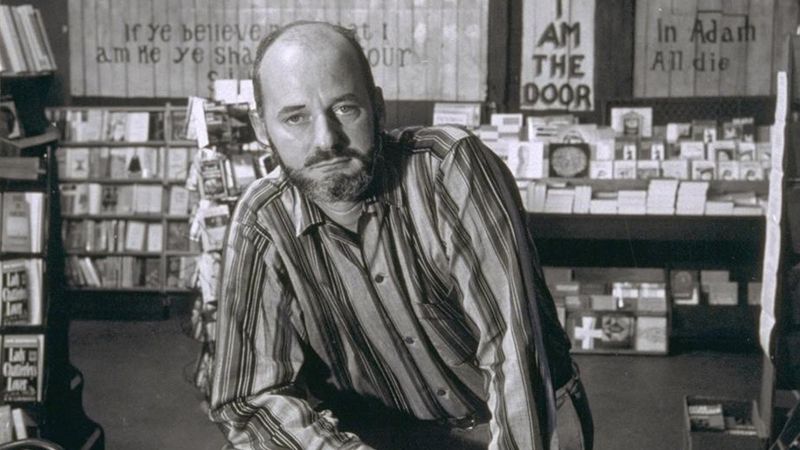
Lawrence Ferlinghetti occupies a foundational role in the Beat Generation not only as a poet but as a cultural architect who helped define the movement’s public existence. Born in Yonkers, New York, and raised across Europe following the early death of his father, Ferlinghetti’s childhood was shaped by displacement, multilingual exposure, and the political turbulence of pre-war Europe. These early experiences cultivated in him a cosmopolitan worldview and a deep sensitivity to cultural expression as a form of resistance.
Ferlinghetti’s formal education at the University of North Carolina, Chapel Hill, and later the Sorbonne in Paris, refined his literary and philosophical grounding. His entry into the Beat movement was less about rebellion and more about infrastructure he founded City Lights Bookstore in San Francisco, which became the physical and symbolic headquarters of Beat literature. His breakthrough as a writer came with Pictures of the Gone World, but his most defining cultural impact was his role in publishing Allen Ginsberg’s Howl, a decision that positioned him at the center of a landmark obscenity trial.
During the 1990s resurgence of Beat scholarship, Ferlinghetti was increasingly recognized as the stabilizing force behind a movement often characterized by chaos and improvisation. While Kerouac, Ginsberg, and Burroughs defined the artistic edge, Ferlinghetti ensured the survival and dissemination of their work. His poetry, marked by accessibility and political clarity, gained renewed appreciation in academic and global literary circles.
Ferlinghetti’s legacy is that of a cultural custodian. He bridged European modernism and American counterculture, ensuring that Beat literature did not remain an underground phenomenon but evolved into a lasting literary tradition. His influence extends beyond poetry into publishing, free speech advocacy, and the democratization of literary access.
Key Facts
- Full name of the subject: Lawrence Monsanto Ferlinghetti
- Date of birth: March 24, 1919
- Place of birth: Yonkers, New York, United States
- Family background: Orphaned early; raised across Europe by relatives
- Early childhood experiences: Multicultural upbringing in France and the United States
- Education history: University of North Carolina; Sorbonne (PhD in comparative literature)
- Influences and mentors: European modernists, anarchist philosophy, American poets
- Career beginnings: Naval service in WWII; early poetry writing in San Francisco
- Major achievements: Founder of City Lights Bookstore; publisher of Howl
- Challenges and obstacles faced: Legal censorship battles; financial strain in independent publishing
- Turning points in life: Establishment of City Lights and involvement in obscenity trial
- Contributions to society: Expanded freedom of literary expression and independent publishing
- Personal life (marriage, children, relationships): Married Selden Kirby-Smith; private family life
- Awards and recognitions: National Book Award nominee; city of San Francisco Poet Laureate
- Beliefs, values, or philosophy: Libertarian humanism, free speech advocacy, anti-authoritarianism
- Legacy and impact: Key cultural facilitator of Beat literature
- Historical or cultural significance: Central figure in San Francisco literary renaissance
Notable Works:
Pictures of the Gone World; A Coney Island of the Mind; Starting from San Francisco
Controversies:
Legal scrutiny over Howl publication; political activism criticized during Cold War era
5. Gregory Corso
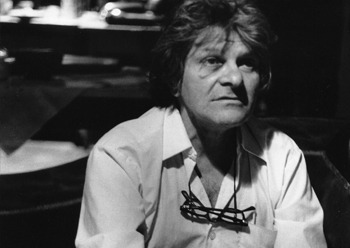
Gregory Corso brought a raw, almost unfiltered emotional intensity to the Beat Generation, distinguishing himself as its most instinctive and improvisational poet. Born in New York City to an Italian-American family, Corso’s early life was marked by instability, abandonment, and incarceration. Spending part of his adolescence in prison, he discovered poetry while isolated, transforming confinement into the foundation of his literary voice.
Corso’s entry into the Beat circle occurred in Greenwich Village, where his charisma and poetic spontaneity quickly impressed Kerouac and Ginsberg. Unlike the more structurally deliberate poets of his generation, Corso wrote with an explosive immediacy. His breakthrough poem Bomb exemplified his ability to merge satire, politics, and existential dread into a single rhythmic force. His work became emblematic of Beat irreverence and linguistic freedom.
By the 1990s, Corso’s influence had become more symbolic than prolific. While his output slowed, his earlier works were rediscovered by new generations of poets and musicians who admired his rebellious style and emotional honesty. He frequently participated in readings and Beat revival events, reinforcing his position as a living link to the movement’s origins.
Corso’s legacy is defined by emotional authenticity and linguistic unpredictability. He transformed personal trauma into poetic performance, offering a voice that was both chaotic and deeply human. His contribution to Beat literature lies in his refusal to conform not only to society but to poetic convention itself.
Key Facts
- Full name of the subject: Gregory Nunzio Corso
- Date of birth: March 26, 1930
- Place of birth: New York City, New York, United States
- Family background: Italian-American immigrant family
- Early childhood experiences: Abandonment, foster care, juvenile incarceration
- Education history: Self-educated; limited formal schooling due to incarceration
- Influences and mentors: Jack Kerouac, Allen Ginsberg, classical poetry traditions
- Career beginnings: Began writing poetry while imprisoned
- Major achievements: Publication of Bomb, Gasoline, The Happy Birthday of Death
- Challenges and obstacles faced: Homelessness, incarceration, substance abuse
- Turning points in life: Meeting Ginsberg and joining Beat literary circle
- Contributions to society: Expanded expressive freedom in poetic form
- Personal life (marriage, children, relationships): Multiple relationships; unstable family life
- Awards and recognitions: Fellow of American Academy of Arts and Letters (later recognition)
- Beliefs, values, or philosophy: Anti-establishment expression, emotional spontaneity in art
- Legacy and impact: Symbol of raw Beat poetic energy
- Historical or cultural significance: Bridge between street life and literary experimentation
Notable Works:
Bomb; Gasoline; The Happy Birthday of Death; Elegiac Feelings American
Controversies:
Public struggles with addiction; erratic behavior in literary circles; marginalization within academic canon
6. Michael McClure
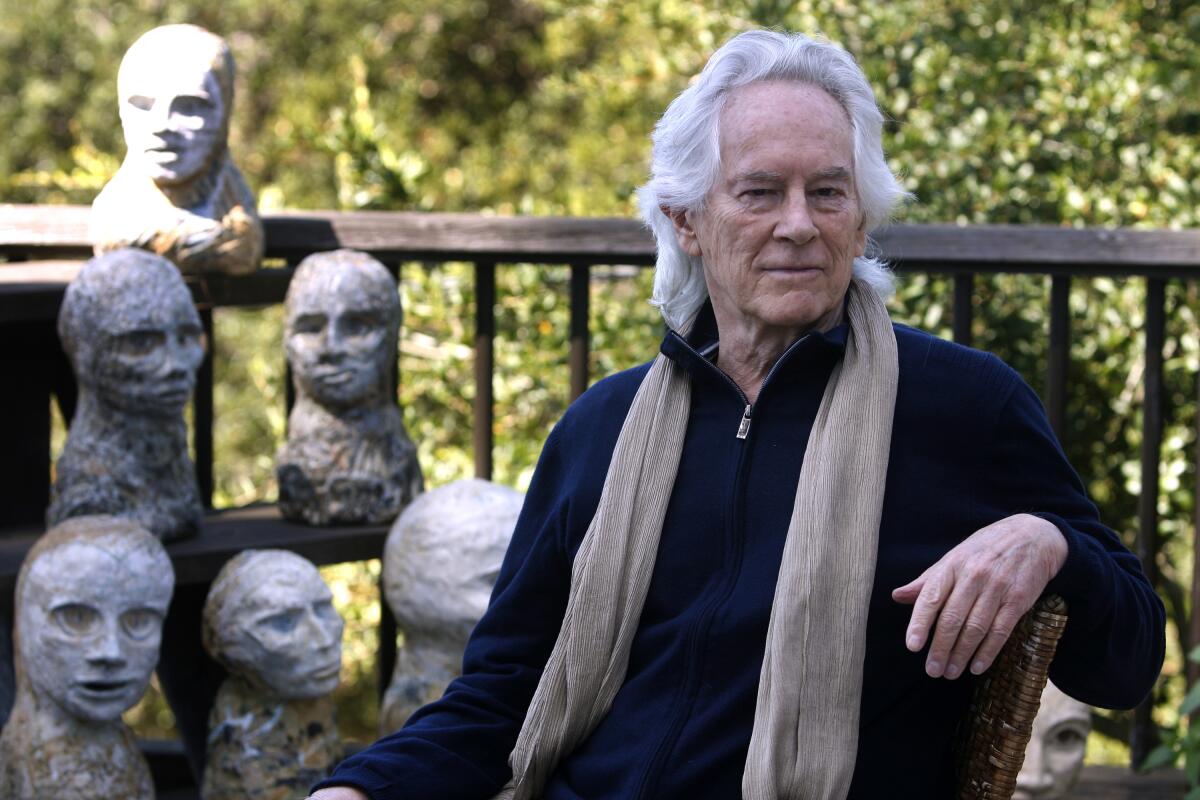
Michael McClure represents the ecological and mystical dimension of the Beat Generation, blending poetic innovation with scientific curiosity and environmental consciousness. Born in Marysville, Kansas, and raised in the American Midwest, McClure’s early life was shaped by nature, small-town observation, and an early fascination with biology. These influences later informed his unique poetic voice, which often fused human instinct with ecological awareness.
McClure entered the San Francisco Renaissance scene in the 1950s, where he quickly aligned with Ginsberg, Ferlinghetti, and other Beat figures. His breakthrough came with The Beard and Meat Science Essays, works that challenged conventional boundaries between poetry, theater, and biological inquiry. His performances at the Six Gallery reading placed him at the epicenter of Beat emergence as a public literary force.
During the 1990s, McClure’s work experienced renewed attention due to growing environmental movements and academic interest in eco-poetics. His integration of science and poetry positioned him as a precursor to interdisciplinary literary studies. He also collaborated with musicians, particularly within rock and experimental music scenes, expanding his influence beyond traditional literature.
McClure’s legacy lies in his fusion of instinct, science, and spirituality. He redefined poetry as a biological and sensory experience, arguing that language originates from primal human awareness. His work continues to influence ecological writing, performance poetry, and experimental literature.
Key Facts
- Full name of the subject: Michael McClure
- Date of birth: October 20, 1932
- Place of birth: Marysville, Kansas, United States
- Family background: Middle-class Midwestern family
- Early childhood experiences: Deep connection to nature and animal life
- Education history: University of Arizona; San Francisco State University
- Influences and mentors: Gary Snyder, Allen Ginsberg, natural sciences
- Career beginnings: San Francisco Renaissance poetry scene
- Major achievements: Six Gallery reading participant; The Beard
- Challenges and obstacles faced: Critical misunderstanding; experimental style rejection
- Turning points in life: Participation in landmark Beat poetry reading
- Contributions to society: Integration of ecology and poetry
- Personal life (marriage, children, relationships): Married Joanna McClure
- Awards and recognitions: Wallace Stevens Award finalist (later recognition)
- Beliefs, values, or philosophy: Biopoetics, ecological awareness, primal language theory
- Legacy and impact: Pioneer of eco-poetry and performance literature
- Historical or cultural significance: Key figure in San Francisco literary renaissance
Notable Works:
The Beard; Meat Science Essays; Jaguar Skies; Dark Brown
Controversies:
Controversy over explicit performance works; experimental form criticized as non-literary
7. Gary Snyder
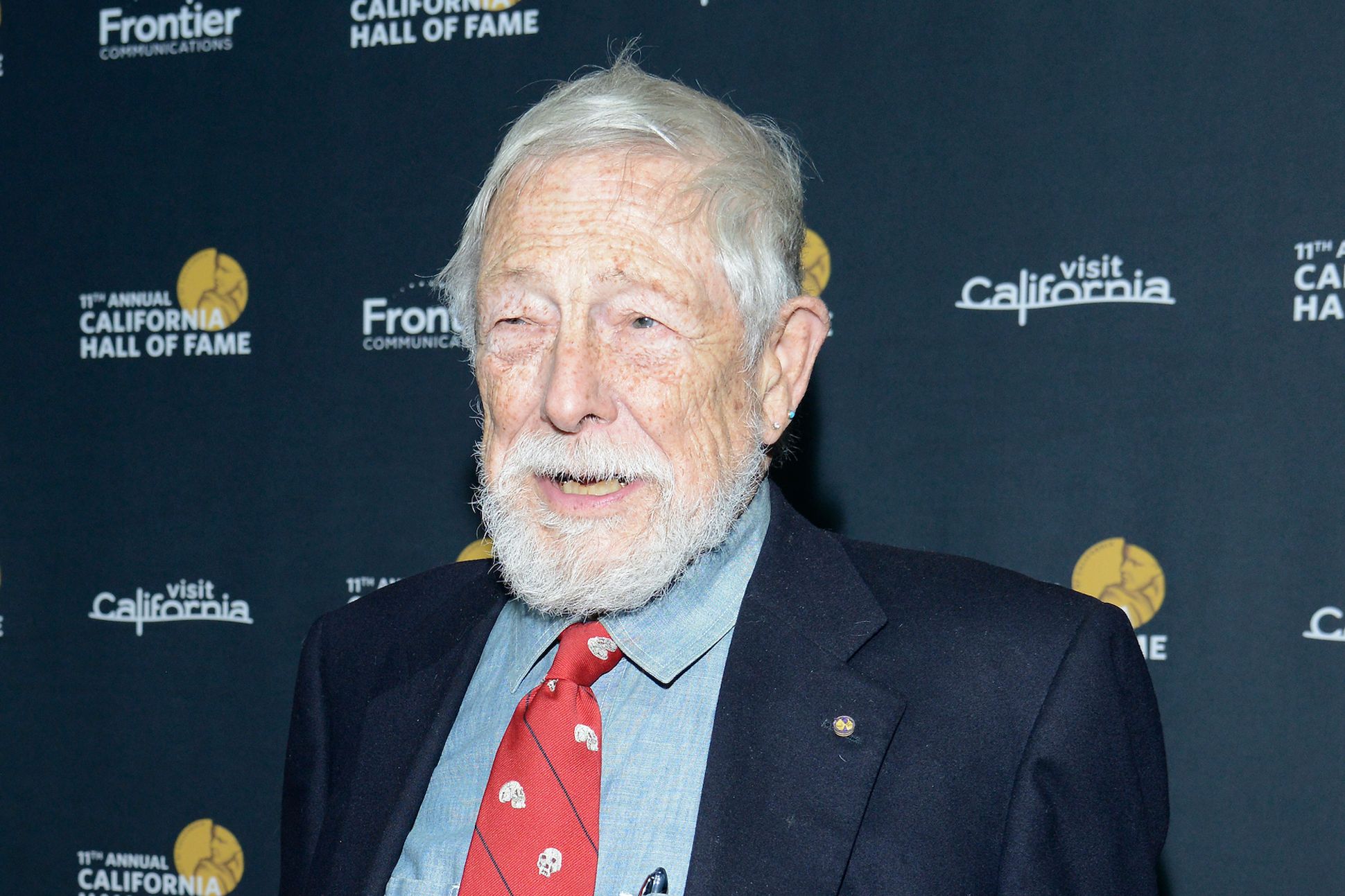
Gary Snyder represents the spiritual and ecological conscience of the Beat Generation, blending Zen Buddhism, environmental philosophy, and poetic discipline into a deeply reflective literary identity. Born in San Francisco, Snyder spent much of his early childhood in rural Washington state, where close contact with forests and natural landscapes shaped his ecological worldview. His upbringing instilled in him a lifelong reverence for nature as both teacher and subject.
Snyder’s academic journey included studies at Reed College and the University of California, Berkeley, where he immersed himself in anthropology, mythology, and Eastern philosophy. His breakthrough came with his involvement in the San Francisco poetry renaissance and his participation in the Six Gallery reading. Unlike his more chaotic contemporaries, Snyder developed a disciplined poetic style rooted in observation and spiritual awareness.
During the 1990s, Snyder gained significant academic and environmental recognition. His poetry became central to ecological literature studies, and his influence expanded into environmental activism and sustainability discourse. He received major literary honors and was widely regarded as a philosophical bridge between Beat literature and environmental consciousness movements.
Snyder’s legacy lies in his integration of poetry and ecological ethics. He reframed literature as a tool for environmental awareness and spiritual grounding. His work continues to influence eco-critical theory, environmental activism, and contemporary nature writing.
Key Facts
- Full name of the subject: Gary Sherman Snyder
- Date of birth: May 8, 1930
- Place of birth: San Francisco, California, United States
- Family background: Working-class West Coast upbringing
- Early childhood experiences: Raised in rural Pacific Northwest, close to nature
- Education history: Reed College; University of California, Berkeley
- Influences and mentors: Zen Buddhism teachers, D. T. Suzuki, Asian poetry traditions
- Career beginnings: San Francisco Renaissance poetry movement
- Major achievements: Pulitzer Prize for Poetry (Turtle Island)
- Challenges and obstacles faced: Cultural misinterpretation of Buddhist beliefs in early career
- Turning points in life: Extended study of Zen Buddhism in Japan
- Contributions to society: Environmental literature and ecological awareness
- Personal life (marriage, children, relationships): Multiple marriages; father of children
- Awards and recognitions: Pulitzer Prize; Bollingen Prize
- Beliefs, values, or philosophy: Zen Buddhism, ecological interconnection, simplicity
- Legacy and impact: Foundational figure in eco-poetry and environmental thought
- Historical or cultural significance: Bridge between Beat poetry and environmental activism
Notable Works:
Riprap; Turtle Island; Mountains and Rivers Without End
Controversies:
Criticism over cultural appropriation debates regarding Eastern spirituality interpretation
8. John Clellon Holmes
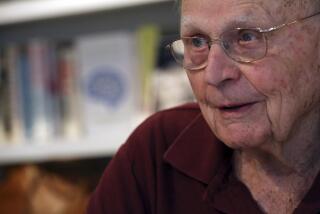
John Clellon Holmes occupies a distinctive position in the Beat Generation as both a chronicler and an active participant, a writer who gave the movement its defining name and early intellectual framing. Born in Holyoke, Massachusetts, Holmes grew up in a New England environment marked by academic discipline and cultural restraint. His early exposure to literature and philosophy cultivated a reflective temperament, positioning him toward fiction that examined identity and generational disillusionment.
Holmes’ academic journey at Yale University deepened his engagement with modernist literature and existential thought. His entry into the Beat circle came through friendships with Kerouac and Ginsberg in New York City during the post-war period. Unlike some of his more chaotic contemporaries, Holmes approached the Beat ethos with analytical precision, eventually coining the term “Beat Generation” in his novel Go, which became one of the earliest fictionalized accounts of the movement.
During the 1990s resurgence of Beat studies, Holmes was increasingly recognized as the movement’s first interpreter rather than merely a participant. His works were revisited as sociological artifacts that captured the emotional instability and philosophical searching of post-war youth culture. Scholars credited him with preserving the early intellectual contours of Beat identity before it became fully mythologized.
Holmes’ legacy lies in his role as a literary historian within the movement itself. He documented the Beat experience with clarity and restraint, offering a counterbalance to the more experimental styles of Kerouac and Burroughs. His work remains essential for understanding the Beat Generation not just as a cultural explosion, but as a definable literary and philosophical shift.
Key Facts
- Full name of the subject: John Clellon Holmes
- Date of birth: March 12, 1926
- Place of birth: Holyoke, Massachusetts, United States
- Family background: Middle-class New England family
- Early childhood experiences: Intellectual upbringing with strong literary exposure
- Education history: Yale University
- Influences and mentors: Jack Kerouac, existentialist philosophy, modernist fiction
- Career beginnings: Early short stories and New York literary journalism
- Major achievements: Author of Go; first to coin “Beat Generation” in print
- Challenges and obstacles faced: Critical marginalization compared to more radical Beat writers
- Turning points in life: Publication of Go and association with Beat circle
- Contributions to society: Defined and contextualized the Beat Generation concept
- Personal life (marriage, children, relationships): Married; private family life
- Awards and recognitions: Literary recognition within academic and Beat scholarship circles
- Beliefs, values, or philosophy: Existential inquiry, generational analysis, literary realism
- Legacy and impact: Early intellectual architect of Beat identity
- Historical or cultural significance: First major chronicler of Beat Generation culture
Notable Works:
Go; The Horn; Get Home Free
Controversies:
Criticism for being overshadowed by more radical Beat figures; debates over literary conservatism
9. Diane di Prima
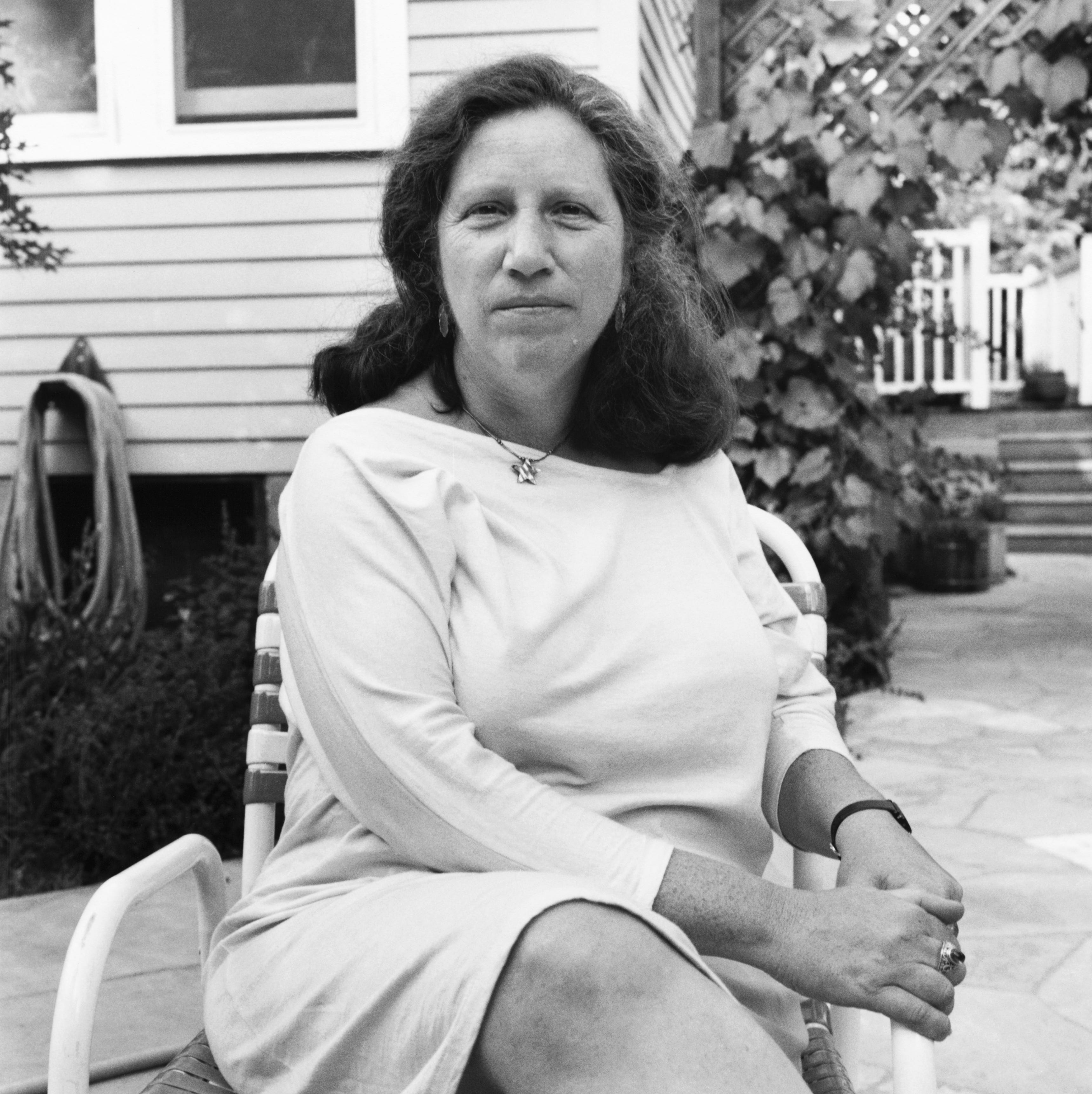
Diane di Prima stands as one of the most powerful female voices of the Beat Generation, bringing a distinctly feminist, spiritual, and politically radical dimension to a movement often dominated by male perspectives. Born in Brooklyn, New York, into an Italian-American family, di Prima was exposed early to both cultural tradition and urban intensity. Her childhood in post-Depression New York fostered a deep awareness of social inequality and artistic expression as resistance.
Di Prima attended Swarthmore College but left before completing her studies, choosing instead to immerse herself in the bohemian literary communities of Greenwich Village. Her early writing emerged in small literary magazines, but her breakthrough came with Memoirs of a Beatnik, a controversial and candid exploration of sexuality, identity, and artistic liberation. Her work challenged both societal norms and the gender dynamics within the Beat movement itself.
By the 1990s, di Prima had become a central figure in feminist literary studies and Beat revival scholarship. Her poetry gained renewed attention for its spiritual depth, political clarity, and unapologetic exploration of female experience. She was increasingly recognized not only as a Beat poet but as a foundational voice in American feminist literature and countercultural spirituality.
Di Prima’s legacy lies in her fusion of activism, mysticism, and literary craft. She expanded the Beat narrative beyond male-centric rebellion, introducing themes of gender consciousness, ancestral memory, and revolutionary spirituality. Her influence continues to resonate in feminist poetics and experimental literature.
Key Facts
- Full name of the subject: Diane di Prima
- Date of birth: August 6, 1934
- Place of birth: Brooklyn, New York, United States
- Family background: Italian-American working-class family
- Early childhood experiences: Urban upbringing shaped by cultural and economic struggle
- Education history: Swarthmore College (incomplete)
- Influences and mentors: Ezra Pound, Allen Ginsberg, Buddhist and esoteric traditions
- Career beginnings: Published poetry in small avant-garde literary magazines
- Major achievements: Author of Memoirs of a Beatnik; major feminist Beat voice
- Challenges and obstacles faced: Gender marginalization within Beat literary circles
- Turning points in life: Integration into Greenwich Village literary scene
- Contributions to society: Expanded feminist discourse in Beat literature
- Personal life (marriage, children, relationships): Multiple relationships; mother of children
- Awards and recognitions: Lifetime achievement recognition in poetry circles
- Beliefs, values, or philosophy: Feminism, mysticism, anarchist politics, spiritual liberation
- Legacy and impact: Key female architect of Beat and feminist poetry
- Historical or cultural significance: Reframed Beat literature through female experience
Notable Works:
Memoirs of a Beatnik; Loba; Revolutionary Letters; Pieces of a Song
Controversies:
Explicit sexual content in writings; political radicalism; criticism within conservative literary circles
10. Lew Welch
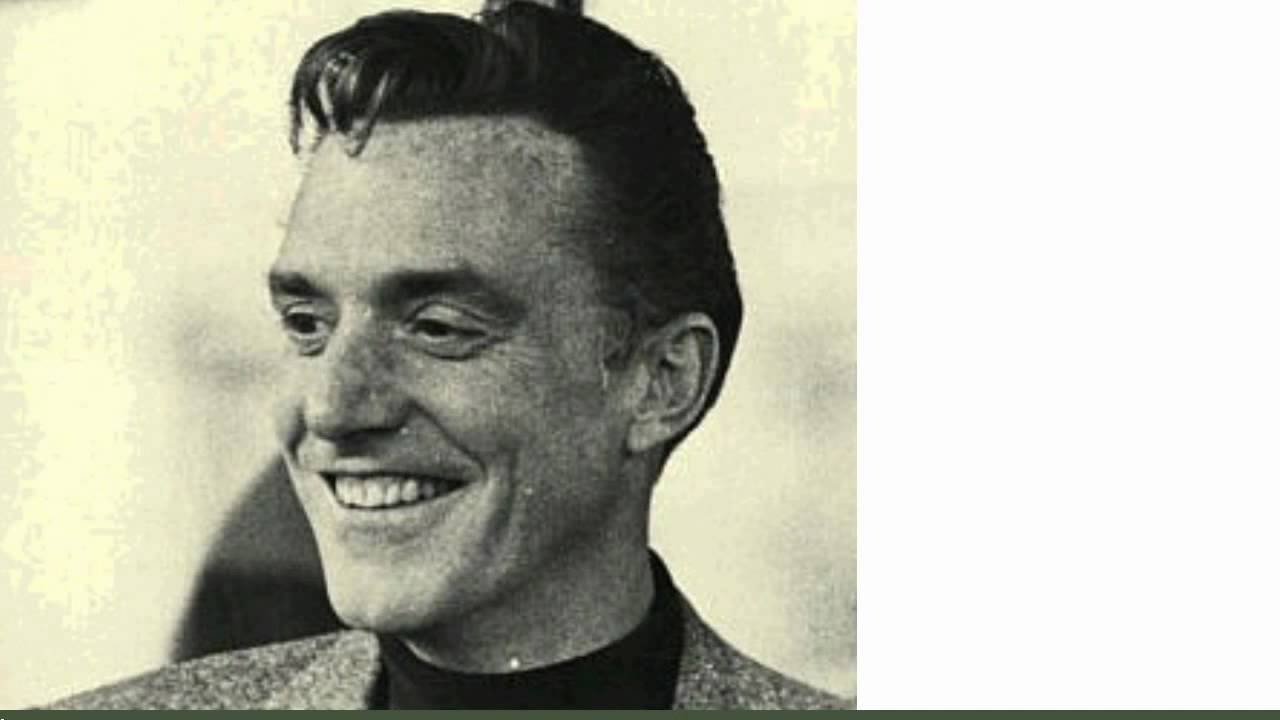
Lew Welch represents one of the most introspective and tragic voices of the Beat Generation, a poet whose work is marked by quiet observation, philosophical depth, and an acute sensitivity to modern alienation. Born in Phoenix, Arizona, Welch experienced a fragmented childhood following his parents’ separation, eventually relocating to California. This sense of dislocation became central to his poetic identity, shaping his focus on perception, identity, and the subtle textures of everyday life.
Welch studied at the University of Oregon and later became deeply embedded in the San Francisco Renaissance literary scene. His association with Snyder, Ginsberg, and McClure placed him within the ecological and spiritual wing of the Beat movement. His breakthrough came with collections such as Ring of Bone, which showcased his minimalist style and philosophical precision.
During the 1990s, Welch’s work experienced renewed critical attention, particularly within academic circles exploring environmental literature and modernist fragmentation. Although his life ended in disappearance in 1971, his poetry continued to gain recognition for its meditative quality and its exploration of consciousness and language. He became a symbol of the fragile boundary between artistic insight and personal instability.
Welch’s legacy lies in his ability to transform ordinary perception into profound philosophical inquiry. His writing reflects the Beat Generation’s quieter dimension less rebellious in tone, but deeply radical in its attention to awareness and being. He remains a central figure in eco-poetic and minimalist literary traditions.
Key Facts
- Full name of the subject: Lewis Barrett Welch Jr.
- Date of birth: August 16, 1926
- Place of birth: Phoenix, Arizona, United States
- Family background: Divorced family; early relocation to California
- Early childhood experiences: Geographic and emotional displacement
- Education history: University of Oregon
- Influences and mentors: Gary Snyder, Zen philosophy, William Carlos Williams
- Career beginnings: Advertising copywriter before joining Beat literary circles
- Major achievements: Author of Ring of Bone
- Challenges and obstacles faced: Mental health struggles and eventual disappearance
- Turning points in life: Integration into San Francisco Renaissance poetry movement
- Contributions to society: Minimalist and ecological poetic expression
- Personal life (marriage, children, relationships): Brief marriage; private personal life
- Awards and recognitions: Posthumous literary recognition
- Beliefs, values, or philosophy: Mindfulness, perception-based poetry, ecological awareness
- Legacy and impact: Influential minimalist and contemplative Beat poet
- Historical or cultural significance: Bridge between Beat poetry and environmental literature
Notable Works:
Ring of Bone; Hermit Poems; From a Way Out to a Way In
Controversies:
Mysterious disappearance in 1971; mental health concerns; limited public biography debates
Notable Mentions:
Neal Cassady
Philip Whalen
Bob Kaufman
Amiri Baraka
Hettie Jones