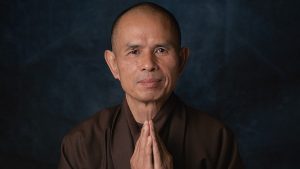
Top 10 African Political Leaders
Top 10 African Political Leaders
In This Content
1. Nelson Mandela
Born in rural Transkei, Nelson Mandela’s early life was shaped by both traditional leadership structures and the harsh realities of racial segregation. Raised in the Thembu royal household, he was exposed to indigenous governance systems that emphasized consensus and community responsibility. His formative education at missionary schools introduced Western political thought, while his legal training in Johannesburg immersed him in the lived experience of apartheid. These dual influences forged a political consciousness rooted in justice, dignity, and reconciliation.
Mandela’s career beginnings unfolded through activism within the African National Congress. Initially committed to nonviolent protest, he co-founded the ANC Youth League, advocating mass mobilization against apartheid laws. As repression intensified, Mandela shifted toward strategic resistance, helping organize campaigns of civil disobedience. His arrest and subsequent trial during the Rivonia proceedings transformed him from a national activist into a global symbol of resistance. His courtroom speech, articulating willingness to die for democratic ideals, became a defining moment.
The breakthrough phase of Mandela’s political journey came through his imprisonment, particularly during the 27 years he spent on Robben Island. Rather than diminishing his influence, incarceration amplified his moral authority. By the late 1980s, international pressure and domestic unrest positioned Mandela as the indispensable figure for negotiations. His release in 1990 marked the beginning of South Africa’s democratic transition, culminating in his election as president in 1994, symbolizing the dismantling of institutionalized apartheid.
Mandela’s 1990s peak was defined by reconciliation politics. He championed the Truth and Reconciliation Commission, promoting restorative justice over retribution. His leadership style blended symbolic gestures such as embracing former adversaries with institutional reforms that stabilized a fragile democracy. By voluntarily stepping down after one term, Mandela reinforced democratic norms rarely seen in post-colonial contexts.
His legacy extends beyond national politics into global diplomacy and moral leadership. Mandela reshaped perceptions of African governance, emphasizing forgiveness, constitutionalism, and inclusive nation-building. His influence continues to inform peace negotiations worldwide, establishing him as one of the most consequential political leaders of the twentieth century.
Key Facts
- Full name of the subject: Nelson Rolihlahla Mandela
- Date of birth: 18 July 1918
- Place of birth: Mvezo, Cape Province, South Africa
- Family background: Born into Thembu royal lineage
- Early childhood experiences: Raised in rural Transkei under traditional leadership systems
- Education history: University of Fort Hare; University of Witwatersrand (law)
- Influences and mentors: Oliver Tambo, Walter Sisulu, ANC leaders
- Career beginnings: Anti-apartheid activism; co-founder of ANC Youth League
- Major achievements: End of apartheid; first democratic president of South Africa
- Challenges and obstacles faced: 27 years imprisonment; political repression
- Turning points in life: Rivonia Trial; release from prison in 1990
- Contributions to society: Reconciliation policies; democratic transition
- Personal life (marriage, children, relationships): Married Winnie Mandela; later Graça Machel; six children
- Awards and recognitions: Nobel Peace Prize (1993)
- Beliefs, values, or philosophy: Reconciliation, equality, democratic governance
- Legacy and impact: Global icon of freedom and peace
- Historical or cultural significance: Central figure in dismantling apartheid
Notable Works: Anti-apartheid movement leadership, Truth and Reconciliation Commission, South African democratic transition
Controversies:
Mandela’s endorsement of armed resistance through Umkhonto we Sizwe remains one of the most debated aspects of his legacy. The issue centers on his support for sabotage campaigns against apartheid infrastructure. The background lies in escalating repression during the early 1960s, when peaceful protests were met with violent state crackdowns, including the Sharpeville massacre. Stakeholders included the ANC leadership, apartheid government, international observers, and domestic activists. Critics argued that adopting armed struggle risked civilian harm and undermined moral legitimacy, while supporters maintained it was a strategic necessity against an uncompromising regime. Historical records confirm that operations primarily targeted infrastructure rather than civilians, though public perception often conflated sabotage with broader violence. The impact of this controversy shaped Mandela’s image differently across ideological lines, yet many scholars conclude it strengthened negotiation leverage by demonstrating resistance capacity.
2. Kwame Nkrumah
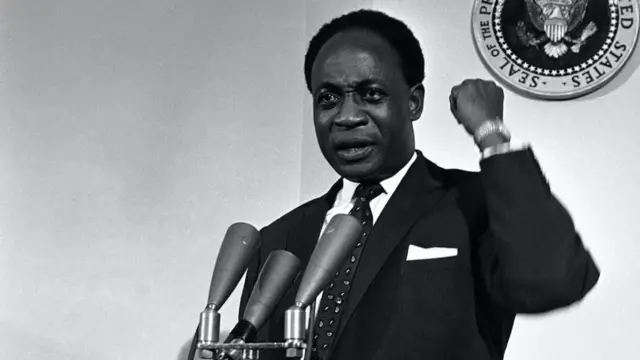
Kwame Nkrumah’s early life in colonial Gold Coast exposed him to both missionary education and indigenous cultural traditions. His formative years were marked by intellectual curiosity and exposure to Pan-African thought, particularly during his studies in the United States and Britain. Influenced by global anti-colonial movements, Nkrumah developed a vision of African unity and political independence that transcended territorial boundaries.
His career beginnings emerged through activism in diaspora communities, where he collaborated with Pan-African leaders and organized conferences advocating self-rule. Returning to the Gold Coast, Nkrumah mobilized mass political participation through the Convention People’s Party. His slogan of “self-government now” resonated widely, transforming independence from elite negotiation into a popular movement. His imprisonment by colonial authorities further increased his political legitimacy.
The breakthrough came in 1957 when Ghana became the first sub-Saharan African country to gain independence. Nkrumah’s leadership combined nationalism with ambitious modernization programs. He pursued industrialization, infrastructure development, and educational expansion. His vision extended beyond national boundaries, promoting continental unity and supporting liberation movements across Africa.
During the 1990s retrospective reassessment, Nkrumah’s peak influence was reconsidered through the lens of post-Cold War politics. Scholars evaluated his leadership as both visionary and controversial. His advocacy for a United States of Africa gained renewed interest amid regional integration efforts. His economic policies, once criticized, were reevaluated for their long-term developmental ambitions.
Nkrumah’s legacy lies in pioneering Pan-Africanism and inspiring independence movements across the continent. His intellectual contributions continue to shape discussions on sovereignty, economic self-reliance, and regional cooperation.
Key Facts
- Full name of the subject: Francis Kwame Nkrumah
- Date of birth: 21 September 1909
- Place of birth: Nkroful, Gold Coast (Ghana)
- Family background: Born into modest rural family
- Early childhood experiences: Missionary schooling and colonial education
- Education history: Lincoln University; University of Pennsylvania
- Influences and mentors: W.E.B. Du Bois, Marcus Garvey ideas
- Career beginnings: Pan-African activism abroad
- Major achievements: Led Ghana to independence; promoted African unity
- Challenges and obstacles faced: Political opposition; economic pressures
- Turning points in life: Formation of Convention People’s Party
- Contributions to society: Pan-African ideology; infrastructure development
- Personal life (marriage, children, relationships): Married Fathia Rizk
- Awards and recognitions: Lenin Peace Prize
- Beliefs, values, or philosophy: Pan-Africanism; socialism
- Legacy and impact: Inspired African independence movements
- Historical or cultural significance: First prime minister and president of Ghana
Notable Works: Ghana independence leadership, Pan-African congresses, African Unity advocacy
Controversies:
Nkrumah’s declaration of Ghana as a one-party state remains a central political controversy. The issue concerns his consolidation of power under the Convention People’s Party in the 1960s. The background involved fears of political instability and perceived external interference during the Cold War era. Stakeholders included opposition parties, civil society groups, international allies, and Ghanaian citizens. Critics argued that suppressing opposition undermined democratic institutions, while Nkrumah defended the move as necessary for national unity and rapid development. Historical documentation confirms restrictions on political pluralism, though public perception varies regarding its necessity. The consequence was increased political tension, culminating in his overthrow in 1966, which significantly shaped his posthumous reputation.
3. Julius Nyerere
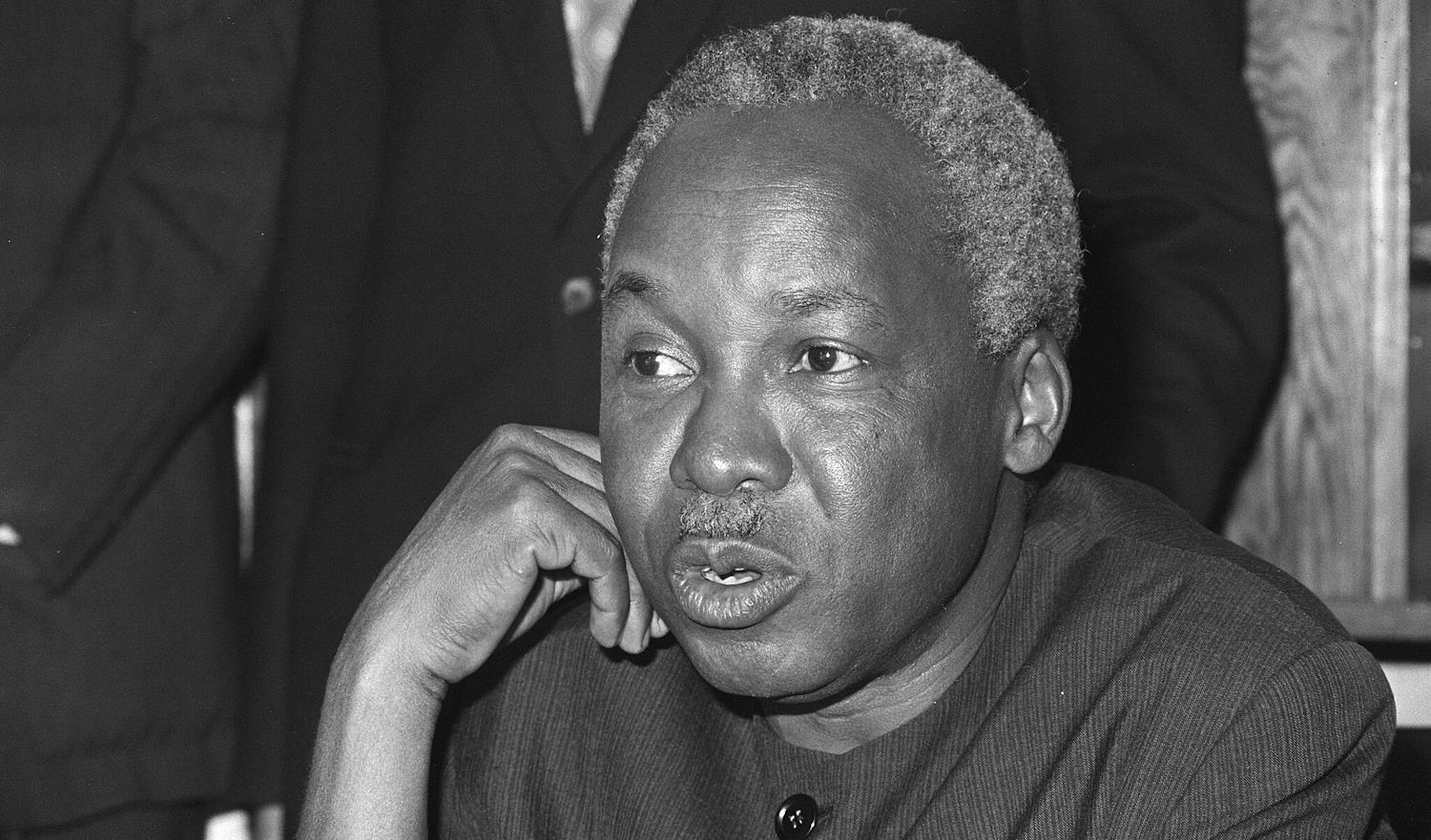
Julius Nyerere’s early life in Tanganyika was shaped by rural community values and traditional leadership. Raised in a farming household, he developed a deep appreciation for communal cooperation. His education at Makerere University and later Edinburgh exposed him to political philosophy, particularly socialism and humanist thought. These influences informed his belief that African societies possessed indigenous communal traditions compatible with modern governance.
Nyerere’s political career began with teaching, which earned him the nickname “Mwalimu,” meaning teacher. He entered politics through the Tanganyika African National Union, advocating peaceful transition from colonial rule. His intellectual clarity and modest demeanor distinguished him from more confrontational nationalist leaders. Independence in 1961 marked his breakthrough, positioning him as a key architect of East African political transformation.
The Arusha Declaration in 1967 defined Nyerere’s peak ideological phase. He introduced Ujamaa socialism, emphasizing collective agriculture, nationalization, and self-reliance. While ambitious, the program faced implementation challenges. During the 1990s reassessment period, analysts evaluated Ujamaa’s mixed outcomes, acknowledging both social cohesion achievements and economic difficulties.
Nyerere’s legacy rests on nation-building and linguistic unity. He promoted Swahili as a national language, fostering cohesion in a diverse society. His voluntary retirement in 1985 reinforced democratic precedent. Internationally, he mediated regional conflicts and supported liberation movements in southern Africa.
Key Facts
- Full name of the subject: Julius Kambarage Nyerere
- Date of birth: 13 April 1922
- Place of birth: Butiama, Tanganyika
- Family background: Son of local chief; rural upbringing
- Early childhood experiences: Farming community life
- Education history: Makerere University; University of Edinburgh
- Influences and mentors: African socialism thinkers
- Career beginnings: School teacher; nationalist activism
- Major achievements: Independence of Tanzania; Ujamaa policy
- Challenges and obstacles faced: Economic stagnation; policy criticism
- Turning points in life: Arusha Declaration
- Contributions to society: National unity; language policy
- Personal life (marriage, children, relationships): Married Maria Nyerere; children
- Awards and recognitions: International peace awards
- Beliefs, values, or philosophy: African socialism; self-reliance
- Legacy and impact: Nation-building and unity
- Historical or cultural significance: Founding father of Tanzania
Notable Works: Arusha Declaration, Tanzanian independence leadership, regional mediation
Controversies:
The Ujamaa villagization program generated significant debate regarding its implementation. The controversy centers on the relocation of rural populations into collective villages. The background involved Nyerere’s vision of communal agriculture to improve service delivery and productivity. Stakeholders included rural communities, government officials, international donors, and economic analysts. Critics argued that forced relocations disrupted livelihoods and reduced agricultural output, while supporters contended that the policy aimed to modernize rural development. Historical studies confirm uneven implementation, with some voluntary participation and other instances of coercion. The impact included economic challenges during the 1970s, yet also long-term social cohesion, shaping Nyerere’s complex legacy.
4. Haile Selassie
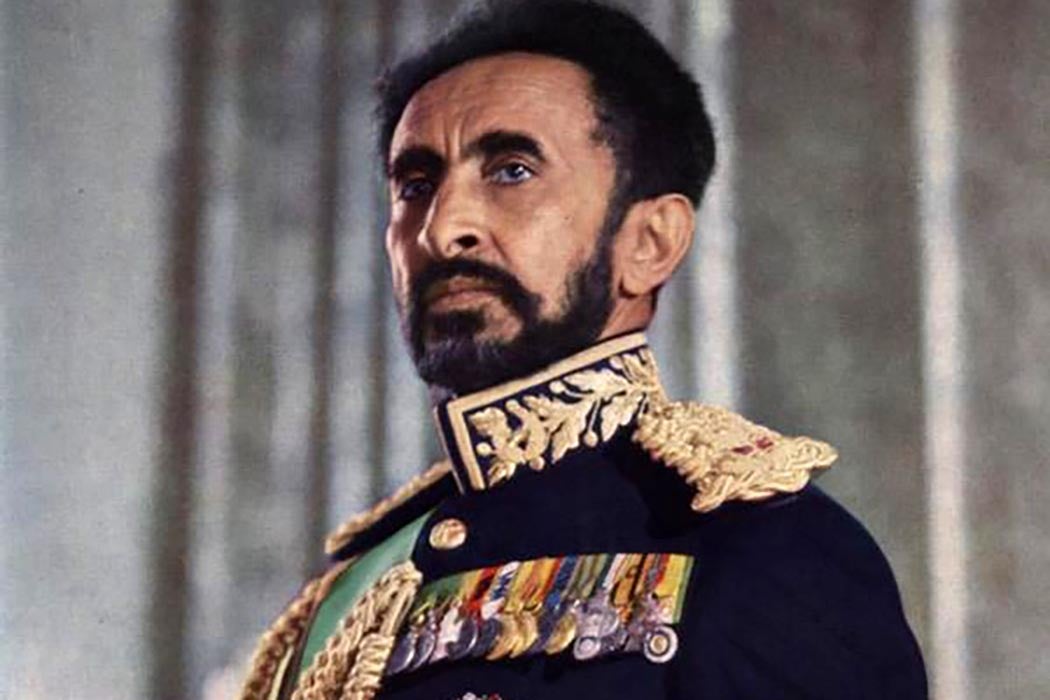
Haile Selassie’s early life unfolded within the aristocratic hierarchy of imperial Ethiopia, where lineage and political authority were deeply intertwined. Born Tafari Makonnen, he was educated in both traditional Ethiopian governance and modern diplomatic practices, reflecting a transitional era in African leadership. His exposure to international politics at a young age cultivated a worldview that combined imperial authority with modernization ambitions. These formative influences shaped his long-term goal of positioning Ethiopia as both historically sovereign and globally engaged.
Selassie’s career beginnings emerged through provincial governance roles, where he demonstrated administrative competence and reformist instincts. As Regent of Ethiopia, he initiated modernization efforts including educational expansion, legal reforms, and diplomatic outreach. His rise to Emperor in 1930 marked a turning point, aligning Ethiopia’s leadership with broader African aspirations for sovereignty. His international stature grew dramatically following Italy’s invasion in 1935, which forced him into exile but amplified his voice on the global stage.
The breakthrough phase of Selassie’s leadership came during his appeal to the League of Nations, where he condemned fascist aggression and warned of global consequences. This speech elevated him as a symbol of anti-colonial resistance. After liberation in 1941, he resumed reforms, expanding infrastructure and modern institutions. His diplomacy positioned Ethiopia as a founding member of continental cooperation, culminating in the establishment of the Organization of African Unity in Addis Ababa.
Selassie’s 1990s reassessment emphasized his dual legacy of modernization and autocratic governance. While he promoted education and diplomacy, economic inequality and political centralization fueled internal criticism. His long reign remains a complex blend of visionary international leadership and domestic challenges.
His legacy endures through Ethiopia’s enduring sovereignty and his role in Pan-African diplomacy. Selassie’s influence extended culturally, inspiring global movements and reinforcing African dignity in international relations.
Key Facts
- Full name of the subject: Tafari Makonnen (Haile Selassie I)
- Date of birth: 23 July 1892
- Place of birth: Ejersa Goro, Ethiopia
- Family background: Ethiopian aristocratic lineage
- Early childhood experiences: Court education and governance exposure
- Education history: Traditional Ethiopian and modern diplomatic education
- Influences and mentors: Ethiopian nobility and reformist advisors
- Career beginnings: Provincial governor; regent of Ethiopia
- Major achievements: League of Nations speech; OAU founding role
- Challenges and obstacles faced: Italian invasion; domestic opposition
- Turning points in life: Exile during World War II
- Contributions to society: Modernization of Ethiopian institutions
- Personal life (marriage, children, relationships): Married Empress Menen Asfaw; children
- Awards and recognitions: International state honors
- Beliefs, values, or philosophy: Sovereignty and modernization
- Legacy and impact: Symbol of African independence
- Historical or cultural significance: Founder figure in Pan-African diplomacy
Notable Works: League of Nations address, Organization of African Unity founding, Ethiopian modernization reforms
Controversies:
Selassie’s centralized governance and perceived resistance to rapid reform generated sustained debate. The controversy concerns accusations that his administration failed to address rural poverty and political representation. The background includes Ethiopia’s feudal land system and limited political participation structures. Stakeholders included student movements, military factions, and international observers. Critics argued that slow reforms contributed to unrest, while supporters emphasized stability and gradual modernization. Historical evidence confirms growing protests in the early 1970s, though interpretations vary regarding their causes. The impact culminated in his overthrow in 1974, reshaping his reputation from unifying monarch to contested reformer.
5. Jomo Kenyatta
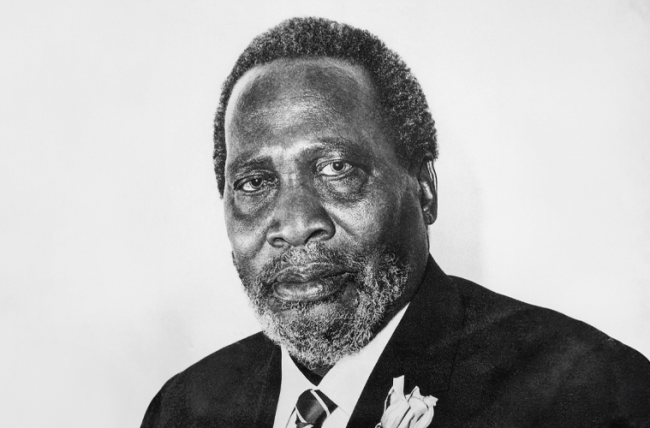
Jomo Kenyatta’s early life was shaped by Kikuyu traditions and colonial-era transformations. Born into a rural community, he witnessed land dispossession and cultural disruption under British rule. His education in missionary schools and later studies in Europe exposed him to anthropology and political activism. These experiences informed his commitment to reclaiming African identity and sovereignty.
Kenyatta’s career beginnings unfolded through activism for land rights and cultural preservation. His involvement with nationalist organizations positioned him as a spokesperson for African grievances. His international advocacy in London amplified calls for independence. Arrest during the Mau Mau Emergency transformed him into a symbolic leader, despite limited direct involvement in militant operations.
The breakthrough came with Kenya’s independence in 1963, when Kenyatta assumed leadership. His governance emphasized national unity and economic development. He navigated ethnic complexities while promoting state-building institutions. During the 1990s reassessment, analysts evaluated his pragmatic capitalism and nation-building efforts.
Kenyatta’s legacy centers on stabilizing post-colonial Kenya and fostering economic growth. His leadership balanced traditional authority with modern governance structures.
Key Facts
- Full name of the subject: Kamau wa Ngengi (Jomo Kenyatta)
- Date of birth: c. 1897
- Place of birth: Gatundu, British East Africa (Kenya)
- Family background: Kikuyu farming family
- Early childhood experiences: Rural upbringing under colonial rule
- Education history: Mission schools; studies in London
- Influences and mentors: Pan-African activists
- Career beginnings: Land rights activism
- Major achievements: Kenya independence leadership
- Challenges and obstacles faced: Detention during Mau Mau Emergency
- Turning points in life: Release from detention
- Contributions to society: Nation-building policies
- Personal life (marriage, children, relationships): Married multiple times; children including Uhuru Kenyatta
- Awards and recognitions: State honors
- Beliefs, values, or philosophy: National unity and development
- Legacy and impact: Founding president of Kenya
- Historical or cultural significance: Independence symbol
Notable Works: Kenyan independence leadership, national unity programs
Controversies:
Kenyatta’s relationship with land redistribution policies remains a debated issue. The controversy concerns allegations that land reform disproportionately benefited political elites. The background includes redistribution following colonial settlement structures. Stakeholders included displaced communities, government officials, and international donors. Critics argued that inequitable distribution entrenched inequality, while supporters highlighted stability and agricultural productivity. Historical documentation confirms uneven outcomes, though motivations remain contested. The impact shaped long-term land politics in Kenya.
6. Thomas Sankara
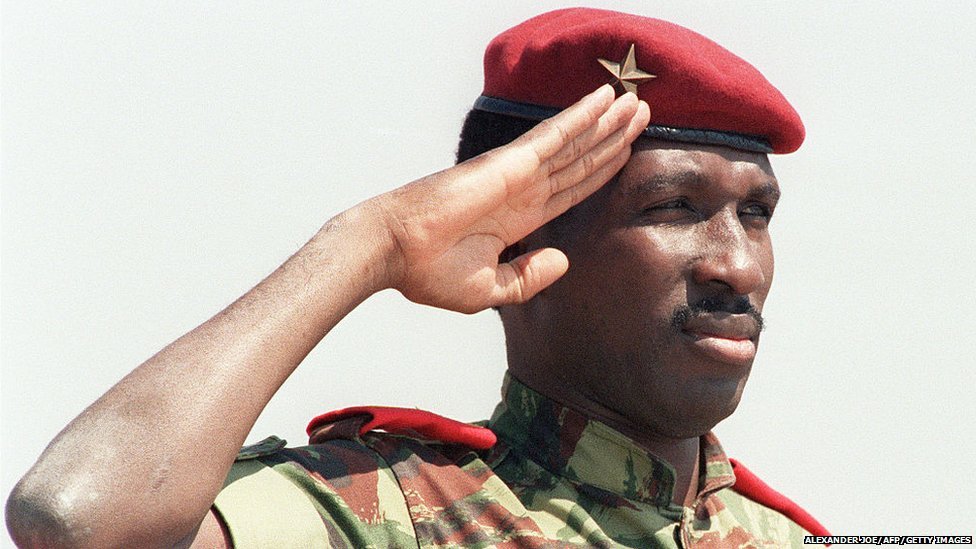
Thomas Sankara’s early life in Upper Volta reflected modest beginnings and military education. Exposure to social inequality shaped his revolutionary worldview. His studies abroad introduced Marxist and anti-imperialist thought, influencing his political ideology.
Sankara’s career began in the military, where he gained popularity for charisma and reformist ideas. His rise to power in 1983 marked a dramatic shift. He launched sweeping reforms including land redistribution, women’s empowerment, and anti-corruption campaigns.
The breakthrough came through radical social transformation programs. Sankara promoted self-reliance, renaming the country Burkina Faso. His policies emphasized grassroots participation. During the 1990s reassessment, his leadership gained admiration for integrity despite short tenure.
His legacy centers on anti-corruption leadership and social reform advocacy.
Key Facts
- Full name of the subject: Thomas Isidore Noël Sankara
- Date of birth: 21 December 1949
- Place of birth: Yako, Upper Volta
- Family background: Modest civil servant family
- Early childhood experiences: Military schooling
- Education history: Military academy training
- Influences and mentors: Marxist and Pan-African thinkers
- Career beginnings: Military officer
- Major achievements: Social reforms; renaming Burkina Faso
- Challenges and obstacles faced: Political opposition
- Turning points in life: 1983 revolution
- Contributions to society: Women’s rights; anti-corruption
- Personal life (marriage, children, relationships): Married Mariam Sankara; children
- Awards and recognitions: Posthumous honors
- Beliefs, values, or philosophy: Self-reliance; equality
- Legacy and impact: Revolutionary icon
- Historical or cultural significance: Radical reform leader
Notable Works: Burkina Faso reforms, anti-corruption campaigns
Controversies:
Sankara’s revolutionary governance sparked debate over political freedoms. The controversy centers on accusations of suppressing dissent through revolutionary tribunals. The background involved rapid reforms and resistance from entrenched interests. Stakeholders included opposition figures, military allies, and civil society. Critics argued that tribunals compromised due process, while supporters maintained they targeted corruption. Historical evidence confirms both popular participation and procedural concerns. The impact shaped interpretations of his leadership as both transformative and contentious.
7. Gamal Abdel Nasser
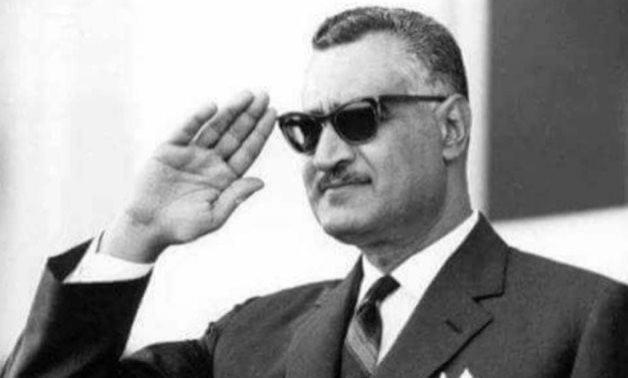
Gamal Abdel Nasser’s early life in Alexandria exposed him to nationalist sentiment and colonial tensions. His military education fostered leadership discipline. His participation in the Free Officers Movement marked his entry into politics.
Nasser’s breakthrough came with the 1952 revolution. He consolidated power and implemented Arab nationalism policies. Nationalization of the Suez Canal elevated his global stature.
During the 1990s reassessment, Nasser’s policies were reevaluated for regional influence. His leadership reshaped Middle Eastern and African geopolitics.
His legacy includes non-alignment leadership and Arab nationalism.
Key Facts
- Full name of the subject: Gamal Abdel Nasser Hussein
- Date of birth: 15 January 1918
- Place of birth: Alexandria, Egypt
- Family background: Middle-class family
- Early childhood experiences: Exposure to nationalist ideas
- Education history: Royal Military Academy
- Influences and mentors: Egyptian nationalist leaders
- Career beginnings: Military officer
- Major achievements: Suez Canal nationalization
- Challenges and obstacles faced: Regional conflicts
- Turning points in life: 1952 revolution
- Contributions to society: Arab nationalism
- Personal life (marriage, children, relationships): Married Tahia Kazem; children
- Awards and recognitions: International honors
- Beliefs, values, or philosophy: Arab unity; socialism
- Legacy and impact: Regional political influence
- Historical or cultural significance: Non-aligned movement leader
Notable Works: Suez Canal nationalization, Non-Aligned Movement leadership
Controversies:
Nasser’s nationalization of the Suez Canal triggered international crisis and remains debated. The issue concerns geopolitical tensions following the decision. The background includes colonial-era control of the canal. Stakeholders included Egypt, Britain, France, Israel, and global powers. Critics warned of economic instability, while supporters viewed it as sovereign assertion. Historical records confirm the subsequent military intervention and diplomatic resolution. The impact elevated Nasser’s stature while reshaping regional politics.
8. Patrice Lumumba
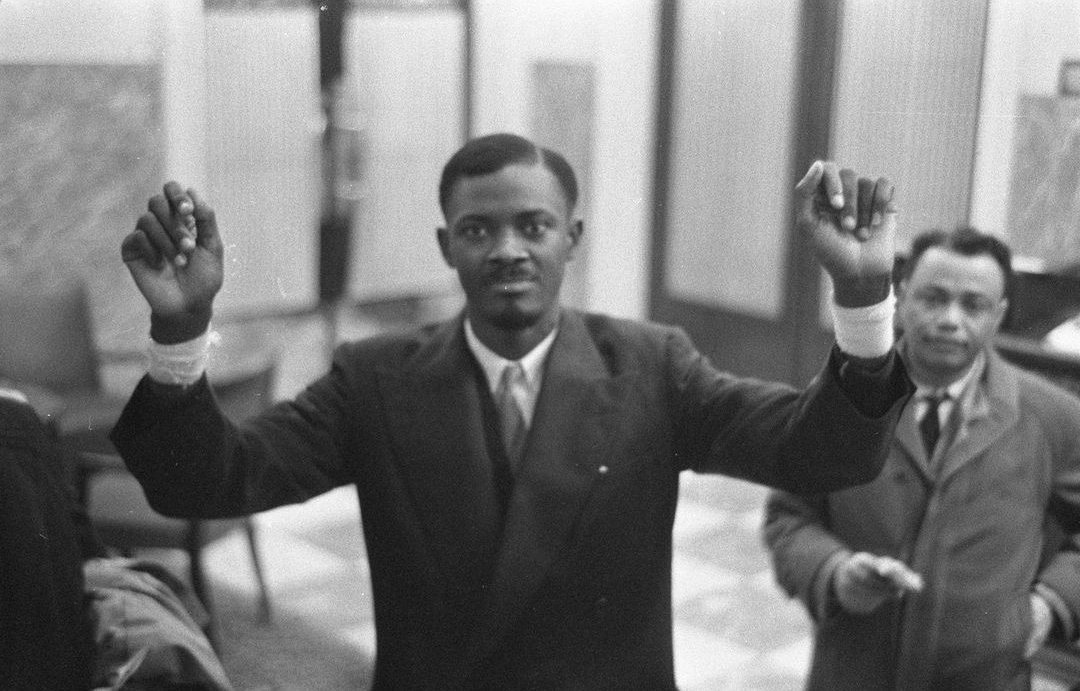
Patrice Lumumba’s early life in the Belgian Congo unfolded within a rigid colonial hierarchy that limited African political participation. Born into a modest family, he received missionary education and later worked in administrative and postal services, where he gained insight into colonial bureaucratic structures. His exposure to discrimination within the civil service shaped his political consciousness, reinforcing a belief that independence must be accompanied by dignity and genuine sovereignty.
Lumumba’s career beginnings emerged through journalism and civic activism. He became active in nationalist associations and quickly distinguished himself through articulate speeches advocating unity across ethnic lines. Unlike many contemporaries who aligned with regional identities, Lumumba emphasized a centralized national identity. His formation of the Mouvement National Congolais marked a turning point, positioning him as a leading voice for independence.
The breakthrough came in 1960 when the Congo achieved independence and Lumumba became its first prime minister. His independence speech, delivered in the presence of Belgian officials, sharply criticized colonial exploitation and asserted African dignity. The address resonated globally, but also heightened tensions with Western powers and internal political rivals. The immediate post-independence crisis, including regional secessions and military unrest, placed Lumumba at the center of Cold War geopolitics.
Lumumba’s legacy has grown significantly in retrospective analyses since the 1990s. He is widely viewed as a martyr of African sovereignty, symbolizing resistance to external interference. His brief tenure nonetheless influenced debates on political unity, resource control, and national identity in post-colonial Africa.
Key Facts
- Full name of the subject: Patrice Émery Lumumba
- Date of birth: 2 July 1925
- Place of birth: Onalua, Belgian Congo
- Family background: Modest rural family
- Early childhood experiences: Missionary education under colonial rule
- Education history: Catholic mission schooling; civil service training
- Influences and mentors: African nationalist thinkers
- Career beginnings: Postal worker; journalist; activist
- Major achievements: First Prime Minister of independent Congo
- Challenges and obstacles faced: Political instability; foreign intervention
- Turning points in life: Independence speech of 1960
- Contributions to society: Advocacy for national unity
- Personal life (marriage, children, relationships): Married Pauline Lumumba; children
- Awards and recognitions: Posthumous national honors
- Beliefs, values, or philosophy: Unity, sovereignty, anti-colonialism
- Legacy and impact: Symbol of African independence struggle
- Historical or cultural significance: Martyr of Congolese nationalism
Notable Works: Congolese independence leadership, national unity advocacy
Controversies:
Lumumba’s alignment during the Congo Crisis sparked debate over Cold War affiliations. The controversy centers on accusations that he sought Soviet assistance during political instability. The background involved secessionist movements and withdrawal of Belgian military support shortly after independence. Stakeholders included Congolese factions, Western governments, the Soviet Union, and the United Nations. Critics argued that requesting Soviet aid risked aligning the Congo with communist bloc interests, while Lumumba maintained it was a pragmatic step to preserve national unity. Historical evidence confirms diplomatic outreach but remains contested regarding long-term intentions. The impact intensified international involvement and contributed to political polarization, shaping both his downfall and enduring reputation.
9. Ellen Johnson Sirleaf
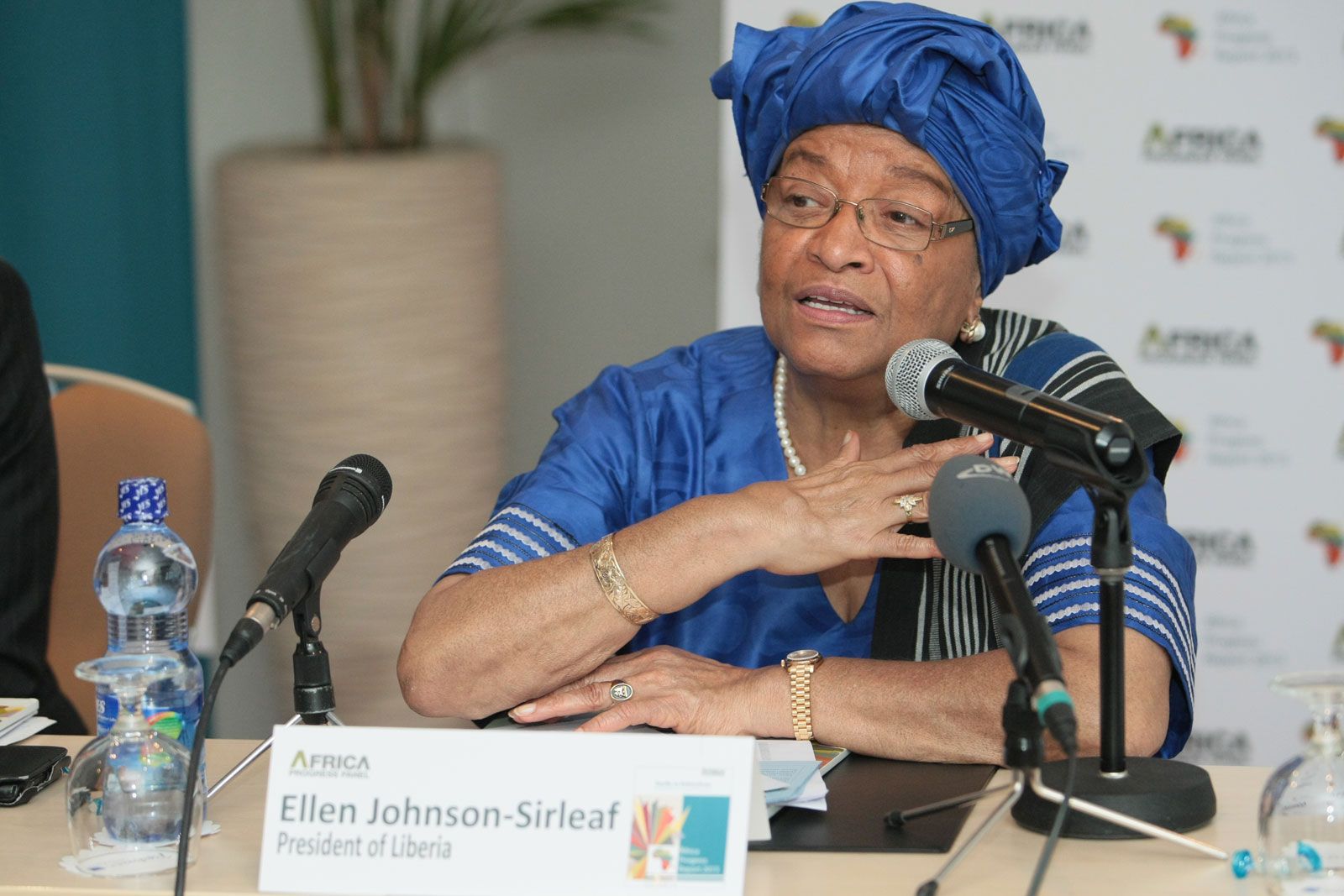
Ellen Johnson Sirleaf’s early life in Liberia combined exposure to indigenous heritage and Americo-Liberian political structures. Raised in Monrovia, she benefited from educational opportunities that were rare for women in mid-twentieth-century West Africa. Her studies abroad, particularly in economics and public administration, cultivated a technocratic perspective on governance and development.
Sirleaf’s career beginnings developed through financial institutions and government roles. She served in Liberia’s finance ministry before entering international organizations, gaining experience in economic policy and development. Her political activism intensified during periods of military rule, leading to imprisonment and exile. These experiences shaped her commitment to democratic governance and institutional reform.
Her breakthrough came in 2005 when she became Africa’s first elected female head of state. Taking office after civil conflict, she prioritized rebuilding institutions, securing debt relief, and restoring international confidence. Her leadership during the 1990s retrospective period was frequently analyzed as part of broader discussions on gender and governance, highlighting her role in redefining political leadership norms.
Sirleaf’s legacy lies in post-conflict reconstruction and expanding opportunities for women in politics. Her tenure contributed to Liberia’s democratic consolidation and strengthened civil society engagement.
Key Facts
- Full name of the subject: Ellen Eugenia Johnson Sirleaf
- Date of birth: 29 October 1938
- Place of birth: Monrovia, Liberia
- Family background: Mixed indigenous and Americo-Liberian heritage
- Early childhood experiences: Urban upbringing with educational opportunities
- Education history: Madison Business College; Harvard Kennedy School
- Influences and mentors: International economic leaders
- Career beginnings: Finance ministry; international organizations
- Major achievements: First elected female African president
- Challenges and obstacles faced: Civil conflict; exile
- Turning points in life: Election in 2005
- Contributions to society: Post-war reconstruction
- Personal life (marriage, children, relationships): Married James Sirleaf; children
- Awards and recognitions: Nobel Peace Prize (2011)
- Beliefs, values, or philosophy: Democratic governance; gender equality
- Legacy and impact: Pioneer for women in leadership
- Historical or cultural significance: Post-conflict democratic reformer
Notable Works: Post-war reconstruction, debt relief negotiations, women empowerment initiatives
Controversies:
Sirleaf’s early political support for Charles Taylor became a notable subject of scrutiny. The controversy concerns her public backing of Taylor during Liberia’s civil conflict. The background involved complex alliances formed during opposition to military rule. Stakeholders included political factions, civil society organizations, and international observers. Critics argued that early support raised questions about political judgment, while Sirleaf later acknowledged the decision as a miscalculation and publicly distanced herself. Verified accounts confirm her apology before assuming office, though debate continues regarding its implications. The impact was largely reputational, yet did not prevent her electoral victory and subsequent reform agenda.
10. Paul Kagame
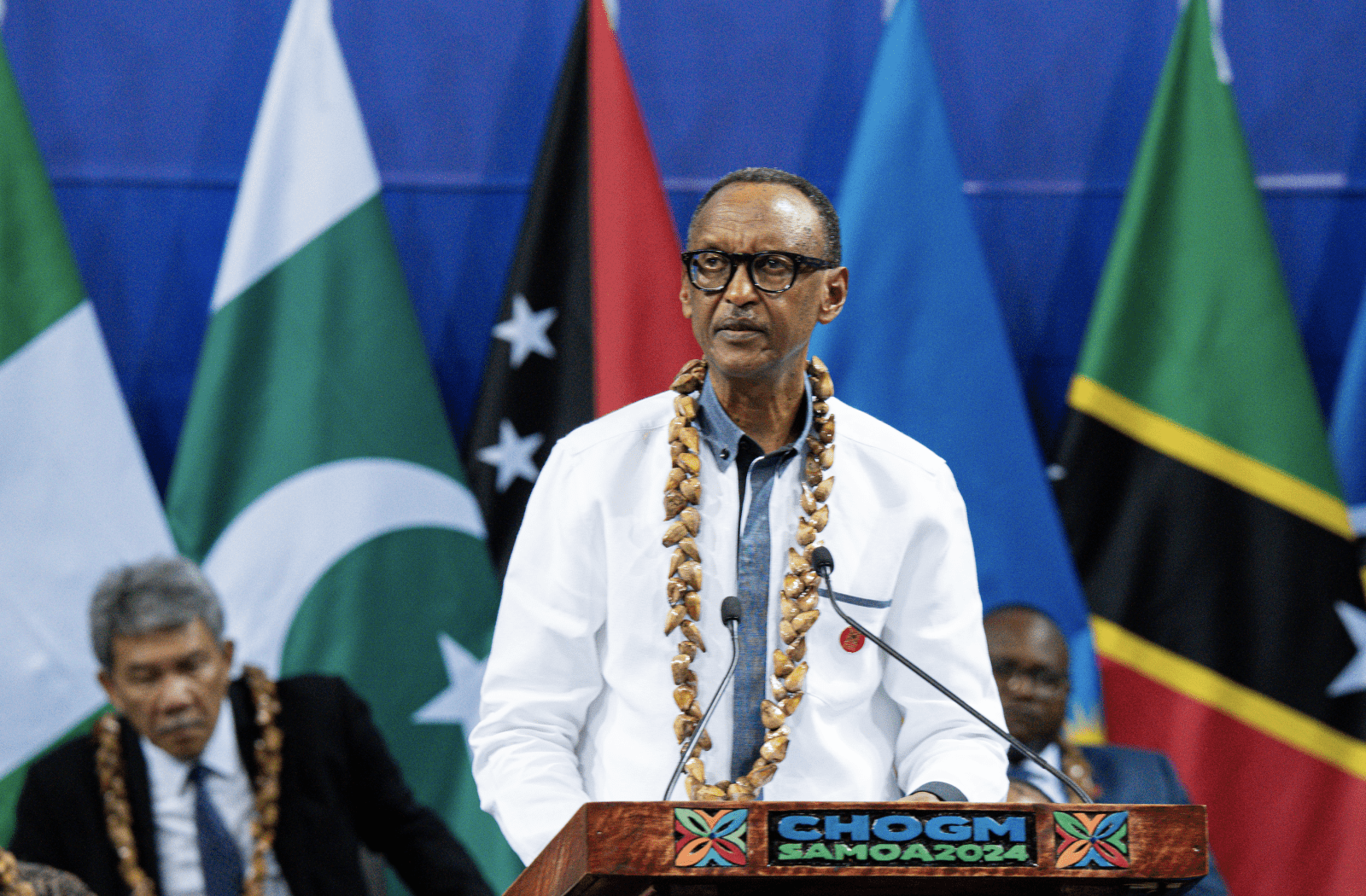
Paul Kagame’s early life was shaped by displacement following ethnic violence in Rwanda. Raised in exile in Uganda, he experienced refugee conditions that influenced his political outlook. His military training and involvement in liberation movements provided strategic discipline and leadership experience. These formative influences shaped his emphasis on security and national reconstruction.
Kagame’s career beginnings emerged through the Rwandan Patriotic Front, where he played a central role in military organization. Following the 1994 genocide, he became vice president and later assumed the presidency. His leadership focused on rebuilding institutions, promoting economic development, and strengthening national identity.
The breakthrough phase of Kagame’s governance involved rapid economic reforms and technological modernization. Rwanda’s development trajectory during the late 1990s and early 2000s attracted international attention. His leadership style emphasized centralized planning and strict anti-corruption measures.
Kagame’s legacy remains influential in discussions about governance models in Africa. Supporters credit him with stability and growth, while critics debate political freedoms. His impact on post-conflict reconstruction continues to shape contemporary policy debates.
Key Facts
- Full name of the subject: Paul Kagame
- Date of birth: 23 October 1957
- Place of birth: Tambwe, Rwanda
- Family background: Tutsi refugee family
- Early childhood experiences: Grew up in exile in Uganda
- Education history: Ugandan military training; U.S. military studies
- Influences and mentors: Military leadership mentors
- Career beginnings: Rwandan Patriotic Front commander
- Major achievements: Post-genocide reconstruction
- Challenges and obstacles faced: National reconciliation
- Turning points in life: 1994 end of genocide
- Contributions to society: Economic reforms; national unity
- Personal life (marriage, children, relationships): Married Jeannette Kagame; children
- Awards and recognitions: International leadership awards
- Beliefs, values, or philosophy: Stability and development
- Legacy and impact: Modernization of Rwanda
- Historical or cultural significance: Post-conflict state-building leader
Notable Works: Rwanda reconstruction, economic modernization policies
Controversies:
Kagame’s governance style has generated debate regarding political pluralism. The controversy concerns allegations that opposition activities face restrictions. The background includes Rwanda’s focus on stability following genocide and concerns about ethnic division. Stakeholders include opposition groups, government institutions, international observers, and civil society. Critics argue that restrictions limit democratic competition, while government officials emphasize national unity and security priorities. Verified reports confirm strong centralization, though interpretations differ on necessity. The impact has influenced international discourse, shaping both praise for development and debate over governance models.
Notable Mentions:
Leopold Sedar Senghor
Ahmed Ben Bella
Samora Machel
Olusegun Obasanjo
Seretse Khama