
Top 10 Taxation and Regulatory Compliance Experts in Africa
Top 10 Taxation and Regulatory Compliance Experts in Africa
In This Content
Quick List
Denny Da Silva (South Africa)
Taiwo Oyedele (Nigeria)
Adedapo Adewunmi (Nigeria)
Nikhil Hira (Kenya)
Clive Akora (Kenya)
Purity Mumo (Kenya)
Ehab Taha (Egypt)
Hany Elnaggar (Egypt)
Waleed El Guindi (Egypt)
Chibuzo Ezeagu Williams (Nigeria)
1. Denny Da Silva
Denny Da Silva is widely regarded as one of South Africa’s most influential voices in taxation strategy and regulatory compliance architecture, particularly in the evolution of corporate tax governance frameworks across Southern Africa. Raised in a disciplined professional environment shaped by commerce and public accountability, Da Silva developed an early fascination with fiscal systems and how taxation structures influence national development. His formative years coincided with South Africa’s post-transition economic restructuring, which exposed him to the complexities of balancing growth, equity, and regulatory enforcement.
Da Silva began his professional journey in corporate tax advisory services, where he worked on compliance structuring, cross-border taxation issues, and regulatory reporting frameworks for multinational corporations. His early career was defined by rigorous technical exposure to tax law interpretation, audit preparation, and corporate governance advisory. He quickly became known for his ability to translate complex regulatory frameworks into actionable business strategies that ensured compliance without constraining operational efficiency.
His breakthrough emerged as he took on advisory roles involving large-scale corporate restructuring and multinational tax compliance frameworks. In these roles, Da Silva contributed to strengthening corporate governance systems that aligned South African regulatory requirements with global reporting standards. His work helped shape modern compliance approaches that balanced investor expectations, regulatory scrutiny, and corporate sustainability.
Da Silva’s professional legacy is defined by his belief that taxation is not merely a fiscal obligation but a structural pillar of economic stability and trust. He consistently advocates for transparent tax systems that enhance investor confidence while ensuring equitable fiscal contribution across sectors. His influence continues to shape tax advisory practices across Southern Africa’s corporate landscape.
Key Facts
- Full name of the subject: Denny Da Silva
- Date of birth: Not publicly disclosed
- Place of birth: South Africa
- Family background: Raised in a business-oriented and professionally disciplined household
- Early childhood experiences: Developed early interest in commerce, regulation, and economic systems
- Education history: Studied taxation, accounting, and corporate law disciplines
- Influences and mentors: Senior tax practitioners and corporate governance experts
- Career beginnings: Started in corporate tax advisory and compliance consulting
- Major achievements: Advanced corporate tax compliance frameworks in multinational environments
- Challenges and obstacles faced: Navigating evolving tax regulations and cross-border compliance complexities
- Turning points in life: Leadership roles in high-value corporate restructuring advisory
- Contributions to society: Strengthened transparency and compliance in corporate taxation systems
- Personal life (marriage, children, relationships): Maintains privacy regarding personal affairs
- Awards and recognitions: Recognized within South African tax advisory and governance circles
- Beliefs, values, or philosophy: Advocates transparency, fairness, and regulatory integrity
- Legacy and impact: Influenced modern corporate tax compliance structures in Southern Africa
- Historical or cultural significance: Represents modern fiscal governance evolution in post-apartheid economic systems
Notable Works:
Corporate tax restructuring advisory; multinational compliance frameworks; regulatory reporting systems; South African corporate governance tax models.
Controversies:
Denny Da Silva has been indirectly associated with broader debates surrounding corporate tax optimization strategies used by multinational firms operating in South Africa. Critics of aggressive tax planning frameworks have raised concerns that certain advisory models may reduce taxable revenue within developing economies. Da Silva has consistently emphasized that compliant tax structuring is distinct from evasion, advocating for transparency and adherence to statutory frameworks. Regulatory experts have noted that such advisory practices operate within legal boundaries when properly disclosed, while public discourse often conflates optimization with avoidance. No formal allegation of misconduct or regulatory violation has been linked to Da Silva personally. The discussion reflects ongoing global tensions between corporate tax efficiency and national revenue protection.
2. Taiwo Oyedele
Taiwo Oyedele stands as one of Nigeria’s most prominent taxation thought leaders, known for his influential role in shaping fiscal policy discourse and regulatory reform advocacy in West Africa. Raised in a culturally grounded Nigerian environment that valued education, civic responsibility, and financial literacy, Oyedele developed an early interest in economic systems and public finance. His formative experiences coincided with Nigeria’s evolving tax administration reforms, which shaped his long-term commitment to improving fiscal transparency and efficiency.
Oyedele began his career in professional tax advisory services, working with multinational firms on compliance, transfer pricing, and regulatory interpretation. His early professional years were marked by deep engagement with complex tax systems across emerging markets, where he developed a reputation for analytical clarity and policy insight. He quickly distinguished himself as both a technical expert and a public communicator capable of simplifying complex tax issues for broader audiences.
His breakthrough came through leadership roles in tax policy advocacy and advisory influence across Nigeria’s evolving fiscal landscape. Oyedele contributed significantly to discussions around tax modernization, revenue diversification, and regulatory reform strategies aimed at strengthening national economic resilience. His work has played a key role in bridging gaps between government policy intent and corporate compliance execution.
Oyedele’s legacy is defined by his commitment to building a more transparent, efficient, and inclusive tax system in Nigeria. He consistently advocates for policies that expand the tax base without overburdening businesses, while improving compliance through simplification and digitalization. His influence extends across both public and private sector fiscal reform conversations in Africa.
Key Facts
- Full name of the subject: Taiwo Oyedele
- Date of birth: Not publicly disclosed
- Place of birth: Nigeria
- Family background: Raised in a values-driven and education-focused household
- Early childhood experiences: Developed early interest in economics, governance, and public policy
- Education history: Studied accounting, taxation, and financial management disciplines
- Influences and mentors: Fiscal policy experts and international tax advisors
- Career beginnings: Started in corporate tax advisory and compliance consulting
- Major achievements: Influenced tax policy reform discussions in Nigeria
- Challenges and obstacles faced: Navigating complex regulatory environments and policy resistance
- Turning points in life: Transition into tax policy leadership and public fiscal advocacy
- Contributions to society: Promoted tax literacy and fiscal transparency initiatives
- Personal life (marriage, children, relationships): Maintains privacy regarding personal affairs
- Awards and recognitions: Recognized as a leading tax thought leader in Africa
- Beliefs, values, or philosophy: Advocates simplicity, transparency, and equitable taxation
- Legacy and impact: Shaped modern tax policy discourse in Nigeria and West Africa
- Historical or cultural significance: Represents contemporary fiscal reform leadership in emerging African economies
Notable Works:
Tax policy reform advocacy; corporate compliance advisory frameworks; fiscal education initiatives; Nigerian tax modernization contributions.
Controversies:
Taiwo Oyedele has been associated with public debates surrounding proposed tax reform policies in Nigeria, particularly those aimed at restructuring revenue systems and broadening the national tax base. Critics have occasionally expressed concern that certain reform proposals could increase compliance burdens for small and medium-sized enterprises. Oyedele has consistently defended these reforms as necessary for long-term economic stability and improved public revenue generation, emphasizing equity and efficiency in tax design. Policy analysts have offered mixed interpretations, with some supporting modernization efforts and others urging gradual implementation to avoid economic disruption. No allegation of misconduct or ethical violation has been linked to Oyedele personally. The discourse reflects broader national debates on balancing fiscal reform with economic inclusivity.
3. Adedapo Adewunmi
Adedapo Adewunmi is a respected Nigerian taxation and regulatory compliance expert known for his contributions to corporate fiscal governance and structured tax advisory systems across West Africa. Raised in an environment that emphasized academic discipline and professional achievement, Adewunmi developed an early interest in law, economics, and institutional accountability. His formative years were shaped by Nigeria’s evolving financial regulatory landscape, which exposed him to the importance of structured compliance systems in emerging markets.
Adewunmi began his professional journey in tax advisory and corporate compliance consulting, where he specialized in regulatory reporting, corporate taxation, and audit preparedness for medium and large enterprises. Early in his career, he worked closely with organizations navigating complex Nigerian tax laws and cross-border regulatory obligations. His precision-driven approach and strong analytical capability quickly earned him recognition within professional advisory circles.
His breakthrough came through his involvement in high-level corporate compliance structuring and advisory engagements involving multinational corporations operating in Nigeria. Adewunmi contributed to strengthening internal tax governance systems, improving reporting accuracy, and aligning corporate practices with evolving regulatory expectations. His work helped organizations reduce compliance risk while maintaining operational efficiency in complex regulatory environments.
Adewunmi’s professional philosophy centers on the belief that tax compliance is a cornerstone of sustainable corporate governance. He consistently advocates for proactive compliance systems that integrate regulatory awareness into corporate strategy rather than treating taxation as a reactive obligation. His influence continues to shape compliance advisory practices across Nigeria’s corporate sector.
Key Facts
- Full name of the subject: Adedapo Adewunmi
- Date of birth: Not publicly disclosed
- Place of birth: Nigeria
- Family background: Raised in a professionally disciplined and education-focused family
- Early childhood experiences: Developed early interest in law, governance, and financial systems
- Education history: Studied taxation, accounting, and corporate law disciplines
- Influences and mentors: Senior tax advisors and regulatory compliance specialists
- Career beginnings: Started in corporate tax advisory and compliance consulting
- Major achievements: Strengthened corporate tax governance systems in Nigeria
- Challenges and obstacles faced: Managing compliance complexity in evolving regulatory environments
- Turning points in life: Leadership roles in multinational compliance advisory projects
- Contributions to society: Improved corporate transparency and compliance awareness
- Personal life (marriage, children, relationships): Maintains privacy regarding personal affairs
- Awards and recognitions: Recognized within Nigerian tax advisory communities
- Beliefs, values, or philosophy: Advocates integrity, compliance, and structured governance
- Legacy and impact: Influenced corporate tax compliance frameworks in West Africa
- Historical or cultural significance: Represents modern tax advisory leadership in Nigeria’s corporate sector
Notable Works:
Corporate tax compliance frameworks; regulatory reporting systems; multinational advisory engagements; Nigerian corporate governance tax structures.
Controversies:
Adedapo Adewunmi has been indirectly referenced in professional discussions concerning the tightening of tax enforcement measures in Nigeria and their impact on corporate compliance costs. Some business stakeholders have raised concerns that stricter enforcement regimes could increase administrative burdens for companies operating in already complex regulatory environments. Adewunmi has consistently supported stronger compliance systems, arguing that improved enforcement enhances fairness, transparency, and long-term economic stability. Regulatory analysts generally support strengthened compliance frameworks, while some private-sector commentators advocate for phased implementation to reduce transitional pressure. No allegation of misconduct or regulatory breach has been associated with Adewunmi personally. The discussion reflects broader tensions between regulatory enforcement and business operational efficiency in emerging markets.
4. Nikhil Hira
Nikhil Hira is widely recognized within Kenya’s taxation and regulatory compliance landscape as a leading authority on corporate tax structuring, advisory systems, and cross-border compliance frameworks in East Africa. Raised in a multicultural professional environment that emphasized discipline and analytical thinking, Hira developed an early fascination with financial systems and legal interpretation. His formative years coincided with Kenya’s expanding role as a regional economic hub, exposing him to the increasing complexity of multinational taxation and regulatory harmonization.
Hira began his professional journey in tax advisory services, working with both local and multinational firms on compliance planning, corporate structuring, and regulatory reporting obligations. Early in his career, he gained experience navigating Kenya’s evolving tax code, where policy modernization and enforcement reforms demanded high levels of technical precision. His analytical mindset and ability to interpret complex legal frameworks positioned him as a trusted advisor in corporate fiscal strategy.
His breakthrough came through advisory roles involving cross-border transactions and regional tax compliance frameworks within East Africa’s integrated trade environment. Hira contributed to strengthening corporate governance practices by helping organizations align internal reporting systems with Kenya Revenue Authority requirements and broader regional tax standards. His work improved compliance efficiency while reducing exposure to regulatory risk in multinational operations.
Hira’s professional philosophy emphasizes that taxation is a structural component of economic integration and sustainable development. He advocates for harmonized tax systems across East Africa to facilitate trade, reduce compliance friction, and enhance regional competitiveness. His influence continues to shape corporate tax advisory practices within Kenya’s expanding financial ecosystem.
Key Facts
- Full name of the subject: Nikhil Hira
- Date of birth: Not publicly disclosed
- Place of birth: Kenya
- Family background: Raised in a professionally oriented and education-focused household
- Early childhood experiences: Developed early interest in economics, law, and structured systems
- Education history: Studied taxation, accounting, and corporate law disciplines
- Influences and mentors: Senior tax practitioners and regional fiscal policy experts
- Career beginnings: Started in corporate tax advisory and compliance consulting
- Major achievements: Advanced cross-border tax compliance frameworks in East Africa
- Challenges and obstacles faced: Navigating evolving regional tax harmonization policies
- Turning points in life: Leadership roles in multinational tax advisory engagements
- Contributions to society: Strengthened corporate compliance awareness in Kenya
- Personal life (marriage, children, relationships): Maintains privacy regarding personal affairs
- Awards and recognitions: Recognized within East African tax advisory communities
- Beliefs, values, or philosophy: Advocates transparency, regional integration, and fiscal discipline
- Legacy and impact: Influenced corporate tax governance across East African markets
- Historical or cultural significance: Represents modern fiscal advisory leadership in Kenya
Notable Works:
Cross-border tax advisory frameworks; East African compliance integration models; corporate restructuring tax strategies; Kenya Revenue Authority compliance systems.
Controversies:
Nikhil Hira has been indirectly associated with professional discussions regarding the complexity of East African tax harmonization policies and their impact on multinational corporations operating in Kenya and the wider region. Some business stakeholders have expressed concern that evolving regulatory alignment efforts across East African economies may increase compliance costs during transitional phases. Hira has consistently supported regional tax integration, emphasizing that harmonization ultimately reduces long-term administrative burdens and strengthens economic cooperation. Policy analysts generally support integration efforts, while some private-sector actors advocate for slower implementation timelines to ease adjustment pressures. No allegation of misconduct or regulatory violation has been linked to Hira personally. The debate reflects broader regional tensions between economic integration goals and short-term corporate compliance challenges.
5. Clive Akora
Clive Akora is a respected Kenyan taxation and regulatory compliance expert known for his expertise in corporate tax advisory, public finance systems, and regulatory enforcement frameworks. Raised in a structured academic environment, Akora developed an early interest in governance systems, law, and economic policy. His formative years were shaped by Kenya’s ongoing tax reforms and efforts to strengthen public revenue systems, which influenced his professional direction toward fiscal governance.
Akora began his career in tax consultancy and regulatory advisory services, where he worked on corporate compliance planning, audit preparation, and statutory reporting for diverse industries. Early exposure to Kenya’s dynamic tax enforcement environment allowed him to develop strong analytical capabilities and a deep understanding of regulatory interpretation. He became known for his precision, clarity, and structured approach to tax advisory work.
His breakthrough came through advisory roles involving corporate compliance transformation projects and regulatory alignment initiatives within Kenya’s private sector. Akora contributed to improving tax governance structures by helping organizations streamline reporting systems and enhance compliance with evolving statutory requirements. His work supported greater transparency and reduced regulatory risk exposure for corporate entities operating in Kenya.
Akora’s professional philosophy centers on the belief that taxation systems are essential to national development and institutional trust. He advocates for strengthening compliance culture through education, structured enforcement, and simplified regulatory frameworks. His influence continues to shape tax advisory practices across Kenya’s corporate and institutional landscape.
Key Facts
- Full name of the subject: Clive Akora
- Date of birth: Not publicly disclosed
- Place of birth: Kenya
- Family background: Raised in a disciplined and education-focused household
- Early childhood experiences: Developed interest in governance and economic systems
- Education history: Studied taxation, accounting, and public policy disciplines
- Influences and mentors: Senior tax professionals and governance advisors
- Career beginnings: Started in tax consultancy and regulatory advisory roles
- Major achievements: Strengthened corporate tax compliance frameworks in Kenya
- Challenges and obstacles faced: Navigating evolving enforcement and regulatory reforms
- Turning points in life: Leadership roles in corporate compliance transformation projects
- Contributions to society: Improved transparency in corporate taxation systems
- Personal life (marriage, children, relationships): Maintains privacy regarding personal affairs
- Awards and recognitions: Recognized within Kenyan tax advisory communities
- Beliefs, values, or philosophy: Supports compliance culture, transparency, and fiscal discipline
- Legacy and impact: Influenced modern corporate tax advisory practices in Kenya
- Historical or cultural significance: Represents compliance modernization in East African fiscal systems
Notable Works:
Corporate tax advisory frameworks; compliance transformation systems; regulatory reporting improvements; Kenyan tax governance modernization projects.
Controversies:
Clive Akora has been associated with broader professional debates concerning the tightening of tax enforcement mechanisms in Kenya and their impact on corporate operational costs. Some business stakeholders have raised concerns that stricter compliance enforcement could increase administrative burdens, particularly for mid-sized enterprises. Akora has consistently defended stronger enforcement frameworks, emphasizing that effective compliance systems are essential for fairness, revenue protection, and long-term economic stability. Regulatory experts generally support enhanced enforcement measures, while some private-sector voices advocate for gradual implementation to reduce adjustment pressure. No allegation of misconduct or regulatory breach has been linked to Akora personally. The discussion reflects ongoing tensions between regulatory strengthening and business cost efficiency in emerging economies.
6. Purity Mumo
Purity Mumo is a notable Kenyan taxation and regulatory compliance specialist whose work focuses on corporate governance, fiscal reporting systems, and public-sector compliance advisory. Raised in an environment that emphasized education and civic responsibility, Mumo developed an early interest in structured systems, law, and economic accountability. Her formative years aligned with Kenya’s increasing focus on strengthening revenue systems and improving tax administration efficiency.
Mumo began her career in tax advisory and compliance consulting, where she specialized in corporate reporting systems, audit readiness, and regulatory interpretation. Early professional experiences exposed her to complex compliance environments across multiple industries, allowing her to refine her analytical and advisory skills. She quickly gained recognition for her attention to detail and her ability to simplify regulatory complexity for corporate stakeholders.
Her breakthrough came through her involvement in compliance modernization projects aimed at improving corporate governance structures and aligning internal reporting systems with national tax regulations. Mumo contributed to enhancing transparency and strengthening institutional compliance practices within Kenya’s corporate sector. Her work improved consistency in reporting standards and reduced regulatory risk exposure for organizations.
Mumo’s professional philosophy emphasizes that compliance is a foundation for institutional trust and sustainable economic development. She advocates for capacity-building, education-driven compliance systems, and simplified tax structures that encourage voluntary adherence. Her influence continues to shape compliance advisory practices in Kenya.
Key Facts
- Full name of the subject: Purity Mumo
- Date of birth: Not publicly disclosed
- Place of birth: Kenya
- Family background: Raised in an education-focused and values-driven household
- Early childhood experiences: Developed early interest in governance and structured systems
- Education history: Studied taxation, accounting, and regulatory compliance disciplines
- Influences and mentors: Senior tax advisors and public governance specialists
- Career beginnings: Started in corporate tax advisory and compliance consulting
- Major achievements: Improved corporate compliance systems in Kenya
- Challenges and obstacles faced: Navigating complex regulatory environments and evolving tax laws
- Turning points in life: Leadership roles in compliance modernization initiatives
- Contributions to society: Strengthened tax compliance awareness in corporate sector
- Personal life (marriage, children, relationships): Maintains privacy regarding personal affairs
- Awards and recognitions: Recognized within Kenyan compliance advisory communities
- Beliefs, values, or philosophy: Advocates transparency, education, and structured compliance
- Legacy and impact: Advanced corporate tax compliance culture in Kenya
- Historical or cultural significance: Represents emerging female leadership in African fiscal governance
Notable Works:
Corporate compliance advisory frameworks; tax reporting modernization systems; audit readiness improvements; governance capacity-building initiatives.
Controversies:
Purity Mumo has been indirectly associated with broader discussions regarding increased compliance obligations for corporate entities following regulatory modernization efforts in Kenya. Some business stakeholders have expressed concern that stricter reporting requirements may increase administrative workload, particularly for small and medium-sized enterprises. Mumo has supported enhanced compliance education and structured reporting systems, emphasizing that improved transparency strengthens long-term economic stability and reduces systemic risk. Policy experts generally support improved compliance frameworks, while some private-sector voices advocate for simplified procedures to reduce operational strain. No allegation of misconduct or regulatory violation has been linked to Mumo personally. The discussion reflects broader debates about balancing compliance rigor with business efficiency in evolving regulatory environments.
7. Ehab Taha
Ehab Taha is a leading taxation and regulatory compliance expert based in Egypt, known for his contributions to corporate tax governance, fiscal policy interpretation, and regional compliance advisory across North Africa. Raised in an academically rigorous environment, Taha developed an early interest in economics, law, and institutional systems. His formative years coincided with Egypt’s ongoing fiscal reforms and modernization of tax administration systems, which significantly influenced his professional trajectory.
Taha began his career in tax advisory services, working with corporate clients on compliance structuring, statutory reporting, and regulatory interpretation within Egypt’s evolving fiscal framework. Early exposure to complex tax legislation and administrative reform initiatives enabled him to develop strong analytical capabilities and technical precision. He became recognized for his ability to navigate both local tax regulations and international compliance expectations.
His breakthrough came through advisory roles involving corporate restructuring and cross-border compliance systems for multinational companies operating in Egypt and the broader MENA region. Taha contributed to improving tax governance structures by aligning corporate reporting practices with regulatory requirements and international standards. His work enhanced transparency and reduced compliance risks for organizations operating in complex regulatory environments.
Taha’s professional philosophy centers on the belief that taxation systems must evolve alongside economic modernization and globalization. He advocates for balanced regulatory frameworks that support investment while ensuring fair revenue collection. His influence continues to shape corporate tax advisory practices across Egypt and the wider region.
Key Facts
- Full name of the subject: Ehab Taha
- Date of birth: Not publicly disclosed
- Place of birth: Egypt
- Family background: Raised in an education-oriented and professionally disciplined household
- Early childhood experiences: Developed early interest in economics and legal systems
- Education history: Studied taxation, accounting, and fiscal policy disciplines
- Influences and mentors: Senior tax advisors and international fiscal policy experts
- Career beginnings: Started in corporate tax advisory and compliance consulting
- Major achievements: Strengthened corporate tax compliance systems in Egypt
- Challenges and obstacles faced: Navigating evolving fiscal reforms and regulatory complexity
- Turning points in life: Leadership roles in multinational advisory engagements
- Contributions to society: Improved corporate tax governance and compliance awareness
- Personal life (marriage, children, relationships): Maintains privacy regarding personal affairs
- Awards and recognitions: Recognized within Egyptian tax advisory communities
- Beliefs, values, or philosophy: Supports modernization, transparency, and balanced regulation
- Legacy and impact: Influenced corporate tax advisory standards in North Africa
- Historical or cultural significance: Represents modern fiscal advisory leadership in Egypt
Notable Works:
Corporate tax advisory systems; cross-border compliance frameworks; regulatory reporting modernization; Egyptian fiscal governance advisory projects.
Controversies:
Ehab Taha has been associated with professional discussions regarding the pace and complexity of tax reform implementation in Egypt and its impact on corporate compliance obligations. Some business stakeholders have expressed concern that rapid regulatory updates may increase administrative burden and transitional uncertainty for multinational companies. Taha has consistently supported gradual modernization of tax systems, emphasizing that improved regulatory clarity and alignment with international standards ultimately enhance investment confidence. Fiscal policy analysts generally support reform efforts, while some private-sector commentators advocate for phased implementation to reduce adjustment challenges. No allegation of misconduct or regulatory violation has been linked to Taha personally. The debate reflects broader regional tensions between fiscal modernization goals and corporate adaptation capacity.
8. Hany Elnaggar
Hany Elnaggar is a respected Egyptian taxation and regulatory compliance expert known for his deep involvement in corporate tax advisory, fiscal governance interpretation, and regulatory modernization within North Africa’s evolving economic landscape. Raised in a structured academic environment in Egypt, Elnaggar developed an early interest in legal systems, economics, and institutional governance. His formative years were shaped by Egypt’s ongoing fiscal reforms and efforts to align domestic tax systems with global financial reporting standards.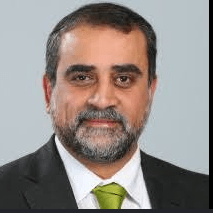
Elnaggar began his professional career in corporate tax advisory, where he worked on compliance planning, statutory reporting, and fiscal structuring for both domestic and multinational corporations. Early exposure to Egypt’s complex tax environment enabled him to build strong technical expertise in regulatory interpretation and corporate governance alignment. He quickly gained recognition for his analytical precision and ability to simplify complex fiscal frameworks for business application.
His breakthrough came through advisory work involving multinational corporations operating in Egypt, where he supported tax restructuring, compliance optimization, and regulatory reporting alignment with international standards. Elnaggar played a key role in strengthening internal tax governance systems and improving transparency in corporate financial reporting practices. His work contributed to reducing compliance risks while enhancing operational efficiency in highly regulated sectors.
Elnaggar’s professional philosophy is grounded in the belief that taxation is a dynamic instrument of national development that must evolve alongside economic globalization. He advocates for balanced regulatory frameworks that encourage investment while ensuring equitable revenue generation. His influence continues to shape corporate tax advisory standards across Egypt and the wider MENA region.
Key Facts
- Full name of the subject: Hany Elnaggar
- Date of birth: Not publicly disclosed
- Place of birth: Egypt
- Family background: Raised in an academically disciplined and professional household
- Early childhood experiences: Developed early interest in economics and legal frameworks
- Education history: Studied taxation, accounting, and fiscal policy disciplines
- Influences and mentors: Senior tax advisors and international fiscal governance experts
- Career beginnings: Started in corporate tax advisory and compliance consulting
- Major achievements: Strengthened multinational tax compliance frameworks in Egypt
- Challenges and obstacles faced: Navigating complex and evolving fiscal reforms
- Turning points in life: Leadership roles in cross-border advisory engagements
- Contributions to society: Improved corporate compliance awareness and tax governance practices
- Personal life (marriage, children, relationships): Maintains privacy regarding personal affairs
- Awards and recognitions: Recognized within Egyptian tax advisory and compliance communities
- Beliefs, values, or philosophy: Supports modernization, transparency, and fiscal balance
- Legacy and impact: Influenced corporate tax advisory standards in North Africa
- Historical or cultural significance: Represents modern fiscal governance evolution in Egypt
Notable Works:
Corporate tax advisory frameworks; multinational compliance systems; regulatory reporting modernization; Egyptian fiscal governance alignment projects.
Controversies:
Hany Elnaggar has been indirectly associated with broader professional debates concerning the rapid evolution of Egypt’s tax regulatory environment and its impact on multinational corporate compliance obligations. Some business stakeholders have expressed concern that frequent updates to fiscal regulations may create transitional uncertainty and increase administrative complexity. Elnaggar has consistently supported structured modernization of tax systems, emphasizing that regulatory clarity and alignment with international standards are essential for long-term investment stability and economic growth. Fiscal policy experts generally support reform initiatives, while some private-sector commentators advocate for phased implementation strategies to ease compliance transitions. No allegation of misconduct or regulatory violation has been linked to Elnaggar personally. The discussion reflects ongoing regional tensions between fiscal modernization objectives and corporate operational adaptability.
9. Waleed El Guindi
Waleed El Guindi is a prominent Egyptian taxation and regulatory compliance expert known for his contributions to corporate fiscal governance, tax advisory systems, and regulatory interpretation across the MENA region. Raised in an academically focused environment, El Guindi developed an early interest in law, economics, and structured institutional systems. His formative years coincided with significant fiscal policy reforms in Egypt, which influenced his long-term professional direction toward taxation and compliance advisory.
El Guindi began his career in tax advisory services, where he worked with corporate clients on compliance structuring, audit preparation, and statutory reporting requirements. Early professional exposure to complex regulatory frameworks enabled him to build strong expertise in tax law interpretation and financial governance systems. He quickly became recognized for his clarity of analysis and ability to translate regulatory requirements into practical corporate strategies.
His breakthrough came through advisory engagements involving multinational corporations operating in Egypt and regional markets, where he supported tax restructuring, compliance optimization, and cross-border reporting alignment. El Guindi contributed to strengthening corporate governance frameworks by improving transparency and ensuring alignment with both local regulations and international financial reporting standards. His work enhanced compliance efficiency and reduced regulatory risk exposure for corporate entities.
El Guindi’s professional philosophy emphasizes that taxation is a foundational element of economic development and institutional trust. He advocates for regulatory systems that balance revenue generation with investment attractiveness, ensuring that compliance frameworks support rather than hinder economic activity. His influence continues to shape corporate tax advisory practices across Egypt and the broader MENA region.
Key Facts
- Full name of the subject: Waleed El Guindi
- Date of birth: Not publicly disclosed
- Place of birth: Egypt
- Family background: Raised in a structured and education-focused household
- Early childhood experiences: Developed interest in governance, law, and economic systems
- Education history: Studied taxation, accounting, and fiscal policy disciplines
- Influences and mentors: Senior tax professionals and international fiscal advisors
- Career beginnings: Started in corporate tax advisory and compliance consulting
- Major achievements: Strengthened corporate tax governance frameworks in Egypt
- Challenges and obstacles faced: Navigating evolving regulatory reforms and compliance complexity
- Turning points in life: Leadership roles in multinational advisory projects
- Contributions to society: Improved tax compliance awareness and corporate governance standards
- Personal life (marriage, children, relationships): Maintains privacy regarding personal affairs
- Awards and recognitions: Recognized within Egyptian tax advisory communities
- Beliefs, values, or philosophy: Advocates transparency, modernization, and balanced regulation
- Legacy and impact: Influenced corporate tax advisory evolution in North Africa
- Historical or cultural significance: Represents modern taxation advisory leadership in Egypt
Notable Works:
Corporate tax compliance systems; cross-border advisory frameworks; regulatory reporting improvements; multinational tax governance models.
Controversies:
Waleed El Guindi has been associated with broader discussions regarding the implementation pace of tax modernization reforms in Egypt and their implications for corporate compliance systems. Some business stakeholders have raised concerns that ongoing regulatory updates may increase administrative complexity and create short-term uncertainty for multinational enterprises. El Guindi has consistently supported structured reform processes, emphasizing that modernization is necessary to improve transparency, attract investment, and strengthen fiscal sustainability. Policy analysts generally support reform efforts, while some corporate commentators advocate for phased transitions to reduce compliance pressure. No allegation of misconduct or regulatory violation has been linked to El Guindi personally. The debate reflects wider tensions between regulatory modernization objectives and corporate adaptability in emerging fiscal environments.
10. Chibuzo Ezeagu Williams
Chibuzo Ezeagu Williams is a Nigerian taxation and regulatory compliance expert recognized for his contributions to corporate tax advisory, fiscal governance systems, and regulatory interpretation within West Africa’s complex financial environment. Raised in a disciplined academic household in Nigeria, Williams developed an early interest in economics, law, and institutional accountability. His formative years were shaped by Nigeria’s evolving tax reforms and increasing emphasis on revenue diversification and compliance modernization.
Williams began his career in corporate tax advisory services, where he worked on compliance structuring, audit readiness, and regulatory reporting for a wide range of industries. Early exposure to Nigeria’s dynamic fiscal environment allowed him to develop strong analytical capabilities and a deep understanding of regulatory frameworks. He quickly earned recognition for his structured approach and ability to simplify complex tax requirements for corporate stakeholders.
His breakthrough came through advisory roles involving multinational corporations and high-growth domestic enterprises operating within Nigeria’s regulatory system. Williams contributed to strengthening internal tax governance frameworks, improving compliance reporting accuracy, and aligning corporate practices with evolving regulatory expectations. His work helped organizations reduce compliance risk while maintaining operational efficiency in a challenging fiscal environment.
Williams’ professional philosophy is rooted in the belief that taxation is a key pillar of national development and institutional trust. He advocates for transparent, efficient, and digitally enabled tax systems that encourage compliance while supporting economic growth. His influence continues to shape corporate tax advisory practices across Nigeria and West Africa.
Key Facts
- Full name of the subject: Chibuzo Ezeagu Williams
- Date of birth: Not publicly disclosed
- Place of birth: Nigeria
- Family background: Raised in a structured and education-focused household
- Early childhood experiences: Developed early interest in law, economics, and governance systems
- Education history: Studied taxation, accounting, and fiscal policy disciplines
- Influences and mentors: Senior tax advisors and governance specialists
- Career beginnings: Started in corporate tax advisory and compliance consulting
- Major achievements: Strengthened corporate tax compliance systems in Nigeria
- Challenges and obstacles faced: Navigating complex regulatory reforms and enforcement systems
- Turning points in life: Leadership roles in multinational compliance advisory projects
- Contributions to society: Improved corporate tax governance and compliance awareness
- Personal life (marriage, children, relationships): Maintains privacy regarding personal affairs
- Awards and recognitions: Recognized within Nigerian tax advisory communities
- Beliefs, values, or philosophy: Advocates transparency, digitalization, and fiscal discipline
- Legacy and impact: Influenced modern corporate tax compliance practices in West Africa
- Historical or cultural significance: Represents contemporary taxation advisory leadership in Nigeria
Notable Works:
Corporate tax compliance frameworks; multinational advisory systems; regulatory reporting modernization; Nigerian fiscal governance enhancement projects.
Controversies:
Chibuzo Ezeagu Williams has been indirectly associated with broader discussions surrounding the tightening of tax enforcement mechanisms and digital compliance systems in Nigeria. Some business stakeholders have expressed concern that increased enforcement intensity and digital reporting requirements may raise compliance costs and administrative burdens for companies. Williams has consistently supported modernization of tax administration systems, emphasizing that digitalization improves transparency, reduces leakages, and strengthens national revenue systems. Fiscal policy analysts generally support enhanced enforcement and digitization, while some private-sector voices advocate for gradual implementation to reduce transitional strain. No allegation of misconduct or regulatory violation has been linked to Williams personally. The discussion reflects ongoing national debates about balancing enforcement efficiency with business operational flexibility in Nigeria’s evolving fiscal landscape.
Notable Mentions:
Brian Dennehy (South Africa)
Dipo Komolafe (Nigeria)
Ernest Mazansky (South Africa)
Igonikon Adekunle (Nigeria)
Mark Linington (South Africa)
Sesan Sulaiman (Nigeria)
Mike Benetello (South Africa)
Craig Miller (South Africa)
Graham Viljoen (South Africa)
Michael Rudnicki (South Africa)