
Top 10 Climate-Smart Crop Agronomists in South America
Top 10 Climate-Smart Crop Agronomists in South America
In This Content
Quick List
Dr. Rattan Lal (Guyana/International focus)
Dr. Carlos Eduardo Cerri (Brazil)
Dr. Andy Jarvis (Colombia/International)
Dr. Andreea Nowak (Colombia)
Prof. Alejandra Engler (Chile)
Dr. Jorge Delgado (Ecuador/International focus)
Dr. Catalina Yáñez (Chile)
Vitor Mondo (Brazil)
Dr. Miguel Lizarazo (Colombia)
Dr. Pablo Imbach (Colombia)
1. Dr. Rattan Lal
Dr. Rattan Lal’s influence on climate-smart agronomy extends far beyond geographical boundaries, yet his impact on South American agricultural systems has been particularly profound. Born in the Indian subcontinent before eventually establishing himself internationally, Lal emerged during a period when global agriculture was still largely dominated by extractive production models. His early life was shaped by exposure to smallholder farming realities, where declining soil fertility and environmental degradation were visible threats to food security. Those formative observations developed into a lifelong scientific mission centered on soil restoration, sustainable land management, and carbon sequestration.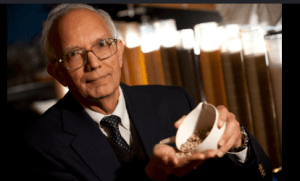
His academic journey carried him into some of the world’s most influential agricultural research institutions, where he became one of the earliest scientists to frame soil not merely as a production medium but as a critical climate-regulating resource. During the early stages of his career, Lal’s work focused heavily on soil erosion and tropical farming systems. As climate concerns intensified globally, he became a pioneering advocate for regenerative agriculture, conservation tillage, and carbon-smart farming. His research deeply influenced South American policymakers and agronomists confronting deforestation, soil degradation, and unsustainable expansion across key agricultural zones.
Lal’s breakthrough came through his globally recognized work connecting agriculture to climate mitigation. He demonstrated how soil carbon restoration could simultaneously improve productivity, reduce atmospheric carbon dioxide, and strengthen food security. In South America, particularly within Brazil and neighboring agricultural economies, his concepts helped shape discussions around sustainable intensification and climate-smart land use. Governments, universities, and international agricultural organizations increasingly turned to his frameworks as they attempted to reconcile economic agricultural growth with ecological responsibility.
Today, Dr. Rattan Lal is widely regarded as one of the defining scientific voices in sustainable agriculture. His intellectual legacy transcends traditional agronomy by linking soil health to civilization-wide environmental stability. He helped transform climate-smart agriculture from an academic niche into a mainstream global strategy. In South America, where agricultural expansion remains deeply tied to environmental policy debates, his influence continues to guide discussions surrounding regenerative farming, carbon markets, and resilient food systems.
Key Facts
- Full name of the subject: Dr. Rattan Lal
- Date of birth: September 5, 1944
- Place of birth: Punjab region, British India
- Family background: Raised in a farming-oriented household
- Early childhood experiences: Exposure to subsistence agriculture and degraded soils
- Education history: Punjab Agricultural University; Ohio State University
- Influences and mentors: Soil scientists and international agricultural researchers
- Career beginnings: Research in soil physics and tropical farming systems
- Major achievements: Global leadership in soil carbon sequestration and regenerative agriculture
- Challenges and obstacles faced: Resistance to conservation agriculture during early advocacy years
- Turning points in life: Expansion into climate-focused agricultural science
- Contributions to society: Advanced climate-smart agriculture and sustainable soil management worldwide
- Personal life (marriage, children, relationships): Maintains a private personal life focused largely on academic work
- Awards and recognitions: World Food Prize, numerous international scientific honors
- Beliefs, values, or philosophy: Soil health is central to environmental and human sustainability
- Legacy and impact: Redefined global understanding of soil as a climate solution
- Historical or cultural significance: One of the world’s most influential agricultural scientists
Notable Works: Soil carbon sequestration research, regenerative agriculture advocacy, conservation tillage frameworks, climate-smart farming systems, sustainable land management initiatives
Controversies:
Dr. Lal’s advocacy for carbon-focused agricultural policy occasionally became part of broader debates regarding carbon credit markets and large-scale sustainability financing. Some critics questioned whether global carbon-offset systems risked disproportionately benefiting corporations or governments without adequately supporting smallholder farmers. Others argued that conservation frameworks promoted by international institutions could be difficult to implement uniformly across developing agricultural economies. Lal consistently emphasized that soil restoration must prioritize both ecological sustainability and farmer livelihoods. No verified allegations of misconduct or professional wrongdoing emerged against him personally. The debate instead reflected broader disagreements over how climate-smart agricultural policies should be structured, financed, and regulated in rapidly changing global economies.
2. Dr. Carlos Eduardo Cerri
Dr. Carlos Eduardo Cerri became one of Brazil’s most influential climate-focused agronomists through his groundbreaking work on greenhouse gas emissions, sustainable land management, and tropical agricultural systems. Raised during Brazil’s agricultural modernization era, Cerri witnessed the rapid expansion of commercial farming into previously underdeveloped regions. While this transformation brought economic growth, it also exposed major environmental vulnerabilities. Those realities shaped his scientific commitment to balancing agricultural productivity with ecological stewardship.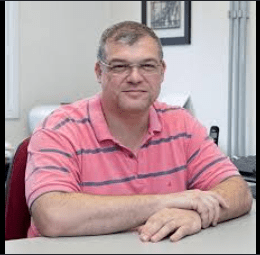
Cerri’s academic development placed him at the forefront of environmental agronomy during a period when climate science was becoming increasingly integrated into agricultural research. Early in his career, he focused on soil science, nutrient cycling, and carbon dynamics within tropical ecosystems. Unlike many conventional agronomists of his generation, Cerri approached farming systems through a systems-based environmental lens. He became particularly interested in how land-use practices affected greenhouse gas emissions and long-term soil resilience.
His breakthrough came through extensive research examining carbon stocks, sustainable intensification, and the environmental impacts of agricultural expansion in Brazil. Cerri’s studies contributed significantly to the understanding of how tropical agricultural systems could reduce emissions while maintaining high productivity. His work influenced national and international climate policy discussions, particularly regarding sustainable farming in tropical regions vulnerable to deforestation and ecological degradation. Through collaborations with universities, governments, and international organizations, he became a major voice in South America’s climate-smart agriculture movement.
Over time, Cerri’s legacy evolved into that of a scientific strategist capable of bridging climate science with practical agronomic policy. He helped position Brazil as both a global agricultural powerhouse and a critical battleground in climate mitigation efforts. His influence continues to shape sustainable land-use frameworks, environmental monitoring systems, and agricultural sustainability strategies throughout South America.
Key Facts
- Full name of the subject: Dr. Carlos Eduardo Cerri
- Date of birth: Mid-20th century
- Place of birth: Brazil
- Family background: Raised within Brazil’s agricultural modernization environment
- Early childhood experiences: Exposure to farming expansion and environmental transformation
- Education history: Advanced studies in agronomy and soil science
- Influences and mentors: Brazilian environmental scientists and soil researchers
- Career beginnings: Research in tropical soil systems and carbon dynamics
- Major achievements: Leadership in climate-smart agriculture and greenhouse gas mitigation research
- Challenges and obstacles faced: Balancing agricultural expansion with environmental sustainability
- Turning points in life: Research linking tropical agriculture to global climate policy
- Contributions to society: Advanced sustainable land management and emissions reduction strategies
- Personal life (marriage, children, relationships): Maintains a low-profile private life
- Awards and recognitions: International recognition in environmental agronomy and climate science
- Beliefs, values, or philosophy: Agricultural progress must coexist with ecological responsibility
- Legacy and impact: Helped shape climate-smart agricultural policy in tropical regions
- Historical or cultural significance: Major figure in Brazil’s sustainable agriculture movement
Notable Works: Greenhouse gas emissions research, tropical soil carbon studies, sustainable land-use frameworks, climate-smart agricultural systems, emissions mitigation policy research
Controversies:
Dr. Cerri’s work occasionally became intertwined with contentious public debates surrounding Brazil’s environmental policies and agricultural expansion strategies. Environmental organizations sometimes argued that sustainability measures proposed within institutional frameworks were insufficient to fully address deforestation concerns tied to commercial agriculture. Agricultural industry advocates, however, maintained that researchers like Cerri were essential in helping producers transition toward lower-emission systems without undermining food production capacity. Cerri himself consistently advocated science-based policy solutions rather than ideological positioning. No formal allegations or disciplinary actions emerged against him personally, though the politically charged nature of climate and land-use debates in Brazil frequently placed prominent agricultural scientists under heightened public scrutiny.
3. Dr. Andy Jarvis
Dr. Andy Jarvis established himself as one of the most internationally recognized climate-smart agricultural scientists connected to South America through his pioneering work on climate adaptation, food systems resilience, and digital agricultural forecasting. Born in the United Kingdom before becoming deeply connected to Colombian and Latin American agricultural systems, Jarvis developed an early fascination with environmental change and global food security. His academic path coincided with growing scientific concern about how climate volatility would reshape agriculture across tropical and subtropical regions.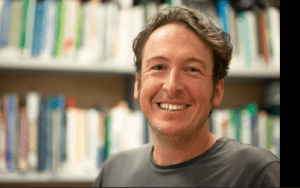
Early in his career, Jarvis focused extensively on climate modeling and agricultural vulnerability assessments. Working across Colombia and broader Latin America, he became known for translating advanced climate science into actionable agricultural planning tools. Rather than approaching agronomy solely through field experimentation, Jarvis integrated data science, environmental modeling, and predictive analytics into farming systems research. This interdisciplinary methodology distinguished him from many traditional agronomists and helped redefine how climate-smart agriculture was conceptualized in South America.
Jarvis achieved international prominence through his leadership in climate adaptation programs tied to agricultural resilience and biodiversity conservation. His work at major global agricultural institutions emphasized helping farmers prepare for changing rainfall patterns, shifting crop suitability zones, and increased climate uncertainty. He became particularly influential in developing climate-risk mapping systems and decision-support tools for governments and agricultural planners. Across South America, his frameworks informed climate adaptation policies and strengthened conversations about resilient food systems in vulnerable rural regions.
Today, Andy Jarvis is regarded as one of the leading strategic thinkers in climate-smart agriculture. His work helped modernize agricultural forecasting and adaptation science during a period of intensifying environmental instability. Beyond academic contributions, he played a major role in transforming climate adaptation into a practical agricultural priority rather than a distant theoretical concern. His influence continues to shape sustainable farming strategies, digital agriculture systems, and international climate resilience initiatives.
Key Facts
- Full name of the subject: Dr. Andy Jarvis
- Date of birth: Late 20th century
- Place of birth: United Kingdom
- Family background: Academically oriented upbringing
- Early childhood experiences: Interest in environmental systems and geography
- Education history: Studies in environmental science and agricultural systems
- Influences and mentors: Climate scientists and international agricultural researchers
- Career beginnings: Climate vulnerability and agricultural adaptation research
- Major achievements: Leadership in climate-smart agriculture and resilience planning
- Challenges and obstacles faced: Translating complex climate science into practical farming solutions
- Turning points in life: Expansion into international climate adaptation leadership roles
- Contributions to society: Advanced climate resilience strategies for global food systems
- Personal life (marriage, children, relationships): Maintains professional privacy regarding personal affairs
- Awards and recognitions: International recognition in climate adaptation science
- Beliefs, values, or philosophy: Agricultural resilience depends on proactive adaptation and innovation
- Legacy and impact: Helped redefine climate adaptation within global agriculture
- Historical or cultural significance: Major figure in climate-smart agricultural transformation
Notable Works: Climate adaptation models, agricultural vulnerability mapping, resilience planning systems, digital climate forecasting tools, food systems sustainability initiatives
Controversies:
Dr. Jarvis occasionally faced criticism linked to broader debates about the role of global institutions and technology-driven adaptation strategies in developing agricultural economies. Some grassroots organizations questioned whether high-level climate modeling sufficiently incorporated local farming knowledge and socioeconomic realities. Others argued that international adaptation programs risked prioritizing donor-driven frameworks over community-led solutions. Jarvis and his collaborators consistently emphasized participatory planning and evidence-based policy integration. Independent assessments generally acknowledged the scientific value of his climate forecasting systems while recognizing that implementation challenges varied across regions. The debates surrounding his work reflected broader tensions between global climate governance structures and localized agricultural decision-making rather than allegations of individual misconduct.
4. Dr. Andreea Nowak
Dr. Andreea Nowak emerged as one of the most influential voices in climate-smart agricultural transition programs operating across Colombia and the broader Andean region during a period when climate volatility was beginning to redefine food security planning in Latin America. Raised in Eastern Europe before eventually building a research and development career in South America, Nowak’s intellectual trajectory reflected an unusually interdisciplinary foundation. Her early academic interests combined environmental systems science, rural sociology, and sustainable land management, creating a perspective that later distinguished her from traditional agronomists focused solely on production efficiency. Long before climate adaptation became central to agricultural discourse, she was examining how vulnerable farming communities responded to ecological uncertainty and institutional instability.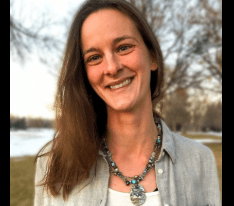
Her arrival in Colombia coincided with growing international concern over soil degradation, erratic rainfall, and biodiversity loss across tropical agricultural zones. Working alongside development institutions, regional research networks, and local producers, Nowak became deeply involved in projects centered on regenerative cropping systems, climate resilience mapping, and participatory agricultural innovation. Unlike many researchers whose work remained confined to laboratories or academic journals, she spent considerable time embedded within farming communities, gathering field-level observations that later informed regional adaptation frameworks. Her work often emphasized that climate-smart agriculture could not succeed through technological intervention alone; it required cultural legitimacy, local trust, and economic feasibility for smallholder farmers.
The breakthrough phase of her career emerged through her involvement in integrated resilience initiatives that linked climate forecasting with crop diversification strategies. She contributed to models helping agricultural planners understand how climate shocks disproportionately affected marginalized producers in mountainous and tropical production zones. Her research helped promote adaptive cropping calendars, water-conserving cultivation methods, and low-emission agricultural planning. Observers within international agricultural development circles increasingly recognized her as a specialist capable of translating complex climate science into practical agricultural policy recommendations. Her influence expanded through collaborations with regional governments, universities, and sustainability-focused agricultural organizations seeking to modernize climate response frameworks.
What distinguished Nowak most profoundly was her insistence on treating climate resilience as a social and economic issue rather than a purely agronomic one. She repeatedly argued that adaptation strategies would fail unless they addressed gender inequities, financial vulnerability, and institutional exclusion within rural economies. This broader analytical approach allowed her work to resonate beyond agricultural science into policy, sustainability governance, and rural development strategy. Her legacy continues to influence conversations surrounding resilient farming systems in Latin America, particularly among organizations attempting to balance productivity, ecological preservation, and rural livelihood protection in an increasingly unstable climate environment.
Key Facts
- Full name of the subject: Dr. Andreea Nowak
- Date of birth: Not widely publicized
- Place of birth: Europe
- Family background: Academically inclined family with interests in environmental sciences
- Early childhood experiences: Exposure to ecological conservation discussions and rural environmental systems
- Education history: Advanced studies in environmental science, climate adaptation, and sustainable agriculture
- Influences and mentors: International climate scientists, sustainability researchers, and agricultural policy experts
- Career beginnings: Entered agricultural development and resilience research through international sustainability programs
- Major achievements: Climate adaptation modeling, resilience planning initiatives, participatory agricultural development programs
- Challenges and obstacles faced: Translating scientific models into field-level implementation among vulnerable farming communities
- Turning points in life: Relocation to South America and engagement with climate-vulnerable agricultural systems
- Contributions to society: Strengthened climate adaptation planning and sustainable farming policy development
- Personal life (marriage, children, relationships): Maintains a highly private personal profile
- Awards and recognitions: Recognized in sustainability and agricultural resilience research networks
- Beliefs, values, or philosophy: Advocates farmer-centered climate adaptation and socially inclusive sustainability models
- Legacy and impact: Influential in integrating climate science with participatory agricultural resilience frameworks
- Historical or cultural significance: Represents the globalization of climate-smart agricultural leadership in Latin America
Notable Works: Climate adaptation planning frameworks, resilience-oriented agricultural programs, participatory sustainability initiatives in Colombia and the Andean region
Controversies:
One notable debate surrounding Dr. Andreea Nowak’s work involved criticism from certain agricultural economists and commercial agribusiness advocates who argued that some climate adaptation recommendations promoted under sustainability-oriented programs could reduce short-term production efficiency for export-oriented farming systems. The criticism emerged during policy discussions concerning land-use diversification, reduced chemical dependency, and conservation-focused agricultural practices in regions heavily reliant on monoculture production. Stakeholders included environmental organizations, agribusiness operators, regional policymakers, and development agencies. Critics claimed that some resilience-focused proposals lacked immediate economic scalability, while supporters argued that the long-term ecological and economic risks of conventional intensive systems justified transformative adaptation measures. Nowak and collaborating institutions maintained that the recommendations were based on long-range climate vulnerability assessments and aimed to preserve agricultural productivity under worsening climatic instability. No formal findings of misconduct or professional negligence emerged from these debates, and the disagreement largely reflected broader ideological divisions within sustainable agriculture policy circles. The controversy ultimately amplified discussion surrounding the economic transition costs associated with climate-smart agricultural reform in developing regions.
5. Prof. Alejandra Engler
Prof. Alejandra Engler built her reputation not merely as an agronomist, but as one of Chile’s most influential agricultural economists and sustainability strategists during a transformative period for South American agriculture. Raised in Chile amid a rapidly modernizing agricultural economy, Engler witnessed firsthand how export-driven farming simultaneously generated prosperity and ecological strain. These observations deeply shaped her intellectual direction. Early in her education, she gravitated toward understanding how agricultural policy, farmer behavior, and environmental stewardship intersected within fragile climatic systems. Her academic training combined agricultural economics with rural development planning, giving her a multidisciplinary foundation that would later become essential in climate-smart agricultural policymaking.
In the early stages of her career, Engler focused heavily on the socioeconomic realities facing small and medium-scale producers in Chile’s increasingly competitive agricultural landscape. While many agricultural experts concentrated on production expansion, she examined how farmers adapted to water scarcity, shifting market conditions, and climate uncertainty. Her research frequently highlighted the unequal burdens carried by smaller producers during periods of drought and environmental stress. Over time, she became recognized for advancing economic models that accounted not only for profitability but also for sustainability, resilience, and long-term ecosystem preservation. This broader perspective helped position her as an influential figure in climate adaptation policy discussions across Latin America.
Her breakthrough influence emerged during the intensification of climate-related agricultural crises affecting Chile, particularly prolonged drought conditions that threatened major crop systems and rural livelihoods. Engler became a leading advocate for integrated adaptation frameworks that connected economic incentives with sustainable land and water management. She worked extensively with universities, public institutions, and international organizations to evaluate how policy reforms could encourage climate-resilient farming behavior without undermining economic viability. Her analyses often demonstrated that climate-smart agriculture was not simply an environmental necessity, but also a strategic economic safeguard for future food systems.
What elevated Engler’s standing internationally was her ability to communicate climate adaptation in language accessible to policymakers, producers, and financial institutions alike. She consistently argued that sustainability could not survive as a moral argument alone; it needed measurable economic rationale and institutional support structures. Through her publications, policy consultations, and educational leadership, she helped shape regional conversations surrounding agricultural risk management, resilience financing, and sustainable rural development. Today, her influence continues to extend across South America’s agricultural policy landscape, particularly in debates surrounding water governance, climate economics, and the future of resilient food production systems.
Key Facts
- Full name of the subject: Prof. Alejandra Engler
- Date of birth: Not widely disclosed publicly
- Place of birth: Chile
- Family background: Raised in a socially conscious Chilean environment attentive to agricultural and economic issues
- Early childhood experiences: Witnessed agricultural modernization and rural economic transformation in Chile
- Education history: Advanced education in agricultural economics and sustainability policy
- Influences and mentors: Agricultural economists, climate adaptation specialists, and rural development scholars
- Career beginnings: Entered academia and agricultural policy research focusing on rural livelihoods and sustainability economics
- Major achievements: Climate adaptation policy research, agricultural resilience economics, sustainable farming frameworks
- Challenges and obstacles faced: Balancing environmental priorities with economic realities in export-oriented agricultural systems
- Turning points in life: Involvement in drought-related agricultural policy reform initiatives
- Contributions to society: Improved understanding of climate-smart economic planning in agriculture
- Personal life (marriage, children, relationships): Maintains privacy regarding personal relationships
- Awards and recognitions: Recognized within Latin American agricultural economics and sustainability networks
- Beliefs, values, or philosophy: Advocates economically viable sustainability and inclusive rural resilience
- Legacy and impact: Influential in shaping climate adaptation policy for South American agriculture
- Historical or cultural significance: Represents the growing integration of economics and climate resilience in agricultural governance
Notable Works: Climate adaptation economic studies, drought resilience policy analysis, sustainable agricultural development programs
Controversies:
A recurring controversy surrounding Prof. Alejandra Engler involved public debate over market-based climate adaptation incentives promoted in some agricultural policy recommendations. Critics from certain activist and rural advocacy organizations argued that incentive-driven adaptation frameworks occasionally favored larger commercial producers with greater access to financing and institutional resources. The debate intensified during discussions about water allocation reforms and climate resilience investments in Chile’s agricultural sector. Stakeholders included farmer associations, government agencies, environmental advocates, and agribusiness representatives. Supporters of Engler’s work contended that economic incentives were necessary to accelerate large-scale adoption of climate-smart technologies and sustainable infrastructure. Engler herself emphasized that equitable policy design remained essential and acknowledged the need for stronger protections for smaller producers. No evidence suggested wrongdoing or unethical conduct; rather, the controversy reflected broader structural tensions concerning equity, privatization, and resource distribution within climate adaptation policy frameworks. The debate significantly influenced ongoing discussions regarding fairness in agricultural sustainability transitions across Latin America.
6. Dr. Jorge Delgado
Dr. Jorge Delgado’s career represents one of the most globally interconnected journeys in modern climate-smart agronomy. Born in Ecuador and later gaining prominence through international agricultural and environmental research collaborations, Delgado became widely respected for bridging precision agriculture, nutrient management, and environmental sustainability. His early exposure to farming systems in Latin America gave him a direct understanding of the challenges facing producers operating under ecological pressure and economic uncertainty. These experiences later informed his scientific focus on maximizing agricultural productivity while minimizing environmental degradation a balance that would become central to climate-smart agriculture in the twenty-first century.
Delgado’s academic path reflected a rigorous commitment to interdisciplinary agricultural science. He pursued advanced training in soil science, nutrient management, and environmental systems, eventually participating in major international research initiatives involving sustainable intensification and precision agriculture. In the formative years of his career, he concentrated heavily on nitrogen management and water quality preservation, areas that were becoming increasingly critical as concerns grew regarding agricultural pollution and greenhouse gas emissions. His technical expertise allowed him to contribute meaningfully to both scientific innovation and practical farming applications, particularly in regions vulnerable to resource depletion and climate variability.
His breakthrough influence emerged through research demonstrating how precision nutrient management could significantly improve crop productivity while simultaneously reducing environmental impacts. Delgado became associated with efforts to develop climate-smart nutrient systems capable of reducing emissions, protecting groundwater, and improving long-term soil health. His work frequently emphasized data-driven agricultural decision-making, integrating remote sensing technologies, environmental monitoring, and adaptive management systems. Governments, universities, and international organizations increasingly turned to his expertise when designing sustainability-oriented agricultural programs aimed at balancing food security with ecological responsibility.
What ultimately distinguished Delgado’s legacy was his ability to connect local agricultural realities with global environmental priorities. He consistently framed climate-smart agriculture as a scientific necessity rather than a political trend, arguing that precision management would become indispensable under conditions of rising climate instability and population growth. Throughout his career, he remained committed to collaboration across borders, disciplines, and institutional sectors. His contributions continue to shape global discussions concerning sustainable intensification, environmental stewardship, and resilient agricultural production systems capable of confronting future climate pressures.
Key Facts
- Full name of the subject: Dr. Jorge Delgado
- Date of birth: Not extensively publicized
- Place of birth: Ecuador
- Family background: Raised in an environment familiar with agricultural production and rural development issues
- Early childhood experiences: Exposure to Latin American farming systems and environmental challenges
- Education history: Advanced studies in soil science, environmental systems, and nutrient management
- Influences and mentors: Soil scientists, environmental researchers, and precision agriculture pioneers
- Career beginnings: Started in agricultural and environmental research institutions focusing on nutrient efficiency
- Major achievements: Precision nutrient management research, climate-smart agricultural system development, environmental sustainability studies
- Challenges and obstacles faced: Translating highly technical scientific findings into scalable farming practices
- Turning points in life: Participation in international sustainability and environmental monitoring programs
- Contributions to society: Improved understanding of sustainable intensification and agricultural environmental protection
- Personal life (marriage, children, relationships): Maintains a private personal profile
- Awards and recognitions: Internationally recognized for environmental and agricultural systems research
- Beliefs, values, or philosophy: Supports science-driven sustainability and precision agriculture innovation
- Legacy and impact: Influential in integrating nutrient efficiency with climate-smart agricultural policy
- Historical or cultural significance: Represents the globalization of environmental agronomy and sustainable agriculture research
Notable Works: Precision nutrient management systems, sustainable intensification studies, environmental monitoring frameworks, climate-smart agriculture initiatives
Controversies:
Dr. Jorge Delgado’s research occasionally became involved in broader debates concerning precision agriculture technologies and their accessibility to smallholder farmers in developing economies. Critics argued that some advanced nutrient management systems and precision technologies promoted within international sustainability frameworks could remain financially inaccessible to low-income producers lacking technological infrastructure. The controversy gained attention during policy discussions involving digital agriculture expansion and environmentally optimized farming systems. Stakeholders included environmental scientists, development agencies, technology firms, rural advocacy groups, and agricultural policymakers. Critics questioned whether technology-intensive approaches risked widening inequalities between industrialized and resource-constrained farming systems, while supporters emphasized the long-term environmental necessity of precision management practices. Delgado and collaborating researchers consistently maintained that scalable adaptation models and gradual technology transfer strategies were essential components of sustainable agricultural transformation. No professional misconduct allegations emerged from these discussions, and the debate primarily reflected differing perspectives regarding technological equity, scalability, and the pace of agricultural modernization under climate pressure.
7. Dr. Catalina Yáñez
Dr. Catalina Yáñez emerged as one of Chile’s most respected climate-focused agricultural researchers during a period when environmental instability increasingly threatened South America’s food production systems. Raised in Chile amid growing awareness of drought vulnerability and ecosystem degradation, Yáñez developed an early fascination with the relationship between environmental systems and agricultural sustainability. Her academic journey was shaped by the realization that climate change would fundamentally redefine the future of crop production across Latin America. Unlike earlier generations of agronomists focused primarily on maximizing yields, she approached agriculture through the broader lens of resilience, biodiversity preservation, and ecological adaptation.
Her early professional work centered on environmental assessment and sustainable land-use planning, particularly in regions where changing rainfall patterns were already disrupting traditional farming cycles. Yáñez quickly distinguished herself through her ability to merge scientific analysis with practical agricultural application. She worked extensively with research institutions and sustainability-focused initiatives examining how climate variability affected crop performance, soil health, and water resource availability. These experiences placed her at the forefront of efforts to develop adaptive agricultural systems capable of functioning under increasingly unpredictable environmental conditions.
The defining breakthrough in Yáñez’s career came through her contributions to climate resilience research involving agroecosystem sustainability and ecological adaptation strategies. Her work highlighted the importance of biodiversity integration, ecosystem restoration, and climate-informed land management in reducing agricultural vulnerability. Rather than promoting purely industrial responses to climate pressure, she advocated hybrid models combining scientific innovation with ecological conservation principles. Her research frequently demonstrated that long-term agricultural resilience depended on restoring ecological balance rather than relying exclusively on technological intensification. This perspective resonated strongly among environmental policymakers and sustainable agriculture advocates throughout South America.
As her influence expanded internationally, Yáñez became an important voice in discussions concerning the environmental future of Latin American agriculture. She consistently emphasized that climate-smart farming required institutional transformation as much as scientific advancement. Through research collaborations, policy consultations, and academic leadership, she helped shape regional understanding of sustainable agricultural adaptation in water-stressed and climate-sensitive environments. Her legacy continues to influence contemporary approaches to ecological farming resilience, particularly within countries confronting severe drought, biodiversity decline, and mounting climate uncertainty.
Key Facts
- Full name of the subject: Dr. Catalina Yáñez
- Date of birth: Not widely disclosed publicly
- Place of birth: Chile
- Family background: Raised in an environmentally conscious Chilean family with interest in sustainability issues
- Early childhood experiences: Exposure to drought-prone agricultural regions and ecological conservation discussions
- Education history: Advanced studies in environmental science, agricultural sustainability, and climate adaptation
- Influences and mentors: Environmental scientists, agronomists, and sustainability researchers
- Career beginnings: Began in environmental and agricultural resilience research initiatives
- Major achievements: Agroecosystem resilience research, biodiversity-centered climate adaptation studies, sustainable land-use planning
- Challenges and obstacles faced: Advocating ecological sustainability within commercially intensive agricultural sectors
- Turning points in life: Participation in regional climate adaptation and environmental resilience programs
- Contributions to society: Promoted ecologically integrated climate-smart agricultural systems
- Personal life (marriage, children, relationships): Keeps personal matters largely private
- Awards and recognitions: Recognized in sustainability and environmental agriculture research circles
- Beliefs, values, or philosophy: Supports ecological balance, biodiversity preservation, and long-term agricultural resilience
- Legacy and impact: Influential in climate adaptation and ecological farming policy discussions across South America
- Historical or cultural significance: Represents the integration of environmental conservation into modern agronomic science
Notable Works: Climate resilience studies, agroecosystem sustainability research, ecological land-use adaptation frameworks, biodiversity-centered agricultural programs
Controversies:
One significant debate involving Dr. Catalina Yáñez centered on criticism from certain commercial agricultural stakeholders who argued that biodiversity-focused climate adaptation recommendations could reduce short-term production efficiency and increase operational costs for export-oriented farms. The controversy emerged during discussions surrounding land restoration measures, reduced agrochemical dependency, and ecological conservation requirements within major agricultural regions of Chile. Stakeholders included agribusiness groups, environmental organizations, farming cooperatives, government agencies, and academic institutions. Critics contended that some sustainability proposals lacked immediate economic practicality for large-scale producers competing in international commodity markets, while supporters argued that ecological degradation posed far greater long-term risks to agricultural productivity and food security. Yáñez maintained that climate resilience strategies required balancing profitability with ecosystem preservation and repeatedly emphasized the scientific evidence supporting biodiversity’s role in agricultural stability. No findings of misconduct or professional impropriety emerged from these disputes, which largely reflected broader ideological tensions concerning sustainability transitions and environmental governance within Latin American agriculture.
8. Vitor Mondo
Vitor Mondo rose to prominence in Brazil’s agricultural sector during an era when climate unpredictability and soil degradation were forcing major changes in South American crop production systems. Raised in one of the world’s most agriculturally influential nations, Mondo grew up observing both the extraordinary productivity of Brazilian farming and the environmental vulnerabilities created by rapid agricultural expansion. His early interest in agronomy developed through exposure to rural farming communities where producers constantly battled inconsistent rainfall, pest pressure, and declining soil resilience. These formative experiences shaped his long-term commitment to building agricultural systems capable of sustaining productivity under increasingly volatile climatic conditions.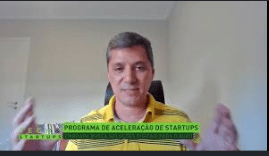
Educated in agronomic sciences and crop physiology, Mondo entered the agricultural research field with a strong emphasis on seed systems, crop establishment, and stress adaptation. Early in his career, he focused on understanding how climatic variability affected seed vigor, crop emergence, and production stability across tropical agricultural systems. At a time when many producers prioritized short-term yield maximization, Mondo’s work emphasized the importance of biological resilience at the earliest stages of crop development. His research gradually expanded into broader climate-smart farming strategies involving soil management, adaptive planting systems, and crop performance optimization under environmental stress.
Mondo’s breakthrough influence emerged through his contributions to sustainable seed technology and adaptive crop management programs designed for climate-vulnerable agricultural environments. He became widely respected for promoting farming strategies capable of improving resilience without imposing unrealistic financial burdens on producers. His collaborations with universities, agricultural institutions, and farming networks helped advance practical approaches to improving crop establishment in drought-prone and high-temperature conditions. Industry observers frequently credited him with helping bridge the gap between laboratory innovation and field-level agricultural application, particularly in Brazil’s rapidly evolving production landscape.
Beyond technical achievement, Mondo’s legacy rests in his advocacy for farmer-centered adaptation strategies. He consistently argued that climate-smart agriculture would only succeed if scientific innovation remained accessible to ordinary producers rather than concentrated within highly capitalized industrial systems. His influence extended through educational outreach, research publications, and practical agronomic advisory work that shaped resilience planning among producers across Brazil. Today, he remains associated with efforts to strengthen sustainable crop establishment practices and climate adaptation systems capable of protecting agricultural productivity in one of the world’s most environmentally sensitive farming regions.
Key Facts
- Full name of the subject: Vitor Mondo
- Date of birth: Not widely publicized
- Place of birth: Brazil
- Family background: Raised in an agricultural environment familiar with Brazil’s farming economy
- Early childhood experiences: Exposure to crop production systems and rural agricultural challenges
- Education history: Studied agronomy, crop physiology, and seed science
- Influences and mentors: Brazilian agronomists, seed technology specialists, and climate adaptation researchers
- Career beginnings: Started in crop establishment and seed resilience research programs
- Major achievements: Climate-smart seed systems research, adaptive crop establishment strategies, sustainable farming advisory initiatives
- Challenges and obstacles faced: Promoting sustainable adaptation practices within highly industrialized farming systems
- Turning points in life: Expansion into climate-focused agronomic resilience research
- Contributions to society: Improved agricultural adaptation strategies for climate-sensitive production regions
- Personal life (marriage, children, relationships): Maintains a private personal profile
- Awards and recognitions: Recognized within Brazilian agronomic and crop science communities
- Beliefs, values, or philosophy: Supports accessible scientific innovation and farmer-centered resilience planning
- Legacy and impact: Influential in climate-resilient crop establishment and sustainable seed systems research
- Historical or cultural significance: Represents Brazil’s evolving transition toward adaptive climate-smart agriculture
Notable Works: Climate-smart seed technology programs, adaptive crop establishment systems, resilience-oriented agronomic advisory initiatives
Controversies:
A notable controversy surrounding Vitor Mondo’s work involved debates over the growing commercialization of advanced seed technologies within climate adaptation strategies. Some critics from farmer advocacy organizations argued that the increasing emphasis on technologically enhanced seed systems risked deepening dependency on commercial agricultural suppliers, particularly among small and medium-scale producers. The debate intensified during broader discussions concerning intellectual property rights, seed accessibility, and the affordability of climate-resilient crop technologies in Brazil’s agricultural sector. Stakeholders included seed companies, producer associations, agricultural researchers, sustainability organizations, and policymakers. Supporters of Mondo’s work argued that improved seed resilience technologies were essential for safeguarding productivity under worsening climate instability, while critics questioned whether market-driven approaches adequately protected farmer autonomy. Mondo consistently maintained that scientific innovation should remain practical and broadly accessible and emphasized the importance of balancing technological advancement with producer affordability. No allegations of misconduct or unethical behavior emerged from these discussions, which primarily reflected structural debates concerning agricultural commercialization and climate adaptation policy.
9. Dr. Miguel Lizarazo
Dr. Miguel Lizarazo became one of Colombia’s most recognized contributors to climate-smart agricultural research through his extensive work on sustainable production systems, environmental resilience, and rural adaptation planning. Raised in Colombia during decades marked by both agricultural transformation and environmental pressure, Lizarazo witnessed the fragile balance between economic development and ecological preservation. His early fascination with natural systems and farming landscapes led him toward agricultural science at a time when climate variability was beginning to emerge as a defining issue for Latin American food security. From the outset, his academic interests reflected a broader environmental consciousness that distinguished him from many traditionally production-focused agronomists.
After pursuing advanced studies in agronomy and environmental sustainability, Lizarazo entered research institutions focused on improving the long-term resilience of agricultural ecosystems. His early career involved examining how soil degradation, water stress, and changing climate conditions affected rural livelihoods across Colombia’s diverse farming regions. Rather than treating climate adaptation as a purely technological challenge, he approached it as an integrated ecological and socioeconomic issue requiring cooperation among farmers, scientists, institutions, and policymakers. This systems-oriented perspective became a defining characteristic of his professional identity.
Lizarazo’s breakthrough influence developed through his participation in climate adaptation and sustainable intensification initiatives aimed at protecting agricultural productivity while reducing environmental degradation. He became closely associated with efforts promoting regenerative farming practices, ecosystem-based resilience planning, and sustainable land management frameworks. His research emphasized that agricultural systems in tropical regions required flexibility, biodiversity integration, and resource efficiency to survive future climate instability. International organizations and regional agricultural institutions increasingly recognized his work as an important contribution to resilience-oriented farming policy across South America.
What ultimately elevated Lizarazo’s legacy was his commitment to connecting scientific research with community-level agricultural realities. He consistently advocated for practical adaptation strategies that respected local farming traditions while incorporating scientific innovation. Through public engagement, research collaborations, and educational initiatives, he helped strengthen regional understanding of climate-smart agriculture as both an environmental necessity and a social responsibility. His influence continues to shape conversations concerning ecological resilience, sustainable food systems, and the future of climate adaptation across Colombia and the broader Latin American agricultural sector.
Key Facts
- Full name of the subject: Dr. Miguel Lizarazo
- Date of birth: Not publicly disclosed in detail
- Place of birth: Colombia
- Family background: Raised in a Colombian environment attentive to agriculture and environmental sustainability
- Early childhood experiences: Exposure to rural landscapes and ecological conservation concerns
- Education history: Advanced studies in agronomy, environmental science, and sustainability systems
- Influences and mentors: Climate scientists, sustainability experts, and ecological agronomists
- Career beginnings: Entered agricultural sustainability and environmental resilience research institutions
- Major achievements: Sustainable intensification research, climate adaptation initiatives, ecological farming frameworks
- Challenges and obstacles faced: Balancing ecological sustainability goals with economic agricultural pressures
- Turning points in life: Participation in regional climate adaptation and land restoration projects
- Contributions to society: Strengthened awareness of climate-smart farming and ecological resilience strategies
- Personal life (marriage, children, relationships): Keeps personal life largely private
- Awards and recognitions: Recognized in sustainability and environmental agriculture circles
- Beliefs, values, or philosophy: Advocates integrated ecological resilience and socially responsible agriculture
- Legacy and impact: Influential in shaping sustainable agricultural adaptation frameworks in Colombia
- Historical or cultural significance: Represents the environmental evolution of modern Latin American agronomy
Notable Works: Sustainable intensification initiatives, ecological resilience research, regenerative agriculture programs, climate adaptation frameworks
Controversies:
A significant debate connected to Dr. Miguel Lizarazo involved criticism from some commercial agricultural operators regarding the pace and scale of sustainability transitions proposed within climate adaptation frameworks. The controversy centered on concerns that stricter environmental conservation recommendations and reduced chemical dependency targets could increase production costs and reduce short-term competitiveness for export-oriented agricultural sectors. Stakeholders included agribusiness groups, environmental organizations, agricultural researchers, rural communities, and policymakers. Critics questioned whether ecological adaptation measures could realistically scale across large commercial farming systems without economic disruption, while supporters argued that environmental degradation and climate instability posed greater long-term threats to productivity and food security. Lizarazo consistently emphasized that sustainability and productivity should not be treated as mutually exclusive objectives and advocated phased transition strategies capable of balancing economic viability with environmental protection. No allegations of professional misconduct emerged from these disputes, which primarily reflected broader structural disagreements concerning the future direction of agricultural modernization under climate pressure.
10. Dr. Pablo Imbach
Dr. Pablo Imbach established himself as one of Latin America’s most respected climate adaptation specialists through decades of research focused on agricultural vulnerability, environmental forecasting, and resilience planning. Born in a region deeply affected by ecological instability and rural inequality, Imbach developed an early understanding of how environmental disruption could reshape entire agricultural economies. His educational journey reflected a growing commitment to environmental systems analysis and climate science during a period when global awareness of climate change was beginning to influence agricultural policy discussions. Unlike conventional agronomists narrowly focused on production metrics, Imbach approached agriculture through the interconnected lenses of climate modeling, ecosystem sustainability, and human vulnerability.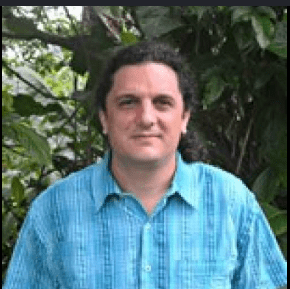
During the early stages of his professional career, Imbach became involved in regional environmental research programs examining the long-term impacts of climate variability on tropical agricultural systems. His work frequently addressed how shifting temperature patterns, water scarcity, and biodiversity loss threatened food production across vulnerable rural regions. He quickly earned recognition for his ability to translate highly technical climate data into practical agricultural planning strategies. Governments, international development agencies, and agricultural institutions increasingly sought his expertise in forecasting climate-related agricultural risks and developing adaptation pathways for vulnerable farming communities.
The breakthrough phase of Imbach’s career came through his leadership in climate vulnerability mapping and adaptation scenario modeling for agricultural systems throughout Latin America. He contributed to major international efforts aimed at helping producers and policymakers anticipate future climate pressures before they evolved into full-scale crises. His research emphasized proactive adaptation rather than reactive emergency management, advocating for crop diversification, ecosystem restoration, and climate-informed agricultural planning. As climate instability intensified globally, Imbach’s analytical frameworks became increasingly influential in resilience-oriented policy development and agricultural sustainability strategy.
What distinguishes Imbach’s long-term legacy is his ability to bridge science, policy, and community resilience. He consistently argued that climate-smart agriculture required not only technological innovation but also institutional preparedness, social equity, and environmental stewardship. Through extensive collaboration with international research centers and sustainability organizations, he helped shape a generation of climate adaptation thinking across South America. His influence remains deeply embedded in contemporary discussions concerning agricultural forecasting, ecological resilience, and sustainable food security planning in climate-vulnerable regions.
Key Facts
- Full name of the subject: Dr. Pablo Imbach
- Date of birth: Not widely disclosed publicly
- Place of birth: Colombia
- Family background: Raised in a socially and environmentally conscious Latin American environment
- Early childhood experiences: Exposure to ecological challenges and rural agricultural realities
- Education history: Advanced studies in climate science, environmental systems, and agricultural sustainability
- Influences and mentors: Climate adaptation researchers, environmental scientists, and sustainability strategists
- Career beginnings: Started within environmental forecasting and climate vulnerability research initiatives
- Major achievements: Climate vulnerability mapping, agricultural adaptation forecasting, resilience-oriented policy frameworks
- Challenges and obstacles faced: Communicating long-term climate risks within politically and economically constrained environments
- Turning points in life: Participation in international climate adaptation and sustainability collaborations
- Contributions to society: Improved climate resilience planning for vulnerable agricultural systems
- Personal life (marriage, children, relationships): Maintains a highly private personal profile
- Awards and recognitions: Internationally recognized for climate adaptation and environmental resilience research
- Beliefs, values, or philosophy: Supports science-based climate preparedness and sustainable agricultural planning
- Legacy and impact: Influential in climate forecasting and resilience strategy development for Latin American agriculture
- Historical or cultural significance: Represents the integration of climate science into modern agricultural governance
Notable Works: Climate vulnerability assessments, agricultural forecasting systems, resilience planning frameworks, sustainable adaptation strategies
Controversies:
A recurring controversy involving Dr. Pablo Imbach centered on disputes regarding the interpretation and communication of long-term climate projections affecting agricultural investment and land-use planning. Some political and agricultural stakeholders argued that certain climate risk assessments promoted by environmental research institutions could create economic uncertainty or discourage agricultural expansion in vulnerable regions. The debate intensified during discussions about climate-sensitive land-use regulations and adaptation funding priorities in Latin America. Stakeholders included government agencies, agribusiness groups, environmental researchers, rural advocacy organizations, and international development institutions. Critics questioned whether predictive climate models occasionally overstated future agricultural risks, while supporters emphasized that precautionary adaptation planning was essential given mounting scientific evidence surrounding climate instability. Imbach consistently defended the importance of evidence-based forecasting and clarified that climate modeling was intended to guide preparedness rather than generate alarmism. No allegations of scientific misconduct or ethical impropriety emerged from these debates, which primarily reflected broader tensions between economic development priorities and long-term environmental risk management.
Notable Mentions
Dr. Luis Carlos Ribeiro
Dr. Rosa Juana Arévalo
Dr. Cristian Jordán
Aurélio Pavinato
Dr. Sharon Gourdji
Federico Bert
Dr. Beatriz Zavariz-Romero
Dr. Julián F. Gonsalves
Dr. Maria Baca
Dr. Luis Antolin