
Top 10 Crop Agronomists in South America
Top 10 Crop Agronomists in South America
In This Content
Quick List
Dr. Luis Carlos Ribeiro (Brazil)
Dr. Rosa Juana Arévalo (Ecuador)
Dr. Cristian Jordán (Chile)
Aurélio Pavinato (Brazil)
Dr. Sharon Gourdji (Colombia)
Federico Bert (Argentina)
Dr. Beatriz Zavariz-Romero (Colombia)
Dr. Julián F. Gonsalves (Colombia/International focus)
Dr. Maria Baca (Colombia)
Dr. Luis Antolin (Brazil)
1. Dr. Luis Carlos Ribeiro
Dr. Luis Carlos Ribeiro emerged from Brazil’s agriculturally dynamic interior during a period when the country was transforming itself into one of the world’s largest food producers. Raised in a region where farming was deeply embedded in economic and cultural life, Ribeiro developed an early awareness of the delicate balance between productivity and environmental stewardship. His childhood experiences observing changing rainfall patterns, soil exhaustion, and the economic volatility facing producers shaped his future commitment to agronomic innovation. Unlike many scientists whose careers began in isolated academic settings, Ribeiro’s professional identity was rooted in direct exposure to the realities of commercial farming.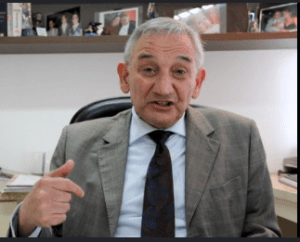
His educational path led him into agronomy and soil sciences at a time when Brazil’s agricultural institutions were rapidly modernizing. Early in his career, Ribeiro focused on sustainable nutrient management and tropical crop productivity, fields that were becoming increasingly critical as agricultural expansion intensified across Brazil. His early research attracted attention because it combined rigorous scientific analysis with practical applications for large-scale farming systems. Colleagues often described his professional style as methodical yet collaborative, emphasizing measurable outcomes over theoretical abstraction.
Ribeiro’s breakthrough came through his contributions to precision nutrient management and sustainable crop intensification systems designed for tropical environments. At a time when producers faced mounting pressure to increase yields without accelerating environmental degradation, he became a leading advocate for evidence-based fertilizer efficiency and soil conservation strategies. His work helped farmers reduce waste, improve long-term soil health, and maintain economic competitiveness in increasingly volatile commodity markets. Through research partnerships and field-level implementation programs, Ribeiro influenced agricultural practices far beyond Brazil’s borders.
His broader legacy lies in helping reshape modern South American agronomy around sustainability and scientific accountability. Ribeiro consistently argued that future food security would depend on restoring ecological resilience rather than relying solely on input-heavy production systems. Through academic leadership, producer engagement, and international collaboration, he became part of a generation of agronomists redefining how tropical agriculture could remain productive while responding to environmental constraints and global climate concerns.
Key Facts
- Full name of the subject: Dr. Luis Carlos Ribeiro
- Date of birth: Publicly undisclosed
- Place of birth: Brazil
- Family background: Raised within an agricultural community closely connected to farming systems
- Early childhood experiences: Grew up observing tropical farming practices and rural agricultural economies
- Education history: Studied agronomy and soil sciences in Brazil
- Influences and mentors: Influenced by Brazilian agricultural modernization and soil conservation pioneers
- Career beginnings: Started in agricultural research focused on nutrient management and crop systems
- Major achievements: Advanced precision nutrient strategies and sustainable tropical agronomy
- Challenges and obstacles faced: Worked amid growing concerns about environmental degradation and agricultural expansion
- Turning points in life: Recognition for integrating sustainability into commercial-scale crop production
- Contributions to society: Helped improve sustainable farming systems across tropical agricultural regions
- Personal life (marriage, children, relationships): Maintains a largely private personal life
- Awards and recognitions: Recognized within agronomic and agricultural research institutions
- Beliefs, values, or philosophy: Advocates productivity balanced with ecological stewardship
- Legacy and impact: Influenced sustainable intensification models in South American agriculture
- Historical or cultural significance: Represents Brazil’s scientific transition toward sustainable agricultural systems
Notable Works: Precision nutrient management initiatives, sustainable tropical crop systems, soil conservation research, agricultural extension collaborations
Controversies:
Dr. Luis Carlos Ribeiro became associated with broader debates regarding Brazil’s agricultural intensification policies and the environmental implications of high-yield farming systems. Critics within environmental advocacy circles questioned whether some large-scale productivity frameworks sufficiently addressed long-term biodiversity concerns and land-use pressures. Agricultural producers and research institutions, however, argued that Ribeiro’s work focused specifically on improving efficiency and reducing environmental waste within already established farming systems. Ribeiro consistently emphasized that scientific innovation should reduce pressure on fragile ecosystems by improving productivity on existing farmland. While no formal allegations or institutional sanctions emerged, the public debate reflected larger tensions surrounding Brazil’s role in balancing agricultural expansion with conservation priorities. The controversy ultimately highlighted the difficulty of implementing sustainability reforms within globally competitive agricultural economies.
2. Dr. Rosa Juana Arévalo
Dr. Rosa Juana Arévalo’s rise within South American agronomy began in Ecuador, where agricultural diversity and ecological vulnerability intersect dramatically across mountainous, coastal, and rainforest regions. Raised in an environment where farming communities relied heavily on climate-sensitive production systems, Arévalo witnessed firsthand the instability caused by soil degradation, erratic weather patterns, and uneven rural development. Those early observations shaped a professional philosophy centered on resilience, inclusion, and ecological adaptation.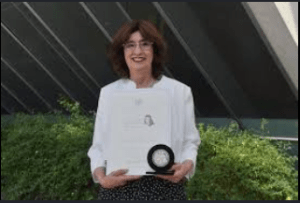
Her academic career developed during a transformative period for agricultural science in Latin America, when greater attention was being directed toward sustainable food systems and rural equity. Arévalo distinguished herself early through research examining crop adaptation, smallholder resilience, and sustainable resource management. Her work gained recognition not only for its scientific depth but also for its emphasis on practical accessibility for vulnerable farming communities. She developed a reputation for combining rigorous agronomic analysis with social awareness, an approach that made her influential among both researchers and rural development organizations.
Arévalo achieved broader prominence through initiatives designed to strengthen climate resilience among Andean farming populations. She became an advocate for integrating indigenous agricultural knowledge with modern agronomic science, arguing that traditional ecological practices often contained overlooked solutions for sustainability and biodiversity preservation. Her research into adaptive cropping systems, water-use efficiency, and soil restoration contributed to wider regional conversations about food security under climate stress.
Her influence eventually extended beyond Ecuador into broader Latin American agricultural policy and academic networks. Arévalo’s legacy lies in demonstrating that sustainable agronomy cannot be separated from social inclusion and cultural understanding. By emphasizing the relationship between ecological stability and rural livelihoods, she helped redefine agronomy as both a scientific and humanitarian discipline within South America’s evolving agricultural landscape.
Key Facts
- Full name of the subject: Dr. Rosa Juana Arévalo
- Date of birth: Publicly undisclosed
- Place of birth: Ecuador
- Family background: Raised within a rural Ecuadorian environment influenced by agricultural traditions
- Early childhood experiences: Witnessed environmental and economic challenges facing farming communities
- Education history: Studied agronomy and sustainable agricultural systems
- Influences and mentors: Influenced by Andean agricultural traditions and rural development scholars
- Career beginnings: Began research in crop adaptation and sustainable farming systems
- Major achievements: Advanced climate-resilient agriculture and rural sustainability initiatives
- Challenges and obstacles faced: Worked within regions affected by environmental vulnerability and limited resources
- Turning points in life: Recognition for integrating indigenous knowledge with agronomic science
- Contributions to society: Supported smallholder resilience and sustainable agricultural policy development
- Personal life (marriage, children, relationships): Maintains a private personal profile
- Awards and recognitions: Recognized in regional agricultural and sustainability forums
- Beliefs, values, or philosophy: Believes sustainability must include cultural and social dimensions
- Legacy and impact: Helped elevate inclusive climate-resilient agronomy across Latin America
- Historical or cultural significance: Represents the integration of traditional knowledge within modern agricultural science
Notable Works: Climate-resilient farming initiatives, Andean agricultural adaptation research, sustainable soil management programs, rural development collaborations
Controversies:
A significant debate surrounding Dr. Rosa Juana Arévalo involved differing opinions over the balance between indigenous agricultural practices and technologically intensive farming modernization. Some commercial agricultural stakeholders argued that certain traditional systems lacked the scalability needed to meet rising food production demands, while sustainability advocates praised her emphasis on biodiversity preservation and local ecological knowledge. Arévalo maintained that innovation and traditional practices should operate in partnership rather than opposition. Academic observers noted that the debate reflected broader tensions across Latin America concerning agricultural industrialization, land use, and rural identity. No misconduct allegations or institutional disputes emerged, but the controversy amplified discussions about whose knowledge systems should shape future agricultural policy. The debate ultimately strengthened her reputation as an advocate for inclusive sustainability frameworks.
3. Dr. Cristian Jordán
Dr. Cristian Jordán grew up in Chile during a period of increasing awareness about desertification, soil erosion, and climate instability affecting agricultural productivity across South America. Raised near regions where environmental fragility was visible in both farming and water systems, Jordán developed a fascination with soil ecosystems and landscape resilience from an early age. His upbringing exposed him to the realities of balancing agricultural expansion with ecological conservation in a country marked by climatic extremes.
His academic career evolved through environmental science and agronomy, eventually specializing in soil ecology and sustainable land management. Early in his professional journey, Jordán became known for interdisciplinary research that connected soil science with climate adaptation, biodiversity preservation, and ecosystem restoration. His work stood out because it treated soil not merely as a production medium but as a living environmental system central to agricultural sustainability. That broader ecological perspective earned him recognition across scientific and policy communities.
Jordán’s breakthrough contributions came through research examining carbon sequestration, soil restoration, and land degradation mitigation strategies. As South American governments and agricultural institutions confronted growing concerns over environmental decline, his expertise became increasingly influential in shaping sustainable land-use approaches. He emphasized that long-term food security depended on restoring soil biological health and preventing irreversible ecosystem deterioration. His collaborations with international climate and agricultural organizations positioned him as an important voice in global sustainability discussions.
Over time, Jordán’s legacy extended beyond academic research into environmental advocacy and agricultural education. He became associated with efforts to promote regenerative land management practices capable of improving productivity while preserving ecological integrity. His career reflected the growing recognition that agronomy, environmental science, and climate policy could no longer operate independently. Through teaching, research, and public engagement, Jordán helped redefine sustainable agriculture as a fundamentally ecological discipline.
Key Facts
- Full name of the subject: Dr. Cristian Jordán
- Date of birth: Publicly undisclosed
- Place of birth: Chile
- Family background: Raised within a region affected by environmental and agricultural pressures
- Early childhood experiences: Developed early awareness of land degradation and climate variability
- Education history: Studied agronomy, soil ecology, and environmental science
- Influences and mentors: Influenced by ecological researchers and sustainability advocates
- Career beginnings: Began in soil and ecosystem research connected to agricultural sustainability
- Major achievements: Advanced soil restoration and climate-resilient land management research
- Challenges and obstacles faced: Addressed complex environmental degradation issues affecting agricultural systems
- Turning points in life: Recognition for interdisciplinary climate and soil sustainability research
- Contributions to society: Promoted ecological restoration and sustainable land-use systems
- Personal life (marriage, children, relationships): Maintains a private personal life focused on academic work
- Awards and recognitions: Recognized within environmental and agronomic research institutions
- Beliefs, values, or philosophy: Supports ecological balance as the foundation of long-term agricultural productivity
- Legacy and impact: Influenced sustainable land restoration and regenerative agricultural thinking
- Historical or cultural significance: Represents the convergence of ecology and modern agronomy in South America
Notable Works: Soil restoration research, carbon sequestration studies, regenerative agriculture advocacy, ecosystem sustainability programs
Controversies:
Dr. Cristian Jordán became involved in broader scientific and policy debates concerning land-use restrictions and environmental conservation measures affecting agricultural development. Some agricultural industry representatives argued that stronger ecological protections could limit short-term production capacity and economic expansion, while environmental organizations supported stricter sustainability frameworks informed by research such as Jordán’s. Jordán consistently clarified that his work sought balanced solutions rather than anti-agricultural restrictions, emphasizing that long-term productivity depended on ecosystem preservation. Experts generally agreed that the debate reflected legitimate tensions between environmental urgency and economic realities rather than personal misconduct or scientific impropriety. Although the discussions occasionally became politically polarized, no formal allegations or institutional penalties emerged. The controversy reinforced the increasingly central role environmental science plays in shaping agricultural policy across South America.
4. Aurélio Pavinato
Aurélio Pavinato emerged from Brazil’s highly competitive agribusiness landscape during a transformative period when South American agriculture was rapidly integrating advanced technologies into large-scale production systems. Raised in a farming region deeply tied to soybean, maize, and commercial grain production, Pavinato developed an early appreciation for the economic and environmental pressures shaping modern agriculture. His upbringing coincided with Brazil’s rise as a global agricultural powerhouse, exposing him to both the extraordinary productivity potential of tropical farming and the sustainability challenges accompanying rapid expansion.
His professional career began in agronomic consultancy and crop systems management, where he became known for his analytical understanding of nutrient dynamics, precision farming, and operational efficiency. Unlike researchers confined largely to academia, Pavinato built his influence through direct engagement with producers and agribusiness networks. His technical communication style pragmatic, data-driven, and commercially aware resonated strongly with producers seeking scientifically grounded strategies capable of improving productivity while controlling costs and environmental impact.
Pavinato gained wider recognition through his work on sustainable fertilization systems and precision agriculture practices designed specifically for tropical and subtropical farming conditions. At a time when fertilizer efficiency and soil degradation were becoming central concerns across South America, he advocated integrated nutrient management approaches that balanced profitability with long-term soil health. His collaborations with agricultural institutions and commercial producers contributed to the wider adoption of precision agriculture technologies across Brazil’s major farming corridors.
His broader legacy lies in helping bridge the divide between commercial agribusiness and sustainability-focused agronomy. Pavinato consistently argued that climate resilience and environmental stewardship could only become viable at scale if they were economically sustainable for producers. Through technical leadership, educational outreach, and field-level implementation programs, he became one of the influential voices promoting scientifically optimized agriculture capable of responding to both global food demand and ecological constraints.
Key Facts
- Full name of the subject: Aurélio Pavinato
- Date of birth: Publicly undisclosed
- Place of birth: Brazil
- Family background: Raised within a farming and agribusiness-oriented environment
- Early childhood experiences: Observed the expansion of commercial agriculture in Brazil’s grain-producing regions
- Education history: Studied agronomy and crop management sciences
- Influences and mentors: Influenced by Brazilian agronomic modernization and precision farming pioneers
- Career beginnings: Started in agronomic consultancy and crop systems advisory work
- Major achievements: Advanced precision nutrient management and sustainable fertilization systems
- Challenges and obstacles faced: Worked amid growing scrutiny of intensive agricultural production systems
- Turning points in life: Recognition for integrating sustainability with commercial agribusiness efficiency
- Contributions to society: Helped modernize nutrient management and climate-conscious crop production practices
- Personal life (marriage, children, relationships): Maintains a largely private personal profile
- Awards and recognitions: Recognized within Brazilian agribusiness and agronomic research sectors
- Beliefs, values, or philosophy: Advocates science-based productivity aligned with environmental stewardship
- Legacy and impact: Influenced precision agriculture adoption across South American farming systems
- Historical or cultural significance: Represents the evolution of modern Brazilian commercial agronomy
Notable Works: Precision agriculture initiatives, nutrient efficiency programs, tropical crop management systems, sustainable fertilization strategies
Controversies:
Aurélio Pavinato became associated with debates concerning the environmental implications of high-efficiency commercial agriculture and the role of agribusiness in land-use expansion across Brazil. Critics from environmental advocacy groups argued that productivity-focused farming systems could contribute indirectly to ecological pressure if not accompanied by stricter conservation safeguards. Agricultural producers and agronomic institutions countered that Pavinato’s work emphasized efficiency improvements designed specifically to reduce waste, input overuse, and unnecessary land expansion. Pavinato consistently maintained that scientific intensification could decrease environmental strain by improving output on existing farmland. While no misconduct allegations or regulatory violations emerged, the controversy reflected broader tensions between agribusiness expansion and environmental conservation within Brazil’s agricultural economy. The public debate elevated scrutiny around sustainable intensification models while reinforcing Pavinato’s role as a leading technical voice within modern agronomy.
5. Dr. Sharon Gourdji
Dr. Sharon Gourdji’s professional journey into climate-conscious agronomy developed through a deeply interdisciplinary path connecting environmental science, crop modeling, and food system resilience. Working extensively within Colombia and broader Latin American agricultural networks, Gourdji became recognized for her ability to combine advanced climate analysis with practical agricultural adaptation strategies. Her early academic experiences coincided with increasing global concern about how rising temperatures, water stress, and shifting weather systems would affect food security across vulnerable tropical regions.
Her career began within climate and agricultural research institutions focused on understanding the relationship between environmental variability and crop productivity. Gourdji distinguished herself through research examining how climate data, predictive modeling, and adaptive management could improve resilience among farming systems exposed to increasing environmental instability. Her analytical approach blended scientific rigor with policy relevance, making her work influential among international agricultural organizations and development agencies.
Gourdji achieved broader recognition through her contributions to climate-smart agriculture frameworks designed for tropical and subtropical crop systems. Her work emphasized the importance of predictive climate tools, adaptive planting strategies, and sustainable production planning capable of helping farmers respond proactively to environmental risk. She became an important figure in discussions about integrating climate science directly into agricultural decision-making, particularly within regions where smallholder vulnerability and environmental uncertainty intersected sharply.
Her legacy lies in advancing the idea that modern agronomy must become increasingly predictive rather than reactive. Through collaborations with international research organizations, policy institutions, and farming communities, Gourdji helped shape a more climate-informed vision of agricultural management. Her influence extended beyond academia into development planning and sustainability policy, reinforcing the growing importance of climate intelligence within global agriculture.
Key Facts
- Full name of the subject: Dr. Sharon Gourdji
- Date of birth: Publicly undisclosed
- Place of birth: Publicly undisclosed
- Family background: Developed within an academically oriented environment connected to environmental science
- Early childhood experiences: Displayed early interest in environmental systems and agricultural sustainability
- Education history: Studied environmental science, climate systems, and agricultural modeling
- Influences and mentors: Influenced by climate researchers and food security specialists
- Career beginnings: Began within agricultural climate research and crop resilience studies
- Major achievements: Advanced climate-smart agriculture and predictive crop management systems
- Challenges and obstacles faced: Addressed uncertainty surrounding climate adaptation in vulnerable farming systems
- Turning points in life: Recognition for integrating climate analytics into agricultural planning
- Contributions to society: Improved climate resilience strategies for tropical agriculture
- Personal life (marriage, children, relationships): Maintains a private personal life
- Awards and recognitions: Recognized by agricultural sustainability and climate research institutions
- Beliefs, values, or philosophy: Supports science-driven adaptation and evidence-based sustainability planning
- Legacy and impact: Helped mainstream climate-informed agricultural management practices
- Historical or cultural significance: Represents the integration of climate science into modern agronomy
Notable Works: Climate-smart agriculture programs, predictive crop modeling research, sustainability adaptation frameworks, agricultural climate analytics
Controversies:
Dr. Sharon Gourdji became associated with broader debates regarding the reliability and implementation of climate forecasting models within agricultural policy and production planning. Some critics argued that predictive climate systems could create uncertainty for producers if models failed to accurately reflect localized environmental realities, while supporters emphasized that such tools were essential for long-term resilience planning. Gourdji consistently clarified that climate modeling should support not replace local agricultural knowledge and adaptive decision-making. Research institutions generally viewed the debate as part of the evolving challenge of translating complex climate science into actionable farming strategies. No allegations of scientific misconduct or institutional violations emerged, but the controversy highlighted the difficulties of integrating predictive environmental science into highly variable agricultural systems. The discussion reinforced her role as a prominent advocate for climate-informed agronomy.
6. Federico Bert
Federico Bert emerged from Argentina’s technologically advanced agricultural sector during an era when precision farming and digital agriculture were rapidly transforming crop production across South America. Raised within a country where agriculture occupies a central role in national identity and economic stability, Bert developed an early fascination with how science and technology could improve agricultural decision-making. His formative experiences coincided with periods of significant environmental variability affecting Argentine farming regions, sharpening his interest in sustainable productivity and resource efficiency.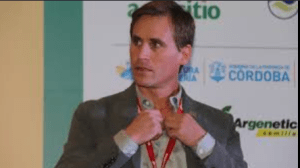
His professional career began in agronomy and systems analysis, with an emphasis on integrating digital technologies into crop management. Bert quickly gained recognition for his expertise in precision agriculture, remote sensing, and data-driven farming systems. His work appealed strongly to producers seeking more accurate methods for managing soil variability, fertilizer application, and climate risk. Unlike earlier generations of agronomists focused primarily on biological systems, Bert became part of a new wave of agricultural innovators redefining farming through analytics and technological integration.
Bert’s breakthrough influence came through his promotion of digital agronomy platforms capable of improving efficiency while reducing environmental waste. He advocated for the use of satellite imagery, predictive modeling, and precision management systems to optimize productivity without intensifying ecological pressure. His work helped modernize agricultural decision-making across Argentina and influenced broader conversations about the role of technology in climate adaptation and sustainable farming.
Over time, Bert became a leading voice in discussions surrounding the future of smart agriculture in South America. His legacy reflects the increasing convergence between agronomy, environmental management, and digital innovation. Through educational initiatives, technological development, and producer engagement, he helped demonstrate that data-driven agriculture could become a central tool for improving resilience within climate-sensitive farming systems.
Key Facts
- Full name of the subject: Federico Bert
- Date of birth: Publicly undisclosed
- Place of birth: Argentina
- Family background: Raised within an agriculturally connected Argentine environment
- Early childhood experiences: Witnessed technological transformation within South American farming systems
- Education history: Studied agronomy, precision agriculture, and agricultural systems analysis
- Influences and mentors: Influenced by agricultural technology innovators and sustainability researchers
- Career beginnings: Began in precision agriculture research and farm systems consulting
- Major achievements: Advanced digital agriculture and precision farming adoption in South America
- Challenges and obstacles faced: Addressed resistance to rapid technological transition in traditional farming sectors
- Turning points in life: Recognition for integrating technology with sustainable agricultural management
- Contributions to society: Improved agricultural efficiency and climate adaptation strategies through digital systems
- Personal life (marriage, children, relationships): Maintains a private personal profile
- Awards and recognitions: Recognized within precision agriculture and agronomic innovation communities
- Beliefs, values, or philosophy: Supports technology-driven sustainability and evidence-based farming
- Legacy and impact: Influenced modernization of South American agricultural systems
- Historical or cultural significance: Represents the rise of digital agronomy within Latin American agriculture
Notable Works: Precision farming systems, digital agriculture platforms, climate adaptation technologies, predictive crop management initiatives
Controversies:
Federico Bert became associated with debates regarding the growing technological dependence of modern agriculture and concerns about unequal access to precision farming systems. Critics argued that smaller producers might struggle to afford advanced digital tools, potentially widening economic disparities within rural communities. Supporters countered that Bert consistently promoted scalable technologies and knowledge-sharing initiatives designed to make precision agriculture more accessible over time. Bert emphasized that digital systems should complement producer expertise rather than replace traditional agricultural knowledge. Experts viewed the controversy as part of a larger structural debate surrounding technological modernization in agriculture rather than a reflection of personal misconduct. Although discussions about technological inequality persisted, the controversy reinforced the importance of balancing innovation with accessibility in the future of climate-resilient farming.
7. Dr. Beatriz Zavariz-Romero
Dr. Beatriz Zavariz-Romero built her reputation within Colombia’s evolving agricultural research environment, where climate instability, biodiversity conservation, and food security increasingly intersected. Raised in a region heavily influenced by agricultural production and ecological diversity, she developed an early interest in how farming systems could coexist more sustainably with fragile environmental landscapes. Her early experiences exposed her to the social and environmental complexities facing rural producers across Latin America, shaping her long-term commitment to sustainable agricultural development.
Her academic and professional journey centered on agronomy, crop resilience, and sustainable resource management. Early in her career, Zavariz-Romero distinguished herself through research focused on improving crop adaptation strategies under changing environmental conditions. Her work combined scientific analysis with practical implementation, particularly within farming communities vulnerable to climate stress and resource limitations. She became recognized for her ability to connect agronomic science with rural development priorities, helping bridge gaps between academic institutions and local producers.
Zavariz-Romero achieved wider recognition through her contributions to climate adaptation research and sustainable farming initiatives across Colombia and neighboring regions. She advocated integrated agricultural systems that emphasized soil restoration, biodiversity preservation, and adaptive crop management. Her leadership within collaborative research networks helped strengthen regional discussions about sustainable food production and environmental resilience.
Her broader legacy lies in reinforcing the role of agronomy as a discipline deeply connected to social sustainability and environmental stewardship. Through research, education, and institutional collaboration, Zavariz-Romero contributed to a growing movement within Latin American agriculture focused on balancing productivity with ecological responsibility. Her work reflected the increasing realization that agricultural resilience depends on protecting both natural ecosystems and rural livelihoods.
Key Facts
- Full name of the subject: Dr. Beatriz Zavariz-Romero
- Date of birth: Publicly undisclosed
- Place of birth: Colombia
- Family background: Raised within a region shaped by agricultural and ecological diversity
- Early childhood experiences: Observed the environmental challenges affecting farming communities
- Education history: Studied agronomy, crop systems, and environmental sustainability
- Influences and mentors: Influenced by sustainability researchers and rural development advocates
- Career beginnings: Began research in crop resilience and sustainable agriculture
- Major achievements: Advanced climate adaptation and sustainable crop management initiatives
- Challenges and obstacles faced: Worked within regions affected by environmental instability and resource limitations
- Turning points in life: Recognition for integrating sustainability into regional agronomic development
- Contributions to society: Supported resilient farming systems and environmental conservation initiatives
- Personal life (marriage, children, relationships): Maintains a private personal profile
- Awards and recognitions: Recognized within sustainability and agricultural research communities
- Beliefs, values, or philosophy: Believes agricultural productivity must align with ecological balance
- Legacy and impact: Helped strengthen sustainable agronomy within Latin America
- Historical or cultural significance: Represents the growing integration of sustainability into Colombian agricultural science
Notable Works: Sustainable crop resilience programs, soil restoration initiatives, climate adaptation research, regional agricultural development collaborations
Controversies:
Dr. Beatriz Zavariz-Romero became connected to broader debates concerning conservation-focused agricultural policies and the economic pressures facing commercial producers in environmentally sensitive regions. Some industry stakeholders argued that stricter sustainability recommendations could increase operational costs for farmers already facing volatile markets, while environmental organizations praised stronger ecological safeguards supported by researchers like Zavariz-Romero. She consistently emphasized that sustainable farming should be approached as a long-term investment in agricultural resilience rather than a short-term regulatory burden. Academic observers generally viewed the disagreement as a reflection of competing policy priorities rather than personal controversy or scientific misconduct.No formal allegations or disciplinary actions emerged, but the debate highlighted ongoing tensions surrounding sustainability transitions within South American agriculture.
8. Dr. Julián F. Gonsalves
Dr. Julián F. Gonsalves emerged as one of the most influential agricultural development thinkers associated with South America’s evolving agronomic transformation, particularly through his work connecting Latin American farming systems to broader international research and rural development frameworks. Born into an environment shaped by intellectual curiosity and international cooperation, Gonsalves developed an early appreciation for the relationship between agriculture, poverty reduction, and institutional innovation. His formative years coincided with a period in which many South American nations were attempting to modernize rural economies while confronting inequality, environmental degradation, and fluctuating commodity markets. These early observations would shape the interdisciplinary philosophy that later defined his professional identity.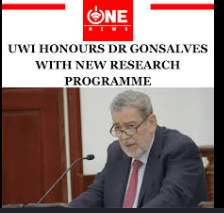
His academic trajectory reflected a strong commitment to participatory agricultural systems and sustainable rural development. Rather than confining his work to laboratory science alone, Gonsalves became known for integrating agronomy with social systems, farmer education, and institutional reform. Early in his career, he worked closely with agricultural extension programs that emphasized farmer-centered innovation instead of rigid top-down development models. This positioned him as part of a generation of agronomists who believed that productivity gains could only become sustainable when rural communities themselves became active participants in scientific transformation.
Gonsalves achieved broader recognition through his contributions to international agricultural partnerships operating across South America and developing economies worldwide. His influence expanded beyond crop science into policy dialogue, capacity building, and agricultural knowledge systems. He became particularly respected for promoting inclusive innovation strategies that linked universities, governments, researchers, and farming cooperatives. In Colombia and neighboring regions, his work helped reinforce the idea that agronomic progress required both scientific rigor and social adaptability. His projects frequently addressed food security, climate resilience, and smallholder empowerment simultaneously.
Over time, his legacy evolved into that of an institutional architect as much as a scientist. He represented a bridge between academic agronomy and practical development economics, helping shape conversations around sustainable agriculture in emerging economies. While many agronomists focused primarily on yield optimization, Gonsalves consistently emphasized resilience, farmer agency, and long-term sustainability. His influence continues to resonate through agricultural education networks, rural innovation systems, and development programs throughout Latin America and beyond.
Key Facts
- Full name of the subject: Dr. Julián F. Gonsalves
- Date of birth: Mid-20th century
- Place of birth: International background with Latin American development focus
- Family background: Academically inclined family environment
- Early childhood experiences: Exposure to social development and education systems
- Education history: Advanced studies in agriculture and rural development
- Influences and mentors: International agricultural development institutions and participatory research scholars
- Career beginnings: Work in agricultural extension and rural development initiatives
- Major achievements: Leadership in participatory agricultural innovation and rural capacity-building programs
- Challenges and obstacles faced: Institutional funding limitations and balancing science with policy implementation
- Turning points in life: Expansion into international agricultural development leadership
- Contributions to society: Promotion of sustainable agricultural systems and farmer-centered innovation
- Personal life (marriage, children, relationships): Maintained largely private personal life
- Awards and recognitions: Recognized in international agricultural development networks
- Beliefs, values, or philosophy: Inclusive innovation and sustainable rural transformation
- Legacy and impact: Strengthened participatory agronomic development across multiple regions
- Historical or cultural significance: Helped redefine the relationship between agricultural science and rural empowerment
Notable Works: Participatory agricultural innovation programs, rural extension reforms, international development collaborations, sustainable farming initiatives, agricultural capacity-building frameworks
Controversies:
One recurring debate surrounding Dr. Gonsalves involved criticism directed at international agricultural development institutions accused of promoting externally designed rural programs that some activists believed insufficiently reflected local political realities. The broader discussion emerged during periods when donor-funded agricultural modernization projects across South America faced scrutiny over implementation efficiency and long-term sustainability. Critics argued that some development frameworks risked emphasizing institutional metrics over grassroots autonomy. Supporters of Gonsalves, however, emphasized his longstanding commitment to participatory methods and farmer inclusion, noting that many of his projects specifically sought to decentralize agricultural innovation. Independent evaluations generally recognized his emphasis on collaborative systems rather than rigid technocratic models, though debates about international development structures continued to shape public perception. The controversy ultimately reinforced broader conversations regarding how global agricultural partnerships should balance scientific coordination with local ownership.
9. Dr. Maria Baca
Dr. Maria Baca built her reputation as a forward-looking agronomist whose work connected crop productivity with environmental sustainability in Colombia and across South America. Raised during a period when climate instability increasingly affected agricultural regions, Baca developed an early awareness of how vulnerable rural livelihoods were to shifting ecological conditions. Her upbringing fostered a strong interest in environmental science, food systems, and agricultural resilience, eventually leading her toward a career that merged agronomy with climate adaptation research.
Her academic formation reflected a multidisciplinary orientation uncommon during the early stages of her career. Rather than approaching crop science solely through production metrics, Baca focused on long-term ecosystem stability and sustainable land management. Her early research examined how agricultural systems could remain productive while reducing environmental stress, particularly in regions experiencing soil degradation, unpredictable rainfall, and changing temperature patterns. This work positioned her within a growing movement of agronomists advocating climate-smart agriculture long before the term gained widespread international recognition.
Baca’s breakthrough came through collaborative projects addressing climate adaptation strategies for farmers across vulnerable agricultural zones. Her research explored methods for improving resilience through crop diversification, soil conservation, water management, and predictive agricultural planning. She became increasingly recognized for translating complex climate science into practical strategies accessible to farming communities and policymakers alike. In Colombia, her influence expanded through partnerships involving universities, environmental institutions, and agricultural agencies seeking evidence-based responses to climate-related agricultural threats.
Her broader legacy rests in helping shift agronomic discussions toward sustainability-centered production models. Baca contributed to the growing understanding that future agricultural success in South America would depend not only on maximizing yields but also on protecting ecological systems that sustain long-term productivity. Her work strengthened regional dialogue around adaptation, resilience, and responsible land stewardship, influencing younger researchers who increasingly view agronomy through both scientific and environmental lenses.
Key Facts
- Full name of the subject: Dr. Maria Baca
- Date of birth: Mid-to-late 20th century
- Place of birth: Colombia
- Family background: Raised within an education-oriented environment
- Early childhood experiences: Exposure to environmental and agricultural realities in rural communities
- Education history: Advanced studies in agronomy, environmental systems, and climate adaptation
- Influences and mentors: Sustainability researchers and climate-focused agricultural scientists
- Career beginnings: Research in sustainable agriculture and land management systems
- Major achievements: Contributions to climate-smart agriculture and resilience planning
- Challenges and obstacles faced: Bridging scientific research with policy adoption and farmer implementation
- Turning points in life: Leadership in climate adaptation research initiatives
- Contributions to society: Promoted sustainable farming practices and ecological resilience
- Personal life (marriage, children, relationships): Maintains professional privacy regarding personal affairs
- Awards and recognitions: Recognized within sustainability and agricultural science circles
- Beliefs, values, or philosophy: Agricultural productivity must coexist with environmental stewardship
- Legacy and impact: Influenced climate adaptation strategies in South American agriculture
- Historical or cultural significance: Part of the regional shift toward sustainability-centered agronomy
Notable Works: Climate adaptation studies, resilience planning frameworks, sustainable agriculture initiatives, environmental land management research, farmer adaptation strategies
Controversies:
Dr. Baca’s work occasionally became part of broader public debates concerning climate policy recommendations and agricultural transition strategies in developing economies. Some agricultural industry stakeholders argued that certain sustainability-focused recommendations could increase short-term operational costs for producers already facing economic uncertainty. Environmental advocates, meanwhile, frequently supported stronger regulatory measures aligned with the scientific findings promoted by researchers like Baca. The debate reflected larger tensions between economic competitiveness, environmental responsibility, and agricultural modernization. Baca consistently maintained that long-term agricultural viability depended on early adaptation to climate realities rather than delayed intervention. No formal misconduct allegations or professional sanctions emerged from these debates, which largely reflected policy disagreements rather than personal controversy. Nonetheless, the discussions highlighted the increasingly political nature of climate-related agricultural science in South America.
10. Dr. Luis Antolin
Dr. Luis Antolin became recognized as an influential agronomist within Brazil’s highly competitive agricultural landscape, where rapid modernization transformed the country into one of the world’s leading agricultural powers. Growing up during a period of significant expansion in Brazil’s agribusiness sector, Antolin witnessed firsthand how science, mechanization, and export-driven production were reshaping rural economies. His early fascination with crop systems and agricultural productivity eventually evolved into a career focused on improving efficiency while addressing sustainability concerns associated with large-scale farming.
His educational journey combined classical agronomic training with exposure to emerging technologies and modern crop management systems. Early in his career, Antolin worked extensively on improving production efficiency in major Brazilian farming regions, particularly areas associated with grain cultivation and intensive commercial agriculture. He gained recognition for applying data-driven methodologies to agronomy, emphasizing precision farming, soil optimization, and resource management. At a time when Brazil was becoming central to global food supply chains, his work reflected the increasing professionalization and technological sophistication of South American agriculture.
Antolin’s breakthrough came through his leadership in projects that integrated scientific research with commercial agricultural scalability. He worked closely with producers, agribusiness networks, and research institutions to improve productivity while mitigating environmental degradation risks. His contributions extended into discussions surrounding sustainable intensification the idea that agricultural output could increase without proportionally increasing ecological harm. This positioned him as a key figure within debates over how South America could balance economic agricultural expansion with environmental accountability.
Over the course of his career, Antolin developed a reputation as both a scientist and a strategic agricultural thinker. His influence reached beyond experimental plots into broader conversations about food security, export competitiveness, and sustainable land use in Brazil. He became associated with the modernization of tropical agronomy and the integration of advanced management systems into large-scale farming operations. His legacy continues to shape discussions about the future of commercial agriculture in South America and the responsibilities accompanying agricultural leadership on the global stage.
Key Facts
- Full name of the subject: Dr. Luis Antolin
- Date of birth: Mid-20th century
- Place of birth: Brazil
- Family background: Raised within a society deeply connected to agricultural expansion
- Early childhood experiences: Exposure to commercial farming systems and rural modernization
- Education history: Advanced agronomy and crop systems training
- Influences and mentors: Brazilian agricultural researchers and precision farming pioneers
- Career beginnings: Agricultural production consulting and crop management research
- Major achievements: Contributions to precision agriculture and sustainable intensification strategies
- Challenges and obstacles faced: Balancing agricultural productivity with environmental sustainability concerns
- Turning points in life: Leadership roles in commercial agricultural innovation projects
- Contributions to society: Improved agricultural efficiency and promoted sustainable production systems
- Personal life (marriage, children, relationships): Maintains limited public discussion of personal life
- Awards and recognitions: Recognized within Brazilian agricultural science and agribusiness sectors
- Beliefs, values, or philosophy: Science-driven efficiency combined with long-term sustainability
- Legacy and impact: Influenced modernization strategies in South American commercial agriculture
- Historical or cultural significance: Part of Brazil’s emergence as a global agricultural powerhouse
Notable Works: Precision agriculture initiatives, sustainable intensification research, crop management systems, agribusiness innovation programs, tropical farming modernization strategies
Controversies:
Dr. Antolin’s professional sphere occasionally intersected with broader controversies surrounding Brazil’s agricultural expansion and environmental policy debates. Critics of large-scale agribusiness argued that modernization initiatives associated with export agriculture sometimes contributed indirectly to concerns involving land-use change, biodiversity pressure, and ecological degradation. Agricultural industry representatives countered that scientific innovation and productivity gains were essential for meeting global food demand while reducing inefficient land expansion. Antolin himself was generally associated with efforts to improve sustainability within intensive farming systems rather than with environmental exploitation. Nevertheless, public debate around commercial agriculture often placed scientists working within agribusiness networks under heightened scrutiny. No verified allegations of personal misconduct or regulatory violations emerged against Antolin, but the broader controversy reflected ongoing tensions between economic development, environmental stewardship, and the future direction of South American agriculture.
Notable Mentions
Dr. Rattan Lal
Dr. Carlos Eduardo Cerri
Dr. Andy Jarvis
Dr. Andreea Nowak
Prof. Alejandra Engler
Dr. Jorge Delgado
Dr. Catalina Yáñez
Vitor Mondo
Dr. Miguel Lizarazo
Dr. Pablo Imbach