
Top 10 Commercial and High-Rise Architects in Europe
Top 10 Commercial and High-Rise Architects in Europe
In This Content
Quick List
Paul de Ruiter (Netherlands)
Andrew Waugh (United Kingdom)
Werner Sobek (Germany)
Borja Ferrater (Spain)
Eva Jiřičná (Czech Republic)
Mikkel Frost (Denmark)
Julian Weyer (Denmark)
Kristian Lars Ahlmark (Denmark)
Simon Frommenwiler (Switzerland)
Filippo Innocenti (Italy)
1. Paul de Ruiter
Few European architects have influenced the sustainability discourse within Asia’s commercial and high-rise architecture sector as profoundly as Paul de Ruiter. Emerging from the Netherlands during a period when environmental design was still viewed as an experimental niche rather than an institutional necessity, de Ruiter built his career around the belief that architecture should function as an intelligent ecosystem rather than merely a visual object. His work became particularly influential across Asia’s rapidly urbanizing economies, where governments and developers sought models capable of balancing density, technological sophistication, and environmental responsibility. Through projects emphasizing energy neutrality, transparency, and flexible commercial infrastructure, he helped redefine what modern corporate architecture could represent in the twenty-first century.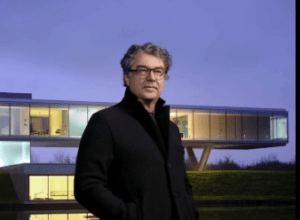
Born and educated in the Netherlands, de Ruiter developed an early fascination with engineering systems, environmental science, and spatial efficiency. Unlike many architects of his generation who pursued highly sculptural aesthetics, he gravitated toward integrated building performance. During his formative years, Dutch architecture was undergoing a transformation shaped by postmodern experimentation and increasing ecological awareness. This environment sharpened his interest in sustainable commercial environments long before “green architecture” became an international development mandate. His academic training encouraged analytical rigor, but his broader worldview was shaped by observing how architecture could influence energy consumption, workplace psychology, and urban health simultaneously.
His professional breakthrough emerged through a series of environmentally advanced office buildings that combined minimalist aesthetics with highly complex technological systems. Developers and institutional clients across Asia increasingly looked toward European expertise as cities such as Singapore, Shanghai, Seoul, and Hong Kong intensified sustainability requirements for commercial towers. De Ruiter’s reputation grew because his buildings avoided performative environmentalism; instead, they integrated passive climate systems, daylight optimization, intelligent ventilation, and adaptable interiors into cohesive architectural identities. He became associated with a generation of architects proving that commercial profitability and ecological responsibility were not opposing forces. His projects demonstrated that sustainability could elevate prestige rather than compromise commercial ambition.
Over time, de Ruiter’s influence extended beyond completed buildings into policy conversations surrounding resilient urbanism. His work resonated strongly in Asian markets confronting pollution, land scarcity, and escalating energy demands. Developers increasingly adopted sustainability metrics not simply as compliance exercises but as branding strategies capable of attracting multinational tenants and institutional investment. De Ruiter’s philosophy aligned perfectly with this transition. His architectural legacy lies not only in physical structures but in helping normalize sustainability as an essential pillar of premium commercial development. In many respects, he contributed to shifting environmental architecture from the margins of design culture into the center of corporate urbanism.
Today, Paul de Ruiter remains regarded as one of the intellectual architects behind the integration of ecological thinking into high-density commercial design. His work continues to influence younger firms throughout Asia that seek to combine transparency, efficiency, and environmental intelligence in increasingly vertical urban landscapes. While many architects pursue spectacle, de Ruiter’s enduring contribution lies in demonstrating that restraint, systems thinking, and sustainability can shape architecture with equal cultural power and economic significance.
Key Facts
- Full name of the subject: Paul de Ruiter
- Date of birth: 1960
- Place of birth: Netherlands
- Family background: Raised in a Dutch middle-class family with strong emphasis on education and innovation
- Early childhood experiences: Developed interest in technology, engineering, and environmental systems from an early age
- Education history: Studied architecture in the Netherlands with focus on sustainability and technical integration
- Influences and mentors: Influenced by Dutch modernism, environmental engineering, and sustainable urban planning movements
- Career beginnings: Started professional practice focusing on energy-efficient commercial architecture
- Major achievements: International recognition for sustainable office buildings and ecological commercial developments
- Challenges and obstacles faced: Faced skepticism during early years when sustainable architecture lacked mainstream commercial support
- Turning points in life: Rise of global sustainability standards increased demand for his environmentally integrated design philosophy
- Contributions to society: Advanced sustainable building technologies and environmentally conscious commercial planning
- Personal life (marriage, children, relationships): Maintains relatively private personal life away from media attention
- Awards and recognitions: Received multiple European sustainability and architecture awards
- Beliefs, values, or philosophy: Believes architecture must create harmony between environmental responsibility and human experience
- Legacy and impact: Helped shape sustainability standards in modern commercial architecture
- Historical or cultural significance: Recognized as a pioneer in integrating ecological intelligence into corporate architecture
Notable Works: Sustainable office complexes in Europe and Asia, environmentally integrated commercial headquarters, energy-neutral building concepts, smart workplace developments
Controversies: One recurring criticism surrounding Paul de Ruiter’s architectural philosophy concerns the perceived economic accessibility of highly sustainable commercial design. Critics within sections of the real-estate industry argued that some environmentally advanced systems associated with his projects increased initial development costs and limited adoption in emerging markets where affordability remained a primary concern. The debate intensified during periods when governments and investors were balancing sustainability ambitions against aggressive commercial expansion targets. Developers skeptical of green certification systems questioned whether long-term operational savings justified high upfront expenditures. Supporters of de Ruiter’s approach countered that lifecycle efficiency, reduced energy consumption, and improved occupant well-being generated measurable long-term financial benefits. Industry analysts noted that many of the technologies initially criticized later became standard expectations within premium office construction. While no major ethical or legal controversy has significantly damaged his reputation, the debate highlighted broader tensions within global architecture between sustainability idealism and commercial pragmatism. Ultimately, the controversy reinforced rather than diminished his influence, as many principles once considered financially impractical eventually became integrated into mainstream urban development policy.
2. Andrew Waugh
Andrew Waugh has emerged as one of the most influential voices in contemporary high-rise architecture through his pioneering advocacy of mass timber construction and sustainable urban density. At a time when concrete and steel remained dominant symbols of metropolitan expansion, Waugh advanced a radically different vision for future cities one centered on renewable materials, carbon reduction, and human-centered urbanism. Although based in the United Kingdom, his influence has resonated deeply across Asia, where rapidly growing cities increasingly confront environmental pressures linked to intensive high-rise construction. His work transformed timber architecture from a boutique ecological experiment into a globally respected model for commercial and residential development.
Waugh’s early life and education were shaped by Britain’s evolving architectural culture during the late twentieth century. He entered the profession during a period when sustainability remained secondary to visual spectacle in many commercial projects. Unlike architects drawn primarily toward iconic formalism, Waugh focused on material innovation and urban responsibility. His academic training exposed him to modernist principles emphasizing clarity and functional honesty, but he soon became fascinated by timber’s structural possibilities and environmental advantages. This interest placed him outside mainstream industry thinking at the time, particularly within high-rise construction sectors heavily dependent on carbon-intensive materials.
His breakthrough came through the internationally recognized success of timber-based urban developments that challenged assumptions about scale, safety, and density. Waugh became closely associated with the argument that engineered timber could fundamentally reshape future skylines. Asian cities facing mounting environmental scrutiny began paying close attention to these ideas, particularly as governments introduced carbon-neutrality targets and sustainable construction mandates. Waugh’s projects demonstrated that ecological responsibility need not compromise sophistication or urban ambition. Instead, timber offered warmth, speed of construction, reduced environmental impact, and new possibilities for human-centered workplaces and residential towers.
As his reputation expanded internationally, Waugh evolved into both architect and public intellectual within global sustainability discourse. He became a prominent advocate for rethinking how cities consume resources, arguing that architecture must operate within planetary environmental limits rather than merely satisfy commercial demand. This perspective resonated strongly in Asia’s rapidly urbanizing regions, where policymakers and developers increasingly recognized the ecological consequences of traditional construction methods. His lectures, publications, and design philosophy helped elevate mass timber from technical curiosity to a credible alternative within global urban planning conversations.
Andrew Waugh’s legacy extends far beyond individual buildings. He has become symbolic of a broader transformation occurring within architecture itself a shift from industrial excess toward regenerative urbanism. His influence can now be seen in the growing number of Asian cities exploring hybrid timber towers, carbon-conscious development strategies, and sustainable commercial districts. By reframing timber as a material for modern metropolitan density rather than rural nostalgia, Waugh fundamentally altered architectural expectations surrounding the future of high-rise construction.
Key Facts
- Full name of the subject: Andrew Waugh
- Date of birth: 1970
- Place of birth: United Kingdom
- Family background: Raised in a culturally aware British family supportive of creative disciplines
- Early childhood experiences: Developed interest in craftsmanship, urban spaces, and material construction
- Education history: Studied architecture in the United Kingdom with emphasis on urban design and sustainability
- Influences and mentors: Influenced by modernist architecture, environmental thinkers, and timber engineering innovators
- Career beginnings: Co-founded architectural practice focused on sustainable urban development
- Major achievements: Internationally recognized pioneer of mass timber architecture and sustainable high-rise concepts
- Challenges and obstacles faced: Faced skepticism regarding structural feasibility and fire safety of timber towers
- Turning points in life: Global climate concerns accelerated recognition of timber as a sustainable construction solution
- Contributions to society: Advanced low-carbon building strategies and sustainable urban design advocacy
- Personal life (marriage, children, relationships): Maintains professional focus with limited public exposure of private life
- Awards and recognitions: Recipient of multiple sustainability and architecture honors internationally
- Beliefs, values, or philosophy: Advocates architecture that reduces environmental impact while improving human well-being
- Legacy and impact: Helped redefine timber as a viable material for high-density urban architecture
- Historical or cultural significance: Became one of the leading voices in sustainable skyscraper discourse
Notable Works: Timber high-rise residential developments, sustainable urban housing projects, mass timber commercial architecture, environmental design advocacy initiatives
Controversies: Andrew Waugh’s advocacy for timber skyscrapers generated extensive debate within engineering, insurance, and regulatory sectors. Critics questioned whether large-scale timber towers could consistently meet fire safety requirements, particularly in dense metropolitan environments vulnerable to catastrophic urban disasters. The controversy intensified as some municipal authorities and construction regulators hesitated to approve ambitious timber high-rise proposals. Opponents argued that enthusiasm for sustainability risked outpacing long-term safety data, while some traditional construction firms viewed the movement as commercially disruptive to established steel and concrete industries. Waugh and supporting engineers responded by citing advances in engineered timber technologies, rigorous fire testing, and international research demonstrating structural resilience under controlled conditions. Independent studies in several jurisdictions supported many of these findings, although debate regarding universal scalability and regulatory adaptation continued. Public perception was further complicated by media simplifications that often framed timber architecture either as revolutionary salvation or dangerous experimentation. Despite the controversy, the debate significantly accelerated research investment and regulatory modernization surrounding sustainable construction materials worldwide.
3. Werner Sobek
Werner Sobek stands among the most intellectually influential architects and engineers shaping contemporary commercial and high-rise architecture. Renowned for combining engineering precision with environmental ambition, Sobek developed a multidisciplinary approach that blurred traditional boundaries between architecture, structural science, and sustainability research. His influence across Asia grew rapidly as cities pursued technologically advanced skyscrapers capable of symbolizing economic power while addressing mounting ecological pressures. Through decades of innovation, Sobek became synonymous with lightweight construction, adaptive systems, and environmentally integrated urban development.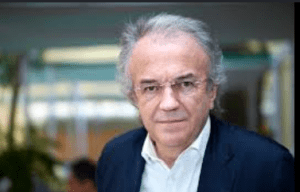
Born in Germany, Sobek’s intellectual development unfolded within a culture deeply rooted in engineering excellence and industrial innovation. Unlike architects who approached buildings primarily through artistic composition, Sobek viewed architecture as a systemic discipline integrating energy, materials, technology, and human experience. His educational background in both architecture and structural engineering profoundly shaped his worldview. During his early career, he became fascinated with efficiency not only spatial efficiency but also material efficiency, environmental performance, and lifecycle sustainability. These interests distinguished him from many contemporaries focused primarily on aesthetic experimentation during the late twentieth century.
Sobek’s career breakthrough emerged through projects that demonstrated extraordinary structural sophistication combined with minimalist elegance. His work attracted global attention because it reconciled technical complexity with visual lightness. As Asia entered a period of unprecedented skyscraper expansion, developers and governments increasingly sought architects capable of delivering technologically advanced landmark structures. Sobek’s expertise aligned perfectly with this demand. His projects emphasized transparency, modular systems, intelligent facades, and reduced environmental impact qualities highly valued in rapidly modernizing commercial hubs such as Singapore, Shanghai, and Seoul. He became particularly influential in promoting the idea that future skyscrapers must function as adaptive environmental systems rather than static monuments.
Beyond his architectural practice, Sobek became a major academic and research figure advocating for carbon-neutral and energy-positive buildings. His theoretical influence spread widely throughout Asia’s architecture schools, engineering institutions, and sustainability forums. He consistently argued that architecture must evolve beyond symbolic prestige and address the realities of resource depletion, climate change, and urban population growth. This intellectual leadership positioned him not merely as a designer but as a global authority on the future of sustainable metropolitan development. His emphasis on interdisciplinary collaboration also helped redefine professional relationships between architects, engineers, and environmental scientists.
Werner Sobek’s legacy lies in proving that high-rise architecture can achieve technical brilliance without sacrificing ecological responsibility. He represents a generation of thinkers who transformed sustainability from a supplementary feature into a foundational design principle. In Asia’s evolving skylines, his influence remains visible in increasingly intelligent commercial towers designed around efficiency, adaptability, and environmental resilience. More than many of his contemporaries, Sobek helped shape the philosophical direction of twenty-first-century urban architecture.
Key Facts
- Full name of the subject: Werner Sobek
- Date of birth: 1953
- Place of birth: Germany
- Family background: Raised in Germany within a technically oriented educational environment
- Early childhood experiences: Developed early interest in mechanics, construction, and design systems
- Education history: Studied architecture and structural engineering in Germany
- Influences and mentors: Influenced by German engineering traditions and sustainable design theorists
- Career beginnings: Began career combining architecture with structural engineering consultancy
- Major achievements: International authority on sustainable architecture and advanced engineering systems
- Challenges and obstacles faced: Faced industry resistance to radical sustainability and lightweight structural concepts
- Turning points in life: Growing international sustainability movement amplified relevance of his architectural philosophy
- Contributions to society: Promoted energy-efficient architecture and interdisciplinary innovation in urban development
- Personal life (marriage, children, relationships): Maintains relatively private personal affairs
- Awards and recognitions: Recipient of numerous international architecture and engineering awards
- Beliefs, values, or philosophy: Believes architecture must minimize environmental impact while maximizing human benefit
- Legacy and impact: Influenced global commercial architecture through sustainable engineering integration
- Historical or cultural significance: Recognized as one of the leading architectural-engineering thinkers of his era
Notable Works: Sustainable skyscraper systems, lightweight structural architecture, intelligent facade engineering projects, environmentally adaptive commercial developments
Controversies: Werner Sobek’s advocacy for technologically advanced sustainable architecture occasionally attracted criticism concerning cost, scalability, and accessibility. Some urban planners and housing advocates argued that highly engineered ecological systems associated with elite commercial projects risked reinforcing architecture as a luxury product accessible primarily to wealthy corporations and governments. The debate intensified during periods when cities faced urgent affordable housing shortages alongside expensive flagship sustainability initiatives. Critics questioned whether technologically intensive environmental solutions could realistically address broader urban inequality. Sobek and his supporters countered that innovation historically enters the market at premium levels before becoming standardized and more accessible over time. Engineering experts also defended the long-term operational savings and environmental benefits generated by advanced systems. Another layer of criticism emerged from architects who believed excessive technological reliance risked diminishing cultural and social dimensions of architecture. However, no major legal or ethical misconduct has significantly affected Sobek’s professional standing. Instead, the controversy largely reflected broader tensions within global architecture regarding the balance between innovation, sustainability, affordability, and social equity.
4. Borja Ferrater
Borja Ferrater emerged from one of Spain’s most architecturally influential families and developed into a globally respected figure in commercial and urban architecture through a design philosophy rooted in Mediterranean modernism, spatial clarity, and civic integration. Although deeply connected to the architectural traditions of Barcelona, Ferrater’s influence increasingly expanded into Asia as commercial developers and urban planners sought architectural models capable of balancing density with human-scale urban experiences. His work became especially admired for its ability to merge elegant minimalism with functional adaptability, qualities highly valued in Asia’s rapidly evolving business districts and mixed-use developments.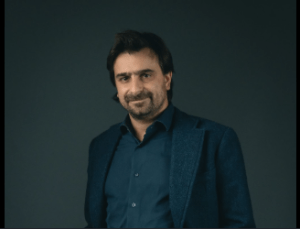
Born into an environment shaped by architectural dialogue and design culture, Ferrater was exposed to urban planning, artistic discourse, and structural experimentation from an early age. Growing up in Spain during the post-Franco modernization era, he witnessed cities undergoing dramatic social and architectural transformation. These formative experiences profoundly influenced his understanding of architecture as both a cultural instrument and an economic force. His educational background emphasized technical discipline, but Ferrater also absorbed the intellectual traditions of Catalan urbanism, which prioritize public interaction, climate sensitivity, and spatial continuity rather than isolated monumentalism.
Ferrater’s professional breakthrough developed gradually through large-scale urban and commercial projects that demonstrated remarkable compositional balance. His architectural language rejected excessive formal spectacle in favor of restrained sophistication and contextual intelligence. This approach resonated strongly in parts of Asia where cities sought internationally recognizable commercial architecture without sacrificing urban coherence. Developers appreciated his ability to create high-density environments that still preserved accessibility, natural light, and civic engagement. His projects reflected a belief that commercial buildings should contribute positively to urban ecosystems rather than exist solely as symbols of corporate dominance.
As globalization accelerated architectural exchange between Europe and Asia, Ferrater became associated with a generation of designers who advocated integrated urbanism over isolated landmark architecture. His influence extended beyond individual buildings into broader conversations about sustainable urban growth and mixed-use planning. Asian cities confronting congestion, environmental pressures, and fragmented public spaces increasingly embraced the type of urban continuity present in Ferrater’s work. He consistently argued that successful commercial architecture must address pedestrian experience, environmental responsiveness, and long-term urban resilience rather than temporary visual impact.
Today, Borja Ferrater is recognized as an architect whose work embodies balance between density and openness, commercial ambition and civic responsibility, modernity and contextual sensitivity. His influence within Asia reflects a growing appreciation for architecture that prioritizes urban harmony over spectacle. In an era dominated by aggressive skyline competition, Ferrater’s restrained sophistication continues to offer an alternative vision for the future of commercial and high-rise development.
Key Facts
- Full name of the subject: Borja Ferrater
- Date of birth: 1960s
- Place of birth: Spain
- Family background: Born into a prominent Spanish architectural family with strong cultural and artistic influences
- Early childhood experiences: Grew up surrounded by architectural discussions and urban design culture
- Education history: Studied architecture in Spain with focus on urban integration and modernist principles
- Influences and mentors: Influenced by Catalan modernism, Mediterranean urbanism, and European civic architecture traditions
- Career beginnings: Began career working on urban and commercial developments in Spain
- Major achievements: International recognition for commercial, mixed-use, and urban integration projects
- Challenges and obstacles faced: Navigated economic fluctuations affecting large-scale urban development markets
- Turning points in life: Expansion of global architecture networks increased international demand for his urban design philosophy
- Contributions to society: Promoted human-centered urbanism and sustainable commercial planning
- Personal life (marriage, children, relationships): Maintains relatively private personal and family life
- Awards and recognitions: Recipient of international architecture and urban design honors
- Beliefs, values, or philosophy: Believes architecture should strengthen public interaction and urban continuity
- Legacy and impact: Influenced integrated commercial urbanism across Europe and Asia
- Historical or cultural significance: Represents contemporary Mediterranean influence within global commercial architecture
Notable Works: Mixed-use urban developments, commercial masterplans, civic-integrated office complexes, contemporary Mediterranean urban architecture projects
Controversies: Borja Ferrater’s architectural philosophy occasionally attracted criticism from developers and urban commentators who believed his emphasis on contextual integration and restrained aesthetics lacked the visual aggressiveness increasingly associated with global commercial branding. During the rise of iconic skyline architecture in the early twenty-first century, some critics argued that cities competing for international visibility favored dramatic landmark structures over the more measured urban continuity Ferrater advocated. Developers focused on high-profile branding occasionally viewed his contextual approach as commercially conservative. Conversely, urban planners and architectural critics often praised his resistance to spectacle-driven development, arguing that his projects aged more gracefully within evolving city environments. Another area of debate emerged around urban redevelopment projects where concerns were raised regarding gentrification and rising property values linked to large-scale modernization initiatives. While Ferrater was not personally implicated in misconduct, broader public discussions questioned how contemporary commercial architecture contributes to social displacement in rapidly transforming urban centers. Supporters maintained that many such pressures were tied to larger economic systems rather than individual architects. The controversy ultimately reflected wider global debates about urban modernization, commercial identity, and social sustainability within contemporary city planning.
5. Eva Jiřičná
Eva Jiřičná stands as one of the most influential architects and designers of her generation, celebrated for bringing elegance, structural precision, and emotional lightness into commercial architecture. Originally from the Czech Republic and later internationally recognized through her work in the United Kingdom and beyond, Jiřičná built a career defined by refined modernism and meticulous spatial detailing. Her influence across Asia grew steadily as luxury commercial developments, high-end retail architecture, and sophisticated urban interiors increasingly embraced minimalist European aesthetics during the globalization era.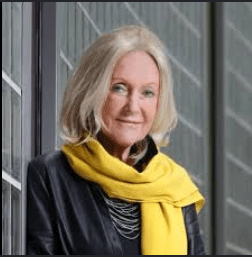
Born in Czechoslovakia during a politically restrictive period, Jiřičná’s early life was shaped by cultural tension, intellectual discipline, and artistic ambition. She studied architecture within a system constrained by state ideology yet intellectually rich in engineering and technical rigor. These formative experiences cultivated her appreciation for precision, structure, and disciplined design thinking. Following political upheaval and broader professional opportunities abroad, she eventually established herself internationally, navigating the architectural world at a time when female architects faced significant institutional barriers within a heavily male-dominated profession.
Her breakthrough came through highly acclaimed commercial interiors and retail environments that combined transparency, fluidity, and structural sophistication. Jiřičná became internationally recognized for signature design elements including elegant glass staircases, lightweight steel detailing, and luminous spatial compositions. As Asian luxury retail markets expanded dramatically in cities such as Hong Kong, Tokyo, Singapore, and Shanghai, her aesthetic language resonated deeply with global brands seeking refined architectural identities. Her work demonstrated that commercial architecture could be both technically advanced and emotionally engaging without relying on excessive ornamentation or monumental scale.
Over time, Jiřičná evolved into a symbol of architectural resilience and artistic integrity. Beyond her buildings, she became influential as a mentor, educator, and advocate for greater representation within architecture. Her career inspired younger generations of architects, particularly women entering high-level commercial and urban design sectors. In Asia, where international luxury architecture increasingly shaped commercial districts, Jiřičná’s work influenced the growing preference for clean lines, material transparency, and understated sophistication in premium developments. Her projects proved that subtlety could possess enormous cultural and commercial power.
Today, Eva Jiřičná is widely regarded as one of the defining figures in contemporary architectural minimalism. Her legacy extends beyond iconic interiors into broader architectural culture itself. She helped reshape expectations regarding commercial elegance, structural beauty, and gender representation within the profession. In many ways, her career reflects the globalization of architectural influence during the late twentieth and early twenty-first centuries, where design excellence transcended geographic and political boundaries.
Key Facts
- Full name of the subject: Eva Jiřičná
- Date of birth: March 3, 1939
- Place of birth: Zlín, Czechoslovakia
- Family background: Raised in an educated Czech family with strong intellectual influences
- Early childhood experiences: Grew up during wartime and postwar political transformation in Eastern Europe
- Education history: Studied architecture in Prague before continuing professional development internationally
- Influences and mentors: Influenced by modernist engineering, European minimalism, and structural innovation
- Career beginnings: Started career in Czechoslovakia before relocating to the United Kingdom
- Major achievements: Internationally acclaimed for luxury commercial interiors and minimalist architectural design
- Challenges and obstacles faced: Overcame political displacement and gender barriers within architecture industry
- Turning points in life: Relocation to London opened access to international commercial architecture opportunities
- Contributions to society: Inspired generations of architects through mentorship and refined architectural practice
- Personal life (marriage, children, relationships): Maintains relatively private personal life
- Awards and recognitions: Recipient of major international architecture and design awards
- Beliefs, values, or philosophy: Believes architecture should create emotional clarity through structural precision and simplicity
- Legacy and impact: Redefined minimalist commercial interiors and luxury architectural aesthetics
- Historical or cultural significance: One of the most influential female architects in modern European architecture
Notable Works: Luxury retail interiors, glass staircase designs, commercial flagship stores, minimalist office environments, international exhibition architecture
Controversies: Eva Jiřičná has largely avoided major personal scandals or ethical disputes throughout her career, though aspects of her work occasionally became part of broader debates concerning luxury architecture and commercial exclusivity. Critics of high-end retail architecture argued that some projects associated with global luxury brands contributed to widening cultural divisions between elite consumer spaces and ordinary urban environments. These discussions intensified as luxury commercial districts expanded throughout major Asian cities, sometimes accelerating concerns over urban inequality and gentrification. Architectural critics also debated whether minimalist luxury aesthetics risked prioritizing visual refinement over broader social accessibility. Supporters countered that Jiřičná’s work consistently demonstrated exceptional craftsmanship, spatial intelligence, and architectural restraint rarely achieved within commercially driven environments. Industry observers emphasized that her influence extended far beyond luxury branding into technical innovation and professional mentorship. Importantly, no major legal misconduct, corruption allegations, or ethical violations have significantly affected her reputation. The limited controversies surrounding her career primarily reflected larger cultural debates about globalization, luxury consumerism, and the social role of premium commercial architecture.
6. Mikkel Frost
Mikkel Frost emerged as one of Scandinavia’s most recognizable contemporary architects through a design philosophy emphasizing human-centered urbanism, social interaction, and environmentally responsive commercial development. As a founding partner of the internationally acclaimed Danish architecture firm CEBRA, Frost helped shape a new generation of commercial and mixed-use architecture that prioritizes community experience alongside economic performance. His growing influence across Asia reflected increasing demand for urban developments capable of balancing density, sustainability, and social connectivity in rapidly expanding metropolitan regions.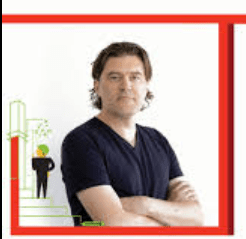
Raised in Denmark within a culture deeply committed to design excellence and social welfare principles, Frost developed an early appreciation for architecture’s relationship to public life. Scandinavian architecture traditionally emphasizes accessibility, simplicity, and human well-being, and these values became foundational to his worldview. His education exposed him to both modernist traditions and emerging environmental concerns that were beginning to reshape architectural priorities globally. Rather than viewing buildings as isolated visual objects, Frost approached architecture as part of broader urban ecosystems designed to improve collective human experience.
His professional breakthrough came through innovative mixed-use developments, educational buildings, and commercial environments that integrated playful spatial organization with sophisticated environmental thinking. Frost’s work gained international attention because it resisted the impersonal scale often associated with high-density urban construction. This philosophy resonated strongly in Asian cities increasingly confronting issues of social fragmentation, urban stress, and over-commercialization. Developers and municipal planners saw value in projects that encouraged interaction, walkability, and public engagement without compromising commercial viability. Frost’s architecture demonstrated that large-scale urban development could remain emotionally accessible and socially responsive.
As CEBRA expanded internationally, Frost became associated with a broader movement redefining commercial architecture around experience rather than pure monumentality. His projects often emphasized flexibility, natural light, public circulation, and environmental integration. In Asia, where large mixed-use districts increasingly function as self-contained urban ecosystems, his ideas found particular relevance. Frost advocated architecture that could evolve alongside changing patterns of work, mobility, and social behavior. This adaptability became increasingly important as global cities confronted technological disruption and shifting workplace cultures during the twenty-first century.
Mikkel Frost’s influence lies in helping commercial architecture rediscover its human dimension. While many global developments pursued scale and spectacle, Frost consistently emphasized emotional accessibility and civic participation. His legacy continues to shape conversations about how future Asian cities can remain livable, socially connected, and environmentally resilient despite unprecedented urban density. Through both built projects and conceptual leadership, he represents a more humane vision of metropolitan growth.
Key Facts
- Full name of the subject: Mikkel Frost
- Date of birth: 1970s
- Place of birth: Denmark
- Family background: Raised in Denmark within socially progressive and design-oriented cultural environment
- Early childhood experiences: Developed early interest in urban spaces, creativity, and Scandinavian design traditions
- Education history: Studied architecture in Denmark with focus on urbanism and sustainability
- Influences and mentors: Influenced by Scandinavian modernism, human-centered urban planning, and environmental architecture
- Career beginnings: Co-founded CEBRA and began working on experimental urban and educational projects
- Major achievements: International recognition for socially responsive commercial and mixed-use architecture
- Challenges and obstacles faced: Faced pressure balancing commercial expectations with socially driven design philosophy
- Turning points in life: International expansion of Scandinavian architecture increased global visibility of his work
- Contributions to society: Promoted architecture prioritizing public interaction and environmental responsibility
- Personal life (marriage, children, relationships): Keeps personal affairs largely private
- Awards and recognitions: Received international architecture and urban design awards
- Beliefs, values, or philosophy: Believes architecture should improve collective human experience and social well-being
- Legacy and impact: Helped redefine commercial urbanism through socially integrated design principles
- Historical or cultural significance: Represents contemporary Scandinavian influence in global urban architecture
Notable Works: Mixed-use urban developments, commercial innovation hubs, educational architecture, socially integrated office environments, sustainable masterplanning projects
Controversies: Mikkel Frost and the broader Scandinavian urban design philosophy associated with his work occasionally faced criticism regarding practicality and scalability within highly commercialized global markets. Some developers argued that socially oriented architecture emphasizing public interaction and flexible communal spaces could reduce short-term profitability compared to more commercially optimized high-density projects. Debates intensified in rapidly urbanizing Asian cities where land values and development pressures often prioritized maximum economic return. Critics also questioned whether Scandinavian human-centered design models could be effectively transplanted into vastly different cultural, economic, and climatic conditions. Frost and his supporters maintained that socially integrated architecture generates long-term urban value by improving public well-being, tenant satisfaction, and environmental resilience. Urban researchers frequently supported these claims through studies linking livable environments with stronger economic sustainability over time. While no major personal scandal or legal controversy has significantly affected Frost’s reputation, the broader debate surrounding his work reflects ongoing tensions between human-centered urban planning and aggressive commercial urbanization in global megacities.
7. Julian Weyer
Julian Weyer has become one of the defining architectural voices associated with contemporary Scandinavian urbanism, sustainability, and commercial placemaking. As a leading figure within the internationally influential Danish firm C.F. Møller Architects, Weyer helped shape major commercial, mixed-use, and civic developments that prioritize environmental responsibility alongside urban livability. His growing prominence in Asia reflects the region’s increasing interest in sustainable masterplanning, integrated commercial districts, and architecture capable of balancing rapid modernization with long-term human well-being.
Born and educated in Denmark, Weyer grew up within a society internationally admired for its urban planning culture and commitment to social infrastructure. Scandinavian cities traditionally emphasize public accessibility, pedestrian life, and environmental integration, values that deeply informed his architectural philosophy from an early stage. During his education, he encountered a design culture that treated sustainability not as a stylistic trend but as a civic obligation. This perspective would later become central to his professional identity as cities around the world began confronting climate pressures, urban congestion, and changing workplace dynamics.
Weyer’s professional rise coincided with the globalization of Nordic architecture during the early twenty-first century. His projects attracted attention for combining commercial sophistication with strong environmental and civic sensibilities. Rather than creating isolated corporate monuments, he focused on designing integrated urban ecosystems where offices, residential functions, public spaces, and transportation networks operated cohesively. This approach resonated particularly strongly in Asia, where rapidly expanding metropolitan regions sought alternatives to fragmented and environmentally damaging urban growth. Weyer’s projects demonstrated that high-density commercial development could remain accessible, sustainable, and socially functional.
As his international profile expanded, Weyer became associated with a broader movement advocating resilient urbanism and climate-responsive architecture. His work emphasized daylight optimization, energy efficiency, landscape integration, and long-term adaptability. Asian governments and developers increasingly viewed such principles as essential rather than optional, particularly in cities vulnerable to environmental stress and infrastructure overload. Weyer’s architecture reflected the idea that future commercial districts must function not only as economic engines but also as healthy urban communities capable of sustaining social and environmental balance.
Today, Julian Weyer is regarded as a major contributor to the internationalization of Scandinavian urban design principles. His projects continue to influence how Asian cities conceptualize mixed-use density, public engagement, and ecological integration within commercial development. More than many architects associated purely with visual spectacle, Weyer’s significance lies in advancing architecture that seeks equilibrium between commerce and community, density and livability, technological sophistication and environmental restraint.
Key Facts
- Full name of the subject: Julian Weyer
- Date of birth: 1970s
- Place of birth: Denmark
- Family background: Raised within Denmark’s socially progressive and design-conscious culture
- Early childhood experiences: Developed appreciation for urban livability and Scandinavian architectural traditions
- Education history: Studied architecture in Denmark with emphasis on sustainability and urban integration
- Influences and mentors: Influenced by Nordic urban planning, environmental architecture, and modernist civic design
- Career beginnings: Joined C.F. Møller Architects and worked on integrated urban development projects
- Major achievements: International recognition for sustainable mixed-use and commercial architecture
- Challenges and obstacles faced: Navigated pressures of balancing commercial demands with environmental priorities
- Turning points in life: International demand for Nordic sustainability models elevated his global profile
- Contributions to society: Promoted resilient urban planning and environmentally integrated architecture
- Personal life (marriage, children, relationships): Maintains relatively private personal life
- Awards and recognitions: Recipient of multiple architecture and sustainability awards through collaborative practice
- Beliefs, values, or philosophy: Believes architecture must strengthen environmental resilience and social accessibility
- Legacy and impact: Helped globalize Scandinavian principles of sustainable commercial urbanism
- Historical or cultural significance: Important figure in contemporary Nordic influence on Asian urban development
Notable Works: Sustainable mixed-use districts, commercial masterplans, integrated office developments, climate-responsive urban projects, civic-commercial hybrid architecture
Controversies: Julian Weyer’s work occasionally became part of broader professional debates concerning sustainability branding and large-scale urban redevelopment. Critics within some architectural and social policy circles argued that environmentally branded commercial districts can sometimes function more as prestige marketing tools than genuinely inclusive urban solutions. Concerns were raised in certain redevelopment projects regarding rising property costs, displacement pressures, and the commercialization of public space. These criticisms reflected wider anxieties surrounding global urban transformation rather than direct allegations of personal misconduct against Weyer himself. Supporters argued that his projects consistently emphasized public accessibility, ecological integration, and long-term environmental responsibility in ways that exceeded industry norms. Urban planning experts also noted that many challenges associated with redevelopment are driven by political and economic systems beyond the direct control of architects. Another debate centered on whether Nordic urban models could be universally applied across diverse Asian contexts with differing social structures, climates, and development pressures. While the discussion remains ongoing, Weyer’s work continues to be widely respected for advancing sustainability and integrated urbanism within commercial architecture.
8. Kristian Lars Ahlmark
Kristian Lars Ahlmark has become one of the most influential Scandinavian architects shaping contemporary commercial and high-rise architecture through a design philosophy rooted in environmental sensitivity, social functionality, and urban integration. As a leading figure at the internationally recognized Danish architectural firm Schmidt Hammer Lassen Architects, Ahlmark helped define a generation of projects that prioritize civic engagement and sustainable urban density. His influence expanded significantly across Asia as governments and private developers increasingly searched for architectural models capable of supporting rapid modernization without sacrificing human-centered urban life.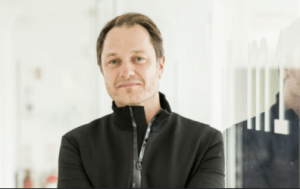
Born and raised in Denmark, Ahlmark grew up within a cultural environment deeply invested in design excellence and public infrastructure. Scandinavian architecture traditionally places strong emphasis on accessibility, natural light, and democratic urban space, principles that became foundational to his professional outlook. During his formative years, he observed how architecture could shape social interaction and public well-being rather than merely symbolize economic power. His education reinforced these ideals while exposing him to emerging conversations surrounding sustainability, climate adaptation, and urban resilience that would later dominate international architecture discourse.
Ahlmark’s professional rise occurred during a transformative period in global commercial architecture. Cities across Asia were expanding vertically at unprecedented speed, creating demand for architects capable of balancing large-scale commercial ambition with environmental and civic responsibility. His projects attracted international attention because they emphasized openness, transparency, and integration with surrounding urban systems. Rather than designing isolated skyscrapers functioning solely as economic symbols, Ahlmark focused on creating mixed-use environments that encouraged pedestrian interaction, public accessibility, and long-term urban adaptability. This philosophy resonated strongly in Asian cities confronting congestion, environmental degradation, and increasingly fragmented urban experiences.
As his international influence expanded, Ahlmark became associated with a broader architectural movement advocating sustainable metropolitan growth and socially conscious development. His work demonstrated that high-density commercial architecture could remain humane, environmentally responsive, and culturally integrated. Asian developers increasingly valued these principles as global sustainability metrics, environmental regulations, and quality-of-life expectations began reshaping urban investment priorities. Through commercial districts, mixed-use developments, and institutional projects, Ahlmark consistently emphasized architecture’s responsibility to contribute positively to civic life rather than operate as isolated corporate spectacle.
Today, Kristian Lars Ahlmark is recognized as one of the most important contemporary interpreters of Scandinavian urban philosophy within the global commercial architecture landscape. His influence across Asia reflects a growing shift away from purely iconic skyscraper competition toward more balanced models of urban development. In a century increasingly defined by climate concerns and social complexity, Ahlmark’s work represents an architecture of restraint, responsibility, and long-term civic vision.
Key Facts
- Full name of the subject: Kristian Lars Ahlmark
- Date of birth: 1970s
- Place of birth: Denmark
- Family background: Raised within Denmark’s socially progressive and design-oriented culture
- Early childhood experiences: Developed early interest in urban spaces, public environments, and Scandinavian architecture
- Education history: Studied architecture in Denmark with focus on sustainability and civic urbanism
- Influences and mentors: Influenced by Nordic modernism, sustainable planning, and democratic urban design traditions
- Career beginnings: Began career working on large-scale Scandinavian urban and commercial projects
- Major achievements: International recognition for sustainable commercial and mixed-use developments
- Challenges and obstacles faced: Faced pressure balancing commercial density with socially responsive design ideals
- Turning points in life: Rising global demand for sustainable urbanism expanded international influence of his work
- Contributions to society: Promoted environmentally integrated and socially accessible architecture
- Personal life (marriage, children, relationships): Maintains relatively private personal and family life
- Awards and recognitions: Recipient of international architecture and sustainability honors through collaborative practice
- Beliefs, values, or philosophy: Believes architecture must improve urban life while respecting environmental limits
- Legacy and impact: Influenced global adoption of Scandinavian principles in commercial urban development
- Historical or cultural significance: Important figure in contemporary sustainable commercial architecture discourse
Notable Works: Sustainable mixed-use developments, commercial urban masterplans, integrated office districts, civic-commercial hybrid projects, environmentally responsive high-density architecture
Controversies: Kristian Lars Ahlmark’s projects occasionally became part of broader debates surrounding large-scale urban redevelopment and sustainability-driven commercial expansion. Critics in some urban policy circles argued that environmentally branded developments associated with internationally acclaimed firms can unintentionally accelerate gentrification and rising land values in rapidly transforming city centers. Concerns were particularly pronounced in parts of Asia where redevelopment pressures displaced smaller businesses and lower-income communities. While no allegations of personal misconduct or unethical conduct have significantly affected Ahlmark’s reputation, the debate highlighted tensions between progressive architectural ideals and market-driven urban economics. Supporters argued that his projects consistently emphasized public accessibility, environmental performance, and social integration far beyond conventional commercial standards. Urban planning experts also noted that displacement pressures often result from political and financial systems extending beyond architectural control. Another criticism involved whether Scandinavian urban planning principles could be universally adapted across diverse Asian cultural and climatic contexts. Despite these discussions, Ahlmark’s work remains widely respected for advancing sustainability and civic responsibility within global commercial architecture.
9. Simon Frommenwiler
Simon Frommenwiler has established himself as one of the most technically sophisticated and globally influential architects working in contemporary commercial and high-rise architecture. Best known for his leadership role within the internationally renowned firm Herzog & de Meuron, Frommenwiler became closely associated with a generation of projects that merged urban ambition, material experimentation, and refined structural expression. His work gained significant recognition across Asia as cities sought internationally respected architects capable of producing culturally distinctive commercial landmarks within increasingly competitive global skylines.
Born in Switzerland, Frommenwiler developed within a national architectural culture celebrated for precision, craftsmanship, and engineering rigor. Swiss architecture has long emphasized restraint, technical mastery, and material authenticity, qualities that profoundly shaped his professional identity. During his academic formation, he encountered both European modernist traditions and emerging global debates surrounding urban density, sustainability, and cultural identity. These influences encouraged him to approach architecture not merely as image-making but as a deeply intellectual and technical discipline capable of shaping urban experience at multiple scales.
Frommenwiler’s career breakthrough emerged through his involvement in internationally acclaimed projects that blurred the line between commercial architecture and cultural expression. His work became especially influential in Asia during the region’s rapid economic expansion and architectural globalization. Cities such as Beijing, Hong Kong, Singapore, and Tokyo increasingly commissioned internationally recognized firms to create signature developments reflecting economic confidence and global relevance. Frommenwiler’s projects stood out because they combined technical sophistication with contextual sensitivity, avoiding purely superficial spectacle while still delivering iconic urban presence. His architecture emphasized texture, material innovation, and carefully calibrated relationships between public and private space.
As his reputation expanded, Frommenwiler became associated with a broader transformation in commercial architecture one in which high-rise and mixed-use developments increasingly functioned as cultural symbols rather than isolated corporate containers. His work reflected the growing expectation that landmark commercial projects should contribute to urban identity, civic interaction, and long-term sustainability. In Asia, where architecture often became intertwined with national branding and global investment strategies, these qualities proved especially valuable. Frommenwiler consistently demonstrated that commercial architecture could achieve global recognition without abandoning contextual intelligence or architectural depth.
Today, Simon Frommenwiler remains recognized as a major contributor to the evolution of contemporary urban architecture. His influence extends beyond completed buildings into broader professional conversations surrounding density, materiality, and cultural expression within global commercial development. In many ways, his career reflects the increasing convergence between architecture, branding, urban policy, and international cultural exchange during the twenty-first century.
Key Facts
- Full name of the subject: Simon Frommenwiler
- Date of birth: 1970s
- Place of birth: Switzerland
- Family background: Raised within Switzerland’s culturally rich and technically oriented environment
- Early childhood experiences: Developed fascination with precision, construction, and urban form from an early age
- Education history: Studied architecture in Switzerland with emphasis on technical rigor and urban design
- Influences and mentors: Influenced by Swiss modernism, material experimentation, and European urban theory
- Career beginnings: Joined internationally acclaimed architectural practice working on large-scale urban developments
- Major achievements: Recognition for internationally significant commercial and mixed-use architectural projects
- Challenges and obstacles faced: Navigated increasing pressures surrounding globalized commercial architecture and cultural identity
- Turning points in life: Expansion of Asian commercial megaprojects increased international visibility of his work
- Contributions to society: Advanced architectural dialogue surrounding material innovation and urban integration
- Personal life (marriage, children, relationships): Keeps personal life largely outside public discussion
- Awards and recognitions: Recipient of major international architecture honors through collaborative practice
- Beliefs, values, or philosophy: Believes architecture must balance technical excellence with cultural meaning
- Legacy and impact: Influenced contemporary commercial architecture through refined urban and material strategies
- Historical or cultural significance: Important figure in globalization of European architectural influence across Asia
Notable Works: International mixed-use developments, landmark commercial towers, urban cultural-commercial hybrids, architecturally integrated public spaces, material-driven commercial projects
Controversies: Simon Frommenwiler’s work occasionally became linked to broader debates surrounding global landmark architecture, urban branding, and the social consequences of prestige-driven development. Critics argued that internationally commissioned megaprojects involving elite architecture firms sometimes prioritized symbolic visibility and investor appeal over local affordability or social equity. In several rapidly expanding Asian cities, public discussions emerged regarding whether iconic commercial developments contributed to widening economic disparities and accelerated redevelopment pressures. Although no personal legal misconduct or ethical scandal significantly affected Frommenwiler’s reputation, these debates reflected growing skepticism toward globalization-era architecture associated with luxury commercial urbanism. Supporters maintained that many projects contributed substantial public infrastructure improvements, cultural visibility, and urban regeneration benefits. Architectural scholars also emphasized that Frommenwiler’s work consistently demonstrated higher levels of contextual sensitivity and material sophistication than many commercially driven landmark developments. Another point of debate involved the increasing homogenization of international skyline aesthetics, with critics questioning whether globally commissioned architecture risked weakening local identity. Nevertheless, Frommenwiler’s projects remain widely respected for combining technical refinement with urban intelligence in highly complex metropolitan environments.
10. Filippo Innocenti
Filippo Innocenti has emerged as one of the most dynamic figures connecting engineering innovation, environmental technology, and contemporary commercial architecture. Best known for his leadership role within global engineering and design networks, Innocenti became influential through projects emphasizing sustainability, smart infrastructure, and technologically advanced urban systems. His growing presence across Asia reflects the region’s increasing demand for architects and engineers capable of delivering resilient, environmentally responsive commercial developments suited for rapidly evolving megacities.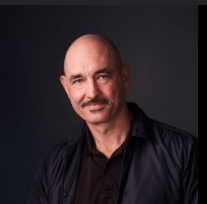
Born in Italy, Innocenti grew up within a country celebrated for its architectural history, engineering culture, and artistic legacy. From an early age, he developed strong interests in both technical systems and spatial design, eventually pursuing an educational path that integrated engineering precision with architectural thinking. Unlike designers focused purely on visual composition, Innocenti approached architecture as a multidisciplinary framework involving energy systems, mobility, digital technology, and environmental performance. His formative years coincided with rising international awareness surrounding climate change and sustainable urbanization, themes that would become central to his professional career.
Innocenti’s breakthrough emerged through technologically sophisticated commercial and infrastructure projects that prioritized long-term sustainability and intelligent urban performance. As Asian cities accelerated investment in smart-city initiatives, transportation integration, and climate-resilient commercial districts, his expertise became increasingly valuable. His projects emphasized adaptability, energy optimization, and integrated urban systems capable of supporting dense metropolitan populations. Developers and policymakers viewed his work as representative of a new generation of architecture where engineering intelligence and environmental responsibility operate together rather than separately.
Over time, Innocenti became associated with the growing convergence between architecture, digital infrastructure, and environmental strategy. His influence extended beyond individual projects into broader conversations surrounding future cities, urban resilience, and low-carbon development. In Asia particularly, where governments aggressively pursued modernization while confronting environmental vulnerability, his multidisciplinary approach resonated strongly. Innocenti consistently advocated for architecture that could respond dynamically to technological change, resource pressures, and evolving patterns of urban mobility. His work reflected the belief that future commercial architecture must function as part of interconnected urban ecosystems rather than isolated structures.
Today, Filippo Innocenti is recognized as a leading voice in technologically integrated sustainable urbanism. His influence continues to shape how commercial architecture is conceived within increasingly data-driven and environmentally conscious cities. More than many traditional architects, Innocenti represents the future-oriented convergence of engineering, infrastructure, sustainability, and metropolitan planning. His career illustrates how the role of the architect has evolved from static building designer into strategic urban systems thinker.
Key Facts
- Full name of the subject: Filippo Innocenti
- Date of birth: 1970s
- Place of birth: Italy
- Family background: Raised within Italy’s culturally rich architectural and engineering environment
- Early childhood experiences: Developed interest in technology, infrastructure, and design systems from an early age
- Education history: Studied engineering and architecture-related disciplines in Italy
- Influences and mentors: Influenced by Italian engineering traditions, sustainable urbanism, and technological innovation
- Career beginnings: Started career working on multidisciplinary infrastructure and commercial development projects
- Major achievements: International recognition for technologically integrated sustainable urban projects
- Challenges and obstacles faced: Faced complexities of integrating advanced sustainability systems into large-scale developments
- Turning points in life: Rise of smart-city development increased global relevance of his expertise
- Contributions to society: Advanced climate-responsive urban systems and sustainable infrastructure integration
- Personal life (marriage, children, relationships): Maintains relatively private personal life
- Awards and recognitions: Recipient of international engineering and urban development recognitions
- Beliefs, values, or philosophy: Believes future architecture must integrate environmental intelligence with technological adaptability
- Legacy and impact: Helped shape interdisciplinary thinking in modern commercial urban development
- Historical or cultural significance: Represents convergence of engineering, sustainability, and future-city planning
Notable Works: Smart-city commercial districts, sustainable infrastructure developments, integrated transportation-commercial projects, technologically advanced mixed-use environments, climate-responsive urban systems
Controversies: Filippo Innocenti’s work occasionally became involved in broader public debates surrounding smart-city technologies, data-driven urban infrastructure, and the growing corporatization of metropolitan planning. Critics within urban policy and privacy advocacy circles questioned whether technologically integrated commercial developments risked increasing dependence on surveillance systems, corporate-controlled data networks, and highly centralized urban management structures. These concerns intensified globally as cities adopted increasingly digital forms of infrastructure monitoring and environmental optimization. While Innocenti himself was not personally accused of wrongdoing, critics argued that some smart-city models lacked sufficient transparency regarding governance, public accountability, and long-term social implications. Supporters countered that advanced urban technologies are essential for managing population density, energy efficiency, transportation systems, and climate resilience in rapidly growing cities. Industry experts also emphasized that technological systems themselves are neutral tools whose ethical implications depend largely on governmental and institutional oversight. Another debate involved whether technologically intensive commercial developments could realistically remain accessible to lower-income populations rather than becoming premium urban enclaves. Despite these discussions, Innocenti’s work continues to be widely respected for advancing sustainable and integrated approaches to future urban development.
Notable Mentions
Stefan de Koning (Netherlands)
Jan Ammundsen (Denmark)
Gilles Saucier (France)
Christoph Ingenhoven (Germany)
Dietmar Eberle (Austria)
Kjetil Trædal Thorsen (Norway)
Albert Wimmer (Austria)
Martha Thorne (Spain)
Kim Herforth Nielsen (Denmark)
Xavier De Kestelier (United Kingdom)