
Top 10 Skyscraper and Commercial Building Architects in Europe
Top 10 Skyscraper and Commercial Building Architects in Europe
In This Content
Quick List
Stefan de Koning (Netherlands)
Jan Ammundsen (Denmark)
Gilles Saucier (France)
Christoph Ingenhoven (Germany)
Dietmar Eberle (Austria)
Kjetil Trædal Thorsen (Norway)
Albert Wimmer (Austria)
Martha Thorne (Spain)
Kim Herforth Nielsen (Denmark)
Xavier De Kestelier (United Kingdom)
1. Stefan de Koning
Stefan de Koning emerged from the Netherlands’ deeply rational architectural tradition, a culture shaped by engineering precision, urban experimentation, and the continual negotiation between density and livability. Raised in an environment where infrastructure and spatial planning were regarded as public responsibilities rather than purely commercial endeavors, de Koning developed an early fascination with how tall buildings could alter the social rhythm of cities. Unlike many architects whose ambitions centered on monumental aesthetics, his early academic and professional interests revolved around functionality, energy efficiency, and urban continuity. This foundational philosophy would later become central to his work across Asian commercial districts, where rapid urbanization demanded buildings capable of balancing economic ambition with long-term sustainability.
His early career reflected the disciplined rigor of Dutch architectural education. Working within collaborative studios before assuming leadership responsibilities, de Koning became known for his analytical approach to commercial architecture. He studied how pedestrian flow, climate adaptation, and mixed-use integration influenced the success of business districts. At a time when Asian skylines were increasingly being transformed by speculative real-estate development, he distinguished himself by advocating for skyscrapers that functioned as interconnected urban ecosystems rather than isolated corporate monuments. This philosophy attracted major multinational developers seeking architects who could combine European sustainability principles with the realities of high-density Asian metropolitan growth.
De Koning’s breakthrough came through his involvement in large-scale mixed-use towers and commercial hubs across Asia, particularly in financial centers experiencing unprecedented vertical expansion. His projects often emphasized transparency, natural lighting systems, and environmentally responsive facades designed to reduce energy dependency. Rather than relying on dramatic visual excess, he cultivated a reputation for restrained sophistication. His buildings projected authority through proportion, engineering clarity, and operational intelligence. Industry observers frequently noted that his commercial structures possessed an understated confidence, appealing particularly to international corporations seeking long-term functionality over short-term spectacle.
As his influence expanded, de Koning became increasingly associated with the broader evolution of sustainable skyscraper culture in Asia. His work contributed to shifting conversations away from height alone toward questions of ecological responsibility and urban resilience. Younger architects across the region began studying his integration of public space into commercial developments, especially his emphasis on creating pedestrian-oriented environments beneath large towers. In many respects, his legacy lies not merely in individual buildings but in helping redefine what successful commercial architecture could represent within rapidly modernizing Asian economies.
Beyond design practice, de Koning has also been regarded as a strategic thinker in urban transformation debates. He consistently argued that commercial buildings should serve broader civic functions rather than acting solely as symbols of corporate power. This perspective resonated strongly during an era when Asian megacities faced mounting concerns regarding congestion, environmental degradation, and social fragmentation. Through both his projects and professional advocacy, he helped reinforce the idea that skyscrapers could become instruments of urban cohesion rather than engines of disconnection.
Key Facts
- Full name of the subject: Stefan de Koning
- Date of birth: Not publicly documented
- Place of birth: Netherlands
- Family background: Raised within a Dutch middle-class environment influenced by European design culture
- Early childhood experiences: Developed early interest in urban planning, engineering, and modern architecture
- Education history: Studied architecture and urban systems in the Netherlands
- Influences and mentors: Influenced by Dutch modernist traditions and sustainable urban planning movements
- Career beginnings: Began working in collaborative architectural firms specializing in urban commercial development
- Major achievements: Led major commercial and mixed-use projects across Asia and Europe
- Challenges and obstacles faced: Navigated the complexities of sustainability implementation in high-growth urban economies
- Turning points in life: Transition into large-scale Asian commercial developments expanded his international profile
- Contributions to society: Advocated environmentally conscious skyscraper and commercial architecture
- Personal life (marriage, children, relationships): Maintains a private personal life away from media attention
- Awards and recognitions: Recognized in architectural and sustainability circles for commercial innovation
- Beliefs, values, or philosophy: Believes architecture must balance commercial efficiency with civic responsibility
- Legacy and impact: Helped influence sustainable commercial architecture trends across Asia
- Historical or cultural significance: Represents the growing European influence on Asian high-rise urbanism
Notable Works: Commercial mixed-use towers across Asian financial districts, sustainable urban commercial developments, environmentally integrated skyscraper projects
Controversies: Some critics within architectural circles argued that de Koning’s commitment to restrained modernism occasionally produced buildings perceived as overly corporate and lacking symbolic cultural identity. The criticism emerged particularly in debates surrounding globalization and the increasing homogenization of Asian skylines, where detractors claimed that international commercial architecture risked diminishing local architectural character. Developers and corporate stakeholders generally defended his approach, emphasizing operational efficiency, environmental performance, and long-term adaptability. Architectural scholars noted that such criticism reflected broader tensions within global urbanism rather than specific ethical failings. While debates surrounding visual identity persisted, de Koning’s reputation remained largely intact, with most assessments concluding that his work successfully prioritized sustainability and functionality in an era dominated by rapid commercial expansion.
2. Jan Ammundsen
Jan Ammundsen’s architectural journey began in Denmark, a nation internationally recognized for design minimalism, human-centered urbanism, and disciplined spatial aesthetics. Growing up within Scandinavia’s strong design culture, Ammundsen was exposed early to the relationship between architecture, social welfare, and environmental consciousness. Unlike architects who pursued iconic spectacle as an end in itself, he became deeply interested in how large commercial buildings could shape human behavior, workplace culture, and urban interaction. His early intellectual formation reflected the Scandinavian belief that architecture should improve both individual experience and collective civic life.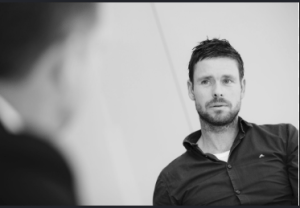
Professionally, Ammundsen established himself through an ability to merge elegant design with large-scale commercial practicality. His early career involved collaborations on urban redevelopment and office architecture, where he refined a reputation for precision and organizational clarity. As Asian cities accelerated their transition into global financial centers, developers increasingly sought architects capable of designing buildings that communicated international sophistication without sacrificing environmental performance. Ammundsen’s Scandinavian approach proved highly attractive in this context. His buildings often emphasized openness, daylight optimization, and social interaction spaces, qualities that distinguished them from the sealed corporate towers of earlier decades.
His breakthrough influence emerged through participation in transformative commercial projects across Asia, particularly within rapidly expanding business districts seeking global architectural legitimacy. Ammundsen approached skyscraper design not merely as vertical engineering but as an opportunity to humanize density. He consistently integrated public plazas, communal work environments, and environmentally responsive systems into his commercial structures. This philosophy aligned with broader shifts in corporate culture, where businesses increasingly valued employee well-being and sustainable branding. Consequently, his projects became associated with the evolution of the “livable skyscraper,” a concept that sought to soften the psychological rigidity traditionally associated with high-rise office environments.
Over time, Ammundsen developed a reputation as both architect and urban strategist. His influence extended beyond individual buildings into larger discussions about the future of Asian commercial cities. He argued that skyscrapers should contribute to urban continuity rather than function as isolated luxury objects disconnected from street-level life. This emphasis on integration resonated particularly strongly in dense Asian capitals grappling with congestion and uneven urban accessibility. Through lectures, design forums, and international collaborations, he became part of a generation redefining the social responsibilities of commercial architecture.
Today, Ammundsen’s legacy rests on his ability to merge Scandinavian humanism with Asian metropolitan ambition. His projects demonstrated that commercial success and environmental intelligence were not mutually exclusive goals. More importantly, he helped normalize the expectation that skyscrapers should support healthier urban experiences rather than merely maximize rentable floor area. In doing so, he contributed significantly to the evolution of contemporary commercial architecture across Asia.
Key Facts
- Full name of the subject: Jan Ammundsen
- Date of birth: Not publicly documented
- Place of birth: Denmark
- Family background: Raised within Denmark’s socially progressive and design-oriented culture
- Early childhood experiences: Developed interest in Scandinavian architecture and urban environments
- Education history: Studied architecture and urban design in Denmark
- Influences and mentors: Influenced by Scandinavian modernism and sustainable design traditions
- Career beginnings: Worked on commercial and urban redevelopment projects in Europe
- Major achievements: Contributed to internationally recognized commercial projects in Asia
- Challenges and obstacles faced: Balanced environmental ideals with commercial development pressures
- Turning points in life: Expansion into Asian commercial architecture elevated his global influence
- Contributions to society: Advocated human-centered skyscraper and workplace architecture
- Personal life (marriage, children, relationships): Keeps personal affairs largely private
- Awards and recognitions: Internationally respected for sustainable and socially responsive architecture
- Beliefs, values, or philosophy: Believes architecture should enhance both productivity and public life
- Legacy and impact: Influenced the evolution of livable commercial skyscraper design
- Historical or cultural significance: Helped integrate Scandinavian design values into Asian commercial urbanism
Notable Works: Mixed-use business districts, sustainable office towers, urban redevelopment commercial projects across Asia
Controversies: Ammundsen faced periodic criticism from some commercial developers who believed his emphasis on public space integration and environmental considerations increased project complexity and construction costs. The debate reflected a broader industry tension between short-term profitability and long-term urban sustainability. Critics argued that some of his proposals prioritized social ideals over commercial efficiency, particularly in high-value financial districts where land economics were extremely aggressive. Ammundsen and his supporters countered that sustainable and human-centered design ultimately improved long-term economic performance by enhancing livability, employee well-being, and urban value retention. Industry analysis generally concluded that while his methods occasionally challenged traditional developer priorities, they also anticipated global trends toward healthier and more environmentally conscious commercial environments.
3. Gilles Saucier
Gilles Saucier’s architectural identity was shaped within France’s intellectually rigorous design tradition, where architecture has long occupied a position between engineering discipline and cultural expression. Raised in a society that regarded urban form as an extension of national identity, Saucier developed an early appreciation for the relationship between monumental scale and civic responsibility. His educational background reflected France’s strong emphasis on technical mastery combined with artistic sophistication. This dual perspective would later define his approach to skyscraper and commercial architecture, particularly in rapidly modernizing Asian urban centers.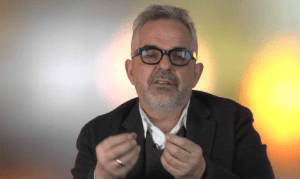
During the early stages of his career, Saucier became known for his methodical attention to structural clarity and spatial efficiency. He entered professional practice during a period when global commercial architecture was undergoing profound transformation, driven by technological innovation and economic globalization. While many architects focused on visual extravagance, Saucier concentrated on creating buildings that balanced elegance with operational intelligence. His work gradually attracted attention from international developers seeking architects capable of delivering large-scale commercial projects with both aesthetic refinement and engineering credibility.
His breakthrough in Asia came as major cities across the continent intensified efforts to establish globally recognizable business districts. Saucier’s designs appealed particularly to financial institutions and multinational corporations seeking architectural identities associated with stability, sophistication, and international prestige. His commercial buildings frequently employed refined geometric compositions, advanced facade systems, and disciplined material palettes that conveyed authority without excessive ornamentation. Rather than designing skyscrapers as isolated icons, he emphasized how towers interacted with surrounding infrastructure, transportation systems, and pedestrian environments.
As his reputation expanded internationally, Saucier became associated with a generation of architects redefining the meaning of commercial prestige in Asia. His projects reflected the transition away from purely symbolic verticality toward integrated urban functionality. He consistently advocated for intelligent energy systems, adaptable interiors, and flexible commercial spaces capable of evolving alongside changing business needs. This forward-looking approach positioned him as an important figure in the modernization of Asian corporate architecture during a period of extraordinary economic expansion.
Beyond architecture itself, Saucier’s broader influence lay in reinforcing the idea that commercial buildings could communicate institutional trust and long-term civic value. His work demonstrated that skyscrapers did not need theatrical excess to achieve global significance. Through disciplined execution and urban sensitivity, he helped shape a more mature phase of Asian commercial architecture, one increasingly concerned with sustainability, infrastructure integration, and enduring urban contribution.
Key Facts
- Full name of the subject: Gilles Saucier
- Date of birth: Not publicly documented
- Place of birth: France
- Family background: Raised within a culturally and intellectually engaged French environment
- Early childhood experiences: Developed interest in urban form, engineering, and monumental architecture
- Education history: Studied architecture and structural design in France
- Influences and mentors: Influenced by French modernism and European engineering traditions
- Career beginnings: Began professional practice in commercial and institutional architecture
- Major achievements: Designed influential commercial and skyscraper projects internationally
- Challenges and obstacles faced: Navigated evolving sustainability demands within large-scale commercial development
- Turning points in life: Entry into Asian commercial architecture significantly elevated international recognition
- Contributions to society: Promoted sustainable and infrastructure-integrated skyscraper design
- Personal life (marriage, children, relationships): Maintains a low-profile personal life
- Awards and recognitions: Widely respected within international commercial architecture circles
- Beliefs, values, or philosophy: Believes architecture should combine technical rigor with urban responsibility
- Legacy and impact: Influenced the modernization of Asian commercial and corporate architecture
- Historical or cultural significance: Represents European architectural influence on Asia’s financial urbanism
Notable Works: International corporate headquarters, integrated commercial towers, large-scale urban business developments
Controversies: Saucier’s work occasionally became part of broader public debates concerning globalization and the increasing similarity of international financial districts. Some critics argued that highly polished commercial towers designed by European architects risked contributing to architectural homogenization in Asia, reducing opportunities for locally rooted architectural identities. Urban scholars and preservation advocates raised concerns that rapid commercial redevelopment in certain cities sometimes displaced historical neighborhoods or weakened cultural continuity. Saucier generally maintained that architecture must respond to economic realities while still respecting contextual urban needs. Importantly, no major professional misconduct or legal violations were publicly associated with his career. Most controversy surrounding his projects centered on philosophical disagreements regarding globalization, modernization, and the evolving visual identity of Asian metropolitan centers.
4. Christoph Ingenhoven
Christoph Ingenhoven emerged from postwar Germany’s technologically ambitious architectural culture, a landscape heavily shaped by reconstruction, engineering precision, and environmental accountability. Born into a nation rebuilding both its cities and identity after decades of industrial transformation, Ingenhoven developed an early fascination with how architecture could serve as a bridge between technological progress and ecological responsibility. His formative years coincided with growing European awareness surrounding climate change, energy efficiency, and urban sustainability, themes that would later become inseparable from his professional philosophy. Rather than viewing skyscrapers as purely symbolic monuments to economic power, he approached them as living systems capable of contributing positively to urban ecosystems.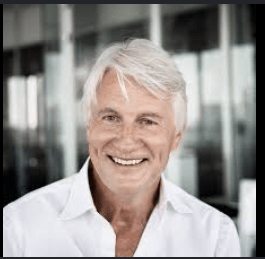
His architectural education and early professional experience reflected Germany’s strong tradition of technical rigor and interdisciplinary collaboration. During the initial stages of his career, Ingenhoven distinguished himself through his insistence that environmental sustainability should not be treated as a secondary feature added onto projects after completion. Instead, he argued that ecological intelligence had to shape architecture from the earliest conceptual stages. This approach initially challenged many conventional commercial development models, particularly during decades when rapid economic growth often prioritized scale and profitability over environmental concerns. Nevertheless, his persistence gradually earned him recognition among institutions and developers seeking forward-looking architectural solutions.
Ingenhoven’s breakthrough influence expanded dramatically through his commercial and skyscraper projects across Asia, where rapidly developing urban centers were increasingly searching for sustainable alternatives to energy-intensive high-rise construction. His buildings became internationally recognized for integrating greenery, natural ventilation systems, energy-efficient facades, and climate-responsive engineering into dense urban environments. Unlike many architects who pursued visually aggressive skyscraper forms, Ingenhoven cultivated a design language rooted in restraint, transparency, and environmental harmony. His projects often emphasized the relationship between buildings and public life, creating spaces that encouraged pedestrian interaction rather than isolating commercial structures from surrounding communities.
As Asian megacities confronted mounting environmental pressures, Ingenhoven emerged as one of the most influential advocates for sustainable urban verticality. His work played a significant role in normalizing ecological performance as a central benchmark in commercial architecture. Governments, developers, and planning agencies increasingly looked toward his projects as examples of how financial growth and environmental stewardship could coexist. He became particularly associated with the global movement toward green skyscrapers, influencing not only architectural aesthetics but also broader policy conversations surrounding energy efficiency and urban resilience.
Beyond his buildings, Ingenhoven’s intellectual legacy rests in reshaping industry expectations regarding the responsibilities of commercial architecture. He consistently argued that sustainability should no longer be considered experimental or optional, but fundamental to the future of global urbanism. Through lectures, publications, and international collaborations, he helped redefine the image of the modern skyscraper from an isolated corporate icon into a participant within larger ecological systems. His influence continues to resonate across Asia’s evolving skylines, where sustainability has increasingly become inseparable from architectural prestige.
Key Facts
- Full name of the subject: Christoph Ingenhoven
- Date of birth: 1960
- Place of birth: Düsseldorf, Germany
- Family background: Raised in a German environment emphasizing technical education and cultural rebuilding
- Early childhood experiences: Developed early interests in environmental systems, engineering, and urban design
- Education history: Studied architecture at RWTH Aachen University
- Influences and mentors: Influenced by German engineering traditions and emerging environmental movements
- Career beginnings: Founded his architectural practice with a focus on sustainable urban development
- Major achievements: Became a global leader in sustainable skyscraper and commercial architecture
- Challenges and obstacles faced: Faced skepticism during early advocacy for environmentally integrated commercial design
- Turning points in life: International expansion into Asia established his reputation in green skyscraper development
- Contributions to society: Advanced sustainable architecture and environmentally responsive urbanism
- Personal life (marriage, children, relationships): Maintains a relatively private personal life
- Awards and recognitions: Received international recognition for sustainability and architectural innovation
- Beliefs, values, or philosophy: Believes sustainability must form the foundation of all modern architecture
- Legacy and impact: Influenced global green skyscraper and commercial building standards
- Historical or cultural significance: Helped redefine environmental responsibility within international architecture
Notable Works: Sustainable commercial towers, environmentally integrated mixed-use developments, green skyscraper projects across Asia and Europe
Controversies: Ingenhoven’s strong emphasis on sustainability occasionally attracted criticism from developers and architectural commentators who argued that environmentally advanced systems significantly increased project costs and construction complexity. Some critics questioned whether certain high-profile green skyscraper projects delivered environmental performance proportional to their financial investment, especially within luxury commercial developments. Others argued that sustainability branding in architecture could sometimes function as a marketing instrument rather than a transformative urban solution. Ingenhoven consistently defended his approach, emphasizing that long-term operational efficiency, reduced environmental impact, and improved urban health justified higher initial investments. Independent architectural assessments generally acknowledged that while debates surrounding cost efficiency persisted, his work played a major role in accelerating sustainability standards within international commercial architecture.
5. Dietmar Eberle
Dietmar Eberle grew up in Austria during a period of profound architectural and cultural evolution, shaped by Europe’s ongoing negotiation between historical preservation and modern urban expansion. Raised within a society deeply conscious of craftsmanship, regional identity, and architectural continuity, Eberle developed an early appreciation for buildings not merely as objects, but as long-term cultural artifacts embedded within social life. Unlike architects driven primarily by visual experimentation, he became fascinated with durability, functionality, and the relationship between architecture and human behavior over extended periods of time. This philosophical foundation would later define his contributions to commercial and institutional architecture internationally.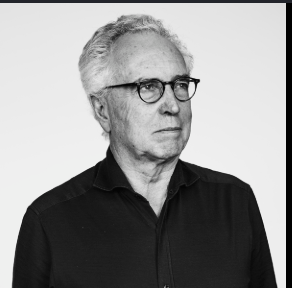
His academic journey and early professional years reflected Austria’s intellectually rigorous architectural environment. Eberle emerged during an era when European architects were increasingly questioning the excesses of purely image-driven commercial architecture. He argued that buildings should be evaluated not only by immediate visual impact but by their ability to remain relevant, efficient, and adaptable across generations. This emphasis on longevity distinguished him from many contemporaries focused on short-term trends or iconic spectacle. His early projects demonstrated a disciplined architectural language centered on proportion, material quality, and environmental responsiveness.
Eberle’s influence expanded internationally through projects that addressed the growing demand for intelligent commercial and mixed-use architecture in Asia. As financial centers across the continent accelerated urban development, his approach resonated strongly with institutions seeking stability, sophistication, and long-term value. His buildings often balanced minimalist aesthetics with advanced environmental performance, emphasizing energy efficiency, flexible interiors, and contextual integration. Rather than treating skyscrapers as isolated monuments, he viewed them as components within broader urban systems shaped by climate, infrastructure, and social interaction.
Over time, Eberle became recognized not only as an architect but also as an influential theorist within contemporary urban discourse. He frequently challenged the architectural industry’s obsession with novelty, arguing that truly successful buildings should remain functional and culturally meaningful decades after construction. This perspective carried particular importance in Asia, where rapid urbanization sometimes produced commercially impressive yet environmentally unsustainable developments. Through both practice and teaching, Eberle encouraged a more disciplined and responsible approach to commercial architecture.
His legacy continues to influence architects, planners, and institutions concerned with the long-term future of urban environments. Eberle’s work reinforced the idea that commercial buildings should contribute to civic continuity rather than temporary visual excitement. In an era dominated by rapid development cycles and competitive skyline branding, his philosophy offered an alternative vision rooted in endurance, environmental intelligence, and cultural restraint.
Key Facts
- Full name of the subject: Dietmar Eberle
- Date of birth: 1952
- Place of birth: Hittisau, Austria
- Family background: Raised within Austria’s culturally rich and craft-oriented architectural tradition
- Early childhood experiences: Developed interest in regional architecture and environmental integration
- Education history: Studied architecture in Vienna
- Influences and mentors: Influenced by European modernism and long-term urban planning philosophies
- Career beginnings: Co-founded an architectural practice emphasizing sustainable and enduring design
- Major achievements: Became internationally respected for environmentally intelligent commercial architecture
- Challenges and obstacles faced: Challenged industry trends favoring spectacle over longevity
- Turning points in life: Expansion into global urban projects broadened his architectural influence
- Contributions to society: Advocated sustainable and socially responsible architecture
- Personal life (marriage, children, relationships): Maintains a private personal and family life
- Awards and recognitions: Received numerous architectural honors internationally
- Beliefs, values, or philosophy: Believes architecture should remain functional and meaningful across generations
- Legacy and impact: Influenced sustainable and long-term commercial architecture strategies
- Historical or cultural significance: Represents a major voice in responsible European urban architecture
Notable Works: Commercial office complexes, mixed-use urban developments, environmentally integrated institutional architecture
Controversies: Eberle occasionally faced criticism from architects and developers who considered his philosophy excessively restrained in an increasingly competitive global marketplace driven by iconic branding. Some detractors argued that his emphasis on longevity and moderation sometimes produced architecture perceived as conservative when compared to more visually dramatic skyscraper trends dominating parts of Asia and the Middle East. Supporters countered that his work intentionally resisted short-lived stylistic excess in favor of environmental durability and civic responsibility. Academic debates surrounding his projects frequently reflected larger tensions within architecture between spectacle-driven commercialism and sustainable urban continuity. Importantly, controversies associated with Eberle remained primarily intellectual and stylistic rather than ethical or legal in nature.
6. Kjetil Trædal Thorsen
Kjetil Trædal Thorsen was born into Norway’s dramatic natural landscape, an environment where mountains, coastlines, and climatic extremes profoundly shaped cultural attitudes toward design and habitation. Growing up within Scandinavian society’s strong emphasis on social welfare, environmental respect, and collective responsibility, Thorsen developed an early understanding of architecture as a mediator between human life and the natural world. This perspective would later become central to his international reputation, particularly as cities across Asia began searching for architects capable of integrating large-scale urban development with ecological awareness and cultural sensitivity.
Thorsen’s professional formation reflected the experimental spirit of late twentieth-century Scandinavian architecture. Early in his career, he became known for questioning rigid divisions between architecture, landscape, and urban planning. Rather than treating skyscrapers and commercial complexes as isolated structures, he approached them as parts of larger environmental and social systems. His collaborative working style and multidisciplinary thinking distinguished him within the architectural profession, particularly during a period when many global cities were prioritizing rapid vertical expansion over urban coherence.
His breakthrough came through internationally celebrated projects that combined technological sophistication with strong environmental and cultural narratives. In Asia, Thorsen’s work attracted attention because it offered an alternative to purely corporate architectural models dominating many emerging financial centers. His commercial and mixed-use projects frequently incorporated public accessibility, landscape integration, and climate-responsive design strategies. Unlike architects whose skyscrapers emphasized dominance and monumentality, Thorsen often sought fluidity, openness, and experiential richness. His buildings encouraged interaction between interior and exterior environments, reflecting Scandinavian traditions of social inclusivity and environmental consciousness.
As his influence expanded globally, Thorsen became associated with architecture that transcended conventional disciplinary boundaries. He advocated strongly for public engagement, arguing that commercial developments should contribute meaningfully to civic culture rather than function exclusively as private economic assets. This philosophy resonated strongly in rapidly urbanizing Asian cities confronting questions of livability, environmental degradation, and social fragmentation. Through both built projects and intellectual leadership, he helped broaden the conversation surrounding what commercial architecture could represent in the twenty-first century.
Today, Thorsen is widely regarded as one of the most influential figures in contemporary environmentally integrated architecture. His legacy extends beyond individual skyscrapers or commercial developments into broader transformations in architectural thinking itself. He demonstrated that large-scale urban projects could maintain human sensitivity, ecological awareness, and cultural depth even within highly commercialized urban environments. In doing so, he helped redefine the role of architecture in an increasingly interconnected and environmentally challenged world.
Key Facts
- Full name of the subject: Kjetil Trædal Thorsen
- Date of birth: 1958
- Place of birth: Norway
- Family background: Raised within Norway’s socially conscious and environmentally connected culture
- Early childhood experiences: Developed strong appreciation for landscape, climate, and spatial design
- Education history: Studied architecture in Austria and Norway
- Influences and mentors: Influenced by Scandinavian environmental philosophy and multidisciplinary design thinking
- Career beginnings: Co-founded an internationally recognized architecture and design practice
- Major achievements: Led globally influential projects integrating architecture, landscape, and urbanism
- Challenges and obstacles faced: Challenged conventional corporate architecture models emphasizing isolation and spectacle
- Turning points in life: International expansion into major urban projects elevated his global profile
- Contributions to society: Promoted environmentally integrated and publicly accessible architecture
- Personal life (marriage, children, relationships): Maintains a relatively low-profile personal life
- Awards and recognitions: Received numerous international architectural awards and honors
- Beliefs, values, or philosophy: Believes architecture must strengthen relationships between people, cities, and nature
- Legacy and impact: Influenced environmentally conscious and socially integrated commercial architecture
- Historical or cultural significance: Represents a major Scandinavian contribution to global urban architecture
Notable Works: Mixed-use urban developments, landscape-integrated commercial projects, internationally acclaimed civic and commercial architecture
Controversies: Thorsen’s projects occasionally became involved in debates concerning the balance between ambitious architectural experimentation and practical urban implementation. Some critics argued that highly conceptual design strategies occasionally created operational or financial challenges for developers and municipalities, particularly in projects involving large public integration components. Others questioned whether certain environmentally ambitious projects could be replicated affordably across broader urban contexts rather than remaining limited to landmark developments. Thorsen and his collaborators consistently defended their philosophy, emphasizing that architecture should aspire to long-term civic and environmental value rather than narrow short-term economic efficiency. While debates persisted regarding feasibility and scalability, his professional reputation remained widely respected within international architectural and academic communities.
7. Albert Wimmer
Albert Wimmer emerged from Austria’s deeply intellectual architectural tradition, a cultural environment shaped by centuries of urban planning, civic design, and European modernist thought. Growing up in a country where architecture was often regarded as a reflection of cultural identity and public order, Wimmer developed an early fascination with cities as living organisms shaped by transportation, housing, commerce, and public infrastructure. His understanding of architecture extended beyond individual buildings toward broader systems of urban organization, a perspective that later became central to his international work in commercial and high-density developments across Asia.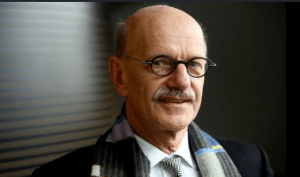
During his early career, Wimmer built a reputation for combining architectural design with large-scale urban planning expertise. Unlike architects who focused exclusively on iconic towers, he became increasingly interested in how transportation networks, public accessibility, and urban density influenced the success of commercial environments. His professional rise coincided with an era of rapid globalization, when Asian cities were transforming into major financial and economic centers. Governments and developers sought planners capable not only of designing skyscrapers, but of organizing entire urban districts capable of supporting long-term economic growth.
Wimmer’s breakthrough influence came through his involvement in large urban redevelopment initiatives and commercial master planning projects. His work emphasized connectivity, infrastructure efficiency, and the integration of commercial architecture into larger metropolitan systems. Rather than viewing skyscrapers as isolated investments, he approached them as strategic urban components linked to transportation, public space, and economic functionality. This systems-oriented mindset distinguished him from more purely aesthetic architects and positioned him as an important figure in the planning of rapidly modernizing Asian business districts.
As his international profile expanded, Wimmer became increasingly associated with the modernization of urban mobility and transit-oriented development. His projects often reflected an understanding that commercial architecture could not succeed independently of transportation infrastructure and urban accessibility. In many Asian megacities facing congestion and population pressure, his integrated planning philosophy proved especially influential. He advocated for development models that reduced fragmentation between residential, commercial, and transportation systems, helping shape more interconnected urban environments.
Wimmer’s broader legacy lies in demonstrating that skyscraper and commercial architecture must be understood within the context of entire urban ecosystems. His influence extends beyond individual towers into the planning frameworks that determine how cities evolve economically and socially. By combining architectural sophistication with strategic urban planning, he contributed to a more comprehensive vision of commercial development in Asia’s rapidly expanding metropolitan landscapes.
Key Facts
- Full name of the subject: Albert Wimmer
- Date of birth: 1947
- Place of birth: Austria
- Family background: Raised within Austria’s culturally and intellectually rich urban environment
- Early childhood experiences: Developed strong interest in city planning, infrastructure, and architecture
- Education history: Studied architecture and urban planning in Vienna
- Influences and mentors: Influenced by European modernism and integrated urban planning philosophies
- Career beginnings: Began working in architecture and metropolitan planning projects
- Major achievements: Led major urban redevelopment and commercial planning initiatives internationally
- Challenges and obstacles faced: Addressed infrastructure complexity in rapidly urbanizing cities
- Turning points in life: International urban planning projects expanded his influence beyond Europe
- Contributions to society: Advanced integrated urban development and transportation-oriented architecture
- Personal life (marriage, children, relationships): Keeps personal matters largely private
- Awards and recognitions: Recognized internationally for architecture and urban planning contributions
- Beliefs, values, or philosophy: Believes architecture must function within broader urban systems
- Legacy and impact: Influenced transit-oriented and integrated commercial urban development
- Historical or cultural significance: Helped shape modern urban planning approaches within global commercial cities
Notable Works: Urban redevelopment master plans, transit-oriented commercial districts, integrated metropolitan commercial architecture
Controversies: Wimmer’s large-scale urban redevelopment projects occasionally attracted criticism from community activists and preservation advocates concerned about modernization’s impact on historical districts and local identity. In some cases, debates emerged regarding whether ambitious redevelopment initiatives prioritized economic growth over heritage conservation or community continuity. Supporters argued that integrated planning and infrastructure modernization were essential for sustaining rapidly growing metropolitan populations and economic competitiveness. Wimmer consistently maintained that urban evolution required balancing preservation with practical modernization needs. Most controversies surrounding his work reflected broader global debates over redevelopment, density, and modernization rather than allegations of personal misconduct or professional impropriety.
8. Martha Thorne
Martha Thorne’s path into global architectural influence began in Spain during a period when the country was undergoing profound cultural and urban transformation. Raised within an intellectually curious environment that valued education, culture, and international exchange, Thorne developed an early interest in how cities communicate identity through architecture. Unlike many figures associated with skyscrapers and commercial development, her influence emerged less through direct building design and more through architectural criticism, scholarship, institutional leadership, and global advocacy. This distinction ultimately positioned her as one of the most influential voices shaping contemporary conversations surrounding urbanism and high-rise development across Asia and beyond.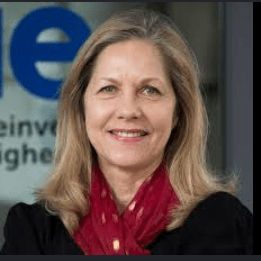
Her academic formation reflected a multidisciplinary understanding of architecture that extended beyond engineering or aesthetics alone. Thorne studied architecture, urban culture, and design communication, becoming deeply interested in how buildings shape public consciousness and economic ambition. Early in her career, she worked extensively within architectural publishing, research, and curatorial platforms, where she developed a reputation for analytical rigor and international perspective. During a time when globalization was accelerating the exchange of architectural ideas across continents, Thorne became an important intermediary connecting Western institutions with rapidly emerging Asian urban centers.
Her international breakthrough came through leadership roles within some of architecture’s most influential global institutions and awards programs. Through these positions, she played a critical role in elevating conversations around sustainable skyscrapers, urban resilience, and socially responsible commercial architecture. Thorne became especially influential in promoting Asian architects and urban projects onto the world stage at a moment when cities across the continent were redefining global skylines. Rather than celebrating height or spectacle alone, she consistently emphasized the importance of cultural context, environmental responsibility, and public value within commercial and high-density development.
Over time, Thorne emerged as one of the architectural world’s most respected intellectual figures. She championed interdisciplinary dialogue between architects, planners, governments, and academic institutions, helping broaden the understanding of what commercial architecture could achieve socially and environmentally. Her work often focused on the future of cities, particularly how rapid urbanization in Asia demanded new approaches to sustainability, transportation, housing, and mixed-use development. Through conferences, publications, exhibitions, and institutional leadership, she influenced not only architectural discourse but also policy conversations surrounding urban growth.
Today, Martha Thorne’s legacy rests in her role as a global architectural curator and advocate who helped reshape international standards for evaluating skyscrapers and commercial developments. She contributed significantly to expanding architecture’s public relevance, encouraging cities and developers to think beyond economic symbolism toward long-term urban quality and environmental stewardship. Although not primarily known as a practicing skyscraper architect, her influence on the architectural profession and on the evolution of Asian urban development remains substantial and enduring.
Key Facts
- Full name of the subject: Martha Thorne
- Date of birth: 1953
- Place of birth: Spain
- Family background: Raised within an intellectually and culturally engaged environment
- Early childhood experiences: Developed strong interests in art, cities, and cultural studies
- Education history: Studied architecture and urban studies internationally
- Influences and mentors: Influenced by architectural historians, urban theorists, and global design institutions
- Career beginnings: Began career in architectural research, publishing, and institutional leadership
- Major achievements: Became a globally influential architecture curator, educator, and institutional leader
- Challenges and obstacles faced: Navigated gender barriers within traditionally male-dominated architectural leadership circles
- Turning points in life: Leadership within major international architectural institutions elevated her global influence
- Contributions to society: Promoted sustainable urbanism and global architectural dialogue
- Personal life (marriage, children, relationships): Maintains a private personal life
- Awards and recognitions: Internationally respected for contributions to architectural education and advocacy
- Beliefs, values, or philosophy: Believes architecture must serve society, culture, and environmental sustainability
- Legacy and impact: Influenced global architectural discourse surrounding skyscrapers and urban development
- Historical or cultural significance: Helped internationalize and diversify architectural recognition systems
Notable Works: Leadership in global architecture institutions, urban design advocacy, architectural publications, international architecture forums
Controversies: Thorne’s institutional leadership occasionally became part of broader debates surrounding the globalization of architectural awards and the concentration of influence within elite international design networks. Some critics argued that major architecture platforms risked favoring highly visible global firms while underrepresenting smaller regional practices or socially driven grassroots architecture. Others questioned whether international architectural recognition systems adequately reflected local cultural realities in rapidly developing Asian cities. Thorne consistently advocated for broader inclusivity, sustainability, and cross-cultural representation within architectural discourse. While disagreements occasionally emerged regarding institutional priorities and selection processes, no major ethical misconduct or personal scandal became significantly associated with her career. Most controversies reflected ongoing industry debates about representation, globalization, and the evolving criteria for architectural excellence.
9. Kim Herforth Nielsen
Kim Herforth Nielsen was born into Denmark’s internationally admired design culture, a society where architecture, urban planning, and public welfare have long been treated as interconnected responsibilities. Growing up in an environment shaped by Scandinavian modernism, Nielsen developed an early appreciation for simplicity, environmental awareness, and human-centered design. Rather than viewing architecture as a vehicle for ego-driven expression, he became interested in how buildings could improve social interaction, civic identity, and urban functionality. These values would later define his approach to commercial and skyscraper architecture, particularly in Asia’s rapidly expanding metropolitan regions.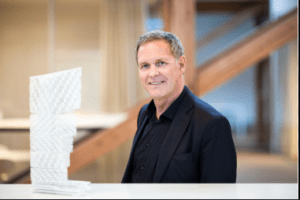
His early professional years reflected the collaborative spirit characteristic of Scandinavian architectural practice. Nielsen emerged during a period when many global cities were embracing increasingly extravagant skyscraper aesthetics, yet he remained committed to balancing bold form with practical urban integration. His projects frequently explored how commercial buildings could coexist harmoniously with surrounding public spaces, transportation systems, and environmental conditions. This ability to merge innovation with livability gradually distinguished him within the increasingly competitive world of international architecture.
Nielsen’s breakthrough influence in Asia came through major mixed-use developments, transportation hubs, and commercial towers that combined sculptural ambition with social functionality. His work often featured dynamic geometric forms and highly expressive structures, yet beneath their visual boldness lay careful attention to circulation, accessibility, and environmental performance. Asian cities seeking internationally recognizable architectural identities found his approach particularly appealing because it balanced iconic visual presence with urban practicality. Unlike purely symbolic skyscrapers designed as isolated corporate monuments, Nielsen’s projects frequently attempted to foster public engagement and civic participation.
As his international profile expanded, Nielsen became associated with architecture that embraced both technological sophistication and democratic accessibility. He argued that commercial architecture should not alienate the public through exclusivity or overwhelming scale. Instead, his projects often sought to soften the relationship between massive structures and everyday urban life. This philosophy resonated strongly in Asian urban environments confronting increasing concerns regarding density, mobility, and social fragmentation. Through his work, he contributed to a broader shift toward more integrated and publicly responsive commercial development.
Nielsen’s legacy continues to influence contemporary architectural thinking surrounding the relationship between landmark design and urban experience. His projects demonstrated that visually ambitious skyscrapers could still prioritize environmental consciousness and public interaction. In many ways, he helped redefine the image of the commercial tower from an isolated object of prestige into a participant within larger civic and social systems.
Key Facts
- Full name of the subject: Kim Herforth Nielsen
- Date of birth: 1957
- Place of birth: Denmark
- Family background: Raised within Denmark’s socially progressive and design-oriented culture
- Early childhood experiences: Developed strong interests in urban spaces, design, and civic environments
- Education history: Studied architecture at the Royal Danish Academy of Fine Arts
- Influences and mentors: Influenced by Scandinavian modernism and human-centered urbanism
- Career beginnings: Co-founded a major architectural practice focused on innovative public and commercial architecture
- Major achievements: Designed internationally recognized commercial, transportation, and mixed-use developments
- Challenges and obstacles faced: Balanced iconic architectural expression with practical urban integration
- Turning points in life: Expansion into major Asian projects elevated his international reputation
- Contributions to society: Promoted accessible and environmentally conscious urban architecture
- Personal life (marriage, children, relationships): Maintains a relatively private personal life
- Awards and recognitions: Received numerous international architectural honors and awards
- Beliefs, values, or philosophy: Believes architecture should combine innovation with civic responsibility
- Legacy and impact: Influenced contemporary commercial and mixed-use architectural design globally
- Historical or cultural significance: Represents Scandinavian influence on modern international urbanism
Notable Works: Mixed-use skyscrapers, transportation hubs, civic-commercial developments, internationally recognized urban projects
Controversies: Nielsen’s more visually experimental projects occasionally generated criticism from urban planners and local commentators who questioned whether highly expressive architecture risked prioritizing symbolism over contextual sensitivity. In certain cities, debates emerged regarding the integration of iconic structures within established urban environments, particularly where dramatic commercial projects altered traditional skylines or intensified tourism-driven development. Supporters argued that landmark architecture played an important role in strengthening global visibility and economic competitiveness for rapidly developing cities. Nielsen maintained that ambitious architecture could coexist responsibly with civic and environmental priorities if approached thoughtfully. Most criticism surrounding his work remained rooted in broader philosophical debates about urban identity, globalization, and landmark architecture rather than allegations of professional misconduct.
10. Xavier De Kestelier
Xavier De Kestelier emerged from the United Kingdom’s technologically progressive architectural environment, a culture increasingly shaped by digital innovation, advanced engineering, and experimental design methodologies. From an early stage in his life, De Kestelier demonstrated fascination not only with architecture itself but with the evolving technologies capable of transforming how buildings are conceived, visualized, and constructed. Growing up during the rapid expansion of digital tools in design industries, he became part of a generation that viewed architecture through both artistic and computational lenses. This forward-looking mindset would later establish him as one of the most influential figures connecting advanced technology with large-scale commercial and skyscraper development in Asia.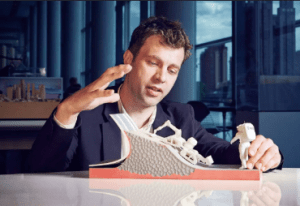
His academic and professional formation reflected Britain’s strong culture of architectural experimentation and engineering collaboration. Early in his career, De Kestelier became known for exploring computational design, parametric modeling, and futuristic urban concepts. At a time when Asian cities were pursuing increasingly ambitious skyline projects, his expertise proved highly valuable to developers seeking innovative approaches to density, sustainability, and visual identity. Unlike traditional architects who relied primarily on manual conceptual processes, he embraced emerging digital systems capable of optimizing structural efficiency, environmental performance, and complex geometries simultaneously.
De Kestelier’s breakthrough influence came through his involvement in technologically advanced commercial developments and visionary urban projects across Asia and the Middle East. His work frequently incorporated smart-building systems, sustainable engineering strategies, and digitally driven design processes that allowed unprecedented architectural flexibility. He became especially associated with futuristic commercial environments where technology, sustainability, and urban branding converged. For many rapidly modernizing Asian cities seeking to project images of innovation and global competitiveness, his architectural philosophy aligned perfectly with broader economic and technological ambitions.
Beyond individual buildings, De Kestelier became an important advocate for the future of intelligent cities and digitally integrated architecture. He consistently argued that skyscrapers and commercial developments would increasingly function as adaptive technological ecosystems rather than static structures. Through lectures, research initiatives, and collaborative design platforms, he helped shape industry conversations surrounding smart cities, artificial intelligence in architecture, and sustainable urban technology. His influence extended into educational and institutional spaces, where he encouraged younger architects to embrace interdisciplinary thinking and technological fluency.
Today, Xavier De Kestelier’s legacy rests in his role as a pioneer of technologically driven commercial architecture. He helped accelerate the integration of advanced computational systems into large-scale urban development while advocating for environmentally responsive and future-oriented design. In the context of Asia’s rapidly evolving skylines, his work symbolizes the growing convergence between architecture, technology, and global urban transformation.
Key Facts
- Full name of the subject: Xavier De Kestelier
- Date of birth: Not publicly documented
- Place of birth: United Kingdom
- Family background: Raised within a technologically progressive and academically engaged environment
- Early childhood experiences: Developed strong interests in design technology, engineering, and digital systems
- Education history: Studied architecture and advanced design technologies in the United Kingdom
- Influences and mentors: Influenced by computational design pioneers and engineering-led architecture
- Career beginnings: Began career focusing on advanced digital architecture and urban innovation
- Major achievements: Became internationally recognized for technologically advanced commercial architecture
- Challenges and obstacles faced: Navigated skepticism toward early adoption of computational design methods
- Turning points in life: Participation in large-scale international commercial developments elevated his global profile
- Contributions to society: Promoted technological innovation and sustainability within architecture
- Personal life (marriage, children, relationships): Maintains a private personal life
- Awards and recognitions: Recognized internationally for innovation in architectural technology
- Beliefs, values, or philosophy: Believes technology and sustainability must shape the future of urban development
- Legacy and impact: Influenced the integration of digital systems into global commercial architecture
- Historical or cultural significance: Represents the technological evolution of contemporary architecture
Notable Works: Smart commercial developments, digitally optimized skyscraper projects, technologically integrated urban master plans
Controversies: De Kestelier’s advocacy for technologically intensive architecture occasionally attracted criticism from architects and urban theorists concerned about overreliance on digital systems and computational aesthetics. Some critics argued that highly technology-driven architecture risked prioritizing technical experimentation over cultural sensitivity or human-scale urban experience. Others questioned whether advanced smart-building systems could create excessive dependence on costly infrastructure and maintenance regimes, particularly in rapidly developing urban economies. De Kestelier consistently defended innovation as essential for addressing future urban challenges related to sustainability, population growth, and environmental performance. Most controversies surrounding his work reflected larger professional debates concerning technology’s role in architecture rather than disputes involving ethical misconduct or legal violations.
Notable Mentions
Paul de Ruiter (Netherlands)
Andrew Waugh (United Kingdom)
Werner Sobek (Germany)
Borja Ferrater (Spain)
Eva Jiřičná (Czech Republic)
Mikkel Frost (Denmark)
Julian Weyer (Denmark)
Kristian Lars Ahlmark (Denmark)
Simon Frommenwiler (Switzerland)
Filippo Innocenti (Italy)