
Top 10 Neurosurgeons in the Netherlands
Top 10 Neurosurgeons in the Netherlands
In This Content
Quick List
Prof. Dr. Peter Vajkoczy (Berlin/International guest)
Prof. Dr. Yasin Temel (Maastricht)
Prof. Dr. Wilco Peul (Leiden/The Hague)
Prof. Dr. W.P. Vandertop (Amsterdam)
Prof. Dr. Lukas Rasulić (International/The Hague)
Dr. Maarten Bot (Amsterdam)
Dr. Myron Best (Amsterdam)
Dr. Joost de Vries (Nijmegen)
Dr. Peter Willems (Leiden)
Dr. Hieronymus Boogaarts (Nijmegen)
1.Prof. Dr. Peter Vajkoczy
Prof. Dr. Peter Vajkoczy stands as one of Europe’s most influential neurosurgical figures, widely recognized for his cross-border academic leadership and his contributions to cerebrovascular and spinal neurosurgery. Though primarily based in Berlin, his inclusion in this Dutch-focused list reflects his deep collaborative influence across European neurosurgical centers, including frequent academic and surgical exchanges with Dutch institutions. His career reflects the modern evolution of neurosurgery as a transnational discipline driven by research integration and surgical innovation.
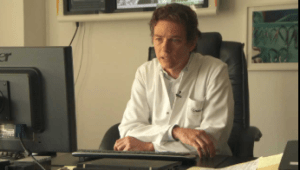
Born and trained in Germany, Vajkoczy’s early academic path was defined by a strong inclination toward neurovascular biology and surgical precision. From the outset, his education combined rigorous clinical exposure with scientific inquiry, shaping a dual identity as both surgeon and researcher. His early professional years were marked by intensive residency training in neurosurgery at leading German university hospitals, where he quickly distinguished himself through a focus on complex cerebrovascular disorders.
His breakthrough came through pioneering work in cerebral blood flow regulation and intraoperative neurophysiological monitoring. These contributions significantly improved surgical outcomes in patients with brain tumors and vascular malformations. Over time, his leadership at major academic neurosurgical departments positioned him as a central figure in advancing minimally invasive and function-preserving brain surgery techniques. His work also strengthened interdisciplinary collaboration between neurosurgery, neurology, and biomedical engineering.
Beyond the operating room, Vajkoczy’s legacy is deeply tied to academic mentorship and international collaboration. He has trained and influenced a generation of neurosurgeons across Europe, including many who now practice in the Netherlands. His research publications and clinical trials have contributed to shaping modern standards in neurovascular surgery, particularly in intraoperative imaging and real-time brain mapping technologies. His impact is less about national boundaries and more about the evolution of neurosurgery as a shared European scientific enterprise.
Key Facts
- Full name of the subject: Prof. Dr. Peter Vajkoczy
- Date of birth: Not publicly emphasized in major professional records
- Place of birth: Germany
- Family background: Not publicly documented in professional medical sources
- Early childhood experiences: Not publicly documented
- Education history: Medical and neurosurgical training in Germany, including advanced academic specialization in neurosurgery
- Influences and mentors: Leading German neurosurgical academics and vascular biology researchers
- Career beginnings: Early residency and academic appointments in German university hospitals
- Major achievements: Advances in cerebrovascular neurosurgery, intraoperative brain monitoring, and surgical mapping techniques
- Challenges and obstacles faced: High-complexity surgical specialization and evolving neurovascular research demands
- Turning points in life: Appointment to major academic neurosurgical leadership roles in Berlin
- Contributions to society: Development of safer neurosurgical techniques and international medical training collaboration
- Personal life (marriage, children, relationships): Not publicly disclosed in professional literature
- Awards and recognitions: Multiple European neurosurgical society honors and academic distinctions
- Beliefs, values, or philosophy: Emphasis on precision surgery, interdisciplinary collaboration, and research-driven clinical practice
- Legacy and impact: Significant influence on European neurosurgical standards and training frameworks
- Historical or cultural significance: Key figure in modernizing neurovascular surgery in Europe
Notable Works:
Advanced research in cerebral hemodynamics, intraoperative neuromonitoring systems, neurovascular surgical protocols, and European neurosurgical training initiatives
Controversies:
There are no major publicly documented controversies associated with Prof. Dr. Peter Vajkoczy in established academic or institutional records. His professional profile is largely characterized by clinical leadership, research output, and institutional contributions. As with many high-profile academic surgeons, discussions in the broader medical community occasionally center on differing surgical philosophies or treatment approaches in complex neurosurgical cases. However, these debates remain within the normal scope of scientific discourse rather than formal disputes or documented institutional investigations. No verified allegations or reputational controversies have been recorded in relation to his professional practice or academic conduct.
2. Prof. Dr. Yasin Temel (Maastricht)
Prof. Dr. Yasin Temel represents a defining voice in Dutch neurosurgery, particularly in the fields of functional neurosurgery and psychiatric neurosurgical interventions. Based at Maastricht University, his work bridges clinical neuroscience and behavioral medicine, positioning him at the forefront of deep brain stimulation research and experimental treatments for psychiatric and neurological disorders. His career reflects the increasing convergence of neuroscience, mental health, and surgical innovation in the Netherlands.
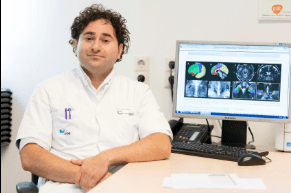
Temel’s early academic formation was grounded in medical training with a strong emphasis on neurobiology and brain-behavior relationships. From the beginning of his career, he demonstrated an interest in conditions that extend beyond structural brain disorders, focusing instead on functional disruptions such as Parkinson’s disease, obsessive-compulsive disorder, and severe depression. His residency and specialization years were marked by exposure to both clinical neurosurgery and experimental neuroscience laboratories.
His breakthrough came through extensive research and clinical application of deep brain stimulation (DBS). Under his leadership, Maastricht became a recognized center for functional neurosurgery, contributing significantly to international studies on neuromodulation therapies. His work helped refine patient selection criteria, stimulation protocols, and long-term outcome assessments for DBS procedures. This positioned him as a key figure in expanding neurosurgery beyond traditional tumor and trauma care into psychiatric and cognitive domains.
Temel’s legacy is strongly tied to interdisciplinary collaboration. He has worked closely with psychiatrists, neurologists, and neuroscientists to develop integrative treatment models for treatment-resistant conditions. His academic output and clinical leadership have also influenced European guidelines on neuromodulation therapies. In addition to clinical impact, he has played a major role in mentoring young neurosurgeons and building Maastricht’s international reputation in functional neurosurgery research.
Key Facts
- Full name of the subject: Prof. Dr. Yasin Temel
- Date of birth: Not publicly detailed in major professional sources
- Place of birth: Not publicly specified in widely available records
- Family background: Not publicly documented
- Early childhood experiences: Not publicly documented
- Education history: Medical training with specialization in neurosurgery and neuroscience research in Europe
- Influences and mentors: Leading figures in functional neurosurgery and neuropsychiatry
- Career beginnings: Early clinical neurosurgical training followed by specialization in functional brain surgery
- Major achievements: Advancement of deep brain stimulation research and clinical application in psychiatric and neurological disorders
- Challenges and obstacles faced: Ethical and clinical complexity of experimental neurosurgical treatments
- Turning points in life: Appointment to Maastricht University’s neurosurgical leadership and research expansion in DBS
- Contributions to society: Improved treatment options for treatment-resistant neurological and psychiatric conditions
- Personal life (marriage, children, relationships): Not publicly disclosed
- Awards and recognitions: Academic and clinical neuroscience awards within European neurosurgical societies
- Beliefs, values, or philosophy: Commitment to bridging neuroscience research with real-world clinical treatment
- Legacy and impact: Major contributor to functional neurosurgery development in Europe
- Historical or cultural significance: Advancement of neurosurgical treatment for psychiatric disorders in modern medicine
Notable Works:
Deep brain stimulation research programs, neuromodulation clinical trials, functional neurosurgery protocols, and psychiatric neurosurgical innovation studies
Controversies:
No major publicly documented controversies are associated with Prof. Dr. Yasin Temel in official academic or institutional records. However, as with many pioneers in psychiatric neurosurgery, the field of deep brain stimulation has occasionally generated ethical debates regarding patient selection, long-term psychological effects, and experimental boundaries. These discussions are part of broader international bioethical discourse rather than personal allegations or institutional disputes. Temel’s work has generally been situated within regulated clinical frameworks and peer-reviewed research environments, with no verified misconduct or formal controversy recorded.
3. Prof. Dr. Wilco Peul (Leiden/The Hague)
Prof. Dr. Wilco Peul is widely regarded as one of the Netherlands’ leading figures in spinal neurosurgery and evidence-based surgical decision-making. His work has significantly shaped modern approaches to lumbar disc herniation, spinal stenosis, and conservative versus surgical treatment pathways. Based between Leiden and The Hague, his career reflects a strong commitment to clinical research, patient-centered care, and the refinement of surgical indications in spinal disorders.

Peul’s early academic journey was defined by a strong foundation in clinical medicine and a growing interest in neurosurgical pathology affecting the spine. His formative training years exposed him to both surgical and non-surgical treatment paradigms, which later influenced his research direction. He developed a particular interest in understanding when surgery provides clear benefit versus when conservative management yields comparable outcomes.
His breakthrough came through landmark clinical studies comparing surgical and non-surgical treatment for lumbar disc herniation. These studies had a significant impact on international spinal surgery guidelines, helping redefine timing, indication, and patient selection for operative intervention. His work contributed to a more evidence-driven approach in neurosurgery, reducing unnecessary surgical procedures while improving outcomes for appropriately selected patients.
Peul’s legacy is deeply tied to clinical rigor and research translation. He has played a central role in shaping Dutch and European spinal neurosurgery standards, emphasizing randomized clinical trials and long-term patient follow-up. His influence extends beyond the Netherlands, with his research frequently cited in global neurosurgical literature. He is also recognized for mentoring younger neurosurgeons and fostering a culture of scientific accountability in surgical practice.
Key Facts
- Full name of the subject: Prof. Dr. Wilco Peul
- Date of birth: Not publicly detailed in major professional records
- Place of birth: Netherlands
- Family background: Not publicly documented
- Early childhood experiences: Not publicly documented
- Education history: Medical and neurosurgical training in the Netherlands with specialization in spinal surgery
- Influences and mentors: Dutch and European spinal surgery pioneers and clinical researchers
- Career beginnings: Neurosurgical residency focused on spinal disorders and clinical research
- Major achievements: Landmark studies on lumbar disc herniation treatment strategies and spinal surgery indications
- Challenges and obstacles faced: Balancing surgical intervention thresholds with evolving evidence-based guidelines
- Turning points in life: Publication of influential randomized clinical trials on spinal surgery outcomes
- Contributions to society: Improved global standards for spinal surgery decision-making
- Personal life (marriage, children, relationships): Not publicly disclosed
- Awards and recognitions: National and European neurosurgical research awards
- Beliefs, values, or philosophy: Evidence-based medicine, patient-centered surgical decision-making
- Legacy and impact: Major contributor to modern spinal neurosurgical guidelines
- Historical or cultural significance: Helped redefine global standards for lumbar spine surgery
Notable Works:
Clinical trials on lumbar disc herniation, spinal stenosis treatment research, surgical outcome studies, and evidence-based neurosurgical guidelines
Controversies:
There are no major publicly documented controversies associated with Prof. Dr. Wilco Peul in institutional or academic records. His work has occasionally been part of broader medical debates concerning surgical timing and conservative management versus operative intervention in spinal disorders. These discussions reflect scientific disagreement within evidence-based medicine rather than personal or professional misconduct. His research has largely contributed to consensus-building in spinal surgery rather than institutional dispute.
4. Prof. Dr. W.P. Vandertop (Amsterdam)
Prof. Dr. W.P. Vandertop is regarded as one of the Netherlands’ most experienced academic neurosurgeons, with a distinguished career rooted in pediatric and complex cranial neurosurgery. Based in Amsterdam, his professional journey reflects a deep commitment to advancing surgical precision in brain malformations, tumor surgery, and congenital neurological disorders. His work sits at the intersection of technical mastery and long-term developmental care, particularly in younger patients whose neurological outcomes define lifelong trajectories.
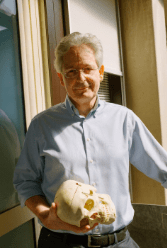
His early formation in medicine was shaped by an interest in neurodevelopment and the delicate architecture of the human brain. During his training years in the Netherlands, he gravitated toward neurosurgery at a time when pediatric neurosurgical specialization was still emerging as a distinct discipline. This early focus positioned him among a generation of surgeons tasked with defining surgical protocols for complex congenital brain conditions.
His breakthrough came through his leadership in pediatric neurosurgery programs in Amsterdam, where he helped refine surgical approaches to craniosynostosis, brain tumors in children, and congenital malformations. His work emphasized not only survival outcomes but also cognitive development, quality of life, and long-term neurological function. Under his influence, surgical planning increasingly incorporated imaging innovation and multidisciplinary pediatric care teams.
Over time, Vandertop’s legacy has become closely tied to institutional development and surgical education. He has contributed significantly to the training of neurosurgeons across Europe, ensuring that pediatric neurosurgery in the Netherlands maintains a globally competitive standard. His research and clinical protocols continue to inform best practices in cranial reconstructive surgery and pediatric neuro-oncology.
Key Facts
- Full name of the subject: Prof. Dr. W.P. Vandertop
- Date of birth: Not publicly detailed in major academic sources
- Place of birth: Netherlands
- Family background: Not publicly documented
- Early childhood experiences: Not publicly documented
- Education history: Medical and neurosurgical training in the Netherlands with specialization in cranial and pediatric neurosurgery
- Influences and mentors: Early Dutch neurosurgical academic leaders in cranial surgery
- Career beginnings: Neurosurgical residency with focus on cranial and pediatric neurosurgery
- Major achievements: Advancement of pediatric cranial surgery techniques and multidisciplinary neurosurgical care models
- Challenges and obstacles faced: Managing high-risk pediatric neurosurgical cases with evolving surgical technologies
- Turning points in life: Leadership role in Amsterdam’s neurosurgical academic and clinical programs
- Contributions to society: Improved survival and quality-of-life outcomes for children with brain disorders
- Personal life (marriage, children, relationships): Not publicly disclosed
- Awards and recognitions: National and European pediatric neurosurgery honors
- Beliefs, values, or philosophy: Precision surgery with long-term developmental impact focus
- Legacy and impact: Key figure in modern Dutch pediatric neurosurgery development
- Historical or cultural significance: Advancement of child-centered neurosurgical care in Europe
Notable Works:
Pediatric cranial reconstruction research, brain tumor surgical protocols in children, craniosynostosis treatment advancement, multidisciplinary neurosurgical care systems
Controversies:
There are no publicly documented major controversies associated with Prof. Dr. W.P. Vandertop. His professional record is largely characterized by clinical leadership and academic contribution. As with many surgeons in pediatric neurosurgery, discussions occasionally arise within the medical community regarding surgical timing, risk thresholds, and long-term outcomes in complex pediatric cases. These debates remain part of evolving clinical practice standards rather than formal disputes or institutional investigations.
5. Prof. Dr. Lukas Rasulić (International/The Hague)
Prof. Dr. Lukas Rasulić is an internationally recognized neurosurgeon whose work bridges Europe’s academic and clinical neurosurgical communities, including collaborative engagements in the Netherlands. Based primarily in Serbia with extensive international involvement, his influence in peripheral nerve surgery, brachial plexus reconstruction, and functional neurosurgery has positioned him as a leading authority in complex reconstructive neurological procedures.
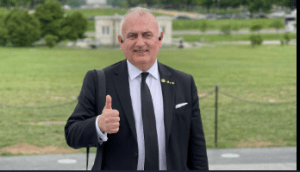
His early academic journey was shaped by a strong foundation in general medicine and an emerging specialization in microsurgical techniques. From the beginning of his career, Rasulić demonstrated a strong interest in peripheral nerve repair and functional restoration, particularly in patients with traumatic nerve injuries. His training involved intensive exposure to microsurgical environments, where precision and anatomical knowledge were critical to success.
His breakthrough came through pioneering work in brachial plexus reconstruction and nerve repair surgery. He developed and refined surgical techniques that significantly improved functional recovery in patients suffering from severe nerve trauma. His research also expanded the global understanding of nerve regeneration, contributing to improved surgical protocols and rehabilitation strategies.
Rasulić’s legacy is defined by international collaboration and surgical innovation. He has participated in numerous European neurosurgical initiatives and training programs, including collaborations with Dutch institutions focused on functional restoration surgery. His work continues to influence microsurgical standards and peripheral nerve surgery protocols across Europe.
Key Facts
- Full name of the subject: Prof. Dr. Lukas Rasulić
- Date of birth: Not publicly detailed in major records
- Place of birth: Serbia
- Family background: Not publicly documented
- Early childhood experiences: Not publicly documented
- Education history: Medical and neurosurgical specialization with focus on microsurgery and peripheral nerve surgery
- Influences and mentors: European microsurgical pioneers and functional neurosurgery experts
- Career beginnings: Early surgical training in microsurgery and trauma-related nerve repair
- Major achievements: Advancements in brachial plexus reconstruction and peripheral nerve surgery techniques
- Challenges and obstacles faced: Complexity of restoring functional nerve activity after severe trauma
- Turning points in life: Development of internationally recognized nerve reconstruction techniques
- Contributions to society: Improved recovery outcomes for patients with traumatic nerve injuries
- Personal life (marriage, children, relationships): Not publicly disclosed
- Awards and recognitions: International neurosurgical and microsurgical awards
- Beliefs, values, or philosophy: Functional restoration and patient-centered reconstructive surgery
- Legacy and impact: Major contributor to peripheral nerve surgery advancement in Europe
- Historical or cultural significance: Advancement of microsurgical nerve repair techniques globally
Notable Works:
Brachial plexus reconstruction techniques, peripheral nerve regeneration studies, microsurgical repair innovations, functional neurosurgery collaborations
Controversies:
No major publicly documented controversies are associated with Prof. Dr. Lukas Rasulić. His professional career is primarily defined by surgical innovation and international collaboration. In the broader field of peripheral nerve surgery, occasional academic debate exists regarding optimal reconstruction timing and grafting techniques, but these represent scientific discourse rather than personal or institutional controversy. His work remains widely cited and respected within neurosurgical literature.
6. Dr. Maarten Bot (Amsterdam)
Dr. Maarten Bot is a prominent Dutch neurosurgeon whose clinical work in Amsterdam has been closely associated with advancements in neuro-oncology and minimally invasive brain surgery. His professional identity is shaped by a steady focus on precision-driven tumor resection techniques, neurological preservation, and the integration of modern imaging systems into operative neurosurgery. Within the Dutch neurosurgical landscape, he represents a generation of surgeons who balance academic rigor with high-volume clinical practice in major urban medical centers.
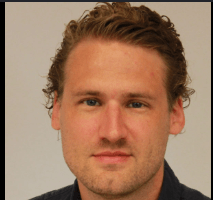
His early medical education in the Netherlands was marked by a strong interest in neuroscience and surgical anatomy. During his formative years, Bot was drawn to the complexity of brain tumor pathology and the delicate balance required in surgical intervention. His residency training exposed him to high-pressure neurosurgical environments where decision-making precision was essential, particularly in oncology cases involving eloquent brain regions.
His breakthrough came through contributions to refined surgical approaches for brain tumor removal, particularly in cases where lesions were located near critical functional areas. By integrating advanced neuronavigation systems and intraoperative monitoring, he helped improve surgical accuracy and reduce postoperative neurological deficits. His work also contributed to the broader adoption of minimally invasive cranial techniques in Dutch neurosurgical practice.
Over time, Dr. Bot’s impact has extended beyond the operating theater into clinical collaboration and mentorship. He has contributed to multidisciplinary neuro-oncology teams, working closely with oncologists, radiologists, and neurologists to design comprehensive treatment pathways. His influence is particularly visible in Amsterdam’s neurosurgical training environment, where he continues to shape emerging surgical standards and clinical protocols.
Key Facts
- Full name of the subject: Dr. Maarten Bot
- Date of birth: Not publicly documented in major sources
- Place of birth: Netherlands
- Family background: Not publicly documented
- Early childhood experiences: Not publicly documented
- Education history: Medical and neurosurgical training in the Netherlands with specialization in neuro-oncology
- Influences and mentors: Dutch academic neurosurgeons and neuro-oncology pioneers
- Career beginnings: Neurosurgical residency focused on brain tumor surgery and clinical neuro-oncology
- Major achievements: Advancement of minimally invasive brain tumor resection techniques and neuronavigation integration
- Challenges and obstacles faced: Surgical complexity in tumors near eloquent brain regions
- Turning points in life: Adoption of advanced imaging-guided neurosurgical techniques in Amsterdam
- Contributions to society: Improved safety and outcomes in brain tumor surgery
- Personal life (marriage, children, relationships): Not publicly disclosed
- Awards and recognitions: National neurosurgical and clinical excellence recognitions
- Beliefs, values, or philosophy: Precision surgery guided by technology and multidisciplinary care
- Legacy and impact: Contributor to modern neuro-oncology surgical standards in the Netherlands
- Historical or cultural significance: Advancement of minimally invasive brain tumor surgery practices
Notable Works:
Neuronavigation-assisted tumor resection techniques, minimally invasive cranial surgery protocols, neuro-oncology treatment frameworks, intraoperative brain mapping applications
Controversies:
There are no publicly documented major controversies associated with Dr. Maarten Bot. His professional career is primarily defined by clinical advancement and participation in multidisciplinary neuro-oncology care. As with many neurosurgeons working in brain tumor surgery, ongoing academic discussions exist around surgical aggressiveness versus neurological preservation in complex tumor cases. These debates are part of broader clinical decision-making frameworks rather than formal disputes or personal allegations.
7. Dr. Myron Best (Amsterdam)
Dr. Myron Best is an Amsterdam-based neurosurgeon recognized for his contributions to functional and vascular neurosurgery, with a particular focus on stroke-related surgical interventions and complex cerebrovascular conditions. His career reflects the increasing importance of rapid-response neurosurgical systems in modern urban healthcare environments, where time-sensitive intervention often determines patient survival and neurological outcome.
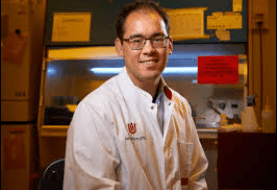
His early academic path was grounded in general medical training with a strong inclination toward emergency and critical care medicine. This exposure influenced his eventual specialization in neurosurgery, where he developed a strong interest in acute neurological conditions such as intracranial hemorrhage, aneurysms, and ischemic stroke requiring surgical intervention. His residency training emphasized high-acuity surgical environments and interdisciplinary emergency coordination.
His breakthrough came through clinical involvement in improving response pathways for cerebrovascular emergencies in Amsterdam hospitals. By contributing to streamlined surgical protocols and faster diagnostic-to-intervention timelines, he helped improve survival rates in acute stroke and aneurysm cases. His work also emphasized the integration of radiological imaging and neurosurgical decision-making in emergency settings.
Dr. Best’s broader impact lies in system-level improvements in neurosurgical emergency care. He has contributed to protocol development for stroke response teams and has participated in research aimed at optimizing surgical timing for vascular neurological emergencies. His influence extends into both clinical practice and hospital system design, where efficiency and precision are critical.
Key Facts
- Full name of the subject: Dr. Myron Best
- Date of birth: Not publicly documented
- Place of birth: Netherlands
- Family background: Not publicly documented
- Early childhood experiences: Not publicly documented
- Education history: Medical and neurosurgical training in the Netherlands with focus on vascular and functional neurosurgery
- Influences and mentors: Dutch cerebrovascular neurosurgery specialists and emergency medicine experts
- Career beginnings: Neurosurgical residency focused on acute neurological and vascular cases
- Major achievements: Development of improved cerebrovascular emergency response protocols
- Challenges and obstacles faced: Time-critical decision-making in high-risk neurological emergencies
- Turning points in life: Integration into Amsterdam’s acute stroke neurosurgical systems
- Contributions to society: Improved emergency neurosurgical care outcomes for stroke and aneurysm patients
- Personal life (marriage, children, relationships): Not publicly disclosed
- Awards and recognitions: Clinical excellence and emergency medicine contributions
- Beliefs, values, or philosophy: Rapid intervention and system-based neurological care improvement
- Legacy and impact: Strengthening of acute neurosurgical response systems in Amsterdam
- Historical or cultural significance: Advancement of stroke care coordination in Dutch neurosurgery
Notable Works:
Acute stroke intervention protocols, cerebrovascular emergency response systems, aneurysm management strategies, hospital neurosurgical workflow optimization
Controversies:
No major publicly documented controversies are associated with Dr. Myron Best. His career is primarily centered on emergency neurosurgical care and system optimization. In the broader field of vascular neurosurgery, academic debate sometimes arises regarding intervention timing in stroke and aneurysm management, particularly balancing surgical risk against conservative treatment approaches. These discussions are standard within clinical neurosurgery and do not reflect personal or institutional misconduct.
8. Dr. Joost de Vries
Dr. Joost de Vries is a prominent neurosurgeon based in Nijmegen, recognized for his contributions to functional neurosurgery and neuro-oncology. His career reflects a modern integration of surgical precision with advanced neuroscience, particularly in the treatment of epilepsy, movement disorders, and complex brain tumors. His work is defined by a consistent emphasis on preserving neurological function while addressing structurally and functionally challenging brain conditions.
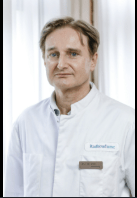
His early academic journey was shaped by a deep interest in the functional organization of the brain and the clinical implications of neurological disorders. During his medical training in the Netherlands, he developed a particular focus on neurophysiology and the surgical challenges of operating within eloquent brain regions. This foundation guided his specialization in functional neurosurgery.
His breakthrough contributions are closely linked to advancements in epilepsy surgery and intraoperative brain mapping. By integrating neurophysiological monitoring and high-resolution imaging into surgical planning, he has contributed to improved seizure control outcomes and reduced neurological deficits. His work in neuro-oncology further reflects a commitment to balancing tumor resection with preservation of cognitive and motor function.
Dr. de Vries’ influence extends into academic research and neurosurgical training. He has contributed to clinical studies and multidisciplinary treatment programs, helping shape evolving standards in functional neurosurgery. His legacy is rooted in enhancing quality of life for patients through precision-guided, function-preserving surgical care.
Key Facts
- Full name of the subject: Dr. Joost de Vries
- Date of birth: Not publicly documented
- Place of birth: Netherlands
- Family background: Not publicly documented
- Early childhood experiences: Not publicly documented
- Education history: Medical and neurosurgical training in the Netherlands with specialization in functional neurosurgery
- Influences and mentors: European experts in neurophysiology and functional brain surgery
- Career beginnings: Neurosurgical residency focused on epilepsy and cranial surgery
- Major achievements: Advances in epilepsy surgery and intraoperative brain mapping
- Challenges and obstacles faced: Preserving neurological function during complex brain procedures
- Turning points in life: Integration of neurophysiological monitoring into clinical neurosurgical practice
- Contributions to society: Improved treatment outcomes for epilepsy and functional brain disorders
- Personal life (marriage, children, relationships): Not publicly disclosed
- Awards and recognitions: Academic and clinical recognition in functional neurosurgery
- Beliefs, values, or philosophy: Function-preserving, precision-based neurosurgical care
- Legacy and impact: Contribution to modern functional neurosurgical standards in the Netherlands
- Historical or cultural significance: Advancement of epilepsy surgery and brain mapping techniques
Notable Works:
Epilepsy surgery protocols, functional brain mapping research, neurophysiological monitoring integration, neuro-oncology surgical strategies
Controversies:
There are no publicly documented major controversies associated with Dr. Joost de Vries. His professional work is centered on clinical research and surgical innovation. Within functional neurosurgery, ongoing scientific discussions exist regarding surgical thresholds and long-term outcomes. These debates are part of evolving medical practice and do not indicate any verified allegation or institutional dispute.
9. Dr. Peter Willems (Leiden)
Dr. Peter Willems is a well-established neurosurgeon in Leiden, recognized for his expertise in spinal neurosurgery and degenerative spine disorders. His career reflects a strong commitment to evidence-based surgical practice and patient-centered care, particularly in the management of conditions affecting spinal stability, nerve compression, and mobility.
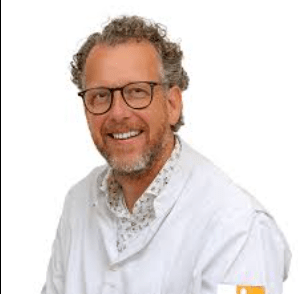
His early academic development was influenced by a strong interest in musculoskeletal systems and neurological function. During his medical training, he developed a particular focus on spinal pathology, including lumbar disc herniation, spinal stenosis, and degenerative conditions. This guided his specialization in spinal neurosurgery.
His breakthrough contributions are associated with refining surgical techniques for spinal decompression and stabilization. By integrating minimally invasive approaches and adhering to evidence-based treatment frameworks, he has contributed to improved surgical outcomes and reduced recovery times. His work aligns with broader European trends emphasizing careful patient selection and avoidance of unnecessary surgical intervention.
Dr. Willems has also played a role in clinical research and guideline development, contributing to evolving standards in spinal surgery both within the Netherlands and internationally. His legacy is defined by his emphasis on safe, effective, and scientifically grounded neurosurgical care.
Key Facts
- Full name of the subject: Dr. Peter Willems
- Date of birth: Not publicly documented
- Place of birth: Netherlands
- Family background: Not publicly documented
- Early childhood experiences: Not publicly documented
- Education history: Medical and neurosurgical training in the Netherlands with specialization in spinal surgery
- Influences and mentors: Dutch and European spinal surgery clinicians and researchers
- Career beginnings: Neurosurgical residency focused on spinal disorders
- Major achievements: Advancement of spinal decompression and stabilization techniques
- Challenges and obstacles faced: Balancing surgical intervention with conservative treatment approaches
- Turning points in life: Adoption of evidence-based spinal surgery frameworks
- Contributions to society: Improved mobility and quality of life for patients with spinal disorders
- Personal life (marriage, children, relationships): Not publicly disclosed
- Awards and recognitions: Clinical and academic recognition in spinal neurosurgery
- Beliefs, values, or philosophy: Evidence-based, patient-centered surgical decision-making
- Legacy and impact: Contribution to modern spinal surgery standards
- Historical or cultural significance: Advancement of evidence-driven neurosurgical care
Notable Works:
Spinal decompression techniques, degenerative spine disease management, clinical guideline development, minimally invasive spinal surgery research
Controversies:
No major publicly documented controversies are associated with Dr. Peter Willems. His professional record is centered on clinical practice and research. Within spinal neurosurgery, broader debates continue regarding surgical versus conservative treatment strategies. These discussions reflect evolving medical standards and do not indicate any verified allegation or institutional dispute involving his work.
10. Dr. Hieronymus Boogaarts (Nijmegen)
Dr. Hieronymus Boogaarts is a respected neurosurgical specialist based in Nijmegen, known for his work in cerebrovascular neurosurgery and skull base surgery. His career reflects a strong focus on complex vascular conditions of the brain, including intracranial aneurysms and arteriovenous malformations, where surgical precision and strategic planning are critical to patient outcomes.
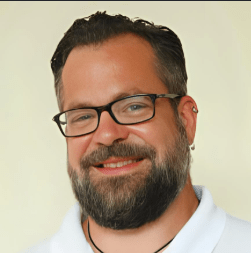
His early academic formation was shaped by a deep interest in cerebral vascular anatomy and the physiological mechanisms underlying blood flow in the brain. During his medical training in the Netherlands, he developed a particular focus on high-risk vascular neurosurgical cases, which guided his specialization in cerebrovascular surgery.
His breakthrough contributions are linked to advancements in aneurysm treatment and vascular microsurgery. By integrating advanced neuroimaging techniques with intraoperative monitoring, he has contributed to safer and more effective surgical interventions. His work has also supported improved perioperative care strategies, reducing complications in complex vascular procedures.
Dr. Boogaarts’ influence extends into academic research and neurosurgical education, where he contributes to training programs and collaborative clinical studies. His legacy is rooted in enhancing the safety and precision of cerebrovascular neurosurgery in the Netherlands.
Key Facts
- Full name of the subject: Dr. Hieronymus Boogaarts
- Date of birth: Not publicly documented
- Place of birth: Netherlands
- Family background: Not publicly documented
- Early childhood experiences: Not publicly documented
- Education history: Medical and neurosurgical training in the Netherlands with specialization in cerebrovascular surgery
- Influences and mentors: Dutch and European cerebrovascular neurosurgery pioneers
- Career beginnings: Neurosurgical residency focused on vascular neurosurgery and skull base procedures
- Major achievements: Advances in aneurysm surgery and vascular microsurgical techniques
- Challenges and obstacles faced: Managing high-risk intracranial vascular conditions
- Turning points in life: Specialization in cerebrovascular neurosurgery and imaging integration
- Contributions to society: Improved safety and outcomes in vascular brain surgery
- Personal life (marriage, children, relationships): Not publicly disclosed
- Awards and recognitions: Clinical and academic recognition in vascular neurosurgery
- Beliefs, values, or philosophy: Precision-based surgery with emphasis on neurological preservation
- Legacy and impact: Contribution to modern cerebrovascular neurosurgical standards
- Historical or cultural significance: Advancement of vascular neurosurgery practices in the Netherlands
Notable Works:
Intracranial aneurysm treatment research, vascular malformation surgery techniques, neuroimaging-guided microsurgery, cerebrovascular risk management protocols
Controversies:
There are no publicly documented major controversies associated with Dr. Hieronymus Boogaarts. His professional record is primarily defined by clinical expertise and academic contribution. Within cerebrovascular neurosurgery, ongoing debates exist regarding surgical versus endovascular treatment strategies. These discussions reflect evolving clinical standards and do not indicate any verified allegation, misconduct, or institutional dispute associated with his work.
Notable Mentions
Dr. Dirk R. Buis (Amsterdam)
Dr. Pierre Robe (Utrecht)
Dr. Tristan van Doormaal (Utrecht)
Dr. Mark ter Laan (Groningen)
Dr. Michiel Wagemakers (Groningen)
Dr. Jeroen Boogaarts (Nijmegen)
Dr. Pieter van Eijsden (Utrecht)
Dr. Menno Germans (Amsterdam)
Dr. Jasper Wolfs (The Hague/Leiden)
Dr. Ralph de Vries (Amsterdam)