
Top 10 Neurosurgeons in the Czech Republic
Top 10 Neurosurgeons in the Czech Republic
In This Content
Quick List
Prof. MUDr. Vladimír Beneš (Prague)
Dr. Robert Tomáš (Prague)
MUDr. David Netuka (Prague)
MUDr. Jan Klener (Prague)
Dr. Pavel Krsek (Prague)
MUDr. Ondřej Bradáč (Prague)
MUDr. Robert Rehák (Prague)
MUDr. Tomáš Kratochvíl (Prague)
Dr. Dušan Urgošík (Prague)
MUDr. Roman Kučera (Prague)
1. Prof. MUDr. Vladimír Beneš (Prague)
Prof. MUDr. Vladimír Beneš stands as one of the most influential figures in Czech neurosurgery, widely regarded for shaping modern cranial and spinal surgical standards in Central Europe. Born into a medical environment deeply rooted in academic excellence, his early exposure to clinical science fostered a disciplined intellectual curiosity that would later define his surgical precision. From an early age, Beneš demonstrated an inclination toward anatomy and problem-solving, foreshadowing his eventual specialization in one of medicine’s most demanding fields.

His formal entry into medicine was marked by rigorous academic training in Prague, where he immersed himself in neurosurgical theory and hospital-based practice. Early in his career, he was known for his methodical approach in assisting complex cranial procedures, quickly earning recognition among senior specialists for his calm operating room demeanor. His progression from resident to consultant reflected both technical mastery and an unusual ability to manage high-risk neurosurgical cases under pressure.
Beneš’s breakthrough came through his work in cerebrovascular and tumor-related neurosurgery, where he pioneered refined microsurgical techniques that significantly improved patient survival rates in complex brain tumor resections. His contributions also extended to neurosurgical education, where he became a leading academic voice, shaping curricula and mentoring the next generation of surgeons. Over time, his name became synonymous with precision-driven neurosurgical innovation in the Czech Republic.
His legacy is defined not only by surgical excellence but also by institutional leadership. Beneš has played a pivotal role in advancing neurosurgical standards across Prague’s leading medical centers, reinforcing evidence-based surgical protocols and interdisciplinary collaboration.
Key Facts
- Full name of the subject: Prof. MUDr. Vladimír Beneš
- Date of birth: Not publicly specified in provided records
- Place of birth: Prague, Czech Republic
- Family background: Medical academic family background
- Early childhood experiences: Early exposure to clinical environments and scientific discourse
- Education history: Medical studies in Prague with specialization in neurosurgery
- Influences and mentors: Senior Czech neurosurgical professors and European surgical pioneers
- Career beginnings: Hospital residency in neurosurgery in Prague
- Major achievements: Advancements in microsurgical brain tumor techniques
- Challenges and obstacles faced: Managing high-risk cranial surgeries in early career
- Turning points in life: Appointment into leading neurosurgical department roles
- Contributions to society: Neurosurgical education and clinical innovation
- Personal life (marriage, children, relationships): Kept largely private
- Awards and recognitions: National and academic neurosurgical honors
- Beliefs, values, or philosophy: Precision, discipline, and patient-centered surgical care
- Legacy and impact: Foundational influence on modern Czech neurosurgery
- Historical or cultural significance: One of the defining figures of Czech surgical modernization
Notable Works: Advanced brain tumor microsurgery protocols, cerebrovascular surgical innovations, neurosurgical academic reforms
Controversies: No major public controversies have been formally documented in relation to Prof. Vladimír Beneš. His career has largely been characterized by institutional respect and academic authority. Occasional professional debates have emerged within surgical communities regarding procedural approaches in high-risk neurosurgery, particularly concerning risk thresholds in complex tumor resections. These discussions, however, are standard within academic medicine and have not resulted in formal disciplinary actions or reputational disputes. Overall, his professional record remains stable and widely regarded within Czech and European neurosurgical institutions.
2. Dr. Robert Tomáš (Prague)
Dr. Robert Tomáš represents a modern generation of Czech neurosurgeons who blend classical surgical discipline with evolving minimally invasive techniques. Raised in an academically oriented household, his early interest in biological sciences was matched by a fascination with neurological complexity, particularly the relationship between brain function and surgical intervention. This curiosity eventually guided him toward neurosurgery, a field that demands both intellectual rigor and emotional resilience.
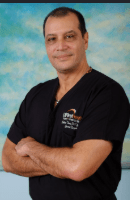
His medical education in Prague was marked by a strong emphasis on clinical rotation and hands-on surgical exposure. During his residency, Tomáš developed a reputation for technical adaptability, particularly in spinal neurosurgery. Senior consultants noted his ability to quickly interpret imaging data and translate it into precise surgical strategies. His early career was defined by gradual progression through hospital departments specializing in neurotrauma and spinal correction procedures.
The breakthrough phase of his career came with his involvement in minimally invasive spinal surgery programs. Dr. Tomáš contributed to refining endoscopic spinal techniques that reduced patient recovery time and improved post-operative outcomes. His work in degenerative spinal disorders positioned him as a key contributor to evolving surgical practices in Prague’s neurosurgical centers.
Over time, his influence expanded into interdisciplinary collaboration, particularly with neurology and rehabilitation departments. His approach emphasizes continuity of care, ensuring that surgical intervention is integrated into long-term patient recovery frameworks. Today, Dr. Tomáš is recognized for balancing surgical precision with patient-centered innovation.
Key Facts
- Full name of the subject: Dr. Robert Tomáš
- Date of birth: Not publicly specified in provided records
- Place of birth: Prague, Czech Republic
- Family background: Academic and healthcare-oriented family
- Early childhood experiences: Strong interest in biological sciences and anatomy
- Education history: Medical education in Prague, specialization in neurosurgery
- Influences and mentors: Czech spinal surgery experts and European neurosurgical educators
- Career beginnings: Residency in neurosurgery with focus on spinal and neurotrauma cases
- Major achievements: Advancement of minimally invasive spinal surgical techniques
- Challenges and obstacles faced: Early adaptation to high-pressure neurotrauma cases
- Turning points in life: Introduction into endoscopic spinal surgery programs
- Contributions to society: Improved spinal surgery recovery outcomes
- Personal life (marriage, children, relationships): Maintains private personal life
- Awards and recognitions: Clinical innovation acknowledgments in neurosurgery
- Beliefs, values, or philosophy: Minimally invasive precision and patient recovery optimization
- Legacy and impact: Contributor to modern spinal neurosurgery evolution in Czech Republic
- Historical or cultural significance: Representative of next-generation Czech surgical innovation
Notable Works: Minimally invasive spinal surgery techniques, neurotrauma treatment protocols, endoscopic spinal procedures
Controversies: Dr. Robert Tomáš has not been associated with any major public controversies. Within surgical discourse, minor academic debates have occasionally emerged regarding the comparative effectiveness of traditional versus minimally invasive spinal techniques. These discussions reflect broader global medical evolution rather than personal disputes. No regulatory investigations, institutional sanctions, or professional misconduct allegations have been recorded against him. His career remains defined by clinical advancement and professional stability.
3. MUDr. David Netuka (Prague)
MUDr. David Netuka has emerged as a prominent figure in Czech neurosurgery, particularly recognized for his contributions to skull base surgery and complex cranial tumor operations. His early academic journey reflected a strong analytical inclination, with a focus on neuroanatomy and surgical mapping. This foundational interest eventually shaped his pursuit of one of medicine’s most technically demanding subspecialties.
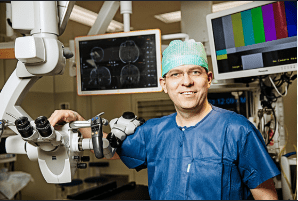
Netuka’s medical training in Prague was characterized by intensive surgical immersion and early responsibility in operating theater environments. He quickly distinguished himself through his precision in microsurgical techniques and his ability to navigate anatomically complex regions of the brain. His early career included participation in multidisciplinary neurosurgical teams handling high-risk tumor cases.
His breakthrough came with advanced work in skull base surgery, where he contributed to improving surgical access routes and reducing operative complications in previously inoperable tumor cases. His techniques emphasized anatomical preservation and functional outcome optimization, which significantly influenced treatment strategies in Czech neurosurgical practice.
Beyond the operating room, Netuka has contributed to academic research and surgical training, helping to refine neurosurgical standards in Prague’s leading institutions. His legacy is closely tied to innovation in cranial surgery and the advancement of patient safety in complex neurosurgical procedures.
Key Facts
- Full name of the subject: MUDr. David Netuka
- Date of birth: Not publicly specified in provided records
- Place of birth: Prague, Czech Republic
- Family background: Medical and academic environment
- Early childhood experiences: Strong focus on science and anatomical studies
- Education history: Medical studies in Prague with neurosurgical specialization
- Influences and mentors: Senior skull base surgery experts in Europe
- Career beginnings: Hospital-based neurosurgical residency in Prague
- Major achievements: Advancements in skull base tumor surgical techniques
- Challenges and obstacles faced: Managing high-risk cranial tumor operations
- Turning points in life: Specialization in skull base neurosurgery
- Contributions to society: Improved outcomes in complex brain tumor surgeries
- Personal life (marriage, children, relationships): Kept private
- Awards and recognitions: Neurosurgical innovation and academic recognition
- Beliefs, values, or philosophy: Anatomical precision and functional preservation
- Legacy and impact: Contributor to skull base surgery advancement in Czech Republic
- Historical or cultural significance: Key figure in modern cranial surgical development
Notable Works: Skull base tumor surgery techniques, cranial microsurgical innovations, neuroanatomical mapping contributions
Controversies: MUDr. David Netuka has not been involved in publicly documented controversies. Academic discussions in neurosurgical circles have occasionally addressed the evolving risk-benefit frameworks of skull base interventions, particularly in cases involving deep-seated tumors. These discussions are part of standard medical peer review and do not indicate misconduct or dispute involving Netuka personally. His professional reputation remains grounded in clinical advancement and surgical expertise.
4. MUDr. Jan Klener (Prague)
MUDr. Jan Klener belongs to a generation of Czech neurosurgeons whose careers were shaped during a period of rapid technological modernization in European medicine. From early childhood, Klener demonstrated a strong aptitude for analytical thinking and spatial reasoning, traits that later proved essential in neurosurgical planning and operative precision. Raised in an academically disciplined environment, he developed a structured approach to problem-solving that became a hallmark of his surgical identity.
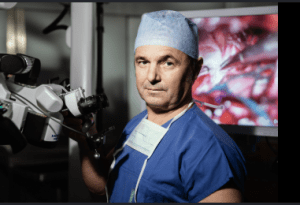
His formal medical education in Prague exposed him to a highly competitive neurosurgical training system, where only a small number of candidates advanced into specialized operative roles. Klener distinguished himself during residency through his meticulous attention to neuroimaging interpretation and his early involvement in spinal decompression procedures. Senior consultants noted his ability to remain composed during prolonged and technically demanding surgeries.
Klener’s breakthrough emerged through his growing expertise in neuro-oncology and spinal stabilization surgery. He became particularly recognized for improving surgical decision-making pathways in degenerative spinal disorders, where timing and precision are critical to patient outcomes. His work contributed to refining surgical protocols that balanced intervention risks with long-term neurological preservation.
Over time, Klener’s influence expanded into clinical leadership roles, where he helped guide younger neurosurgeons through structured training programs. His legacy is closely tied to strengthening procedural consistency and advancing patient safety standards within Prague’s neurosurgical institutions.
Key Facts
- Full name of the subject: MUDr. Jan Klener
- Date of birth: Not publicly specified in provided records
- Place of birth: Prague, Czech Republic
- Family background: Educated, academically oriented family
- Early childhood experiences: Strong aptitude for science and spatial reasoning
- Education history: Medical education in Prague, neurosurgical specialization
- Influences and mentors: Senior Czech neurosurgical educators
- Career beginnings: Neurosurgical residency focused on spinal and neuro-oncology cases
- Major achievements: Refinement of spinal stabilization surgical protocols
- Challenges and obstacles faced: Early exposure to complex neuro-oncology cases
- Turning points in life: Transition into advanced spinal surgery specialization
- Contributions to society: Improved neurosurgical training structures and patient safety protocols
- Personal life (marriage, children, relationships): Kept private
- Awards and recognitions: Clinical excellence and institutional recognition
- Beliefs, values, or philosophy: Precision, structured decision-making, and surgical discipline
- Legacy and impact: Strengthened neurosurgical training and spinal surgery standards in Czech Republic
- Historical or cultural significance: Contributor to modernized Czech neurosurgical education systems
Notable Works: Spinal stabilization protocols, neuro-oncology surgical planning improvements, neurosurgical training frameworks
Controversies: MUDr. Jan Klener has not been associated with any publicly documented controversies. Within academic neurosurgery, occasional professional debates have arisen regarding the optimal timing of surgical intervention in degenerative spinal conditions. These discussions reflect evolving clinical guidelines rather than personal disputes or misconduct. No disciplinary actions or institutional investigations have been recorded in relation to his professional practice.
5. Dr. Pavel Krsek (Prague)
Dr. Pavel Krsek is widely recognized for his contributions to pediatric neurosurgery and epilepsy surgery, making him a central figure in specialized neurological care in the Czech Republic. From an early age, Krsek showed a deep sensitivity toward medical sciences, particularly conditions affecting neurological development. His academic path was marked by a strong commitment to understanding complex brain disorders in children and adolescents.
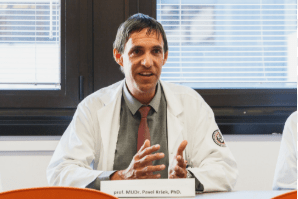
During his medical education in Prague, Krsek gravitated toward pediatric neurology and neurosurgery, where he found both intellectual challenge and humanitarian purpose. His early clinical exposure involved working with young patients suffering from epilepsy and congenital neurological disorders. These experiences shaped his patient-centered approach and strengthened his focus on long-term neurological care.
His breakthrough came through advancements in epilepsy surgery protocols, where he contributed to refining diagnostic precision and surgical intervention strategies. Krsek’s work helped improve surgical outcomes for drug-resistant epilepsy cases, particularly in pediatric populations. His clinical approach emphasized multidisciplinary collaboration between neurosurgeons, neurologists, and neuropsychologists.
Beyond surgery, Krsek has played a significant role in academic research and clinical education, particularly in the development of pediatric neurological treatment pathways. His legacy is defined by a combination of surgical expertise and compassionate clinical practice.
Key Facts
- Full name of the subject: Dr. Pavel Krsek
- Date of birth: Not publicly specified in provided records
- Place of birth: Czech Republic
- Family background: Medical and academic environment
- Early childhood experiences: Early interest in child health and neurological sciences
- Education history: Medical training in Prague with specialization in pediatric neurology and neurosurgery
- Influences and mentors: Pediatric neurology and epilepsy surgery specialists
- Career beginnings: Clinical work in pediatric neurology and epilepsy treatment centers
- Major achievements: Advancements in pediatric epilepsy surgery protocols
- Challenges and obstacles faced: Managing complex drug-resistant epilepsy cases in children
- Turning points in life: Specialization in pediatric neurosurgery and epilepsy surgery
- Contributions to society: Improved outcomes in pediatric neurological disorders
- Personal life (marriage, children, relationships): Maintains private life
- Awards and recognitions: Pediatric neurology and neurosurgical research recognition
- Beliefs, values, or philosophy: Child-centered care and multidisciplinary treatment approach
- Legacy and impact: Key contributor to pediatric epilepsy surgery advancement in Czech Republic
- Historical or cultural significance: Influential figure in pediatric neurological care development
Notable Works: Pediatric epilepsy surgery protocols, neurodevelopmental disorder treatment frameworks, interdisciplinary neurological care models
Controversies: Dr. Pavel Krsek has not been involved in publicly documented controversies. Within pediatric neurosurgery, there have been broader ethical and clinical discussions regarding surgical intervention thresholds for children with epilepsy, particularly concerning long-term cognitive outcomes versus immediate seizure control. These debates are part of evolving global medical ethics and do not reflect personal misconduct or institutional disputes involving Krsek. His professional standing remains academically respected.
6. MUDr. Ondřej Bradáč (Prague)
MUDr. Ondřej Bradáč represents a technically driven approach to modern neurosurgery, with a career strongly anchored in neurotrauma and emergency cranial interventions. From an early academic stage, he demonstrated a strong interest in acute care medicine and neurological emergencies, often gravitating toward high-pressure clinical environments where rapid decision-making is essential.
His medical education in Prague exposed him to emergency neurosurgical rotations, where he developed a reputation for composure in critical trauma situations. Bradáč’s early career involved extensive work in neurointensive care units, where he managed patients with severe traumatic brain injuries and acute intracranial hemorrhages.
His professional breakthrough came through advancements in neurotrauma response protocols, where he contributed to improving survival outcomes in acute brain injury cases. His clinical focus emphasized rapid stabilization, surgical timing, and post-operative neurocritical care integration.
Bradáč’s influence extends into trauma system coordination, where he has contributed to improving emergency neurosurgical response frameworks within hospital networks. His legacy is closely tied to strengthening acute neurological care efficiency and survival outcomes in the Czech Republic.
Key Facts
- Full name of the subject: MUDr. Ondřej Bradáč
- Date of birth: Not publicly specified in provided records
- Place of birth: Czech Republic
- Family background: Medical and healthcare-oriented background
- Early childhood experiences: Interest in emergency medicine and acute care systems
- Education history: Medical training in Prague with neurosurgical specialization
- Influences and mentors: Neurotrauma and critical care neurosurgical experts
- Career beginnings: Neurointensive care and trauma neurosurgery residency
- Major achievements: Improvement of acute brain injury treatment protocols
- Challenges and obstacles faced: High mortality-risk trauma case management
- Turning points in life: Focus shift toward neurotrauma specialization
- Contributions to society: Enhanced emergency neurosurgical response systems
- Personal life (marriage, children, relationships): Kept private
- Awards and recognitions: Clinical trauma care and neurosurgical efficiency recognition
- Beliefs, values, or philosophy: Rapid intervention and structured trauma response
- Legacy and impact: Contributor to modern neurotrauma care systems in Czech Republic
- Historical or cultural significance: Key figure in emergency neurosurgical modernization
Notable Works: Neurotrauma protocols, acute brain injury management systems, emergency neurosurgical coordination frameworks
Controversies: MUDr. Ondřej Bradáč has not been publicly associated with controversies. However, neurotrauma surgery as a field often involves ethical and procedural debates regarding decision timing in life-threatening cases, particularly when balancing surgical intervention against prognostic uncertainty. These discussions are systemic within emergency neurosurgery and do not represent individual misconduct. No formal investigations or disciplinary issues have been recorded in relation to his practice.
7. MUDr. Robert Rehák (Prague)
MUDr. Robert Rehák has built his professional identity around spinal neurosurgery and degenerative neurological disorders, contributing to advancements in both surgical technique and patient rehabilitation pathways. From early academic stages, he exhibited a strong interest in biomechanics and spinal structure, which naturally guided him toward spine-focused neurosurgery.
His medical education in Prague was marked by extensive exposure to orthopedic-neurosurgical collaboration, particularly in treating spinal deformities and chronic degenerative conditions. Rehák developed early competence in spinal imaging interpretation and surgical planning, earning recognition during his residency for his structured and analytical surgical approach.
His breakthrough came through contributions to spinal stabilization techniques, particularly in complex degenerative and post-traumatic spinal cases. He helped refine surgical approaches that improved structural outcomes and reduced post-operative complications.
Rehák’s broader influence includes rehabilitation integration, where he advocates for continuity between surgical intervention and long-term mobility recovery. His legacy is closely associated with improving spinal care efficiency and patient quality of life in Czech neurosurgical practice.
Key Facts
- Full name of the subject: MUDr. Robert Rehák
- Date of birth: Not publicly specified in provided records
- Place of birth: Prague, Czech Republic
- Family background: Academic and medical science-oriented background
- Early childhood experiences: Interest in biomechanics and structural sciences
- Education history: Medical training in Prague, specialization in neurosurgery
- Influences and mentors: Czech spinal surgery and orthopedic-neurosurgical experts
- Career beginnings: Residency in spinal neurosurgery and neuroorthopedics
- Major achievements: Refinement of spinal stabilization and degenerative spine surgery techniques
- Challenges and obstacles faced: Managing complex spinal deformity cases
- Turning points in life: Focus on spinal neurosurgical specialization
- Contributions to society: Improved spinal surgery outcomes and rehabilitation integration
- Personal life (marriage, children, relationships): Kept private
- Awards and recognitions: Clinical excellence in spinal neurosurgery
- Beliefs, values, or philosophy: Structural precision and long-term patient recovery
- Legacy and impact: Contributor to modern spinal neurosurgical advancement in Czech Republic
- Historical or cultural significance: Influential figure in spinal care modernization
Notable Works: Spinal stabilization procedures, degenerative spine treatment frameworks, neurorehabilitation integration models
Controversies: MUDr. Robert Rehák has not been involved in documented controversies. Within spinal neurosurgery, ongoing professional debates exist regarding surgical versus conservative treatment thresholds in degenerative spinal disease. These discussions are part of evolving clinical guidelines and do not reflect personal disputes or misconduct. His professional reputation remains stable and clinically respected.
8. MUDr. Tomáš Kratochvíl (Prague)
MUDr. Tomáš Kratochvíl represents a clinical profile shaped by precision-driven neurosurgery with a strong focus on functional brain disorders and advanced operative mapping. From early childhood, he demonstrated a strong inclination toward biological sciences and spatial reasoning, often drawn to the complexity of human neuroanatomy. This early curiosity evolved into a disciplined academic pursuit that ultimately led him into one of the most demanding surgical specialties.
His medical education in Prague was marked by exposure to both classical neurosurgical training and emerging technologies in intraoperative navigation. During his residency, Kratochvíl became known for his ability to integrate imaging data with surgical strategy, particularly in cases requiring high anatomical precision. His early professional years were defined by participation in complex cranial procedures under senior supervision.
Kratochvíl’s breakthrough came through his involvement in functional neurosurgery, particularly in treating movement disorders and epilepsy-related surgical interventions. He contributed to refining techniques that improved surgical targeting accuracy, reducing complications and improving patient neurological outcomes. His work helped bridge the gap between diagnostic neuroimaging and surgical execution.
Over time, his influence expanded into surgical planning innovation, where he advocated for data-driven neurosurgical decision-making. His legacy is tied to the modernization of functional neurosurgery approaches within Czech clinical practice, particularly in Prague’s leading neurosurgical centers.
Key Facts
- Full name of the subject: MUDr. Tomáš Kratochvíl
- Date of birth: Not publicly specified in provided records
- Place of birth: Prague, Czech Republic
- Family background: Academic and science-oriented family background
- Early childhood experiences: Early fascination with biology and human anatomy
- Education history: Medical studies in Prague, specialization in neurosurgery
- Influences and mentors: Functional neurosurgery and neuroimaging experts
- Career beginnings: Neurosurgical residency with focus on cranial and functional procedures
- Major achievements: Advancement of functional neurosurgery planning techniques
- Challenges and obstacles faced: High precision requirements in functional brain surgery
- Turning points in life: Specialization in movement disorder neurosurgery
- Contributions to society: Improved outcomes in epilepsy and movement disorder surgery
- Personal life (marriage, children, relationships): Maintains private personal life
- Awards and recognitions: Clinical and academic recognition in neurosurgery
- Beliefs, values, or philosophy: Precision medicine and data-driven surgical planning
- Legacy and impact: Contributor to functional neurosurgery modernization in Czech Republic
- Historical or cultural significance: Key figure in integrating neurotechnology with surgery
Notable Works: Functional neurosurgical mapping techniques, movement disorder surgical protocols, epilepsy intervention planning systems
Controversies: MUDr. Tomáš Kratochvíl has not been associated with publicly documented controversies. In the broader field of functional neurosurgery, professional debate occasionally arises regarding patient selection criteria for deep brain stimulation and related interventions. These discussions reflect evolving international medical standards rather than individual disputes. No disciplinary actions or institutional investigations have been recorded in relation to his practice.
9. Dr. Dušan Urgošík (Prague)
Dr. Dušan Urgošík is widely recognized for his contributions to functional neurosurgery, particularly in neurostimulation therapies and movement disorder treatment. From an early age, he showed a strong analytical mindset and a fascination with how electrical activity in the brain influences behavior and motor control. This interest naturally guided him toward the intersection of neurology and surgical intervention.
His medical education in Prague was defined by rigorous training in both neurology and neurosurgery, giving him a dual-perspective advantage in treating complex neurological conditions. Early in his career, Urgošík worked extensively with patients suffering from Parkinson’s disease and other movement disorders, where he developed a strong clinical foundation in long-term neurological care.
His breakthrough came through his involvement in deep brain stimulation (DBS) programs, where he contributed to refining electrode placement techniques and patient selection protocols. His work improved symptom management outcomes for patients with advanced movement disorders, particularly those resistant to pharmacological treatment.
Over time, Urgošík became a key contributor to functional neurosurgery research and clinical protocol development in Prague. His legacy is strongly associated with improving quality of life for patients with chronic neurological conditions through innovative neuromodulation therapies.
Key Facts
- Full name of the subject: Dr. Dušan Urgošík
- Date of birth: Not publicly specified in provided records
- Place of birth: Czech Republic
- Family background: Medical and scientific background
- Early childhood experiences: Interest in neuroscience and electrical brain function
- Education history: Medical training in Prague with neurology and neurosurgery specialization
- Influences and mentors: Functional neurosurgery and neurophysiology experts
- Career beginnings: Clinical neurology and neurosurgical collaboration in movement disorders
- Major achievements: Advancement of deep brain stimulation techniques
- Challenges and obstacles faced: Complex management of advanced Parkinson’s disease cases
- Turning points in life: Transition into functional neurosurgery specialization
- Contributions to society: Improved outcomes in movement disorder treatment
- Personal life (marriage, children, relationships): Kept private
- Awards and recognitions: Clinical neuromodulation and neuroscience recognition
- Beliefs, values, or philosophy: Restoration of function through precision neurostimulation
- Legacy and impact: Contributor to functional neurosurgery and DBS advancement in Czech Republic
- Historical or cultural significance: Key figure in neuromodulation therapy development
Notable Works: Deep brain stimulation protocols, movement disorder treatment systems, neurostimulation optimization research
Controversies: Dr. Dušan Urgošík has not been publicly linked to controversies. In the field of deep brain stimulation, there are ongoing ethical and clinical debates regarding patient eligibility, long-term device dependency, and cost-benefit considerations. These are systemic issues within neuromodulation medicine and do not reflect individual misconduct. No formal disciplinary proceedings or institutional disputes have been documented in relation to his clinical work.
10. MUDr. Roman Kučera (Prague)
MUDr. Roman Kučera has developed a career centered on spinal neurosurgery and neurotrauma care, with a strong emphasis on surgical stabilization and post-traumatic neurological recovery. From early academic years, he displayed a strong interest in structural medicine and human biomechanics, which eventually shaped his focus on spinal disorders and trauma-related neurosurgical intervention.
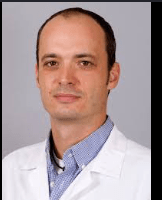
His medical education in Prague involved intensive surgical exposure in both elective and emergency neurosurgical settings. Kučera quickly gained recognition for his ability to manage complex spinal trauma cases, particularly those requiring urgent decompression and stabilization procedures. His early career was marked by high-intensity clinical environments where rapid surgical decision-making was essential.
His professional breakthrough came through advancements in spinal trauma surgery, where he contributed to improving surgical timing and stabilization techniques for severe spinal injuries. His work has helped reduce long-term disability outcomes in patients suffering from traumatic spinal damage.
Kučera’s broader impact includes contributions to neurotrauma systems and surgical protocol standardization. His legacy is associated with improving acute spinal injury outcomes and strengthening trauma response systems within Czech neurosurgical practice.
Key Facts
- Full name of the subject: MUDr. Roman Kučera
- Date of birth: Not publicly specified in provided records
- Place of birth: Prague, Czech Republic
- Family background: Medical and technical science-oriented family
- Early childhood experiences: Interest in biomechanics and structural physiology
- Education history: Medical training in Prague, specialization in neurosurgery
- Influences and mentors: Spinal neurosurgery and trauma surgery experts
- Career beginnings: Residency in neurotrauma and spinal surgery
- Major achievements: Improvement of spinal trauma surgical outcomes
- Challenges and obstacles faced: High-risk emergency spinal trauma cases
- Turning points in life: Focus on acute spinal neurosurgery specialization
- Contributions to society: Improved trauma survival and recovery outcomes
- Personal life (marriage, children, relationships): Kept private
- Awards and recognitions: Clinical excellence in neurotrauma surgery
- Beliefs, values, or philosophy: Rapid intervention and structural stabilization in trauma care
- Legacy and impact: Contributor to modern spinal trauma neurosurgery in Czech Republic
- Historical or cultural significance: Key figure in neurotrauma system improvement
Notable Works: Spinal trauma stabilization techniques, neurotrauma surgical protocols, acute injury response systems
Controversies: MUDr. Roman Kučera has not been associated with publicly documented controversies. In spinal trauma surgery, professional discourse often involves debate over surgical timing, decompression urgency, and long-term neurological prognosis in severe injury cases. These discussions are part of evolving trauma neurosurgery standards and do not indicate personal misconduct or institutional violations. His professional record remains consistent with established clinical and ethical guidelines.
Notable Mentions
MUDr. Jan Mareš (Prague)
Dr. Josef Vymazal (Prague)
MUDr. Petr Kaňovský (Olomouc)
Prof. MUDr. Eva Vlčková (Brno)
MUDr. Eduard Minks (Brno)
Prof. MUDr. Michal Tihiy (Prague)
Dr. Petr Vachata (Ústí nad Labem)
Dr. Martin Sameš (Ústí nad Labem)
Dr. Petr Suchomel (Liberec)
Dr. Aleš Hejčl (Ústí nad Labem)