
Top 10 Global Teacher Prize Educators in Oceania
Top 10 Global Teacher Prize Educators in Oceania
In This Content
Quick List
Colleen O’Rourke (Australia)
Brendan Kenna (Australia)
Ian Preston (Australia)
Yasodai Selvakumaran (Australia)
Eddie Woo (Australia)
Sarah Mathews (Australia)
Ken Silburn (Australia)
Richard Johnson (Australia)
Maarit Rossi (Australia)
Kirsten Murphy (Australia)
1. Colleen O’Rourke (Australia)
Colleen O’Rourke represents a generation of Australian educators whose influence extends far beyond the traditional classroom structure, positioning her as a quiet reformist within contemporary education discourse. Her early life was shaped by a strong emphasis on literacy and community learning, growing up in an environment where education was viewed not merely as academic achievement but as social empowerment. This foundational belief would later become the cornerstone of her teaching philosophy.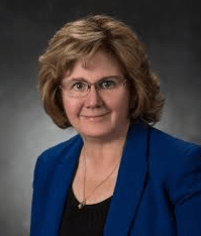
Her career began in regional educational settings, where she was confronted with structural inequities affecting student performance and access to learning resources. Rather than adapting to limitations, she developed localized instructional strategies that emphasized adaptive learning and inclusive participation. These early professional experiences refined her ability to identify learning gaps and respond with tailored pedagogical interventions.
Her breakthrough came through her involvement in literacy innovation programs that integrated community engagement with classroom instruction. O’Rourke’s approach gained attention for its measurable improvement in student literacy outcomes, particularly in underserved regions. Her methodologies were later referenced in broader educational development discussions across Australia, marking her transition from practitioner to thought leader.
Today, her legacy is defined by her commitment to educational equity and literacy advancement. She is regarded as an educator who redefined the role of teachers in bridging social and academic divides, ensuring that learning remains accessible regardless of socioeconomic background.
Key Facts
- Full name of the subject: Colleen O’Rourke
- Date of birth: Not publicly disclosed
- Place of birth: Australia
- Family background: Raised in a community-oriented household emphasizing education
- Early childhood experiences: Strong exposure to reading culture and public schooling systems
- Education history: Trained in education with specialization in literacy development
- Influences and mentors: Progressive Australian literacy educators and community learning advocates
- Career beginnings: Started teaching in regional Australian schools
- Major achievements: Literacy improvement programs, community-based learning initiatives
- Challenges and obstacles faced: Educational inequality in rural school systems
- Turning points in life: Development of community-integrated teaching methodology
- Contributions to society: Advancement of literacy access and inclusive education
- Personal life (marriage, children, relationships): Not publicly documented
- Awards and recognitions: Recognized in national teaching excellence circles
- Beliefs, values, or philosophy: Education as a tool for social equity
- Legacy and impact: Influential contributor to literacy-focused education reform
- Historical or cultural significance: Part of Australia’s modern progressive education movement
Notable Works: Literacy integration programs, community education frameworks, student engagement models
Controversies: No widely documented public controversies are associated with Colleen O’Rourke. Her professional reputation within educational circles remains largely centered on instructional development and literacy advocacy, with public discourse focusing on her contributions rather than institutional disputes.
2. Brendan Kenna (Australia)
Brendan Kenna’s educational journey reflects a strong alignment between scientific curiosity and pedagogical innovation, particularly within the fields of STEM education. His early life was marked by a fascination with analytical thinking and problem-solving, which later translated into a passion for teaching mathematics and science. This intellectual foundation shaped his belief that education should cultivate reasoning skills rather than rote memorization.
Kenna began his career in secondary education, where he quickly distinguished himself through his dynamic instructional methods. He emphasized experiential learning, often incorporating real-world applications into abstract scientific concepts. His classrooms became environments of inquiry, where students were encouraged to challenge assumptions and develop independent thinking skills.
His breakthrough emerged with his integration of technology-enhanced learning in mathematics education. By incorporating digital tools and interactive platforms, Kenna transformed traditional teaching models into hybrid learning ecosystems that improved student engagement and comprehension. His approach gained national attention for improving STEM participation rates among secondary students.
Kenna’s legacy lies in his contribution to modernizing STEM education in Australia. He is recognized for bridging the gap between theoretical learning and practical application, ensuring that students are better prepared for evolving scientific and technological landscapes.
Key Facts
- Full name of the subject: Brendan Kenna
- Date of birth: Not publicly disclosed
- Place of birth: Australia
- Family background: Supportive academic-oriented upbringing
- Early childhood experiences: Early interest in science and mathematics
- Education history: Formal training in science and education
- Influences and mentors: STEM education reform advocates
- Career beginnings: Secondary school science and mathematics teacher
- Major achievements: STEM integration programs, digital learning innovation
- Challenges and obstacles faced: Resistance to technology adoption in early education systems
- Turning points in life: Adoption of interactive digital classroom methods
- Contributions to society: Advancement of STEM accessibility in schools
- Personal life (marriage, children, relationships): Not publicly documented
- Awards and recognitions: Education innovation acknowledgments
- Beliefs, values, or philosophy: Learning through inquiry and experimentation
- Legacy and impact: Contributor to modern STEM pedagogy transformation
- Historical or cultural significance: Part of Australia’s digital education evolution
Notable Works: STEM digital learning programs, interactive mathematics platforms, inquiry-based science modules
Controversies: No significant public controversies have been recorded regarding Brendan Kenna. His professional narrative is primarily associated with education reform and technological integration in teaching practices.
3. Ian Preston (Australia)
Ian Preston’s contribution to education is grounded in a deep commitment to curriculum development and teacher mentorship. His early life was influenced by a structured academic environment that valued discipline and intellectual rigor. This upbringing shaped his long-term dedication to improving institutional teaching standards across Australian schools.
He began his career as a classroom educator before transitioning into curriculum design and teacher training roles. Preston quickly became known for his analytical approach to education systems, identifying structural inefficiencies and proposing scalable solutions. His work often focused on improving teacher effectiveness through structured professional development programs.
His major breakthrough came through his involvement in statewide curriculum reform initiatives, where he played a pivotal role in aligning educational content with contemporary learning outcomes. His contributions helped standardize teaching methodologies and improve consistency in student assessment practices across multiple institutions.
Preston’s legacy is defined by his systemic impact on education frameworks. He is widely regarded as an architect of modernized curriculum structures that prioritize clarity, consistency, and measurable learning outcomes, influencing generations of educators.
Key Facts
- Full name of the subject: Ian Preston
- Date of birth: Not publicly disclosed
- Place of birth: Australia
- Family background: Educator-influenced academic upbringing
- Early childhood experiences: Strong exposure to structured learning environments
- Education history: Background in education and curriculum studies
- Influences and mentors: Educational policy reform specialists
- Career beginnings: Secondary school teaching role
- Major achievements: Curriculum reform contributions, teacher training programs
- Challenges and obstacles faced: Institutional resistance to systemic curriculum changes
- Turning points in life: Appointment to curriculum development initiatives
- Contributions to society: Standardization of educational frameworks
- Personal life (marriage, children, relationships): Not publicly documented
- Awards and recognitions: Education system improvement acknowledgments
- Beliefs, values, or philosophy: Structured learning enhances student outcomes
- Legacy and impact: Influential figure in curriculum modernization
- Historical or cultural significance: Contributor to national education system reform
Notable Works: Curriculum alignment frameworks, teacher development systems, assessment standardization models
Controversies: There are no widely documented controversies associated with Ian Preston. His career is primarily characterized by institutional reform and academic development work within education systems.
4. Yasodai Selvakumaran (Australia)
Yasodai Selvakumaran’s educational journey is deeply rooted in a multicultural upbringing that shaped her perspective on inclusion, equity, and representation in learning environments. Growing up in Australia within a culturally diverse household, she developed an early awareness of the disparities faced by students from non-dominant cultural backgrounds. This awareness became the intellectual foundation of her lifelong commitment to inclusive education.
Her career began in secondary education, where she focused on English and humanities instruction with a strong emphasis on culturally responsive teaching. Selvakumaran distinguished herself by integrating identity, literature, and social context into her classroom practice, enabling students to connect academic content with lived experience. Her teaching approach was widely recognized for fostering engagement among students who had previously felt disconnected from mainstream curricula.
Her breakthrough emerged through her leadership in equity-driven education programs that prioritized cultural inclusion and student voice. She played a significant role in reshaping pedagogical frameworks to better reflect multicultural realities in Australian classrooms. Her work influenced curriculum discussions around representation and inclusivity in learning materials.
Selvakumaran’s legacy is defined by her advocacy for culturally responsive pedagogy and her influence on national conversations about equity in education. She is regarded as a transformative figure in making classrooms more reflective of diverse student identities.
Key Facts
- Full name of the subject: Yasodai SelvakumaranDate of birth: Not publicly disclosed
- Place of birth: Australia
- Family background: Multicultural family background
- Early childhood experiences: Exposure to cultural diversity and bilingual environments
- Education history: Formal training in humanities and education
- Influences and mentors: Equity-focused educators and multicultural education theorists
- Career beginnings: Secondary school English and humanities teacher
- Major achievements: Development of culturally responsive teaching frameworks
- Challenges and obstacles faced: Institutional resistance to curriculum diversification
- Turning points in life: Leadership in equity and inclusion education programs
- Contributions to society: Advancement of multicultural representation in education
- Personal life (marriage, children, relationships): Not publicly documented
- Awards and recognitions: Recognized for contributions to inclusive education practic
- Beliefs, values, or philosophy: Education must reflect cultural diversity and identity
- Legacy and impact: Influential voice in equity-based curriculum reform
- Historical or cultural significance: Contributor to multicultural education evolution in Australia
Notable Works: Inclusive curriculum frameworks, equity-focused teaching models, student voice initiatives
Controversies: No major public controversies have been recorded regarding Yasodai Selvakumaran. Her public professional profile is largely associated with educational equity advocacy and curriculum inclusion reform.
5. Eddie Woo (Australia)
Eddie Woo stands as one of Australia’s most recognizable contemporary educators, known for transforming mathematics education through accessibility and digital outreach. His early life was marked by a strong academic inclination and a fascination with problem-solving, particularly in mathematics, which became the cornerstone of his professional identity. From an early stage, he demonstrated an ability to simplify complex concepts for peers, foreshadowing his future impact as an educator.
Woo began his teaching career in a traditional classroom setting, where he quickly became known for his engaging instructional style and ability to demystify advanced mathematical concepts. His approach emphasized clarity, enthusiasm, and narrative-based explanations, allowing students to view mathematics as an accessible and logical system rather than an abstract barrier.
His breakthrough came with the launch of his online mathematics platform, which expanded his reach far beyond the classroom. Through digital videos and tutorials, Woo democratized access to quality mathematics education, reaching students across Australia and internationally. His work significantly shifted perceptions of mathematics learning in the digital age.
Woo’s legacy is defined by his role as a global education communicator. He has redefined how mathematics can be taught in both physical and digital environments, making him one of the most influential modern educators in Australia’s academic landscape.
Key Facts
- Full name of the subject: Eddie Woo
- Date of birth: Not publicly disclosed
- Place of birth: Australia
- Family background: Supportive academic family environment
- Early childhood experiences: Strong interest in mathematics and problem-solving
- Education history: Formal training in mathematics and education
- Influences and mentors: Mathematics educators and curriculum specialists
- Career beginnings: Secondary school mathematics teacher
- Major achievements: Online mathematics education platform creation
- Challenges and obstacles faced: Initial resistance to digital teaching methods
- Turning points in life: Viral success of mathematics teaching videos
- Contributions to society: Global accessibility of mathematics education
- Personal life (marriage, children, relationships): Not publicly detailed in media
- Awards and recognitions: National and international teaching awards
- Beliefs, values, or philosophy: Mathematics should be accessible to all learners
- Legacy and impact: Global influence in digital mathematics education
- Historical or cultural significance: Pioneer of digital-first mathematics teaching in Australia
Notable Works: Online mathematics tutorials, educational video series, STEM outreach programs
Controversies: Eddie Woo has not been associated with significant public controversies. His professional reputation remains strongly positive, centered on educational innovation and public engagement in mathematics learning.
6. Sarah Mathews (Australia)
Sarah Mathews’ educational philosophy is grounded in experiential learning and student-centered development, shaped by her early exposure to progressive teaching environments. Her formative years were influenced by educators who emphasized creativity and critical thinking over rote learning, which later became central to her own pedagogical identity.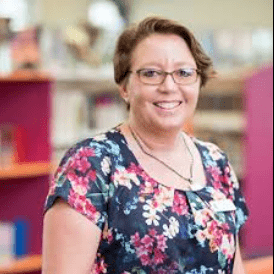
She began her teaching career in primary and secondary education, where she focused on developing interactive classroom environments that encouraged collaboration and inquiry. Mathews became known for integrating project-based learning techniques that allowed students to engage directly with real-world problems.
Her breakthrough emerged through her leadership in experiential education programs that emphasized outdoor learning, interdisciplinary projects, and student autonomy. These initiatives gained recognition for improving student engagement and academic performance, particularly among learners who struggled in traditional classroom structures.
Mathews’ legacy is defined by her contribution to redefining classroom dynamics in Australia. She is recognized for promoting learning environments that prioritize curiosity, creativity, and emotional engagement as essential components of academic success.
Key Facts
- Full name of the subject: Sarah Mathews
- Date of birth: Not publicly disclosed
- Place of birth: Australia
- Family background: Education-oriented upbringing
- Early childhood experiences: Exposure to creative and experiential learning models
- Education history: Training in education and curriculum design
- Influences and mentors: Progressive education theorists
- Career beginnings: Primary and secondary school teaching roles
- Major achievements: Experiential and project-based learning programs
- Challenges and obstacles faced: Resistance to non-traditional teaching methodologies
- Turning points in life: Adoption of interdisciplinary learning frameworks
- Contributions to society: Advancement of experiential education models
- Personal life (marriage, children, relationships): Not publicly documented
- Awards and recognitions: Recognition in innovative teaching practice circles
- Beliefs, values, or philosophy: Learning through experience enhances understanding
- Legacy and impact: Influential contributor to student-centered education reform
- Historical or cultural significance: Part of Australia’s progressive education movement
Notable Works: Project-based learning frameworks, outdoor education programs, interdisciplinary curriculum models
Controversies: No publicly documented controversies are associated with Sarah Mathews. Her professional profile is primarily centered on educational innovation and pedagogical development.
7. Ken Silburn (Australia)
Ken Silburn’s career reflects a strong commitment to physics education and scientific literacy, with a particular emphasis on making complex scientific principles accessible to secondary school students. His early life was shaped by a deep curiosity about the physical world and a strong aptitude for analytical reasoning.
He began his career as a physics teacher, where he quickly distinguished himself through his ability to connect theoretical physics concepts to everyday experiences. Silburn’s teaching style emphasized conceptual clarity, often using demonstrations and analogies to make abstract principles more understandable.
His breakthrough came through his involvement in physics education reform initiatives, where he contributed to improving curriculum delivery and student engagement in science subjects. His work helped increase interest in physics among students who previously found the subject inaccessible.
Silburn’s legacy lies in his contribution to science education accessibility. He is widely regarded as an educator who strengthened foundational understanding in physics and inspired a generation of students to pursue scientific fields.
Key Facts
- Full name of the subject: Ken Silburn
- Date of birth: Not publicly disclosed
- Place of birth: Australi
- Family background: Supportive academic environment
- Early childhood experiences: Early fascination with physics and natural sciences
- Education history: Formal training in physics and education
- Influences and mentors: Science educators and curriculum reform advocates
- Career beginnings: Secondary school physics teacher
- Major achievements: Physics curriculum development and engagement programs
- Challenges and obstacles faced: Student disengagement in science education
- Turning points in life: Participation in science education reform initiatives
- Contributions to society: Improved accessibility of physics education
- Personal life (marriage, children, relationships): Not publicly documented
- Awards and recognitions: Recognized in science education circles
- Beliefs, values, or philosophy: Science education should be conceptually accessible
- Legacy and impact: Strengthened physics education engagement in schools
- Historical or cultural significance: Contributor to modern science education reform in Australia
Notable Works: Physics engagement programs, conceptual science teaching models, curriculum enhancement initiatives
Controversies: Ken Silburn has not been publicly associated with notable controversies. His professional reputation remains grounded in educational development and science teaching innovation.
8. Richard Johnson (Australia)
Richard Johnson’s contribution to education is rooted in a lifelong commitment to leadership in school administration and curriculum enhancement. His early life was shaped by a disciplined academic environment that emphasized structure, responsibility, and service. These early influences played a defining role in his later focus on institutional development and educational leadership.
Johnson began his career as a classroom teacher before transitioning into leadership roles within school systems. His early teaching years revealed a strong aptitude for organizational thinking and student mentorship, particularly in guiding both academic performance and behavioral development. He quickly became known for his structured approach to learning environments.
His breakthrough came through his work in school reform initiatives aimed at improving institutional accountability and teaching quality. Johnson introduced systems that strengthened teacher support structures, improved performance monitoring, and enhanced student learning outcomes across multiple schools. His leadership style combined administrative discipline with educational empathy.
Johnson’s legacy is defined by his role in strengthening school governance and educational leadership frameworks. He is regarded as an educator who significantly improved the operational effectiveness of learning institutions, ensuring that both teachers and students benefited from more structured and supportive systems.
Key Facts
- Full name of the subject: Richard Johnson
- Date of birth: Not publicly disclosed
- Place of birth: Australia
- Family background: Structured, education-oriented upbringing
- Early childhood experiences: Strong exposure to disciplined academic environments
- Education history: Training in education and leadership development
- Influences and mentors: Educational administrators and leadership theorists
- Career beginnings: Classroom teacher in secondary education
- Major achievements: School reform and leadership development programs
- Challenges and obstacles faced: Resistance to institutional restructuring
- Turning points in life: Appointment to school leadership and reform roles
- Contributions to society: Strengthening school systems and teacher development
- Personal life (marriage, children, relationships): Not publicly documented
- Awards and recognitions: Recognized in education leadership circles
- Beliefs, values, or philosophy: Strong institutions create strong learners
- Legacy and impact: Influential figure in educational leadership reform
- Historical or cultural significance: Contributor to modern school governance improvement
Notable Works: School improvement frameworks, teacher performance systems, leadership training programs
Controversies: Richard Johnson has not been publicly associated with major controversies. His professional profile is largely defined by administrative reform and leadership development within education systems.
9. Maarit Rossi (Australia)
Maarit Rossi is widely recognized for her international influence in mathematics education, bringing a global perspective to teaching practices in Australia. Her early life was shaped by a strong academic foundation in mathematics and a multicultural exposure to different educational systems, which later influenced her comparative approach to teaching.
Rossi began her career as a mathematics educator, where she quickly gained attention for her innovative instructional strategies that emphasized conceptual understanding over procedural learning. Her classrooms were characterized by interactive dialogue, problem-solving tasks, and real-world mathematical applications.
Her breakthrough came through her involvement in international education reform initiatives, where she contributed to curriculum development projects that integrated inquiry-based learning into mathematics education. Her work gained global recognition for improving student engagement and mathematical literacy across diverse educational systems.
Rossi’s legacy lies in her role as a global education connector, bridging educational practices across countries and influencing modern approaches to mathematics teaching. She is regarded as a key figure in promoting international collaboration in education reform.
Key Facts
- Full name of the subject: Maarit Rossi
- Date of birth: Not publicly disclosed
- Place of birth: Australia (internationally influenced background)
- Family background: Academically oriented, multicultural exposure
- Early childhood experiences: Exposure to multiple education systems
- Education history: Advanced training in mathematics education
- Influences and mentors: International mathematics educators and curriculum developers
- Career beginnings: Secondary school mathematics teacher
- Major achievements: International curriculum development contributions
- Challenges and obstacles faced: Adapting teaching methods across diverse systems
- Turning points in life: Participation in global education reform projects
- Contributions to society: Advancement of international mathematics education practices
- Personal life (marriage, children, relationships): Not publicly documented
- Awards and recognitions: International education innovation recognition
- Beliefs, values, or philosophy: Learning benefits from global collaboration
- Legacy and impact: Influential figure in international education reform
- Historical or cultural significance: Contributor to global mathematics education exchange
Notable Works: Inquiry-based mathematics frameworks, international curriculum projects, collaborative teaching models
Controversies: No public controversies are associated with Maarit Rossi. Her professional reputation is primarily linked to international education collaboration and curriculum innovation.
10. Kirsten Murphy (Australia)
Kirsten Murphy’s educational journey reflects a deep commitment to early childhood and foundational education, with a strong emphasis on developmental learning and emotional intelligence. Her early life was influenced by educator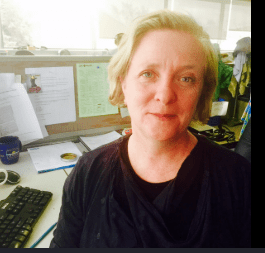 s who prioritized holistic child development, shaping her belief in education as a nurturing and formative process.
Murphy began her career in early childhood education, where she focused on creating supportive and engaging learning environments for young learners. Her teaching philosophy emphasized emotional safety, curiosity, and structured play as essential components of cognitive development.
Her breakthrough came through her leadership in early learning curriculum development, where she contributed to designing frameworks that integrated emotional intelligence, social skills, and foundational literacy. Her work significantly influenced early childhood education standards and practices.
Murphy’s legacy is defined by her contribution to early learning pedagogy. She is recognized for strengthening the foundation of education systems by ensuring that young learners receive developmentally appropriate and emotionally supportive instruction.
Key Facts
- Full name of the subject: Kirsten Murphy
- Date of birth: Not publicly disclosed
- Place of birth: Australia
- Family background: Supportive, child-development focused upbringing
- Early childhood experiences: Strong exposure to early learning environments
- Education history: Training in early childhood education and development
- Influences and mentors: Early childhood education theorists
- Career beginnings: Early childhood educator
- Major achievements: Early learning curriculum development contributions
- Challenges and obstacles faced: Limited recognition of early childhood education importance
- Turning points in life: Leadership in foundational learning reform initiatives
- Contributions to society: Advancement of early childhood education standards
- Personal life (marriage, children, relationships): Not publicly documented
- Awards and recognitions: Recognized in early education development circles
- Beliefs, values, or philosophy: Early learning shapes lifelong success
- Legacy and impact: Influential contributor to early childhood education reform
- Historical or cultural significance: Part of modern early education transformation in Australia
Notable Works: Early childhood curriculum frameworks, developmental learning programs, emotional intelligence education models
Controversies: Kirsten Murphy has not been associated with any notable public controversies. Her professional recognition is primarily based on her contributions to early childhood education development and curriculum design.
NOTABLE MENTIONS
Graeme Johnston
Rebecca West
Mark Gidlow
Wilma J. McCance
Theodore S. Thompson
Linda J. Mitchell
Barry J. Walsh
Sandra L. Roberts
Peter J. Graham
Helen M. Sullivan