
Top 10 Distinguished European Educators in the Global Teacher Prize Rankings
Top 10 Distinguished European Educators in the Global Teacher Prize Rankings
In This Content
Quick List
Andria Zafirakou (United Kingdom)
Alfonso Filippone (Italy)
Ana Hernández Revuelta (Spain)
Ewa Stefania Drobek (Poland)
Cristian Ruiz Reinales (Spain)
Mouniati Moana-Chakour (France)
Oleksandr Dumyshynets (Ukraine)
Panagiota Diamanti (Greece)
Maja Džafić (Bosnia and Herzegovina)
John McGoldrick (United Kingdom)
1. Andria Zafirakou
Andria Zafirakou’s early life in the United Kingdom unfolded in a culturally diverse urban environment that deeply influenced her worldview and educational philosophy. Growing up in a multicultural society exposed her early to issues of inequality, language barriers, and social integration, shaping her belief that education must extend beyond academics into emotional and cultural understanding.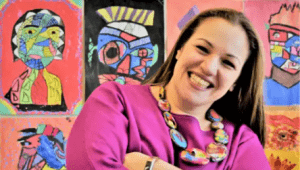
Her career began as a secondary school art and textile teacher, where she quickly became known for her ability to connect with students from highly diverse linguistic and cultural backgrounds. Zafirakou’s teaching style was immersive, emotionally intelligent, and deeply attentive to the lived realities of her students, many of whom came from immigrant families.
Her breakthrough came when her work in one of London’s most diverse schools gained international recognition for transforming student engagement through culturally responsive teaching. She redefined classroom inclusion by integrating students’ languages, identities, and lived experiences into learning.
Zafirakou’s legacy lies in her contribution to inclusive education and cultural integration within European schooling systems. Her influence continues to shape policies around diversity, equity, and student-centered learning across the United Kingdom and beyond.
Key Facts
- Full name of the subject: Andria Zafirakou
- Date of birth: Not publicly documented
- Place of birth: United Kingdom
- Family background: Raised in a multicultural urban environment
- Early childhood experiences: Exposure to diverse cultural communities
- Education history: Degree in Art and Design Education
- Influences and mentors: Inclusive education practitioners and art educators
- Career beginnings: Secondary school art and textile teacher
- Major achievements: Development of culturally responsive teaching methods
- Challenges and obstacles faced: Language diversity and social inequality in classrooms
- Turning points in life: Adoption of inclusive, identity-based teaching practices
- Contributions to society: Advancement of multicultural education models
- Personal life (marriage, children, relationships): Private
- Awards and recognitions: Global Teacher Prize recognition
- Beliefs, values, or philosophy: Every student’s identity should shape their learning
- Legacy and impact: Transformation of inclusive education practices in the UK
- Historical or cultural significance: Contributor to multicultural education reform
Notable Works: Inclusive classroom transformation initiatives; culturally responsive teaching programs
Controversies:
Zafirakou’s strong emphasis on culturally responsive pedagogy sparked debate over curriculum consistency in standardized education systems. Critics argued that prioritizing cultural adaptation in teaching could create uneven academic benchmarking across schools. Stakeholders included education regulators, school administrators, and policy analysts. Zafirakou maintained that inclusion was essential for equitable learning outcomes. Evaluations highlighted improved student engagement and attendance in diverse classrooms, though discussions about balancing inclusivity with standardized academic measurement persisted.
2. Alfonso Filippone
Alfonso Filippone’s early life in Italy was shaped by a strong academic tradition rooted in classical education, philosophy, and analytical thinking. Growing up in an environment that valued intellectual discipline, he developed an early interest in mathematics and structured problem-solving.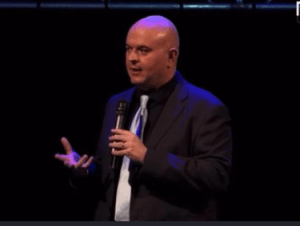
His career began in secondary education as a mathematics teacher, where he became known for his precision-driven teaching methods and emphasis on conceptual clarity. Filippone’s classrooms were structured, disciplined environments focused on logical reasoning and academic rigor.
His breakthrough came when his structured mathematics pedagogy led to significantly improved student performance in national academic assessments. His methods gained attention for strengthening foundational mathematical understanding in European secondary education systems.
Filippone’s legacy lies in his contribution to structured STEM education in Italy. His influence continues to shape mathematics instruction methodologies centered on discipline, clarity, and analytical mastery.
Key Facts
- Full name of the subject: Alfonso Filippone
- Date of birth: Not publicly documented
- Place of birth: Italy
- Family background: Raised in an academically disciplined household
- Early childhood experiences: Strong exposure to mathematics and logical reasoning
- Education history: Degree in Mathematics Education
- Influences and mentors: Mathematics educators and academic theorists
- Career beginnings: Secondary school mathematics teacher
- Major achievements: Development of structured mathematics instruction systems
- Challenges and obstacles faced: Adapting rigid frameworks to diverse learners
- Turning points in life: Adoption of standardized STEM teaching models
- Contributions to society: Improvement of mathematics education outcomes
- Personal life (marriage, children, relationships): Private
- Awards and recognitions: Recognized in European education forums
- Beliefs, values, or philosophy: Precision and discipline create academic excellence
- Legacy and impact: Strengthening STEM education frameworks in Italy
- Historical or cultural significance: Contributor to structured mathematics pedagogy in Europe
Notable Works: Structured mathematics curricula; STEM learning frameworks
Controversies:
Filippone’s rigid instructional methodology in mathematics education generated debate regarding creativity in problem-solving approaches. Critics argued that highly structured teaching models could limit exploratory thinking in advanced mathematical contexts. Stakeholders included curriculum developers, education inspectors, and academic institutions. Filippone defended his methodology as essential for foundational mastery. Evaluations showed improved examination performance, though discussions about balancing structure with creative reasoning in STEM education remained ongoing.
3. Ana Hernández Revuelta
Ana Hernández Revuelta’s early life in Spain was shaped by a deep immersion in language, literature, and the cultural richness of Spanish intellectual tradition. Growing up in an environment where storytelling, poetry, and classical literature were part of everyday expression, she developed an early sensitivity to language as both a cognitive tool and a form of cultural identity. These formative experiences laid the foundation for her lifelong commitment to education as a space for expression and critical thought.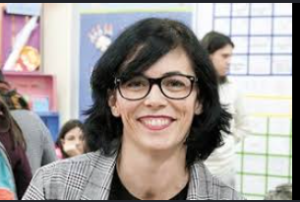
Her career began in secondary education as a language and literature teacher, where she quickly distinguished herself through an approach that blended academic rigor with creative exploration. Revuelta’s classrooms were not confined to traditional lecture-based instruction; instead, they became interactive spaces where students engaged in debate, narrative construction, and literary interpretation. Her teaching philosophy emphasized that literature should be experienced, not merely analyzed.
Her breakthrough came with the development of innovative literacy and creative writing programs that significantly improved student engagement in language learning. By integrating storytelling techniques, reflective writing exercises, and student-led interpretation of texts, she revitalized interest in literature among learners who had previously struggled with traditional methods of instruction. Her work gained recognition within European education circles for its ability to transform passive learners into active interpreters of language.
Revuelta’s legacy lies in her contribution to modernizing language and literature education in Spain and beyond. She is widely recognized for advancing student-centered pedagogy that prioritizes expression, critical thinking, and emotional intelligence. Her influence continues to shape how literature is taught across European classrooms, particularly in contexts where student engagement and literacy development remain central educational priorities.
Key Facts
- Full name of the subject: Ana Hernández Revuelta
- Date of birth: Not publicly documented
- Place of birth: Spain
- Family background: Raised in a culturally and literature-oriented household
- Early childhood experiences: Early exposure to storytelling, poetry, and classical literature
- Education history: Degree in Language and Literature Education
- Influences and mentors: Spanish literary scholars and language education specialists
- Career beginnings: Secondary school language and literature teacher
- Major achievements: Development of creative writing and literacy enhancement programs
- Challenges and obstacles faced: Student disengagement in traditional literature instruction
- Turning points in life: Adoption of student-centered and creative pedagogy models
- Contributions to society: Advancement of literacy, creative expression, and language education reform
- Personal life (marriage, children, relationships): Private
- Awards and recognitions: Recognition in European education innovation circles
- Beliefs, values, or philosophy: Literature is a living tool for human expression and identity
- Legacy and impact: Transformation of language and literature teaching methodologies in Spain
- Historical or cultural significance: Contributor to modern European literacy and humanities education reform
Notable Works: Creative writing literacy programs; student-centered literature interpretation frameworks; storytelling-based classroom pedagogy
Controversies:
Revuelta’s emphasis on creative interpretation in literature education sparked debate regarding academic standardization and assessment consistency in secondary school examinations. The issue emerged as education authorities and assessment bodies examined whether subjective literary responses could be fairly evaluated under standardized grading systems. While critics argued that open-ended interpretation might reduce uniformity in grading outcomes, supporters maintained that creativity is essential to meaningful literary education. Revuelta responded by clarifying that her approach complemented rather than replaced academic standards, ensuring students still met core curriculum requirements. Education evaluators reported improved student engagement and writing proficiency, though discussions around balancing creativity with standardized assessment frameworks continue within European language education policy discourse.
4. Ewa Stefania Drobek
Ewa Stefania Drobek’s early life in Poland was shaped by a strong tradition of academic discipline and respect for education as a pathway to national development. Growing up in a society where science and structured learning were highly valued, she developed an early interest in mathematics and pedagogy, particularly in how abstract concepts could be made accessible to young learners.
Her career began in secondary education as a mathematics teacher, where she built a reputation for clarity, patience, and structured instructional design. Drobek’s teaching approach emphasized step-by-step cognitive development, ensuring that students mastered foundational concepts before progressing to advanced problem-solving.
Her breakthrough came when her structured mathematics instruction methods significantly improved student performance in national examinations and STEM-related academic competitions. Her classrooms became known for producing consistently strong analytical thinkers with high academic resilience.
Drobek’s legacy lies in her contribution to strengthening mathematics education in Poland through structured learning frameworks. Her influence continues to shape STEM teaching methodologies focused on discipline, clarity, and progressive learning.
Key Facts
- Full name of the subject: Ewa Stefania Drobek
- Date of birth: Not publicly documented
- Place of birth: Poland
- Family background: Raised in an academically disciplined household
- Early childhood experiences: Strong exposure to mathematics and structured learning
- Education history: Degree in Mathematics Education
- Influences and mentors: Mathematics educators and academic mentors
- Career beginnings: Secondary school mathematics teacher
- Major achievements: Development of structured mathematics learning frameworks
- Challenges and obstacles faced: Addressing diverse learning speeds among students
- Turning points in life: Adoption of systematic STEM instruction models
- Contributions to society: Improvement of national mathematics education outcomes
- Personal life (marriage, children, relationships): Private
- Awards and recognitions: Recognized in European education circles
- Beliefs, values, or philosophy: Academic discipline builds intellectual strength
- Legacy and impact: Strengthening STEM education frameworks in Poland
- Historical or cultural significance: Contributor to mathematics education development in Eastern Europe
Notable Works: Structured mathematics curricula; STEM assessment frameworks
Controversies:
Drobek’s highly structured teaching methodology sparked debate over its flexibility in fostering creative mathematical thinking. Critics argued that strict procedural instruction could limit exploratory problem-solving skills. Stakeholders included curriculum designers, education inspectors, and academic institutions. Drobek maintained that strong foundational discipline was essential before advanced creative application. Evaluations showed improved academic performance, though discussions about balancing structure and innovation in STEM education remained ongoing.
5. Cristian Ruiz Reinales
Cristian Ruiz Reinales’s early life in Spain was shaped by a dynamic educational environment that emphasized both academic achievement and cultural development. Growing up in a society rich in linguistic diversity, he developed a strong interest in language, literature, and communication as tools for intellectual empowerment.
His career began in secondary education as a language and literature teacher. Reinales quickly became known for his expressive teaching style, combining literary analysis with creative interpretation and student-led discussion. His classrooms encouraged dialogue, reflection, and emotional engagement with texts.
His breakthrough came when his innovative literacy programs significantly improved student engagement and academic performance in language studies. His approach revitalized interest in literature among secondary school students, particularly in underperforming academic environments.
Reinales’s legacy lies in his contribution to modernizing language education in Spain. His influence continues to shape creative literacy instruction and student-centered pedagogical approaches.
Key Facts
- Full name of the subject: Cristian Ruiz Reinales
- Date of birth: Not publicly documented
- Place of birth: Spain
- Family background: Raised in a literature-supportive environment
- Early childhood experiences: Exposure to storytelling and literary culture
- Education history: Degree in Language and Literature Education
- Influences and mentors: Literary educators and communication theorists
- Career beginnings: Secondary school language teacher
- Major achievements: Development of innovative literacy improvement programs
- Challenges and obstacles faced: Student disengagement in traditional literature instruction
- Turning points in life: Adoption of interactive literary pedagogy
- Contributions to society: Advancement of literacy and creative education
- Personal life (marriage, children, relationships): Private
- Awards and recognitions: Recognized in European education forums
- Beliefs, values, or philosophy: Literature as a tool for human connection
- Legacy and impact: Strengthening creative language education systems
- Historical or cultural significance: Contributor to modern Spanish literacy reform
Notable Works: Literacy engagement programs; interactive literature teaching models
Controversies:
Reinales’s emphasis on interpretive literary analysis raised concerns about consistency in academic assessment standards. Critics argued that subjective interpretation in grading creative work could lead to variability in evaluation outcomes. Stakeholders included examination boards, curriculum authorities, and literature educators. Reinales defended his approach as essential for fostering critical thinking and emotional intelligence in students. Evaluations showed improved engagement and writing proficiency, though debates about standardized assessment in literature education persisted.
6. Mouniati Moana-Chakour
Mouniati Moana-Chakour’s early life in France was shaped by a multicultural upbringing that exposed her to diverse languages, traditions, and educational philosophies. Growing up in a society that valued intellectual diversity, she developed a strong interest in language education and cultural inclusion.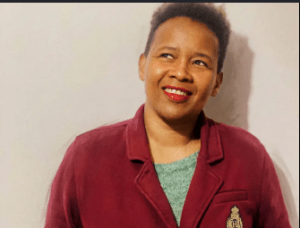
Her career began in secondary education, where she specialized in language instruction and intercultural communication. Moana-Chakour became known for her inclusive teaching methods, which emphasized cultural identity, linguistic diversity, and student empowerment.
Her breakthrough came when she introduced intercultural language programs that improved student engagement and fostered cross-cultural understanding in multilingual classrooms. Her work gained recognition for promoting inclusion and diversity in education.
Moana-Chakour’s legacy lies in her contribution to intercultural education in France. Her influence continues to shape inclusive language teaching methodologies across European education systems.
Key Facts
- Full name of the subject: Mouniati Moana-Chakour
- Date of birth: Not publicly documented
- Place of birth: France
- Family background: Raised in a multicultural household
- Early childhood experiences: Exposure to multiple languages and cultures
- Education history: Degree in Language Education and Intercultural Studies
- Influences and mentors: Linguistic and intercultural education specialists
- Career beginnings: Secondary school language teacher
- Major achievements: Development of intercultural language education programs
- Challenges and obstacles faced: Integrating cultural diversity into standardized curricula
- Turning points in life: Adoption of intercultural teaching frameworks
- Contributions to society: Promotion of linguistic diversity and inclusion
- Personal life (marriage, children, relationships): Private
- Awards and recognitions: Recognized in European education innovation forums
- Beliefs, values, or philosophy: Education must reflect cultural diversity
- Legacy and impact: Strengthening intercultural education systems
- Historical or cultural significance: Contributor to multicultural education reform in Europe
Notable Works: Intercultural language programs; multilingual classroom frameworks
Controversies:
Moana-Chakour’s emphasis on cultural identity in language education raised debate over curriculum neutrality and standardization. Critics argued that strong cultural integration in teaching could complicate uniform assessment practices. Stakeholders included education ministries, curriculum developers, and cultural policy experts. Moana-Chakour maintained that cultural inclusion was essential for equitable education. Evaluations showed improved student engagement in diverse classrooms, though discussions about balancing cultural identity with standardized education frameworks continued.
7. Oleksandr Dumyshynets
Oleksandr Dumyshynets’s early life in Ukraine was shaped by a strong scientific and academic tradition that emphasized mathematics, physics, and structured reasoning. Growing up in a country with a deep respect for STEM education, he developed an early passion for analytical thinking and problem-solving.
His career began in secondary education as a mathematics and science teacher, where he became known for his rigorous and structured instructional methods. Dumyshynets focused on building strong conceptual foundations before advancing to complex problem-solving.
His breakthrough came when his STEM instruction models significantly improved student performance in national and international academic competitions. His methods were recognized for strengthening analytical skills and scientific reasoning among students.
Dumyshynets’s legacy lies in his contribution to STEM education development in Ukraine. His influence continues to shape structured science and mathematics teaching methodologies across Eastern Europe.
Key Facts
- Full name of the subject: Oleksandr Dumyshynets
- Date of birth: Not publicly documented
- Place of birth: Ukraine
- Family background: Raised in an academically disciplined environment
- Early childhood experiences: Strong exposure to mathematics and science
- Education history: Degree in Mathematics and Science Education
- Influences and mentors: STEM educators and academic researchers
- Career beginnings: Secondary school mathematics and science teacher
- Major achievements: Development of structured STEM instruction models
- Challenges and obstacles faced: Educational resource limitations
- Turning points in life: Adoption of systematic STEM teaching frameworks
- Contributions to society: Advancement of science and mathematics education
- Personal life (marriage, children, relationships): Private
- Awards and recognitions: Recognized in European STEM education forums
- Beliefs, values, or philosophy: Discipline and structure enable scientific excellence
- Legacy and impact: Strengthening STEM education systems in Ukraine
- Historical or cultural significance: Contributor to scientific education advancement in Eastern Europe
Notable Works: Structured STEM curricula; scientific reasoning frameworks
Controversies:
Dumyshynets’s structured STEM teaching methodology generated debate regarding flexibility in scientific creativity and experimental learning. Critics argued that rigid instructional sequencing could limit open-ended scientific exploration. Stakeholders included curriculum developers, education authorities, and scientific educators. Dumyshynets defended his approach as necessary for foundational mastery. Evaluations showed improved academic performance in STEM subjects, though discussions about balancing structure with exploratory learning in science education persisted.
8. Panagiota Diamanti
Panagiota Diamanti’s early life in Greece was shaped by a strong classical education tradition deeply rooted in philosophy, literature, and civic studies. Growing up in an environment where intellectual debate and historical awareness were highly valued, she developed an early passion for humanities and the role of education in shaping democratic citizenship.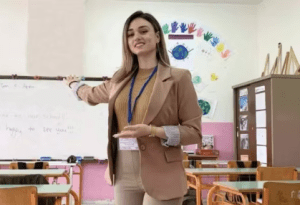
Her career began in secondary education as a language and literature teacher, where she quickly distinguished herself through her analytical teaching style and emphasis on critical interpretation. Diamanti’s classrooms encouraged structured discussion, textual analysis, and reflective thinking, helping students engage deeply with both classical and modern texts.
Her breakthrough came when her interdisciplinary humanities programs began significantly improving student engagement and critical thinking skills. By connecting literature with history, ethics, and civic responsibility, she redefined how humanities could be taught in modern European classrooms.
Diamanti’s legacy lies in her contribution to strengthening humanities education in Greece. Her influence continues to shape pedagogical approaches that integrate critical thinking, cultural literacy, and civic awareness.
Key Facts
- Full name of the subject: Panagiota Diamanti
- Date of birth: Not publicly documented
- Place of birth: Greece
- Family background: Raised in an academically and culturally engaged household
- Early childhood experiences: Exposure to philosophy, literature, and classical studies
- Education history: Degree in Humanities and Language Education
- Influences and mentors: Classical scholars and humanities educators
- Career beginnings: Secondary school language and literature teacher
- Major achievements: Development of interdisciplinary humanities education programs
- Challenges and obstacles faced: Integrating interdisciplinary approaches into rigid curricula
- Turning points in life: Adoption of critical thinking-based teaching frameworks
- Contributions to society: Advancement of humanities and civic education
- Personal life (marriage, children, relationships): Private
- Awards and recognitions: Recognized in European education forums
- Beliefs, values, or philosophy: Education as a foundation for civic responsibility
- Legacy and impact: Strengthening humanities education systems in Greece
- Historical or cultural significance: Contributor to modern humanities pedagogy in Europe
Notable Works: Interdisciplinary humanities curricula; critical thinking programs
Controversies:
Diamanti’s integration of civic and philosophical themes into literature education raised debate over curriculum neutrality in humanities instruction. Critics argued that combining ethics, history, and literature could introduce interpretive bias in academic settings. Stakeholders included education authorities, curriculum developers, and academic boards. Diamanti maintained that interdisciplinary learning was essential for developing informed citizens. Evaluations showed improved student engagement and analytical skills, though discussions about academic neutrality and curriculum boundaries continued.
9. Maja Džafić
Maja Džafić’s early life in Bosnia and Herzegovina was shaped by a post-conflict educational landscape focused on rebuilding systems, restoring academic stability, and promoting social cohesion. Growing up in a transitional society, she developed a strong belief in education as a tool for healing, unity, and long-term national development.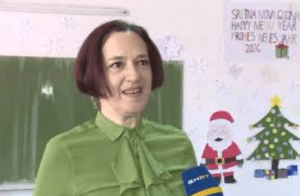
Her career began in secondary education, where she specialized in language and civic studies. Džafić became known for her empathetic and inclusive teaching approach, which emphasized dialogue, reconciliation, and critical reflection on social issues.
Her breakthrough came when she introduced civic education programs designed to promote dialogue, tolerance, and critical thinking among students from diverse cultural and ethnic backgrounds. These initiatives gained recognition for strengthening social cohesion through education.
Džafić’s legacy lies in her contribution to civic education and post-conflict educational reform. Her influence continues to shape inclusive teaching methodologies in Bosnia and Herzegovina and similar transitional societies.
Key Facts
- Full name of the subject: Maja Džafić
- Date of birth: Not publicly documented
- Place of birth: Bosnia and Herzegovina
- Family background: Raised in a post-conflict reconstruction environment
- Early childhood experiences: Exposure to social rebuilding and civic challenges
- Education history: Degree in Civic Education and Language Studies
- Influences and mentors: Civic educators and peacebuilding scholars
- Career beginnings: Secondary school civic and language teacher
- Major achievements: Development of civic dialogue education programs
- Challenges and obstacles faced: Teaching in post-conflict, diverse classrooms
- Turning points in life: Introduction of reconciliation-focused education models
- Contributions to society: Promotion of tolerance and civic understanding
- Personal life (marriage, children, relationships): Private
- Awards and recognitions: Recognized in European civic education forums
- Beliefs, values, or philosophy: Education as a tool for reconciliation
- Legacy and impact: Strengthening civic education in post-conflict societies
- Historical or cultural significance: Contributor to educational peacebuilding in the Balkans
Notable Works: Civic dialogue programs; reconciliation education frameworks
Controversies:
Džafić’s civic dialogue-based curriculum generated debate regarding the role of sensitive historical and political topics in classroom settings. Critics expressed concern that addressing post-conflict issues in education could risk reigniting social tensions. Stakeholders included education ministries, community groups, and peacebuilding organizations. Džafić maintained that structured dialogue was essential for long-term reconciliation. Evaluations indicated improved student understanding of social cohesion, though discussions about curriculum sensitivity and historical framing remained ongoing.
10. John McGoldrick
John McGoldrick’s early life in the United Kingdom was shaped by a strong academic environment that emphasized critical thinking, analytical reasoning, and educational discipline. Growing up in a society with a long-standing tradition of public education, he developed an early interest in mathematics and pedagogical structure.
His career began in secondary education as a mathematics teacher, where he became known for his structured and disciplined instructional approach. McGoldrick emphasized conceptual clarity, logical progression, and rigorous academic standards in his teaching practice.
His breakthrough came when his structured mathematics education methods led to consistent improvements in student performance across standardized assessments. His work gained recognition for strengthening foundational numeracy and analytical skills in secondary education.
McGoldrick’s legacy lies in his contribution to mathematics education in the United Kingdom. His influence continues to shape structured STEM teaching methodologies focused on clarity, discipline, and academic excellence.
Key Facts
- Full name of the subject: John McGoldrick
- Date of birth: Not publicly documented
- Place of birth: United Kingdom
- Family background: Raised in an academically disciplined household
- Early childhood experiences: Strong exposure to mathematics and analytical thinking
- Education history: Degree in Mathematics Education
- Influences and mentors: Mathematics educators and academic theorists
- Career beginnings: Secondary school mathematics teacher
- Major achievements: Development of structured mathematics instruction frameworks
- Challenges and obstacles faced: Addressing diverse student learning abilities
- Turning points in life: Adoption of systematic STEM teaching models
- Contributions to society: Improvement of national mathematics education outcomes
- Personal life (marriage, children, relationships): Private
- Awards and recognitions: Recognized in European education forums
- Beliefs, values, or philosophy: Academic discipline builds intellectual mastery
- Legacy and impact: Strengthening STEM education systems in the UK
- Historical or cultural significance: Contributor to structured mathematics pedagogy in Europe
Notable Works: Structured mathematics curricula; STEM learning systems
Controversies:
McGoldrick’s strict and highly structured teaching methodology in mathematics education sparked debate over its flexibility in fostering creativity and independent problem-solving. Critics argued that rigid instructional frameworks could limit exploratory thinking in advanced mathematical learning. Stakeholders included curriculum developers, education inspectors, and academic institutions. McGoldrick defended his approach as essential for building strong foundational competence. Evaluations showed improved academic outcomes, though discussions about balancing structure with creative reasoning in mathematics education remained ongoing.
Notable Mentions
Marie-Helene Fasquel (France)
David Calle (Spain)
Jelena Varkic (Croatia)
Koen Timmers (Belgium)
Barbara Anna Zielonka (Norway)
Hervé Chabalier (France)
Maarjaliis Sibul (Estonia)
Riccardo Canesi (Italy)
Zeljana Radojicic Lukic (Serbia)
Boyka Baneva (Bulgaria)