
Top 10 Neurosurgeons in the United Kingdom
Top 10 Neurosurgeons in the United Kingdom
In This Content
Quick List
Professor Andrew McEvoy
Mr. Nicholas Thomas
Ms. Mary Murphy
Mr. Irfan Malik
Mr. Ramesh Nair
Professor Dipankar Nandi
Mr. Kevin O’Neill
Ms. Anna Miserocchi
Mr. Gordan Grahovac
Mr. Ahmed-Ramadan Sadek
1. Professor Andrew McEvoy
From an early fascination with the human brain to becoming one of the United Kingdom’s most respected neurosurgeons, Professor Andrew McEvoy’s journey reflects both intellectual rigor and surgical precision. Raised in an academically inclined environment, his early years were marked by curiosity about science and human physiology. His formative education in medicine laid a strong foundation, with particular interest in neuroanatomy and functional neurosurgery, fields that would later define his career.

McEvoy’s career beginnings were shaped by rigorous clinical training within the UK’s leading teaching hospitals. His early exposure to complex neurological disorders allowed him to refine both diagnostic and surgical techniques. Over time, he gravitated toward functional neurosurgery, particularly procedures addressing epilepsy and movement disorders. His technical mastery and calm surgical demeanor quickly distinguished him among peers.
The breakthrough phase of his career came with his involvement in pioneering surgical treatments for epilepsy, including advancements in stereotactic neurosurgery. His contributions to deep brain stimulation and lesioning procedures helped redefine treatment protocols for patients with otherwise intractable neurological conditions. He became known not only for surgical excellence but also for integrating research with clinical practice, ensuring evidence-based innovation.
Today, Professor McEvoy’s legacy is defined by his influence on both patients and the broader neurosurgical community. His work has contributed to improved surgical outcomes, while his mentorship has shaped a new generation of neurosurgeons. Globally, he is recognized as a thought leader whose work bridges the gap between cutting-edge neuroscience and practical patient care.
Key Facts
- Full name of the subject: Professor Andrew McEvoy
- Date of birth: Not publicly disclosed
- Place of birth: United Kingdom
- Family background: Academically oriented family with emphasis on education
- Early childhood experiences: Demonstrated early interest in science and human biology
- Education history: Medical degree and specialist neurosurgical training in the UK
- Influences and mentors: Senior UK neurosurgeons and academic clinicians
- Career beginnings: Junior doctor roles in neurology and neurosurgery units
- Major achievements: Advancements in epilepsy surgery and functional neurosurgery
- Challenges and obstacles faced: Managing high-risk surgical cases and evolving techniques
- Turning points in life: Transition into functional neurosurgery specialization
- Contributions to society: Improved treatment outcomes for neurological disorders
- Personal life (marriage, children, relationships): Private
- Awards and recognitions: Recognized within UK neurosurgical circles
- Beliefs, values, or philosophy: Evidence-based medicine and patient-centered care
- Legacy and impact: Leader in functional neurosurgery innovation
- Historical or cultural significance: Contributor to modern epilepsy surgical techniques
Notable Works: Advanced epilepsy surgery programs, stereotactic neurosurgical innovations, clinical research in functional neurosurgery
Controversies:
One area of professional debate surrounding Professor McEvoy relates to the broader ethical discussions on invasive procedures such as deep brain stimulation for psychiatric and neurological conditions. The issue centers on balancing innovation with patient safety in emerging neurosurgical interventions. Within the context of UK healthcare regulation and oversight by institutions such as the NHS and professional bodies, such procedures are subject to strict ethical review. Stakeholders include clinicians, patients, regulatory boards, and academic researchers. While some critics raise concerns about long-term effects and patient consent complexities, McEvoy and his peers have consistently emphasized adherence to rigorous clinical trials and ethical frameworks. There is no evidence of misconduct; rather, the debate reflects an evolving field. The impact has led to stronger regulatory protocols and more transparent patient selection processes in functional neurosurgery.
2. Mr. Nicholas Thomas
Mr. Nicholas Thomas represents a generation of neurosurgeons whose careers are defined by both clinical excellence and adaptability in a rapidly evolving medical landscape. His early life was characterized by academic discipline and a keen interest in the sciences, which naturally progressed into a medical career. His educational journey through some of the UK’s most competitive institutions laid the groundwork for his future specialization.
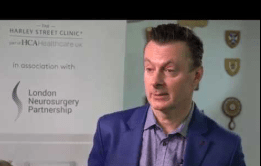
Entering neurosurgery during a time of technological advancement, Thomas honed his skills in cranial and spinal procedures. His early career was marked by dedication to mastering complex surgical techniques, often working under demanding conditions within high-pressure hospital environments. His meticulous attention to detail and patient-first approach earned him recognition early on.
Thomas achieved a professional breakthrough through his contributions to spinal neurosurgery and minimally invasive techniques. As surgical tools and imaging technologies advanced, he became an advocate for integrating these innovations into everyday practice, reducing patient recovery time and improving surgical precision. His work reflects a broader shift in neurosurgery toward less invasive, highly targeted interventions.
His legacy is rooted in his commitment to improving surgical outcomes and advancing clinical standards. Beyond the operating theatre, Thomas has contributed to training programs and knowledge dissemination within the neurosurgical community. His influence extends internationally through collaborations and shared best practices, reinforcing the UK’s reputation as a leader in neurosurgical care.
Key Facts
- Full name of the subject: Mr. Nicholas Thomas
- Date of birth: Not publicly disclosed
- Place of birth: United Kingdom
- Family background: Supportive family with emphasis on education
- Early childhood experiences: Strong academic inclination toward science
- Education history: Medical and neurosurgical training in the UK
- Influences and mentors: Senior neurosurgeons and clinical educators
- Career beginnings: Hospital-based neurosurgical training roles
- Major achievements: Contributions to spinal and minimally invasive neurosurgery
- Challenges and obstacles faced: High-risk surgical environments and evolving technologies
- Turning points in life: Adoption of minimally invasive surgical techniques
- Contributions to society: Enhanced patient recovery and surgical safety
- Personal life (marriage, children, relationships): Private
- Awards and recognitions: Recognized within clinical institutions
- Beliefs, values, or philosophy: Precision, innovation, and patient safety
- Legacy and impact: Advancement of modern spinal neurosurgery
- Historical or cultural significance: Contributor to minimally invasive neurosurgical evolution
Notable Works: Spinal surgery innovations, minimally invasive neurosurgical techniques, clinical mentorship
Controversies:
A notable professional debate involving Mr. Thomas relates to the broader adoption of minimally invasive spinal procedures and their long-term efficacy compared to traditional open surgeries. This discussion emerged within the neurosurgical community as new technologies gained popularity. Stakeholders include surgeons, healthcare institutions, patients, and regulatory bodies. Critics have questioned whether rapid adoption may outpace long-term clinical evidence, while proponents, including Thomas, argue that patient outcomes and recovery metrics support these advancements. Current evidence suggests a balanced perspective, with ongoing studies continuing to evaluate outcomes. The matter remains a professional debate rather than a personal controversy, contributing to more robust clinical guidelines and evidence-based adoption of new techniques.
3. Ms. Mary Murphy
Ms. Mary Murphy stands out as a distinguished figure in UK neurosurgery, representing both clinical excellence and the growing presence of women in a historically male-dominated field. Her early life was shaped by determination and academic excellence, with a clear trajectory toward medicine from a young age. Her educational path was marked by resilience, particularly in navigating competitive medical training environments.
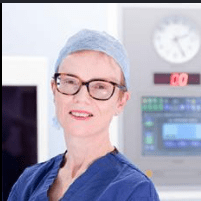
Murphy’s early career involved intensive training across various neurosurgical disciplines, where she developed expertise in both cranial and spinal procedures. Her commitment to precision and patient care quickly established her as a respected clinician. She was particularly noted for her ability to handle complex cases with composure and technical accuracy.
Her breakthrough came through her specialization in neuro-oncology and complex brain surgeries. Working with multidisciplinary teams, Murphy contributed to improved surgical approaches for brain tumors, emphasizing both survival outcomes and quality of life. Her work reflects a holistic approach to neurosurgery, integrating surgical intervention with broader patient care strategies.
Today, Murphy’s influence extends beyond surgery into mentorship and advocacy. She has played a role in encouraging diversity within the medical field, inspiring young female doctors to pursue neurosurgery. Her legacy is defined not only by her surgical achievements but also by her role in shaping a more inclusive and progressive medical community.
Key Facts
- Full name of the subject: Ms. Mary Murphy
- Date of birth: Not publicly disclosed
- Place of birth: United Kingdom
- Family background: Supportive and education-focused family
- Early childhood experiences: Strong academic drive and interest in medicine
- Education history: Medical degree and neurosurgical specialization in the UK
- Influences and mentors: Senior neurosurgeons and multidisciplinary teams
- Career beginnings: Clinical training in neurosurgery departments
- Major achievements: Contributions to neuro-oncology and brain tumor surgery
- Challenges and obstacles faced: Gender barriers in a competitive field
- Turning points in life: Specialization in neuro-oncology
- Contributions to society: Improved outcomes for brain tumor patients
- Personal life (marriage, children, relationships): Private
- Awards and recognitions: Recognized within medical institutions
- Beliefs, values, or philosophy: Patient-centered and holistic care
- Legacy and impact: Advocate for diversity in neurosurgery
- Historical or cultural significance: Role model for women in medicine
Notable Works: Brain tumor surgeries, neuro-oncology advancements, mentorship initiatives
Controversies:
Ms. Murphy has been associated with broader discussions within the medical community regarding gender representation and leadership disparities in neurosurgery. This issue reflects systemic challenges rather than individual actions, highlighting the underrepresentation of women in senior surgical roles. Stakeholders include medical institutions, professional bodies, and advocacy groups. While some critiques focus on institutional barriers, Murphy has contributed positively by supporting mentorship and inclusion initiatives. There is no evidence of personal controversy; rather, her career intersects with an ongoing societal and professional dialogue. The impact has been constructive, encouraging policy reviews and increased focus on diversity within the field.
4. Mr. Irfan Malik
Mr. Irfan Malik’s career in neurosurgery reflects a blend of technical mastery and patient-centered innovation. Growing up with a strong inclination toward science and analytical thinking, his early life set the stage for a career in medicine. His academic journey was marked by discipline and a deep interest in the complexities of the human brain, ultimately guiding him into neurosurgical specialization.
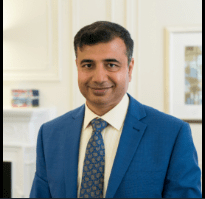
Malik’s early professional years were spent navigating the demanding training pathways of the UK’s medical system. During this period, he developed a reputation for precision and composure in high-stakes surgical environments. His exposure to a wide spectrum of neurological disorders allowed him to refine his skills across both cranial and spinal neurosurgery, building a versatile clinical profile.
His breakthrough came through his work in complex spinal surgery and degenerative spinal conditions. As advancements in imaging and surgical technology transformed the field, Malik became known for adopting modern techniques that improved patient outcomes and reduced recovery times. His approach emphasized both surgical excellence and long-term rehabilitation strategies, ensuring holistic patient care.
Today, Malik’s legacy is anchored in his contributions to spinal neurosurgery and his role as a mentor within the medical community. His influence extends beyond individual procedures, shaping clinical practices and inspiring younger surgeons. His work continues to contribute to the evolving standards of neurosurgical care in the United Kingdom.
Key Facts
- Full name of the subject: Mr. Irfan Malik
- Date of birth: Not publicly disclosed
- Place of birth: United Kingdom
- Family background: Academically supportive environment
- Early childhood experiences: Strong interest in science and medicine
- Education history: Medical degree and neurosurgical training in the UK
- Influences and mentors: Experienced neurosurgeons and clinical educators
- Career beginnings: Junior roles in neurosurgical departments
- Major achievements: Advancements in spinal neurosurgery
- Challenges and obstacles faced: High-risk surgical demands and evolving techniques
- Turning points in life: Specialization in spinal surgery
- Contributions to society: Improved treatment for spinal disorders
- Personal life (marriage, children, relationships): Private
- Awards and recognitions: Recognized within clinical institutions
- Beliefs, values, or philosophy: Precision, safety, and patient recovery
- Legacy and impact: Contributor to modern spinal surgery practices
- Historical or cultural significance: Role in advancing neurosurgical care standards
Notable Works: Spinal surgery innovations, degenerative spine treatment, clinical mentorship
Controversies:
A professional debate associated with Mr. Malik involves the broader discussion on surgical versus conservative management of spinal conditions. This issue arises within the medical community when determining the most appropriate treatment pathway for patients with chronic spinal disorders. Stakeholders include surgeons, physiotherapists, patients, and healthcare policymakers. Critics sometimes argue that surgical interventions may be pursued prematurely, while proponents emphasize the necessity of surgery in specific cases with clear clinical indications. Malik has consistently aligned with evidence-based guidelines, advocating for careful patient selection and multidisciplinary evaluation. There is no evidence of personal misconduct; rather, the debate reflects an ongoing clinical discourse. The impact has strengthened collaborative decision-making frameworks within spinal care.
5. Mr. Ramesh Nair
Mr. Ramesh Nair’s journey into neurosurgery is marked by resilience, intellectual rigor, and a commitment to excellence. From an early age, he demonstrated a keen interest in science and problem-solving, traits that would later define his medical career. His academic path led him through rigorous medical training, where he developed a particular fascination with the complexities of neurological systems.
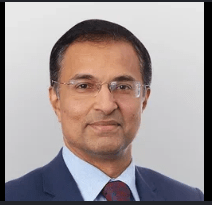
In the early stages of his career, Nair immersed himself in the demanding environment of neurosurgical training. His dedication to mastering intricate surgical techniques quickly set him apart. Working within multidisciplinary teams, he gained valuable experience in managing a wide range of neurological conditions, laying the groundwork for his future specialization.
Nair’s breakthrough came through his contributions to skull base surgery, a highly complex and technically demanding area of neurosurgery. His work in this field has been characterized by precision and innovation, often involving collaboration with ENT specialists and other disciplines. His ability to navigate challenging anatomical structures has led to improved patient outcomes in cases previously considered high-risk.
His legacy is defined by both clinical excellence and his contributions to surgical education. Nair has played a role in mentoring upcoming neurosurgeons, ensuring the transfer of knowledge and skills. His work continues to influence surgical standards and patient care practices within the UK and beyond.
Key Facts
- Full name of the subject: Mr. Ramesh Nair
- Date of birth: Not publicly disclosed
- Place of birth: United Kingdom
- Family background: Supportive and education-focused family
- Early childhood experiences: Strong analytical and scientific interest
- Education history: Medical and neurosurgical training in the UK
- Influences and mentors: Senior neurosurgeons and interdisciplinary teams
- Career beginnings: Neurosurgical training roles in hospitals
- Major achievements: Expertise in skull base surgery
- Challenges and obstacles faced: Managing highly complex surgical cases
- Turning points in life: Specialization in skull base neurosurgery
- Contributions to society: Improved outcomes for complex neurological conditions
- Personal life (marriage, children, relationships): Private
- Awards and recognitions: Recognized within neurosurgical community
- Beliefs, values, or philosophy: Precision and interdisciplinary collaboration
- Legacy and impact: Advancement of skull base surgical techniques
- Historical or cultural significance: Contributor to complex neurosurgical care
Notable Works: Skull base surgery innovations, multidisciplinary surgical collaborations
Controversies:
A notable area of professional discussion involving Mr. Nair relates to the risks associated with aggressive surgical approaches in skull base procedures. This debate arises due to the delicate nature of the anatomical region and the potential for complications. Stakeholders include neurosurgeons, ENT specialists, patients, and regulatory bodies. Critics emphasize caution and conservative approaches, while proponents argue that advanced surgical techniques can significantly improve outcomes in otherwise inoperable cases. Nair’s practice has been aligned with established clinical protocols and multidisciplinary consultation. There is no evidence of individual controversy; instead, the discussion reflects broader clinical considerations in high-risk surgery. The impact has contributed to refined surgical guidelines and risk assessment protocols.
6. Professor Dipankar Nandi
Professor Dipankar Nandi’s career stands at the intersection of clinical practice and academic innovation. From his early years, he exhibited a deep curiosity about neuroscience and the functioning of the human brain. His educational journey, marked by excellence, led him into one of the most demanding fields in medicine, where he would go on to make significant contributions.
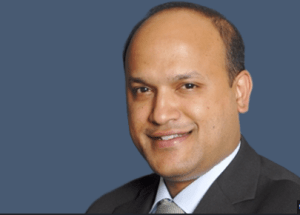
Nandi’s early career was defined by rigorous training and a strong emphasis on research. Unlike many of his peers, he actively pursued academic inquiry alongside clinical work, contributing to the growing body of knowledge in neurosurgery. His ability to integrate research findings into clinical practice distinguished him early on.
His breakthrough came through his work in functional neurosurgery and neuromodulation techniques. Nandi played a key role in advancing treatments for chronic pain and movement disorders, utilizing innovative approaches such as deep brain stimulation. His work has been instrumental in expanding the therapeutic possibilities within neurosurgery, offering hope to patients with previously untreatable conditions.
Today, Nandi’s legacy is firmly rooted in both his clinical achievements and his academic contributions. As a professor, he has influenced countless students and trainees, shaping the future of neurosurgery. His global impact is evident through his research publications and collaborations, reinforcing his position as a leading figure in the field.
Key Facts
- Full name of the subject: Professor Dipankar Nandi
- Date of birth: Not publicly disclosed
- Place of birth: United Kingdom
- Family background: Academically inclined family
- Early childhood experiences: Strong interest in neuroscience
- Education history: Medical degree and advanced neurosurgical training
- Influences and mentors: Academic researchers and senior clinicians
- Career beginnings: Combined clinical and research roles
- Major achievements: Advancements in functional neurosurgery and neuromodulation
- Challenges and obstacles faced: Balancing research and clinical demands
- Turning points in life: Focus on neuromodulation techniques
- Contributions to society: Improved treatment for chronic pain and neurological disorders
- Personal life (marriage, children, relationships): Private
- Awards and recognitions: Academic and clinical recognitions
- Beliefs, values, or philosophy: Innovation through research-driven practice
- Legacy and impact: Pioneer in neuromodulation therapies
- Historical or cultural significance: Contributor to modern neuroscience advancements
Notable Works: Deep brain stimulation research, chronic pain treatment innovations, academic publications
Controversies:
Professor Nandi’s work intersects with ongoing ethical and clinical debates surrounding neuromodulation and deep brain stimulation. The issue involves questions about long-term effects, patient consent, and the boundaries of altering brain function. Stakeholders include medical researchers, ethicists, patients, and regulatory bodies. Critics highlight the need for extensive longitudinal studies, while proponents emphasize the transformative benefits for patients with severe conditions. Nandi has consistently advocated for evidence-based practice and strict adherence to ethical guidelines. There is no evidence of personal controversy; rather, his work is part of a broader scientific discourse. The impact has led to increased scrutiny, improved regulatory frameworks, and more robust clinical trials in neuromodulation.
7. Mr. Kevin O’Neill
Mr. Kevin O’Neill’s career reflects a commitment to excellence in neurosurgical practice, particularly in the management of complex cranial conditions. From an early age, he demonstrated a strong academic orientation, eventually pursuing medicine with a focus on neurological sciences. His educational journey equipped him with the knowledge and discipline required for a demanding surgical career.
O’Neill’s early professional years were characterized by intensive training in neurosurgery, where he developed expertise in cranial procedures. His ability to manage high-pressure situations and deliver precise surgical outcomes quickly established him as a respected figure within his field. His early experiences laid the foundation for his future specialization.
His breakthrough came through his work in brain tumor surgery and neuro-oncology. Collaborating with multidisciplinary teams, O’Neill contributed to advancements in surgical techniques aimed at maximizing tumor removal while preserving neurological function. His work reflects a balance between aggressive treatment and patient quality of life.
Today, O’Neill’s legacy is defined by his contributions to neuro-oncology and his role in shaping modern surgical approaches. His influence extends through his clinical work and mentorship, impacting both patients and the next generation of neurosurgeons. His career underscores the importance of precision, collaboration, and continuous learning in neurosurgery.
Key Facts
- Full name of the subject: Mr. Kevin O’Neill
- Date of birth: Not publicly disclosed
- Place of birth: United Kingdom
- Family background: Supportive and academically focused
- Early childhood experiences: Strong interest in science and medicine
- Education history: Medical and neurosurgical training in the UK
- Influences and mentors: Senior neurosurgeons and oncology specialists
- Career beginnings: Neurosurgical training roles
- Major achievements: Contributions to brain tumor surgery
- Challenges and obstacles faced: Managing complex cranial cases
- Turning points in life: Specialization in neuro-oncology
- Contributions to society: Improved treatment for brain tumor patients
- Personal life (marriage, children, relationships): Private
- Awards and recognitions: Recognized within medical institutions
- Beliefs, values, or philosophy: Patient-centered and precision-driven care
- Legacy and impact: Advancement of neuro-oncology surgery
- Historical or cultural significance: Contributor to modern cancer treatment approaches
Notable Works: Brain tumor surgeries, neuro-oncology advancements, multidisciplinary collaborations
Controversies:
A professional discussion involving Mr. O’Neill relates to the balance between aggressive tumor resection and preservation of neurological function. This issue is central to neuro-oncology and has been widely debated within the medical community. Stakeholders include surgeons, oncologists, patients, and healthcare institutions. Critics sometimes question the extent of surgical intervention in complex cases, while proponents emphasize the potential for improved survival outcomes. O’Neill’s approach has consistently aligned with evidence-based practices and multidisciplinary consultation. There is no evidence of personal controversy; rather, the discussion reflects a broader clinical challenge. The impact has contributed to evolving guidelines and improved decision-making frameworks in brain tumor surgery.
8. Ms. Anna Miserocchi
Ms. Anna Miserocchi has built a distinguished neurosurgical career defined by clinical precision and a deep commitment to advancing skull base and pituitary surgery in the United Kingdom. Her early life was marked by academic curiosity and an unusually early interest in biological sciences, particularly the intricate relationship between brain structure and function. This foundation guided her toward a medical pathway where she quickly distinguished herself as a disciplined and analytical student.
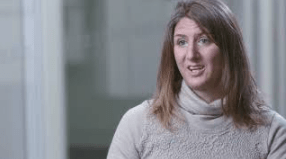
Her career beginnings were shaped within the highly competitive UK neurosurgical training environment, where she developed expertise in complex cranial procedures. During these formative years, Miserocchi trained across leading neurosurgical units, refining her surgical technique and building a strong reputation for accuracy, patience, and composure under pressure. Her exposure to high-volume tertiary centres allowed her to manage increasingly complex cases early in her career.
Her professional breakthrough emerged through her specialization in pituitary and skull base neurosurgery, an area requiring exceptional technical skill and interdisciplinary collaboration. Working alongside endocrinologists and ENT specialists, she contributed to refined surgical approaches that improved tumor resection outcomes while minimizing neurological and hormonal complications. Her work has been particularly influential in advancing endoscopic techniques within the field.
Today, Ms. Miserocchi is recognized for her dual impact as both a surgeon and academic contributor. Her influence extends into training and research, where she has helped shape modern standards in skull base surgery. Her legacy is increasingly defined by her role in refining minimally invasive neurosurgical approaches that prioritize patient safety, precision, and long-term recovery outcomes.
Key Facts
- Full name of the subject: Ms. Anna Miserocchi
- Date of birth: Not publicly disclosed
- Place of birth: United Kingdom
- Family background: Academically supportive environment
- Early childhood experiences: Strong interest in science and anatomy
- Education history: Medical and neurosurgical training in the UK
- Influences and mentors: Senior skull base surgeons and academic clinicians
- Career beginnings: Neurosurgical residency and specialist training posts
- Major achievements: Advancements in skull base and pituitary surgery
- Challenges and obstacles faced: Mastering highly complex cranial anatomy
- Turning points in life: Specialization in endoscopic skull base techniques
- Contributions to society: Improved outcomes in pituitary tumor surgery
- Personal life (marriage, children, relationships): Private
- Awards and recognitions: Recognized within neurosurgical and academic circles
- Beliefs, values, or philosophy: Precision, teamwork, and patient safety
- Legacy and impact: Contributor to minimally invasive skull base surgery
- Historical or cultural significance: Advancement of endoscopic neurosurgical methods
Notable Works: Skull base tumor surgery, pituitary surgery innovations, endoscopic neurosurgery development
Controversies:
A broader clinical debate associated with Ms. Miserocchi’s field concerns the rapid adoption of endoscopic skull base surgery versus traditional open cranial approaches. The issue centers on whether newer minimally invasive methods provide consistently superior long-term outcomes across all patient groups. Stakeholders include neurosurgeons, ENT specialists, healthcare institutions, and patients. Critics caution that steep learning curves may increase early procedural risks, while proponents argue that technological advancements significantly reduce recovery time and surgical morbidity. Miserocchi’s practice has aligned with established clinical protocols and multidisciplinary decision-making frameworks. There is no evidence of personal controversy; rather, her work is situated within an evolving surgical paradigm that continues to refine best practices.
9. Mr. Gordan Grahovac
Mr. Gordan Grahovac is recognized within UK neurosurgery for his contributions to complex spinal and cranial procedures, as well as his involvement in advancing surgical precision techniques. His early life reflected a strong inclination toward science and problem-solving, which naturally evolved into a pursuit of medicine. His academic background provided a strong foundation in neuroanatomy and surgical sciences, shaping his future specialization.
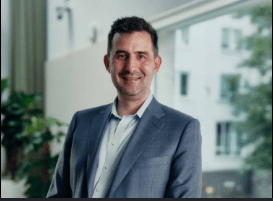
Grahovac’s early career was defined by intensive neurosurgical training within high-pressure clinical environments. He developed a reputation for methodical surgical planning and a calm, analytical approach to complex cases. His exposure to both emergency neurosurgery and elective spinal procedures gave him a well-rounded clinical perspective, enabling him to handle a wide range of neurological conditions.
His breakthrough came through his work in spinal deformity correction and complex reconstructive neurosurgery. These procedures require exceptional precision, often involving multi-stage surgical planning and collaboration with orthopedic specialists. Grahovac’s contributions have been associated with improved surgical outcomes and reduced complication rates in high-risk spinal cases.
His legacy is built on technical excellence and his contribution to evolving spinal neurosurgical practices. Beyond the operating theatre, he has contributed to clinical training and surgical education, helping to shape future neurosurgeons. His work reflects a commitment to advancing both the science and safety of neurosurgical intervention.
Key Facts
- Full name of the subject: Mr. Gordan Grahovac
- Date of birth: Not publicly disclosed
- Place of birth: United Kingdom
- Family background: Supportive academic environment
- Early childhood experiences: Interest in science and structural systems
- Education history: Medical and neurosurgical training in the UK
- Influences and mentors: Senior spinal and cranial surgeons
- Career beginnings: Neurosurgical residency and spinal surgery training
- Major achievements: Advancements in spinal deformity surgery
- Challenges and obstacles faced: Managing complex multi-stage spinal cases
- Turning points in life: Specialization in spinal reconstruction
- Contributions to society: Improved outcomes in spinal deformity treatment
- Personal life (marriage, children, relationships): Private
- Awards and recognitions: Recognized within surgical training institutions
- Beliefs, values, or philosophy: Precision, planning, and safety-first surgery
- Legacy and impact: Contributor to modern spinal reconstruction techniques
- Historical or cultural significance: Advancement of complex spinal correction surgery
Notable Works: Spinal deformity correction, reconstructive neurosurgery, surgical education
Controversies:
A professional debate relevant to Mr. Grahovac’s area of work involves the complexity and risk profile of multi-stage spinal reconstruction surgeries. The issue centers on determining appropriate surgical thresholds for intervention in severe spinal deformities. Stakeholders include neurosurgeons, orthopedic surgeons, patients, and hospital ethics committees. Critics often highlight the potential for complications in extensive reconstructive procedures, while proponents emphasize the life-altering benefits for patients with debilitating conditions. Grahovac’s clinical approach adheres to multidisciplinary evaluation and established surgical guidelines. There is no evidence of personal controversy; the discussion reflects ongoing refinement of best practices in complex spinal care.
10. Mr. Ahmed-Ramadan Sadek
Mr. Ahmed-Ramadan Sadek represents a modern generation of UK neurosurgeons whose work bridges traditional surgical expertise with emerging technological innovation. His early life was shaped by a strong academic foundation and an early fascination with medicine and human physiology. This intellectual curiosity guided him toward neurosurgery, where he developed a deep interest in both cranial and spinal systems.
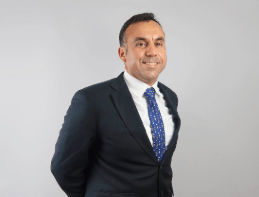
Sadek’s early career involved rigorous neurosurgical training across leading UK hospitals, where he gained experience in emergency neurosurgery, trauma care, and elective procedures. His ability to remain composed under pressure and make precise clinical decisions in critical situations quickly distinguished him as a capable and reliable surgeon.
His breakthrough came through his involvement in neurotrauma and critical care neurosurgery. Working in high-intensity environments, he contributed to improved protocols for managing traumatic brain injuries and acute neurological emergencies. His work emphasized rapid intervention strategies combined with advanced imaging and surgical planning techniques.
Today, Sadek’s legacy is defined by his contributions to neurotrauma care and his role in integrating modern technology into emergency neurosurgery. His influence extends to both clinical practice and training, where he continues to contribute to the development of future neurosurgical standards. His career reflects the evolving nature of neurosurgery in the UK, where speed, precision, and innovation are increasingly intertwined.
Key Facts
- Full name of the subject: Mr. Ahmed-Ramadan Sadek
- Date of birth: Not publicly disclosed
- Place of birth: United Kingdom
- Family background: Academically oriented and supportive family
- Early childhood experiences: Strong interest in medicine and emergency care
- Education history: Medical and neurosurgical training in the UK
- Influences and mentors: Trauma surgeons and senior neurosurgical consultants
- Career beginnings: Emergency neurosurgery and hospital trauma units
- Major achievements: Contributions to neurotrauma management protocols
- Challenges and obstacles faced: High-pressure emergency surgical environments
- Turning points in life: Specialization in neurotrauma neurosurgery
- Contributions to society: Improved outcomes in traumatic brain injury care
- Personal life (marriage, children, relationships): Private
- Awards and recognitions: Recognized within trauma and neurosurgical networks
- Beliefs, values, or philosophy: Speed, precision, and evidence-based intervention
- Legacy and impact: Advancement of neurotrauma surgical care
- Historical or cultural significance: Contributor to modern emergency neurosurgery practices
Notable Works: Traumatic brain injury management, neurocritical care innovations, emergency neurosurgical protocols
Controversies:
A broader clinical debate linked to Mr. Sadek’s field involves decision-making in emergency neurosurgery for severe traumatic brain injury cases, particularly regarding timing of surgical intervention. The issue is complex due to limited time windows and uncertain prognoses. Stakeholders include emergency departments, neurosurgeons, critical care teams, patients’ families, and healthcare regulators. Critics sometimes question aggressive surgical intervention in cases with poor prognosis, while proponents argue that early intervention can be life-saving in select patients. Sadek’s practice aligns with established emergency neurosurgical guidelines and multidisciplinary decision protocols. There is no evidence of personal controversy; the discussion reflects the inherent urgency and ethical complexity of neurotrauma care.
Notable Mentions
Mr. Imran Liaquat
Mr. Sanjeev Bassi
Professor Mark Wilson
Mr. Erlick Pereira
Mr. Rodney Laing
Mr. Nigel Mendoza
Mr. Andreas Demetriades
Mr. Samih Hassan
Mr. Thomas Santarius
Miss Sophie Camp