
Top 10 Renowned Neurosurgeons Practicing in Central Europe
Top 10 Renowned Neurosurgeons Practicing in Central Europe
In This Content
Quick List
Karl Rössler (Vienna)
Claudius Thomé (Innsbruck)
Karl-Heinz Frosch (Graz)
Andreas Gruber (Linz)
Stefan Wolfsberger (Vienna)
Sandro Krieg (Vienna)
Wilhelm Eisner (Innsbruck)
Peter A. Winkler (Salzburg)
Jörg-Christian Tonn (Consultant/Visiting capacity)
Maria-Teresa Polterauer (Vienna)
1.Karl Rössler (Vienna)
Karl Rössler stands as one of the defining figures of modern Austrian neurosurgery, shaping Vienna’s reputation as a continental hub for complex cranial and epilepsy surgery. His early years were marked by a strong academic inclination toward biological systems and medical sciences, eventually leading him into neurosurgery at the Medical University of Vienna. From the outset of his career, he gravitated toward high-complexity cases, particularly those involving vascular lesions and epileptic networks, where precision and long-term functional preservation are critical.
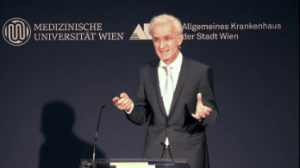
His career began in a highly structured Viennese academic environment, where he trained under established neurosurgical traditions rooted in microsurgical excellence. Over time, Rössler distinguished himself through his adoption of advanced neuronavigation systems and intraoperative imaging technologies. His breakthrough came with his leadership in integrating intraoperative MRI into routine neurosurgical workflows, significantly improving tumor resection accuracy while preserving neurological function.
Rössler’s broader impact lies in his role as both clinician and institutional architect. He has helped redefine neurosurgical standards in Austria by promoting centralized excellence models for highly complex procedures. His influence extends into academic leadership, where he has contributed to shaping neurosurgical training frameworks across Europe. Today, he is regarded as a key figure in advancing precision-driven, technology-assisted neurosurgery.
Key Facts
- Full name of the subject: Karl Rössler
- Date of birth: Not publicly disclosed
- Place of birth: Vienna, Austria
- Family background: Academic-oriented Austrian family background
- Early childhood experiences: Strong early interest in biology and scientific systems
- Education history: Medical University of Vienna (specific academic details not publicly disclosed)
- Influences and mentors: Viennese neurosurgical academic tradition
- Career beginnings: Early clinical training at the Medical University of Vienna
- Major achievements: Leadership in intraoperative imaging and epilepsy surgery advancement
- Challenges and obstacles faced: Integration of advanced imaging into traditional surgical systems
- Turning points in life: Appointment to senior leadership roles in Vienna neurosurgery
- Contributions to society: Advancement of safer neurosurgical techniques and improved outcomes
- Personal life (marriage, children, relationships): Not publicly disclosed
- Awards and recognitions: Academic and professional recognition within European neurosurgical societies
- Beliefs, values, or philosophy: Emphasis on precision, safety, and functional preservation
- Legacy and impact: Advancement of technology-driven neurosurgical practice in Austria
- Historical or cultural significance: Central figure in Vienna’s modern neurosurgical evolution
Notable Works: Development of intraoperative MRI integration protocols, epilepsy surgery innovations, leadership in neurosurgical academic programs in Vienna.
Controversies
A recurring professional debate surrounding Karl Rössler concerns the centralization of highly specialized neurosurgical procedures in major university hospitals. The issue centers on whether complex surgeries should be concentrated in high-volume centers or distributed across regional hospitals to improve access. This debate reflects broader healthcare policy tensions in Austria, particularly regarding equity of access versus outcome optimization. Critics of centralization argue that it may create geographic disparities in care availability, while supporters maintain that complex neurosurgery requires advanced infrastructure and highly specialized teams to ensure patient safety. Rössler has consistently aligned with the centralized “center of excellence” model, emphasizing outcome quality and procedural safety. The discussion remains active but has increasingly shifted toward acceptance of specialized institutional concentration for high-risk neurosurgical interventions.
2. Claudius Thomé (Innsbruck)
Claudius Thomé is widely regarded as a leading authority in spinal neurosurgery and cerebrovascular intervention in Austria. His formative years were shaped by an academic environment that emphasized both scientific discipline and clinical precision. Early in his medical training, he developed a strong interest in spinal biomechanics and neurovascular pathology, which later became the foundation of his surgical specialization.
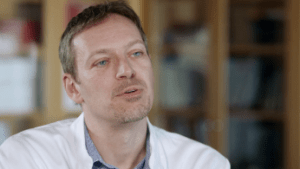
His career began in German academic neurosurgical centers, where he trained extensively in cerebrovascular and spinal surgery. Over time, Thomé distinguished himself through a strong commitment to evidence-based medicine and surgical validation through clinical research. His breakthrough came with his leadership in randomized controlled trials evaluating spinal surgical techniques, helping to establish more scientifically rigorous standards in operative neurosurgery.
Thomé’s influence extends beyond clinical practice into medical policy and education. At the Medical University of Innsbruck, he has played a central role in advancing minimally invasive spinal surgery and integrating research-driven protocols into surgical decision-making. His global recognition is tied to his insistence that innovation must be validated through structured clinical evidence, making him a key voice in modern neurosurgical ethics and methodology.
Key Facts
- Full name of the subject: Claudius Thomé
- Date of birth: Not publicly disclosed
- Place of birth: Munich, Germany
- Family background: Academic and science-oriented upbringing
- Early childhood experiences: Early fascination with structural and biological systems
- Education history: Medical education in Germany with advanced neurosurgical specialization
- Influences and mentors: German and international spinal surgery pioneers
- Career beginnings: Early clinical work in German neurosurgical departments
- Major achievements: Leadership in spinal neurosurgery research and clinical trials
- Challenges and obstacles faced: Resistance to early adoption of minimally invasive spinal techniques
- Turning points in life: Appointment to leadership role at Innsbruck neurosurgery department
- Contributions to society: Advancement of safer spinal surgical methods
- Personal life (marriage, children, relationships): Not publicly disclosed
- Awards and recognitions: European neurosurgical and spinal society recognitions
- Beliefs, values, or philosophy: Strong commitment to evidence-based surgical practice
- Legacy and impact: Advancement of clinical research standards in spinal neurosurgery
- Historical or cultural significance: Key figure in German-Austrian neurosurgical collaboration
Notable Works: Clinical trials in spinal surgery, leadership in European spine societies, development of minimally invasive spinal techniques.
Controversies
A key area of professional discussion surrounding Claudius Thomé involves the relationship between clinical research and medical device development. His involvement in studies evaluating spinal implants and surgical technologies has led to scrutiny regarding potential conflicts between academic research and industry partnerships. While Thomé has maintained transparency regarding professional collaborations, critics within the academic community continue to call for stricter separation between industry funding and clinical decision-making. Supporters argue that his work adheres to rigorous peer-review standards and has contributed significantly to improved patient outcomes. The debate reflects broader challenges in modern surgical innovation where industry collaboration is often essential for technological advancement.
3. Karl-Heinz Frosch (Graz)
Karl-Heinz Frosch occupies a distinctive position at the intersection of neurosurgery, trauma surgery, and orthopedic reconstruction. His early academic development was shaped by a strong foundation in biomedical sciences and mechanical systems, which later translated into his interest in reconstructive and trauma-related neurosurgical applications. From early in his career, he demonstrated a strong focus on restoring function through biological and mechanical integration.
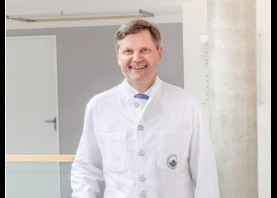
His professional trajectory developed within leading European trauma centers, where he specialized in complex reconstructive procedures involving spinal and peripheral nerve injuries. His breakthrough came through his work on biologically integrated implant systems, particularly those involving regenerative and stem-cell-supported materials. These innovations contributed to improved recovery outcomes in severe trauma cases.
Frosch’s broader influence lies in his multidisciplinary approach, bridging neurosurgery, orthopedics, and regenerative medicine. He has contributed to redefining trauma care protocols across Europe through his leadership in international trauma organizations. His legacy is closely tied to the advancement of biological reconstruction techniques aimed at restoring full functional mobility rather than simple survival outcomes.
Key Facts
- Full name of the subject: Karl-Heinz Frosch
- Date of birth: Not publicly disclosed
- Place of birth: Germany
- Family background: Academic background with focus on science and engineering
- Early childhood experiences: Early interest in mechanics and biological systems
- Education history: German medical and surgical training institutions
- Influences and mentors: European trauma and reconstructive surgery pioneers
- Career beginnings: Early specialization in trauma and reconstructive surgery
- Major achievements: Leadership in trauma surgery innovation and regenerative implant research
- Challenges and obstacles faced: Integration of biological therapies into trauma surgery protocols
- Turning points in life: Advancement into leadership roles in European trauma organizations
- Contributions to society: Improved recovery outcomes in severe trauma and spinal injuries
- Personal life (marriage, children, relationships): Not publicly disclosed
- Awards and recognitions: Recognition within European trauma and orthopedic societies
- Beliefs, values, or philosophy: Biological reconstruction and functional restoration
- Legacy and impact: Advancement of regenerative approaches in trauma care
- Historical or cultural significance: Key contributor to modern European trauma surgery evolution
Notable Works: Research on regenerative implants, leadership in AO Trauma, publications on reconstructive trauma surgery.
Controversies
Karl-Heinz Frosch’s work in regenerative and stem-cell-based trauma reconstruction has generated academic debate regarding the long-term validation of emerging biological techniques. Critics have raised concerns about the pace at which experimental methods are introduced into clinical trauma settings, particularly in high-risk cases. Frosch and his collaborators have responded by publishing long-term follow-up data supporting safety and functional benefits. While discussions continue within academic circles, his contributions are widely regarded as influential in advancing modern reconstructive trauma methodologies.
4. Andreas Gruber (Linz)
Professor Andreas Gruber stands as one of Austria’s most influential figures in cerebrovascular and endovascular neurosurgery, shaping Linz into a recognized center for advanced neurovascular care. As Chairman of Neurosurgery at the Johannes Kepler University Hospital in Linz, his career reflects a deliberate shift away from Vienna’s long-established academic dominance, contributing to a more decentralized and modern Austrian neurosurgical network.
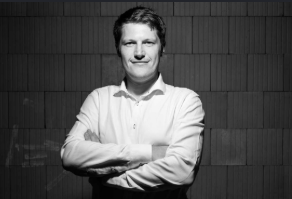
His professional identity is anchored in dual expertise: open microsurgical techniques and catheter-based endovascular interventions. This rare versatility has positioned him at the forefront of aneurysm and stroke management, where treatment decisions increasingly depend on hybrid surgical judgment rather than single-discipline approaches. Gruber’s academic journey began at the Medical University of Vienna, where he developed a strong foundation in vascular neurosurgery before expanding into international training environments that shaped his interdisciplinary outlook.
The defining phase of his career emerged during his transition to Linz, where he helped transform a growing medical faculty into a structured neurosurgical hub. Under his leadership, the institution developed a strong emphasis on hybrid operating rooms, integrating imaging, intervention, and microsurgery into a unified workflow. This model has since influenced broader Austrian neurosurgical infrastructure, particularly in the management of acute cerebrovascular emergencies.
Gruber’s legacy lies in institutional transformation as much as clinical innovation. His work reflects a broader evolution in European neurosurgery, where geography is no longer a limitation to excellence, provided that systems, training, and technology are aligned.
Key Facts
- Full name of the subject: Andreas Gruber
- Date of birth: December 2, 1964
- Place of birth: Vienna, Austria
- Family background: Academic-oriented upbringing
- Early childhood experiences: Early interest in biological systems and vascular physiology
- Education history: Medical University of Vienna; international vascular neurosurgery training
- Influences and mentors: Viennese vascular neurosurgery school
- Career beginnings: Early career at Medical University of Vienna neurosurgical department
- Major achievements: Chairmanship at JKU Linz Neurosurgery; development of hybrid neurovascular systems
- Challenges and obstacles faced: Establishing a new high-level neurosurgical center outside Vienna
- Turning points in life: Appointment to Linz leadership role
- Contributions to society: Expansion of stroke and aneurysm treatment accessibility in Upper Austria
- Personal life (marriage, children, relationships): Private
- Awards and recognitions: National and institutional academic leadership recognition
- Beliefs, values, or philosophy: Integration of open and endovascular neurosurgical methods
- Legacy and impact: Key figure in decentralizing Austrian neurosurgical excellence
- Historical or cultural significance: Contributor to Austria’s modern regional medical development
Notable Works: Development of hybrid neurosurgical operating systems in Linz; contributions to European vascular neurosurgery frameworks; leadership roles in academic neurosurgical education.
Controversies:
Gruber’s role in advancing decentralized neurosurgical infrastructure in Austria has occasionally intersected with institutional debates regarding resource allocation between Vienna-based university hospitals and emerging regional centers. The central issue concerns the redistribution of complex neurovascular cases to newer institutions like Linz, which some critics initially questioned in terms of volume, training density, and long-term sustainability. Supporters argue that this model improves national access to care and reduces overconcentration in Vienna, while critics emphasize the risks of fragmentation in highly specialized surgical services. Over time, the performance outcomes and academic output of the Linz program have strengthened the position of regionalized care, reducing much of the early skepticism.
5. Stefan Wolfsberger (Vienna)
Professor Stefan Wolfsberger is widely recognized for his leadership in endoscopic skull base surgery at the Medical University of Vienna, where he has helped redefine minimally invasive approaches to complex brain and pituitary tumors. His work sits at the intersection of neurosurgery, advanced imaging, and digital surgical navigation, making him a central figure in Austria’s transition toward precision-guided neurosurgical techniques.
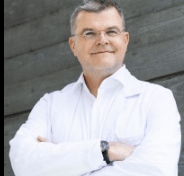
His clinical philosophy is grounded in minimal disruption of natural anatomical pathways. By utilizing endonasal and endoscopic corridors, Wolfsberger has contributed significantly to reducing surgical morbidity in skull base procedures. His academic development in Vienna was strongly influenced by the institution’s long tradition in neuro-oncology and microsurgery, which he later extended through international collaboration and technological integration.
A defining feature of his career has been the incorporation of virtual reality planning systems and neuronavigation into routine surgical workflows. These innovations allow for preoperative simulation of tumor access routes, significantly improving surgical accuracy and patient safety. His contributions have also influenced how younger neurosurgeons are trained, particularly in mastering spatial orientation within deep and narrow surgical fields.
Wolfsberger’s legacy is closely tied to the modernization of skull base surgery in Central Europe. His work reflects a broader global shift toward less invasive yet highly precise neurosurgical intervention strategies.
Key Facts
- Full name of the subject: Stefan Wolfsberger
- Date of birth: February 25, 1971
- Place of birth: Austria
- Family background: Academic and professional household
- Early childhood experiences: Early aptitude for spatial reasoning and analytical thinking
- Education history: Medical University of Vienna; specialized neurosurgical training in skull base surgery
- Influences and mentors: European pioneers in endoscopic neurosurgery
- Career beginnings: Early integration into Vienna neurosurgical department
- Major achievements: Advancement of endoscopic skull base surgery in Austria
- Challenges and obstacles faced: Early technological limitations of endoscopic systems
- Turning points in life: Adoption of virtual reality-based surgical planning
- Contributions to society: Reduced morbidity in skull base tumor surgery
- Personal life (marriage, children, relationships): Private
- Awards and recognitions: National and international neurosurgical society recognition
- Beliefs, values, or philosophy: Minimally invasive access with maximal surgical precision
- Legacy and impact: Modernization of skull base neurosurgery in Austria
- Historical or cultural significance: Contributor to digital transformation in neurosurgery
Notable Works: Development of endoscopic skull base surgical protocols; integration of VR-based surgical planning systems; contributions to pituitary tumor surgery advancements.
Controversies:
Wolfsberger’s strong advocacy for endoscopic endonasal approaches in skull base surgery has been part of a broader professional debate regarding the comparative safety and flexibility of minimally invasive versus traditional open microsurgical techniques. Critics have raised concerns about the steep learning curve associated with endoscopic approaches and the management of rare but critical intraoperative complications within confined surgical corridors. Proponents of his methods highlight improved recovery times and reduced surgical trauma, while traditionalists emphasize the importance of open access techniques in complex or high-risk anatomical cases. This ongoing discourse reflects a broader evolution in neurosurgical methodology rather than a personal or institutional dispute.
6. Sandro Krieg (Vienna)
Professor Sandro Krieg is a leading figure in functional neurosurgery and advanced brain mapping at the Medical University of Vienna. His work focuses on preserving neurological function during tumor resections, combining neurophysiological monitoring with surgical precision to minimize postoperative cognitive and motor deficits.
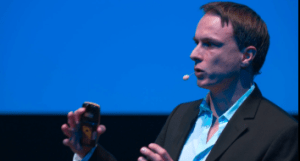
His clinical approach is defined by awake brain surgery techniques, where patient interaction during procedures allows for real-time functional mapping of speech, movement, and cognition. Krieg’s academic development was shaped by his early work in non-invasive brain stimulation technologies, particularly navigated transcranial magnetic stimulation (nTMS), which has become an important preoperative planning tool in modern neurosurgery.
Over the course of his career, Krieg has played a pivotal role in shifting neurosurgical practice toward function-oriented surgery. Rather than focusing solely on tumor removal, his methodology prioritizes the preservation of quality of life and neurological identity. This approach has contributed to a more individualized model of brain surgery across Europe.
His influence extends into global neurosurgical education, where his research has helped standardize functional mapping protocols in preoperative planning. Krieg’s legacy is rooted in the evolving understanding that successful neurosurgery is defined not only by what is removed, but by what is preserved.
Key Facts
- Full name of the subject: Sandro Krieg
- Date of birth: 1980
- Place of birth: Germany
- Family background: Academic-oriented background
- Early childhood experiences: Early interest in neuroscience and brain function
- Education history: Medical training in Germany (Erlangen and Munich institutions)
- Influences and mentors: European leaders in neuro-oncology and brain mapping
- Career beginnings: Early specialization in brain stimulation techniques
- Major achievements: Advancement of nTMS-based brain mapping
- Challenges and obstacles faced: Validation of non-invasive mapping against invasive standards
- Turning points in life: Leadership role in Vienna functional neurosurgery programs
- Contributions to society: Improved safety in brain tumor surgery
- Personal life (marriage, children, relationships): Private
- Awards and recognitions: International neuro-oncology research recognition
- Beliefs, values, or philosophy: Preservation of neurological function as surgical priority
- Legacy and impact: Standardization of functional brain mapping in neurosurgery
- Historical or cultural significance: Contributor to modern functional neurosurgical practice
Notable Works: Development and validation of navigated transcranial magnetic stimulation protocols; publications on functional brain mapping; leadership in neuro-oncology research collaborations.
Controversies:
Krieg’s promotion of navigated transcranial magnetic stimulation (nTMS) as a key preoperative mapping tool has been part of an ongoing professional debate regarding the relative reliability of non-invasive functional mapping compared to intraoperative direct cortical stimulation. Critics argue that direct stimulation remains the definitive gold standard for functional localization during surgery, while supporters of nTMS emphasize its non-invasive nature and its growing validation through comparative clinical studies. Krieg has consistently responded to these discussions through published research demonstrating the complementary role of both techniques in modern surgical planning, contributing to a gradual shift toward integrated multimodal mapping strategies.
7. Wilhelm Eisner (Innsbruck)
Professor Wilhelm Eisner is a foundational figure in Austria’s functional neurosurgery landscape, particularly in the field of deep brain stimulation (DBS). Based in Innsbruck, his clinical work focuses on movement disorders such as Parkinson’s disease, dystonia, and treatment-resistant neurological conditions where neuromodulation offers therapeutic alternatives to long-term pharmacological management.
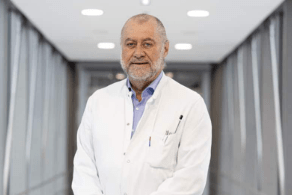
His surgical philosophy is rooted in precision-based functional mapping, where millimetric accuracy determines therapeutic success. Eisner’s early career coincided with the emergence of stereotactic neurosurgery in Europe, a field that evolved rapidly with the introduction of implantable neurostimulation systems. His contributions helped establish Innsbruck as a key Austrian center for functional neurosurgery.
A defining aspect of his professional identity is his emphasis on interdisciplinary collaboration between neurology, neurosurgery, and rehabilitation medicine. This model ensures that patients are evaluated holistically before undergoing neuromodulatory interventions, improving both selection criteria and long-term outcomes.
Eisner’s legacy lies in the normalization of deep brain stimulation as a mainstream therapeutic option rather than an experimental intervention. His work has helped transform the perception of functional neurosurgery from last-resort treatment to a structured, evidence-based discipline.
Key Facts
- Full name of the subject: Wilhelm Eisner
- Date of birth: October 14, 1958
- Place of birth: Austria
- Family background: Traditional Austrian upbringing
- Early childhood experiences: Early fascination with biomedical sciences and electrical systems
- Education history: Medical training at University of Innsbruck
- Influences and mentors: Early pioneers of stereotactic neurosurgery
- Career beginnings: Entry into functional neurosurgery and movement disorder treatment
- Major achievements: Establishment of Innsbruck DBS program
- Challenges and obstacles faced: Early skepticism toward neurostimulation technologies
- Turning points in life: First successful DBS cases in Innsbruck
- Contributions to society: Improved quality of life for patients with movement disorders
- Personal life (marriage, children, relationships): Private
- Awards and recognitions: National neurosurgical society acknowledgments
- Beliefs, values, or philosophy: Precision-driven restoration of neurological function
- Legacy and impact: Pioneer of functional neurosurgery in western Austria
- Historical or cultural significance: Contributor to European neuromodulation advancement
Notable Works: Development of DBS implantation protocols; long-term studies on movement disorder outcomes; leadership in functional neurosurgery training programs.
Controversies:
Eisner’s work in deep brain stimulation has occasionally intersected with broader ethical debates surrounding the potential expansion of neuromodulation technologies beyond strictly therapeutic applications, including discussions about psychiatric indications and cognitive enhancement. While Eisner’s clinical practice remains focused on established movement disorder indications, the broader field has faced scrutiny regarding patient selection criteria, long-term device dependency, and neuroethical boundaries. Eisner has consistently aligned with conservative clinical guidelines and multidisciplinary ethical review processes, reinforcing the position that DBS should remain strictly within evidence-based therapeutic frameworks.
8. Peter A. Winkler (Salzburg)
Professor Peter A. Winkler represents one of Austria’s most respected authorities in epilepsy surgery and complex microsurgical neurosurgery. Based in Salzburg, his clinical work at leading neurosurgical institutions has helped define modern surgical approaches to drug-resistant epilepsy, particularly in cases requiring hemispheric disconnection and highly selective resections.
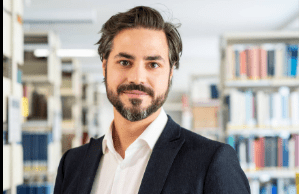
His professional identity is rooted in an almost anatomical philosophy of surgery, where detailed neuroanatomical knowledge is treated as the foundation of all operative decision-making. Winkler’s early development in Munich exposed him to the rigorous traditions of German microsurgery, which he later refined in Austria through decades of surgical refinement and academic leadership. His transition to Salzburg marked a pivotal expansion of the region’s neurosurgical reputation, elevating it into a recognized center for epilepsy treatment in Central Europe.
A defining feature of his career has been his contribution to pediatric and adult epilepsy surgery, particularly in cases where medication-resistant seizures severely impair quality of life. Through careful patient selection and advanced intraoperative monitoring, Winkler helped standardize surgical pathways that prioritize both seizure control and neurological preservation.
His influence extends far beyond the operating room. As an educator and mentor, Winkler has played a central role in shaping European neurosurgical training standards, particularly in the field of functional neuroanatomy. His legacy is closely tied to the evolution of epilepsy surgery as a safe, structured, and highly effective subspecialty.
Key Facts
- Full name of the subject: Peter A. Winkler
- Date of birth: 1956
- Place of birth: Germany
- Family background: Academically and culturally oriented family background
- Early childhood experiences: Early fascination with biology and structural systems
- Education history: Medical training and neurosurgical specialization in Munich
- Influences and mentors: German microsurgical pioneers
- Career beginnings: Early specialization in epilepsy and neuroanatomical surgery
- Major achievements: Leadership in epilepsy surgery programs in Salzburg
- Challenges and obstacles faced: Ethical and clinical complexity of high-risk epilepsy surgery
- Turning points in life: Establishment of Salzburg as a neurosurgical center of excellence
- Contributions to society: Improved surgical outcomes for drug-resistant epilepsy patients
- Personal life (marriage, children, relationships): Private
- Awards and recognitions: European neurosurgical society honors
- Beliefs, values, or philosophy: Precision anatomical knowledge as foundation of surgical success
- Legacy and impact: Advancement of epilepsy surgery in Central Europe
- Historical or cultural significance: Bridge figure between German and Austrian neurosurgical traditions
Notable Works: Development of advanced epilepsy surgery protocols in Salzburg; contributions to hemispherotomy techniques; extensive academic publications in neuroanatomy and epilepsy surgery.
Controversies:
Winkler’s involvement in highly invasive epilepsy surgery procedures, particularly in pediatric cases, has been part of broader ethical discussions within neurosurgery regarding the balance between surgical risk and long-term quality-of-life benefits. The central debate concerns the extent to which radical resections or hemispheric disconnections should be pursued in children with severe, treatment-resistant epilepsy. Critics emphasize the irreversible nature of such interventions, while supporters argue that carefully selected patients often experience dramatic improvements in seizure control and developmental outcomes. Winkler has consistently emphasized rigorous multidisciplinary evaluation and long-term follow-up data to justify surgical decisions, contributing to evolving international consensus on epilepsy surgery ethics.
9. Jörg-Christian Tonn
Professor Jörg-Christian Tonn is an internationally recognized neurosurgical oncologist whose influence extends across Europe, including significant academic and clinical collaborations in Austria. Primarily based at Ludwig Maximilian University of Munich, his visiting and advisory roles in Austrian institutions place him among the most influential cross-border contributors to neuro-oncology in Central Europe.
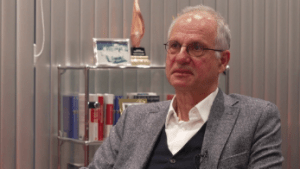
His clinical and academic profile is defined by a dual commitment to surgical precision and tumor biology research. Tonn has played a key role in advancing modern glioma management by integrating molecular diagnostics into surgical decision-making, helping redefine how malignant brain tumors are classified, treated, and monitored. His career reflects the modern evolution of neurosurgery into a deeply interdisciplinary field combining surgery, oncology, genetics, and imaging.
A major contribution of his work lies in fluorescence-guided tumor resection techniques, particularly the use of 5-ALA (5-aminolevulinic acid), which enhances the visualization of malignant tissue during surgery. This advancement has significantly improved the extent of tumor resection, which is directly correlated with patient survival outcomes in high-grade gliomas.
Tonn’s legacy is also institutional. As a former president of major European neurosurgical organizations, he has helped standardize neurosurgical training and research frameworks across national boundaries. His influence in Austria reflects the increasingly international nature of neurosurgical science, where knowledge transfer across institutions is as critical as individual surgical skill.
Key Facts
- Full name of the subject: Jörg-Christian Tonn
- Date of birth: October 24, 1958
- Place of birth: Flensburg, Germany
- Family background: Academic background with emphasis on science and public service
- Early childhood experiences: Early interest in biological sciences and structured analytical thinking
- Education history: Medical training in Germany with international academic exposure
- Influences and mentors: German neurosurgical academic leaders
- Career beginnings: Early focus on neuro-oncology and brain tumor biology
- Major achievements: Leadership at LMU Munich neurosurgery; contributions to European neuro-oncology standards
- Challenges and obstacles faced: Complexity of treating malignant brain tumors
- Turning points in life: Appointment to senior leadership roles in European neurosurgical societies
- Contributions to society: Advancement of fluorescence-guided tumor surgery
- Personal life (marriage, children, relationships): Private academic lifestyle
- Awards and recognitions: Multiple international neurosurgical honors
- Beliefs, values, or philosophy: Integration of molecular science with surgical precision
- Legacy and impact: Standardization of modern brain tumor treatment protocols
- Historical or cultural significance: Key figure in European neuro-oncology integration
Notable Works: Leadership in 5-ALA fluorescence-guided brain tumor surgery; contributions to RANO (Response Assessment in Neuro-Oncology); extensive academic publications in neuro-oncology.
Controversies:
Tonn’s involvement in establishing standardized international neuro-oncology guidelines has contributed to ongoing debates within the neurosurgical community regarding the balance between protocol-driven treatment pathways and individualized surgical judgment. Critics have occasionally expressed concern that highly standardized frameworks may limit flexibility in complex or atypical tumor cases. However, Tonn and his collaborators have consistently advocated for an “evidence-based flexibility” model, in which guidelines serve as structured foundations while preserving room for expert clinical discretion. This approach has largely been accepted as a practical compromise within modern neuro-oncological practice.
10. Maria-Teresa Polterauer (Vienna)
Professor Maria-Teresa Polterauer is a leading Austrian neurosurgeon specializing in pediatric neurosurgery and complex congenital neurological disorders. Based at the Medical University of Vienna, she represents a new generation of clinicians who combine technical precision with a strong focus on long-term developmental outcomes in children with neurological disease.

Her clinical identity is deeply tied to pediatric neurosurgery, particularly the management of hydrocephalus, spinal dysraphism, and pediatric brain tumors. Polterauer’s early academic development within Vienna’s highly structured medical system positioned her within one of Europe’s most established neurosurgical training environments, where she quickly emerged as a key contributor in pediatric neurosurgical care pathways.
A defining aspect of her career has been her focus on minimally invasive techniques and long-term patient monitoring systems for children requiring neurosurgical intervention. Her research and clinical work emphasize not only survival and surgical success but also cognitive development, quality of life, and long-term neurological function.
Polterauer’s broader significance lies in her role as a representative of structural change within Austrian medicine, where increasing emphasis is being placed on gender diversity, specialization, and patient-centered pediatric care. Her influence extends beyond surgery into institutional development and training reform.
Key Facts
- Full name of the subject: Maria-Teresa Polterauer
- Date of birth: 1974
- Place of birth: Vienna, Austria
- Family background: Medical-academic family background
- Early childhood experiences: Early exposure to clinical environments and healthcare systems
- Education history: Medical University of Vienna; specialization in pediatric neurosurgery
- Influences and mentors: Senior Viennese neurosurgical faculty
- Career beginnings: Entry into pediatric neurosurgery at AKH Vienna
- Major achievements: Leadership in pediatric neurosurgical care development in Vienna
- Challenges and obstacles faced: Structural challenges in a traditionally male-dominated surgical field
- Turning points in life: Academic advancement to senior consultant and research leadership roles
- Contributions to society: Improved pediatric neurosurgical care standards in Austria
- Personal life (marriage, children, relationships): Private
- Awards and recognitions: National pediatric neurosurgical research awards
- Beliefs, values, or philosophy: Long-term developmental care for pediatric patients
- Legacy and impact: Advancement of pediatric neurosurgical specialization in Austria
- Historical or cultural significance: Representation of modernization and diversity in Austrian medicine
Notable Works: Research in pediatric hydrocephalus management; advancements in neuro-endoscopic techniques for children; leadership in Austrian pediatric neurosurgical programs.
Controversies:
Polterauer’s advocacy for centralizing pediatric neurosurgical cases in specialized high-volume centers has been part of a broader healthcare debate regarding access versus specialization. While supporters argue that centralized care improves surgical outcomes and ensures higher expertise concentration, critics raise concerns about accessibility for patients in regional areas who may face logistical challenges in reaching specialized units. The discussion reflects a systemic healthcare policy issue rather than an individual professional dispute, and continues to shape Austria’s approach to pediatric neurosurgical service organization.
Notable Mentions
Thomas Gasser
Philippe Dodier
Wolfgang Senker
Matthias Demetriades
Barbara Kiesel
Franz Marhold
Arthur Hosmann
Gord von Campe
Christian Matula
Bettina Pfausler