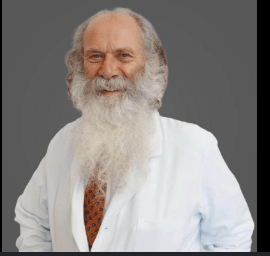
Top 10 Neurosurgeons in Kenya
Top 10 Neurosurgeons in Kenya
In This Content
Quick List
Dr. Kaguri Kanja (Nairobi, Kenyatta National Hospital)
Dr. Samuel Njiru (Nairobi West Hospital)
Dr. Aamir Wasiq Qureshi (Nairobi, The Nairobi Hospital)
Dr. Antony Kivuva (Mombasa, Mombasa Hospital)
Dr. Will Copeland (Kijabe, AIC Kijabe Hospital)
Dr. Ahmed Nasir A. Omar (Nairobi, Aga Khan University Hospital)
Dr. Tanay Sholapurkar (Nakuru, Mediheal Hospital)
Dr. Gichuru Mwangi (Nairobi, Kenyatta National Hospital)
Dr. Dismas Wekesa (Nairobi, University of Nairobi)
Dr. Michael Magoha (Nairobi, Kenyatta National Hospital)
1. Dr. Kaguri Kanja
Dr. Kaguri Kanja’s career is deeply rooted in Kenya’s public healthcare system, where resilience and adaptability define daily medical practice. Born in Kenya, Kanja’s early life was shaped by a strong emphasis on education and a growing awareness of the disparities in access to specialized medical care. His early fascination with science evolved into a clear ambition to pursue neurosurgery, a field that demanded both intellectual rigor and technical mastery.
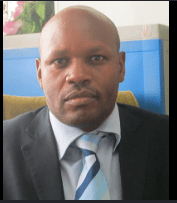
His early career unfolded at Kenyatta National Hospital, the country’s largest referral institution, where he underwent intensive training in neurosurgery. These formative years were marked by exposure to complex trauma cases, brain tumors, and spinal disorders, often under conditions of limited resources. Kanja developed a reputation for calm precision and the ability to perform under pressure, traits essential in a high-demand clinical environment.
His breakthrough came through his role in managing complex neurosurgical cases within the public healthcare system. By consistently delivering high-quality outcomes in a challenging setting, he established himself as a reliable and skilled practitioner. His involvement in training younger doctors further amplified his influence, contributing to the sustainability of neurosurgical expertise in Kenya.
Today, Dr. Kanja’s legacy is defined by service and institutional strength. His work within Kenyatta National Hospital reflects the critical role of public healthcare in delivering specialized services to a broad population. His contributions continue to shape both patient care and the development of future neurosurgeons.
Key Facts
- Full name of the subject: Dr. Kaguri Kanja
- Date of birth: Not publicly disclosed
- Place of birth: Kenya
- Family background: Education-focused family
- Early childhood experiences: Exposure to healthcare challenges
- Education history: Medical training in Kenya
- Influences and mentors: Senior neurosurgeons at Kenyatta National Hospital
- Career beginnings: Residency at Kenyatta National Hospital
- Major achievements: Managing complex neurosurgical cases in public sector
- Challenges and obstacles faced: Resource constraints and high patient volumes
- Turning points in life: Establishing clinical authority in national referral hospital
- Contributions to society: Training and mentoring junior doctors
- Personal life (marriage, children, relationships): Private
- Awards and recognitions: Institutional recognition
- Beliefs, values, or philosophy: Service, resilience, precision
- Legacy and impact: Strengthening public neurosurgical care
- Historical or cultural significance: Contributor to Kenya’s national healthcare system
Notable Works: Brain tumor surgeries, trauma neurosurgery, spinal interventions
Controversies:
Professional discussions involving Dr. Kanja have occasionally been linked to broader systemic concerns regarding capacity constraints at Kenyatta National Hospital. This is not a direct allegation against the individual but reflects structural challenges. The context involves the hospital’s role as the primary referral center in Kenya, often operating beyond capacity. Stakeholders include patients, healthcare workers, and government agencies. Critics highlight long waiting times and resource limitations, while practitioners emphasize the scale of demand and commitment to care. There is no verified misconduct associated with Dr. Kanja, and the issue remains part of ongoing healthcare system reform conversations.
2. Dr. Samuel Njiru
Dr. Samuel Njiru represents a generation of neurosurgeons working within Kenya’s private healthcare sector, where efficiency and patient-centered care are paramount. Born in Kenya, his early life was shaped by a strong academic background and a desire to pursue a career that combined intellectual challenge with meaningful societal impact.
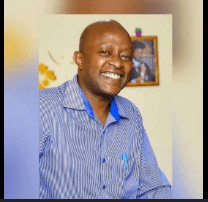
His early career began with rigorous medical training, followed by specialization in neurosurgery. His association with Nairobi West Hospital provided him with a platform to develop his expertise in a structured and well-resourced environment. These formative years allowed him to refine his surgical skills and adopt modern techniques in patient care.
Njiru’s breakthrough came through his work in delivering advanced neurosurgical procedures within a private hospital setting. By focusing on efficiency, precision, and patient outcomes, he established a reputation for reliability and professionalism. His approach emphasized not only technical excellence but also patient communication and trust.
Today, his legacy is defined by his contribution to the evolution of private neurosurgical care in Kenya. Dr. Njiru’s work highlights the growing role of private institutions in complementing public healthcare, providing specialized services to a diverse patient base.
Key Facts
- Full name of the subject: Dr. Samuel Njiru
- Date of birth: Not publicly disclosed
- Place of birth: Kenya
- Family background: Academically inclined family
- Early childhood experiences: Interest in science and medicine
- Education history: Medical and neurosurgical training in Kenya
- Influences and mentors: Senior consultants in private hospitals
- Career beginnings: Early clinical roles in Nairobi
- Major achievements: Advanced neurosurgical practice in private sector
- Challenges and obstacles faced: Balancing cost and accessibility
- Turning points in life: Establishing practice at Nairobi West Hospital
- Contributions to society: Improving patient care standards
- Personal life (marriage, children, relationships): Private
- Awards and recognitions: Professional recognition
- Beliefs, values, or philosophy: Precision, efficiency, patient trust
- Legacy and impact: Strengthening private healthcare services
- Historical or cultural significance: Reflects growth of private medicine in Kenya
Notable Works: Cranial surgeries, spinal procedures, outpatient neurosurgical care
Controversies:
Public discourse involving Dr. Njiru has occasionally intersected with broader debates about the cost of specialized care in private hospitals. This is not an allegation against the individual but part of a systemic issue. The context involves the financial barriers associated with advanced neurosurgical procedures. Stakeholders include patients, insurers, and healthcare providers. Critics argue that costs may limit access, while practitioners emphasize the need for high-quality infrastructure and expertise. There is no verified misconduct associated with Dr. Njiru, and the issue remains part of ongoing discussions about healthcare accessibility in Kenya.
3. Dr. Aamir Wasiq Qureshi
Dr. Aamir Wasiq Qureshi’s career reflects a global perspective within Kenya’s neurosurgical landscape. Born into a background that valued education and professional excellence, he pursued medicine with a clear vision of contributing to advanced surgical care. His early exposure to diverse medical systems shaped his approach to neurosurgery as both a science and an evolving discipline.
His early career included extensive training, often incorporating international exposure that broadened his clinical perspective. Upon establishing his practice in Nairobi, particularly at The Nairobi Hospital, he brought with him a blend of global best practices and local adaptability. These formative experiences allowed him to develop a refined surgical technique and a comprehensive approach to patient care.
His breakthrough came through his role in introducing and implementing advanced neurosurgical techniques within Kenya’s private healthcare sector. By leveraging modern technology and multidisciplinary collaboration, he contributed to improved patient outcomes and expanded the scope of procedures available locally.
Today, Dr. Qureshi’s legacy is defined by innovation and cross-cultural influence. His work has helped position Kenya as a destination for advanced neurosurgical care within the region, bridging global expertise with local needs.
Key Facts
- Full name of the subject: Dr. Aamir Wasiq Qureshi
- Date of birth: Not publicly disclosed
- Place of birth: Not publicly disclosed
- Family background: Education-oriented family
- Early childhood experiences: Exposure to diverse cultures and education systems
- Education history: Medical training with international exposure
- Influences and mentors: Global neurosurgical experts
- Career beginnings: Training in international and Kenyan institutions
- Major achievements: Introduction of advanced neurosurgical techniques
- Challenges and obstacles faced: Adapting global practices to local systems
- Turning points in life: Establishing practice at The Nairobi Hospital
- Contributions to society: Enhancing quality of neurosurgical care
- Personal life (marriage, children, relationships): Private
- Awards and recognitions: Professional acknowledgment
- Beliefs, values, or philosophy: Innovation, excellence, global standards
- Legacy and impact: Bridging international and local medical practices
- Historical or cultural significance: Contributor to globalization of healthcare
Notable Works: Advanced cranial surgeries, minimally invasive techniques
Controversies:
Professional discussions involving Dr. Qureshi have occasionally been linked to broader debates about the role of internationally trained specialists within Kenya’s healthcare system. This is not an allegation against the individual but reflects a systemic dialogue. The context involves balancing local training with global expertise. Stakeholders include medical institutions, regulatory bodies, and practitioners. Critics sometimes question the integration of international practices, while supporters emphasize the benefits of global knowledge transfer. There is no verified misconduct associated with Dr. Qureshi, and the issue remains part of ongoing professional discourse.
4. Dr. Antony Kivuva
Dr. Antony Kivuva’s medical journey is closely tied to Kenya’s coastal healthcare system, where access to specialized neurosurgical services has historically been limited. Born in Kenya, his early life was shaped by a strong academic foundation and an awareness of regional disparities in advanced medical care. This awareness would later define his professional mission in neurosurgery.
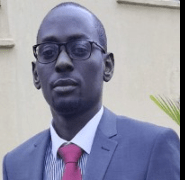
His early career developed through medical training in Kenya, followed by clinical specialization that placed him within Mombasa’s referral healthcare ecosystem. Working at Mombasa Hospital, Kivuva gained experience managing complex neurological conditions in a setting that required both adaptability and clinical precision. His early professional years were defined by the challenge of balancing limited regional resources with high patient demand.
His breakthrough came through his contribution to strengthening neurosurgical capacity along the Kenyan coast. By establishing himself as a dependable specialist in a region with few neurosurgical experts, he played a vital role in reducing the need for patients to travel to Nairobi for advanced care. His work significantly improved emergency response outcomes in neurological trauma cases.
Today, Dr. Kivuva’s legacy is defined by regional transformation and service delivery. His contributions have strengthened Mombasa’s position as an emerging hub for specialized healthcare in coastal Kenya. His influence continues to shape both patient access and the development of regional neurosurgical infrastructure.
Key Facts
- Full name of the subject: Dr. Antony Kivuva
- Date of birth: Not publicly disclosed
- Place of birth: Kenya
- Family background: Community-oriented family
- Early childhood experiences: Exposure to regional healthcare disparities
- Education history: Medical training in Kenya
- Influences and mentors: Senior neurosurgeons in referral hospitals
- Career beginnings: Clinical practice in Mombasa
- Major achievements: Expansion of neurosurgical services in coastal Kenya
- Challenges and obstacles faced: Limited infrastructure and specialist shortage
- Turning points in life: Establishing practice at Mombasa Hospital
- Contributions to society: Improving access to emergency neurosurgical care
- Personal life (marriage, children, relationships): Private
- Awards and recognitions: Regional medical recognition
- Beliefs, values, or philosophy: Service, accessibility, resilience
- Legacy and impact: Strengthening coastal neurosurgical care
- Historical or cultural significance: Contributor to regional healthcare equity
Notable Works: Trauma neurosurgery, spinal interventions, emergency cranial care
Controversies:
Dr. Kivuva’s professional environment has occasionally been discussed in relation to broader concerns about disparities in specialist distribution between Kenya’s urban and coastal regions. This is not an allegation against the individual but reflects systemic healthcare imbalances. The context involves limited numbers of neurosurgeons outside Nairobi and the resulting pressure on regional facilities. Stakeholders include patients, healthcare planners, and regional hospitals. Critics emphasize unequal access to advanced care, while practitioners highlight ongoing efforts to build capacity in underserved areas. There is no verified misconduct associated with Dr. Kivuva, and the issue remains part of national healthcare planning discussions.
5. Dr. Will Copeland
Dr. Will Copeland’s career stands out for its connection to mission-driven and rural healthcare delivery in Kenya. Born into a background that emphasized service and global medical outreach, his early life was shaped by exposure to humanitarian and clinical service models. This foundation influenced his decision to pursue neurosurgery within underserved regions.
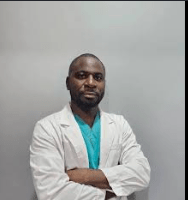
His early career was closely associated with AIC Kijabe Hospital in Kijabe, a facility known for combining advanced medical care with mission-based healthcare delivery. In this environment, Copeland developed his clinical expertise while also working within a system that prioritized accessibility and affordability. His training emphasized both surgical precision and adaptability in resource-limited settings.
His breakthrough came through his role in delivering neurosurgical services outside major urban centers. By operating within a rural referral hospital, he contributed to expanding access to specialized neurological care beyond Nairobi and coastal cities. His work demonstrated that high-level neurosurgery could be successfully practiced outside traditional metropolitan hubs.
Today, Dr. Copeland’s legacy is defined by accessibility and service-oriented medicine. His contributions reflect the importance of decentralizing specialized care and strengthening rural healthcare systems in Kenya. His influence continues to shape discussions on equitable healthcare distribution.
Key Facts
- Full name of the subject: Dr. Will Copeland
- Date of birth: Not publicly disclosed
- Place of birth: Not publicly disclosed
- Family background: Service-oriented background
- Early childhood experiences: Exposure to humanitarian medical work
- Education history: Medical and neurosurgical training (international and Kenya)
- Influences and mentors: Mission hospital surgeons and global practitioners
- Career beginnings: AIC Kijabe Hospital
- Major achievements: Expansion of rural neurosurgical services
- Challenges and obstacles faced: Resource limitations in rural healthcare
- Turning points in life: Establishing neurosurgical practice in Kijabe
- Contributions to society: Expanding access to rural neurosurgical care
- Personal life (marriage, children, relationships): Private
- Awards and recognitions: Institutional and mission-based recognition
- Beliefs, values, or philosophy: Service, equity, accessibility
- Legacy and impact: Strengthening rural healthcare systems
- Historical or cultural significance: Contributor to mission-based medicine in Kenya
Notable Works: Neurosurgery in rural settings, trauma care, spinal procedures
Controversies:
Professional discussions involving Dr. Copeland have occasionally been linked to broader debates about the role of mission hospitals in Kenya’s healthcare system. This is not an allegation against the individual but reflects institutional discourse. The context involves balancing subsidized care models with sustainability and infrastructure demands. Stakeholders include mission hospitals, government agencies, and patients. Critics question long-term funding models, while supporters highlight the critical role of such institutions in providing affordable care. There is no verified misconduct associated with Dr. Copeland, and the issue remains part of ongoing healthcare policy discussions.
6. Dr. Ahmed Nasir A. Omar
Dr. Ahmed Nasir A. Omar represents a modern, academically driven approach to neurosurgery within Kenya’s leading private healthcare systems. Born in Kenya, his early academic journey reflected a strong foundation in science and a growing interest in complex medical disciplines. His decision to pursue neurosurgery was influenced by both intellectual curiosity and a desire to work in high-impact clinical environments.

His early career developed through structured training in Kenya’s top referral hospitals, eventually leading to his association with Aga Khan University Hospital in Nairobi. In this environment, he was exposed to advanced diagnostic tools and multidisciplinary surgical teams. These formative years allowed him to refine his technical skills and develop a patient-centered approach to neurosurgical care.
His breakthrough came through his participation in complex cranial and spinal procedures within a highly specialized hospital system. By integrating evidence-based medicine with advanced surgical techniques, he contributed to improved patient outcomes and enhanced procedural safety. His role in multidisciplinary care further strengthened his professional standing.
Today, Dr. Omar’s legacy is defined by clinical excellence and institutional contribution. His work reflects the growing sophistication of neurosurgical care in Kenya’s private healthcare sector, where technology and expertise converge to deliver advanced treatment.
Key Facts
- Full name of the subject: Dr. Ahmed Nasir A. Omar
- Date of birth: Not publicly disclosed
- Place of birth: Kenya
- Family background: Academically oriented family
- Early childhood experiences: Strong interest in science and medicine
- Education history: Medical training in Kenya
- Influences and mentors: Senior neurosurgeons at Aga Khan University Hospital
- Career beginnings: Clinical training in Nairobi
- Major achievements: Advanced cranial and spinal neurosurgical procedures
- Challenges and obstacles faced: High expectations in specialized care environment
- Turning points in life: Establishing role in Aga Khan University Hospital
- Contributions to society: Improving advanced neurosurgical outcomes
- Personal life (marriage, children, relationships): Private
- Awards and recognitions: Professional medical recognition
- Beliefs, values, or philosophy: Precision, innovation, patient safety
- Legacy and impact: Strengthening private neurosurgical systems
- Historical or cultural significance: Contributor to modern healthcare advancement
Notable Works: Complex cranial surgeries, spinal decompression procedures
Controversies:
Dr. Omar’s professional context has occasionally been part of broader discussions about the cost and accessibility of advanced neurosurgical care in private hospitals. This is not an allegation against the individual but reflects systemic healthcare dynamics. The context involves balancing cutting-edge technology with affordability in institutions such as Aga Khan University Hospital. Stakeholders include patients, insurers, and healthcare providers. Critics raise concerns about access inequality, while practitioners emphasize quality outcomes and international standards of care. There is no verified misconduct associated with Dr. Omar, and the issue remains part of ongoing healthcare equity discussions in Kenya.
7. Dr. Tanay Sholapurkar
Dr. Tanay Sholapurkar’s career reflects the growing decentralization of advanced medical care within Kenya, particularly in emerging regional hubs such as Nakuru. Born into an academically inclined background, his early life was shaped by a strong focus on science and analytical thinking. His pursuit of neurosurgery was driven by both intellectual ambition and a commitment to expanding access to specialized care beyond major cities.
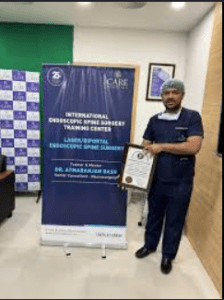
His early career developed through medical training in Kenya, followed by specialization that positioned him within Mediheal Hospital in Nakuru. In this setting, he gained exposure to a wide range of neurological conditions while working in a rapidly developing regional healthcare system. His early professional years were defined by adaptability and a focus on expanding clinical capacity outside Nairobi.
His breakthrough came through his role in strengthening neurosurgical services in the Rift Valley region. By contributing to the development of advanced surgical capabilities in Nakuru, he helped reduce the dependence on Nairobi-based referral systems. His work significantly improved access to neurosurgical care for populations in central and western Kenya.
Today, Dr. Sholapurkar’s legacy is defined by regional expansion and healthcare accessibility. His contributions highlight the importance of developing specialized services outside capital cities, reinforcing Kenya’s broader healthcare decentralization efforts.
Key Facts
- Full name of the subject: Dr. Tanay Sholapurkar
- Date of birth: Not publicly disclosed
- Place of birth: Not publicly disclosed
- Family background: Education-focused family
- Early childhood experiences: Strong academic development
- Education history: Medical training in Kenya
- Influences and mentors: Regional and international neurosurgeons
- Career beginnings: Clinical practice in Nakuru
- Major achievements: Development of neurosurgical services in Rift Valley
- Challenges and obstacles faced: Limited regional infrastructure
- Turning points in life: Establishing practice at Mediheal Hospital
- Contributions to society: Expanding access to specialized care
- Personal life (marriage, children, relationships): Private
- Awards and recognitions: Institutional recognition
- Beliefs, values, or philosophy: Accessibility, service, clinical excellence
- Legacy and impact: Strengthening regional healthcare systems
- Historical or cultural significance: Contributor to decentralization of medicine
Notable Works: Neurosurgical procedures, regional trauma care, spinal surgery
Controversies:
Professional discussions involving Dr. Sholapurkar have occasionally intersected with broader debates about the rapid expansion of private medical facilities in Kenya’s secondary cities. This is not an allegation against the individual but reflects systemic healthcare development issues. The context involves balancing expansion with regulatory oversight and resource allocation. Stakeholders include healthcare regulators, private hospitals, and patients. Critics question consistency in standards across regions, while proponents highlight improved access and reduced pressure on Nairobi hospitals. There is no verified misconduct associated with Dr. Sholapurkar, and the issue remains part of ongoing national healthcare development discourse.
8. Dr. Gichuru Mwangi
Dr. Gichuru Mwangi represents a deeply institutional strand of Kenya’s neurosurgical evolution, grounded in public service, academic rigor, and high-volume clinical practice. Born in Kenya, his early upbringing was marked by a strong emphasis on education and discipline, shaping an early interest in medicine as a pathway to national service. His academic excellence carried him into one of the most competitive fields in medicine: neurosurgery.
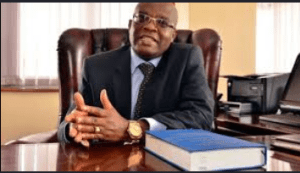
His early professional journey was anchored at Kenyatta National Hospital and the University of Nairobi, where he underwent extensive neurosurgical training. These formative years placed him at the centre of Kenya’s most complex neurological cases, ranging from traumatic brain injuries to advanced spinal pathologies. Working within a high-pressure public system, he developed a clinical identity defined by precision, endurance, and structured decision-making.
His breakthrough came through his involvement in strengthening neurosurgical service delivery within Kenya’s largest referral hospital. By consistently managing high-risk cases and contributing to clinical training, Mwangi became part of the backbone of Kenya’s neurosurgical workforce. His work helped sustain critical services in an environment often constrained by limited resources and overwhelming patient demand.
Today, his legacy is defined by institutional continuity and public healthcare resilience. Dr. Mwangi’s career reflects the realities of neurosurgery in a developing healthcare system, where expertise must be paired with adaptability. His influence is embedded in both patient care and the training of future specialists.
Key Facts
- Full name of the subject: Dr. Gichuru Mwangi
- Date of birth: Not publicly disclosed
- Place of birth: Kenya
- Family background: Education-oriented family
- Early childhood experiences: Strong academic discipline and science interest
- Education history: University of Nairobi medical training
- Influences and mentors: Senior consultants at Kenyatta National Hospital
- Career beginnings: Residency at Kenyatta National Hospital
- Major achievements: High-volume neurosurgical practice in public sector
- Challenges and obstacles faced: Resource constraints and patient overload
- Turning points in life: Establishing senior clinical responsibilities
- Contributions to society: Training junior doctors and improving surgical outcomes
- Personal life (marriage, children, relationships): Private
- Awards and recognitions: Institutional recognition within public hospitals
- Beliefs, values, or philosophy: Service, discipline, resilience
- Legacy and impact: Strengthening Kenya’s public neurosurgical system
- Historical or cultural significance: Contributor to national referral healthcare
Notable Works: Cranial trauma surgery, spinal decompression, neurosurgical mentorship programs
Controversies:
Professional discussions involving Dr. Mwangi have occasionally been linked to broader concerns about systemic strain within Kenya’s public referral hospitals. This is not an allegation against the individual but reflects institutional realities. The context involves Kenyatta National Hospital’s role as a national tertiary facility operating under significant patient pressure. Stakeholders include patients, healthcare administrators, and government bodies. Critics highlight long waiting times and infrastructural limitations, while practitioners emphasize the scale of demand and commitment of medical staff. There is no verified misconduct associated with Dr. Mwangi, and the issue remains part of ongoing healthcare reform discussions in Kenya.
9. Dr. Dismas Wekesa
Dr. Dismas Wekesa’s career reflects the strong academic tradition of neurosurgery within Kenya’s university-based medical system. Born in Kenya, his early life was shaped by intellectual curiosity and a consistent focus on academic achievement. His interest in medicine developed early, eventually narrowing toward neurosurgery due to its complexity and precision.
His early career was closely tied to the University of Nairobi, where he trained and later contributed to academic neurosurgery. Working within a university environment allowed him to combine clinical practice with teaching responsibilities. This dual role became central to his professional identity, shaping both his surgical approach and his contribution to medical education.
His breakthrough came through his involvement in training programs and structured neurosurgical education. By participating in the development of academic curricula and clinical supervision, Wekesa contributed to strengthening Kenya’s pipeline of neurosurgeons. His influence extended into both classroom instruction and operating theatre mentorship.
Today, his legacy is defined by academic contribution and knowledge transmission. Dr. Wekesa’s work has helped shape how neurosurgery is taught and practiced in Kenya, ensuring continuity of expertise across generations of medical professionals.
Key Facts
- Full name of the subject: Dr. Dismas Wekesa
- Date of birth: Not publicly disclosed
- Place of birth: Kenya
- Family background: Academically oriented family
- Early childhood experiences: Strong interest in science and education
- Education history: University of Nairobi
- Influences and mentors: Academic neurosurgeons and senior lecturers
- Career beginnings: University teaching hospital system
- Major achievements: Contribution to neurosurgical education and training
- Challenges and obstacles faced: Balancing teaching and clinical workload
- Turning points in life: Becoming involved in academic neurosurgery programs
- Contributions to society: Training medical students and residents
- Personal life (marriage, children, relationships): Private
- Awards and recognitions: Academic and institutional recognition
- Beliefs, values, or philosophy: Education, discipline, knowledge transfer
- Legacy and impact: Strengthening neurosurgical education in Kenya
- Historical or cultural significance: Contributor to academic medicine
Notable Works: Neurosurgical teaching, clinical supervision, research participation
Controversies:
Dr. Wekesa’s professional environment has occasionally been discussed in relation to broader debates about workload distribution in academic hospitals. This is not an allegation against the individual but reflects institutional dynamics. The context involves balancing teaching responsibilities, research, and clinical service in university hospitals. Stakeholders include students, faculty, and healthcare administrators. Critics argue that academic workloads can strain clinical efficiency, while supporters emphasize the importance of training future specialists. There is no verified misconduct associated with Dr. Wekesa, and the issue remains part of ongoing discussions on medical education structure.
10. Dr. Michael Magoha
Dr. Michael Magoha is widely recognized within Kenya’s neurosurgical community for his association with Kenyatta National Hospital and his contribution to high-complexity surgical care. Born in Kenya, his early life was shaped by a strong academic environment and exposure to the importance of public service. His decision to pursue neurosurgery reflected both intellectual ambition and a commitment to national healthcare development.
His early career unfolded within Kenyatta National Hospital, where he underwent intensive neurosurgical training. These years exposed him to some of the most challenging cases in the country, including severe trauma and advanced neurological disease. Operating in a high-demand environment, he developed a reputation for technical skill and clinical discipline.
His breakthrough came through his role in managing complex neurosurgical cases within Kenya’s largest referral hospital. By contributing to both emergency and elective surgical services, Magoha became an integral part of the institution’s neurosurgical output. His work also supported the training of junior doctors, reinforcing the hospital’s academic mission.
Today, his legacy is defined by service within a national institution and contribution to public healthcare resilience. Dr. Magoha’s career reflects the realities of neurosurgery in a system where demand consistently exceeds capacity, requiring both skill and endurance.
Key Facts
- Full name of the subject: Dr. Michael Magoha
- Date of birth: Not publicly disclosed
- Place of birth: Kenya
- Family background: Education-oriented family
- Early childhood experiences: Strong academic discipline
- Education history: Medical training in Kenya
- Influences and mentors: Senior neurosurgeons at Kenyatta National Hospital
- Career beginnings: Residency at Kenyatta National Hospital
- Major achievements: High-level neurosurgical practice in public sector
- Challenges and obstacles faced: Resource constraints and heavy workload
- Turning points in life: Advancement to senior surgical responsibilities
- Contributions to society: Training junior doctors and improving surgical care
- Personal life (marriage, children, relationships): Private
- Awards and recognitions: Institutional recognition
- Beliefs, values, or philosophy: Service, precision, resilience
- Legacy and impact: Strengthening public neurosurgical care
- Historical or cultural significance: Contributor to Kenya’s referral healthcare system
Notable Works: Brain surgery, trauma neurosurgery, spinal operations
Controversies:
Professional discussions involving Dr. Magoha have occasionally intersected with broader concerns about workload pressures and resource limitations within Kenyatta National Hospital. This is not an allegation against the individual but reflects systemic challenges. The context involves Kenya’s primary referral hospital operating under high patient demand and constrained resources. Stakeholders include patients, healthcare workers, and government agencies. Critics highlight service delays and infrastructure strain, while practitioners emphasize the complexity of cases handled and dedication of staff. There is no verified misconduct associated with Dr. Magoha, and the issue remains part of ongoing healthcare system reform discourse.
Notable Mentions
Dr. John Boore (Nairobi, Aga Khan University Hospital / Nairobi Hospital)
Dr. Julius Kiboi (University of Nairobi / Kenyatta National Hospital)
Dr. Christopher Musau (Nairobi Hospital / University of Nairobi)
Dr. Florentius Koech (Eldoret, Moi Teaching and Referral Hospital)
Dr. Philip Mwachaka (Nairobi Hospital / Aga Khan University Hospital)
Dr. Edwin Mogere (Nairobi, Aga Khan University Hospital)
Dr. Sylvia Shitsama (Jomo Kenyatta University / The Nairobi Hospital)
Dr. Peter Kitunguu (Kenyatta National Hospital / University of Nairobi)
Dr. Nimrod Mwang’ombe (Nairobi, University of Nairobi / Nairobi Hospital)
Dr. Benjamin Okanga (Mombasa, Coast General Teaching and Referral Hospital)