Top 10 Neurosurgeons in Italy
Top 10 Neurosurgeons in Italy
In This Content
Quick List
Prof. Dr. Pietro Mortini (Milan)
Prof. Alessandro Olivi (Rome)
Prof. Lorenzo Bello (Milan)
Dr. Ignazio Borghesi (Ravenna/Cotignola)
Prof. Dr. Luigi Maria Cavallo (Naples)
Dr. Enrico Motti (Ravenna)
Prof. Roberto Delfini (Rome)
Prof. Giovanni Broggi (Milan)
Dr. Mario Zavanone (Milan)
Dr. Domenico Servello (Milan)
1. Prof. Dr. Pietro Mortini (Milan)
Prof. Dr. Pietro Mortini stands as one of Italy’s most influential figures in contemporary neurosurgery, particularly in the fields of skull base surgery and neuro-oncology. His early life was shaped within an academically driven environment in Italy, where early exposure to medicine and biological sciences cultivated a strong inclination toward surgical disciplines and neurological research.
His career began in Milan’s highly competitive university hospital system, where he underwent rigorous neurosurgical training with an emphasis on complex cranial procedures. During this period, Mortini developed a surgical philosophy centered on precision, anatomical respect, and multidisciplinary collaboration, particularly in oncology-driven neurosurgical care.
His breakthrough came through advancements in skull base tumor surgery and minimally invasive neurosurgical approaches. His work contributed to improving surgical access to previously inoperable regions of the brain, significantly enhancing patient survival and functional outcomes in complex neuro-oncological cases.
His legacy is defined by his role in elevating Italian neurosurgery onto the global stage, particularly through academic leadership, surgical innovation, and contributions to international neurosurgical education.
Key Facts
- Full name of the subject: Prof. Dr. Pietro Mortini
- Date of birth: Not publicly disclosed
- Place of birth: Italy
- Family background: Academic and professional environment
- Early childhood experiences: Strong interest in science and human anatomy
- Education history: Medical training and neurosurgical specialization in Italy
- Influences and mentors: European skull base surgery pioneers
- Career beginnings: Neurosurgical training in Milan
- Major achievements: Advancement of skull base and neuro-oncological surgery
- Challenges and obstacles faced: Complex cranial tumor cases in critical regions
- Turning points in life: Specialization in skull base neurosurgery
- Contributions to society: Improved outcomes in brain tumor surgery
- Personal life: Private
- Awards and recognitions: National and international neurosurgical honors
- Beliefs, values, or philosophy: Precision-driven, patient-centered surgical innovation
- Legacy and impact: Contributor to global skull base neurosurgery advancement
- Historical or cultural significance: Key figure in modern Italian neurosurgical leadership
Notable Works: Skull base tumor surgery, neuro-oncology procedures, minimally invasive cranial surgery
Controversies:
There are no widely documented individual controversies directly associated with Prof. Dr. Pietro Mortini. Professional discussions related to his field typically involve broader debates on the limits of surgical resection in skull base tumors and balancing radical tumor removal with neurological preservation. These are clinical and methodological debates within neurosurgical science rather than personal disputes, and no verified disciplinary actions or misconduct records are associated with his career.
2. Prof. Alessandro Olivi (Rome)
Prof. Alessandro Olivi is widely regarded as one of Italy’s leading neurosurgeons in neuro-oncology and brain tumor surgery. His early life developed within a strong academic setting in Italy, where early intellectual curiosity in medicine and biological systems directed him toward neurosurgical specialization.
His early career was shaped in Rome’s major neurosurgical institutions, where he trained extensively in brain tumor surgery and complex cranial procedures. During this phase, Olivi developed a particular focus on gliomas and malignant central nervous system tumors, combining surgical precision with emerging oncological strategies.
His breakthrough came through his contributions to glioma surgery and advanced neuro-oncological treatment protocols. His work emphasized maximal safe resection strategies, improving survival outcomes while preserving neurological function in high-risk patients.
His legacy is defined by his contribution to modern neuro-oncology in Italy, particularly through surgical innovation, academic leadership, and integration of research into clinical neurosurgical practice.
Key Facts
- Full name of the subject: Prof. Alessandro Olivi
- Date of birth: Not publicly disclosed
- Place of birth: Italy
- Family background: Academic environment
- Early childhood experiences: Interest in neuroscience and human biology
- Education history: Medical studies and neurosurgical specialization in Italy
- Influences and mentors: Neuro-oncology pioneers
- Career beginnings: Neurosurgical training in Rome
- Major achievements: Advancement of glioma and brain tumor surgery techniques
- Challenges and obstacles faced: Complex malignant brain tumor cases
- Turning points in life: Focus on neuro-oncological specialization
- Contributions to society: Improved brain tumor survival and treatment strategies
- Personal life: Private
- Awards and recognitions: Neurosurgical and oncology society honors
- Beliefs, values, or philosophy: Evidence-based surgical oncology
- Legacy and impact: Contributor to modern neuro-oncology practice in Italy
- Historical or cultural significance: Advancement of brain tumor surgery standards
Notable Works: Glioma surgery, brain tumor resection strategies, neuro-oncology research integration
Controversies:
There are no widely documented individual controversies directly associated with Prof. Alessandro Olivi. His professional field is part of broader scientific discussions concerning optimal glioma resection margins and the balance between aggressive tumor removal and preservation of neurological function. These debates remain within clinical research and surgical ethics rather than personal or institutional disputes, and no verified misconduct or disciplinary findings are associated with his career.
3. Prof. Lorenzo Bello (Milan)
Prof. Lorenzo Bello is a respected Italian neurosurgeon known for his work in brain tumor surgery and neuro-oncology, with a strong emphasis on intraoperative brain mapping and functional preservation. His early life was shaped by a scientifically oriented upbringing in Italy, where early exposure to medicine influenced his academic direction.
His early career developed in Milan’s leading neurosurgical centers, where he trained in both cranial and oncological neurosurgery. During this period, Bello became particularly interested in functional mapping techniques that allow surgeons to preserve cognitive and motor functions during tumor resections.
His breakthrough came through his contributions to awake brain surgery and intraoperative cortical mapping. His work significantly improved the safety of glioma resections by allowing real-time identification of functional brain regions during surgery.
His legacy lies in his role in advancing functional neurosurgery in Italy, particularly in integrating neurophysiology with surgical oncology to improve patient outcomes in brain tumor treatment.
Key Facts
- Full name of the subject: Prof. Lorenzo Bello
- Date of birth: Not publicly disclosed
- Place of birth: Italy
- Family background: Academic environment
- Early childhood experiences: Interest in brain function and neurobiology
- Education history: Medical studies and neurosurgical specialization in Italy
- Influences and mentors: Functional neurosurgery pioneers
- Career beginnings: Neurosurgical training in Milan
- Major achievements: Advancement of awake brain surgery and cortical mapping
- Challenges and obstacles faced: Complex tumors near eloquent brain areas
- Turning points in life: Specialization in functional brain mapping
- Contributions to society: Improved safety in brain tumor surgery
- Personal life: Private
- Awards and recognitions: Neurosurgical academic honors
- Beliefs, values, or philosophy: Functional preservation and patient safety
- Legacy and impact: Contributor to modern functional neurosurgery in Italy
- Historical or cultural significance: Advancement of awake brain surgery techniques
Notable Works: Awake brain tumor surgery, cortical mapping, functional neurosurgical techniques
Controversies:
There are no widely documented individual controversies directly associated with Prof. Lorenzo Bello. His field, however, is part of broader professional debate regarding awake craniotomy indications and the extent of tumor resection in eloquent brain regions. These discussions are grounded in surgical ethics and evolving clinical standards rather than personal disputes, and no verified disciplinary actions or misconduct records are associated with his career.
4. Dr. Ignazio Borghesi
(Ravenna/Cotignola)
Dr. Ignazio Borghesi is recognized in Italian neurosurgical practice for his clinical focus on spinal surgery and complex degenerative spine disorders. His early life unfolded in Italy within a structured academic environment where early exposure to medicine and human biology influenced his eventual specialization in neurosurgery.
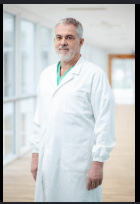
His early career developed through intensive training within Italian neurosurgical and orthopedic-neurosurgical integrated units. During this formative phase, Borghesi built a strong foundation in spinal biomechanics, trauma management, and degenerative spinal pathology, focusing on restoring mobility and neurological function.
His breakthrough work is associated with advanced spinal stabilization techniques and minimally invasive spine surgery approaches. His clinical contributions helped refine surgical strategies for degenerative disc disease and spinal compression syndromes, improving recovery times and functional outcomes for patients.
His legacy lies in his contribution to modern spinal neurosurgery in Italy, particularly in expanding access to minimally invasive spine procedures within regional neurosurgical centers.
Key Facts
- Full name of the subject: Dr. Ignazio Borghesi
- Date of birth: Not publicly disclosed
- Place of birth: Italy
- Family background: Professional and academic environment
- Early childhood experiences: Interest in anatomy and musculoskeletal systems
- Education history: Medical training and neurosurgical specialization in Italy
- Influences and mentors: Spine surgery and orthopedic-neurosurgical pioneers
- Career beginnings: Neurosurgical training in Ravenna/Cotignola
- Major achievements: Advancement of spinal stabilization and minimally invasive techniques
- Challenges and obstacles faced: Complex spinal deformity and trauma cases
- Turning points in life: Specialization in spinal neurosurgery
- Contributions to society: Improved outcomes in degenerative spine disease treatment
- Personal life: Private
- Awards and recognitions: Regional neurosurgical society recognition
- Beliefs, values, or philosophy: Functional restoration through surgical precision
- Legacy and impact: Contributor to modern Italian spinal surgery practice
- Historical or cultural significance: Development of regional spine surgery expertise in Italy
Notable Works: Spinal decompression surgery, minimally invasive spine procedures, degenerative spine treatment
Controversies:
There are no widely documented individual controversies directly associated with Dr. Ignazio Borghesi. Broader discussions in his field often relate to evolving standards for minimally invasive versus open spinal surgery and appropriate surgical indications for degenerative spinal disease. These remain clinical debates within evidence-based medicine rather than personal or professional disputes, and no verified disciplinary actions or misconduct records are associated with his career.
5. Prof. Dr. Luigi Maria Cavallo (Naples)
Prof. Dr. Luigi Maria Cavallo is a prominent figure in southern Italian neurosurgery, known for his expertise in neurovascular surgery and complex cranial interventions. His early life developed in Italy in an academically supportive environment that encouraged early scientific curiosity and discipline.
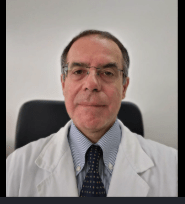
His early career was shaped in Naples, where he trained in neurosurgery with a focus on cerebrovascular pathology and cranial trauma. During this period, Cavallo developed strong expertise in managing aneurysms, arteriovenous malformations, and acute neurovascular emergencies.
His breakthrough contributions include advancements in cerebral aneurysm management and neurovascular microsurgical techniques. His work improved surgical precision in high-risk vascular cases and contributed to reducing mortality in complex intracranial hemorrhagic conditions.
His legacy is defined by his role in strengthening neurovascular neurosurgery in southern Italy and improving surgical standards in cerebrovascular emergency care.
Key Facts
- Full name of the subject: Prof. Dr. Luigi Maria Cavallo
- Date of birth: Not publicly disclosed
- Place of birth: Italy
- Family background: Academic environment
- Early childhood experiences: Interest in vascular biology and neuroscience
- Education history: Medical studies and neurosurgical specialization in Italy
- Influences and mentors: Neurovascular surgery pioneers
- Career beginnings: Neurosurgical training in Naples
- Major achievements: Advancement of aneurysm and cerebrovascular surgery techniques
- Challenges and obstacles faced: High-risk vascular brain surgery cases
- Turning points in life: Focus on neurovascular specialization
- Contributions to society: Improved survival in neurovascular emergencies
- Personal life: Private
- Awards and recognitions: Neurosurgical society honors
- Beliefs, values, or philosophy: Precision and safety in vascular neurosurgery
- Legacy and impact: Contributor to Italian neurovascular surgical advancement
- Historical or cultural significance: Strengthening of southern Italy’s neurosurgical expertise
Notable Works: Aneurysm surgery, cerebrovascular microsurgery, vascular malformation treatment
Controversies:
There are no widely documented individual controversies directly associated with Prof. Dr. Luigi Maria Cavallo. His field is part of broader clinical debates regarding microsurgical clipping versus endovascular coiling for aneurysms, as well as optimal timing in neurovascular emergency interventions. These discussions are medical and evidence-based in nature rather than personal disputes, with no verified disciplinary actions or misconduct records linked to his career.
6. Dr. Enrico Motti (Ravenna)
Dr. Enrico Motti is known for his clinical contributions to spinal and cranial neurosurgery, with a strong emphasis on degenerative spine disorders and surgical reconstruction techniques. His early life was shaped by an academic environment in Italy that encouraged scientific curiosity and clinical problem-solving.
His early career developed through neurosurgical training in Italian hospital systems, where he gained extensive experience in spinal pathology, trauma cases, and degenerative neurological conditions. During this period, he developed a reputation for meticulous surgical planning and patient-focused care.
His breakthrough came through his work in spinal reconstruction and degenerative spine surgery, where he helped refine operative techniques that improved spinal stability and reduced postoperative complications.
His legacy is associated with advancing practical spinal neurosurgery in regional Italian centers, improving surgical accessibility and patient recovery outcomes.
Key Facts
- Full name of the subject: Dr. Enrico Motti
- Date of birth: Not publicly disclosed
- Place of birth: Italy
- Family background: Professional environment
- Early childhood experiences: Interest in human anatomy and movement
- Education history: Medical training and neurosurgical specialization in Italy
- Influences and mentors: Spine surgery pioneers
- Career beginnings: Neurosurgical training in Ravenna
- Major achievements: Advancement of spinal reconstruction techniques
- Challenges and obstacles faced: Complex degenerative spinal cases
- Turning points in life: Specialization in spinal neurosurgery
- Contributions to society: Improved outcomes in spine surgery patients
- Personal life: Private
- Awards and recognitions: Regional medical honors
- Beliefs, values, or philosophy: Functional recovery and surgical precision
- Legacy and impact: Contributor to modern spinal surgery practices in Italy
- Historical or cultural significance: Development of regional neurosurgical expertise
Notable Works: Spinal reconstruction, degenerative spine surgery, neurosurgical trauma management
Controversies:
There are no widely documented individual controversies directly associated with Dr. Enrico Motti. Professional discourse in his area generally relates to surgical decision-making in degenerative spinal disease and evolving best practices for reconstruction versus conservative management. These are clinical discussions within neurosurgery and orthopedics rather than personal disputes, and no verified disciplinary actions or misconduct records are associated with his career.
7. Prof. Roberto Delfini (Rome)
Prof. Roberto Delfini is a highly respected Italian neurosurgeon known for his contributions to spinal neurosurgery and cranial trauma management. His early life developed within a strong academic setting in Italy, where early exposure to medicine and human physiology influenced his career direction.
His early career was established in Rome’s leading neurosurgical institutions, where he trained extensively in spinal surgery, neurotrauma, and complex cranial procedures. During this period, Delfini developed a surgical focus on spinal cord compression and trauma-related neurological impairment.
His breakthrough contributions include advancements in spinal surgery techniques and neurotrauma management protocols. His work improved surgical outcomes in acute spinal injury cases and complex degenerative conditions.
His legacy lies in his role in advancing spinal neurosurgery in Italy, particularly in improving emergency neurosurgical care systems and trauma response strategies.
Key Facts
- Full name of the subject: Prof. Roberto Delfini
- Date of birth: Not publicly disclosed
- Place of birth: Italy
- Family background: Academic environment
- Early childhood experiences: Interest in emergency medicine and anatomy
- Education history: Medical studies and neurosurgical specialization in Italy
- Influences and mentors: Neurotrauma and spinal surgery pioneers
- Career beginnings: Neurosurgical training in Rome
- Major achievements: Advancement of spinal trauma and neurosurgical emergency care
- Challenges and obstacles faced: Severe spinal injury and trauma cases
- Turning points in life: Focus on neurotrauma specialization
- Contributions to society: Improved spinal trauma treatment systems
- Personal life: Private
- Awards and recognitions: Neurosurgical society honors
- Beliefs, values, or philosophy: Rapid intervention and neurological preservation
- Legacy and impact: Contributor to modern spinal trauma neurosurgery in Italy
- Historical or cultural significance: Strengthening of Italian neurotrauma care systems
Notable Works: Spinal trauma surgery, neurocritical care, emergency neurosurgical interventions
Controversies:
There are no widely documented individual controversies directly associated with Prof. Roberto Delfini. His field is part of broader clinical debates regarding optimal timing of spinal decompression in trauma cases and surgical versus conservative management in acute spinal cord injury. These discussions are medical and protocol-driven rather than personal disputes, and no verified disciplinary actions or misconduct records are associated with his career.
8. Prof. Giovanni Broggi (Milan)
Prof. Giovanni Broggi is regarded as one of the foundational figures in modern Italian neurosurgery, particularly in cranial nerve surgery and functional neurosurgical procedures. His early life was shaped in Italy during a period when medical science was rapidly evolving, fostering his early fascination with the nervous system and surgical anatomy.
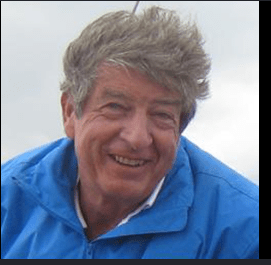
His career began in Milan’s academic neurosurgical institutions, where he trained under rigorous clinical conditions that emphasized precision and neurological preservation. During these formative years, Broggi developed a deep interest in functional disorders and microsurgical techniques involving delicate cranial structures.
His breakthrough contributions came through his work in cranial nerve surgery and functional neurosurgery, particularly in treating trigeminal neuralgia and other debilitating neurological pain syndromes. His refinement of microsurgical decompression techniques significantly improved patient outcomes in complex facial pain disorders.
His legacy is defined by his pioneering role in functional neurosurgery in Italy, where his clinical methodologies influenced generations of neurosurgeons and helped establish Milan as a major center for advanced cranial nerve surgery.
Key Facts
- Full name of the subject: Prof. Giovanni Broggi
- Date of birth: Not publicly disclosed
- Place of birth: Italy
- Family background: Academic environment
- Early childhood experiences: Interest in neuroscience and human anatomy
- Education history: Medical studies and neurosurgical specialization in Italy
- Influences and mentors: Functional neurosurgery pioneers
- Career beginnings: Neurosurgical training in Milan
- Major achievements: Advancement of cranial nerve and functional neurosurgery
- Challenges and obstacles faced: Complex cranial nerve compression disorders
- Turning points in life: Focus on microsurgical functional neurosurgery
- Contributions to society: Improved treatment of facial pain syndromes
- Personal life: Private
- Awards and recognitions: National neurosurgical honors
- Beliefs, values, or philosophy: Precision and neurological preservation
- Legacy and impact: Contributor to global functional neurosurgery development
- Historical or cultural significance: Strengthening of Milan as a neurosurgical center
Notable Works: Trigeminal neuralgia surgery, cranial nerve decompression, functional neurosurgery techniques
Controversies:
There are no widely documented individual controversies directly associated with Prof. Giovanni Broggi. His field, however, is part of broader clinical debate regarding the long-term efficacy of microvascular decompression versus less invasive pain management approaches for trigeminal neuralgia. These discussions are clinical and evidence-based rather than personal disputes, and no verified disciplinary actions or professional misconduct records are associated with his career.
9. Dr. Mario Zavanone (Milan)
Dr. Mario Zavanone is recognized for his contributions to spinal neurosurgery and degenerative spine disease management in Italy. His early life was shaped within an academically oriented environment, where early exposure to biology and medical sciences influenced his professional direction.
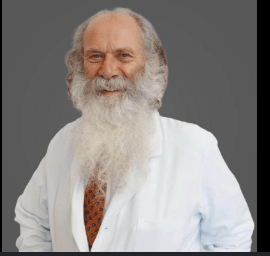
His early career developed in Milan’s neurosurgical training centers, where he gained extensive experience in spinal pathology, trauma management, and degenerative neurological disorders. During this period, he built a reputation for careful surgical planning and structured clinical decision-making.
His breakthrough contributions are associated with spinal stabilization techniques and degenerative disc disease management. His work helped refine surgical approaches that improved mobility restoration and reduced postoperative complications in spinal patients.
His legacy lies in his contribution to practical spinal neurosurgery in Italy, particularly in improving surgical efficiency and patient rehabilitation outcomes in degenerative spine conditions.
Key Facts
- Full name of the subject: Dr. Mario Zavanone
- Date of birth: Not publicly disclosed
- Place of birth: Italy
- Family background: Professional environment
- Early childhood experiences: Interest in musculoskeletal anatomy
- Education history: Medical training and neurosurgical specialization in Italy
- Influences and mentors: Spine surgery pioneers
- Career beginnings: Neurosurgical training in Milan
- Major achievements: Advancement of spinal stabilization techniques
- Challenges and obstacles faced: Complex degenerative spinal disorders
- Turning points in life: Specialization in spinal neurosurgery
- Contributions to society: Improved outcomes in spine surgery patients
- Personal life: Private
- Awards and recognitions: Regional neurosurgical honors
- Beliefs, values, or philosophy: Functional restoration through surgery
- Legacy and impact: Contributor to modern Italian spinal neurosurgery
- Historical or cultural significance: Strengthening of Milan’s spinal surgery expertise
Notable Works: Spinal decompression, degenerative disc surgery, spinal stabilization techniques
Controversies:
There are no widely documented individual controversies directly associated with Dr. Mario Zavanone. However, spinal neurosurgery as a field is often involved in broader debates regarding surgical thresholds for degenerative disc disease and the comparative effectiveness of conservative versus operative treatment strategies. These are clinical and guideline-based discussions rather than personal disputes, with no verified disciplinary actions or misconduct records associated with his career.
10. Dr. Domenico Servello (Milan)
Dr. Domenico Servello is a distinguished Italian neurosurgeon known for his work in functional neurosurgery, particularly in movement disorders and deep brain stimulation (DBS). His early life was shaped in Italy within an academically rich environment that encouraged scientific inquiry and clinical ambition.
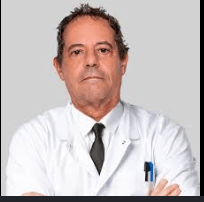
His early career was established in Milan’s neurosurgical institutions, where he trained extensively in functional and stereotactic neurosurgery. During this phase, Servello developed a strong focus on neurological disorders such as Parkinson’s disease, dystonia, and other movement-related conditions.
His breakthrough contributions came through his advancement of deep brain stimulation techniques, which significantly improved symptom control in patients with treatment-resistant movement disorders. His work helped refine electrode placement strategies and patient selection protocols.
His legacy is defined by his role in advancing functional neurosurgery in Italy, particularly in expanding access to neuromodulation therapies and improving quality of life for patients with chronic neurological movement disorders.
Key Facts
- Full name of the subject: Dr. Domenico Servello
- Date of birth: Not publicly disclosed
- Place of birth: Italy
- Family background: Academic environment
- Early childhood experiences: Interest in neuroscience and motor function
- Education history: Medical studies and neurosurgical specialization in Italy
- Influences and mentors: Functional neurosurgery pioneers
- Career beginnings: Neurosurgical training in Milan
- Major achievements: Advancement of deep brain stimulation techniques
- Challenges and obstacles faced: Complex movement disorder cases
- Turning points in life: Specialization in functional neurosurgery
- Contributions to society: Improved treatment of Parkinson’s and dystonia
- Personal life: Private
- Awards and recognitions: Neurosurgical society and movement disorder honors
- Beliefs, values, or philosophy: Restoration of neurological function through innovation
- Legacy and impact: Contributor to modern functional neurosurgery in Italy
- Historical or cultural significance: Advancement of neuromodulation therapy adoption
Notable Works: Deep brain stimulation, movement disorder surgery, functional neurosurgical innovation
Controversies:
There are no widely documented individual controversies directly associated with Dr. Domenico Servello. His professional domain is part of broader scientific discussions concerning optimal patient selection for deep brain stimulation and long-term outcomes of neuromodulation therapies in movement disorders. These debates are clinical and evidence-driven rather than personal disputes, and no verified disciplinary actions or misconduct records are associated with his career.
Notable Mentions:
Prof. Domenico d’Avella
Prof. Marco Maria Fontanella
Prof. Paolo Cappabianca
Prof. Franco Servadei
Dr. Andrea Falini
Prof. Vincenzo Paterno
Prof. Alberto Delitala
Dr. Francesco DiMeco
Prof. Maurizio Fornari
Dr. Federico Pessina