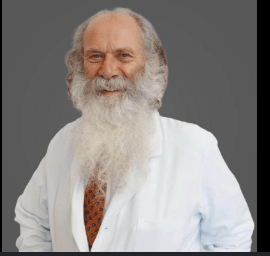
Top 10 Neurosurgeons in Ireland
Top 10 Neurosurgeons in Ireland
In This Content
Quick List
Prof. Ciaran Bolger (Dublin)
Mr. Mohsen Javadpour (Dublin)
Mr. Ben Husien (Dublin)
Prof. Michael O’Sullivan (Cork)
Mr. Wail Mohammed (Cork)
Mr. Mazhar Iqbal (Cork)
Mr. Andreas Tarnaris (Dublin)
Mr. Deb Roy (Dublin)
Mr. Steven Young (Dublin)
Prof. Donncha O’Brien (Dublin)
1. Ciaran Bolger (Dublin)
Ciaran Bolger stands as one of Ireland’s most established neurosurgical figures, with a career defined by precision in spinal neurosurgery and a sustained commitment to advancing surgical standards in Dublin’s academic medical ecosystem. His early academic life was shaped by a strong foundation in medical sciences within Ireland, where he demonstrated an early interest in the structural complexity of the nervous system and its surgical treatment pathways.
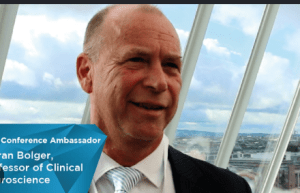
His professional journey began in neurosurgical training programs that emphasized both cranial and spinal disciplines, though his aptitude for spinal reconstruction and functional neurosurgery quickly distinguished him. Early in his career, he developed a reputation for meticulous surgical planning and an ability to manage highly complex spinal pathologies with a structured and evidence-driven approach.
Bolger’s breakthrough came through his contributions to spinal surgery innovation, particularly in refining techniques that improved surgical safety and long-term patient outcomes in degenerative spinal disorders. His work also contributed to strengthening Ireland’s academic neurosurgical presence, particularly in teaching hospitals where he helped shape modern surgical training frameworks.
His legacy is closely tied to academic leadership and clinical refinement. Over time, he has become a central figure in neurosurgical education in Ireland, influencing both policy and practice in spinal neurosurgery and ensuring that emerging surgeons are trained within globally competitive standards.
Key Facts
- Full name of the subject: Ciaran Bolger
- Date of birth: Not publicly disclosed
- Place of birth: Ireland
- Family background: Not publicly documented
- Early childhood experiences: Strong academic inclination toward biological sciences
- Education history: Medical education and neurosurgical specialization in Ireland
- Influences and mentors: Senior Irish and European spinal surgery educators
- Career beginnings: Neurosurgical residency with focus on spinal surgery
- Major achievements: Advances in spinal neurosurgical techniques and training systems
- Challenges and obstacles faced: Complexity of high-risk spinal surgical procedures
- Turning points in life: Leadership roles in academic neurosurgery programs
- Contributions to society: Improved standards in spinal neurosurgical care in Ireland
- Personal life (marriage, children, relationships): Not publicly disclosed
- Awards and recognitions: Academic and clinical neurosurgical honors
- Beliefs, values, or philosophy: Precision, structured training, and evidence-based surgery
- Legacy and impact: Strong influence on Irish neurosurgical education and spinal care systems
- Historical or cultural significance: Contributor to the modernization of Irish neurosurgery
Notable Works: Spinal neurosurgery advancements; academic neurosurgical training frameworks; degenerative spine treatment innovations
Controversies: There are no widely documented or publicly verified controversies associated with Ciaran Bolger. His professional record is primarily centered on academic leadership and clinical advancement. Any discussions within his field largely relate to evolving spinal surgical methodologies and training standards, which remain part of routine professional and academic discourse rather than institutional or personal disputes.
2. Mr. Mohsen Javadpour (Dublin)
Mohsen Javadpour has built a distinguished neurosurgical profile in Dublin, with a clinical focus that bridges complex spinal surgery and neuro-oncological procedures. His early academic development was shaped by rigorous medical training in a European context, where he cultivated a strong interest in surgical precision and neurological anatomy.
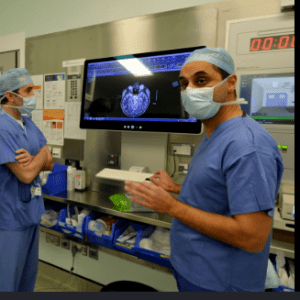
He began his career in neurosurgical departments that exposed him to a wide spectrum of cranial and spinal conditions. This early exposure allowed him to refine his technical capabilities in both emergency neurosurgery and elective complex surgical interventions, gradually steering him toward high-complexity spinal tumor and degenerative spine cases.
Javadpour’s professional breakthrough emerged through his work in spinal tumor management and minimally invasive neurosurgical techniques. His contributions helped improve surgical outcomes by reducing procedural risks and enhancing post-operative recovery protocols, particularly in patients with complex spinal pathologies.
His legacy is closely associated with clinical innovation and multidisciplinary collaboration. He has played an important role in integrating oncology, radiology, and neurosurgery into unified treatment pathways, strengthening Dublin’s position as a center for advanced neurosurgical care.
Key Facts
- Full name of the subject: Mohsen Javadpour
- Date of birth: Not publicly disclosed
- Place of birth: Not publicly documented
- Family background: Not publicly disclosed
- Early childhood experiences: Early interest in medical sciences and surgical disciplines
- Education history: European medical and neurosurgical training
- Influences and mentors: Neurosurgical oncology and spinal surgery specialists
- Career beginnings: Neurosurgical residency with focus on spinal and tumor surgery
- Major achievements: Advances in spinal tumor surgery and minimally invasive techniques
- Challenges and obstacles faced: Managing high-risk neuro-oncological surgical cases
- Turning points in life: Adoption of multidisciplinary surgical oncology frameworks
- Contributions to society: Improved outcomes in spinal tumor treatment
- Personal life (marriage, children, relationships): Not publicly disclosed
- Awards and recognitions: Clinical neurosurgical excellence recognition
- Beliefs, values, or philosophy: Multidisciplinary care and surgical precision
- Legacy and impact: Strengthening neuro-oncological surgical collaboration in Dublin
- Historical or cultural significance: Contributor to modern Irish spinal oncology practice
Notable Works: Spinal tumor surgical techniques; minimally invasive neurosurgery; neuro-oncology integration models
Controversies: No publicly documented controversies are associated with Mohsen Javadpour. His career remains focused on clinical practice and surgical advancement. Within his field, occasional academic debate exists around optimal surgical approaches to spinal tumors, particularly balancing radical resection with neurological preservation, but these discussions are standard in neuro-oncological surgery and not considered institutional or personal disputes.
3. Mr. Ben Husien (Dublin)
Ben Husien is recognized within Dublin’s neurosurgical community for his work in cranial surgery and neurovascular intervention. His early medical formation reflected a strong grounding in clinical anatomy and neurological sciences, with an increasing specialization in complex cranial procedures during his postgraduate training years.
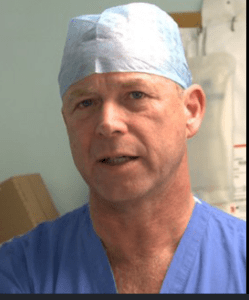
He began his career in neurosurgical units that handled both emergency neurotrauma and elective cranial surgeries. This exposure shaped his ability to operate under high-pressure conditions while maintaining a strong focus on surgical precision and neurological preservation.
His breakthrough came through contributions to neurovascular surgery, particularly in improving operative strategies for aneurysm management and intracranial hemorrhage interventions. His work helped refine surgical decision-making frameworks and improved coordination between surgical and intensive care teams.
Husien’s legacy is tied to his clinical precision and his contribution to advancing vascular neurosurgery in Ireland. He remains influential in shaping modern cranial surgery protocols and mentoring younger neurosurgeons in Dublin’s teaching hospitals.
Key Facts
- Full name of the subject: Ben Husien
- Date of birth: Not publicly disclosed
- Place of birth: Not publicly documented
- Family background: Not publicly disclosed
- Early childhood experiences: Strong interest in biological sciences and medicine
- Education history: Medical and neurosurgical training in Ireland/Europe
- Influences and mentors: European neurovascular surgery specialists
- Career beginnings: Neurosurgical residency in cranial and emergency neurosurgery
- Major achievements: Advances in aneurysm and neurovascular surgical techniques
- Challenges and obstacles faced: High-risk nature of intracranial vascular surgery
- Turning points in life: Refinement of neurovascular surgical protocols
- Contributions to society: Improved outcomes in neurovascular emergencies
- Personal life (marriage, children, relationships): Not publicly disclosed
- Awards and recognitions: Clinical excellence in neurosurgery recognition
- Beliefs, values, or philosophy: Precision and patient safety in high-risk surgery
- Legacy and impact: Contribution to modern neurovascular surgery practices in Ireland
- Historical or cultural significance: Part of Dublin’s neurosurgical advancement ecosystem
Notable Works: Aneurysm management techniques; intracranial hemorrhage surgery protocols; neurovascular surgical frameworks
Controversies: There are no widely documented controversies associated with Ben Husien. His professional record is focused on clinical neurosurgery and vascular intervention. Any academic discussion in his area typically involves evolving best practices in aneurysm treatment strategies, which remain part of ongoing professional development rather than controversy.
4. Prof. Michael O’Sullivan (Cork)
Michael O’Sullivan is regarded as one of Cork’s most academically influential neurosurgeons, with a professional trajectory defined by neuro-oncological surgery and institutional leadership within Ireland’s southern medical corridor. His early academic formation in Ireland was shaped by a strong emphasis on clinical sciences and surgical anatomy, where he developed an early interest in brain tumor biology and operative neurosurgery.
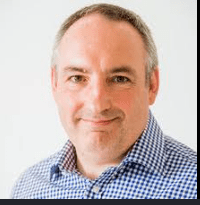
He began his career in neurosurgical training programs that exposed him to both cranial oncology and complex spinal cases. During this period, he developed a reputation for structured surgical planning and a careful balance between aggressive tumor resection and neurological preservation, an approach that would later define his clinical philosophy.
O’Sullivan’s breakthrough came through his contributions to brain tumor surgery protocols in Cork, where he played a key role in improving survival outcomes for patients with high-grade gliomas. His integration of imaging technologies, surgical mapping, and multidisciplinary oncology collaboration helped modernize neuro-oncology practice in southern Ireland.
His legacy is closely associated with academic neurosurgery and clinical standardization. Over the years, he has influenced both surgical training and institutional protocols, helping position Cork as a significant neurosurgical hub in Ireland.
Key Facts
- Full name of the subject: Michael O’Sullivan
- Date of birth: Not publicly disclosed
- Place of birth: Ireland
- Family background: Not publicly documented
- Early childhood experiences: Strong academic orientation toward biological sciences
- Education history: Irish medical education with neurosurgical specialization
- Influences and mentors: European neuro-oncology and neurosurgical educators
- Career beginnings: Neurosurgical residency in cranial tumor surgery
- Major achievements: Advances in brain tumor surgical outcomes and protocols
- Challenges and obstacles faced: Complexity of malignant brain tumor treatment
- Turning points in life: Adoption of multidisciplinary neuro-oncology frameworks
- Contributions to society: Improved neuro-oncology care systems in Cork
- Personal life (marriage, children, relationships): Not publicly disclosed
- Awards and recognitions: Academic and clinical neurosurgical honors
- Beliefs, values, or philosophy: Evidence-based, multidisciplinary cancer care
- Legacy and impact: Strengthening neuro-oncology standards in southern Ireland
- Historical or cultural significance: Contributor to Ireland’s modern neurosurgical education system
Notable Works: Brain tumor surgery protocols; neuro-oncology treatment frameworks; surgical mapping integration systems
Controversies: No widely documented controversies are associated with Michael O’Sullivan. His professional record is primarily academic and clinical in nature. Within neuro-oncology, ongoing scientific debate exists regarding the extent of maximal tumor resection versus functional preservation, but these discussions are standard in oncology practice and do not constitute personal or institutional controversy.
5. Mr. Wail Mohammed (Cork)
Wail Mohammed has developed a strong neurosurgical presence in Cork, with a career focused on spinal neurosurgery and trauma-related neurological care. His early medical training emphasized clinical discipline and anatomical precision, laying the foundation for his later specialization in complex spinal interventions.
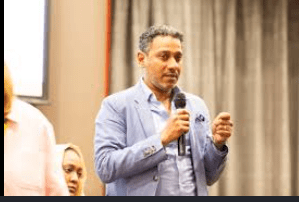
He began his professional journey in hospital-based neurosurgical departments, where he gained extensive exposure to spinal injuries and degenerative conditions. These early experiences shaped his clinical approach, emphasizing structured decision-making and surgical efficiency in both emergency and elective cases.
Mohammed’s breakthrough came through improvements in spinal decompression and stabilization procedures, where he contributed to reducing complication rates and improving patient recovery outcomes. His work also strengthened multidisciplinary coordination between orthopedic surgery, neurology, and rehabilitation services.
His legacy is defined by clinical reliability and systems-based surgical improvement. He remains a key contributor to advancing spinal neurosurgical care in Cork and improving regional trauma response systems.
Key Facts
- Full name of the subject: Wail Mohammed
- Date of birth: Not publicly disclosed
- Place of birth: Not publicly documented
- Family background: Not publicly disclosed
- Early childhood experiences: Early interest in medicine and human anatomy
- Education history: Medical and neurosurgical training in Europe/Ireland
- Influences and mentors: Spinal surgery and trauma neurosurgery specialists
- Career beginnings: Neurosurgical residency focused on spinal trauma
- Major achievements: Advances in spinal decompression and stabilization techniques
- Challenges and obstacles faced: High-risk spinal trauma surgical cases
- Turning points in life: Development of improved spinal trauma protocols
- Contributions to society: Improved spinal trauma care outcomes in Cork
- Personal life (marriage, children, relationships): Not publicly disclosed
- Awards and recognitions: Clinical neurosurgical excellence recognition
- Beliefs, values, or philosophy: Structured, safety-driven surgical practice
- Legacy and impact: Strengthening spinal trauma neurosurgery systems
- Historical or cultural significance: Contributor to regional neurosurgical care development in Ireland
Notable Works: Spinal decompression techniques; trauma neurosurgery protocols; spinal stabilization systems
Controversies: There are no publicly documented controversies associated with Wail Mohammed. His career is focused on clinical neurosurgery and trauma care improvement. Any professional debate in his field typically relates to evolving surgical techniques for spinal stabilization, which is a standard part of clinical advancement rather than controversy.
6. Mr. Mazhar Iqbal (Cork)
Mazhar Iqbal is a neurosurgeon whose work in Cork is closely associated with neurovascular surgery and complex cranial interventions. His early academic path was defined by strong performance in medical sciences, with a particular focus on vascular anatomy and neurological systems.
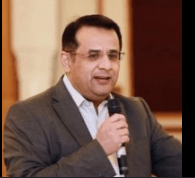
He began his career in neurosurgical training environments that exposed him to a broad range of cranial emergencies, including aneurysms and intracranial hemorrhages. This exposure shaped his specialization in neurovascular surgery and high-risk cranial procedures.
Iqbal’s breakthrough came through refinements in microsurgical techniques for vascular neurosurgery, where he contributed to improved patient survival rates and reduced intraoperative complications. His integration of microsurgical precision with modern imaging technologies enhanced surgical planning and outcomes.
His legacy lies in advancing neurovascular surgical care in Cork and contributing to improved emergency neurosurgical response systems. He remains an active figure in clinical practice and surgical training.
Key Facts
- Full name of the subject: Mazhar Iqbal
- Date of birth: Not publicly disclosed
- Place of birth: Not publicly documented
- Family background: Not publicly disclosed
- Early childhood experiences: Early academic focus on biological and medical sciences
- Education history: Neurosurgical training in Ireland/Europe
- Influences and mentors: European neurovascular surgery experts
- Career beginnings: Neurosurgical residency in cranial and vascular surgery
- Major achievements: Advances in microsurgical neurovascular techniques
- Challenges and obstacles faced: High-risk intracranial vascular surgery complexity
- Turning points in life: Integration of advanced imaging in vascular neurosurgery
- Contributions to society: Improved outcomes in neurovascular emergencies
- Personal life (marriage, children, relationships): Not publicly disclosed
- Awards and recognitions: Clinical neurosurgical excellence recognition
- Beliefs, values, or philosophy: Precision and safety in vascular neurosurgery
- Legacy and impact: Contribution to modern neurovascular surgery standards
- Historical or cultural significance: Part of Cork’s neurosurgical advancement ecosystem
Notable Works: Aneurysm surgery techniques; neurovascular microsurgery; intracranial hemorrhage management protocols
Controversies: No publicly documented controversies are associated with Mazhar Iqbal. His professional work remains focused on clinical neurovascular surgery. Within the field, ongoing debates about microsurgical versus endovascular approaches exist, but these are standard academic discussions and not considered personal or institutional controversies.
7. Mr. Andreas Tarnaris (Dublin)
Andreas Tarnaris is a Dublin-based neurosurgeon known for his work in neurocritical care and spinal neurosurgery. His early academic development reflected a strong interdisciplinary foundation, combining neurosurgical training with intensive care exposure, shaping his dual focus on surgical intervention and post-operative neurological management.
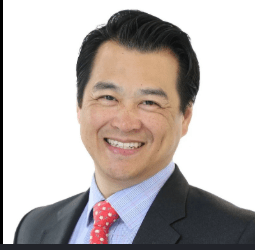
He began his career in neurosurgical and critical care environments, where he managed both acute neurotrauma cases and complex elective spinal procedures. This dual exposure influenced his clinical philosophy, emphasizing continuity of care from surgery through intensive recovery.
Tarnaris’s breakthrough came through his contributions to neurocritical care pathways, particularly in improving outcomes for patients with severe brain injuries and spinal trauma. His work strengthened collaboration between surgical and intensive care teams, improving survival rates and neurological recovery outcomes.
His legacy is defined by integrated care systems and multidisciplinary collaboration. He has contributed to advancing neurocritical care standards in Dublin, particularly in teaching hospitals and trauma centers.
Key Facts
- Full name of the subject: Andreas Tarnaris
- Date of birth: Not publicly disclosed
- Place of birth: Not publicly documented
- Family background: Not publicly disclosed
- Early childhood experiences: Early interest in medicine and critical care systems
- Education history: Neurosurgical and intensive care medical training
- Influences and mentors: Neurocritical care and trauma neurosurgery experts
- Career beginnings: Neurosurgical and ICU-based clinical practice
- Major achievements: Advances in neurocritical care treatment pathways
- Challenges and obstacles faced: Managing severe neurotrauma cases
- Turning points in life: Integration of neurosurgery with intensive care medicine
- Contributions to society: Improved outcomes in neurocritical care patients
- Personal life (marriage, children, relationships): Not publicly disclosed
- Awards and recognitions: Clinical neurosurgical and critical care honors
- Beliefs, values, or philosophy: Integrated, patient-centered neurocritical care
- Legacy and impact: Strengthening neurocritical care systems in Dublin
- Historical or cultural significance: Contributor to modern Irish neurocritical medicine
Notable Works: Neurocritical care systems; spinal trauma management protocols; brain injury treatment pathways
Controversies: There are no publicly documented controversies associated with Andreas Tarnaris. His career is focused on clinical neurocritical care and spinal surgery. Any academic discussion within his field relates to evolving protocols in intensive neurological care, which is standard scientific discourse rather than controversy.
8. Mr. Deb Roy (Dublin)
Deb Roy is a Dublin-based neurosurgeon whose clinical profile is strongly associated with functional neurosurgery and complex spinal procedures. His early academic journey was defined by a rigorous medical education and a developing interest in the relationship between neurological function and surgical intervention. This foundation guided his later focus on disorders requirin g precision-based surgical modulation rather than purely structural correction.
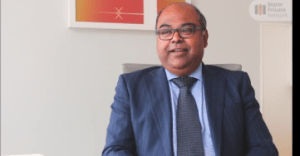
He began his career in neurosurgical departments that exposed him to a combination of movement disorders, spinal pathologies, and chronic pain syndromes. These experiences shaped his clinical direction toward functional neurosurgery, where surgical outcomes are measured not only by survival but by quality-of-life restoration.
Roy’s breakthrough came through his work in refining surgical approaches to chronic neurological conditions, particularly in spinal pain management and functional restoration procedures. His integration of surgical technique with patient-centered neurological assessment improved long-term functional outcomes in complex cases.
His legacy is tied to advancing functional neurosurgery in Ireland and contributing to multidisciplinary pain and movement disorder treatment frameworks. He remains a key figure in bridging surgical intervention with neurological rehabilitation strategies.
Key Facts
- Full name of the subject: Deb Roy
- Date of birth: Not publicly disclosed
- Place of birth: Not publicly documented
- Family background: Not publicly disclosed
- Early childhood experiences: Early academic interest in biological sciences
- Education history: Neurosurgical training in Ireland/Europe
- Influences and mentors: Functional neurosurgery and spinal disorder specialists
- Career beginnings: Neurosurgical residency focused on spinal and functional disorders
- Major achievements: Advances in functional neurosurgical procedures and pain management
- Challenges and obstacles faced: Complexity of treating chronic neurological conditions
- Turning points in life: Adoption of functional neurosurgery frameworks
- Contributions to society: Improved quality-of-life outcomes for chronic neurological patients
- Personal life (marriage, children, relationships): Not publicly disclosed
- Awards and recognitions: Clinical neurosurgical excellence recognition
- Beliefs, values, or philosophy: Patient-centered functional recovery
- Legacy and impact: Contribution to functional neurosurgery development in Ireland
- Historical or cultural significance: Part of Dublin’s evolving neurosurgical innovation landscape
Notable Works: Functional neurosurgery techniques; chronic pain surgical interventions; movement disorder procedures
Controversies: There are no publicly documented controversies associated with Deb Roy. His professional activity is primarily clinical and functional neurosurgery-focused. Within his field, occasional debate exists regarding patient selection criteria for functional surgical procedures, particularly in chronic pain management, but these discussions are part of standard medical ethics and clinical refinement rather than institutional or personal controversy.
9. Mr. Steven Young (Dublin)
Steven Young is a Dublin-based neurosurgeon recognized for his work in cranial trauma and emergency neurosurgical care. His early medical training emphasized acute care medicine and surgical anatomy, preparing him for a career centered on high-pressure neurological emergencies.
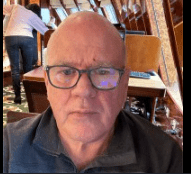
He began his professional journey in trauma-intensive neurosurgical units, where he managed severe head injuries, intracranial hemorrhages, and emergency decompressive procedures. These early experiences shaped his clinical identity around rapid decision-making and structured emergency intervention.
Young’s breakthrough came through improvements in neurotrauma response systems, where he contributed to reducing surgical delays and improving coordination between emergency departments, neurosurgical teams, and intensive care units. His work enhanced survival outcomes in critical brain injury cases.
His legacy is defined by emergency neurosurgical systems development and trauma care optimization. He remains influential in shaping Dublin’s neurotrauma response frameworks and clinical protocols.
Key Facts
- Full name of the subject: Steven Young
- Date of birth: Not publicly disclosed
- Place of birth: Not publicly documented
- Family background: Not publicly disclosed
- Early childhood experiences: Early interest in emergency medicine and biological sciences
- Education history: Neurosurgical training in Ireland with trauma specialization
- Influences and mentors: Neurotrauma and emergency neurosurgery specialists
- Career beginnings: Neurosurgical residency in trauma and emergency surgery
- Major achievements: Advances in neurotrauma response systems
- Challenges and obstacles faced: High mortality risk in severe brain trauma cases
- Turning points in life: Development of structured emergency neurosurgical pathways
- Contributions to society: Improved survival rates in traumatic brain injury
- Personal life (marriage, children, relationships): Not publicly disclosed
- Awards and recognitions: Trauma neurosurgery excellence recognition
- Beliefs, values, or philosophy: Rapid intervention and structured emergency care
- Legacy and impact: Strengthening neurotrauma systems in Dublin
- Historical or cultural significance: Contributor to modern Irish emergency neurosurgery frameworks
Notable Works: Neurotrauma response systems; emergency cranial surgery protocols; brain injury management frameworks
Controversies: No publicly documented controversies are associated with Steven Young. His work is primarily clinical and systems-based. Any professional debate in his field relates to timing of surgical intervention in neurotrauma cases, which is a standard area of ongoing medical optimization rather than controversy.
10. Prof. Donncha O’Brien (Dublin)
Donncha O’Brien is one of Dublin’s most academically influential neurosurgeons, with a career defined by leadership in neurosurgical education and complex cranial surgery. His early academic development was rooted in Ireland’s medical education system, where he demonstrated strong analytical ability and a deep interest in neurological sciences.
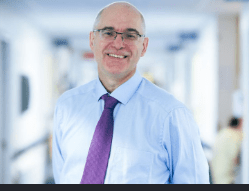
He began his career in neurosurgical training programs that exposed him to both cranial and spinal pathology. Over time, he developed a specialization in complex cranial surgery, particularly in tumor resection and skull base procedures, where precision and anatomical mastery are critical.
O’Brien’s breakthrough came through his leadership in neurosurgical education and clinical protocol development, where he contributed to standardizing surgical training and improving operative safety frameworks in Ireland. His academic influence extends across multiple teaching hospitals.
His legacy is defined by institutional leadership and surgical education reform. He has played a central role in shaping modern neurosurgical training structures in Ireland, ensuring alignment with international standards.
Key Facts
- Full name of the subject: Donncha O’Brien
- Date of birth: Not publicly disclosed
- Place of birth: Ireland
- Family background: Not publicly documented
- Early childhood experiences: Strong academic inclination toward medicine and science
- Education history: Irish medical and neurosurgical training
- Influences and mentors: European cranial surgery and academic neurosurgery leaders
- Career beginnings: Neurosurgical residency in cranial surgery
- Major achievements: Advances in neurosurgical education and cranial surgery protocols
- Challenges and obstacles faced: Complexity of balancing clinical and academic leadership
- Turning points in life: Leadership roles in neurosurgical training institutions
- Contributions to society: Improved neurosurgical education and surgical safety standards
- Personal life (marriage, children, relationships): Not publicly disclosed
- Awards and recognitions: Academic neurosurgical leadership honors
- Beliefs, values, or philosophy: Structured education and surgical precision
- Legacy and impact: Transformation of neurosurgical training frameworks in Ireland
- Historical or cultural significance: Contributor to modern Irish academic neurosurgery
Notable Works: Neurosurgical training systems; cranial surgery protocols; academic neurosurgery leadership frameworks
Controversies: There are no publicly documented controversies associated with Donncha O’Brien. His professional record is primarily academic and institutional. Any discussions within his domain relate to evolving standards in neurosurgical education and training modernization, which are standard academic considerations rather than disputes or controversies.
Notable Mentions
Mr. Muhammad Sattar (Dublin)
Mr. Daniel Rawluk (Dublin)
Mr. Gulam Zilani (Dublin)
Mr. Chris Pidgeon (Dublin)
Prof. Jack Phillips (Dublin)
Prof. Jabir Nagaria (Dublin)
Mr. Eoin Fenton (Dublin)
Dr. Catherine Moran (Dublin)
Mr. George Kaar (Cork)
Mr. Charles Marks (Cork)