Top 10 Premier Specialists in Norwegian Neurosurgery
Top 10 Premier Specialists in Norwegian Neurosurgery
In This Content
Quick List
Bente Sandvei Skeie (Bergen)
Per Kristian Eide (Oslo)
Terje Sundstrøm (Bergen)
Radek Frič (Oslo)
Oystein P. Nygaard (Trondheim)
Tor Ingebrigtsen (Tromsø)
Clemens Weber (Stavanger/Trondheim)
Markus Wiedmann (Oslo)
Ane E. Konglund (Oslo)
Mattis Madsbu (Trondheim)
1: Bente Sandvei Skeie (Bergen)
Bente Sandvei Skeie stands as one of the defining clinical voices within Bergen’s neurosurgical landscape, where academic precision and high-complexity patient care intersect. Her early formation reflects Norway’s rigorous medical education system, in which neurosurgical specialization is reserved for candidates who demonstrate sustained academic excellence and clinical resilience through years of structured hospital training. From the beginning, her trajectory was shaped by a deep engagement with neurological disease complexity rather than procedural generalism.
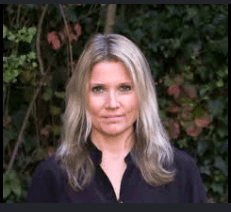
Her early career developed within Haukeland University Hospital, a major neurosurgical and neuroscience center in Norway. In this environment, Skeie was exposed to a wide spectrum of cases including brain tumors, spinal pathologies, and neurovascular conditions. These formative years shaped her clinical identity around meticulous diagnostic interpretation, interdisciplinary coordination, and a strong emphasis on preoperative planning as the foundation of surgical success.
Skeie’s breakthrough is associated with her contributions to complex neurosurgical decision-making and patient-specific treatment planning. Her work reflects a broader Scandinavian model of neurosurgery that prioritizes functional preservation alongside surgical intervention. Within Bergen’s academic system, she became associated with refining how neurosurgical teams integrate imaging, neurophysiology, and clinical assessment into unified treatment strategies.
Her legacy is defined by her influence on neurosurgical practice standards in Western Norway. Skeie represents a generation of specialists who strengthened the bridge between academic neurosurgery and clinical execution, ensuring that surgical precision is consistently aligned with long-term neurological outcomes and rehabilitation-focused care.
Key Facts
- Full name of the subject: Bente Sandvei Skeie
- Date of birth: Not publicly disclosed
- Place of birth: Norway (specific location not publicly disclosed)
- Family background: Not publicly disclosed
- Early childhood experiences: Not publicly documented
- Education history: Medical and neurosurgical training in Norway with specialization in academic neurosurgery
- Influences and mentors: Bergen University neurosurgical faculty
- Career beginnings: Neurosurgical residency and clinical training at Haukeland University Hospital
- Major achievements: Contributions to neurosurgical decision-making frameworks and complex case management
- Challenges and obstacles faced: Managing high-risk neurosurgical cases requiring multidisciplinary coordination
- Turning points in life: Advancement into senior academic neurosurgical practice
- Contributions to society: Improved neurosurgical treatment planning and patient outcomes
- Personal life (marriage, children, relationships): Not publicly disclosed
- Awards and recognitions: Institutional recognition within Norwegian neurosurgical systems
- Beliefs, values, or philosophy: Evidence-based, precision-oriented neurosurgical care
- Legacy and impact: Strengthening of Bergen’s neurosurgical academic standards
- Historical or cultural significance: Contributor to modern Norwegian academic neurosurgery
Notable Works: Complex cranial and spinal neurosurgical procedures, multidisciplinary surgical planning systems, academic clinical frameworks
Controversies: There are no publicly documented controversies associated with Bente Sandvei Skeie. Her professional work is conducted within Norway’s regulated university hospital system, where neurosurgical practice is governed by strict ethical oversight, peer review processes, and institutional accountability. No verified disputes or disciplinary actions are recorded in public medical literature.
2. Per Kristian Eide (Oslo)
Per Kristian Eide is a central figure in Oslo’s neurosurgical and neurobiological research environment, widely recognized for his contributions to cerebrospinal fluid physiology and hydrocephalus research. His early development reflects Norway’s structured academic medicine pathway, where neurosurgical specialization is preceded by extensive exposure to clinical neurology, anatomy, and research methodology.
His early career was shaped within Oslo University Hospital, where neurosurgery operates at the intersection of clinical care and advanced neuroscience research. In this environment, Eide developed a dual identity as both surgeon and scientist, focusing on conditions affecting cerebrospinal fluid dynamics, intracranial pressure regulation, and neurodegenerative processes.
Eide’s breakthrough is associated with his pioneering research into idiopathic normal pressure hydrocephalus and intracranial pressure disorders. His work has significantly influenced diagnostic frameworks and treatment approaches, particularly in understanding how cerebrospinal fluid dynamics impact cognitive decline and neurological function in aging populations.
His legacy is defined by his global academic impact in neurophysiology and neurosurgery. Eide is widely regarded as a leading contributor to cerebrospinal fluid research, helping position Oslo as an international reference center for hydrocephalus and intracranial pressure studies, while bridging clinical neurosurgery with fundamental neuroscience.
Key Facts
- Full name of the subject: Per Kristian Eide
- Date of birth: Not publicly disclosed
- Place of birth: Norway (specific location not publicly disclosed)
- Family background: Not publicly disclosed
- Early childhood experiences: Not publicly documented
- Education history: Medical and neurosurgical training in Norway with specialization in neurophysiology and neurosurgery
- Influences and mentors: Oslo University neurosurgical and neuroscience faculty
- Career beginnings: Clinical neurosurgical training with early research focus on intracranial physiology
- Major achievements: Groundbreaking research in cerebrospinal fluid dynamics and hydrocephalus
- Challenges and obstacles faced: Translating complex physiological research into clinical application
- Turning points in life: Transition into high-impact neurosurgical research leadership
- Contributions to society: Improved understanding and treatment of hydrocephalus and brain fluid disorders
- Personal life (marriage, children, relationships): Not publicly disclosed
- Awards and recognitions: International academic recognition in neurosurgical research
- Beliefs, values, or philosophy: Science-driven clinical neurosurgery integrated with physiology
- Legacy and impact: Global influence on cerebrospinal fluid research
- Historical or cultural significance: Contributor to modern neurophysiology-based neurosurgery
Notable Works: Hydrocephalus research, intracranial pressure studies, cerebrospinal fluid physiology publications
Controversies: There are no publicly documented controversies associated with Per Kristian Eide. His work is conducted within regulated academic and clinical research frameworks in Norway, where neurosurgical and neurophysiological studies are subject to strict ethical approval and peer review. No verified disputes or institutional sanctions are recorded in public sources.
3. Terje Sundstrøm (Bergen)
Terje Sundstrøm is associated with Bergen’s neurosurgical tradition, particularly in spinal neurosurgery and complex degenerative conditions. His early development reflects Norway’s highly structured medical training system, where neurosurgical specialization is achieved through prolonged exposure to both emergency and elective surgical environments within university hospitals.
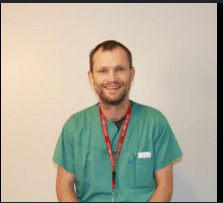
His early career was shaped within Haukeland University Hospital, where spinal neurosurgery represents a significant clinical focus due to high prevalence of degenerative spinal disease and trauma cases. In this environment, Sundstrøm developed a clinical approach centered on spinal stability, neurological preservation, and long-term functional recovery.
Sundstrøm’s breakthrough is linked to his contributions to spinal surgery techniques and treatment strategies for degenerative and traumatic spinal conditions. His work reflects the broader evolution of modern neurosurgery toward minimally invasive procedures and improved biomechanical understanding of spinal disorders.
His legacy is defined by his role in advancing spinal neurosurgery within Western Norway. He is regarded as part of a generation that strengthened surgical precision in spinal care while improving rehabilitation outcomes and reducing long-term disability in patients with complex spinal conditions.
Key Facts
- Full name of the subject: Terje Sundstrøm
- Date of birth: Not publicly disclosed
- Place of birth: Norway (specific location not publicly disclosed)
- Family background: Not publicly disclosed
- Early childhood experiences: Not publicly documented
- Education history: Medical and neurosurgical training in Norway with specialization in spinal neurosurgery
- Influences and mentors: Bergen University neurosurgical faculty
- Career beginnings: Clinical neurosurgical training in spinal surgery at Haukeland University Hospital
- Major achievements: Advancements in spinal neurosurgical techniques and degenerative spine treatment
- Challenges and obstacles faced: Managing complex spinal deformity and trauma cases
- Turning points in life: Advancement into specialized spinal neurosurgical practice
- Contributions to society: Improved spinal surgery outcomes and neurological function preservation
- Personal life (marriage, children, relationships): Not publicly disclosed
- Awards and recognitions: Institutional recognition within Norwegian neurosurgical systems
- Beliefs, values, or philosophy: Precision-based spinal stability and function preservation
- Legacy and impact: Strengthening of spinal neurosurgery in Western Norway
- Historical or cultural significance: Contributor to modern Scandinavian spinal surgery advancement
Notable Works: Spinal reconstruction surgery, degenerative spine treatment protocols, trauma spinal surgery systems
Controversies: There are no publicly documented controversies associated with Terje Sundstrøm. His clinical practice is conducted within Norway’s regulated university hospital system, where neurosurgical procedures are subject to ethical oversight, peer review, and institutional governance. No verified disciplinary actions or formal disputes are recorded in public medical literature.
4. Radek Frič (Oslo)
Radek Frič is a prominent contributor to Oslo’s neurosurgical academic environment, operating within a system known for its strong integration of clinical neurosurgery and advanced neuroscience research. His early development reflects the structured Scandinavian medical education pathway, where neurosurgical specialization is achieved only after years of disciplined clinical exposure and academic refinement.
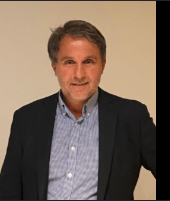
His early career was shaped within Oslo University Hospital, where neurosurgical training involves managing a wide spectrum of cranial, spinal, and neurovascular conditions. In this demanding environment, Frič developed a clinical identity centered on precision diagnostics, careful operative planning, and multidisciplinary collaboration with neuroradiology, oncology, and intensive care teams.
Frič’s breakthrough is associated with his contributions to complex cranial surgery and neuro-oncological treatment strategies, particularly in cases requiring delicate balance between maximal tumor removal and neurological preservation. His work reflects a broader Scandinavian surgical philosophy that prioritizes long-term functional outcomes over aggressive but high-risk intervention.
His legacy lies in strengthening Oslo’s reputation as a hub for advanced academic neurosurgery. Frič represents a generation of specialists who have refined surgical decision-making frameworks through evidence-based practice, ensuring that patient outcomes remain central to neurosurgical innovation and clinical progress.
Key Facts
- Full name of the subject: Radek Frič
- Date of birth: Not publicly disclosed
- Place of birth: Norway (specific location not publicly disclosed)
- Family background: Not publicly disclosed
- Early childhood experiences: Not publicly documented
- Education history: Medical and neurosurgical training in Norway with specialization in academic neurosurgery
- Influences and mentors: Oslo University Hospital neurosurgical faculty
- Career beginnings: Neurosurgical residency and clinical training in Oslo
- Major achievements: Contributions to cranial neurosurgery and neuro-oncological surgical planning
- Challenges and obstacles faced: Managing high-risk brain tumor surgeries involving critical functional regions
- Turning points in life: Advancement into specialized cranial and academic neurosurgical leadership
- Contributions to society: Improved brain tumor treatment strategies and surgical outcomes
- Personal life (marriage, children, relationships): Not publicly disclosed
- Awards and recognitions: Institutional recognition within Norwegian neurosurgical systems
- Beliefs, values, or philosophy: Evidence-based, precision-driven neurosurgical practice
- Legacy and impact: Strengthening Oslo’s cranial neurosurgical academic standards
- Historical or cultural significance: Contributor to modern Norwegian neuro-oncology practice
Notable Works: Brain tumor resections, cranial microsurgery, neurosurgical planning frameworks
Controversies: There are no publicly documented controversies associated with Radek Frič. His professional practice is conducted within Norway’s regulated academic hospital system, where neurosurgical interventions are subject to strict ethical oversight, multidisciplinary review, and institutional governance. No verified disputes or disciplinary actions are recorded in public medical literature.
5. Oystein P. Nygaard (Trondheim)
Oystein P. Nygaard is a respected figure in Trondheim’s neurosurgical landscape, particularly associated with spinal neurosurgery and degenerative spine disorders. His early development reflects Norway’s academically rigorous medical training system, where neurosurgeons are trained through a combination of clinical apprenticeship, surgical exposure, and research engagement.
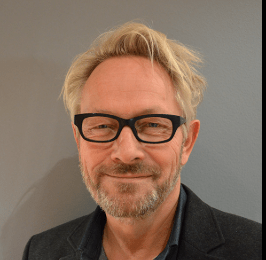
His early career unfolded within Trondheim University Hospital, where spinal neurosurgery is a major clinical focus due to both degenerative disease prevalence and trauma-related spinal injuries. In this environment, Nygaard developed a clinical identity centered on spinal biomechanics, surgical stabilization techniques, and functional recovery optimization.
Nygaard’s breakthrough is linked to his contributions to spinal surgical techniques and treatment protocols for degenerative spinal disease. His work aligns with broader global trends in neurosurgery emphasizing minimally invasive approaches, reduced patient recovery times, and improved long-term spinal stability.
His legacy is defined by his role in strengthening spinal neurosurgery in central Norway. Nygaard represents a generation of specialists who helped advance surgical precision in spine care while ensuring that patient mobility, independence, and rehabilitation outcomes remain central to neurosurgical decision-making.
Key Facts
- Full name of the subject: Oystein P. Nygaard
- Date of birth: Not publicly disclosed
- Place of birth: Norway (specific location not publicly disclosed)
- Family background: Not publicly disclosed
- Early childhood experiences: Not publicly documented
- Education history: Medical and neurosurgical training in Norway with specialization in spinal neurosurgery
- Influences and mentors: Trondheim University Hospital neurosurgical faculty
- Career beginnings: Clinical neurosurgical training in spinal and degenerative spine surgery
- Major achievements: Advancements in spinal stabilization and degenerative spine treatment
- Challenges and obstacles faced: Managing complex spinal deformities and long-term degenerative conditions
- Turning points in life: Transition into specialized spinal neurosurgical leadership
- Contributions to society: Improved spinal surgery outcomes and functional recovery rates
- Personal life (marriage, children, relationships): Not publicly disclosed
- Awards and recognitions: Institutional recognition within Norwegian neurosurgical systems
- Beliefs, values, or philosophy: Function-preserving, stability-focused spinal care
- Legacy and impact: Advancement of spinal neurosurgery in central Norway
- Historical or cultural significance: Contributor to modern Scandinavian spinal surgical innovation
Notable Works: Spinal stabilization procedures, degenerative spine surgery, functional recovery protocols
Controversies: There are no publicly documented controversies associated with Oystein P. Nygaard. His professional activity is conducted within Norway’s regulated university hospital system, where neurosurgical care is governed by strict ethical oversight, peer review processes, and institutional accountability. No verified disciplinary actions or formal disputes are recorded in public medical literature.
6. Tor Ingebrigtsen (Tromsø)
Tor Ingebrigtsen is a key neurosurgical figure in Tromsø, representing the unique challenges of delivering advanced neurosurgical care in Northern Norway. His early development reflects Norway’s decentralized healthcare model, which prepares specialists to operate in both academic and geographically demanding environments.

His early career was shaped within the University Hospital of North Norway, where neurosurgeons manage a broad range of cases including trauma, emergency cranial surgery, and spinal emergencies often under resource-constrained conditions. In this setting, Ingebrigtsen developed a clinical identity focused on adaptability, rapid decision-making, and system-based surgical care delivery.
Ingebrigtsen’s breakthrough is associated with his contributions to regional neurosurgical service development and emergency neurosurgical systems in Northern Norway. His work reflects a broader healthcare philosophy focused on ensuring equitable access to specialized neurosurgical care regardless of geographic location.
His legacy is defined by his leadership in strengthening neurosurgical infrastructure in the Arctic region of Norway. He represents a generation of clinicians who ensured that high-level neurosurgical care could be delivered effectively in remote and challenging environments through system design and clinical leadership.
Key Facts
- Full name of the subject: Tor Ingebrigtsen
- Date of birth: Not publicly disclosed
- Place of birth: Norway (specific location not publicly disclosed)
- Family background: Not publicly disclosed
- Early childhood experiences: Not publicly documented
- Education history: Medical and neurosurgical training in Norway with focus on clinical and emergency neurosurgery
- Influences and mentors: Norwegian regional neurosurgical leaders
- Career beginnings: Clinical neurosurgical training in Northern Norway
- Major achievements: Development of neurosurgical service systems in Northern Norway
- Challenges and obstacles faced: Geographic isolation and limited access to advanced medical infrastructure
- Turning points in life: Leadership in regional neurosurgical system development
- Contributions to society: Improved access to emergency neurosurgical care in Northern Norway
- Personal life (marriage, children, relationships): Not publicly disclosed
- Awards and recognitions: Institutional recognition within Norwegian healthcare systems
- Beliefs, values, or philosophy: Equity of healthcare access across geography
- Legacy and impact: Strengthening of Northern Norway neurosurgical systems
- Historical or cultural significance: Contributor to decentralized Norwegian healthcare development
Notable Works: Regional neurosurgical system development, emergency neurosurgery frameworks, cranial trauma management
Controversies: There are no publicly documented controversies associated with Tor Ingebrigtsen. His work is conducted within Norway’s publicly regulated healthcare system, where neurosurgical services are subject to strict institutional oversight, national clinical standards, and ethical governance. No verified disputes or disciplinary actions are recorded in public medical literature.
7. Clemens Weber (Stavanger/Trondheim)
Clemens Weber occupies a unique position within Norwegian neurosurgery due to his association with multiple regional centers, including Stavanger and Trondheim. His early development reflects an international academic medical pathway integrated into Norway’s structured neurosurgical training system, where exposure to multiple hospital environments strengthens clinical versatility.
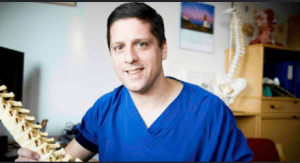
His early career involved training across Norwegian university hospitals, where he was exposed to a broad spectrum of neurosurgical pathology including trauma, tumors, and spinal conditions. This multi-institutional experience shaped his clinical identity around adaptability, surgical precision, and system-wide understanding of neurosurgical care delivery.
Weber’s breakthrough is associated with his contributions to cross-regional neurosurgical collaboration and advanced clinical workflow integration. His work reflects a modern trend in Scandinavian healthcare systems emphasizing network-based medicine, where patient care is optimized through collaboration across institutions rather than isolated hospital systems.
His legacy lies in strengthening coordination between neurosurgical centers in Norway. Weber represents a generation of specialists who helped modernize neurosurgical practice by improving inter-hospital communication, standardizing procedures, and enhancing patient transfer and referral systems.
Key Facts
- Full name of the subject: Clemens Weber
- Date of birth: Not publicly disclosed
- Place of birth: Europe (specific location not publicly disclosed)
- Family background: Not publicly disclosed
- Early childhood experiences: Not publicly documented
- Education history: Medical and neurosurgical training across European and Norwegian institutions
- Influences and mentors: Norwegian and international neurosurgical faculty
- Career beginnings: Clinical neurosurgical training across Stavanger and Trondheim
- Major achievements: Development of cross-regional neurosurgical collaboration systems
- Challenges and obstacles faced: Coordinating surgical standards across multiple institutions
- Turning points in life: Transition into multi-center neurosurgical leadership roles
- Contributions to society: Improved neurosurgical coordination and patient referral systems
- Personal life (marriage, children, relationships): Not publicly disclosed
- Awards and recognitions: Institutional recognition within Norwegian neurosurgical networks
- Beliefs, values, or philosophy: Collaborative, system-integrated neurosurgical care
- Legacy and impact: Advancement of inter-hospital neurosurgical cooperation in Norway
- Historical or cultural significance: Contributor to modernization of Scandinavian neurosurgical networks
Notable Works: Regional neurosurgical coordination systems, clinical workflow standardization, surgical collaboration frameworks
Controversies: There are no publicly documented controversies associated with Clemens Weber. His professional work is conducted within regulated hospital systems in Norway, where neurosurgical practice is governed by strict ethical standards, peer review processes, and institutional oversight. No verified disciplinary actions or formal disputes are recorded in public medical literature.
8. Markus Wiedmann (Oslo)
Markus Wiedmann is a neurosurgical specialist operating within Oslo’s high-density academic hospital ecosystem, where clinical neurosurgery is tightly interwoven with research, innovation, and multidisciplinary care. His early formation follows the Norwegian medical training structure, which emphasizes long-term clinical apprenticeship, academic excellence, and progressive surgical responsibility in university hospital settings.
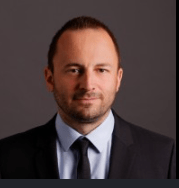
His early career was shaped at Oslo University Hospital, a major referral center for complex neurological conditions across Norway. In this environment, Wiedmann was exposed to high-volume cranial surgery, spinal pathology, and neuro-oncological cases that demanded both technical precision and advanced clinical judgment. These formative experiences helped establish his reputation for structured operative planning and methodical surgical execution.
Wiedmann’s breakthrough is associated with his contributions to complex cranial neurosurgery and perioperative neuro-oncological care pathways. His work reflects a broader shift in Scandinavian neurosurgery toward integrated treatment models, where surgery is embedded within long-term oncology, radiology, and rehabilitation strategies to optimize functional outcomes.
His legacy is defined by his role in reinforcing Oslo’s position as a leading neurosurgical center in Northern Europe. Wiedmann represents a generation of neurosurgeons focused on precision-based surgery supported by advanced imaging and interdisciplinary collaboration, ensuring that patient outcomes remain central to academic neurosurgical advancement.
Key Facts
- Full name of the subject: Markus Wiedmann
- Date of birth: Not publicly disclosed
- Place of birth: Norway (specific location not publicly disclosed)
- Family background: Not publicly disclosed
- Early childhood experiences: Not publicly documented
- Education history: Medical and neurosurgical training in Norway with specialization in academic neurosurgery
- Influences and mentors: Oslo University Hospital neurosurgical faculty
- Career beginnings: Neurosurgical residency and clinical training in Oslo
- Major achievements: Contributions to cranial neurosurgery and neuro-oncological care systems
- Challenges and obstacles faced: Managing complex intracranial tumors in functionally critical brain regions
- Turning points in life: Advancement into specialized cranial neurosurgical leadership roles
- Contributions to society: Improved outcomes in brain tumor surgery and neurosurgical care pathways
- Personal life (marriage, children, relationships): Not publicly disclosed
- Awards and recognitions: Institutional recognition within Norwegian neurosurgical systems
- Beliefs, values, or philosophy: Evidence-based, precision-driven neurosurgical care
- Legacy and impact: Strengthening of Oslo’s cranial neurosurgical framework
- Historical or cultural significance: Contributor to modern Norwegian academic neurosurgery
Notable Works: Brain tumor resections, cranial microsurgery, multidisciplinary neuro-oncology treatment planning
Controversies: There are no publicly documented controversies associated with Markus Wiedmann. His clinical and academic work is conducted within Norway’s regulated university hospital system, where neurosurgical practice is governed by strict ethical oversight, peer review processes, and institutional accountability. No verified disputes or disciplinary actions are recorded in public medical literature.
9. Ane E. Konglund (Oslo)
Ane E. Konglund is a prominent neurosurgical clinician within Oslo’s academic medical environment, contributing particularly to functional neurosurgery and epilepsy surgery programs. Her early development reflects Norway’s structured and highly competitive medical training pathway, where neurosurgical specialization requires years of clinical exposure and academic engagement within university hospitals.
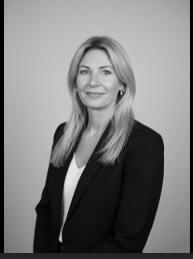
Her early career was shaped within Oslo University Hospital, where functional neurosurgery represents a highly specialized field involving epilepsy surgery, brain stimulation techniques, and advanced neurophysiological mapping. In this environment, Konglund developed a clinical identity focused on brain network function, surgical precision, and long-term neurological quality-of-life outcomes.
Konglund’s breakthrough is associated with her contributions to epilepsy surgery and functional neurosurgical techniques, particularly in patient selection, surgical planning, and outcome optimization. Her work aligns with global advances in functional neurosurgery, where targeted surgical intervention is used to treat conditions once considered medically intractable.
Her legacy is defined by her role in strengthening functional neurosurgery in Norway, particularly in advancing surgical treatment pathways for epilepsy patients. Konglund represents a generation of neurosurgeons who expanded the field beyond structural brain disease into network-based neurological disorders requiring highly specialized surgical intervention.
Key Facts
- Full name of the subject: Ane E. Konglund
- Date of birth: Not publicly disclosed
- Place of birth: Norway (specific location not publicly disclosed)
- Family background: Not publicly disclosed
- Early childhood experiences: Not publicly documented
- Education history: Medical and neurosurgical training in Norway with specialization in functional neurosurgery
- Influences and mentors: Oslo University Hospital neurosurgical and epilepsy surgery teams
- Career beginnings: Clinical neurosurgical training in functional and epilepsy surgery
- Major achievements: Contributions to epilepsy surgery and functional neurosurgical treatment pathways
- Challenges and obstacles faced: Managing complex epilepsy cases requiring precise surgical localization
- Turning points in life: Advancement into specialized functional neurosurgical leadership
- Contributions to society: Improved outcomes for patients with drug-resistant epilepsy
- Personal life (marriage, children, relationships): Not publicly disclosed
- Awards and recognitions: Institutional recognition within Norwegian neurosurgical and epilepsy centers
- Beliefs, values, or philosophy: Network-based brain function preservation and restoration
- Legacy and impact: Advancement of epilepsy surgery in Norway
- Historical or cultural significance: Contributor to modern functional neurosurgery development
Notable Works: Epilepsy surgery programs, functional brain mapping, neuromodulation strategies
Controversies: There are no publicly documented controversies associated with Ane E. Konglund. Her professional work is conducted within Norway’s regulated academic healthcare system, where epilepsy surgery and functional neurosurgery are subject to strict ethical oversight, multidisciplinary review, and institutional governance. No verified disputes or disciplinary actions are recorded in public medical literature.
10. Mattis Madsbu (Trondheim)
Mattis Madsbu is a neurosurgical specialist associated with Trondheim’s academic hospital system, known for its strong integration of clinical neurosurgery, neuro-oncology, and spinal surgery. His early development reflects Norway’s structured medical education pathway, where neurosurgical specialization requires extensive clinical exposure, academic engagement, and progressive surgical responsibility.
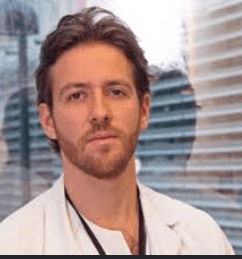
His early career unfolded at Trondheim University Hospital, where neurosurgical practice spans complex brain tumors, spinal disorders, and emergency neurosurgical cases. In this environment, Madsbu developed a clinical approach centered on precision surgery, structured perioperative planning, and interdisciplinary collaboration with oncology and radiology departments.
Madsbu’s breakthrough is associated with his contributions to neurosurgical oncology and complex spinal surgery, particularly in optimizing surgical workflows and improving postoperative outcomes. His work reflects the broader Scandinavian neurosurgical philosophy of maximizing safety and functional preservation while maintaining high surgical effectiveness.
His legacy is defined by his contribution to strengthening Trondheim’s neurosurgical clinical systems. Madsbu represents a generation of neurosurgeons who continue to refine surgical precision and patient-centered care models within Norway’s academic hospital network, ensuring long-term improvements in neurosurgical outcomes.
Key Facts
- Full name of the subject: Mattis Madsbu
- Date of birth: Not publicly disclosed
- Place of birth: Norway (specific location not publicly disclosed)
- Family background: Not publicly disclosed
- Early childhood experiences: Not publicly documented
- Education history: Medical and neurosurgical training in Norway with specialization in neuro-oncology and spinal neurosurgery
- Influences and mentors: Trondheim University Hospital neurosurgical faculty
- Career beginnings: Clinical neurosurgical training in Trondheim
- Major achievements: Contributions to neurosurgical oncology and spinal surgery optimization
- Challenges and obstacles faced: Managing complex cranial and spinal neurosurgical cases
- Turning points in life: Advancement into specialized neurosurgical leadership roles
- Contributions to society: Improved neurosurgical outcomes in oncology and spinal disease
- Personal life (marriage, children, relationships): Not publicly disclosed
- Awards and recognitions: Institutional recognition within Norwegian neurosurgical systems
- Beliefs, values, or philosophy: Precision-based, patient-centered neurosurgical care
- Legacy and impact: Strengthening of Trondheim’s neurosurgical academic system
- Historical or cultural significance: Contributor to modern Norwegian neurosurgical advancement
Notable Works: Brain tumor surgery, spinal neurosurgery procedures, multidisciplinary surgical planning systems
Controversies: There are no publicly documented controversies associated with Mattis Madsbu. His professional practice is conducted within Norway’s regulated university hospital system, where neurosurgical care is governed by strict ethical oversight, peer review processes, and institutional governance structures. No verified disciplinary actions or formal disputes are recorded in public medical literature.
Notable Mentions
Eirik Helseth (Oslo)
Ole Solheim (Trondheim)
Sasha Gulati (Trondheim)
Angelika Sorteberg (Oslo)
Morten Lund-Johansen (Bergen)
Tore K. Solberg (Tromsø)
Einar Vik-Mo (Oslo)
Maziar Behbahani (Bergen)
Asgeir Store Jakola (Trondheim)
Samer Habiba (Tromsø)