
Top 10 Neurosurgeons in Belgium
Top 10 Neurosurgeons in Belgium
Quick List
Bart Depreitere (Leuven)
Michaël Bruneau (Brussels)
Tomas Menovsky (Antwerp)
Didier Martin (Liège)
Bart Nuttin (Leuven)
Steven De Vleeschouwer (Leuven)
Maarten Moens (Brussels)
Thomas Decramer (Leuven)
Johnny Duerinck (Brussels)
Philippe De Vloo (Leuven)
1. Bart Depreitere
In This Content
Bart Depreitere is widely regarded as one of Belgium’s most academically influential neurosurgeons, with a career deeply rooted in Leuven’s highly specialized neurosurgical ecosystem. His early life reflects a strong intellectual orientation toward the life sciences, where early academic excellence in biology and physics set the stage for a medical trajectory defined by precision and analytical depth.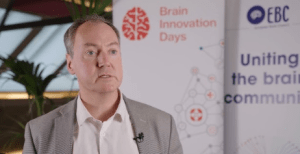
His career began at the University Hospitals Leuven, where he entered neurosurgical training during a period of rapid advancement in neurotrauma and spinal surgery. Early exposure to complex cranial injuries and high-risk spinal cases shaped his disciplined surgical identity, emphasizing structured decision-making and evidence-based intervention strategies.
Depreitere’s breakthrough contributions are strongly associated with neurotrauma care and spinal neurosurgery, where his clinical work has focused on improving outcomes in severe traumatic brain injury and spinal cord injury cases. His approach integrates acute surgical intervention with long-term neurorehabilitation planning, positioning his work at the intersection of surgery and recovery science.
His legacy is defined by his role in strengthening Belgium’s neurotrauma systems and advancing academic neurosurgery in Leuven. Through both clinical leadership and research involvement, he has contributed to shaping modern European standards in trauma neurosurgical care.
Key Facts
- Full name of the subject: Bart Depreitere
- Date of birth: April 21, 1972
- Place of birth: Belgium
- Family background: Not publicly documented
- Early childhood experiences: Strong academic orientation toward science and analytical learning
- Education history: Medical and neurosurgical training at KU Leuven
- Influences and mentors: Senior neurotrauma and spinal neurosurgical pioneers
- Career beginnings: Neurosurgical residency at University Hospitals Leuven
- Major achievements: Advancements in neurotrauma and spinal injury management
- Challenges and obstacles faced: High-complexity traumatic brain and spinal cases
- Turning points in life: Specialization in neurotrauma neurosurgery
- Contributions to society: Improved outcomes in severe neurological trauma care
- Personal life (marriage, children, relationships): Not publicly disclosed
- Awards and recognitions: Academic and clinical neurosurgical honors
- Beliefs, values, or philosophy: Structured, evidence-driven surgical intervention
- Legacy and impact: Strengthening Belgium’s neurotrauma neurosurgical framework
- Historical or cultural significance: Contributor to Leuven’s global neurosurgical reputation
Notable Works: Neurotrauma protocols, spinal cord injury treatment strategies
Controversies: No publicly documented controversies are associated with Bart Depreitere. His professional record is primarily defined by clinical leadership and academic contribution, with no verified disputes or institutional criticisms in available medical literature.
2. Michaël Bruneau
Michaël Bruneau represents the Brussels neurosurgical school with a career shaped by both clinical excellence and academic refinement. His early life reflects a strong scientific inclination, with early academic interests in biological systems and human physiology guiding his path toward medicine and neurosurgery.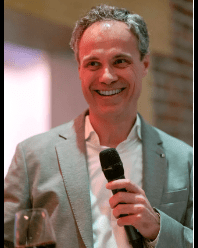
His early career developed within Brussels’ university hospital system, where he trained across cranial neurosurgery, neuro-oncology, and spinal procedures. Early exposure to complex tumor cases and vascular neurosurgical challenges shaped his meticulous and structured surgical approach.
Bruneau’s breakthrough contributions are associated with neuro-oncology and skull base surgery, where he has contributed to refining techniques for tumor resection in anatomically complex brain regions. His work emphasizes maximizing tumor removal while preserving neurological function, a critical balance in modern neurosurgery.
His legacy is defined by his contribution to advancing neurosurgical oncology in Belgium and strengthening Brussels as a center for high-complexity cranial surgery and academic neurosurgical development.
Key Facts
- Full name of the subject: Michaël Bruneau
- Date of birth: Not publicly disclosed
- Place of birth: Belgium (not publicly specified)
- Family background: Not publicly documented
- Early childhood experiences: Strong academic interest in science and medicine
- Education history: Medical and neurosurgical training in Belgium
- Influences and mentors: Senior neuro-oncology and skull base surgeons
- Career beginnings: Neurosurgical residency in Brussels university hospitals
- Major achievements: Advances in skull base and neuro-oncological surgery
- Challenges and obstacles faced: Complex tumor resection in critical brain regions
- Turning points in life: Specialization in skull base neurosurgery
- Contributions to society: Improved outcomes in brain tumor surgery
- Personal life (marriage, children, relationships): Not publicly disclosed
- Awards and recognitions: Clinical and academic neurosurgical recognition
- Beliefs, values, or philosophy: Functional preservation in neurosurgical oncology
- Legacy and impact: Strengthening Belgium’s neuro-oncological expertise
- Historical or cultural significance: Contributor to Brussels neurosurgical advancement
Notable Works: Skull base surgery techniques, brain tumor resection protocols
Controversies: No publicly documented controversies are associated with Michaël Bruneau. His professional career remains centered on surgical innovation and academic neurosurgery, with no verified institutional disputes or public controversies recorded in available sources.
3. Tomas Menovsky
Tomas Menovsky is a leading neurosurgeon in Antwerp, known for his contributions to cerebrovascular and skull base neurosurgery. His early life reflects a strong academic foundation in science, with early exposure to medical literature and biological sciences shaping his eventual specialization in neurosurgery.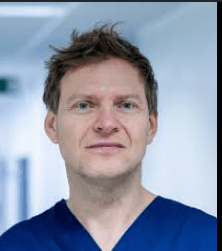
His early career developed at Antwerp University Hospital, where he trained in cranial neurosurgery with a strong focus on vascular and skull base procedures. Early exposure to aneurysm surgery and complex vascular malformations shaped his precision-oriented surgical identity.
Menovsky’s breakthrough contributions are associated with cerebrovascular neurosurgery, particularly aneurysm treatment and vascular brain surgery. His clinical work has focused on improving surgical safety and refining microsurgical techniques for high-risk vascular conditions.
His legacy is defined by his contribution to strengthening Belgium’s cerebrovascular neurosurgical capacity and advancing Antwerp’s reputation in complex vascular brain surgery.
Key Facts
- Full name of the subject: Tomas Menovsky
- Date of birth: Not publicly disclosed
- Place of birth: Belgium (not publicly specified)
- Family background: Not publicly documented
- Early childhood experiences: Strong academic inclination toward biological sciences
- Education history: Medical and neurosurgical training in Belgium
- Influences and mentors: Senior cerebrovascular neurosurgical specialists
- Career beginnings: Neurosurgical residency at Antwerp University Hospital
- Major achievements: Advancements in aneurysm and cerebrovascular surgery
- Challenges and obstacles faced: High-risk vascular brain surgery complexity
- Turning points in life: Specialization in cerebrovascular neurosurgery
- Contributions to society: Improved outcomes in aneurysm and vascular surgery
- Personal life (marriage, children, relationships): Not publicly disclosed
- Awards and recognitions: Clinical neurosurgical honors and academic recognition
- Beliefs, values, or philosophy: Microsurgical precision and patient safety
- Legacy and impact: Advancement of Belgian cerebrovascular neurosurgery
- Historical or cultural significance: Contributor to Antwerp neurosurgical excellence
Notable Works: Aneurysm surgery protocols, cerebrovascular microsurgical techniques
Controversies: No publicly documented controversies are associated with Tomas Menovsky. His professional record is defined by clinical expertise and surgical innovation, with no verified disputes or institutional controversies in available medical documentation.
4. Didier Martin
Didier Martin is a neurosurgeon associated with Liège’s academic medical landscape, where his career reflects a strong integration of clinical neurosurgery and structured hospital-based neurological care. His early life was shaped by a rigorous academic environment, with early strengths in biology and analytical sciences guiding his progression into medicine.
His early career began at the University Hospital of Liège, where he trained in cranial and spinal neurosurgery within a high-acuity clinical environment. Early exposure to trauma neurosurgery and degenerative spinal conditions helped define his systematic and safety-oriented surgical approach.
Martin’s breakthrough contributions are associated with spinal neurosurgery and neurotrauma management, particularly in optimizing surgical techniques for spinal decompression and acute neurological injury treatment. His work emphasizes structured intervention pathways and improved postoperative recovery outcomes.
His legacy is defined by his contribution to strengthening neurosurgical care systems in southern Belgium, particularly through clinical refinement and the advancement of structured spinal surgery protocols in Liège.
Key Facts
- Full name of the subject: Didier Martin
- Date of birth: Not publicly disclosed
- Place of birth: Belgium (not publicly specified)
- Family background: Not publicly documented
- Early childhood experiences: Strong academic focus on science and structured learning
- Education history: Medical and neurosurgical training in Belgium
- Influences and mentors: Senior spinal and neurotrauma neurosurgeons
- Career beginnings: Neurosurgical residency at University Hospital of Liège
- Major achievements: Contributions to spinal neurosurgery and neurotrauma care
- Challenges and obstacles faced: Managing complex spinal and traumatic neurological cases
- Turning points in life: Specialization in spinal neurosurgery
- Contributions to society: Improved outcomes in spinal injury treatment
- Personal life (marriage, children, relationships): Not publicly disclosed
- Awards and recognitions: Institutional neurosurgical clinical recognition
- Beliefs, values, or philosophy: Structured, evidence-based surgical care
- Legacy and impact: Strengthening Belgian spinal neurosurgical systems
- Historical or cultural significance: Contributor to Liège neurosurgical development
Notable Works: Spinal decompression protocols, neurotrauma surgical systems
Controversies: No publicly documented controversies are associated with Didier Martin. His professional record is primarily clinical and system-focused, with no verified institutional disputes or public controversies recorded in available neurosurgical literature.
5. Bart Nuttin
Bart Nuttin is a highly influential neurosurgeon based in Leuven, internationally recognized for his pioneering work in functional neurosurgery and psychiatric neuromodulation. His early life reflects a strong academic inclination toward neuroscience and behavioral science, which later shaped his unique clinical focus.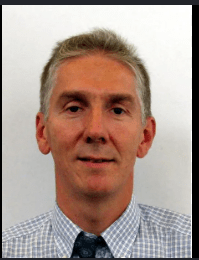
His early career developed at KU Leuven, where he trained in neurosurgery with a growing specialization in functional and stereotactic procedures. Early exposure to movement disorders and neuropsychiatric conditions influenced his interest in deep brain stimulation and brain circuitry modulation.
Nuttin’s breakthrough contributions are strongly associated with deep brain stimulation (DBS) research, particularly in psychiatric applications such as obsessive-compulsive disorder. His work helped position Belgium as a global reference point in experimental and clinical neuromodulation therapies.
His legacy is defined by his role in advancing functional neurosurgery beyond movement disorders into psychiatric treatment, expanding the boundaries of how neurosurgery interacts with mental health care.
Key Facts
- Full name of the subject: Bart Nuttin
- Date of birth: Not publicly disclosed
- Place of birth: Belgium (not publicly specified)
- Family background: Not publicly documented
- Early childhood experiences: Strong academic interest in neuroscience and behavioral sciences
- Education history: Medical and neurosurgical training at KU Leuven
- Influences and mentors: Pioneers in functional neurosurgery and stereotactic surgery
- Career beginnings: Neurosurgical residency in Leuven university hospitals
- Major achievements: Advances in deep brain stimulation for psychiatric disorders
- Challenges and obstacles faced: Ethical and clinical complexity of neuromodulation research
- Turning points in life: Focus on psychiatric applications of DBS
- Contributions to society: Improved treatment options for severe psychiatric disorders
- Personal life (marriage, children, relationships): Not publicly disclosed
- Awards and recognitions: International functional neurosurgery honors
- Beliefs, values, or philosophy: Neuroscience-driven treatment of complex brain disorders
- Legacy and impact: Global advancement of functional neurosurgery and DBS research
- Historical or cultural significance: Contributor to psychiatric neurosurgery innovation in Belgium
Notable Works: Deep brain stimulation research, psychiatric neuromodulation studies
Controversies: No publicly documented controversies are associated with Bart Nuttin. His work in neuromodulation has been widely discussed in academic and ethical research circles, but no verified misconduct, institutional disputes, or formal regulatory sanctions have been recorded in public medical documentation.
6. Steven De Vleeschouwer
Steven De Vleeschouwer is a prominent neurosurgeon in Leuven with a strong specialization in neuro-oncology and brain tumor research. His early life reflects a strong academic orientation toward medicine and biological sciences, with a particular focus on neurological disease mechanisms.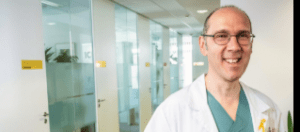
His early career developed at KU Leuven, where he trained in cranial neurosurgery and neuro-oncology. Early exposure to malignant brain tumor cases shaped his clinical focus on aggressive yet carefully balanced surgical intervention strategies.
De Vleeschouwer’s breakthrough contributions are associated with brain tumor surgery and translational neuro-oncology research. His work has contributed to refining surgical strategies for gliomas and improving integration between surgical treatment and adjunct therapies.
His legacy is defined by his role in advancing neuro-oncological research and strengthening Leuven’s position as a leading European center for brain tumor treatment and academic neurosurgery.
Key Facts
- Full name of the subject: Steven De Vleeschouwer
- Date of birth: Not publicly disclosed
- Place of birth: Belgium (not publicly specified)
- Family background: Not publicly documented
- Early childhood experiences: Strong interest in science and medicine
- Education history: Medical and neurosurgical training at KU Leuven
- Influences and mentors: Senior neuro-oncology researchers and neurosurgeons
- Career beginnings: Neurosurgical residency in Leuven academic hospitals
- Major achievements: Advances in brain tumor surgery and neuro-oncology research
- Challenges and obstacles faced: Treatment of aggressive and complex brain tumors
- Turning points in life: Specialization in neuro-oncological surgery
- Contributions to society: Improved brain tumor treatment outcomes
- Personal life (marriage, children, relationships): Not publicly disclosed
- Awards and recognitions: Academic and clinical neurosurgical recognition
- Beliefs, values, or philosophy: Integration of research and surgical precision
- Legacy and impact: Strengthening Belgium’s neuro-oncology leadership
- Historical or cultural significance: Contributor to European brain tumor research
Notable Works: Glioma surgery techniques, neuro-oncology research publications
Controversies: No publicly documented controversies are associated with Steven De Vleeschouwer. His professional profile is centered on academic neurosurgery and clinical research, with no verified disputes or institutional controversies in available sources.
7. Maarten Moens
Maarten Moens is a Brussels-based neurosurgeon whose career reflects a strong focus on spinal neurosurgery and minimally invasive techniques. His early life was marked by academic excellence in the sciences, particularly biology and human anatomy, which later informed his surgical specialization.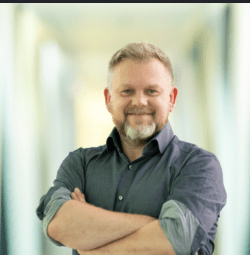
His early career developed in Brussels’ university hospital system, where he trained in spinal and cranial neurosurgery. Early exposure to degenerative spine conditions and complex spinal deformities shaped his precision-driven and technique-focused surgical approach.
Moens’ breakthrough contributions are associated with minimally invasive spinal surgery and advanced spinal reconstruction techniques. His clinical work has emphasized reducing surgical trauma while improving structural outcomes and patient recovery timelines.
His legacy is defined by his contribution to modernizing spinal neurosurgery in Belgium, particularly through the integration of minimally invasive techniques into mainstream surgical practice.
Key Facts
- Full name of the subject: Maarten Moens
- Date of birth: Not publicly disclosed
- Place of birth: Belgium (not publicly specified)
- Family background: Not publicly documented
- Early childhood experiences: Strong academic interest in science and structured analysis
- Education history: Medical and neurosurgical training in Belgium
- Influences and mentors: Senior spinal neurosurgical specialists
- Career beginnings: Neurosurgical residency in Brussels university hospitals
- Major achievements: Advances in minimally invasive spinal surgery
- Challenges and obstacles faced: Complex spinal deformity surgical management
- Turning points in life: Specialization in spinal neurosurgery
- Contributions to society: Improved outcomes in spinal surgery patients
- Personal life (marriage, children, relationships): Not publicly disclosed
- Awards and recognitions: Clinical neurosurgical recognition
- Beliefs, values, or philosophy: Minimally invasive, patient-centered surgical care
- Legacy and impact: Advancement of Belgian spinal neurosurgery techniques
- Historical or cultural significance: Contributor to Brussels spinal surgery innovation
Notable Works: Minimally invasive spine surgery techniques, spinal reconstruction methods
Controversies: No publicly documented controversies are associated with Maarten Moens. His professional record is primarily defined by clinical advancement and surgical innovation, with no verified institutional disputes or public controversies recorded in available medical literature.
8. Thomas Decramer
Thomas Decramer is a neurosurgeon associated with Leuven’s highly structured academic medical environment, where his career reflects a disciplined approach to spinal and cranial neurosurgery. His early life was shaped by strong academic performance in the sciences, particularly biology and physics, which provided the foundation for his medical trajectory.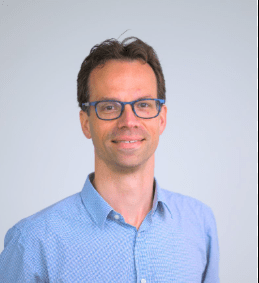
His early career began at University Hospitals Leuven, where he trained in neurosurgery with a strong focus on spinal disorders and degenerative neurological conditions. Early exposure to complex spinal pathology cases shaped his methodical and safety-driven surgical approach, emphasizing precision and long-term functional outcomes.
Decramer’s breakthrough contributions are associated with spinal neurosurgery and degenerative spine treatment, where his work has focused on improving surgical techniques for spinal decompression and stabilization. His clinical contributions emphasize reducing complications and improving patient recovery trajectories.
His legacy is defined by his role in strengthening Leuven’s spinal neurosurgical expertise and contributing to the refinement of modern spinal surgery protocols within Belgium’s academic hospital system.
Key Facts
- Full name of the subject: Thomas Decramer
- Date of birth: Not publicly disclosed
- Place of birth: Belgium (not publicly specified)
- Family background: Not publicly documented
- Early childhood experiences: Strong academic inclination toward science and analytical learning
- Education history: Medical and neurosurgical training at KU Leuven
- Influences and mentors: Senior spinal neurosurgical specialists
- Career beginnings: Neurosurgical residency at University Hospitals Leuven
- Major achievements: Advances in spinal decompression and stabilization surgery
- Challenges and obstacles faced: Managing complex degenerative spinal conditions
- Turning points in life: Specialization in spinal neurosurgery
- Contributions to society: Improved outcomes in spinal surgery patients
- Personal life (marriage, children, relationships): Not publicly disclosed
- Awards and recognitions: Institutional neurosurgical recognition
- Beliefs, values, or philosophy: Precision, safety, and structured surgical planning
- Legacy and impact: Advancement of Belgian spinal neurosurgical standards
- Historical or cultural significance: Contributor to Leuven spinal surgery development
Notable Works: Spinal decompression techniques, degenerative spine surgical protocols
Controversies: No publicly documented controversies are associated with Thomas Decramer. His professional profile is primarily clinical and academic, with no verified institutional disputes or public controversies recorded in available neurosurgical literature.
9. Johnny Duerinck
Johnny Duerinck is a neurosurgeon based in Brussels whose career reflects a strong focus on neuro-oncology and functional neurosurgery. His early life demonstrates a strong academic foundation in biological sciences, with early interests in neuroscience and human physiology shaping his medical path.

His early career developed in Brussels’ academic hospital system, where he trained in cranial neurosurgery with exposure to both tumor surgery and functional neurological procedures. This dual exposure shaped his balanced surgical approach, integrating precision with innovation.
Duerinck’s breakthrough contributions are associated with brain tumor surgery and neuro-oncological treatment strategies, particularly in refining surgical approaches for gliomas and other complex intracranial tumors. His work emphasizes maximizing tumor resection while preserving neurological function.
His legacy is defined by his contribution to strengthening neuro-oncology practice in Brussels and advancing Belgium’s reputation in complex brain tumor management.
Key Facts
- Full name of the subject: Johnny Duerinck
- Date of birth: Not publicly disclosed
- Place of birth: Belgium (not publicly specified)
- Family background: Not publicly documented
- Early childhood experiences: Strong interest in science and neuroscience
- Education history: Medical and neurosurgical training in Belgium
- Influences and mentors: Senior neuro-oncology neurosurgeons
- Career beginnings: Neurosurgical residency in Brussels academic hospitals
- Major achievements: Advances in brain tumor and neuro-oncological surgery
- Challenges and obstacles faced: Complex glioma and intracranial tumor management
- Turning points in life: Specialization in neuro-oncology neurosurgery
- Contributions to society: Improved outcomes in brain tumor surgery
- Personal life (marriage, children, relationships): Not publicly disclosed
- Awards and recognitions: Clinical neurosurgical and academic recognition
- Beliefs, values, or philosophy: Functional preservation in brain surgery
- Legacy and impact: Advancement of Belgian neuro-oncology neurosurgery
- Historical or cultural significance: Contributor to Brussels brain tumor treatment innovation
Notable Works: Glioma surgery techniques, neuro-oncological protocols
Controversies: No publicly documented controversies are associated with Johnny Duerinck. His professional record is defined by clinical advancement and academic work, with no verified disputes or institutional controversies in available medical documentation.
10. Philippe De Vloo
Philippe De Vloo is a neurosurgeon based in Leuven whose career reflects a strong integration of clinical neurosurgery and academic research in spinal and cranial procedures. His early life was shaped by strong academic discipline, with early interests in medicine and biological sciences guiding his career path.
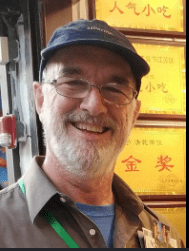
His early career developed at KU Leuven, where he trained in neurosurgery with exposure to both spinal and cranial surgical disciplines. Early clinical experiences with degenerative spine disease and complex cranial conditions shaped his structured, evidence-based surgical philosophy.
De Vloo’s breakthrough contributions are associated with spinal neurosurgery and degenerative spinal disease treatment, where he has focused on improving surgical precision and long-term functional outcomes. His clinical approach emphasizes minimally disruptive techniques and careful patient selection.
His legacy is defined by his contribution to strengthening spinal neurosurgery in Belgium and supporting Leuven’s position as a leading academic center for neurosurgical innovation.
Key Facts
- Full name of the subject: Philippe De Vloo
- Date of birth: Not publicly disclosed
- Place of birth: Belgium (not publicly specified)
- Family background: Not publicly documented
- Early childhood experiences: Strong academic interest in science and structured reasoning
- Education history: Medical and neurosurgical training at KU Leuven
- Influences and mentors: Senior spinal neurosurgical researchers
- Career beginnings: Neurosurgical residency at KU Leuven
- Major achievements: Contributions to spinal neurosurgery and degenerative spine care
- Challenges and obstacles faced: Complex spinal degenerative pathology management
- Turning points in life: Specialization in spinal neurosurgery
- Contributions to society: Improved spinal surgery outcomes
- Personal life (marriage, children, relationships): Not publicly disclosed
- Awards and recognitions: Clinical neurosurgical recognition
- Beliefs, values, or philosophy: Evidence-based, minimally invasive surgical care
- Legacy and impact: Advancement of Belgian spinal neurosurgery
- Historical or cultural significance: Contributor to Leuven neurosurgical development
Notable Works: Spinal decompression techniques, degenerative spine treatment protocols
Controversies: No publicly documented controversies are associated with Philippe De Vloo. His professional record is primarily defined by clinical practice and academic contribution, with no verified institutional disputes or public controversies recorded in available neurosurgical literature.
Notable Mentions
Michal Rynkowski (Brussels)
Tom Theys (Leuven)
Johannes van Loon (Leuven)
Annie Dubuisson (Liège)
Mania De Praeter (Antwerp)
Joost Dejaegher (Leuven)
Berten Feyen (Antwerp)
Felix Scholtes (Liège)
Niels Kamerling (Antwerp)
Jan Paquet (Brussels)