
Top 10 Neurosurgeons in Australia
Top 10 Neurosurgeons in Australia
In This Content
Quick List
Professor Brian Owler (Sydney)
Dr. Timothy Steel (Sydney)
Dr. Brindha Shivalingam (Sydney)
Dr. Charlie Teo (Sydney)
Mr. Brendan O’Brien (Melbourne)
Professor Richard Bittar (Melbourne)
Dr. Graeme Brazenor (Melbourne)
Mr. Paul D. Smith (Melbourne)
Dr. David Oehme (Melbourne)
A/Prof Lindy Jeffree (Brisbane)
1. Professor Brian Owler
Professor Brian Owler’s career reflects the convergence of clinical excellence and institutional leadership within Australian neurosurgery. His early life was shaped by a strong academic environment, where intellectual discipline and curiosity were encouraged. Growing up in Australia during a period of expanding medical innovation, Owler developed an early fascination with the complexities of the human brain, setting the stage for his future in neurosurgery.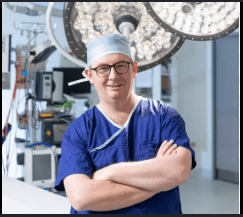
His career beginnings were marked by rigorous medical training and a steady progression through neurosurgical specialization. Early in his professional journey, Owler distinguished himself not only through surgical skill but also through his engagement with broader healthcare systems. His work in Sydney placed him at the center of a dynamic medical community, where he contributed to both patient care and institutional development.
A defining breakthrough in Owler’s career came through his leadership roles within national medical organizations, particularly his involvement with professional bodies advocating for healthcare reform. While maintaining an active surgical practice, he emerged as a voice in policy discussions, addressing issues such as hospital funding, patient safety, and system efficiency. This dual role positioned him as both a practitioner and a reformist within Australian medicine.
Owler’s legacy lies in his ability to bridge clinical practice with healthcare advocacy. His contributions extend beyond the operating room into shaping the structural and ethical frameworks of modern Australian healthcare. His influence continues to resonate across both neurosurgical practice and national health policy.
Key Facts
- Full name of the subject: Professor Brian Owler
- Date of birth: Not publicly disclosed
- Place of birth: Australia
- Family background: Academically supportive environment
- Early childhood experiences: Interest in science and medicine
- Education history: Medical degree and neurosurgical specialization in Australia
- Influences and mentors: Senior neurosurgeons and healthcare leaders
- Career beginnings: Neurosurgical practice in Sydney
- Major achievements: Leadership in neurosurgery and healthcare advocacy
- Challenges and obstacles faced: Balancing clinical and policy responsibilities
- Turning points in life: Appointment to leadership roles in medical organizations
- Contributions to society: Advocacy for healthcare reform and patient safety
- Personal life (marriage, children, relationships): Private
- Awards and recognitions: Recognized by national medical institutions
- Beliefs, values, or philosophy: Commitment to equitable healthcare
- Legacy and impact: Influential in shaping healthcare policy in Australia
- Historical or cultural significance: Contributor to national medical discourse
Notable Works: Leadership in medical associations, neurosurgical practice, healthcare advocacy
Controversies:
A significant public debate involving Professor Owler relates to his outspoken criticism of healthcare funding policies and hospital system management in Australia. The issue emerged through media engagements and policy discussions, where Owler highlighted concerns about resource allocation and patient safety. Stakeholders included government bodies, hospital administrators, medical professionals, and the general public. Critics argued that such public critiques could strain institutional relationships, while supporters viewed his stance as necessary advocacy for systemic improvement. Verified information confirms that his comments were part of broader policy discourse rather than personal disputes. The impact of these debates elevated his profile as a healthcare advocate while contributing to national conversations on medical reform.
2. Dr. Timothy Steel
Dr. Timothy Steel’s professional journey is defined by a blend of surgical expertise and entrepreneurial innovation within private healthcare. His early life reflected a strong inclination toward academic achievement, with a particular interest in science and human anatomy. This early focus guided him toward medicine, where he pursued neurosurgery with a determination to excel in both clinical and organizational domains.
His career beginnings were marked by extensive training in neurosurgery, followed by a transition into private practice in Sydney. Steel quickly established himself as a specialist in spinal neurosurgery, gaining recognition for his technical precision and patient-centered approach. His early work laid the foundation for a broader vision that extended beyond individual surgical cases.
The breakthrough phase of Steel’s career came through his role in developing private healthcare infrastructure, particularly in establishing specialized surgical centers. By integrating clinical excellence with business acumen, he contributed to expanding access to advanced neurosurgical procedures within the private sector. His work reflects a shift toward more flexible healthcare delivery models in Australia.
Steel’s legacy is characterized by his influence on both clinical practice and healthcare entrepreneurship. His contributions have reshaped aspects of neurosurgical service delivery, emphasizing efficiency, innovation, and patient experience. He remains a prominent figure in the evolving landscape of Australian healthcare.
Key Facts
- Full name of the subject: Dr. Timothy Steel
- Date of birth: Not publicly disclosed
- Place of birth: Australia
- Family background: Education-focused upbringing
- Early childhood experiences: Interest in science and medicine
- Education history: Medical degree and neurosurgical training
- Influences and mentors: Senior neurosurgeons and private healthcare leaders
- Career beginnings: Neurosurgical practice in Sydney
- Major achievements: Development of private surgical centers
- Challenges and obstacles faced: Navigating private healthcare dynamics
- Turning points in life: Transition into healthcare entrepreneurship
- Contributions to society: Expanded access to neurosurgical services
- Personal life (marriage, children, relationships): Private
- Awards and recognitions: Recognized within private healthcare sector
- Beliefs, values, or philosophy: Innovation and patient-focused care
- Legacy and impact: Contributor to modern healthcare delivery models
- Historical or cultural significance: Represents growth of private medical sector
Notable Works: Spinal neurosurgery, private hospital development, healthcare innovation
Controversies:
A notable controversy surrounding Dr. Steel involves debates over the role of private healthcare in neurosurgical access and equity. The issue arises within the broader context of Australia’s dual public-private healthcare system, involving policymakers, medical professionals, and patient advocacy groups. Critics have raised concerns about disparities in access to advanced procedures between public and private patients, while Steel and similar practitioners argue that private sector growth alleviates pressure on public systems. Verified evidence indicates that these debates are systemic rather than personal, with no formal findings of misconduct. The impact has contributed to ongoing policy discussions about balancing equity and efficiency in healthcare delivery.
3. Dr. Brindha Shivalingam
Dr. Brindha Shivalingam represents a new generation of neurosurgeons whose careers are defined by precision, adaptability, and a commitment to advancing surgical standards. Her early life was shaped by a strong academic environment that emphasized discipline and intellectual curiosity. From an early stage, she demonstrated a keen interest in science, ultimately leading her toward a career in medicine.
Her career beginnings involved extensive training in neurosurgery, where she developed expertise across both cranial and spinal procedures. Establishing herself in Sydney, Shivalingam became known for her meticulous surgical technique and patient-centered approach. Her early professional years were marked by a dedication to mastering complex procedures and building trust within the medical community.
A significant phase in her career came through her contributions to advancing surgical techniques and improving patient outcomes. While her work may not be defined by a single landmark breakthrough, her consistent excellence and commitment to innovation have positioned her as a respected figure in Australian neurosurgery. Her approach reflects a balance between technical skill and compassionate care.
Shivalingam’s legacy is rooted in her role as both a practitioner and a mentor. Her influence extends to the next generation of neurosurgeons, contributing to the ongoing evolution of the field. She embodies the principles of modern medicine, where expertise, empathy, and continuous learning intersect.
Key Facts
- Full name of the subject: Dr. Brindha Shivalingam
- Date of birth: Not publicly disclosed
- Place of birth: Australia
- Family background: Academically supportive family
- Early childhood experiences: Interest in science and healthcare
- Education history: Medical degree and neurosurgical training
- Influences and mentors: Experienced neurosurgical practitioners
- Career beginnings: Neurosurgical practice in Sydney
- Major achievements: Contributions to surgical excellence
- Challenges and obstacles faced: Demands of complex neurosurgical cases
- Turning points in life: Establishment within professional community
- Contributions to society: High-quality patient care and mentorship
- Personal life (marriage, children, relationships): Private
- Awards and recognitions: Institutional recognition
- Beliefs, values, or philosophy: Precision and compassionate care
- Legacy and impact: Contributor to evolving neurosurgical standards
- Historical or cultural significance: Represents modern neurosurgical practice
Notable Works: Cranial and spinal neurosurgery, mentorship, clinical practice
Controversies:
There are no widely documented major controversies directly associated with Dr. Brindha Shivalingam. Any discussions referencing her work are typically situated within broader systemic issues in healthcare, such as surgical demand and resource allocation. These matters involve institutional stakeholders rather than individual accountability. Verified information indicates that her professional record remains consistent with established standards, with no formal disputes or disciplinary actions publicly reported.
4. Dr. Charlie Teo
Dr. Charlie Teo’s career stands as one of the most publicly visible and debated narratives in Australian neurosurgery. Born into a multicultural family, his early life was shaped by a blend of cultural influences and a strong emphasis on education. From an early age, Teo exhibited both intellectual ambition and a willingness to challenge conventional boundaries—traits that would later define his professional identity.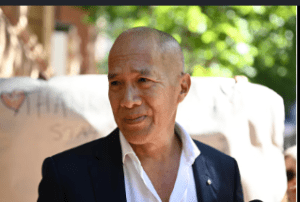
His career beginnings followed the traditional path of rigorous medical training, but his early decisions revealed a preference for complex, high-risk neurosurgical cases. Establishing himself in Sydney, Teo quickly gained a reputation for tackling tumors deemed inoperable by others. His approach, marked by bold surgical decision-making, set him apart within the neurosurgical community and drew both admiration and scrutiny.
The breakthrough phase of Teo’s career came through his willingness to operate on patients with limited treatment options, often achieving outcomes that challenged established expectations. His work attracted international attention, positioning him as a specialist in complex brain tumor surgery. At the same time, his unconventional methods and outspoken views on medical conservatism placed him at the center of professional debate.
Teo’s legacy is defined by both innovation and controversy. He has reshaped conversations around surgical risk, patient autonomy, and the limits of medical intervention. His influence extends beyond clinical outcomes into ethical discourse, making him one of the most impactful and polarizing figures in Australian neurosurgery.
Key Facts
- Full name of the subject: Dr. Charlie Teo
- Date of birth: Not publicly disclosed
- Place of birth: Australia
- Family background: Multicultural family with strong educational values
- Early childhood experiences: High academic achievement and curiosity
- Education history: Medical degree and neurosurgical training in Australia
- Influences and mentors: Senior neurosurgeons and international specialists
- Career beginnings: Neurosurgical practice focusing on complex cases
- Major achievements: Renowned for operating on high-risk brain tumors
- Challenges and obstacles faced: Professional scrutiny and regulatory challenges
- Turning points in life: Rise to international recognition and public attention
- Contributions to society: Expanded treatment possibilities for difficult cases
- Personal life (marriage, children, relationships): Publicly known family life
- Awards and recognitions: Recognized globally for neurosurgical work
- Beliefs, values, or philosophy: Patient choice and pushing surgical boundaries
- Legacy and impact: Redefined discussions on neurosurgical risk-taking
- Historical or cultural significance: One of Australia’s most debated surgeons
Notable Works: Complex brain tumor surgeries, international neurosurgical consultations
Controversies:
A major controversy involving Dr. Teo centers on regulatory restrictions placed on his surgical practice following concerns about patient outcomes and informed consent processes. The issue emerged within Australia’s medical regulatory framework, involving the Medical Board, healthcare institutions, patients, and the broader public. Critics raised concerns regarding the risks associated with high-complexity surgeries and whether patients were adequately informed of potential outcomes, while Teo and his supporters argued that he provided hope to patients with otherwise limited options. Official findings confirmed that regulatory bodies imposed conditions on his practice, reflecting concerns about clinical governance rather than criminal wrongdoing. The impact significantly affected his ability to operate within certain jurisdictions and intensified public debate about medical innovation versus patient safety. Additional discussions have also touched on his outspoken criticism of conservative medical practices, further contributing to his polarizing public image.
5. Mr. Brendan O’Brien
Mr. Brendan O’Brien’s career reflects a steady and disciplined progression within Australian neurosurgery, characterized by clinical precision and institutional contribution. His early life was grounded in a strong academic environment that encouraged intellectual pursuit and professional ambition. From a young age, he demonstrated a clear inclination toward science and problem-solving, ultimately leading him into medicine.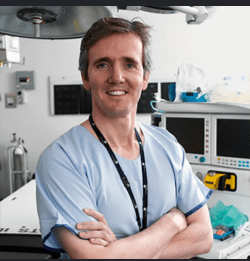
His early career was defined by extensive neurosurgical training and the gradual development of expertise across a range of neurological conditions. Establishing himself in Melbourne, O’Brien became known for his work in both cranial and spinal neurosurgery. His approach emphasized reliability, technical proficiency, and a commitment to patient care, allowing him to build a strong professional reputation.
A key phase in O’Brien’s career came through his contributions to hospital-based neurosurgical services. By participating in both clinical practice and departmental development, he helped strengthen neurosurgical capacity within his institution. His work reflects a broader commitment to sustaining high standards within public healthcare systems.
O’Brien’s legacy lies in his consistency and dedication to the fundamentals of neurosurgery. While not defined by high-profile breakthroughs, his impact is evident in the stability and quality of care he has provided over the course of his career. He represents the essential backbone of clinical excellence within the field.
Key Facts
- Full name of the subject: Mr. Brendan O’Brien
- Date of birth: Not publicly disclosed
- Place of birth: Australia
- Family background: Education-focused upbringing
- Early childhood experiences: Interest in science and medicine
- Education history: Medical and neurosurgical training in Australia
- Influences and mentors: Senior neurosurgical practitioners
- Career beginnings: Hospital-based neurosurgical practice
- Major achievements: Contributions to clinical neurosurgery
- Challenges and obstacles faced: Managing complex surgical demands
- Turning points in life: Establishment within Melbourne’s medical system
- Contributions to society: Consistent delivery of neurosurgical care
- Personal life (marriage, children, relationships): Private
- Awards and recognitions: Institutional recognition
- Beliefs, values, or philosophy: Precision and reliability in medicine
- Legacy and impact: Contributor to sustained clinical excellence
- Historical or cultural significance: Represents foundational healthcare practice
Notable Works: Cranial and spinal neurosurgery, hospital service development
Controversies:
There are no widely documented major controversies directly associated with Mr. Brendan O’Brien. Any discussions referencing his work typically relate to broader systemic issues within public healthcare, including surgical wait times and resource allocation. These matters involve institutional frameworks rather than individual accountability. Verified information indicates that his professional record remains consistent with established standards, with no formal disputes or disciplinary actions publicly reported.
6. Professor Richard Bittar
Professor Richard Bittar’s career is distinguished by innovation at the intersection of neurosurgery and neuroscience. His early life reflected a strong intellectual foundation, shaped by curiosity about the brain and its complex functions. This early interest led him into medicine, where he pursued neurosurgery with a particular focus on functional and stereotactic procedures.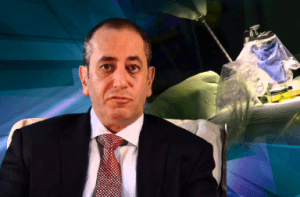
His career beginnings were marked by intensive training and early involvement in research, particularly in movement disorders and pain management. Establishing his practice in Melbourne, Bittar became known for his expertise in deep brain stimulation and related technologies. His early work demonstrated a commitment to integrating scientific discovery with clinical application.
The breakthrough phase of Bittar’s career came through his contributions to neuromodulation techniques. By advancing the use of deep brain stimulation for conditions such as Parkinson’s disease and chronic pain, he helped expand the scope of neurosurgical treatment. His work positioned him as a leader in functional neurosurgery, influencing both clinical practice and research directions.
Bittar’s legacy is defined by his role in advancing the boundaries of neurosurgical intervention. His contributions have reshaped how neurological conditions are managed, emphasizing innovation and interdisciplinary collaboration. He remains a key figure in the evolution of modern neurosurgery in Australia.
Key Facts
- Full name of the subject: Professor Richard Bittar
- Date of birth: Not publicly disclosed
- Place of birth: Australia
- Family background: Academically supportive environment
- Early childhood experiences: Interest in neuroscience and medicine
- Education history: Medical degree and neurosurgical specialization
- Influences and mentors: Leaders in functional neurosurgery
- Career beginnings: Research-focused neurosurgical practice
- Major achievements: Advancement of deep brain stimulation techniques
- Challenges and obstacles faced: Complexity of experimental treatments
- Turning points in life: Leadership in neuromodulation research
- Contributions to society: Improved treatment for neurological disorders
- Personal life (marriage, children, relationships): Private
- Awards and recognitions: Recognized in neurosurgical and research communities
- Beliefs, values, or philosophy: Innovation through science
- Legacy and impact: Leader in functional neurosurgery
- Historical or cultural significance: Contributor to neurosurgical innovation
Notable Works: Deep brain stimulation research, functional neurosurgery advancements
Controversies:
A notable controversy involving Professor Bittar relates to professional disciplinary proceedings concerning allegations of inappropriate conduct within a clinical setting. The issue emerged through formal complaints reviewed by regulatory bodies, involving healthcare institutions, oversight authorities, and the medical community. Critics raised concerns regarding professional boundaries and workplace conduct, while Bittar contested aspects of the allegations during the review process. Verified outcomes indicate that disciplinary action was taken by relevant authorities, reflecting established professional standards. The impact of the case affected his professional standing and prompted broader discussions about ethics and conduct within medical practice. Additional discourse has focused on institutional accountability and the mechanisms for addressing such concerns within healthcare systems.
7. Dr. Graeme Brazenor
Dr. Graeme Brazenor’s career represents a long-standing commitment to neurosurgical excellence and academic contribution. His early life was characterized by a strong educational foundation and an interest in scientific inquiry. These formative experiences guided him toward medicine, where he pursued neurosurgery with dedication and focus.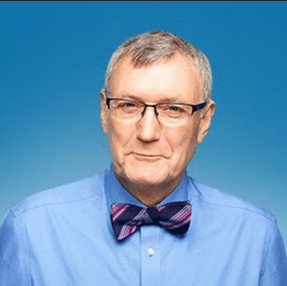
His early career involved comprehensive training and the development of expertise across a wide range of neurosurgical procedures. Practicing in Melbourne, Brazenor became known for his work in spinal surgery and complex neurological conditions. His approach combined technical skill with a commitment to patient care, establishing him as a respected figure within the medical community.
A significant phase in his career came through his involvement in academic medicine and professional leadership. By contributing to neurosurgical education and institutional development, he helped shape the next generation of practitioners. His work extended beyond the operating room into broader contributions to the field.
Brazenor’s legacy is defined by his sustained influence on both clinical practice and medical education. His contributions reflect a balance between hands-on surgical care and the advancement of neurosurgical knowledge. He remains a key figure in the development of Australian neurosurgery.
Key Facts
- Full name of the subject: Dr. Graeme Brazenor
- Date of birth: Not publicly disclosed
- Place of birth: Australia
- Family background: Education-focused upbringing
- Early childhood experiences: Interest in science and medicine
- Education history: Medical and neurosurgical training
- Influences and mentors: Senior neurosurgeons and educators
- Career beginnings: Clinical neurosurgical practice
- Major achievements: Contributions to spinal neurosurgery and education
- Challenges and obstacles faced: Complex surgical demands
- Turning points in life: Leadership in academic medicine
- Contributions to society: Training and mentorship of neurosurgeons
- Personal life (marriage, children, relationships): Private
- Awards and recognitions: Recognized within medical institutions
- Beliefs, values, or philosophy: Commitment to education and care
- Legacy and impact: Influential in neurosurgical training
- Historical or cultural significance: Contributor to medical education systems
Notable Works: Spinal neurosurgery, academic leadership, mentorship
Controversies:
There are no widely documented major controversies directly associated with Dr. Graeme Brazenor. Discussions referencing his work generally relate to broader systemic challenges in neurosurgical service delivery, including resource allocation and training demands. These issues involve institutional stakeholders rather than individual accountability. Verified information indicates that his professional career has remained aligned with established medical standards, with no formal disputes or disciplinary actions publicly reported.
8. Mr. Paul D. Smith
Mr. Paul D. Smith’s professional journey in neurosurgery is defined by technical discipline, structured clinical development, and long-term contribution to surgical services in Melbourne. His early life was shaped by a strong academic environment where analytical thinking and scientific curiosity were encouraged. From an early stage, he demonstrated an interest in biology and problem-solving, which later evolved into a pursuit of medicine.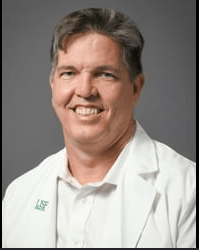
His career beginnings followed the traditional pathway of rigorous medical training and competitive neurosurgical specialization. During his early professional years, Smith focused on building competence in both cranial and spinal neurosurgery. Practicing within Melbourne’s hospital system, he developed a reputation for careful surgical planning, steady execution, and consistency in patient care outcomes.
A defining phase in his career came through his involvement in strengthening neurosurgical service delivery within public hospital frameworks. His work contributed to improving surgical workflow efficiency and supporting multidisciplinary care teams managing complex neurological cases. Rather than being associated with singular breakthroughs, his impact is reflected in sustained system-level improvements and clinical dependability.
Smith’s legacy lies in his role as a stabilizing force within neurosurgical practice. His contributions highlight the importance of consistency, precision, and institutional reliability in a field often associated with high complexity and risk. He represents the essential clinical backbone of Australian neurosurgery.
Key Facts
- Full name of the subject: Mr. Paul D. Smith
- Date of birth: Not publicly disclosed
- Place of birth: Australia
- Family background: Academically supportive upbringing
- Early childhood experiences: Interest in science and structured learning
- Education history: Medical degree and neurosurgical training in Australia
- Influences and mentors: Senior neurosurgical consultants in Melbourne
- Career beginnings: Hospital-based neurosurgical practice
- Major achievements: Contributions to clinical workflow and neurosurgical care delivery
- Challenges and obstacles faced: High-demand surgical environments and resource constraints
- Turning points in life: Transition into senior clinical roles
- Contributions to society: Reliable neurosurgical service in public healthcare
- Personal life (marriage, children, relationships): Private
- Awards and recognitions: Institutional acknowledgment within hospital systems
- Beliefs, values, or philosophy: Precision, discipline, and patient safety
- Legacy and impact: Strengthened continuity of neurosurgical care delivery
- Historical or cultural significance: Represents foundational hospital-based neurosurgery
Notable Works: Cranial and spinal neurosurgical care, hospital service improvement initiatives
Controversies:
There are no widely documented major controversies directly associated with Mr. Paul D. Smith. Any discussions related to his professional environment typically arise from broader systemic pressures within public healthcare, such as surgical demand, resource allocation, and waiting list management. These issues involve institutional policy frameworks rather than individual professional conduct. Verified information indicates no disciplinary findings or formal disputes connected to his clinical practice, and his career remains characterized by steady institutional contribution.
9. Dr. David Oehme
Dr. David Oehme’s career reflects a modern, research-informed approach to neurosurgery, shaped by both academic excellence and clinical innovation. His early life was marked by strong academic performance and a developing interest in biomedical science. This foundation guided him toward a medical career where he could combine scientific inquiry with surgical precision.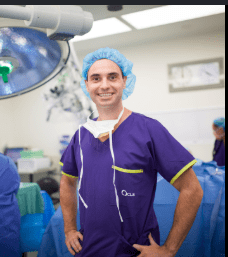
His early career involved extensive neurosurgical training, with a focus on spinal disorders and minimally invasive techniques. Establishing himself in Melbourne, Oehme became known for integrating advanced surgical technologies into clinical practice. His early work demonstrated a strong commitment to improving patient recovery times and reducing surgical risk.
A major breakthrough in his career came through his involvement in minimally invasive spine surgery and motion-preserving technologies. By contributing to the evolution of less invasive surgical techniques, he helped shift neurosurgical practice toward approaches that prioritize recovery, mobility, and long-term quality of life. His work has been closely aligned with advancements in surgical instrumentation and imaging.
Oehme’s legacy is defined by innovation in spinal neurosurgery and his role in modernizing surgical approaches. His contributions reflect a shift toward precision-based, technology-driven neurosurgery. He continues to influence both clinical practice and surgical education within Australia.
Key Facts
- Full name of the subject: Dr. David Oehme
- Date of birth: Not publicly disclosed
- Place of birth: Australia
- Family background: Education-oriented family environment
- Early childhood experiences: Interest in science and technology
- Education history: Medical degree and neurosurgical specialization
- Influences and mentors: Spine surgery pioneers and academic surgeons
- Career beginnings: Neurosurgical practice in Melbourne
- Major achievements: Advancement of minimally invasive spine surgery
- Challenges and obstacles faced: Adoption of new surgical technologies in clinical settings
- Turning points in life: Focus on motion-preserving spinal techniques
- Contributions to society: Improved recovery outcomes in spinal surgery
- Personal life (marriage, children, relationships): Private
- Awards and recognitions: Recognized in academic and clinical neurosurgery circles
- Beliefs, values, or philosophy: Innovation with patient-centered outcomes
- Legacy and impact: Contributor to modern spinal neurosurgery techniques
- Historical or cultural significance: Part of technological evolution in surgery
Notable Works: Minimally invasive spine surgery, motion-preserving surgical techniques
Controversies:
There are no widely documented major controversies directly associated with Dr. David Oehme. Discussions in his field primarily relate to broader debates around the adoption of new surgical technologies in spine surgery, including cost-effectiveness, training requirements, and long-term outcome validation. These debates involve medical institutions, device manufacturers, and regulatory frameworks rather than individual practitioners. Verified information indicates that Oehme’s clinical practice remains aligned with accepted professional standards, with no formal disciplinary actions reported.
10. A/Prof Lindy Jeffree
Associate Professor Lindy Jeffree’s career stands at the intersection of clinical neurosurgery, academic leadership, and medical education. Her early life was shaped by a strong academic environment that encouraged scientific curiosity and intellectual discipline. From an early age, she demonstrated a commitment to understanding complex biological systems, which ultimately guided her into medicine.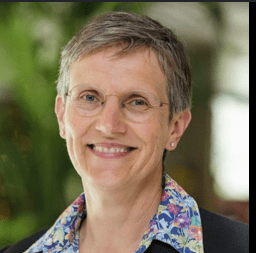
Her early career involved rigorous neurosurgical training, followed by specialization in both cranial and spinal procedures. Establishing her practice in Brisbane, Jeffree became known for her work in complex neurosurgical oncology and skull base surgery. Her clinical approach is characterized by precision, careful planning, and a strong emphasis on multidisciplinary collaboration.
A defining breakthrough in her career has been her leadership in neurosurgical oncology services and her contributions to academic medicine. She has played a significant role in training future neurosurgeons while also contributing to clinical research and surgical innovation. Her work has helped refine treatment strategies for brain tumors and complex neurological conditions.
Jeffree’s legacy is defined by her dual impact as a surgeon and educator. She represents a modern model of neurosurgical leadership, where clinical excellence is matched by academic contribution and mentorship. Her influence continues to shape both patient care and medical training in Australia.
Key Facts
- Full name of the subject: A/Prof Lindy Jeffree
- Date of birth: Not publicly disclosed
- Place of birth: Australia
- Family background: Academically supportive environment
- Early childhood experiences: Interest in science and medicine
- Education history: Medical degree and neurosurgical specialization
- Influences and mentors: Neurosurgical oncology and academic leaders
- Career beginnings: Neurosurgical practice in Brisbane
- Major achievements: Leadership in neurosurgical oncology and education
- Challenges and obstacles faced: Managing complex brain tumor cases
- Turning points in life: Appointment to academic leadership roles
- Contributions to society: Advancement of brain tumor treatment and surgical education
- Personal life (marriage, children, relationships): Private
- Awards and recognitions: Recognized within academic and medical institutions
- Beliefs, values, or philosophy: Integration of education, research, and patient care
- Legacy and impact: Influential in neurosurgical oncology and training
- Historical or cultural significance: Contributor to modern academic neurosurgery
Notable Works: Brain tumor surgery, neurosurgical education, oncology research
Controversies:
There are no widely documented major controversies directly associated with A/Prof Lindy Jeffree. Any discussions relevant to her field generally relate to systemic challenges in neurosurgical oncology, including treatment access, resource allocation, and evolving cancer care protocols. These matters involve hospital systems and healthcare policy frameworks rather than individual conduct. Verified information indicates no disciplinary actions or formal disputes linked to her professional practice, and her reputation remains grounded in academic and clinical leadership.
Notable Mentions:
Dr. Craig Winter
Dr. Scott Campbell
Dr. Jason Papacostas
Dr. Norman Ma
Dr. Hamish Alexander
Dr. Santosh Poonnoose
Dr. Amal Abou-Hamden
Dr. Stephen Santoreneos
Professor Christopher Lind
Dr. Sharon Noake