
Top 10 Hollywood Actors Who Faced Major Legal Convictions and Scandals (Verified Cases Only)
Top 10 Hollywood Actors Who Faced Major Legal Convictions and Scandals (Verified Cases Only)
In This Content
Quick List
Robert Downey Jr.
Wesley Snipes
Winona Ryder
Felicity Huffman
Lori Loughlin
Danny Masterson
Tim Allen
Michelle Rodriguez
Kiefer Sutherland
Bill Cosby
1. Robert Downey Jr.
Robert Downey Jr. occupies a rare space in Hollywood history where artistic brilliance and personal self-destruction became inseparably intertwined before ultimately transforming into one of the most celebrated redemption arcs in modern entertainment. Born into an artistic household, Downey was exposed to the film industry at an early age through his father, Robert Downey Sr., an experimental filmmaker. This environment shaped both his creative instincts and his early vulnerability to the pressures of fame. His early life was marked by instability, particularly due to early exposure to drugs, which later became central to his public struggles.
His career began with promising performances in the 1980s, where his natural charisma and emotional intelligence set him apart from his peers. He gained critical attention in films such as Less Than Zero, where his portrayal of a drug-addicted young man eerily mirrored his real-life trajectory. By the mid-1990s, Downey had established himself as one of Hollywood’s most gifted actors, earning an Academy Award nomination for Chaplin, where his transformation into Charlie Chaplin demonstrated extraordinary range and discipline.
However, his rising success was repeatedly disrupted by a series of drug-related arrests and legal issues between the late 1990s and early 2000s. These incidents led to incarceration, court-ordered rehabilitation, and multiple violations of probation. His career collapsed under the weight of repeated substance abuse, making him one of Hollywood’s most public examples of talent derailed by addiction. Despite this, Downey’s persistence in recovery eventually led to a carefully managed return to acting.
His breakthrough resurgence came with Iron Man in 2008, where he redefined his public identity and became the cornerstone of one of the most successful film franchises in history. His transformation from troubled actor to global box-office leader is widely cited as one of Hollywood’s most remarkable comebacks. Today, Downey’s legacy is defined not only by his artistic achievements but also by his symbolic representation of recovery, resilience, and reinvention in the entertainment industry.
Key Facts
- Full name of the subject: Robert John Downey Jr.
- Date of birth: April 4, 1965
- Place of birth: New York City, New York, USA
- Family background: Son of filmmaker Robert Downey Sr. and actress Elsie Ford
- Early childhood experiences: Early exposure to acting and substance use environment
- Education history: Dropped out of Santa Monica High School
- Influences and mentors: Robert Downey Sr., acting peers in 1980s Hollywood
- Career beginnings: Child actor in father’s films
- Major achievements: Iron Man franchise, Academy Award nomination for Chaplin
- Challenges and obstacles faced: Drug addiction, incarceration, career collapse
- Turning points in life: Court-ordered rehabilitation and 2003 recovery phase
- Contributions to society: Public advocacy for addiction recovery through example
- Personal life (marriage, children, relationships): Married to Susan Downey; father of three
- Awards and recognitions: Golden Globe Award, BAFTA nomination, multiple ensemble awards
- Beliefs, values, or philosophy: Reinvention, accountability, disciplined recovery
- Legacy and impact: Symbol of Hollywood redemption narrative
- Historical or cultural significance: Reframed public perception of addiction and recovery in celebrity culture
Notable Works: Iron Man, Sherlock Holmes, Chaplin, Avengers: Endgame, Less Than Zero
Controversies:
The primary legal controversy surrounding Robert Downey Jr. stems from a series of drug possession and probation violation cases during the late 1990s and early 2000s. The issue was a pattern of repeated arrests for narcotics-related offenses, including possession of heroin, cocaine, and marijuana, alongside violations of court-mandated rehabilitation terms. These incidents occurred during a period when Downey’s addiction escalated publicly, drawing intense media scrutiny and legal intervention from California authorities.
The background to these events lies in a prolonged struggle with substance abuse that began in adolescence and intensified as his fame grew. The legal system became increasingly involved as Downey failed to comply with probation requirements, resulting in multiple incarcerations, including time in state prison. The case involved law enforcement agencies, the California court system, and probation officers overseeing his rehabilitation conditions.
Public perception at the time was sharply divided. While authorities emphasized repeated legal non-compliance, supporters and industry colleagues pointed to addiction as a medical condition requiring treatment rather than punishment alone. Downey himself consistently acknowledged responsibility while emphasizing recovery efforts.
Verified court records confirm multiple convictions and probation violations during this period. However, these legal outcomes are now historically contextualized within addiction treatment frameworks that were less developed at the time.
The impact on his career was severe, leading to blacklisting from major studios and loss of insurance coverage for film productions. Nevertheless, this period ultimately set the stage for one of Hollywood’s most significant recovery narratives.
2. Wesley Snipes
Wesley Snipes emerged as one of the most dynamic and physically commanding actors of the late 20th century, redefining action cinema through a blend of martial arts discipline, dramatic depth, and screen intensity. Born in Orlando, Florida, Snipes developed an early interest in performance and physical training, eventually studying at the State University of New York at Purchase, where his formal acting education began. His early exposure to theater provided the foundation for a career that would later span action, drama, and cultural representation.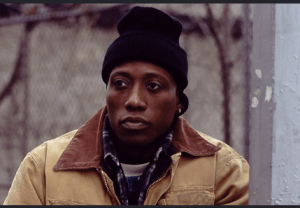
His career began with stage work and supporting film roles in the 1980s, but he quickly rose to prominence through films such as New Jack City, where his portrayal of Nino Brown became iconic in crime cinema. His breakthrough into global stardom came with action films like Passenger 57 and the Blade trilogy, which solidified his reputation as a leading action star and helped elevate superhero cinema before the modern Marvel era.
Despite his success, Snipes became entangled in a major federal tax evasion case that significantly altered his public and professional standing. His legal troubles centered on allegations that he failed to file federal income tax returns over multiple years, leading to a high-profile prosecution by U.S. authorities. The case became one of the most prominent celebrity tax prosecutions of its time.
His conviction resulted in a prison sentence, which he served in federal custody. The legal proceedings involved the Internal Revenue Service, federal prosecutors, and extensive courtroom litigation over tax obligations and compliance interpretations. Snipes maintained that he was misled regarding tax law interpretations, though the court ultimately rejected his defense.
The impact on his career was substantial, halting his Hollywood momentum during a peak period. However, he later returned to acting in supporting roles, gradually rebuilding his presence in the industry. His legacy remains defined by both his cultural impact on action cinema and his role in one of Hollywood’s most widely publicized tax cases.
Key Facts
- Full name of the subject: Wesley Trent Snipes
- Date of birth: July 31, 1962
- Place of birth: Orlando, Florida, USA
- Family background: Raised in a working-class family
- Early childhood experiences: Early training in martial arts and performing arts
- Education history: SUNY Purchase College (Theater Arts)
- Influences and mentors: Martial arts instructors, theater professors
- Career beginnings: Theater and minor film roles in the 1980s
- Major achievements: Blade trilogy, New Jack City
- Challenges and obstacles faced: Federal tax evasion prosecution
- Turning points in life: Federal conviction and imprisonment
- Contributions to society: Representation of Black leads in action cinema
- Personal life (marriage, children, relationships): Married with children (private family life)
- Awards and recognitions: Hollywood Walk of Fame star
- Beliefs, values, or philosophy: Discipline, martial arts philosophy, resilience
- Legacy and impact: Pioneer of modern superhero-action hybrid roles
- Historical or cultural significance: Precursor to modern superhero film industry success
Notable Works: Blade, New Jack City, White Men Can’t Jump, Demolition Man
Controversies:
The central controversy in Wesley Snipes’ career was his federal prosecution for tax evasion related to failure to file income tax returns over multiple years. The issue involved allegations that Snipes willfully failed to comply with U.S. tax obligations despite earning substantial income from film projects.
The background of the case involved a broader federal crackdown on tax avoidance schemes among high-income individuals. Prosecutors argued that Snipes had been warned repeatedly about filing obligations and had engaged in deliberate non-compliance. The defense maintained that he relied on professional interpretations of tax law and believed he was not legally required to file returns in the manner alleged.
Key stakeholders included the Internal Revenue Service, the U.S. Department of Justice, Snipes’ legal team, and federal courts overseeing the trial and sentencing process. The case also attracted significant media attention due to Snipes’ celebrity status and the financial magnitude of the allegations.
Court rulings ultimately found Snipes guilty on misdemeanor counts of failing to file tax returns, resulting in a prison sentence. While he was acquitted of more severe felony charges, the conviction itself was upheld and served.
The consequences included imprisonment, financial penalties, and a prolonged absence from leading Hollywood roles. However, Snipes later returned to acting, and his case remains widely referenced in discussions of celebrity tax enforcement and legal compliance.
3. Winona Ryder
Winona Ryder rose to prominence as one of the defining actresses of the late 1980s and 1990s, known for her emotionally nuanced performances and ability to portray introspective, culturally resonant characters. Born in Minnesota and raised in a creative household, Ryder developed an early interest in literature, film, and countercultural expression, which shaped her artistic identity.
Her early career began with breakthrough roles in Beetlejuice and Heathers, where she quickly established herself as a distinctive voice in Hollywood’s evolving portrayal of youth and outsider identity. By the 1990s, she had become one of the most recognized actresses of her generation, starring in critically acclaimed films such as Little Women and Girl, Interrupted.
Her legal controversy emerged in the early 2000s when she was arrested for shoplifting from a luxury department store in Beverly Hills. The incident became a major media event, as Ryder was at the height of her fame. The case involved allegations of theft and possession of prescription medications without valid authorization.
The legal proceedings included law enforcement investigation, retail security testimony, and court hearings that ultimately resulted in a conviction. Ryder was sentenced to probation, community service, and fines.
Public reaction was deeply divided, with discussions focusing on celebrity accountability, mental health, and media scrutiny. Ryder later addressed the incident as a turning point in her life, after which she stepped away from acting temporarily before eventually returning to critical acclaim in later years.
Her legacy today is defined by both her artistic influence and her symbolic representation of early-2000s celebrity media culture.
Key Facts
- Full name of the subject: Winona Laura Horowitz (Winona Ryder)
- Date of birth: October 29, 1971
- Place of birth: Winona, Minnesota, USA
- Family background: Daughter of authors and archivists
- Early childhood experiences: Intellectual, artistic upbringing
- Education history: Attended American Conservatory Theater training
- Influences and mentors: Independent filmmakers, theater mentors
- Career beginnings: Breakout role in Lucas and Beetlejuice
- Major achievements: Academy Award nomination for Little Women
- Challenges and obstacles faced: Shoplifting conviction and media scrutiny
- Turning points in life: 2001 arrest and subsequent hiatus
- Contributions to society: Advocacy for mental health awareness
- Personal life (marriage, children, relationships): Long-term relationship with Scott Mackinlay Hahn
- Awards and recognitions: Golden Globe Awards, Screen Actors Guild recognition
- Beliefs, values, or philosophy: Individualism, artistic authenticity
- Legacy and impact: Icon of 1990s youth cinema
- Historical or cultural significance: Central figure in celebrity media ethics discourse
Notable Works: Beetlejuice, Heathers, Little Women, Edward Scissorhands, Stranger Things
Controversies:
The primary legal controversy involving Winona Ryder was her 2001 arrest for shoplifting in Beverly Hills, where she was accused of stealing merchandise from a luxury retail store. The issue centered on allegations of theft and unauthorized possession of goods, which led to criminal prosecution.
The background of the incident occurred during a period when Ryder was already experiencing reduced public visibility after years of intense fame. Prosecutors argued that surveillance evidence and recovered items supported theft charges, while the defense raised questions about psychological stress and medication use at the time.
Key stakeholders included the Beverly Hills Police Department, retail security personnel, the Los Angeles County District Attorney’s Office, and Ryder’s legal defense team. Media organizations also played a significant role in amplifying public attention.
The court ultimately convicted Ryder, resulting in probation, fines, community service, and mandatory counseling. While the case was legally concluded, public interpretation remained divided regarding intent and personal circumstances.
The impact on her career was immediate, leading to a major hiatus from high-profile film roles. However, her later return to acting, particularly in television, re-established her as a respected figure in contemporary entertainment.
4. Felicity Huffman
Felicity Huffman built her reputation as one of the most disciplined and theatrically grounded performers of her generation, known for bringing emotional precision and controlled intensity to both stage and screen. Born in New York into a well-connected family, Huffman was exposed early to a cultured environment that valued education and the arts. Her early interest in performance led her to study at the Royal Academy of Dramatic Art in London, where she developed a classical approach to acting that would later define her career.
Her career began in theater, where she earned respect for her versatility before transitioning into television and film. Huffman gained widespread recognition through ensemble roles, but her defining breakthrough came with the television series Desperate Housewives, where her portrayal of Lynette Scavo combined domestic realism with emotional complexity. The role earned her critical acclaim and established her as a leading figure in American television drama.
Despite her success, Huffman became a central figure in the 2019 U.S. college admissions scandal, one of the most widely publicized celebrity legal cases in recent history. The controversy involved allegations that she paid to facilitate her daughter’s college entrance exam results through fraudulent means. Federal authorities described the case as part of a broader scheme involving bribery and academic fraud orchestrated through intermediaries.
Huffman pleaded guilty to conspiracy charges, acknowledging her role in the scheme. She was sentenced to a short prison term, supervised release, community service, and financial penalties. The case sparked national debate about privilege, educational inequality, and the integrity of admissions systems.
Her legacy remains complex: professionally respected for her craft, but publicly associated with one of the most scrutinized admissions scandals in modern U.S. legal history.
Key Facts
- Full name of the subject: Felicity Kendall Huffman
- Date of birth: December 9, 1962
- Place of birth: Bedford, New York, USA
- Family background: Affluent family with business and social connections
- Early childhood experiences: Privileged educational and artistic exposure
- Education history: Royal Academy of Dramatic Art (RADA), London
- Influences and mentors: Classical theater instructors and stage directors
- Career beginnings: Theater and supporting television roles
- Major achievements: Emmy Award for Desperate Housewives
- Challenges and obstacles faced: Federal conviction in college admissions scandal
- Turning points in life: 2019 guilty plea and sentencing
- Contributions to society: Advocacy work in theater and education (prior to scandal)
- Personal life (marriage, children, relationships): Married to William H. Macy; two daughters
- Awards and recognitions: Primetime Emmy Award, Golden Globe nominations
- Beliefs, values, or philosophy: Artistic discipline, later public accountability
- Legacy and impact: Central figure in modern discussions on privilege in education
- Historical or cultural significance: Key personality in exposing systemic admissions fraud
Notable Works: Desperate Housewives, Transamerica, Sports Night, American Crime
Controversies:
The primary controversy involving Felicity Huffman centered on her participation in the 2019 U.S. college admissions bribery scheme. The issue involved allegations that she paid for assistance in artificially improving her daughter’s standardized test scores.
The background of the case emerged from a federal investigation into widespread corruption in elite college admissions, where wealthy parents allegedly used intermediaries to manipulate admissions processes. Huffman was accused of coordinating payments through a consultant to facilitate academic fraud.
Key stakeholders included the Federal Bureau of Investigation, the U.S. Department of Justice, university admissions officials, and co-defendants involved in the scheme. The case also drew significant media attention due to its implications for educational equity.
Huffman pleaded guilty to conspiracy charges, resulting in a prison sentence, supervised release, community service, and financial penalties. The court emphasized the breach of trust involved in undermining standardized admissions systems.
The impact on her career included reputational damage and a temporary withdrawal from public acting roles, though she later returned gradually to smaller projects.
5. Lori Loughlin
Lori Loughlin established herself as a prominent figure in American family entertainment, particularly known for her wholesome screen persona that contrasted sharply with her later legal troubles. Born in Queens, New York, and raised in a suburban environment, Loughlin developed an early interest in modeling and acting, entering the entertainment industry as a teenager.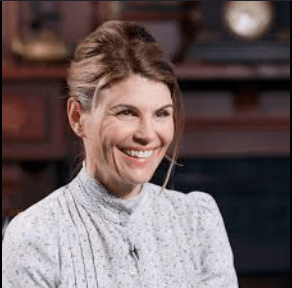
Her early career involved modeling and small television roles, but she achieved widespread recognition through her role as Aunt Becky in the long-running sitcom Full House. The character became culturally iconic, cementing her status as a staple of 1990s family television. She later continued her television career in series such as When Calls the Heart, maintaining a strong presence in family-oriented programming.
Loughlin’s public image was significantly altered by her involvement in the same 2019 college admissions scandal that implicated Felicity Huffman. In her case, allegations centered on paying substantial sums to secure her daughters’ admission into a prestigious university through fraudulent athletic recruitment claims.
Unlike some co-defendants, Loughlin initially contested the charges before later accepting a plea agreement. She was sentenced to prison time, supervised release, fines, and community service. The case drew widespread public attention due to the contrast between her family-friendly public persona and the nature of the allegations.
Her legacy remains defined by both her long-standing television career and her association with one of the most prominent celebrity legal scandals in recent American history.
Key Facts
- Full name of the subject: Lori Anne Loughlin
- Date of birth: July 28, 1964
- Place of birth: Queens, New York, USA
- Family background: Middle-class American upbringing
- Early childhood experiences: Early modeling and commercial work
- Education history: Hauppauge High School, New York
- Influences and mentors: Television producers and early modeling agents
- Career beginnings: Modeling and minor television appearances
- Major achievements: Full House and When Calls the Heart
- Challenges and obstacles faced: College admissions fraud conviction
- Turning points in life: 2019 federal indictment and sentencing
- Contributions to society: Television family entertainment legacy
- Personal life (marriage, children, relationships): Married to Mossimo Giannulli; two daughters
- Awards and recognitions: TV ensemble recognition and fan awards
- Beliefs, values, or philosophy: Family-centered public persona
- Legacy and impact: Symbol of celebrity privilege controversy in education
- Historical or cultural significance: High-profile case in admissions reform debate
Notable Works: Full House, When Calls the Heart, Summerland
Controversies:
The central controversy involving Lori Loughlin was her participation in the 2019 college admissions scandal involving fraudulent university admissions practices. The issue concerned allegations that she and her husband paid significant sums to facilitate their daughters’ admission under false athletic credentials.
The background of the case involved a nationwide federal investigation into corrupt admissions practices at elite universities. Prosecutors alleged that Loughlin’s payments were routed through intermediaries who falsified athletic profiles and documentation.
Key stakeholders included the U.S. Department of Justice, university admissions officials, co-defendants, and private consultants involved in the scheme. The case also became a major media event due to its implications for educational fairness.
Loughlin initially contested the charges before later accepting a plea agreement, resulting in a prison sentence, supervised release, fines, and community service requirements. The court emphasized the integrity of academic admissions systems as central to the ruling.
The consequences included significant reputational damage and a temporary pause in her acting career, particularly in family-oriented television roles.
6. Danny Masterson
Danny Masterson rose to prominence as a television actor best known for his role in That ’70s Show, where his portrayal of Steven Hyde made him a recognizable figure in late 1990s and early 2000s American sitcom culture. Born in Long Island, New York, Masterson was introduced to the entertainment industry early through modeling and child acting work, supported by a family already connected to the arts.
His career began with commercial appearances and minor television roles before he secured his breakout role in That ’70s Show. The series became a cultural landmark, and Masterson’s character contributed significantly to its ensemble success. He later appeared in other television projects and maintained a presence in Hollywood through acting and business ventures.
Masterson’s career trajectory changed dramatically following multiple allegations of sexual assault spanning several years. These allegations led to a prolonged legal investigation involving law enforcement agencies and the Los Angeles County District Attorney’s Office. The case drew extensive media coverage and became part of broader public discussions on accountability in the entertainment industry.
After a lengthy trial process, Masterson was convicted on charges of forcible rape and sentenced to a substantial prison term. The proceedings included testimony from multiple witnesses and extensive legal examination of events dating back years.
His legacy is now largely defined by his criminal conviction and the broader industry reckoning with misconduct allegations.
Key Facts
- Full name of the subject: Daniel Peter Masterson
- Date of birth: March 13, 1976
- Place of birth: Long Island, New York, USA
- Family background: Entertainment-oriented family environment
- Early childhood experiences: Child modeling and acting
- Education history: Dropped out of high school to pursue acting
- Influences and mentors: Acting coaches and sitcom producers
- Career beginnings: Early television and commercial roles
- Major achievements: That ’70s Show
- Challenges and obstacles faced: Criminal conviction for sexual assault
- Turning points in life: Arrest, trial, and conviction
- Contributions to society: Early television entertainment work
- Personal life (marriage, children, relationships): Married to Bijou Phillips; one child
- Awards and recognitions: Ensemble recognition from That ’70s Show cast
- Beliefs, values, or philosophy: Not publicly emphasized post-trial
- Legacy and impact: Career overshadowed by criminal conviction
- Historical or cultural significance: Part of Hollywood accountability movement
Notable Works: That ’70s Show, The Ranch
Controversies:
The primary controversy involving Danny Masterson centers on multiple allegations of sexual assault involving incidents reported from the early 2000s. The issue involved claims that he engaged in non-consensual sexual conduct with multiple individuals.
The background of the case involved a lengthy investigation by law enforcement and the Los Angeles County District Attorney’s Office, complicated by jurisdictional challenges and the passage of time between alleged incidents and reporting. The case later proceeded to trial after years of legal proceedings.
Key stakeholders included alleged victims, prosecutors, defense attorneys, law enforcement agencies, and the Church of Scientology, which was also referenced during legal proceedings due to its alleged relevance in the case context.
The court ultimately convicted Masterson on charges of forcible rape, resulting in a prison sentence. The ruling followed a jury trial that examined extensive testimony and evidence.
The consequences included imprisonment, termination of industry ties, and permanent removal from active participation in mainstream Hollywood productions.
7. Tim Allen
Tim Allen built a career defined by observational humor, working-class relatability, and a distinctive comedic voice that resonated strongly with American television audiences. Born in Denver, Colorado, Allen experienced early tragedy with the death of his father, an event that shaped much of his comedic outlook and later storytelling style. Raised in Michigan, he developed a persona grounded in everyday working-class life experiences.
His career began in stand-up comedy, where his routines focused on masculinity, domestic life, and cultural commentary. His breakthrough came with the sitcom Home Improvement, which became one of the most successful television shows of the 1990s. Allen’s portrayal of Tim “The Toolman” Taylor made him a household name and led to a successful film career, including major roles in The Santa Clause and Toy Story franchises.
Allen’s legal issues date back to the late 1970s, prior to his mainstream success, when he was arrested and convicted on federal drug trafficking charges involving cocaine. He served prison time before entering rehabilitation and later rebuilding his career in entertainment.
His story is often discussed in the context of rehabilitation and second chances in the entertainment industry, as he successfully transitioned from a criminal conviction to sustained mainstream success.
Key Facts
- Full name of the subject: Timothy Alan Dick (Tim Allen)
- Date of birth: June 13, 1953
- Place of birth: Denver, Colorado, USA
- Family background: Middle-class upbringing in Michigan
- Early childhood experiences: Loss of father, relocation, formative hardship
- Education history: Western Michigan University
- Influences and mentors: Stand-up comedy circuit performers
- Career beginnings: Stand-up comedy in Detroit clubs
- Major achievements: Home Improvement, Toy Story franchise
- Challenges and obstacles faced: Federal drug trafficking conviction
- Turning points in life: Prison sentence and post-release career restart
- Contributions to society: Long-term entertainment contributions in television and film
- Personal life (marriage, children, relationships): Married to Jane Hajduk; children from previous marriage
- Awards and recognitions: Golden Globe Award for Home Improvement
- Beliefs, values, or philosophy: Humor rooted in working-class identity
- Legacy and impact: Major figure in 1990s American sitcom culture
- Historical or cultural significance: Example of post-conviction career rehabilitation in Hollywood
Notable Works: Home Improvement, The Santa Clause, Toy Story, Last Man Standing
Controversies:
The primary legal controversy involving Tim Allen was his 1978 arrest for federal drug trafficking charges involving cocaine distribution. The issue centered on allegations that he participated in the transportation and sale of controlled substances.
The background of the case occurred during a period of heightened federal enforcement of drug-related offenses in the United States. Allen was arrested after law enforcement investigations into narcotics distribution networks identified his involvement.
Key stakeholders included federal law enforcement agencies, the U.S. court system, and co-defendants involved in the broader drug operation. Allen ultimately cooperated with authorities, which influenced sentencing considerations.
He pleaded guilty to drug trafficking charges and served a prison sentence before being released. The conviction is officially documented and remains a legal fact in his early biography.
The impact on his life was significant, leading to incarceration but also marking a turning point after which he redirected his career toward stand-up comedy and ultimately mainstream entertainment success.
8. Michelle Rodriguez
Michelle Rodriguez emerged in Hollywood as a bold, physically commanding screen presence whose performances redefined the portrayal of women in action cinema. Born in San Antonio, Texas, and raised in a multicultural household, she experienced a geographically fragmented childhood that exposed her to different cultural environments. This background later informed her grounded, instinct-driven acting style and her preference for physically immersive roles rather than traditional Hollywood glamour.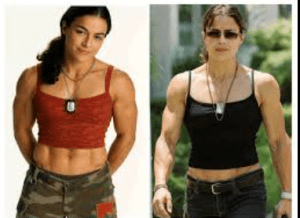
Her career began after a competitive casting selection for the independent film Girlfight, where her raw, untrained intensity became the defining feature of her breakout performance. The role earned her critical acclaim and positioned her as a new kind of action-drama lead one who brought realism and emotional volatility into physically demanding roles. She later achieved global recognition through the Fast & Furious franchise, which solidified her status as a cornerstone of modern action cinema.
Rodriguez’s legal issues primarily involved multiple DUI-related arrests and a hit-and-run case, which placed her under repeated probation and court supervision. These incidents occurred during periods when her public profile was rapidly expanding, creating heightened media scrutiny around her personal conduct.
Despite legal setbacks, she maintained her career momentum, continuing to appear in major franchise films while addressing her obligations to the court system. Her legacy remains defined by both her contribution to redefining female action roles and her complex public relationship with legal accountability.
Key Facts
- Full name of the subject: Mayte Michelle Rodriguez
- Date of birth: July 12, 1978
- Place of birth: San Antonio, Texas, USA
- Family background: Multicultural upbringing, raised by mother and extended family
- Early childhood experiences: Frequent relocation between countries
- Education history: Dropped out of high school, later completed GED
- Influences and mentors: Independent filmmakers, action choreographers
- Career beginnings: Breakthrough in Girlfight
- Major achievements: Fast & Furious franchise, Avatar
- Challenges and obstacles faced: DUI convictions and legal probation
- Turning points in life: Early legal troubles during rising fame
- Contributions to society: Representation of strong female action leads
- Personal life (marriage, children, relationships): Private personal relationships
- Awards and recognitions: Independent Spirit Award for Girlfight
- Beliefs, values, or philosophy: Authenticity, independence, physical realism in acting
- Legacy and impact: Redefined female presence in action cinema
- Historical or cultural significance: Early example of grounded female action protagonists
Notable Works: Girlfight, Fast & Furious series, Avatar, Lost
Controversies:
The primary legal controversy involving Michelle Rodriguez centers on multiple DUI incidents and a hit-and-run case. The issue involved allegations of driving under the influence of alcohol and violating court-ordered probation conditions.
The background of these incidents occurred during a period of increasing fame following her breakthrough roles. Law enforcement agencies in California and Hawaii were involved in separate arrests related to traffic violations and probation breaches.
Key stakeholders included local police departments, probation authorities, and the courts overseeing her sentencing conditions. Media coverage intensified due to her rising celebrity profile.
Rodriguez ultimately served short jail sentences and completed probation requirements. Court records confirm convictions related to DUI offenses and probation violations, though no long-term incarceration occurred.
The impact on her career was temporary but notable, with short pauses in production schedules. She later resumed acting in major franchises, maintaining a consistent presence in Hollywood action cinema.
9. Kiefer Sutherland
Kiefer Sutherland established himself as one of Hollywood’s most intense and versatile actors, known for his ability to portray emotionally complex and morally conflicted characters. Born in London to actors Donald Sutherland and Shirley Douglas, he was raised in a highly artistic environment that exposed him early to the discipline and demands of performance. His upbringing across Canada shaped his grounded yet emotionally expressive acting style.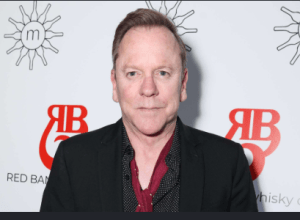
His career began in the 1980s with roles in films such as Stand by Me and The Lost Boys, where he quickly gained recognition for his ability to portray both vulnerability and menace. Over time, he transitioned into television dominance with his defining role as Jack Bauer in 24, a performance that became one of the most influential portrayals in modern television thriller history.
Sutherland’s legal issues include multiple DUI arrests, which led to probation, fines, and mandated alcohol education programs. These incidents occurred during periods of intense professional demand and public visibility, particularly during his peak television years.
Despite these challenges, Sutherland maintained his acting career and continued to receive critical acclaim for his television and film work. His legacy remains anchored in his portrayal of high-stakes dramatic characters and his influence on serialized television storytelling.
Key Facts
- Full name of the subject: Kiefer William Frederick Dempsey George Rufus Sutherland
- Date of birth: December 21, 1966
- Place of birth: London, England, United Kingdom
- Family background: Son of actor Donald Sutherland and actress Shirley Douglas
- Early childhood experiences: Raised in Canada in an artistic household
- Education history: St. Andrew’s College
- Influences and mentors: Family acting legacy, Canadian theater scene
- Career beginnings: Early film roles in the 1980s
- Major achievements: 24, Designated Survivor, The Lost Boys
- Challenges and obstacles faced: Multiple DUI convictions
- Turning points in life: Legal incidents during peak career phase
- Contributions to society: Contributions to television storytelling evolution
- Personal life (marriage, children, relationships): Multiple relationships; one daughter
- Awards and recognitions: Emmy Award for 24
- Beliefs, values, or philosophy: Discipline, emotional intensity in performance
- Legacy and impact: Defined modern action-thriller television format
- Historical or cultural significance: Influenced serialized TV pacing and structure
Notable Works: 24, The Lost Boys, Designated Survivor, A Few Good Men
Controversies:
The primary legal controversy involving Kiefer Sutherland involves multiple DUI arrests spanning different years. The issue centered on allegations of driving under the influence of alcohol and repeated violations of traffic and probation laws.
The background of these incidents occurred during periods of significant professional pressure, particularly while Sutherland was filming or promoting major television projects. Law enforcement agencies handled separate arrests, each resulting in legal proceedings and court-ordered penalties.
Key stakeholders included local police departments, courts in California, and probation authorities overseeing compliance with sentencing requirements. Media outlets also closely followed each incident due to his high-profile status.
Sutherland was convicted of DUI-related offenses and subjected to probation, fines, alcohol education programs, and temporary restrictions on driving privileges. No felony escalation resulted from the cases.
The impact on his career was limited, as he continued to secure major roles, particularly in television, maintaining a strong industry presence despite recurring personal legal challenges.
10. Bill Cosby
Bill Cosby was once regarded as one of the most influential figures in American television history, credited with reshaping the portrayal of Black family life in mainstream media. Born in Philadelphia, Pennsylvania, Cosby grew up in a working-class environment that deeply influenced his storytelling style. His early experiences in humor and public speaking eventually led him to pursue stand-up comedy, where he developed a clean, observational comedic voice that distinguished him from his contemporaries.
His career began in stand-up clubs before he transitioned into television and film. Cosby achieved early success in I Spy, becoming one of the first African American actors to star in a leading dramatic television role. His cultural impact reached its peak with The Cosby Show, which became one of the most successful sitcoms in television history and redefined representations of Black middle-class life in America.
Cosby’s legacy was later overshadowed by extensive legal allegations and criminal proceedings involving multiple accusations of sexual assault spanning several decades. These cases led to a high-profile trial and conviction in Pennsylvania.
Although his conviction was later vacated on procedural legal grounds by the Pennsylvania Supreme Court, he had already served time in prison prior to the reversal. The legal outcome remains one of the most controversial reversals in modern American criminal justice history.
His legacy is now deeply divided between groundbreaking cultural contributions and severe reputational collapse due to the allegations and legal proceedings.
Key Facts
- Full name of the subject: William Henry Cosby Jr.
- Date of birth: July 12, 1937
- Place of birth: Philadelphia, Pennsylvania, USA
- Family background: Working-class upbringing
- Early childhood experiences: Loss of sibling, disciplined household environment
- Education history: Temple University; earned doctorate in education
- Influences and mentors: Early stand-up comedy circuit, jazz culture
- Career beginnings: Stand-up comedy in the 1960s
- Major achievements: The Cosby Show, I Spy, cultural impact on television
- Challenges and obstacles faced: Criminal conviction and legal reversals
- Turning points in life: 2018 conviction and later legal vacatur
- Contributions to society: Pioneering Black representation in television
- Personal life (marriage, children, relationships): Married to Camille Cosby; five children
- Awards and recognitions: Multiple Emmy Awards, Presidential Medal of Freedom (later rescinded in public opinion contexts)
- Beliefs, values, or philosophy: Family-centered storytelling, educational advocacy
- Legacy and impact: Transformed American sitcom representation
- Historical or cultural significance: Central figure in media representation and subsequent accountability debates
Notable Works: The Cosby Show, I Spy, Fat Albert, Bill Cosby: Himself
Controversies:
The primary controversy involving Bill Cosby concerns multiple allegations of sexual assault spanning several decades. The issue involved claims from numerous individuals alleging non-consensual encounters and misconduct.
The background of the case included civil lawsuits, criminal investigations, and renewed public attention during the broader #MeToo movement. Prosecutors in Pennsylvania pursued criminal charges based on testimony and deposition evidence from prior civil proceedings.
Key stakeholders included alleged victims, the Montgomery County District Attorney’s Office, defense attorneys, and the Pennsylvania court system. Media coverage played a significant role in shaping public perception of the case.
Cosby was convicted in 2018 of aggravated indecent assault and sentenced to prison. However, in 2021, the Pennsylvania Supreme Court vacated the conviction on procedural grounds related to prior prosecutorial agreements, leading to his release.
The case remains highly contested in public discourse, with ongoing debate surrounding legal procedure, evidentiary standards, and broader issues of accountability.
The impact on Cosby’s legacy has been profound, resulting in the collapse of his public reputation and removal from many honors and tributes associated with his earlier career.
Notable Mentions
Mark Wahlberg
Hugh Grant
Nick Nolte
Christian Slater
Lane Garrison
Tom Sizemore
Sean Penn
Matthew Broderick
Terrence Howard
Stephen Fry