
Top 10 Neurosurgeons in Egypt
Top 10 Neurosurgeons in Egypt
In This Content
Quick List
Dr. Amr Elsamman (Cairo University / Core Clinics)
Dr. Walid Elhalaby (Cairo University / Core Clinics)
Dr. Ahmed Elghity (Cairo, Heliopolis / Nasr City)
Dr. Hatem Adel Sabry (Cairo, Saudi German Hospital)
Dr. Mohamed Abdelmoniem Hassanin (Cairo, Saudi German Hospital)
Dr. Mohamed Mostafa Adawy (Cairo, Saudi German Hospital)
Dr. Ramy Amin Kamel Ali (Cairo, As-Salam International Hospital)
Dr. Mohamed Awad M. Ismail (Cairo, Ain Shams University)
Dr. Mohamed El-Gohary (Alexandria, Roshdy)
Dr. Mohamed Helmy Abdel El-Shafouq (Cairo, Heliopolis)
1. Dr. Amr Elsamman
Dr. Amr Elsamman’s career reflects the evolving sophistication of neurosurgery in Egypt, marked by a steady ascent from academic rigor to clinical excellence. Born and raised in Cairo, his early life was shaped by a deep curiosity about human anatomy and the intricate relationship between brain function and behavior. His formative years at Cairo University placed him within one of the region’s most competitive medical environments, where he distinguished himself through both academic achievement and early exposure to neurosurgical research.
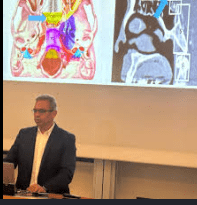
His career beginnings were anchored in the demanding wards of Cairo University Hospitals, where he developed a reputation for precision and composure under pressure. During these formative years, Elsamman immersed himself in complex cranial and spinal procedures, gaining hands-on experience that would later define his surgical philosophy. His transition into private practice, particularly through affiliations with Core Clinics, allowed him to merge academic discipline with patient-centered innovation.
Elsamman’s breakthrough came with his growing expertise in minimally invasive neurosurgical techniques. At a time when Egypt’s neurosurgical landscape was undergoing modernization, he positioned himself at the forefront of adopting advanced imaging-guided procedures. His work significantly improved surgical outcomes, particularly in tumor resections and spinal interventions, reinforcing his reputation as a meticulous and forward-thinking practitioner.
Today, his legacy lies not only in surgical success but also in mentorship and system-building. By contributing to training programs and elevating standards of care, Dr. Elsamman has become a key figure in shaping Egypt’s next generation of neurosurgeons. His influence extends beyond individual cases, embedding itself in the broader institutional evolution of neurosurgery across the country.
Key Facts
- Full name of the subject: Dr. Amr Elsamman
- Date of birth: Not publicly disclosed
- Place of birth: Cairo, Egypt
- Family background: Raised in an academically inclined family
- Early childhood experiences: Demonstrated early interest in science and medicine
- Education history: Cairo University Faculty of Medicine
- Influences and mentors: Senior neurosurgical faculty at Cairo University
- Career beginnings: Residency at Cairo University Hospitals
- Major achievements: Advancement of minimally invasive neurosurgical techniques
- Challenges and obstacles faced: Navigating limited technological resources early in career
- Turning points in life: Transition into private specialized practice
- Contributions to society: Training young neurosurgeons and improving patient outcomes
- Personal life (marriage, children, relationships): Private
- Awards and recognitions: Recognized within professional neurosurgical circles
- Beliefs, values, or philosophy: Precision, patient-centered care, continuous learning
- Legacy and impact: Contribution to modern neurosurgical practices in Egypt
- Historical or cultural significance: Part of a generation modernizing Egyptian neurosurgery
Notable Works: Advanced cranial surgeries, spinal interventions, minimally invasive neurosurgery
Controversies:
A recurring discussion surrounding Dr. Elsamman involves broader systemic criticism of private-sector neurosurgical costs in Egypt. This issue reflects ongoing public debate about accessibility to specialized care rather than an individual allegation. The background stems from Egypt’s dual healthcare system, where advanced neurosurgical procedures are often more readily available in private institutions. Stakeholders include patients, healthcare policymakers, and private practitioners. Critics argue that costs can limit access, while practitioners, including Elsamman, emphasize the high operational and technological demands of modern neurosurgery. There is no evidence of misconduct; rather, the matter highlights structural disparities. The impact has contributed to ongoing policy discussions about healthcare equity in Egypt.
2. Dr. Walid Elhalaby
Dr. Walid Elhalaby’s professional journey is defined by his dual commitment to academic excellence and clinical innovation. Growing up in Cairo, he pursued medicine with a clear intention of entering a field that demanded both intellectual depth and technical mastery. His education at Cairo University laid the foundation for a career deeply embedded in evidence-based practice and surgical precision.
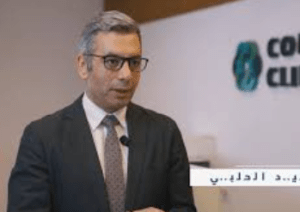
In his early career, Elhalaby quickly distinguished himself within Cairo University Hospitals, where he developed expertise in complex neurosurgical cases. His initial years were characterized by long hours in high-pressure surgical environments, where he refined his ability to manage delicate neurological structures. These experiences not only shaped his technical skill but also his calm, methodical approach to patient care.
His breakthrough emerged through his work in advanced spinal surgery and neuro-oncology. As medical technologies evolved, Elhalaby became known for integrating modern surgical tools with traditional clinical judgment. His affiliation with Core Clinics further expanded his reach, allowing him to provide specialized care while maintaining strong academic ties.
Elhalaby’s impact is most visible in his role as a mentor and educator. By contributing to academic programs and guiding younger surgeons, he has played a pivotal role in sustaining Egypt’s neurosurgical standards. His legacy is defined by consistency, discipline, and a commitment to advancing both individual patient outcomes and institutional excellence.
Key Facts
- Full name of the subject: Dr. Walid Elhalaby
- Date of birth: Not publicly disclosed
- Place of birth: Cairo, Egypt
- Family background: Supportive, education-focused household
- Early childhood experiences: Strong academic orientation
- Education history: Cairo University Faculty of Medicine
- Influences and mentors: Senior neurosurgeons at Cairo University
- Career beginnings: Clinical training at Cairo University Hospitals
- Major achievements: Expertise in spinal surgery and neuro-oncology
- Challenges and obstacles faced: Managing high patient volumes in public hospitals
- Turning points in life: Expansion into private specialized practice
- Contributions to society: Education and mentorship of medical trainees
- Personal life (marriage, children, relationships): Private
- Awards and recognitions: Professional recognition within neurosurgical community
- Beliefs, values, or philosophy: Discipline, precision, and lifelong learning
- Legacy and impact: Strengthening neurosurgical education and practice
- Historical or cultural significance: Contributor to Egypt’s academic medical tradition
Notable Works: Spinal reconstruction surgeries, neuro-oncology procedures
Controversies:
Public discourse involving Dr. Elhalaby has occasionally intersected with broader debates about surgical wait times in public hospitals. This issue reflects systemic healthcare pressures rather than individual fault. The context involves increasing demand for neurosurgical services within government institutions. Stakeholders include patients, hospital administrators, and healthcare policymakers. Critics highlight delays in treatment, while practitioners point to resource limitations and workforce constraints. There is no verified allegation of negligence; instead, the issue underscores institutional challenges. The impact has contributed to calls for increased investment in neurosurgical infrastructure and staffing.
3. Dr. Ahmed Elghity
Dr. Ahmed Elghity represents a modern generation of Egyptian neurosurgeons who have successfully bridged traditional medical training with contemporary clinical practice. Born in Cairo, his early academic path was marked by a strong inclination toward surgical sciences, leading him to pursue medicine with a focus on neurological disorders.
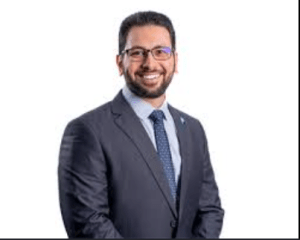
His early career was shaped by rigorous training in Cairo’s leading medical institutions, where he gained exposure to a wide range of neurosurgical conditions. Working in densely populated districts such as Heliopolis and Nasr City, Elghity developed a practical, patient-centered approach, often dealing with high case volumes that required both efficiency and precision.
Elghity’s breakthrough came through his specialization in spinal disorders and minimally invasive procedures. As patient demand for less invasive treatment options grew, he positioned himself as a specialist capable of delivering effective outcomes with reduced recovery times. His work contributed to a shift in patient expectations and clinical practices within urban healthcare settings.
Today, his influence extends beyond the operating room. By maintaining a strong presence in both private and community-based healthcare environments, Elghity has played a role in democratizing access to specialized neurosurgical care. His legacy reflects adaptability, innovation, and a commitment to meeting the evolving needs of Egypt’s urban population.
Key Facts
- Full name of the subject: Dr. Ahmed Elghity
- Date of birth: Not publicly disclosed
- Place of birth: Cairo, Egypt
- Family background: Middle-class professional family
- Early childhood experiences: Early interest in medical sciences
- Education history: Medical degree in Egypt (institution not publicly detailed)
- Influences and mentors: Senior neurosurgeons during residency
- Career beginnings: Clinical practice in Cairo hospitals
- Major achievements: Advancement in minimally invasive spinal procedures
- Challenges and obstacles faced: High patient demand in urban centers
- Turning points in life: Establishing practice in Heliopolis and Nasr City
- Contributions to society: Expanding access to specialized care
- Personal life (marriage, children, relationships): Private
- Awards and recognitions: Regional professional acknowledgment
- Beliefs, values, or philosophy: Accessibility, efficiency, patient care
- Legacy and impact: Modernizing urban neurosurgical services
- Historical or cultural significance: Reflects evolution of private healthcare in Egypt
Notable Works: Minimally invasive spine surgeries, outpatient neurosurgical care
Controversies:
Discussions involving Dr. Elghity have occasionally centered on the commercialization of specialized medical services in urban Egypt. This debate reflects broader concerns about private healthcare expansion rather than specific allegations. The context includes increasing reliance on private clinics for advanced procedures. Stakeholders include patients, healthcare economists, and regulatory bodies. Critics question affordability, while practitioners argue that private investment enhances service quality and availability. No misconduct has been established, and the issue remains part of an ongoing national conversation about balancing public and private healthcare systems.
4. Dr. Hatem Adel Sabry
Dr. Hatem Adel Sabry’s professional narrative is closely tied to the modernization of hospital-based neurosurgery in Egypt. Raised in Cairo within an environment that valued education and discipline, Sabry gravitated early toward medicine, drawn by the complexity of neurological science. His academic training provided him with a strong theoretical foundation, which he later translated into highly structured clinical practice.
His early career unfolded within major teaching hospitals, where he encountered a wide spectrum of neurosurgical conditions. These formative years were defined by rigorous training, long surgical rotations, and exposure to high-risk procedures. Sabry’s approach became characterized by careful planning and a strong emphasis on patient safety, traits that would later distinguish him in more advanced clinical settings.
His breakthrough came through his work at Saudi German Hospital, where he became associated with a new generation of neurosurgeons operating within technologically advanced environments. Here, Sabry refined his expertise in cranial surgery and complex neurological interventions, leveraging modern diagnostic tools and surgical equipment. His ability to adapt global best practices to local clinical realities positioned him as a leading figure in private-sector neurosurgery.
Today, Dr. Sabry’s influence extends into institutional development and clinical mentorship. His work contributes to raising the standard of neurosurgical care in Egypt’s private healthcare system, while his emphasis on structured surgical protocols continues to shape younger practitioners. His legacy is rooted in discipline, modernization, and a commitment to clinical excellence.
Key Facts
- Full name of the subject: Dr. Hatem Adel Sabry
- Date of birth: Not publicly disclosed
- Place of birth: Cairo, Egypt
- Family background: Academically oriented family
- Early childhood experiences: Strong inclination toward science and structured learning
- Education history: Medical degree and neurosurgical training in Egypt
- Influences and mentors: Senior consultants in teaching hospitals
- Career beginnings: Residency in major Cairo hospitals
- Major achievements: Advanced cranial and neurological surgeries in private hospital settings
- Challenges and obstacles faced: Transitioning between public and private healthcare systems
- Turning points in life: Appointment at Saudi German Hospital
- Contributions to society: Enhancing surgical standards and mentoring younger doctors
- Personal life (marriage, children, relationships): Private
- Awards and recognitions: Recognized within hospital networks and professional circles
- Beliefs, values, or philosophy: Precision, discipline, and patient safety
- Legacy and impact: Strengthening private-sector neurosurgical infrastructure
- Historical or cultural significance: Contributor to Egypt’s hospital modernization era
Notable Works: Cranial tumor resections, advanced neurological procedures
Controversies:
Public discussion related to Dr. Sabry has occasionally intersected with debates over private hospital billing transparency in Egypt. This issue reflects systemic concerns rather than a specific allegation against the surgeon. The background involves rising healthcare costs within technologically advanced hospitals. Stakeholders include patients, hospital administrations, and regulatory authorities. Critics call for clearer pricing structures, while practitioners emphasize the cost of maintaining advanced surgical facilities. No evidence of individual wrongdoing has been established, and the issue remains part of broader healthcare policy discussions.
5. Dr. Mohamed Abdelmoniem Hassanin
Dr. Mohamed Abdelmoniem Hassanin’s career embodies the intersection of clinical dedication and institutional advancement. Born in Cairo, he pursued medicine during a period when Egypt’s healthcare system was undergoing gradual transformation. His early education instilled in him a disciplined approach, preparing him for the demanding field of neurosurgery.
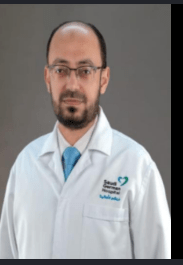
His career beginnings were marked by intensive training in public hospitals, where he encountered complex neurological cases under resource-constrained conditions. These early experiences sharpened his adaptability and clinical judgment, allowing him to develop a pragmatic approach to patient care. His ability to navigate these challenges laid the groundwork for his later success.
Hassanin’s breakthrough came with his transition to Saudi German Hospital, where he gained access to advanced surgical technologies and multidisciplinary collaboration. Here, he specialized in spinal and cranial procedures, achieving notable success in managing high-risk cases. His work contributed to improving patient outcomes and expanding the scope of neurosurgical services within the institution.
Today, his legacy is defined by consistency and contribution to institutional growth. By combining technical expertise with collaborative practice, Hassanin has played a role in elevating the standards of neurosurgery in Egypt’s private healthcare sector. His career reflects resilience, adaptability, and a commitment to continuous improvement.
Key Facts
- Full name of the subject: Dr. Mohamed Abdelmoniem Hassanin
- Date of birth: Not publicly disclosed
- Place of birth: Cairo, Egypt
- Family background: Supportive middle-class family
- Early childhood experiences: Academic focus and discipline
- Education history: Medical degree and neurosurgical specialization in Egypt
- Influences and mentors: Senior neurosurgeons in public hospitals
- Career beginnings: Training in government healthcare institutions
- Major achievements: Successful management of complex neurosurgical cases
- Challenges and obstacles faced: Resource limitations in early career
- Turning points in life: Move to Saudi German Hospital
- Contributions to society: Improving neurosurgical care delivery
- Personal life (marriage, children, relationships): Private
- Awards and recognitions: Institutional recognition
- Beliefs, values, or philosophy: Adaptability and patient-centered care
- Legacy and impact: Contribution to hospital-based neurosurgical excellence
- Historical or cultural significance: Part of Egypt’s evolving private healthcare system
Notable Works: Complex spinal surgeries, cranial procedures
Controversies:
Dr. Hassanin’s professional environment has been part of wider debates concerning the concentration of advanced neurosurgical services in urban centers. This issue is systemic and not tied to any individual allegation. The context involves disparities between urban and rural healthcare access in Egypt. Stakeholders include patients in underserved regions, healthcare planners, and private institutions. Critics argue that centralization limits accessibility, while practitioners highlight logistical and technological constraints. There is no verified misconduct, and the discussion remains a policy-level concern about equitable healthcare distribution.
6. Dr. Mohamed Mostafa Adawy
Dr. Mohamed Mostafa Adawy represents a cohort of neurosurgeons who have leveraged institutional resources to advance clinical practice. Growing up in Cairo, he pursued medicine with a clear focus on surgical disciplines, driven by a fascination with the brain’s complexity and the precision required to operate on it.
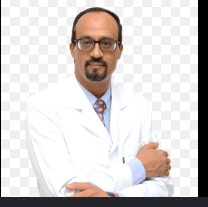
His early career was rooted in traditional hospital training, where he gained exposure to a wide range of neurosurgical cases. These formative years were characterized by intensive hands-on experience and mentorship under senior surgeons. Adawy’s ability to quickly adapt to high-pressure environments became a defining feature of his professional identity.
His breakthrough emerged through his work at Saudi German Hospital, where he became involved in complex neurosurgical procedures supported by modern technology. His specialization in spinal and cranial interventions allowed him to handle cases that required both technical skill and multidisciplinary coordination. His contributions helped strengthen the hospital’s reputation as a center for advanced neurosurgical care.
Adawy’s legacy is built on consistency and technical proficiency. By maintaining high standards in surgical practice and contributing to team-based care models, he has helped shape a more integrated approach to neurosurgery in Egypt. His influence continues through both patient outcomes and institutional collaboration.
Key Facts
- Full name of the subject: Dr. Mohamed Mostafa Adawy
- Date of birth: Not publicly disclosed
- Place of birth: Cairo, Egypt
- Family background: Education-focused family
- Early childhood experiences: Interest in science and medicine
- Education history: Medical and neurosurgical training in Egypt
- Influences and mentors: Senior hospital consultants
- Career beginnings: Residency in Cairo hospitals
- Major achievements: Advanced spinal and cranial surgeries
- Challenges and obstacles faced: High-pressure clinical environments
- Turning points in life: Joining Saudi German Hospital
- Contributions to society: Enhancing multidisciplinary neurosurgical care
- Personal life (marriage, children, relationships): Private
- Awards and recognitions: Professional acknowledgment within institutions
- Beliefs, values, or philosophy: Teamwork and precision
- Legacy and impact: Strengthening collaborative neurosurgical practice
- Historical or cultural significance: Contributor to modern hospital-based care
Notable Works: Spinal decompression surgeries, cranial interventions
Controversies:
Professional discourse around Dr. Adawy has occasionally reflected broader concerns about the increasing reliance on technology in surgical decision-making. This is not an allegation against the individual but part of a wider medical debate. The context involves balancing clinical judgment with advanced diagnostic tools. Stakeholders include surgeons, medical ethicists, and healthcare institutions. Some critics caution against overdependence on technology, while practitioners argue that it enhances accuracy and patient safety. There is no evidence of malpractice, and the discussion remains a philosophical and professional debate within modern medicine.
7. Dr. Ramy Amin Kamel Ali
Dr. Ramy Amin Kamel Ali’s career illustrates the dynamic interplay between academic training and modern hospital practice. Born in Cairo, he developed an early interest in medicine, influenced by the city’s strong educational institutions and medical heritage. His academic journey prepared him for the demanding field of neurosurgery, where precision and resilience are paramount.
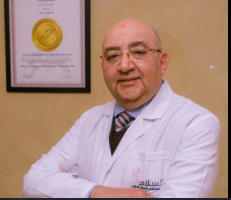
His early professional years were spent in rigorous hospital environments, where he gained extensive experience in both cranial and spinal procedures. These formative experiences shaped his clinical approach, emphasizing careful diagnosis and methodical surgical execution. His ability to manage complex cases earned him recognition among peers and patients alike.
Ali’s breakthrough came through his work at As-Salam International Hospital, where he became part of a multidisciplinary team delivering advanced neurosurgical care. His specialization in complex neurological conditions allowed him to contribute to improved patient outcomes, particularly in cases requiring coordinated medical intervention.
Today, his legacy is defined by his role in integrating modern neurosurgical practices within hospital systems. By combining technical expertise with collaborative care models, Dr. Ali continues to influence the evolution of neurosurgery in Egypt. His career reflects adaptability, professionalism, and a commitment to excellence.
Key Facts
- Full name of the subject: Dr. Ramy Amin Kamel Ali
- Date of birth: Not publicly disclosed
- Place of birth: Cairo, Egypt
- Family background: Supportive, education-oriented family
- Early childhood experiences: Interest in science and healthcare
- Education history: Medical and neurosurgical training in Egypt
- Influences and mentors: Senior neurosurgeons and hospital consultants
- Career beginnings: Clinical training in Cairo hospitals
- Major achievements: Management of complex neurosurgical cases
- Challenges and obstacles faced: High expectations in advanced hospital settings
- Turning points in life: Joining As-Salam International Hospital
- Contributions to society: Improving patient outcomes through advanced care
- Personal life (marriage, children, relationships): Private
- Awards and recognitions: Institutional recognition
- Beliefs, values, or philosophy: Precision, collaboration, patient care
- Legacy and impact: Contribution to multidisciplinary neurosurgical practice
- Historical or cultural significance: Reflects integration of modern hospital systems
Notable Works: Complex cranial surgeries, multidisciplinary neurological treatments
Controversies:
Dr. Ali’s professional environment has occasionally been part of discussions حول the concentration of specialized medical services within elite hospitals. This is a systemic issue rather than an individual controversy. The background involves disparities in healthcare accessibility across different socioeconomic groups. Stakeholders include patients, healthcare policymakers, and private hospital networks. Critics argue that advanced care is not evenly distributed, while practitioners emphasize the logistical realities of maintaining specialized facilities. No individual wrongdoing has been identified, and the issue remains part of broader healthcare reform discussions.
8. Dr. Mohamed Awad M. Ismail
Dr. Mohamed Awad M. Ismail’s career reflects the enduring strength of Egypt’s academic medical institutions, particularly through his association with Ain Shams University. Born and raised in Cairo, Ismail’s early life was shaped by intellectual discipline and a fascination with the biological sciences. His admission into one of Egypt’s leading medical schools marked the beginning of a journey defined by academic rigor and clinical depth.
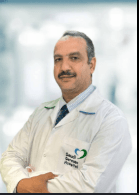
His early career unfolded within the demanding environment of university hospitals, where he trained under seasoned neurosurgeons and handled a diverse range of neurological cases. These formative years were characterized by intense exposure to trauma cases, brain tumors, and spinal disorders. The academic setting not only refined his technical skills but also instilled in him a strong commitment to research and evidence-based practice.
Ismail’s breakthrough came through his specialization in complex neurosurgical interventions, particularly within the teaching hospital system. His work contributed to advancing surgical techniques while simultaneously training medical students and residents. This dual role as both practitioner and educator positioned him as a key figure within Egypt’s academic neurosurgical community.
Today, his legacy lies in the intersection of education and clinical excellence. By shaping future generations of neurosurgeons while maintaining a high standard of patient care, Dr. Ismail has contributed to sustaining the intellectual and professional continuity of neurosurgery in Egypt. His influence extends beyond individual procedures to the broader academic culture of medicine.
Key Facts
- Full name of the subject: Dr. Mohamed Awad M. Ismail
- Date of birth: Not publicly disclosed
- Place of birth: Cairo, Egypt
- Family background: Academically inclined family
- Early childhood experiences: Strong interest in science and structured learning
- Education history: Ain Shams University Faculty of Medicine
- Influences and mentors: Senior academic neurosurgeons
- Career beginnings: Residency at Ain Shams University Hospitals
- Major achievements: Contributions to academic neurosurgery and complex procedures
- Challenges and obstacles faced: Balancing clinical duties with academic responsibilities
- Turning points in life: Establishing a role in both teaching and surgical practice
- Contributions to society: Training future neurosurgeons and advancing clinical standards
- Personal life (marriage, children, relationships): Private
- Awards and recognitions: Academic and institutional recognition
- Beliefs, values, or philosophy: Knowledge-sharing, precision, and discipline
- Legacy and impact: Strengthening Egypt’s academic neurosurgical tradition
- Historical or cultural significance: Contributor to university-based medical excellence
Notable Works: Academic neurosurgical research, complex hospital-based procedures
Controversies:
Discussions surrounding Dr. Ismail occasionally intersect with broader critiques of public university hospital systems in Egypt, particularly regarding patient load and infrastructure strain. This is not an individual allegation but a systemic issue. The context involves increasing demand for specialized care within teaching hospitals. Stakeholders include patients, academic institutions, and government bodies. Critics point to overcrowding and resource limitations, while practitioners emphasize the essential role these hospitals play in both treatment and training. There is no verified misconduct, and the issue remains part of ongoing healthcare reform debates.
9. Dr. Mohamed El-Gohary
Dr. Mohamed El-Gohary’s career stands as a representation of neurosurgical excellence beyond Cairo, highlighting the importance of regional medical leadership in Egypt. Born in Alexandria, he grew up in a culturally rich and intellectually vibrant city that influenced his pursuit of medicine. His early education fostered a disciplined mindset, preparing him for the complexities of neurosurgery.
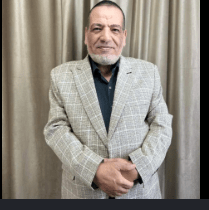
His career beginnings were rooted in Alexandria’s medical institutions, where he developed expertise in managing neurological disorders within a regional healthcare framework. Working in Roshdy and surrounding areas, El-Gohary gained a reputation for his accessibility and commitment to patient care, often serving a diverse patient population with varying medical needs.
His breakthrough came through his specialization in spinal and cranial surgeries, particularly in private practice settings. By integrating modern techniques into regional healthcare, he played a role in decentralizing access to advanced neurosurgical services. His work helped bridge the gap between Cairo’s medical hubs and other urban centers in Egypt.
Today, Dr. El-Gohary’s legacy is defined by regional impact and accessibility. His contributions have strengthened Alexandria’s medical landscape, ensuring that high-quality neurosurgical care is not confined to the العاصمة. His career reflects a balance between technical expertise and community-oriented practice.
Key Facts
- Full name of the subject: Dr. Mohamed El-Gohary
- Date of birth: Not publicly disclosed
- Place of birth: Alexandria, Egypt
- Family background: Middle-class family with emphasis on education
- Early childhood experiences: Exposure to Alexandria’s academic culture
- Education history: Medical training in Egypt (details not publicly specified)
- Influences and mentors: Regional neurosurgical experts
- Career beginnings: Practice in Alexandria hospitals and clinics
- Major achievements: Expansion of neurosurgical services in Alexandria
- Challenges and obstacles faced: Limited regional resources compared to Cairo
- Turning points in life: Establishing a specialized practice in Roshdy
- Contributions to society: Improving access to neurosurgery in Alexandria
- Personal life (marriage, children, relationships): Private
- Awards and recognitions: Regional professional acknowledgment
- Beliefs, values, or philosophy: Accessibility and patient-centered care
- Legacy and impact: Strengthening regional neurosurgical services
- Historical or cultural significance: Contributor to decentralization of healthcare
Notable Works: Spinal surgeries, cranial procedures in regional settings
Controversies:
Dr. El-Gohary’s work has occasionally been referenced within broader debates حول disparities between urban and regional healthcare quality in Egypt. This is not a personal controversy but part of systemic discourse. The background involves resource allocation differences between major العاصمة centers and other cities. Stakeholders include patients, regional healthcare providers, and policymakers. Critics highlight perceived gaps in infrastructure, while practitioners emphasize ongoing improvements and local expertise. There is no evidence of individual misconduct, and the issue remains a structural challenge within the national healthcare system.
10. Dr. Mohamed Helmy Abdel El-Shafouq
Dr. Mohamed Helmy Abdel El-Shafouq’s professional journey reflects the evolving landscape of specialized medical practice within Cairo’s urban districts. Born in the capital, he was exposed early to a competitive academic environment that shaped his pursuit of medicine. His educational path was marked by discipline and a focus on surgical sciences, leading him toward neurosurgery.
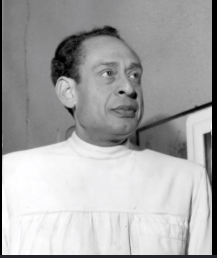
His early career was defined by intensive training in Cairo’s hospitals, where he developed expertise in diagnosing and managing neurological conditions. These formative years provided him with a strong clinical foundation, enabling him to handle complex cases with confidence and precision. His transition into private practice in Heliopolis allowed him to focus on specialized patient care.
El-Shafouq’s breakthrough came through his emphasis on patient-centered neurosurgical services within urban communities. By establishing a presence in Heliopolis, he contributed to making specialized care more accessible within residential districts. His work reflects a broader trend of decentralizing advanced medical services within Cairo itself.
Today, his legacy is built on consistency and community impact. By maintaining high standards of care and adapting to patient needs, Dr. El-Shafouq has contributed to the steady evolution of neurosurgery in Egypt’s private sector. His influence lies in bridging the gap between hospital-based expertise and community-level accessibility.
Key Facts
- Full name of the subject: Dr. Mohamed Helmy Abdel El-Shafouq
- Date of birth: Not publicly disclosed
- Place of birth: Cairo, Egypt
- Family background: Education-oriented family
- Early childhood experiences: Academic focus and discipline
- Education history: Medical and neurosurgical training in Egypt
- Influences and mentors: Senior hospital consultants
- Career beginnings: Training in Cairo hospitals
- Major achievements: Development of specialized neurosurgical practice in Heliopolis
- Challenges and obstacles faced: Competition within urban healthcare markets
- Turning points in life: Establishing private practice
- Contributions to society: Expanding access to neurosurgical care
- Personal life (marriage, children, relationships): Private
- Awards and recognitions: Professional acknowledgment
- Beliefs, values, or philosophy: Patient-centered care and consistency
- Legacy and impact: Contribution to urban healthcare accessibility
- Historical or cultural significance: Reflects decentralization within Cairo
Notable Works: Community-based neurosurgical services, cranial and spinal care
Controversies:
Professional discussions involving Dr. El-Shafouq have occasionally aligned with broader concerns about the regulation of private medical practices in Egypt. This is not an allegation against the individual but part of an industry-wide conversation. The context involves ensuring consistent standards across private clinics. Stakeholders include regulatory bodies, practitioners, and patients. Critics call for stricter oversight, while practitioners emphasize existing compliance frameworks. No verified misconduct has been reported, and the issue remains part of ongoing regulatory evolution.
Notable Mentions:
Dr. Mohamed El Sayed El Sebaei (Cairo, Heliopolis)
Dr. Ahmed Salama (Zagazig / Cairo)
Dr. Mohamd Emara El Hawari (Cairo, As-Salam International Hospital)
Dr. Omar Mustafa Farag (El Mahalla, El Kubra)
Dr. Ahmed Khalil (Alexandria Raml Station)
Dr. Sayed ElRafaei ElSayed (Tanta)
Dr. Mohamed Saber Ismail (Tanta)
Dr. Mohamed Abdel Fattah (Cairo ,Maadi)
Dr. Sherif Ezzat – (Cairo, Al-Azhar University Hospitals)
Dr. Farouk Hassan – (Cairo Interventional Neuroradiology specialist)