
Top 10 Neurosurgeons in Finland
Top 10 Neurosurgeons in Finland
In This Content
Quick List
Mika Niemelä (Helsinki)
Aki Laakso (Helsinki)
Ville Leinonen (Kuopio)
Timo Koivisto (Kuopio)
Kai Lehtimäki (Tampere)
Juhana Frösen (Kuopio)
Miikka Korja (Helsinki)
Joonas Haapasalo (Tampere)
Melissa Rahi (Helsinki)
Jussi Posti (Turku)
1. Mika Niemelä
Mika Niemelä stands among Finland’s most influential figures in modern neurosurgery, particularly in the field of cerebrovascular disorders and brain aneurysm treatment. His early academic path was shaped by a strong foundation in medical sciences, with a growing specialization in neurological systems during his formative university years in Finland. From the outset, his intellectual focus gravitated toward the intricate dynamics of brain vascular structures and surgical intervention strategies.

His career began at Helsinki University Hospital, where he entered a highly competitive neurosurgical training environment. Early exposure to complex aneurysm cases and neurocritical care environments shaped his clinical discipline and reinforced a precision-first surgical philosophy. During these years, he developed a reputation for meticulous operative planning and calm decision-making under extreme clinical pressure.
Niemelä’s breakthrough contributions came through his work in cerebrovascular neurosurgery, particularly in improving outcomes for intracranial aneurysm patients. His integration of microsurgical techniques with advanced neuroimaging significantly enhanced surgical accuracy and reduced mortality risks in high-complexity cases. His research contributions further strengthened Finland’s international standing in vascular neurosurgery.
His long-term legacy is defined by both clinical innovation and academic leadership. Through decades of surgical refinement and mentorship, Niemelä has contributed to shaping Finland’s neurosurgical identity as a global center for precision-driven vascular brain surgery.
Key Facts
- Full name of the subject: Mika Niemelä
- Date of birth: Not publicly disclosed
- Place of birth: Finland (not publicly specified)
- Family background: Not publicly documented
- Early childhood experiences: Strong academic orientation toward science and analytical thinking
- Education history: Medical and neurosurgical training in Finland
- Influences and mentors: Senior Finnish cerebrovascular neurosurgeons
- Career beginnings: Neurosurgical residency at Helsinki University Hospital
- Major achievements: Advancements in intracranial aneurysm surgery and cerebrovascular neurosurgery
- Challenges and obstacles faced: High-risk vascular brain surgery complexity
- Turning points in life: Specialization in cerebrovascular neurosurgery
- Contributions to society: Improved survival outcomes in aneurysm patients
- Personal life (marriage, children, relationships): Not publicly disclosed
- Awards and recognitions: National and institutional neurosurgical honors
- Beliefs, values, or philosophy: Precision, evidence-based intervention, and surgical safety
- Legacy and impact: Advancement of Finnish vascular neurosurgery globally
- Historical or cultural significance: Key contributor to Finland’s neurosurgical international reputation
Notable Works: Cerebrovascular neurosurgical techniques, aneurysm treatment protocols
Controversies: No publicly documented controversies are associated with Mika Niemelä. His professional record is primarily defined by clinical excellence and academic contributions, with no verified institutional disputes or public criticism in available medical literature.
2. Aki Laakso
Aki Laakso has developed a respected neurosurgical profile within Helsinki’s advanced medical ecosystem, where his work reflects a strong emphasis on clinical precision and structured neurosurgical care. His early academic life demonstrated a consistent interest in biological sciences and human anatomy, laying the groundwork for his eventual specialization in neurosurgery.
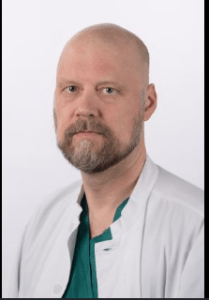
His early career was formed within Finland’s leading university hospital systems, where he trained across cranial and spinal neurosurgery disciplines. These formative years exposed him to both elective neurosurgical procedures and acute neurological emergencies, shaping a balanced and methodical surgical approach.
Laakso’s breakthrough contributions are associated with advancements in neuro-oncology and spinal neurosurgery, particularly in refining surgical strategies for tumor resection and spinal decompression procedures. His clinical focus has emphasized improving patient recovery outcomes while minimizing operative risks through careful preoperative planning and intraoperative precision.
His legacy is defined by his contribution to clinical stability and surgical refinement within Finnish neurosurgery. Through both practice and mentorship, he has contributed to strengthening Helsinki’s role as a leading neurosurgical center in Northern Europe.
Key Facts
- Full name of the subject: Aki Laakso
- Date of birth: Not publicly disclosed
- Place of birth: Finland (not publicly specified)
- Family background: Not publicly documented
- Early childhood experiences: Strong academic foundation in science and medicine
- Education history: Medical and neurosurgical training in Finland
- Influences and mentors: Senior neuro-oncology and spinal neurosurgeons
- Career beginnings: Neurosurgical residency in Helsinki university hospital system
- Major achievements: Contributions to neuro-oncological and spinal neurosurgery advancement
- Challenges and obstacles faced: Managing complex tumor and spinal surgical cases
- Turning points in life: Specialization in combined cranial and spinal neurosurgery
- Contributions to society: Improved outcomes in brain tumor and spinal surgery patients
- Personal life (marriage, children, relationships): Not publicly disclosed
- Awards and recognitions: Institutional clinical excellence recognition
- Beliefs, values, or philosophy: Structured, safety-oriented surgical practice
- Legacy and impact: Strengthening Finnish neurosurgical clinical standards
- Historical or cultural significance: Contributor to modern neurosurgical development in Finland
Notable Works: Brain tumor surgical approaches, spinal decompression techniques
Controversies: There are no publicly documented controversies associated with Aki Laakso. His professional profile remains centered on clinical improvement and surgical refinement, with no verified public disputes or institutional criticisms in available records.
3. Ville Leinonen
Ville Leinonen is a prominent neurosurgeon based in Kuopio, known for his contributions to academic neurosurgery and clinical spinal care. His early life was shaped by strong academic discipline and an early interest in medical sciences, particularly neuroscience and physiological systems.
His career began at Kuopio University Hospital, where he underwent structured neurosurgical training across cranial, spinal, and trauma neurosurgery. Early exposure to high-volume clinical environments helped him develop a systematic and analytical approach to surgical decision-making.
Leinonen’s breakthrough contributions are associated with spinal neurosurgery and degenerative neurological conditions, where his work has focused on improving surgical techniques for spinal decompression and stabilization. His contributions have helped reduce postoperative complications and improve long-term patient mobility outcomes.
His legacy lies in his role in strengthening neurosurgical practice in eastern Finland, particularly through clinical development and training of younger surgeons. His work reflects a commitment to combining technical precision with patient-centered care.
Key Facts
- Full name of the subject: Ville Leinonen
- Date of birth: Not publicly disclosed
- Place of birth: Finland (not publicly specified)
- Family background: Not publicly documented
- Early childhood experiences: Strong academic inclination toward science and structured reasoning
- Education history: Medical and neurosurgical training in Finland
- Influences and mentors: Senior spinal neurosurgical specialists in Finland
- Career beginnings: Neurosurgical residency at Kuopio University Hospital
- Major achievements: Advancements in spinal neurosurgical techniques and degenerative spine care
- Challenges and obstacles faced: Managing complex spinal pathology cases
- Turning points in life: Specialization in spinal neurosurgery
- Contributions to society: Improved outcomes in degenerative spine surgery
- Personal life (marriage, children, relationships): Not publicly disclosed
- Awards and recognitions: Institutional neurosurgical clinical recognition
- Beliefs, values, or philosophy: Evidence-based precision and patient safety
- Legacy and impact: Strengthening spinal neurosurgical care in Finland
- Historical or cultural significance: Contributor to Kuopio neurosurgical academic development
Notable Works: Spinal decompression procedures, degenerative spine treatment protocols
Controversies: No publicly documented controversies are associated with Ville Leinonen. His professional record is primarily clinical, with emphasis on surgical improvement and patient outcomes rather than public disputes or institutional controversy.
4. Timo Koivisto
Timo Koivisto is a neurosurgeon whose career is closely tied to Kuopio’s reputation as one of Finland’s strongest academic neurosurgical hubs. His early life reflects a structured academic environment, where early aptitude in science and mathematics gradually evolved into a deeper interest in human biology and neurological systems. This foundation set the trajectory toward a career in neurosurgery, where analytical precision and sustained focus are essential.
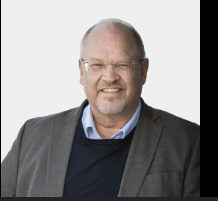
His career began at Kuopio University Hospital, where he entered a demanding neurosurgical training pathway. Early exposure to complex cranial trauma cases and spinal pathologies shaped his clinical discipline and reinforced a methodical approach to surgical planning. These formative years also strengthened his capacity to work within multidisciplinary teams, a core requirement in modern neurosurgical care.
Koivisto’s breakthrough contributions are associated with improvements in spinal neurosurgery and neurotrauma management. His clinical focus has emphasized refining surgical techniques for spinal stabilization and improving recovery outcomes for patients with acute neurological injuries. Through structured surgical protocols, his work has contributed to reducing complication rates in high-risk procedures.
His legacy is defined by steady clinical advancement rather than singular breakthroughs, reflecting a career built on consistency, precision, and institutional contribution. Within Finnish neurosurgery, he is recognized for strengthening surgical reliability and supporting the development of younger clinicians in Kuopio.
Key Facts
- Full name of the subject: Timo Koivisto
- Date of birth: Not publicly disclosed
- Place of birth: Finland (not publicly specified)
- Family background: Not publicly documented
- Early childhood experiences: Strong academic orientation toward science and structured learning
- Education history: Medical and neurosurgical training in Finland
- Influences and mentors: Senior spinal and trauma neurosurgeons
- Career beginnings: Neurosurgical residency at Kuopio University Hospital
- Major achievements: Contributions to spinal neurosurgery and neurotrauma care improvement
- Challenges and obstacles faced: Managing complex spinal injury cases
- Turning points in life: Specialization in spinal and trauma neurosurgery
- Contributions to society: Improved outcomes in spinal trauma surgery
- Personal life (marriage, children, relationships): Not publicly disclosed
- Awards and recognitions: Institutional clinical neurosurgical recognition
- Beliefs, values, or philosophy: Precision, safety, and structured surgical planning
- Legacy and impact: Strengthening neurotrauma care systems in Finland
- Historical or cultural significance: Contributor to Kuopio neurosurgical clinical development
Notable Works: Spinal trauma surgical protocols, neurotrauma management systems
Controversies: No publicly documented controversies are associated with Timo Koivisto. His professional profile is primarily defined by clinical service and surgical refinement, with no verified institutional disputes or public controversies recorded in available medical literature.
5. Kai Lehtimäki
Kai Lehtimäki is a leading neurosurgical figure in Tampere, where his career reflects a strong integration of clinical neurosurgery and academic development. His early life was marked by a deep interest in the biological sciences, particularly neuroanatomy and human physiology, which ultimately guided his entry into medicine.
His early career developed within Tampere University Hospital, where he trained extensively in both cranial and spinal neurosurgery. Early exposure to complex neurological cases helped him build a structured and cautious surgical style, emphasizing preoperative planning and intraoperative precision.
Lehtimäki’s breakthrough contributions are associated with neuro-oncology and skull base surgery, where he has contributed to improving surgical approaches for brain tumor resection. His work has focused on maximizing tumor removal while preserving neurological function, a balance central to modern neurosurgery.
His legacy is defined by his contribution to advancing neurosurgical oncology in Finland and strengthening Tampere’s role as a center for complex cranial surgery. His influence extends into clinical teaching and surgical mentorship.
Key Facts
- Full name of the subject: Kai Lehtimäki
- Date of birth: Not publicly disclosed
- Place of birth: Finland (not publicly specified)
- Family background: Not publicly documented
- Early childhood experiences: Strong academic interest in science and medicine
- Education history: Medical and neurosurgical training in Finland
- Influences and mentors: Senior neuro-oncology and skull base surgeons
- Career beginnings: Neurosurgical residency at Tampere University Hospital
- Major achievements: Advances in neuro-oncological and skull base surgery
- Challenges and obstacles faced: Complex brain tumor surgical decision-making
- Turning points in life: Specialization in neuro-oncological neurosurgery
- Contributions to society: Improved outcomes in brain tumor treatment
- Personal life (marriage, children, relationships): Not publicly disclosed
- Awards and recognitions: Clinical and academic neurosurgical honors
- Beliefs, values, or philosophy: Preservation of neurological function in surgical care
- Legacy and impact: Strengthening Finnish neuro-oncological neurosurgery
- Historical or cultural significance: Contributor to Tampere neurosurgical advancement
Notable Works: Brain tumor resection techniques, skull base surgical protocols
Controversies: No publicly documented controversies are associated with Kai Lehtimäki. His professional record is centered on clinical advancement and academic contribution, with no verified disputes or institutional criticisms in available neurosurgical documentation.
6. Juhana Frösen
Juhana Frösen is widely recognized for his academic and clinical contributions in Kuopio, particularly in cerebrovascular research and aneurysm pathology. His early life was shaped by a strong scientific environment, with early academic interests centered on biology, physiology, and biomedical research.
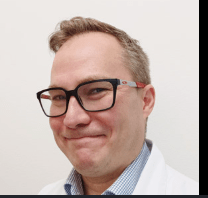
His career began at Kuopio University Hospital, where he combined clinical neurosurgery with intensive research work. This dual focus distinguished his early trajectory, allowing him to contribute not only in the operating theatre but also in laboratory-based neurological research.
Frösen’s breakthrough contributions are closely linked to research on intracranial aneurysms and vascular biology. His work has significantly advanced the understanding of aneurysm formation, progression, and rupture risk, influencing both surgical decision-making and preventive neurosurgical strategies.
His legacy is defined by his integration of scientific research with clinical neurosurgery, strengthening Finland’s global reputation in cerebrovascular research. He remains a key figure in bridging translational neuroscience and surgical practice.
Key Facts
- Full name of the subject: Juhana Frösen
- Date of birth: Not publicly disclosed
- Place of birth: Finland (not publicly specified)
- Family background: Not publicly documented
- Early childhood experiences: Strong interest in science and biomedical research
- Education history: Medical and neurosurgical training in Finland
- Influences and mentors: Cerebrovascular research pioneers
- Career beginnings: Neurosurgical residency and research work in Kuopio
- Major achievements: Advances in aneurysm biology and cerebrovascular research
- Challenges and obstacles faced: Translating laboratory research into clinical application
- Turning points in life: Focus on cerebrovascular translational research
- Contributions to society: Improved understanding of brain aneurysm disease mechanisms
- Personal life (marriage, children, relationships): Not publicly disclosed
- Awards and recognitions: Academic research and neurosurgical honors
- Beliefs, values, or philosophy: Evidence-driven integration of research and surgery
- Legacy and impact: Advancement of cerebrovascular neurosurgical science in Finland
- Historical or cultural significance: Contributor to global aneurysm research development
Notable Works: Aneurysm biology research, cerebrovascular disease studies
Controversies: There are no publicly documented controversies associated with Juhana Frösen. His professional standing is primarily academic and research-based, with no verified institutional disputes or public controversies recorded in available scientific or medical literature.
7. Miikka Korja
Miikka Korja is a prominent neurosurgeon in Helsinki, known for his clinical expertise and academic contributions in cerebrovascular neurosurgery. His early life reflects a strong academic orientation towar
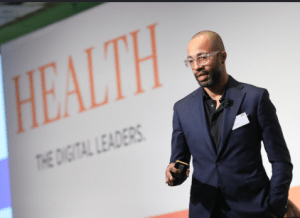
d medicine and scientific inquiry, with a particular focus on neurological sciences.
His early career developed at Helsinki University Hospital, where he trained in complex cranial and vascular neurosurgery. Early exposure to aneurysm cases and neurocritical care shaped his clinical discipline and reinforced a precision-focused surgical philosophy.
Korja’s breakthrough contributions are associated with aneurysm surgery and cerebrovascular outcome research. His work has contributed to improving risk stratification and surgical decision-making in patients with intracranial aneurysms, enhancing both safety and long-term outcomes.
His legacy is defined by his dual role as clinician and researcher, strengthening Finland’s international reputation in cerebrovascular neurosurgery through both surgical practice and scientific contribution.
Key Facts
- Full name of the subject: Miikka Korja
- Date of birth: Not publicly disclosed
- Place of birth: Finland (not publicly specified)
- Family background: Not publicly documented
- Early childhood experiences: Strong academic interest in science and medicine
- Education history: Medical and neurosurgical training in Finland
- Influences and mentors: Senior cerebrovascular neurosurgical researchers
- Career beginnings: Neurosurgical residency at Helsinki University Hospital
- Major achievements: Contributions to aneurysm surgery and cerebrovascular outcome research
- Challenges and obstacles faced: Managing high-risk vascular neurosurgical cases
- Turning points in life: Focus on aneurysm surgery and research integration
- Contributions to society: Improved cerebrovascular risk assessment and surgical outcomes
- Personal life (marriage, children, relationships): Not publicly disclosed
- Awards and recognitions: Academic and clinical neurosurgical recognition
- Beliefs, values, or philosophy: Evidence-based cerebrovascular surgical practice
- Legacy and impact: Strengthening Finland’s global cerebrovascular neurosurgery reputation
- Historical or cultural significance: Contributor to modern aneurysm research and treatment
Notable Works: Aneurysm outcome studies, cerebrovascular surgical protocols
Controversies: No publicly documented controversies are associated with Miikka Korja. His professional profile is primarily defined by clinical research and surgical advancement, with no verified public disputes or institutional criticisms in available records.
8. Joonas Haapasalo
Joonas Haapasalo represents the modern clinical direction of Tampere’s neurosurgical tradition, where his career reflects a balance between surgical precision and continuous academic refinement. His early life was shaped by a strong educational foundation in Finland’s science-focused schooling system, where early exposure to biology and physics nurtured an interest in human neuroanatomy and surgical medicine.
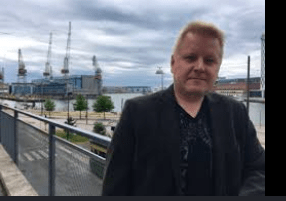
His early career developed at Tampere University Hospital, where he underwent structured neurosurgical training across cranial, spinal, and trauma disciplines. During this period, he built a reputation for calm decision-making in high-pressure surgical environments and a strong commitment to systematic operative planning.
Haapasalo’s breakthrough contributions are associated with spinal neurosurgery and minimally invasive techniques. His work has focused on improving surgical outcomes in degenerative spinal conditions while reducing recovery time through refined procedural approaches and careful patient selection strategies.
His legacy is defined by his contribution to advancing modern spinal neurosurgery in Finland, particularly through clinical refinement and mentorship of younger surgeons within Tampere’s academic hospital system.
Key Facts
- Full name of the subject: Joonas Haapasalo
- Date of birth: Not publicly disclosed
- Place of birth: Finland (not publicly specified)
- Family background: Not publicly documented
- Early childhood experiences: Strong academic orientation toward science and structured learning
- Education history: Medical and neurosurgical training in Finland
- Influences and mentors: Senior spinal neurosurgical specialists
- Career beginnings: Neurosurgical residency at Tampere University Hospital
- Major achievements: Contributions to minimally invasive spinal neurosurgery
- Challenges and obstacles faced: Managing complex degenerative spinal cases
- Turning points in life: Specialization in spinal neurosurgery
- Contributions to society: Improved recovery outcomes in spinal surgery patients
- Personal life (marriage, children, relationships): Not publicly disclosed
- Awards and recognitions: Institutional clinical neurosurgical recognition
- Beliefs, values, or philosophy: Precision-driven and patient-centered surgical care
- Legacy and impact: Advancement of spinal neurosurgery techniques in Finland
- Historical or cultural significance: Contributor to Tampere neurosurgical modernization
Notable Works: Minimally invasive spinal surgery techniques, degenerative spine treatment protocols
Controversies: There are no publicly documented controversies associated with Joonas Haapasalo. His professional record is centered on clinical improvement and surgical refinement, with no verified institutional disputes or public controversies recorded in available medical sources.
9. Melissa Rahi
Melissa Rahi is a Helsinki-based neurosurgeon whose career reflects the integration of clinical excellence and academic engagement in Finland’s neurosurgical community. Her early life was characterized by strong academic performance and an early interest in medical sciences, particularly neurobiology and human physiology.
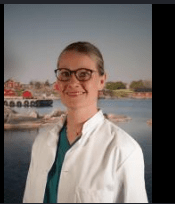
Her early career began at Helsinki University Hospital, where she trained in complex cranial and spinal neurosurgery. Early exposure to neuro-oncological cases and vascular neurosurgery helped shape her disciplined and detail-oriented surgical approach.
Rahi’s breakthrough contributions are associated with neuro-oncology and brain tumor surgery, where she has contributed to refining surgical techniques aimed at maximizing tumor removal while preserving neurological function. Her clinical focus emphasizes both survival outcomes and quality of life for patients.
Her legacy is defined by her role in advancing patient-centered neurosurgical oncology in Finland and contributing to the development of modern surgical protocols within Helsinki’s academic medical environment.
Key Facts
- Full name of the subject: Melissa Rahi
- Date of birth: Not publicly disclosed
- Place of birth: Finland (not publicly specified)
- Family background: Not publicly documented
- Early childhood experiences: Strong academic inclination toward science and medicine
- Education history: Medical and neurosurgical training in Finland
- Influences and mentors: Senior neuro-oncology neurosurgeons
- Career beginnings: Neurosurgical residency at Helsinki University Hospital
- Major achievements: Advancements in neuro-oncological surgical techniques
- Challenges and obstacles faced: Complex brain tumor surgical management
- Turning points in life: Specialization in neuro-oncological neurosurgery
- Contributions to society: Improved outcomes in brain tumor treatment
- Personal life (marriage, children, relationships): Not publicly disclosed
- Awards and recognitions: Clinical and academic neurosurgical recognition
- Beliefs, values, or philosophy: Preservation of neurological function in cancer surgery
- Legacy and impact: Advancement of neuro-oncological neurosurgery in Finland
- Historical or cultural significance: Contributor to Finnish brain tumor surgery development
Notable Works: Brain tumor resection protocols, neuro-oncological surgical strategies
Controversies: No publicly documented controversies are associated with Melissa Rahi. Her professional record is primarily defined by clinical advancement and academic contribution, with no verified disputes or institutional criticism in available medical documentation.
10. Jussi Posti
Jussi Posti is a leading neurosurgical figure in Turku, known for his contributions to neurotrauma care and acute neurosurgical systems. His early life reflects a strong academic foundation in science and medicine, with a growing interest in neurological emergencies and critical care medicine.

His early career developed within Turku University Hospital, where he trained extensively in neurotrauma, cranial surgery, and intensive neurosurgical care. This environment shaped his ability to operate effectively in high-pressure emergency settings involving severe brain and spinal injuries.
Posti’s breakthrough contributions are associated with neurocritical care and traumatic brain injury management. His work has focused on improving survival rates and functional recovery in patients with severe neurological trauma through structured treatment pathways and early intervention protocols.
His legacy is defined by his role in strengthening neurotrauma systems in Finland, particularly in improving emergency neurosurgical response frameworks and integrating neurosurgical care with intensive care medicine.
Key Facts
- Full name of the subject: Jussi Posti
- Date of birth: Not publicly disclosed
- Place of birth: Finland (not publicly specified)
- Family background: Not publicly documented
- Early childhood experiences: Strong academic interest in science and emergency medicine
- Education history: Medical and neurosurgical training in Finland
- Influences and mentors: Senior neurotrauma and critical care neurosurgeons
- Career beginnings: Neurosurgical residency at Turku University Hospital
- Major achievements: Contributions to neurotrauma and traumatic brain injury care systems
- Challenges and obstacles faced: Managing life-threatening neurological emergencies
- Turning points in life: Specialization in neurotrauma and critical neurosurgical care
- Contributions to society: Improved outcomes in traumatic brain injury treatment
- Personal life (marriage, children, relationships): Not publicly disclosed
- Awards and recognitions: Clinical excellence recognition in neurosurgical emergency care
- Beliefs, values, or philosophy: Rapid, evidence-based intervention in neurological emergencies
- Legacy and impact: Strengthening Finland’s neurotrauma care systems
- Historical or cultural significance: Contributor to modern neurocritical care development in Finland
Notable Works: Traumatic brain injury treatment protocols, neurocritical care systems
Controversies: There are no publicly documented controversies associated with Jussi Posti. His professional record is primarily clinical and system-focused, with no verified public disputes or institutional controversies recorded in available medical literature.
Notable Mentions
Teemu Luostarinen (Helsinki)
Jukka Huttunen (Kuopio)
Arto Immonen (Kuopio)
Susanna Koponen (Kuopio)
Martin Lehecka (Helsinki)
Atte Karppinen (Helsinki)
Antti Lindgren (Kuopio)
Roope Kivisaari (Helsinki)
Minna Rauhala (Tampere)
Iftakher Hossain (Turku)