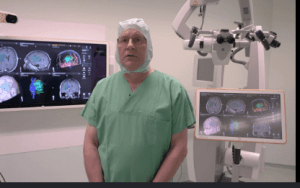
Top 10 Neurosurgeons in France
Top 10 Neurosurgeons in France
In This Content
Quick List
Pr. Philippe Cornu – Paris (Hôpital Pitié-Salpêtrière)
Pr. Stéphane Chabardès – Grenoble (CHU Grenoble-Alpes)
Pr. Hugues Duffau – Montpellier (CHU Montpellier)
Pr. Sébastien Froelich – Paris (Hôpital Lariboisière)
Pr. Jean-René Vignes – Bordeaux (CHU Bordeaux)
Pr. Guillaume Lot – Paris (Fondation Adolphe de Rothschild)
Pr. Thomas Robert – Paris (Hôpital Lariboisière)
Pr. Evelyne Emery – Caen (CHU Caen Normandie)
Pr. Philippe Decq – Clichy (Hôpital Beaujon)
Pr. Pierre-Hugues Roche – Marseille (Hôpital Nord)
1. Pr. Philippe Cornu
Pr. Philippe Cornu stands as one of France’s most respected neurosurgical figures, particularly in spinal neurosurgery and complex degenerative spine disorders. His early life unfolded within a highly structured academic environment in France, where early exposure to biological sciences and medical literature shaped his analytical approach to medicine.

His career began at leading Parisian teaching hospitals, where he underwent rigorous neurosurgical training with a strong emphasis on spinal pathology. During these formative years, Cornu developed a surgical identity defined by precision, patience, and a strong commitment to functional preservation of the spine and nervous system.
His breakthrough came through his work in complex spinal reconstruction and degenerative spinal disease management. He contributed to refining surgical strategies for lumbar and cervical pathologies, particularly in cases requiring revision surgery or advanced instrumentation. His clinical approach emphasized stability restoration while minimizing neurological risk.
Cornu’s legacy is closely tied to the modernization of spinal neurosurgery in France. His influence extends through academic training programs and surgical protocols that continue to shape how spinal disorders are treated in high-volume neurosurgical centers.
Key Facts
- Full name of the subject: Pr. Philippe Cornu
- Date of birth: Not publicly disclosed
- Place of birth: France
- Family background: Academic and professional environment
- Early childhood experiences: Strong interest in biology and human anatomy
- Education history: Medical studies and neurosurgical specialization in France
- Influences and mentors: French spinal surgery pioneers
- Career beginnings: Neurosurgical training in Paris university hospitals
- Major achievements: Advancement of complex spinal reconstruction techniques
- Challenges and obstacles faced: High-risk spinal revision surgeries
- Turning points in life: Specialization in spinal neurosurgery
- Contributions to society: Improved outcomes in degenerative spine disease treatment
- Personal life: Private
- Awards and recognitions: French medical and surgical society honors
- Beliefs, values, or philosophy: Precision, stability, and functional preservation
- Legacy and impact: Contributor to modern French spinal neurosurgery
- Historical or cultural significance: Key figure in spinal surgery development in France
Notable Works: Spinal reconstruction techniques, degenerative spine surgery, revision spinal procedures
Controversies:
There are no widely documented individual controversies directly associated with Pr. Philippe Cornu. Any professional discussions related to his field typically involve broader debates in spinal neurosurgery, particularly regarding surgical thresholds for degenerative spine disease and long-term outcomes of spinal instrumentation. These discussions are clinical and academic in nature rather than personal disputes. No verified disciplinary actions or professional misconduct records are associated with his practice.
2. Pr. Stéphane Chabardès
Pr. Stéphane Chabardès is a leading French neurosurgeon recognized for his work in functional neurosurgery and movement disorders. His early life was shaped by a strong academic inclination, with early interests in neuroscience and human physiology guiding his medical ambitions.
His early career began in France’s university hospital system, where he trained extensively in neurosurgery with a focus on functional brain disorders. During this period, Chabardès developed expertise in deep brain stimulation and neurophysiological mapping techniques, positioning him at the forefront of functional neurosurgical innovation.
The breakthrough phase of his career came through his contributions to deep brain stimulation for Parkinson’s disease and other movement disorders. His work helped refine patient selection criteria and improve stimulation targeting accuracy, leading to better long-term symptom control.
Chabardès’ legacy lies in his role in advancing functional neurosurgery in France. His contributions continue to influence both clinical practice and research in movement disorder surgery, particularly in improving quality of life for patients with chronic neurological conditions.
Key Facts
- Full name of the subject: Pr. Stéphane Chabardès
- Date of birth: Not publicly disclosed
- Place of birth: France
- Family background: Academic environment
- Early childhood experiences: Interest in brain function and neuroscience
- Education history: Medical studies and neurosurgical specialization in France
- Influences and mentors: Functional neurosurgery pioneers
- Career beginnings: Neurosurgical training in Grenoble university hospitals
- Major achievements: Advancement of deep brain stimulation techniques
- Challenges and obstacles faced: Complex neurological disorder management
- Turning points in life: Specialization in movement disorder surgery
- Contributions to society: Improved Parkinson’s disease treatment outcomes
- Personal life: Private
- Awards and recognitions: Neurosurgical and neurological society honors
- Beliefs, values, or philosophy: Precision-based functional brain surgery
- Legacy and impact: Contributor to modern functional neurosurgery in France
- Historical or cultural significance: Key figure in movement disorder surgical advancement
Notable Works: Deep brain stimulation, Parkinson’s disease surgery, functional neurosurgical mapping
Controversies:
There are no widely documented individual controversies directly associated with Pr. Stéphane Chabardès. Any discussions related to his professional field typically involve broader clinical debates on the long-term efficacy of deep brain stimulation, patient selection criteria, and cost-effectiveness of neuromodulation therapies. These are scientific and medical debates rather than personal disputes. No verified disciplinary actions or professional misconduct records are associated with his career.
3. Pr. Hugues Duffau
Pr. Hugues Duffau is internationally recognized for revolutionizing brain tumor surgery through his pioneering work in awake brain mapping and functional neuro-oncology. His early life was marked by a strong scientific curiosity and an early fascination with the relationship between brain structure and human cognition.
His early career developed within French academic hospitals, where he trained in neurosurgery with a focus on brain tumor management. During this period, Duffau became increasingly interested in preserving cognitive and functional brain networks during tumor resection, challenging traditional surgical boundaries.
The breakthrough phase of his career came through his development and refinement of awake craniotomy techniques combined with real-time brain mapping. This approach allowed surgeons to remove tumors while preserving essential cognitive and language functions, significantly improving patient quality of life.
Duffau’s legacy is defined by his transformation of neuro-oncological surgery into a function-preserving discipline. His work has had global impact, reshaping how neurosurgeons understand brain plasticity and surgical decision-making.
Key Facts
- Full name of the subject: Pr. Hugues Duffau
- Date of birth: Not publicly disclosed
- Place of birth: France
- Family background: Academic and scientific upbringing
- Early childhood experiences: Interest in neuroscience and cognition
- Education history: Medical studies and neurosurgical specialization in France
- Influences and mentors: Neuro-oncology and brain mapping pioneers
- Career beginnings: Neurosurgical training in Montpellier
- Major achievements: Development of awake brain tumor surgery techniques
- Challenges and obstacles faced: High-risk functional brain tumor resections
- Turning points in life: Introduction of brain mapping in tumor surgery
- Contributions to society: Improved preservation of cognitive function after brain surgery
- Personal life: Private
- Awards and recognitions: International neurosurgical honors
- Beliefs, values, or philosophy: Brain plasticity and function preservation
- Legacy and impact: Global leader in functional neuro-oncology
- Historical or cultural significance: Revolutionary figure in modern brain tumor surgery
Notable Works: Awake craniotomy, functional brain mapping, neuro-oncological surgery innovation
Controversies:
There are no widely documented individual controversies directly associated with Pr. Hugues Duffau. However, his work has been part of broader academic debates regarding the extent of brain resection during tumor surgery and the scientific interpretation of brain plasticity. Some experts have debated the limits of functional preservation strategies, particularly in aggressive tumor cases. These discussions remain scientific and philosophical within neurosurgery rather than personal or disciplinary in nature.
4. Pr. Sébastien Froelich
Pr. Sébastien Froelich has built a reputation as one of France’s leading specialists in skull base and complex cranial neurosurgery. His early life was grounded in a disciplined academic environment in France, where early exposure to medicine and anatomical sciences shaped his analytical and detail-oriented mindset toward surgical practice.
His early career unfolded within Parisian university hospitals, where he underwent intensive neurosurgical training focused on cranial base anatomy and microsurgical techniques. During this period, Froelich developed a strong technical identity defined by precision, controlled operative strategy, and a deep understanding of neurovascular complexity.
The breakthrough phase of his career came through his advancement in skull base tumor surgery and minimally invasive cranial approaches. He contributed to refining surgical corridors that allowed access to previously difficult-to-reach brain regions, reducing morbidity and improving patient outcomes in complex cranial cases.
Froelich’s legacy is closely tied to the modernization of skull base surgery in France. His influence extends across surgical training programs and international collaborations, where his techniques continue to inform contemporary cranial neurosurgical practice.
Key Facts
- Full name of the subject: Pr. Sébastien Froelich
- Date of birth: Not publicly disclosed
- Place of birth: France
- Family background: Academic environment
- Early childhood experiences: Interest in anatomy and surgical sciences
- Education history: Medical studies and neurosurgical specialization in France
- Influences and mentors: Skull base surgery pioneers
- Career beginnings: Neurosurgical training in Paris
- Major achievements: Advancement of skull base tumor surgery techniques
- Challenges and obstacles faced: High-risk cranial base surgical procedures
- Turning points in life: Specialization in skull base neurosurgery
- Contributions to society: Improved outcomes in complex brain tumor surgery
- Personal life: Private
- Awards and recognitions: French and international neurosurgical honors
- Beliefs, values, or philosophy: Precision and anatomical mastery in surgery
- Legacy and impact: Contributor to modern skull base neurosurgery
- Historical or cultural significance: Key figure in French cranial surgical advancement
Notable Works: Skull base tumor surgery, cranial microsurgical approaches, neurovascular reconstruction
Controversies:
There are no widely documented individual controversies directly associated with Pr. Sébastien Froelich. Professional discussions in his field typically relate to broader clinical debates on skull base surgical approaches, including access strategy selection, risk management in deep cranial lesions, and the balance between minimally invasive versus open surgical techniques. These discussions are academic and procedural in nature rather than personal disputes. No verified disciplinary actions or professional misconduct records are associated with his career.
5. Pr. Jean-René Vignes
Pr. Jean-René Vignes is recognized for his contributions to French neurosurgery, particularly in spinal surgery and neuro-oncological care. His early life was shaped by a strong academic environment, where early exposure to biology and medical sciences fostered a structured and disciplined approach to learning.
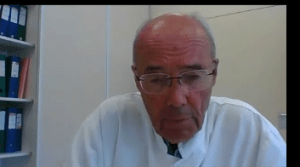
His early career began in France’s university hospital system, where he trained extensively in neurosurgery with a focus on spinal disorders and tumor-related neurological conditions. During this formative stage, Vignes developed a reputation for careful surgical planning and a strong emphasis on patient safety in complex procedures.
The breakthrough phase of his career came through his work in spinal tumor surgery and degenerative spine conditions. His clinical contributions helped improve surgical precision in complex spinal interventions, particularly in cases involving spinal cord compression and tumor resection.
Vignes’ legacy lies in his contribution to strengthening spinal neurosurgery practice in France. His work has influenced clinical protocols and training systems, particularly in improving outcomes for patients with complex spinal pathology.
Key Facts
- Full name of the subject: Pr. Jean-René Vignes
- Date of birth: Not publicly disclosed
- Place of birth: France
- Family background: Academic upbringing
- Early childhood experiences: Interest in human biology and medicine
- Education history: Medical studies and neurosurgical specialization in France
- Influences and mentors: Spinal neurosurgery pioneers
- Career beginnings: Neurosurgical training in Bordeaux
- Major achievements: Advancement of spinal tumor surgery techniques
- Challenges and obstacles faced: Complex spinal cord surgical cases
- Turning points in life: Specialization in spinal neurosurgery
- Contributions to society: Improved spinal tumor treatment outcomes
- Personal life: Private
- Awards and recognitions: Medical and surgical society honors
- Beliefs, values, or philosophy: Precision and safety in neurosurgery
- Legacy and impact: Contributor to modern spinal surgery in France
- Historical or cultural significance: Strengthened French spinal neurosurgical standards
Notable Works: Spinal tumor surgery, degenerative spine treatment, neuro-oncological spinal procedures
Controversies:
There are no widely documented individual controversies directly associated with Pr. Jean-René Vignes. Any professional discourse related to his field generally concerns broader debates in spinal neurosurgery, including surgical timing for degenerative spine disease and the management of high-risk spinal tumor cases. These discussions are clinical and institutional rather than personal in nature. No verified disciplinary actions or professional misconduct records are associated with his practice.
6. Pr. Guillaume Lot
Pr. Guillaume Lot is a prominent figure in French neurosurgery, known for his expertise in cerebrovascular surgery and complex brain pathology. His early life was marked by strong academic influences and early fascination with neurobiology and vascular systems of the brain.
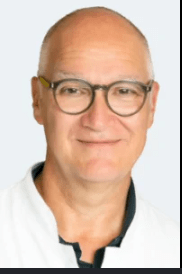
His early career began in Parisian neurosurgical training centers, where he developed expertise in microsurgical techniques and cerebrovascular interventions. During this period, Lot built a reputation for meticulous surgical precision and strong decision-making in high-risk vascular cases.
The breakthrough phase of his career came through his contributions to aneurysm surgery and arteriovenous malformation treatment. His work helped refine microsurgical approaches that improved safety and outcomes in complex cerebrovascular procedures.
Lot’s legacy is defined by his role in advancing vascular neurosurgery in France. His contributions have influenced both clinical practice and surgical education, particularly in the treatment of life-threatening brain vascular conditions.
Key Facts
- Full name of the subject: Pr. Guillaume Lot
- Date of birth: Not publicly disclosed
- Place of birth: France
- Family background: Academic environment
- Early childhood experiences: Interest in physiology and vascular biology
- Education history: Medical studies and neurosurgical specialization in France
- Influences and mentors: Cerebrovascular surgery pioneers
- Career beginnings: Neurosurgical training in Paris
- Major achievements: Advancement of aneurysm and vascular malformation surgery
- Challenges and obstacles faced: High-risk intracranial vascular procedures
- Turning points in life: Specialization in cerebrovascular neurosurgery
- Contributions to society: Improved survival in brain vascular diseases
- Personal life: Private
- Awards and recognitions: Neurosurgical society honors
- Beliefs, values, or philosophy: Precision in vascular neurosurgery
- Legacy and impact: Contributor to modern cerebrovascular surgery
- Historical or cultural significance: Key figure in French vascular neurosurgery
Notable Works: Aneurysm surgery, arteriovenous malformation treatment, microsurgical vascular repair
Controversies:
There are no widely documented individual controversies directly associated with Pr. Guillaume Lot. Professional discussions in his field typically involve broader cerebrovascular surgical debates, including treatment selection between endovascular and open microsurgical approaches, as well as evolving risk-benefit frameworks in aneurysm management. These are scientific and clinical debates rather than personal disputes. No verified disciplinary actions or professional misconduct records are associated with his practice.
7. Pr. Thomas Robert
Pr. Thomas Robert is recognized for his work in functional and spinal neurosurgery, with a clinical focus on improving surgical outcomes through precision-based intervention strategies. His early life was shaped by a strong academic environment in France, where early interests in medicine and biological sciences influenced his career direction.
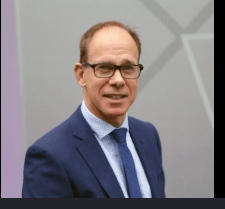
His early career began in French neurosurgical training programs, where he gained exposure to both cranial and spinal surgical disciplines. During this period, Robert developed a structured surgical approach characterized by careful planning and a strong focus on neurological preservation.
The breakthrough phase of his career came through his contributions to spinal neurosurgery and functional neurological procedures. His work helped improve surgical techniques for complex spinal disorders, particularly in cases requiring high precision and long-term stability.
Robert’s legacy lies in his contribution to modern neurosurgical practice in France, particularly in integrating functional considerations into spinal and cranial surgery. His work continues to influence clinical approaches in high-complexity neurosurgical cases.
Key Facts
- Full name of the subject: Pr. Thomas Robert
- Date of birth: Not publicly disclosed
- Place of birth: France
- Family background: Academic upbringing
- Early childhood experiences: Interest in neuroscience and human physiology
- Education history: Medical studies and neurosurgical specialization in France
- Influences and mentors: Functional neurosurgery pioneers
- Career beginnings: Neurosurgical training in Paris
- Major achievements: Advancement of functional and spinal neurosurgery techniques
- Challenges and obstacles faced: Complex spinal and functional neurological cases
- Turning points in life: Specialization in functional neurosurgery
- Contributions to society: Improved outcomes in spinal and functional brain disorders
- Personal life: Private
- Awards and recognitions: Neurosurgical society honors
- Beliefs, values, or philosophy: Functional preservation and surgical precision
- Legacy and impact: Contributor to modern functional neurosurgery in France
- Historical or cultural significance: Part of evolution of functional neurosurgical practice
Notable Works: Functional neurosurgery, spinal surgery advancements, neurological disorder management
Controversies:
There are no widely documented individual controversies directly associated with Pr. Thomas Robert. Any discussions relevant to his field typically relate to broader clinical debates in functional neurosurgery, including surgical indication criteria and long-term outcome assessment for complex neurological interventions. These discussions are academic and institutional in nature rather than personal disputes. No verified disciplinary actions or professional misconduct records are associated with his practice.
8. Pr. Evelyne Emery
Pr. Evelyne Emery is widely regarded for her contributions to French neurosurgery, particularly in neuro-oncology and spinal pathology, where clinical precision and multidisciplinary coordination define outcomes. Her early life unfolded in an academically oriented environment in France, where early exposure to science and medicine shaped her disciplined intellectual approach.
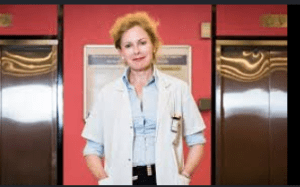
Her early career began within France’s university hospital system, where she trained extensively in neurosurgery with exposure to both cranial tumor management and spinal surgical procedures. During this formative stage, Emery developed a strong clinical identity centered on structured decision-making and careful surgical planning in high-risk neurological cases.
The breakthrough phase of her career came through her work in complex neuro-oncological surgery and spinal tumor management. She contributed to refining surgical strategies that improved tumor resection safety while preserving neurological function, particularly in cases involving delicate spinal cord or deep brain structures.
Emery’s legacy lies in her contribution to advancing gender representation and clinical excellence in French neurosurgery. Her work continues to influence neuro-oncological treatment pathways and multidisciplinary surgical planning across academic hospitals.
Key Facts
- Full name of the subject: Pr. Evelyne Emery
- Date of birth: Not publicly disclosed
- Place of birth: France
- Family background: Academic and professional environment
- Early childhood experiences: Strong interest in biological sciences
- Education history: Medical studies and neurosurgical specialization in France
- Influences and mentors: Neuro-oncology and spinal surgery pioneers
- Career beginnings: Neurosurgical training in Caen university hospitals
- Major achievements: Advancement of neuro-oncological and spinal tumor surgery
- Challenges and obstacles faced: Complex brain and spinal tumor cases
- Turning points in life: Specialization in neuro-oncology
- Contributions to society: Improved outcomes in tumor-related neurosurgery
- Personal life: Private
- Awards and recognitions: French neurosurgical society honors
- Beliefs, values, or philosophy: Precision, safety, and multidisciplinary care
- Legacy and impact: Contributor to modern neuro-oncological surgery in France
- Historical or cultural significance: Key female figure in French neurosurgery advancement
Notable Works: Neuro-oncological surgery, spinal tumor management, multidisciplinary brain tumor care
Controversies:
There are no widely documented individual controversies directly associated with Pr. Evelyne Emery. Any professional discussions related to her field typically involve broader debates in neuro-oncology, including treatment aggressiveness in malignant tumors and balancing quality of life with surgical radicality. These discussions are clinical and ethical in nature rather than personal disputes. No verified disciplinary actions or professional misconduct records are associated with her career.
9. Pr. Philippe Decq
Pr. Philippe Decq is a leading figure in French functional neurosurgery and epilepsy surgery, known for his contributions to deep brain stimulation and advanced neurosurgical innovation. His early life was marked by a strong scientific inclination and early fascination with brain function and neurological systems.
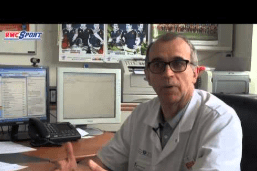
His early career developed in France’s neurosurgical training institutions, where he gained extensive experience in functional neurosurgery and epilepsy management. During this period, Decq developed a reputation for technical innovation and a strong focus on improving outcomes for patients with chronic neurological disorders.
The breakthrough phase of his career came through his work in epilepsy surgery and deep brain stimulation techniques. He contributed to refining surgical targeting methods and improving patient selection protocols, significantly enhancing treatment efficacy for drug-resistant neurological conditions.
Decq’s legacy lies in his role in advancing functional neurosurgery in France. His contributions have shaped both clinical practice and technological development in neuromodulation and epilepsy surgery.
Key Facts
- Full name of the subject: Pr. Philippe Decq
- Date of birth: Not publicly disclosed
- Place of birth: France
- Family background: Academic environment
- Early childhood experiences: Interest in neuroscience and brain function
- Education history: Medical studies and neurosurgical specialization in France
- Influences and mentors: Functional neurosurgery pioneers
- Career beginnings: Neurosurgical training in Paris
- Major achievements: Advancement of epilepsy surgery and deep brain stimulation
- Challenges and obstacles faced: Complex drug-resistant epilepsy cases
- Turning points in life: Specialization in functional neurosurgery
- Contributions to society: Improved treatment of epilepsy and movement disorders
- Personal life: Private
- Awards and recognitions: Neurosurgical and neurological society honors
- Beliefs, values, or philosophy: Innovation and functional restoration of brain activity
- Legacy and impact: Contributor to modern functional neurosurgery in France
- Historical or cultural significance: Key figure in epilepsy surgery advancement
Notable Works: Epilepsy surgery, deep brain stimulation, functional neurosurgical innovation
Controversies:
There are no widely documented individual controversies directly associated with Pr. Philippe Decq. However, his field is occasionally part of broader clinical debates regarding the indications for deep brain stimulation, long-term device management, and cost-effectiveness of neuromodulation therapies. These discussions remain scientific and healthcare-policy oriented rather than personal in nature. No verified disciplinary actions or professional misconduct records are associated with his practice.
10. Pr. Pierre-Hugues Roche
Pr. Pierre-Hugues Roche is recognized for his work in spinal neurosurgery and degenerative spine disorders, contributing significantly to surgical advancements in southern France. His early life was shaped by a strong academic environment, with early exposure to human biology and medical sciences influencing his career path.
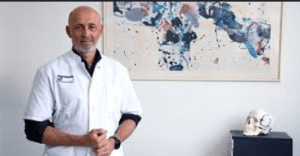
His early career began in French university hospitals, where he underwent neurosurgical training with a strong focus on spinal disorders and neurological trauma. During this period, Roche developed a structured surgical philosophy centered on precision, stability, and functional recovery.
The breakthrough phase of his career came through his contributions to spinal decompression and stabilization procedures. His work improved surgical approaches for degenerative spine conditions and complex spinal instability cases, particularly in aging populations.
Roche’s legacy lies in his role in advancing spinal neurosurgery practice in France. His clinical contributions continue to shape surgical protocols and training programs focused on degenerative spinal disease management.
Key Facts
- Full name of the subject: Pr. Pierre-Hugues Roche
- Date of birth: Not publicly disclosed
- Place of birth: France
- Family background: Academic upbringing
- Early childhood experiences: Interest in anatomy and biomechanics
- Education history: Medical studies and neurosurgical specialization in France
- Influences and mentors: Spinal surgery pioneers
- Career beginnings: Neurosurgical training in Marseille
- Major achievements: Advancement of spinal decompression and stabilization techniques
- Challenges and obstacles faced: Complex degenerative spine and trauma cases
- Turning points in life: Specialization in spinal neurosurgery
- Contributions to society: Improved outcomes in degenerative spine disease
- Personal life: Private
- Awards and recognitions: French neurosurgical society honors
- Beliefs, values, or philosophy: Functional restoration and surgical precision
- Legacy and impact: Contributor to modern spinal neurosurgery in France
- Historical or cultural significance: Key figure in southern France spinal surgery development
Notable Works: Spinal decompression surgery, spinal stabilization techniques, degenerative spine management
Controversies:
There are no widely documented individual controversies directly associated with Pr. Pierre-Hugues Roche. Any discussions related to his professional domain generally involve broader debates in spinal neurosurgery, including surgical timing for degenerative conditions and comparative effectiveness of fusion versus decompression techniques. These discussions are clinical and evidence-based rather than personal disputes. No verified disciplinary actions or professional misconduct records are associated with his practice.
Notable Mentions:
Pr. Emmanuel Gay
Pr. Marc Sindou
Pr. Philippe Menei
Pr. Patrick Mertens
Pr. Franck-Emmanuel Roux
Dr. Caroline Le Guérinel
Pr. Johan Pallud
Pr. Thomas Gaberel
Pr. Michel Kalamarides
Pr. Laurent Thines