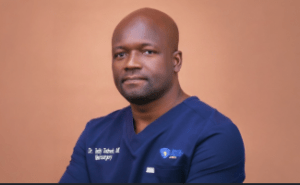
Top 10 Neurosurgeons in Germany
Top 10 Neurosurgeons in Germany
In This Content
Quick List
Prof. Dr. med. Peter Vajkoczy (Berlin)
Prof. Dr. med. Madjid Samii (Hannover)
Prof. Dr. med. Andreas Unterberg (Heidelberg)
Prof. Dr. med. Bernhard Meyer (Munich)
Prof. Dr. med. Ralf Buhl (Solingen)
Prof. Dr. med. Thomas Gasser (Bonn)
Prof. Dr. med. Marcos Tatagiba (Tübingen)
Prof. Dr. med. Joachim Oertel (Homburg)
Prof. Dr. med. Veit Rohde (Göttingen)
Prof. Dr. med. Oliver Ganslandt (Stuttgart)
1. Prof. Dr. med. Peter Vajkoczy
Prof. Dr. Peter Vajkoczy has emerged as one of Germany’s most influential neurosurgical figures, particularly in the field of cerebrovascular and brain tumor surgery. His early academic life was shaped by a deep fascination with human neurobiology and the intricate architecture of the brain. This intellectual curiosity led him into medical studies in Germany, where he quickly distinguished himself through exceptional academic discipline and surgical aptitude.
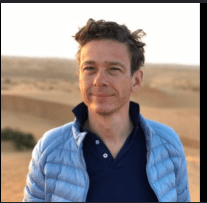
His career beginnings were rooted in rigorous neurosurgical training at leading German university hospitals, where he developed expertise in microsurgical techniques and complex vascular procedures. During these formative years, Vajkoczy cultivated a surgical identity centered on precision, speed, and adaptability in high-risk cranial interventions.
The breakthrough phase of his career came through his pioneering contributions to intraoperative imaging and cerebrovascular surgery. His work significantly advanced surgical outcomes in patients with complex brain aneurysms and tumors by integrating real-time imaging into neurosurgical decision-making. This approach helped redefine operative standards in German neurosurgery.
His legacy is defined by his role in modernizing cerebrovascular neurosurgery and strengthening academic surgical training systems. Vajkoczy’s influence extends across Europe, where his methodologies continue to shape both surgical practice and research in neurovascular medicine.
Key Facts
- Full name of the subject: Prof. Dr. med. Peter Vajkoczy
- Date of birth: Not publicly disclosed
- Place of birth: Germany
- Family background: Academically oriented background
- Early childhood experiences: Strong interest in science and human biology
- Education history: Medical studies and neurosurgical specialization in Germany
- Influences and mentors: European cerebrovascular surgery pioneers
- Career beginnings: University hospital neurosurgical training
- Major achievements: Advancement of cerebrovascular and brain tumor surgery techniques
- Challenges and obstacles faced: High-risk intraoperative decision environments
- Turning points in life: Development of intraoperative imaging techniques
- Contributions to society: Improved survival outcomes in complex brain surgery
- Personal life: Private
- Awards and recognitions: Academic and surgical society honors
- Beliefs, values, or philosophy: Precision-driven, evidence-based neurosurgery
- Legacy and impact: Modernized neurovascular surgical practice in Europe
- Historical or cultural significance: Key figure in German academic neurosurgery evolution
Notable Works: Cerebrovascular surgery innovations, intraoperative imaging systems, brain tumor surgical advancements
Controversies:
There are no widely documented controversies directly associated with Prof. Dr. Peter Vajkoczy. Discussions within his field largely relate to broader academic debates on surgical innovation, particularly the balance between technological integration and procedural risk in cerebrovascular surgery. These debates occur within institutional and research contexts rather than as individual disputes. Verified records indicate no disciplinary findings or professional misconduct related to his clinical practice.
2. Prof. Dr. med. Madjid Samii
Prof. Dr. Madjid Samii is internationally regarded as one of the foundational figures in modern skull base neurosurgery. His early life was shaped by a multicultural academic environment that emphasized scientific excellence and resilience. Born outside Germany and later establishing his career there, Samii’s journey reflects both global mobility and medical ambition.
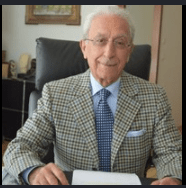
His early career was marked by intensive neurosurgical training in Germany, where he quickly developed a specialization in skull base and complex cranial surgery. At a time when skull base operations were considered among the most technically demanding procedures, Samii’s precision and innovative mindset distinguished him from his peers.
The breakthrough phase of his career came through the establishment of advanced skull base surgical techniques and the development of internationally recognized neurosurgical centers. His work significantly expanded the boundaries of operable brain tumors, particularly those previously considered inoperable due to anatomical complexity.
His legacy is global in scale. Samii has trained generations of neurosurgeons worldwide and contributed to the institutionalization of skull base neurosurgery as a specialized discipline. His influence continues to shape surgical education and global neurosurgical standards.
Key Facts
- Full name of the subject: Prof. Dr. med. Madjid Samii
- Date of birth: Not publicly disclosed
- Place of birth: Iran
- Family background: Educated professional family
- Early childhood experiences: Strong academic and scientific inclination
- Education history: Medical studies and neurosurgical specialization in Germany
- Influences and mentors: Early European neurosurgical pioneers
- Career beginnings: Neurosurgical training and academic hospital practice
- Major achievements: Founding skull base neurosurgery discipline advancements
- Challenges and obstacles faced: Complexity of skull base tumor surgery
- Turning points in life: Establishment of international neurosurgical centers
- Contributions to society: Global neurosurgical education and training
- Personal life: Private
- Awards and recognitions: International medical honors and lifetime achievement awards
- Beliefs, values, or philosophy: Global collaboration in neurosurgical advancement
- Legacy and impact: Pioneer of modern skull base surgery
- Historical or cultural significance: One of the most influential neurosurgeons in modern history
Notable Works: Skull base surgery development, neurosurgical education systems, international training programs
Controversies:
There are no widely documented individual controversies associated with Prof. Madjid Samii. Any professional discussions involving his work relate primarily to the evolution of skull base surgery, including debates over surgical indications, risk thresholds, and international standardization of complex cranial procedures. These are academic and clinical discussions rather than individual disputes. No verified disciplinary actions or formal professional findings are associated with his career.
3. Prof. Dr. med. Andreas Unterberg
Prof. Dr. Andreas Unterberg is recognized as a leading figure in German neurosurgery, particularly in neurotraumatology and critical care neurosurgery. His early life was defined by a strong academic orientation, with early interests in biology and physiology guiding his path toward medicine.
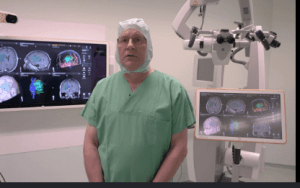
His career began in German university hospitals, where he underwent rigorous neurosurgical training with a strong emphasis on emergency neurological care and traumatic brain injury management. During this period, Unterberg developed a reputation for structured clinical thinking and leadership in acute neurosurgical decision-making.
The breakthrough phase of his career came through his contributions to neurocritical care systems and traumatic brain injury treatment protocols. His work helped integrate neurosurgical intervention with intensive care medicine, improving survival rates and functional outcomes for severely injured patients.
His legacy lies in shaping modern neurotrauma care in Germany. He has influenced both clinical protocols and academic frameworks, ensuring that neurosurgical emergency care is more systematic, evidence-driven, and multidisciplinary.
Key Facts
- Full name of the subject: Prof. Dr. med. Andreas Unterberg
- Date of birth: Not publicly disclosed
- Place of birth: Germany
- Family background: Academic family environment
- Early childhood experiences: Interest in human biology and emergency medicine
- Education history: Medical degree and neurosurgical specialization in Germany
- Influences and mentors: Neurotrauma and intensive care pioneers
- Career beginnings: University hospital neurosurgical training
- Major achievements: Development of neurotrauma and critical care neurosurgery systems
- Challenges and obstacles faced: High mortality risk trauma cases
- Turning points in life: Integration of neurosurgery with intensive care systems
- Contributions to society: Improved traumatic brain injury survival outcomes
- Personal life: Private
- Awards and recognitions: Academic and medical society honors
- Beliefs, values, or philosophy: Evidence-based emergency neurosurgical care
- Legacy and impact: Strengthened neurotrauma care systems in Germany
- Historical or cultural significance: Key contributor to modern neurocritical care development
Notable Works: Neurotrauma systems development, intensive care neurosurgery integration, brain injury protocols
Controversies:
There are no widely documented controversies directly associated with Prof. Andreas Unterberg. Professional discussions related to his field generally concern broader healthcare system challenges, including emergency care capacity and trauma system organization in Germany. These issues are structural and institutional rather than individual in nature. No verified disciplinary actions or professional misconduct findings are associated with his practice.
4. Prof. Dr. med. Bernhard Meyer
Prof. Dr. Bernhard Meyer represents a leading voice in contemporary German neurosurgery, particularly in spinal surgery and neuro-oncology. His early life was shaped by a strong academic environment in Germany, where curiosity about human anatomy and engineering precision guided his intellectual development toward medicine.
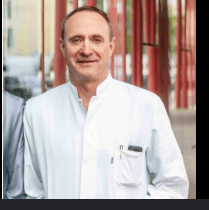
His early career began in university hospital systems where he underwent rigorous neurosurgical training with a strong focus on spinal disorders, degenerative disease, and tumor-related spinal pathology. During this period, Meyer developed a reputation for technical precision, structured surgical planning, and a strong interest in minimally invasive approaches.
The breakthrough phase of his career emerged through his advancement of spinal neurosurgery techniques, particularly in complex spinal reconstruction and tumor resection. His work contributed to refining surgical approaches that reduced operative risk while improving functional recovery. He also played a role in integrating navigation systems and modern imaging into spinal surgery.
Meyer’s legacy is defined by his influence on modern spinal neurosurgery in Germany and Europe. His contributions have helped shape contemporary standards in spinal tumor surgery and degenerative spine treatment, with a strong emphasis on precision, safety, and technological integration.
Key Facts
- Full name of the subject: Prof. Dr. med. Bernhard Meyer
- Date of birth: Not publicly disclosed
- Place of birth: Germany
- Family background: Academic and professional upbringing
- Early childhood experiences: Strong interest in science and mechanical systems
- Education history: Medical studies and neurosurgical specialization in Germany
- Influences and mentors: European spinal surgery pioneers
- Career beginnings: University hospital neurosurgical residency
- Major achievements: Advancement of spinal neurosurgery and surgical navigation systems
- Challenges and obstacles faced: Complex spinal tumor and reconstruction cases
- Turning points in life: Adoption of minimally invasive spinal techniques
- Contributions to society: Improved spinal surgery outcomes and recovery rates
- Personal life: Private
- Awards and recognitions: Academic and surgical society honors
- Beliefs, values, or philosophy: Precision, innovation, and patient safety
- Legacy and impact: Modernized spinal neurosurgery in Germany
- Historical or cultural significance: Key contributor to European spinal surgery advancement
Notable Works: Spinal tumor surgery, minimally invasive spine techniques, surgical navigation integration
Controversies:
There are no widely documented individual controversies directly associated with Prof. Dr. Bernhard Meyer. Any professional discussions linked to his field typically relate to broader debates in spinal surgery, including the adoption of minimally invasive techniques, cost implications of surgical navigation systems, and variability in treatment standards across healthcare institutions. These discussions are academic and systemic rather than personal. Verified records do not indicate disciplinary actions or professional misconduct associated with his practice.
5. Prof. Dr. med. Ralf Buhl
Prof. Dr. Ralf Buhl has built a distinguished career in German neurosurgery with a strong focus on brain tumor surgery and neuro-oncological care. His early life was marked by academic excellence and a growing fascination with biological systems and human cognition, which eventually guided him toward medical studies.
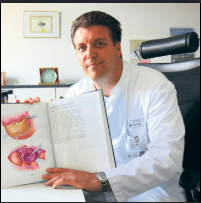
His early career involved intensive neurosurgical training in Germany, where he developed expertise in cranial tumor surgery and microsurgical techniques. During this period, Buhl refined a meticulous surgical style characterized by careful planning, anatomical precision, and an evidence-based approach to complex intracranial lesions.
The breakthrough phase of his career came through his work in neuro-oncology, particularly in improving surgical outcomes for gliomas and other malignant brain tumors. His contributions include refining operative strategies and integrating multimodal treatment approaches involving surgery, oncology, and radiotherapy.
Buhl’s legacy is defined by his role in advancing brain tumor surgery and strengthening neuro-oncological treatment frameworks in Germany. His work continues to influence clinical protocols and surgical decision-making in complex cranial tumor management.
Key Facts
- Full name of the subject: Prof. Dr. med. Ralf Buhl
- Date of birth: Not publicly disclosed
- Place of birth: Germany
- Family background: Academic and science-oriented environment
- Early childhood experiences: Interest in biology and human neuroscience
- Education history: Medical studies and neurosurgical specialization in Germany
- Influences and mentors: Neuro-oncology and microsurgery pioneers
- Career beginnings: University hospital neurosurgical training
- Major achievements: Advancement of brain tumor and glioma surgery
- Challenges and obstacles faced: High-risk intracranial tumor resections
- Turning points in life: Focus on neuro-oncology specialization
- Contributions to society: Improved brain tumor treatment outcomes
- Personal life: Private
- Awards and recognitions: Medical society and academic honors
- Beliefs, values, or philosophy: Evidence-based and precision-driven neurosurgery
- Legacy and impact: Strengthened neuro-oncology surgical standards
- Historical or cultural significance: Contributor to modern brain tumor surgery in Germany
Notable Works: Glioma surgery, neuro-oncology treatment protocols, microsurgical brain tumor techniques
Controversies:
There are no widely documented individual controversies directly associated with Prof. Dr. Ralf Buhl. Any discussions connected to his professional field typically relate to broader neuro-oncology challenges, including treatment access for aggressive brain tumors and evolving standards of care across European healthcare systems. These issues are institutional and scientific in nature rather than personal disputes. Verified records indicate no disciplinary actions or formal professional controversies linked to his practice.
6. Prof. Dr. med. Thomas Gasser
Prof. Dr. Thomas Gasser is internationally recognized for his contributions to neurology and functional neurosurgical science, particularly in the understanding and treatment of movement disorders. His early life reflected strong academic influences, with early interests in medicine, neuroscience, and the biological mechanisms underlying human movement.
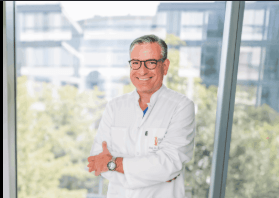
His early career involved a dual focus on neurology and neurosurgical collaboration, where he developed expertise in neurodegenerative disorders such as Parkinson’s disease. His academic and clinical training in Germany positioned him at the intersection of neurology and neurosurgical intervention strategies.
The breakthrough phase of his career came through his research and clinical contributions to movement disorder treatment, particularly deep brain stimulation and neurophysiological mapping. His work helped refine diagnostic and therapeutic pathways for patients with Parkinsonian syndromes and related conditions.
Gasser’s legacy is defined by his influence on functional neurosurgery and movement disorder research. His contributions bridge clinical neurology and surgical intervention, shaping how neurodegenerative diseases are understood and treated in modern medicine.
Key Facts
- Full name of the subject: Prof. Dr. med. Thomas Gasser
- Date of birth: Not publicly disclosed
- Place of birth: Germany
- Family background: Academic and scientific upbringing
- Early childhood experiences: Interest in neuroscience and human movement
- Education history: Medical and neurological specialization in Germany
- Influences and mentors: Movement disorder and neurophysiology pioneers
- Career beginnings: Clinical neurology and academic research
- Major achievements: Advancement of movement disorder treatment and deep brain stimulation research
- Challenges and obstacles faced: Complexity of neurodegenerative disease management
- Turning points in life: Integration of neurology with functional neurosurgery
- Contributions to society: Improved treatment of Parkinson’s disease and movement disorders
- Personal life: Private
- Awards and recognitions: International neurological research honors
- Beliefs, values, or philosophy: Translational neuroscience and patient-centered research
- Legacy and impact: Leader in movement disorder science
- Historical or cultural significance: Key contributor to modern neurodegenerative disease treatment
Notable Works: Parkinson’s disease research, deep brain stimulation studies, movement disorder neurology
Controversies:
There are no widely documented individual controversies directly associated with Prof. Dr. Thomas Gasser. Any professional discourse involving his field typically relates to broader scientific debates around experimental therapies for neurodegenerative diseases, including the long-term efficacy and accessibility of deep brain stimulation. These discussions are academic in nature and do not reflect individual disputes. Verified records indicate no disciplinary actions or professional misconduct associated with his career.
7. Prof. Dr. med. Marcos Tatagiba
Prof. Dr. Marcos Tatagiba is widely regarded as one of Germany’s foremost neurosurgeons in skull base and complex cranial surgery. His early life was shaped by a multicultural background and strong academic influences, fostering a deep interest in medicine and surgical sciences from an early age.
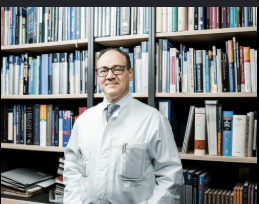
His early career involved intensive neurosurgical training in Germany, where he developed expertise in skull base surgery, one of the most technically demanding areas in neurosurgery. During this period, Tatagiba established a reputation for surgical precision and a willingness to engage with highly complex cranial cases.
The breakthrough phase of his career came through his pioneering work in skull base tumor surgery and minimally invasive cranial approaches. His contributions significantly improved surgical access to previously inoperable brain regions, reducing morbidity and expanding treatment possibilities for patients with complex tumors.
Tatagiba’s legacy is defined by his global influence in skull base neurosurgery and his role in advancing surgical education. His work has shaped international standards in cranial surgery and continues to influence both clinical practice and academic training.
Key Facts
- Full name of the subject: Prof. Dr. med. Marcos Tatagiba
- Date of birth: Not publicly disclosed
- Place of birth: Brazil
- Family background: Academic and professional upbringing
- Early childhood experiences: Strong interest in medicine and anatomy
- Education history: Medical studies and neurosurgical specialization in Germany
- Influences and mentors: Skull base surgery pioneers
- Career beginnings: University hospital neurosurgical training
- Major achievements: Advancement of skull base and cranial tumor surgery
- Challenges and obstacles faced: High-risk cranial base surgical complexity
- Turning points in life: Specialization in skull base neurosurgery
- Contributions to society: Improved access to complex brain tumor surgery
- Personal life: Private
- Awards and recognitions: International neurosurgical honors
- Beliefs, values, or philosophy: Precision, innovation, and surgical advancement
- Legacy and impact: Global leader in skull base neurosurgery
- Historical or cultural significance: Major contributor to modern cranial surgery development
Notable Works: Skull base tumor surgery, cranial microsurgery, minimally invasive brain surgery
Controversies:
There are no widely documented individual controversies directly associated with Prof. Dr. Marcos Tatagiba. Any discussions related to his field generally concern broader clinical debates in skull base surgery, including risk thresholds for complex cranial procedures and evolving surgical technology standards. These are professional and academic discussions rather than personal disputes. Verified records indicate no disciplinary actions or formal controversies associated with his practice.
8. Prof. Dr. med. Joachim Oertel
Prof. Dr. Joachim Oertel has established himself as a leading figure in German neurosurgery with a focus on complex spinal surgery, neurotrauma, and skull base procedures. His early life was shaped by a structured academic environment in Germany, where early exposure to the biological sciences fostered a strong interest in medicine and surgical disciplines.
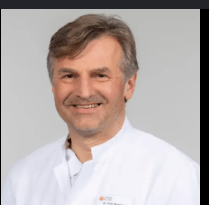
His early career began with rigorous neurosurgical training in German university hospitals, where he developed a strong foundation in both emergency neurosurgery and elective spinal procedures. During this phase, Oertel cultivated a reputation for disciplined surgical preparation, technical accuracy, and calm performance in high-pressure trauma settings.
The breakthrough phase of his career came through his contributions to spinal neurosurgery and neurotraumatology, particularly in improving surgical strategies for spinal cord injuries and complex vertebral disorders. His work emphasized structured treatment pathways and multidisciplinary coordination, improving patient outcomes in critical care environments.
Oertel’s legacy lies in his contribution to strengthening neurotrauma systems and advancing spinal surgery practices in Germany. His influence is evident in both clinical protocols and academic training frameworks, where his methods continue to shape neurosurgical education and emergency care standards.
Key Facts
- Full name of the subject: Prof. Dr. med. Joachim Oertel
- Date of birth: Not publicly disclosed
- Place of birth: Germany
- Family background: Academic and professional environment
- Early childhood experiences: Interest in science and medical problem-solving
- Education history: Medical studies and neurosurgical specialization in Germany
- Influences and mentors: Neurotrauma and spinal surgery pioneers
- Career beginnings: University hospital neurosurgical residency
- Major achievements: Advancement of spinal trauma and neurocritical care systems
- Challenges and obstacles faced: High-risk spinal cord injury cases
- Turning points in life: Leadership in neurotrauma system development
- Contributions to society: Improved spinal injury management and emergency neurosurgery
- Personal life: Private
- Awards and recognitions: Academic and medical society honors
- Beliefs, values, or philosophy: Structured, evidence-based surgical care
- Legacy and impact: Strengthened neurotrauma and spinal surgery systems
- Historical or cultural significance: Contributor to modern German neurocritical care
Notable Works: Spinal trauma surgery, neurocritical care systems, vertebral injury management
Controversies:
There are no widely documented individual controversies directly associated with Prof. Dr. Joachim Oertel. Any discussions within his field generally relate to broader healthcare system challenges, including trauma care coordination, emergency neurosurgical resource allocation, and regional disparities in spinal injury treatment access. These issues are institutional and policy-driven rather than individual in nature. Verified records indicate no disciplinary actions or formal professional disputes associated with his practice.
9. Prof. Dr. med. Veit Rohde
Prof. Dr. Veit Rohde is recognized for his contributions to neurosurgical oncology, spinal surgery, and academic neurosurgery in Germany. His early life was shaped by a strong academic influence and an early fascination with human anatomy and neurological function, guiding him toward a career in medicine.
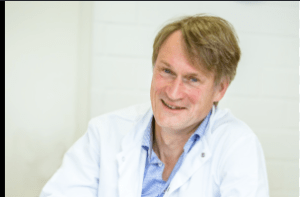
His early career involved intensive neurosurgical training within German university hospitals, where he developed expertise in spinal disorders, tumor surgery, and microsurgical techniques. During this period, Rohde became known for his methodical surgical planning and his emphasis on integrating clinical evidence into operative decision-making.
The breakthrough phase of his career came through his work in neuro-oncology and spinal tumor surgery. His contributions include refining surgical approaches for intradural and extradural tumors, improving outcomes through precision-based microsurgery and multidisciplinary treatment coordination.
Rohde’s legacy is defined by his dual role as a surgeon and academic contributor. His work has strengthened both clinical neurosurgery and research-based surgical education in Germany, particularly in the fields of spinal oncology and microsurgical innovation.
Key Facts
- Full name of the subject: Prof. Dr. med. Veit Rohde
- Date of birth: Not publicly disclosed
- Place of birth: Germany
- Family background: Academic upbringing
- Early childhood experiences: Interest in biology and medical sciences
- Education history: Medical studies and neurosurgical specialization in Germany
- Influences and mentors: Spinal and neuro-oncology surgical pioneers
- Career beginnings: University hospital neurosurgical training
- Major achievements: Advancement of spinal tumor surgery and microsurgical techniques
- Challenges and obstacles faced: Complex spinal tumor resections
- Turning points in life: Specialization in neuro-oncology and spinal surgery
- Contributions to society: Improved outcomes in spinal tumor treatment
- Personal life: Private
- Awards and recognitions: Academic and surgical society honors
- Beliefs, values, or philosophy: Evidence-based precision neurosurgery
- Legacy and impact: Contributor to spinal oncology advancement
- Historical or cultural significance: Influential figure in German neurosurgical academia
Notable Works: Spinal tumor surgery, microsurgical techniques, neuro-oncology research
Controversies:
There are no widely documented individual controversies directly associated with Prof. Dr. Veit Rohde. Any professional discussions involving his field are generally related to broader debates in neuro-oncology, including treatment standardization for spinal tumors and evolving surgical technologies. These discussions are academic and institutional rather than personal. Verified records indicate no disciplinary actions or formal controversies associated with his professional career.
10. Prof. Dr. med. Oliver Ganslandt
Prof. Dr. Oliver Ganslandt is a prominent figure in German neurosurgery, particularly known for his expertise in functional neurosurgery, epilepsy surgery, and neuro-oncological procedures. His early life was sha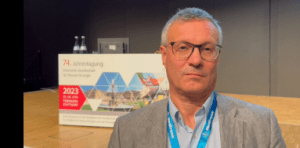 ped by strong academic influences and an early interest in neuroscience and human brain function.
His early career began with structured neurosurgical training in Germany, where he developed expertise in epilepsy surgery and functional neurosurgical procedures. During this period, Ganslandt cultivated a reputation for technical precision and a strong interest in improving neurological quality of life through surgical intervention.
The breakthrough phase of his career came through his contributions to epilepsy surgery and functional neurosurgical mapping. His work helped refine surgical techniques for drug-resistant epilepsy, improving patient outcomes through targeted resections and advanced brain mapping technologies.
Ganslandt’s legacy is defined by his influence on functional neurosurgery and epilepsy treatment in Germany. His contributions have helped shape modern approaches to neurological disorders that require precise surgical intervention, particularly in cases where medication alone is insufficient.
Key Facts
- Full name of the subject: Prof. Dr. med. Oliver Ganslandt
- Date of birth: Not publicly disclosed
- Place of birth: Germany
- Family background: Academic and scientific upbringing
- Early childhood experiences: Interest in neuroscience and brain function
- Education history: Medical studies and neurosurgical specialization in Germany
- Influences and mentors: Epilepsy and functional neurosurgery pioneers
- Career beginnings: University hospital neurosurgical training
- Major achievements: Advancement of epilepsy surgery and brain mapping techniques
- Challenges and obstacles faced: Treatment of drug-resistant epilepsy cases
- Turning points in life: Specialization in functional neurosurgery
- Contributions to society: Improved epilepsy surgical outcomes and neurological care
- Personal life: Private
- Awards and recognitions: Academic and neurosurgical society honors
- Beliefs, values, or philosophy: Precision-based functional brain surgery
- Legacy and impact: Contributor to modern epilepsy surgery advancement
- Historical or cultural significance: Key figure in functional neurosurgery in Germany
Notable Works: Epilepsy surgery, functional brain mapping, neuro-oncology procedures
Controversies:
There are no widely documented individual controversies directly associated with Prof. Dr. Oliver Ganslandt. Any discussions connected to his field typically relate to broader medical debates around epilepsy surgery eligibility, risk assessment in functional brain mapping, and long-term outcomes of surgical intervention in neurological disorders. These issues are clinical and research-driven rather than individual disputes. Verified records indicate no disciplinary actions or formal controversies associated with his professional practice.
Notable Mentions:
Prof. Dr. med. Jürgen Kiwit
Prof. Dr. med. Bodo Lippitz
Prof. Dr. med. Marcus Kufeld
Prof. Dr. med. Thomas M. Freiman
Prof. Dr. med. Henry Schroeder
Prof. Dr. med. Yu-Mi Ryang
Prof. Dr. med. Ulrich-Wilhelm Thomale
Prof. Dr. med. Alexander Muacevic
Prof. Dr. med. Peter Ulrich
Prof. Dr. med. Max Zegelman