
Top 10 People With Career Comebacks in Cinema That Defied All Odds
Top 10 People With Career Comebacks in Cinema That Defied All Odds
In This Content
Quick List
Robert Downey Jr.
Brendan Fraser
Ke Huy Quan
John Travolta
Michael Keaton
Jennifer Coolidge
Matthew McConaughey
Winona Ryder
Mickey Rourke
Ben Affleck
1. Robert Downey Jr.
Few modern Hollywood stories embody resilience and reinvention as powerfully as that of Robert Downey Jr. Born into a deeply artistic yet turbulent household in Manhattan, he was introduced to cinema at an early age by his father, an avant-garde filmmaker. His childhood, however, was shaped by exposure to substance abuse, which would later mirror the struggles that nearly derailed his career. Despite these early challenges, Downey displayed a magnetic screen presence sharp, improvisational, and intellectually agile marking him as one of his generation’s most promising young actors.

His early career in the 1980s and 1990s saw a rapid ascent, with standout performances that blended vulnerability and charisma. His portrayal in Chaplin earned him an Academy Award nomination, cementing his reputation as a serious actor capable of profound emotional depth. Yet, as his professional acclaim grew, so too did his personal struggles. Legal issues, arrests, and substance dependency led to repeated incarcerations and a near-complete exile from Hollywood, with studios deeming him uninsurable.
The turning point in Downey’s life came in the early 2000s when he committed to sobriety and began rebuilding his career piece by piece. His comeback was gradual but deliberate, marked by smaller roles that reestablished trust within the industry. The defining moment arrived with his casting as Tony Stark in Iron Man (2008). It was a risk for the studio, but one that paid off spectacularly. Downey’s performance redefined the superhero genre, blending wit, complexity, and emotional nuance, ultimately anchoring the Marvel Cinematic Universe.
Today, Downey’s legacy extends far beyond his box office success. He represents a paradigm shift in how Hollywood perceives redemption and second chances. His journey from a fallen star to one of the highest-paid actors in the world has influenced casting decisions, studio risk-taking, and public perceptions of personal transformation. His cultural impact lies not just in his performances but in his embodiment of resilience in the face of near-total collapse.
Key Facts
- Full name of the subject: Robert John Downey Jr.
- Date of birth: April 4, 1965
- Place of birth: New York City, New York, USA
- Family background: Son of filmmaker Robert Downey Sr. and actress Elsie Ann Ford
- Early childhood experiences: Exposed early to filmmaking and substance use within family environment
- Education history: Attended Santa Monica High School; dropped out to pursue acting
- Influences and mentors: Robert Downey Sr., method actors of the 1970s
- Career beginnings: Early roles in Saturday Night Live and teen films
- Major achievements: Academy Award nominee; central figure in the Marvel Cinematic Universe
- Challenges and obstacles faced: Substance abuse, legal troubles, incarceration
- Turning points in life: Commitment to sobriety; casting in Iron Man
- Contributions to society: Advocacy for rehabilitation and second chances
- Personal life (marriage, children, relationships): Married to Susan Downey; has children
- Awards and recognitions: Golden Globe Awards; BAFTA Award
- Beliefs, values, or philosophy: Emphasis on discipline, redemption, and personal growth
- Legacy and impact: Redefined career comebacks in Hollywood
- Historical or cultural significance: Symbol of resilience in modern entertainment
Notable Works: Chaplin, Iron Man, Sherlock Holmes, Avengers: Endgame
Controversies:
One of the most significant controversies surrounding Robert Downey Jr. centers on his prolonged struggle with substance abuse and related legal issues. Beginning in the late 1990s, Downey faced multiple arrests for drug possession and probation violations, leading to prison sentences and court-mandated rehabilitation. Key stakeholders included the legal system, film studios, and the public, all of whom questioned his reliability. Critics viewed his behavior as self-destructive and professionally irresponsible, while supporters emphasized addiction as a health issue requiring treatment rather than punishment. Official records confirm his arrests and sentencing, though public perception often amplified the narrative of personal failure. The consequences were severe, including loss of roles, insurance barriers, and reputational damage. Ultimately, his recovery and sustained sobriety reshaped the narrative, transforming a cautionary tale into one of redemption and resilience.
2. Brendan Fraser
Brendan Fraser’s career trajectory reflects both the volatility of Hollywood and the enduring power of audience empathy. Born in Indianapolis and raised across multiple countries due to his parents’ diplomatic work, Fraser developed a broad cultural perspective that later informed his approachable and versatile screen presence. His early performances were marked by a blend of physical comedy and emotional sincerity, qualities that made him a relatable leading man.

Fraser rose to prominence in the 1990s with roles that showcased his charm and physicality, particularly in The Mummy franchise. His performances balanced action-hero bravado with humor and vulnerability, earning him widespread popularity. However, behind the scenes, Fraser endured significant physical strain from stunt work, leading to multiple surgeries. Concurrently, shifts in Hollywood casting trends and personal challenges contributed to a gradual decline in his visibility.
The turning point in Fraser’s story came years later, fueled by a combination of public re-evaluation and his own perseverance. His candid discussions about industry mistreatment and personal hardship resonated deeply with audiences. His performance in The Whale marked a profound artistic resurgence, earning critical acclaim and major awards recognition. The role demonstrated a depth and gravitas that reintroduced Fraser as a formidable dramatic actor.
Fraser’s comeback is emblematic of a broader cultural shift toward empathy and accountability within the entertainment industry. His journey underscores the importance of resilience, authenticity, and the evolving relationship between public figures and their audiences. Today, he stands not only as a revived star but as a symbol of dignity reclaimed.
Key Facts
- Full name of the subject: Brendan James Fraser
- Date of birth: December 3, 1968
- Place of birth: Indianapolis, Indiana, USA
- Family background: Son of a Canadian foreign service officer
- Early childhood experiences: Lived internationally due to family relocations
- Education history: Cornish College of the Arts
- Influences and mentors: Classical theater training
- Career beginnings: Early comedic and supporting roles in films
- Major achievements: Academy Award-winning performance in The Whale
- Challenges and obstacles faced: Physical injuries, industry marginalization
- Turning points in life: Public re-emergence and critical acclaim in the 2020s
- Contributions to society: Advocacy for transparency in Hollywood
- Personal life (marriage, children, relationships): Divorced; father of three
- Awards and recognitions: Academy Award, Screen Actors Guild Award
- Beliefs, values, or philosophy: Integrity and perseverance
- Legacy and impact: Redefined late-career resurgence narratives
- Historical or cultural significance: Catalyst for conversations on industry accountability
Notable Works: The Mummy, George of the Jungle, The Whale
Controversies:
A major controversy involving Brendan Fraser relates to his allegation of inappropriate conduct by a former industry executive. Fraser publicly stated that he was subjected to unwanted physical contact during an event, which he later suggested contributed to his withdrawal from Hollywood. The stakeholders included the accused individual, the Hollywood Foreign Press Association, and the broader entertainment community. Critics initially questioned the timing and impact of the claim, while supporters viewed it as part of a larger pattern of industry misconduct. While no formal legal ruling established wrongdoing, the incident gained renewed attention during broader movements addressing abuse in Hollywood. The impact on Fraser’s career was significant, as he reported feeling marginalized following the event. Over time, public perception shifted in his favor, contributing to his eventual career resurgence and broader discussions about power dynamics in the industry.
3. Ke Huy Quan
Ke Huy Quan’s journey is one of the most extraordinary narratives of rediscovery in modern cinema. Born in Vietnam and forced to flee as a refugee, Quan’s early life was marked by displacement and adaptation. His eventual relocation to the United States opened the door to opportunities that would define his childhood, including his unexpected entry into Hollywood.

Quan’s early career was meteoric. As a child actor, he delivered memorable performances in iconic films such as Indiana Jones and the Temple of Doom and The Goonies. His natural charisma and comedic timing made him a standout presence. However, as he grew older, opportunities for Asian actors in Hollywood diminished significantly, leading to a prolonged absence from the screen. For decades, Quan worked behind the scenes, navigating an industry that offered limited representation.
The turning point came with his casting in Everything Everywhere All at Once. The role demanded emotional range, physical precision, and philosophical depth qualities Quan delivered with remarkable nuance. His performance not only earned critical acclaim but also reignited global conversations about representation and inclusion in cinema.
Quan’s comeback is more than a personal triumph; it is a cultural milestone. His return challenges longstanding industry biases and expands the narrative possibilities for actors of diverse backgrounds. His legacy lies in both his artistry and his role in reshaping Hollywood’s understanding of representation.
Key Facts
- Full name of the subject: Ke Huy Quan
- Date of birth: August 20, 1971
- Place of birth: Saigon, Vietnam
- Family background: Refugee family who resettled in the United States
- Early childhood experiences: Displacement and cultural transition
- Education history: University of Southern California (film studies)
- Influences and mentors: Steven Spielberg
- Career beginnings: Child actor in major Hollywood productions
- Major achievements: Academy Award-winning performance
- Challenges and obstacles faced: Lack of roles for Asian actors
- Turning points in life: Casting in Everything Everywhere All at Once
- Contributions to society: Advocacy for representation in film
- Personal life (marriage, children, relationships): Married
- Awards and recognitions: Academy Award, Golden Globe
- Beliefs, values, or philosophy: Persistence and cultural pride
- Legacy and impact: Symbol of representation and perseverance
- Historical or cultural significance: Landmark figure in Asian-American cinema
Notable Works: Indiana Jones and the Temple of Doom, The Goonies, Everything Everywhere All at Once
Controversies:
Ke Huy Quan’s career has largely been free of major controversies, but his long absence from acting has been the subject of industry critique regarding systemic representation issues. The issue centers on the limited opportunities available to Asian actors in Hollywood during the 1990s and early 2000s. Stakeholders include casting directors, studios, and advocacy groups pushing for diversity. Critics argue that the industry failed to capitalize on Quan’s early success, while others point to broader structural limitations rather than individual decisions. There is no dispute over the lack of roles, as it is widely documented, though interpretations of responsibility vary. The impact of this gap shaped Quan’s career trajectory, delaying his return for decades. Ultimately, his resurgence has reframed the narrative, highlighting both the industry’s past shortcomings and its evolving inclusivity.
4. John Travolta
John Travolta’s career is a study in dramatic peaks, prolonged valleys, and one of the most iconic reinventions in modern cinema. Born in New Jersey into a family deeply connected to the performing arts, Travolta was exposed early to acting, music, and theater. His mother, an actress and drama teacher, nurtured his ambitions, while his early decision to leave school and pursue performance signaled a commitment that would soon pay off. Travolta’s natural charisma and physical expressiveness made him particularly suited for roles that required both emotional sincerity and dynamic presence.
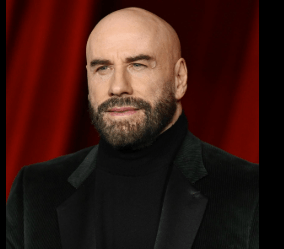
His breakthrough came in the 1970s with Saturday Night Fever and Grease, films that cemented his image as a cultural phenomenon. Travolta’s performances were not merely popular they defined an era, blending dance, music, and youthful rebellion into a cinematic language that resonated globally. However, the 1980s brought a series of commercial disappointments. Poor script choices and shifting audience tastes led to a steep decline in his career, relegating him to the margins of an industry he once dominated.
The turning point arrived in 1994 with his casting in Pulp Fiction, directed by Quentin Tarantino. The role of Vincent Vega reintroduced Travolta as a complex, layered performer capable of both irony and intensity. This resurgence was not accidental; it reflected a broader industry trend of rediscovering overlooked talent. Travolta’s performance revitalized his career, leading to a new wave of leading roles that restored his status as a bankable star.
Travolta’s legacy lies in his adaptability and enduring appeal. He remains a symbol of reinvention, demonstrating that career setbacks can be reframed as opportunities for transformation. His influence spans decades, genres, and audiences, making him one of the most enduring figures in cinematic history.
Key Facts
- Full name of the subject: John Joseph Travolta
- Date of birth: February 18, 1954
- Place of birth: Englewood, New Jersey, USA
- Family background: Youngest of six children in an entertainment-oriented family
- Early childhood experiences: Immersed in acting and music through family influence
- Education history: Dropped out of high school to pursue acting
- Influences and mentors: Theater and television professionals in early career
- Career beginnings: Television roles, including Welcome Back, Kotter
- Major achievements: Academy Award nominations; global box office success
- Challenges and obstacles faced: Career decline in the 1980s
- Turning points in life: Role in Pulp Fiction
- Contributions to society: Philanthropy and aviation-related initiatives
- Personal life (marriage, children, relationships): Married to Kelly Preston (deceased); children
- Awards and recognitions: Golden Globe Award
- Beliefs, values, or philosophy: Commitment to craft and reinvention
- Legacy and impact: Icon of 1970s cinema and 1990s resurgence
- Historical or cultural significance: Defined multiple eras of popular film
Notable Works: Saturday Night Fever, Grease, Pulp Fiction, Face/Off
Controversies:
One notable controversy surrounding John Travolta involves allegations of inappropriate conduct made by multiple individuals over the years. These claims, which surfaced publicly in the early 2010s, included accusations of misconduct during professional interactions. Stakeholders included the accusers, legal representatives, and media outlets that amplified the reports. Travolta consistently denied all allegations, and in several cases, legal actions were withdrawn or dismissed. While no definitive legal ruling established wrongdoing, public perception remained divided, with some viewing the allegations as credible and others questioning their validity. The controversy impacted Travolta’s public image, though it did not fully derail his career. It highlighted the complexities of reputation management in an era of heightened scrutiny and evolving standards of accountability.
5. Michael Keaton
Michael Keaton’s career is defined by unpredictability, artistic courage, and a refusal to be confined by industry expectations. Born in Pennsylvania, Keaton grew up in a working-class family that valued resilience and humor qualities that would later shape his performance style. His early career in comedy, including television work and stand-up, revealed a sharp wit and an ability to connect with audiences through timing and authenticity.
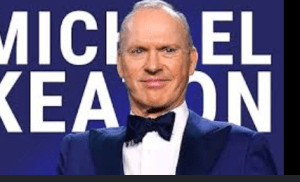
Keaton’s breakthrough came with comedic roles in films like Mr. Mom, but it was his casting as Batman in Tim Burton’s 1989 film that marked a pivotal moment. Initially met with skepticism, Keaton’s portrayal redefined the superhero archetype, blending psychological complexity with understated intensity. Despite this success, the 1990s saw a gradual decline in his prominence, as changing industry dynamics and fewer high-profile roles led to a period of relative obscurity.
The resurgence came decades later with Birdman, a film that mirrored Keaton’s own career narrative. His performance as a faded actor seeking relevance was both meta and deeply personal, earning him widespread critical acclaim and numerous awards. This role reestablished Keaton as a leading figure in contemporary cinema, opening the door to further acclaimed performances in films like Spotlight.
Keaton’s legacy is rooted in his versatility and willingness to take risks. His comeback underscores the value of persistence and artistic integrity, proving that reinvention is possible even after prolonged absence. He remains a benchmark for actors navigating the complexities of long-term careers in Hollywood.
Key Facts
- Full name of the subject: Michael John Douglas
- Date of birth: September 5, 1951
- Place of birth: Coraopolis, Pennsylvania, USA
- Family background: Working-class family
- Early childhood experiences: Developed humor and resilience
- Education history: Kent State University (did not graduate)
- Influences and mentors: Comedy and theater professionals
- Career beginnings: Television comedy and stand-up
- Major achievements: Academy Award nomination
- Challenges and obstacles faced: Career stagnation in the 1990s
- Turning points in life: Birdman
- Contributions to society: Support for journalism and social causes
- Personal life (marriage, children, relationships): Married; children
- Awards and recognitions: Golden Globe Award
- Beliefs, values, or philosophy: Artistic authenticity
- Legacy and impact: Reinvented superhero and dramatic roles
- Historical or cultural significance: Influential figure in modern cinema
Notable Works: Batman, Beetlejuice, Birdman, Spotlight
Controversies:
A significant controversy involving Michael Keaton relates to early criticism surrounding his casting as Batman in 1989. The issue was framed as a debate over suitability, with fans and industry observers questioning whether a comedic actor could embody a dark, brooding superhero. Stakeholders included film studios, comic book fans, and media critics. While not a personal misconduct controversy, the backlash reflected broader tensions about genre expectations and casting decisions. Keaton responded through his performance rather than public statements, ultimately disproving critics. The success of the film clarified the distinction between public perception and artistic outcome. The controversy’s impact was transformative, reshaping casting norms and expanding the possibilities for actors crossing genre boundaries.
6. Jennifer Coolidge
Jennifer Coolidge’s career exemplifies the power of persistence in an industry that often typecasts and sidelines unconventional talent. Born in Boston and raised in Massachusetts, Coolidge developed an early interest in performance, though her path to success was far from immediate. Her comedic instincts and distinctive voice set her apart, but they also made it difficult for her to secure leading roles in a traditionally rigid casting environment.

Coolidge gained recognition through supporting roles that showcased her comedic brilliance, particularly in American Pie and Legally Blonde. Her performances were memorable not just for their humor but for their subtle emotional undertones. Despite this, she spent years on the periphery of mainstream success, often confined to character roles that limited her range.
Her comeback came with The White Lotus, where she delivered a performance that combined vulnerability, absurdity, and depth. The role reintroduced Coolidge to a new generation of audiences and critics, earning her major awards and widespread acclaim. It demonstrated her ability to transcend comedic stereotypes and inhabit complex, emotionally resonant characters.
Coolidge’s legacy is one of perseverance and authenticity. She has redefined what longevity looks like in Hollywood, proving that talent can endure beyond industry trends. Her resurgence has also sparked broader conversations about age, gender, and opportunity in entertainment.
Key Facts
- Full name of the subject: Jennifer Audrey Coolidge
- Date of birth: August 28, 1961
- Place of birth: Boston, Massachusetts, USA
- Family background: Middle-class family
- Early childhood experiences: Interest in music and theater
- Education history: Emerson College; American Academy of Dramatic Arts
- Influences and mentors: Improvisational comedy community
- Career beginnings: Sketch comedy and supporting film roles
- Major achievements: Emmy Award winner
- Challenges and obstacles faced: Typecasting
- Turning points in life: The White Lotus
- Contributions to society: Advocacy for animal rights
- Personal life (marriage, children, relationships): Private
- Awards and recognitions: Primetime Emmy Award
- Beliefs, values, or philosophy: Authenticity and resilience
- Legacy and impact: Redefined late-career success for women
- Historical or cultural significance: Icon of comedic performance
Notable Works: American Pie, Legally Blonde, The White Lotus
Controversies:
Jennifer Coolidge has largely avoided major personal controversies, but her career has been shaped by industry-wide debates حول typecasting and representation. The issue centers on the limited range of roles offered to actresses known for comedic performances. Stakeholders include casting directors, studios, and advocacy groups for gender equity in film. Critics argue that the industry often undervalues comedic talent, while others point to market-driven decisions. There is no dispute about the pattern, as it is widely documented across Hollywood. The impact on Coolidge’s career was significant, delaying her recognition as a dramatic actor. Her recent success has helped shift perceptions, contributing to broader discussions about diversity in casting and storytelling.
7. Matthew McConaughey
Matthew McConaughey’s career is a masterclass in strategic reinvention. Born in Texas, he grew up in a family that valued independence and storytelling, influences that would later shape his distinctive screen presence. His early roles established him as a charismatic leading man, often cast in romantic comedies that capitalized on hi s charm and laid-back persona.
While commercially successful, these roles eventually led to typecasting, limiting his artistic growth. By the late 2000s, McConaughey’s career had plateaued, with critics questioning his range and long-term relevance. Recognizing this, he made a deliberate decision to step away from romantic comedies and seek more challenging roles a move that would later be referred to as the “McConaissance.”
This strategic pivot culminated in a series of critically acclaimed performances, including Dallas Buyers Club, for which he won an Academy Award. His transformation both physical and artistic demonstrated a commitment to craft that redefined his public image. McConaughey emerged as a serious actor capable of profound emotional depth and complexity.
His legacy is defined by intentionality and discipline. McConaughey’s comeback illustrates the power of self-awareness and calculated risk-taking in career longevity. He remains an influential figure, not only for his performances but for his approach to reinvention in a competitive industry.
Key Facts
- Full name of the subject: Matthew David McConaughey
- Date of birth: November 4, 1969
- Place of birth: Uvalde, Texas, USA
- Family background: Working-class family
- Early childhood experiences: Strong family influence
- Education history: University of Texas at Austin
- Influences and mentors: Film directors and acting coaches
- Career beginnings: Breakthrough in Dazed and Confused
- Major achievements: Academy Award winner
- Challenges and obstacles faced: Typecasting
- Turning points in life: Career pivot to dramatic roles
- Contributions to society: Philanthropy and education initiatives
- Personal life (marriage, children, relationships): Married; children
- Awards and recognitions: Academy Award, Golden Globe
- Beliefs, values, or philosophy: Discipline and authenticity
- Legacy and impact: Model for career reinvention
- Historical or cultural significance: Influential modern actor
Notable Works: Dazed and Confused, Dallas Buyers Club, Interstellar
Controversies:
A notable controversy involving Matthew McConaughey relates to criticism surrounding his portrayal in Dallas Buyers Club, particularly regarding representation of health issues and historical accuracy. The debate centered on whether the film adequately reflected the experiences of those affected by the AIDS crisis. Stakeholders included advocacy groups, historians, and the filmmaking team. Critics argued that certain aspects were simplified or dramatized, while supporters emphasized the film’s role in raising awareness. McConaughey defended the project as a character-driven narrative rather than a documentary. Verified facts confirm the film’s fictionalized elements, though public perception varied widely. The controversy did not significantly harm his career but contributed to ongoing discussions about responsibility in biographical storytelling.
8. Winona Ryder
Winona Ryder’s career reflects the fragile intersection between fame, public perception, and personal vulnerability. Born in Minnesota and raised in a culturally rich but unconventional environment, Ryder was exposed early to literature, film, and intellectual discourse. Her upbringing in a commune-like setting fostered introspection and emotional depth qualities that would later define her performances. From the outset, she possessed a distinctive screen presence: introspective, emotionally precise, and quietly magnetic.

Ryder’s ascent in the late 1980s and early 1990s positioned her as one of Hollywood’s most compelling young actresses. Films like Heathers, Edward Scissorhands, and Little Women showcased her ability to navigate complex emotional landscapes with subtlety and intelligence. She became a defining figure of her generation, embodying characters that resonated with themes of alienation and identity. However, her trajectory was abruptly disrupted in the early 2000s following legal issues that significantly impacted her public image and career opportunities.
The turning point in Ryder’s comeback came with the rise of prestige television, particularly her role in Stranger Things. The series reintroduced her to global audiences, allowing her to reclaim her status as a serious actress. Her performance combined nostalgia with renewed emotional depth, demonstrating that her talent had not diminished but rather matured.
Ryder’s legacy is one of endurance and redefinition. Her journey underscores the complexities of fame and the capacity for public forgiveness. She remains a cultural touchstone, representing both the vulnerabilities and resilience inherent in long-term careers in entertainment.
Key Facts
- Full name of the subject: Winona Laura Horowitz
- Date of birth: October 29, 1971
- Place of birth: Winona, Minnesota, USA
- Family background: Intellectual and artistic family
- Early childhood experiences: Raised in a communal environment
- Education history: American Conservatory Theater
- Influences and mentors: Independent filmmakers and literary figures
- Career beginnings: Early film roles in the 1980s
- Major achievements: Academy Award nominations
- Challenges and obstacles faced: Legal issues and career decline
- Turning points in life: Stranger Things
- Contributions to society: Support for arts and culture
- Personal life (marriage, children, relationships): Long-term relationships
- Awards and recognitions: Golden Globe Award
- Beliefs, values, or philosophy: Artistic integrity
- Legacy and impact: Icon of 1990s cinema and modern television
- Historical or cultural significance: Representation of generational identity
Notable Works: Heathers, Edward Scissorhands, Little Women, Stranger Things
Controversies:
A major controversy involving Winona Ryder centers on her 2001 arrest for shoplifting, an incident that became a defining moment in her public narrative. The issue was framed as a legal and reputational crisis, with Ryder accused of stealing merchandise from a retail store. Stakeholders included the legal system, media outlets, and the public, all of whom scrutinized the case extensively. Ryder pleaded not guilty but was ultimately convicted of misdemeanor charges, receiving probation and fines. While the legal facts were clearly established, public perception often extended beyond the evidence, speculating on her mental health and personal circumstances. The impact on her career was immediate and severe, leading to a period of reduced visibility. Over time, however, her return to prominence reframed the incident as part of a broader narrative of recovery and resilience.
9. Mickey Rourke
Mickey Rourke’s career is one of the most dramatic examples of rise, fall, and redemption in Hollywood. Born in New York and raised in a turbulent environment, Rourke developed a tough exterior that would later inform his on-screen persona. His early years were marked by an interest in boxing, a discipline that instilled both physical resilience and emotional intensity traits that became central to his acting style.

Rourke’s breakthrough in the 1980s established him as a compelling and unconventional leading man. Films like 9½ Weeks and Angel Heart showcased his raw intensity and willingness to explore morally complex characters. However, conflicts with directors, unconventional career choices, and a return to professional boxing led to a decline in his acting career. Physical injuries from boxing further altered his appearance, complicating his return to film.
The resurgence came with The Wrestler, a role that paralleled Rourke’s own life. His performance was widely acclaimed, earning him major awards and reestablishing his credibility as an actor. The film’s themes of aging, regret, and redemption resonated deeply, both within the industry and with audiences.
Rourke’s legacy is defined by authenticity and risk-taking. His comeback highlights the possibility of artistic renewal even after profound personal and professional setbacks. He remains a symbol of resilience, though his career continues to reflect the complexities of navigating fame and individuality.
Key Facts
- Full name of the subject: Philip Andre Rourke Jr.
- Date of birth: September 16, 1952
- Place of birth: Schenectady, New York, USA
- Family background: Challenging family environment
- Early childhood experiences: Interest in boxing
- Education history: Miami Beach Senior High School
- Influences and mentors: Boxing trainers and film directors
- Career beginnings: Supporting film roles
- Major achievements: Golden Globe Award
- Challenges and obstacles faced: Career decline, physical injuries
- Turning points in life: The Wrestler
- Contributions to society: Support for animal rights
- Personal life (marriage, children, relationships): Divorced
- Awards and recognitions: Golden Globe, BAFTA
- Beliefs, values, or philosophy: Individualism
- Legacy and impact: Icon of redemption narratives
- Historical or cultural significance: Representation of flawed masculinity
Notable Works: 9½ Weeks, Angel Heart, The Wrestler
Controversies:
Mickey Rourke has been involved in multiple controversies, including public disputes with directors and allegations of unprofessional behavior on film sets. These incidents were framed as conflicts over creative control and temperament, with stakeholders including filmmakers, co-stars, and production teams. Critics argued that Rourke’s behavior disrupted projects, while supporters viewed his actions as expressions of artistic passion. There is documented evidence of strained professional relationships, though interpretations vary. Additionally, his decision to pursue boxing raised concerns about career stability and personal safety. These controversies contributed to his temporary exile from mainstream Hollywood, affecting both reputation and opportunities. Despite this, his later success demonstrated the possibility of rehabilitation, though his career remains marked by a reputation for unpredictability.
10. Ben Affleck
Ben Affleck’s career is characterized by cycles of acclaim, criticism, and reinvention. Born in California and raised in Massachusetts, Affleck developed an early interest in acting alongside childhood friend Matt Damon. Their collaboration would become one of the most significant partnerships in modern Hollywood, shaping both their careers and the industry’s approach to independent filmmaking.

Affleck’s breakthrough came with Good Will Hunting, which he co-wrote and starred in, earning an Academy Award for Best Original Screenplay. This success positioned him as both a leading actor and a creative force. However, the early 2000s brought a series of critically panned films and intense media scrutiny of his personal life, leading to a decline in his professional reputation. His performances were often overshadowed by tabloid narratives, complicating his standing within the industry.
The turning point in Affleck’s career came with his transition into directing. Films like Gone Baby Gone, The Town, and Argo demonstrated his skill behind the camera, culminating in an Academy Award for Best Picture. This shift not only revitalized his career but also redefined his artistic identity. His later roles, including Batman, further solidified his status as a versatile performer.
Affleck’s legacy is one of reinvention through creative control. His journey illustrates the importance of adaptability and self-awareness in navigating the complexities of fame. He remains a prominent figure in Hollywood, both for his artistic contributions and his ability to overcome public and professional challenges.
Key Facts
- Full name of the subject: Benjamin Géza Affleck-Boldt
- Date of birth: August 15, 1972
- Place of birth: Berkeley, California, USA
- Family background: Artistic and academic influences
- Early childhood experiences: Acting alongside Matt Damon
- Education history: University of Vermont (did not complete)
- Influences and mentors: Independent filmmakers
- Career beginnings: Television and early film roles
- Major achievements: Academy Award winner
- Challenges and obstacles faced: Career decline, media scrutiny
- Turning points in life: Transition to directing
- Contributions to society: Philanthropy and activism
- Personal life (marriage, children, relationships): High-profile relationships; children
- Awards and recognitions: Academy Awards
- Beliefs, values, or philosophy: Creative independence
- Legacy and impact: Influential filmmaker and actor
- Historical or cultural significance: Redefined career reinvention
Notable Works: Good Will Hunting, Argo, The Town, Batman v Superman
Controversies:
A significant controversy involving Ben Affleck relates to allegations of inappropriate conduct during past professional interactions, which resurfaced amid broader industry movements addressing misconduct. The issue was framed as part of a wider cultural reckoning, with stakeholders including media organizations, advocacy groups, and the public. Affleck acknowledged certain behaviors and expressed regret, positioning his response within a broader conversation about accountability. While no legal proceedings resulted from these claims, public perception varied, with some viewing his response as responsible and others questioning its sufficiency. Additionally, his personal life, including highly publicized relationships and struggles with alcohol dependency, contributed to ongoing media scrutiny. These factors affected his public image and career trajectory, though his professional achievements and continued work have helped stabilize his standing in the industry.
Notable Mentions:
Keanu Reeves
Jamie Lee Curtis
Drew Barrymore
Rob Lowe
Jane Fonda
Jason Bateman
Neil Patrick Harris
Gloria Swanson
Natasha Lyonne
Colin Farrell