
Top 10 African Television Hosts Dominating Global Media
Top 10 African Television Hosts Dominating Global Media
In This Content
Quick List
Zeinab Badawi
Keturah King
Moseph Mwau
Sophie Ikenye
Victoria Rubadiri
Anita Erskine
Bolanle Olukanni
Eleni Giokos
Sade Baderinwa
Lulu Hassan
1. Zeinab Badawi
From her early years shaped between Sudan and the United Kingdom, Zeinab Badawi emerged with a rare bicultural perspective that would later define her authority on global affairs. Raised in a politically aware household, her intellectual curiosity was sharpened early, leading her toward rigorous academic pursuits in philosophy, politics, and economics. This foundation would later underpin her analytical depth as one of the most respected interviewers in global broadcasting.
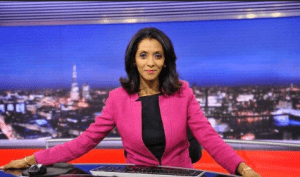
Badawi’s entry into journalism began within British media institutions, where she developed her voice in an industry often dominated by Western narratives. Her early roles at organizations like ITV and Channel 4 positioned her as a sharp political analyst, but it was her transition into international broadcasting that marked her evolution into a global figure. Her calm yet probing interviewing style quickly distinguished her from her contemporaries.
Her breakthrough came with flagship programs on the BBC, particularly “HARDtalk” and “Global Questions,” where she engaged world leaders, policymakers, and cultural icons. Her ability to balance intellectual rigor with accessible communication elevated her to a rare class of journalists capable of shaping global discourse. She did not merely ask questions; she reframed conversations.
Today, Badawi’s legacy extends beyond broadcasting into cultural diplomacy and African representation on the global stage. As a former Director of the SOAS University of London, she has influenced academic and policy conversations about Africa’s role in the world. Her career reflects a consistent commitment to intellectual honesty, representation, and the elevation of African voices in global media.
Key Facts
- Full name of the subject: Zeinab Badawi
- Date of birth: 24 November 1959
- Place of birth: Sudan
- Family background: Born into a politically active Sudanese family
- Early childhood experiences: Raised between Sudan and the United Kingdom, exposed to global perspectives early
- Education history: University of Oxford (PPE), University of London
- Influences and mentors: British political journalists and African intellectual leaders
- Career beginnings: ITV and Channel 4 news
- Major achievements: Host of BBC HARDtalk, Global Questions; Director of SOAS
- Challenges and obstacles faced: Navigating racial and gender bias in British media
- Turning points in life: Transition to BBC global programming
- Contributions to society: Promoting African narratives globally
- Personal life (marriage, children, relationships): Private
- Awards and recognitions: Numerous broadcasting and journalism awards
- Beliefs, values, or philosophy: Commitment to balanced, fact-driven journalism
- Legacy and impact: Pioneer for African representation in global journalism
- Historical or cultural significance: Bridge between African and Western media narratives
Notable Works: HARDtalk, Global Questions, BBC World News programs
Controversies:
One recurring debate surrounding Zeinab Badawi centers on perceptions of editorial bias in high-stakes political interviews. Critics have occasionally argued that her questioning style on HARDtalk reflects a Western institutional framing of African political issues. This concern emerged particularly during interviews with African leaders, where audiences in parts of Africa questioned whether the framing adequately reflected local complexities. Stakeholders in this debate include viewers, African political analysts, BBC editorial teams, and Badawi herself. While critics emphasize perceived asymmetry in tone, Badawi and BBC representatives have consistently maintained that HARDtalk’s format is built on rigorous accountability journalism applied uniformly across all regions. No formal findings have substantiated claims of bias, and the matter remains largely interpretive, shaped by audience perception. The controversy has, however, contributed to broader industry discussions about representation, narrative framing, and the evolving role of African journalists in global media institutions.
2. Keturah King
Keturah King represents a new generation of African broadcasters redefining television through authenticity and emotional intelligence. Born and raised in Nigeria, her formative years were influenced by a strong sense of cultural identity and storytelling traditions, which later became central to her on-screen persona. Her early environment nurtured a confidence that would later translate into a compelling screen presence.

Her career began in Nigeria’s evolving broadcast landscape, where she quickly distinguished herself through her ability to connect with audiences across demographic divides. Unlike traditional anchors, King brought a conversational warmth that blurred the line between presenter and participant. This approach allowed her to resonate deeply with younger audiences while maintaining credibility among more traditional viewers.
Her breakthrough came through high-profile talk shows and lifestyle programming, where she demonstrated versatility in navigating topics ranging from entertainment to social issues. Her performance style marked by emotional nuance, attentiveness, and sharp improvisation positioned her as a standout figure in Nigeria’s competitive media industry.
Beyond national borders, King’s influence reflects a broader shift in African media toward personality-driven storytelling. She embodies a hybrid media identity part journalist, part cultural commentator making her a key figure in shaping how African stories are told and consumed globally. Her growing international visibility signals a shift toward more diverse and authentic African voices in mainstream media.
Key Facts
- Full name of the subject: Keturah King
- Date of birth: Not publicly disclosed
- Place of birth: Nigeria
- Family background: Raised in a culturally grounded Nigerian family
- Early childhood experiences: Exposure to storytelling and media culture
- Education history: Studied communication-related disciplines
- Influences and mentors: Nigerian media pioneers and global talk show hosts
- Career beginnings: Nigerian television hosting roles
- Major achievements: Recognized TV personality and host
- Challenges and obstacles faced: Competitive media landscape and gender bias
- Turning points in life: Breakthrough in mainstream TV hosting
- Contributions to society: Amplifying youth and cultural conversations
- Personal life (marriage, children, relationships): Private
- Awards and recognitions: Emerging recognition in African media
- Beliefs, values, or philosophy: Authentic storytelling and audience connection
- Legacy and impact: Voice of modern African media culture
- Historical or cultural significance: Represents evolving African media identity
Notable Works: Talk shows, lifestyle programs, entertainment hosting
Controversies:
Public scrutiny has occasionally emerged around Keturah King’s approach to blending entertainment with serious social discourse. Critics have argued that certain interviews or segments risk oversimplifying complex societal issues in favor of relatability and audience engagement. This debate involves media critics, viewers, industry professionals, and King’s production teams. Supporters contend that her style democratizes conversations, making them accessible to broader audiences, while critics emphasize the importance of depth and nuance in public discourse. There is no formal adjudication of this concern, and it remains a broader industry debate rather than a specific incident. The discussion has nonetheless influenced evolving standards around infotainment in African television, positioning King at the center of a shifting media paradigm.
3. Moseph Mwau
Emerging from Kenya’s dynamic media environment, Moseph Mwau has built a reputation rooted in credibility, composure, and investigative depth. His early life in Kenya exposed him to the socio-political realities that would later shape his journalistic focus. With a strong academic grounding, he entered the media industry equipped with both analytical skill and a commitment to public accountability.
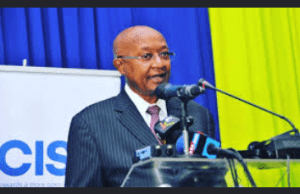
Mwau’s early career was defined by newsroom rigor, where he honed his skills in reporting and field journalism before transitioning into television hosting. This background gave him a distinct advantage his on-screen presence is informed by firsthand reporting experience, lending authenticity and authority to his delivery.
His breakthrough came through anchoring major news programs that tackled governance, policy, and national development issues. Unlike more performative hosts, Mwau’s style is understated yet powerful, relying on clarity, factual precision, and measured delivery. This approach has earned him trust among audiences seeking reliable information in an era of media saturation.
On the global stage, Mwau represents the rise of African journalists who combine local insight with international standards. His work contributes to reshaping perceptions of African media, demonstrating that it can produce journalism that is both globally relevant and locally grounded. His legacy lies in reinforcing trust in broadcast journalism within and beyond Africa.
Key Facts
- Full name of the subject: Moseph Mwau
- Date of birth: Not publicly disclosed
- Place of birth: Kenya
- Family background: Raised in a Kenyan household with strong community values
- Early childhood experiences: Exposure to societal and political issues
- Education history: Journalism and media studies
- Influences and mentors: Kenyan investigative journalists
- Career beginnings: Field reporting and newsroom journalism
- Major achievements: Prominent Kenyan TV host and anchor
- Challenges and obstacles faced: Navigating political sensitivities in journalism
- Turning points in life: Transition to national television anchoring
- Contributions to society: Promoting accountability through journalism
- Personal life (marriage, children, relationships): Private
- Awards and recognitions: Recognized in Kenyan media industry
- Beliefs, values, or philosophy: Integrity and factual reporting
- Legacy and impact: Trusted voice in Kenyan broadcast journalism
- Historical or cultural significance: Contributor to East African media credibility
Notable Works: News anchoring, investigative reporting programs
Controversies:
Moseph Mwau has faced scrutiny related to perceived editorial positioning during politically sensitive broadcasts. The issue centers on allegations from certain political groups that coverage of governance issues occasionally reflects implicit bias. This debate typically arises during election cycles or major policy discussions, involving stakeholders such as political parties, media regulators, viewers, and Mwau’s employing network. Critics argue that tone and framing may influence public perception, while defenders emphasize adherence to journalistic standards and editorial guidelines. No formal rulings have established misconduct, and such concerns remain part of broader tensions between media and political institutions. The impact of these debates has reinforced the importance of transparency and editorial accountability in Kenyan journalism, while also highlighting the challenges faced by journalists operating in politically charged environments.
4. Sophie Ikenye
A defining voice in international broadcasting, Sophie Ikenye rose from humble beginnings in Kenya to become one of Africa’s most recognizable global news figures. Raised in a modest environment, her early life was shaped by resilience and an acute awareness of socio-economic realities. These formative experiences cultivated a grounded perspective that would later inform her empathetic yet incisive approach to journalism.
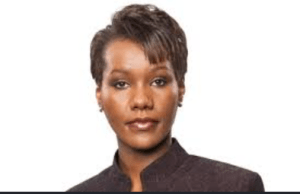
Ikenye’s career began in Kenyan radio, where she developed her voice and storytelling instincts in an intimate, audience-driven medium. Transitioning into television, she quickly demonstrated a natural command of the screen combining clarity, composure, and a distinctive ability to humanize complex stories. Her early roles in Kenyan media laid the foundation for a career that would soon transcend national boundaries.
Her global breakthrough came with the BBC, where she became a lead anchor on Focus on Africa. In this role, Ikenye established herself as a trusted interpreter of African affairs for a global audience. Her performance style is marked by calm authority and an ability to navigate sensitive political and social issues with balance and dignity, making her a central figure in shaping Africa’s narrative on the world stage.
Today, Ikenye’s legacy is defined by her contribution to elevating African journalism within global media institutions. She represents a generation of broadcasters who combine local authenticity with international professionalism, reinforcing the credibility and relevance of African voices in global discourse.
Key Facts
- Full name of the subject: Sophie Ikenye
- Date of birth: Not publicly disclosed
- Place of birth: Kenya
- Family background: Raised in a modest Kenyan household
- Early childhood experiences: Exposure to economic challenges and community life
- Education history: Journalism and communication studies
- Influences and mentors: Kenyan radio pioneers and BBC journalists
- Career beginnings: Radio broadcasting in Kenya
- Major achievements: Lead anchor on BBC Focus on Africa
- Challenges and obstacles faced: Transition from local to global media platforms
- Turning points in life: Joining BBC World News
- Contributions to society: Amplifying African stories globally
- Personal life (marriage, children, relationships): Private
- Awards and recognitions: Recognized international broadcaster
- Beliefs, values, or philosophy: Balanced storytelling and factual integrity
- Legacy and impact: Global representation of African journalism
- Historical or cultural significance: Bridging African and global narratives
Notable Works: Focus on Africa, BBC World News programming
Controversies:
Sophie Ikenye has occasionally been part of broader debates concerning the framing of African issues in international media. The concern, often raised by media critics and regional analysts, centers on whether global platforms like the BBC adequately capture the nuance of African socio-political contexts. Stakeholders include international audiences, African governments, media watchdogs, and the BBC editorial structure. While some critics argue that certain narratives may inadvertently reflect external perspectives, Ikenye and her network have consistently emphasized editorial independence and commitment to accuracy. No specific incident has led to formal findings against her, and the issue remains part of an ongoing global media discourse. The conversation has nonetheless contributed to increasing awareness around representation and narrative ownership in international journalism.
5. Victoria Rubadiri
Elegant, articulate, and intellectually grounded, Victoria Rubadiri has become a defining figure in East African broadcasting. Born in Kenya and raised across multiple countries, her early life was shaped by a multicultural upbringing that instilled adaptability and global awareness. This diverse background would later become a cornerstone of her professional identity.

Rubadiri’s career began in journalism and communications, where she built a reputation for precision and professionalism. Her early work in Kenyan media showcased her ability to combine analytical depth with engaging delivery, quickly elevating her into prominent roles within the industry. Her transition into prime-time news anchoring marked a significant step in her trajectory.
Her breakthrough came through leading roles in major Kenyan television networks, where she anchored flagship news programs and conducted high-profile interviews. Rubadiri’s performance style is characterized by clarity, poise, and an ability to maintain composure under pressure. Her presence on screen reflects both authority and relatability, making her a trusted figure among viewers.
On a broader scale, Rubadiri’s impact extends beyond journalism into cultural representation and leadership. She embodies the modern African broadcaster globally aware, locally grounded, and committed to excellence. Her career continues to influence the next generation of journalists across Africa and beyond.
Key Facts
- Full name of the subject: Victoria Rubadiri
- Date of birth: 28 January 1987
- Place of birth: Kenya
- Family background: Multicultural upbringing with international exposure
- Early childhood experiences: Lived in multiple countries during childhood
- Education history: Communication and journalism studies
- Influences and mentors: African and international news anchors
- Career beginnings: Kenyan media and communications roles
- Major achievements: Prime-time news anchor and journalist
- Challenges and obstacles faced: Balancing public visibility with professional expectations
- Turning points in life: Rise to national television prominence
- Contributions to society: Promoting credible journalism in East Africa
- Personal life (marriage, children, relationships): Private
- Awards and recognitions: Recognized media personality in Kenya
- Beliefs, values, or philosophy: Professional integrity and clarity in storytelling
- Legacy and impact: Influential figure in African journalism
- Historical or cultural significance: Represents modern African media excellence
Notable Works: Prime-time news programs, major interviews
Controversies:
Victoria Rubadiri has been subject to public discussion regarding the role of journalists in politically sensitive reporting environments. The issue typically arises during election periods, where media coverage is closely scrutinized by political actors and the public. Stakeholders include political parties, media regulators, audiences, and the networks she represents. Critics occasionally question neutrality in tone or framing, while defenders highlight adherence to journalistic ethics and institutional guidelines. There have been no formal findings of misconduct, and such debates remain part of the broader relationship between media and politics. The impact of these discussions has reinforced the importance of transparency and accountability in journalism, while also underscoring the pressures faced by high-profile anchors.
6. Anita Erskine
Dynamic, charismatic, and deeply influential, Anita Erskine stands as one of Africa’s most versatile television hosts. Born into a prominent Ghanaian family, her early life was shaped by exposure to leadership, culture, and public service. This environment fostered a strong sense of purpose and confidence that would later define her multifaceted career.

Erskine’s entry into media was marked by versatility spanning television, radio, and event hosting. From the outset, she distinguished herself through an engaging performance style that combined authority with warmth. Her ability to command both formal and informal settings made her a sought-after figure across different media platforms.
Her breakthrough came through hosting high-profile programs and international events, including platforms that intersect media, business, and governance. Erskine’s screen presence is energetic and authoritative, allowing her to navigate complex discussions while maintaining audience engagement. She has also played a significant role in moderating global forums, further expanding her influence beyond traditional broadcasting.
Beyond media, Erskine’s legacy is deeply tied to advocacy and leadership. She has used her platform to champion youth empowerment, women’s leadership, and African development narratives. Her career reflects a broader shift toward media personalities who operate at the intersection of journalism, advocacy, and global influence.
Key Facts
- Full name of the subject: Anita Erskine
- Date of birth: 3 December 1978
- Place of birth: Jerusalem, Israel
- Family background: Born into a prominent Ghanaian family
- Early childhood experiences: Exposure to international environments and leadership culture
- Education history: Communication and media studies
- Influences and mentors: African leaders and global media figures
- Career beginnings: Television and radio hosting
- Major achievements: Host of major African and international events
- Challenges and obstacles faced: Navigating diverse roles across media and advocacy
- Turning points in life: Transition into global event hosting and moderation
- Contributions to society: Advocacy for youth and women’s empowerment
- Personal life (marriage, children, relationships): Private
- Awards and recognitions: Multiple media and leadership awards
- Beliefs, values, or philosophy: Leadership through communication and impact
- Legacy and impact: Influential African media and advocacy figure
- Historical or cultural significance: Bridge between media and leadership discourse
Notable Works: Television programs, global forums, event hosting
Controversies:
Anita Erskine has faced occasional criticism regarding the balance between media neutrality and advocacy. The issue arises from her dual role as a broadcaster and a vocal advocate for social and developmental causes. Stakeholders include media critics, advocacy organizations, audiences, and institutional partners. Critics argue that advocacy positions may influence perceived objectivity, while supporters contend that her work reflects a necessary evolution of media toward impact-driven communication. There have been no formal disciplinary actions or institutional findings against her, and the debate remains largely philosophical within media circles. The discussion has contributed to ongoing conversations about the evolving role of media professionals in addressing societal challenges.
7. Bolanle Olukanni
Poised, articulate, and socially conscious, Bolanle Olukanni has carved a unique space within African media as a host who blends entertainment with advocacy. Born in Nigeria and raised partly abroad, her early life was shaped by cross-cultural exposure that broadened her worldview and informed her approach to storytelling.
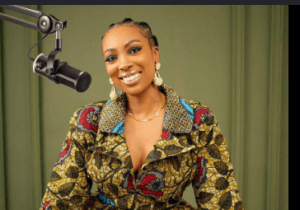
Olukanni’s career began with a strong academic foundation and early involvement in media and social initiatives. Her transition into television was marked by a natural ease on screen, coupled with an ability to engage deeply with her subjects. Unlike purely entertainment-focused hosts, she brought a reflective and issue-driven approach to her work.
Her breakthrough came with co-hosting popular talk shows in Nigeria, where she addressed topics ranging from lifestyle to governance and social justice. Her performance style is thoughtful and empathetic, allowing her to navigate sensitive discussions with nuance and respect. This has positioned her as a trusted voice among audiences seeking meaningful content.
Beyond television, Olukanni’s impact extends into advocacy, particularly in areas of civic engagement and social justice. She represents a generation of African media professionals redefining the purpose of broadcasting not just as entertainment, but as a tool for societal change. Her legacy continues to evolve as she bridges media and activism.
Key Facts
- Full name of the subject: Bolanle Olukanni
- Date of birth: 19 November 1985
- Place of birth: Nigeria
- Family background: Raised in a culturally diverse Nigerian family
- Early childhood experiences: Exposure to international environments
- Education history: University education in communications and related fields
- Influences and mentors: Media professionals and social advocates
- Career beginnings: Media and social initiatives
- Major achievements: Co-host of major Nigerian talk shows
- Challenges and obstacles faced: Balancing media and advocacy roles
- Turning points in life: Breakthrough in mainstream television
- Contributions to society: Advocacy for civic engagement and social justice
- Personal life (marriage, children, relationships): Private
- Awards and recognitions: Recognized media and advocacy figure
- Beliefs, values, or philosophy: Media as a tool for change
- Legacy and impact: Influential voice in socially conscious media
- Historical or cultural significance: Represents advocacy-driven broadcasting
Notable Works: Talk shows, social advocacy programs
Controversies:
Bolanle Olukanni has been part of public discourse regarding the intersection of media and activism. The issue centers on whether her advocacy positions influence her role as a television host. Stakeholders include audiences, advocacy groups, media critics, and broadcasting institutions. Critics argue that strong public positions may affect perceived neutrality, while supporters emphasize the importance of using media platforms to address societal issues. There have been no formal sanctions or institutional findings against her, and the debate remains part of a broader industry conversation. The impact of this discussion highlights shifting expectations of media personalities in an era where audiences increasingly value authenticity and social engagement.
8. Eleni Giokos
A commanding presence in international financial journalism, Eleni Giokos has built a career defined by precision, clarity, and global economic insight. Born in South Africa to a Greek family, her early life was shaped by a multicultural identity that exposed her to diverse economic and cultural perspectives. This dual heritage would later inform her ability to interpret complex global markets for a broad audience.

Giokos began her career in South African media, where she quickly established herself as a business journalist with a sharp analytical edge. Her early work focused on financial reporting, a field that demanded both technical knowledge and the ability to communicate effectively with non-specialist audiences. This balance became a defining feature of her on-screen style.
Her breakthrough came with her transition to CNN, where she became a prominent anchor covering global markets, emerging economies, and African business landscapes. Giokos’s performance style is authoritative yet accessible, allowing her to distill complex economic concepts into clear, engaging narratives. Her interviews with global leaders and business executives further solidified her reputation as a trusted voice in financial journalism.
Today, Giokos stands as a key figure in shaping global perceptions of African economies. Her work bridges the gap between regional realities and international markets, contributing to a more nuanced understanding of Africa’s role in the global economy. Her legacy lies in elevating financial journalism within African media representation on the world stage.
Key Facts
- Full name of the subject: Eleni Giokos
- Date of birth: Not publicly disclosed
- Place of birth: South Africa
- Family background: Greek-South African heritage
- Early childhood experiences: Multicultural upbringing with exposure to global perspectives
- Education history: Journalism and media studies
- Influences and mentors: International business journalists
- Career beginnings: Financial reporting in South Africa
- Major achievements: CNN anchor covering global markets
- Challenges and obstacles faced: Breaking into global financial journalism
- Turning points in life: Joining CNN International
- Contributions to society: Promoting understanding of global and African economies
- Personal life (marriage, children, relationships): Private
- Awards and recognitions: Recognized international business journalist
- Beliefs, values, or philosophy: Clarity, accuracy, and accessibility in journalism
- Legacy and impact: Influential voice in global financial media
- Historical or cultural significance: Elevating African economic narratives globally
Notable Works: CNN Marketplace Africa, global business coverage
Controversies:
Eleni Giokos has been part of broader discussions concerning the framing of emerging market economies in international media. The issue centers on whether global financial reporting adequately captures the complexities of African economies without reinforcing stereotypes. Stakeholders include economists, policymakers, global audiences, and media institutions such as CNN. Critics argue that certain narratives may oversimplify challenges or risks, while supporters highlight the need for clarity in communicating complex financial realities. Giokos and her network have consistently emphasized editorial rigor and reliance on verified data. No specific incident has resulted in formal findings against her, and the debate remains part of an ongoing discourse within global financial journalism. Its impact has contributed to increased scrutiny of how emerging markets are represented in international media.
9. Sade Baderinwa
With a career that bridges African heritage and American broadcasting excellence, Sade Baderinwa has become a respected figure in international journalism. Born in the United States to Nigerian and German parents, her early life was marked by a multicultural upbringing that fostered adaptability and resilience. These qualities would later define her professional journey.
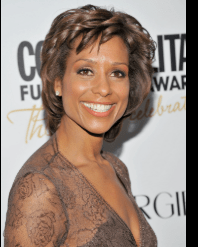
Baderinwa began her career in local American newsrooms, where she developed the foundational skills of reporting, anchoring, and storytelling. Her early work demonstrated a commitment to community-focused journalism, earning her recognition for both her professionalism and relatability. Over time, she rose through the ranks of competitive broadcast environments.
Her breakthrough came with her role as a news anchor at ABC News and its affiliated stations, where she became a familiar face to millions of viewers. Her performance style is composed and empathetic, allowing her to connect with audiences while delivering complex news with clarity. Her work often reflects a balance between authority and human sensitivity.
Beyond her on-screen presence, Baderinwa’s impact extends into mentorship and community engagement. She has contributed to initiatives that support young journalists and underserved communities, reinforcing her commitment to the social responsibilities of media. Her legacy reflects the global reach of African heritage within mainstream Western media.
Key Facts
- Full name of the subject: Sade Baderinwa
- Date of birth: 14 April 1969
- Place of birth: Baltimore, Maryland, USA
- Family background: Nigerian-German heritage
- Early childhood experiences: Raised in a multicultural American environment
- Education history: University of Maryland
- Influences and mentors: American broadcast journalists
- Career beginnings: Local news reporting in the United States
- Major achievements: Anchor at ABC News and affiliated stations
- Challenges and obstacles faced: Competitive U.S. media landscape
- Turning points in life: Rise to national television prominence
- Contributions to society: Mentorship and community engagement initiatives
- Personal life (marriage, children, relationships): Private
- Awards and recognitions: Multiple journalism awards
- Beliefs, values, or philosophy: Community-centered journalism
- Legacy and impact: Representation of African heritage in U.S. media
- Historical or cultural significance: Bridge between African and American media identities
Notable Works: ABC News broadcasts, community journalism programs
Controversies:
Sade Baderinwa has experienced public attention related to a high-profile on-air incident involving a traffic accident during her reporting career. The issue centered on the risks associated with live field reporting and journalist safety. Stakeholders included Baderinwa, her network, viewers, and broader media safety advocates. While the incident was not a controversy in the traditional sense of misconduct, it sparked discussions about occupational hazards in journalism. Baderinwa received widespread support, and no wrongdoing was attributed to her. The event ultimately contributed to increased awareness around reporter safety protocols and highlighted the physical risks journalists may face in the field.
10. Lulu Hassan
A trailblazer in East African media, Lulu Hassan has built a career defined by cultural authenticity and linguistic versatility. Born and raised in Kenya, her early life was deeply rooted in Swahili culture, which would later become central to her identity as a broadcaster. Her upbringing instilled a strong connection to community and storytelling traditions.
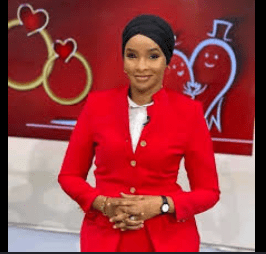
Hassan’s career began in Kenyan media, where she initially worked behind the scenes before transitioning into on-screen roles. Her early experiences provided her with a comprehensive understanding of television production, enhancing her effectiveness as a presenter. She quickly gained recognition for her ability to connect with audiences in both Swahili and English.
Her breakthrough came as a news anchor and host of popular Swahili-language programs, where she became one of the most recognizable faces in Kenyan television. Hassan’s performance style is warm and engaging, characterized by a deep cultural resonance that allows her to communicate effectively with diverse audiences. Her work has played a significant role in elevating indigenous language broadcasting.
Beyond journalism, Hassan has contributed to the growth of local media production through entrepreneurial ventures in television content creation. Her legacy is tied to the promotion of African languages and narratives within mainstream media, reinforcing the importance of cultural representation in global storytelling.
Key Facts
- Full name of the subject: Lulu Hassan
- Date of birth: Not publicly disclosed
- Place of birth: Kenya
- Family background: Raised in a Swahili cultural environment
- Early childhood experiences: Strong connection to language and community storytelling
- Education history: Media and communication studies
- Influences and mentors: Kenyan broadcasters and cultural storytellers
- Career beginnings: Behind-the-scenes roles in television
- Major achievements: Leading Swahili-language news anchor
- Challenges and obstacles faced: Elevating indigenous language media
- Turning points in life: Transition to on-screen broadcasting
- Contributions to society: Promotion of African languages in media
- Personal life (marriage, children, relationships): Married, details private
- Awards and recognitions: Recognized media personality in East Africa
- Beliefs, values, or philosophy: Cultural authenticity in storytelling
- Legacy and impact: Champion of indigenous language broadcasting
- Historical or cultural significance: Strengthening Swahili media presence
Notable Works: Swahili news programs, television productions
Controversies:
Lulu Hassan has been involved in public discussions regarding the balance between commercial success and cultural authenticity in media production. The issue arises from her dual role as a broadcaster and media entrepreneur, particularly in the production of popular television dramas. Stakeholders include audiences, cultural critics, industry regulators, and production partners. Critics have occasionally questioned whether commercial pressures influence content quality or cultural representation, while supporters argue that her work has significantly expanded opportunities for local storytelling. There have been no formal regulatory findings against her, and the debate remains part of a broader conversation about the evolution of African media industries. Its impact has highlighted the challenges of sustaining cultural integrity within commercially driven media environments.
Notable Mentions:
Didi Akinyelure
Thembisa Mdoda
Vimbai Mutinhiri
Dolapo Oni
Uti Nwachukwu
Ayanda Thabethe
Peace Hyde
Idia Aisien
Lalla Hirayama
Serah Teshna