
Top 10 African Male Television Hosts
Top 10 African Male Television Hosts
In This Content
Quick List
Trevor Noah
IK Osakioduwa
Ebuka Obi-Uchendu
Lawrence Maleka
Denrele Edun
Michael Mol
ProVerb (Tebogo Thekisho)
Peter Ndoro
Frank Edoho
Maps Maponyane
1. Trevor Noah
Trevor Noah occupies a rare position in global television history as a host whose career bridges African storytelling and international political satire at the highest level. Born in Johannesburg during the final years of apartheid, his early life was shaped by systemic restrictions that made his very existence a political statement under South Africa’s racial classification laws. Raised by his mother, Patricia Nombuyiselo Noah, he developed resilience, observational intelligence, and linguistic versatility that later became central to his hosting identity.
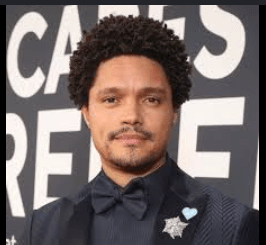
Noah began his career in South African radio and stand-up comedy, where his multilingual ability and sharp cultural observations quickly distinguished him from his peers. His early performances often explored identity, race, and post-apartheid social dynamics, establishing him as a comedian with strong socio-political awareness rather than purely entertainment-driven content.
His breakthrough came when he transitioned into international comedy circuits and eventually joined The Daily Show in the United States. Rising from correspondent to host, he inherited one of the most politically influential satire platforms in global media. His hosting style blends analytical commentary, global perspective, and comedic storytelling, allowing him to translate complex political realities into accessible narratives for international audiences.
Noah’s legacy is defined by his ability to globalize African comedic perspective. He represents a new generation of television hosts who operate beyond national boundaries, shaping international discourse through satire, cultural analysis, and media intelligence.
Key Facts
- Full name of the subject: Trevor Noah
- Date of birth: February 20, 1984
- Place of birth: Johannesburg, South Africa
- Family background: Mixed-race South African family under apartheid restrictions
- Early childhood experiences: Raised primarily by his mother under restrictive racial classification laws
- Education history: Various South African educational institutions
- Influences and mentors: South African comedians and global satirists
- Career beginnings: South African radio and stand-up comedy
- Major achievements: Host of The Daily Show (Comedy Central)
- Challenges and obstacles faced: Apartheid-era restrictions and early career international barriers
- Turning points in life: Joining The Daily Show as host
- Contributions to society: Global African storytelling and political satire
- Personal life (marriage, children, relationships): Publicly private personal relationships
- Awards and recognitions: Emmy nominations and international comedy awards
- Beliefs, values, or philosophy: Social commentary through humor and cultural awareness
- Legacy and impact: First African host of a major US political satire program
- Historical or cultural significance: Symbol of post-apartheid global media representation
Notable Works: The Daily Show, Born a Crime, international stand-up specials
Controversies:
One discussion involving Trevor Noah relates to early stand-up material and comedic commentary that engaged with sensitive racial and cultural topics. The issue centers on how satire interacts with historical trauma and identity representation. The background reflects the nature of stand-up comedy as a space for boundary-pushing commentary, particularly in post-apartheid South African discourse and later international stages.
Key stakeholders include audiences in South Africa and the United States, comedy industry observers, and media critics. Some critics argued that certain jokes risked oversimplifying racial dynamics, while supporters emphasized the intent of satire in confronting uncomfortable social truths. Noah has publicly clarified comedic intent in various interviews, reinforcing context as a critical element of performance interpretation.
No formal institutional sanctions or regulatory actions were recorded. The matter remains within broader cultural debates about the limits and responsibilities of political comedy.
2. IK Osakioduwa
IK Osakioduwa is one of Nigeria’s most recognizable television hosts, known for his commanding stage presence, smooth delivery, and ability to manage high-energy live entertainment formats. Born in Lagos, Nigeria, he grew up in a structured household that emphasized education, communication, and discipline. His early exposure to media and public speaking helped shape his confidence as a presenter.
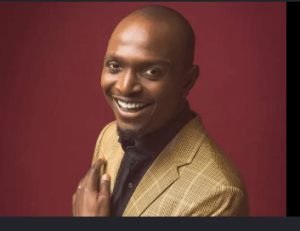
IK began his career in radio broadcasting, where his voice clarity and conversational intelligence quickly earned him recognition. His transition into television was marked by adaptability, as he seamlessly moved from audio-based storytelling to live visual hosting formats.
His breakthrough came as host of Big Brother Africa, where he became widely known across the continent. His ability to manage live eviction shows, unpredictable contestant dynamics, and audience engagement solidified his reputation as one of Africa’s premier live television hosts.
IK’s legacy is defined by professionalism and consistency in live broadcast entertainment. He has become a benchmark for reality television hosting in Africa, influencing how large-scale live shows are structured and presented.
Key Facts
- Full name of the subject: Ikponmwosa Osakioduwa
- Date of birth: May 21, 1979
- Place of birth: Lagos, Nigeria
- Family background: Nigerian middle-class family
- Early childhood experiences: Strong academic and communication upbringing
- Education history: University of Lagos
- Influences and mentors: Nigerian radio and television pioneers
- Career beginnings: Radio presenting at Rhythm FM
- Major achievements: Host of Big Brother Africa
- Challenges and obstacles faced: Transition from radio to international television hosting
- Turning points in life: Becoming host of Big Brother Africa
- Contributions to society: Youth entertainment and African media visibility
- Personal life (marriage, children, relationships): Married with children
- Awards and recognitions: Nigerian entertainment hosting awards
- Beliefs, values, or philosophy: Excellence in communication and preparation
- Legacy and impact: Standard-setter for African reality TV hosting
- Historical or cultural significance: Major figure in pan-African television entertainment
Notable Works: Big Brother Africa, Rhythm FM radio shows, live event hosting
Controversies:
One discussion involving IK Osakioduwa relates to public reactions during live reality television broadcasts, particularly in emotionally charged eviction episodes of Big Brother Africa. The issue reflects the structural pressures of live reality TV rather than personal misconduct. The background involves the format’s reliance on real-time eliminations and audience engagement systems.
Key stakeholders include production companies, contestants, broadcasters, and voting audiences. Critics sometimes highlight emotional intensity in eviction moments, while supporters emphasize IK’s professionalism in maintaining composure and neutrality. No formal regulatory actions or institutional findings have been recorded.
The matter is generally viewed as an inherent aspect of live reality television hosting rather than a personal controversy.
3. Ebuka Obi-Uchendu
Ebuka Obi-Uchendu is one of Africa’s most influential modern television hosts, known for his refined presentation style, fashion-forward screen identity, and disciplined approach to live broadcasting. Born in Benin City, Nigeria, he grew up in a family that valued education, structure, and communication. His early academic excellence later translated into a professional media career.
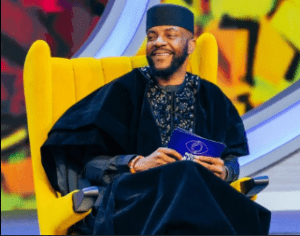
Ebuka began his public career through reality television participation before transitioning into hosting. His early exposure to media scrutiny helped shape his calm, controlled, and highly structured on-screen personality.
His breakthrough came as host of Big Brother Naija, where he redefined reality television hosting aesthetics in Africa. His interviewing style is marked by precision, neutrality, and controlled emotional engagement, making him one of the most respected live hosts on the continent.
Ebuka’s legacy lies in elevating African television presentation standards. He has become a cultural reference point for professionalism in reality TV hosting, influencing fashion, delivery, and broadcast discipline.
Key Facts
- Full name of the subject: Ebuka Obi-Uchendu
- Date of birth: July 14, 1982
- Place of birth: Benin City, Nigeria
- Family background: Nigerian professional family
- Early childhood experiences: Strong academic and disciplined upbringing
- Education history: University of Abuja; American University Washington DC (Law)
- Influences and mentors: Media and legal communication professionals
- Career beginnings: Reality TV contestant (Big Brother Nigeria)
- Major achievements: Host of Big Brother Naija
- Challenges and obstacles faced: Transition from contestant to professional host
- Turning points in life: Becoming BBNaija host
- Contributions to society: Youth entertainment and media professionalism
- Personal life (marriage, children, relationships): Married with children
- Awards and recognitions: Multiple entertainment hosting awards
- Beliefs, values, or philosophy: Professional excellence and preparation
- Legacy and impact: Redefined African reality television hosting standards
- Historical or cultural significance: Iconic figure in modern African entertainment media
Notable Works: Big Brother Naija, Rubbin’ Minds, major live event hosting
Controversies:
One discussion involving Ebuka Obi-Uchendu relates to audience reactions during live reality television eliminations, where emotional outcomes occasionally generate public debate about fairness and presentation tone. The issue is rooted in the format of reality television rather than individual conduct. The structure of audience voting and live evictions inherently creates high emotional engagement and public scrutiny.
Key stakeholders include production teams, contestants, broadcasters, and viewing audiences. Critics occasionally question emotional framing in live broadcasts, while supporters highlight Ebuka’s neutral and composed hosting style. No formal regulatory findings or disciplinary actions have been recorded.
The impact remains within broader discussions on reality television ethics and format design rather than personal controversy.
4. Lawrence Maleka
Lawrence Maleka represents a new wave of African television hosts who blend refined presentation skills with a strong background in acting and performance-driven storytelling. Born in South Africa, he grew up in a culturally expressive environment where communication and creativity were encouraged. His early exposure to performance arts shaped his confidence and on-screen adaptability.
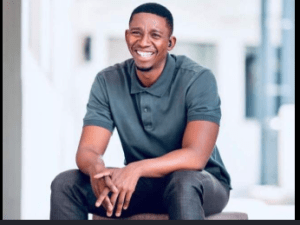
Maleka began his career in acting before transitioning into television presenting. His early screen appearances helped him develop a strong understanding of camera presence, timing, and emotional control, which later became essential in live hosting environments.
His breakthrough came when he transitioned into high-profile television hosting roles, including reality and entertainment programming. His hosting style is marked by calm authority, emotional intelligence, and a polished delivery that resonates with both studio audiences and viewers at home.
Maleka’s legacy is defined by his versatility across acting and hosting, positioning him as one of South Africa’s most balanced media personalities in contemporary entertainment broadcasting.
Key Facts
- Full name of the subject: Lawrence Maleka
- Date of birth: April 11, 1990
- Place of birth: Soweto, South Africa
- Family background: South African family with cultural and artistic influence
- Early childhood experiences: Exposure to storytelling and performance culture
- Education history: Studied media-related and performance disciplines
- Influences and mentors: South African film and television industry figures
- Career beginnings: Acting in television dramas
- Major achievements: Host of major South African reality television programs
- Challenges and obstacles faced: Transition from acting to live hosting credibility
- Turning points in life: Becoming a prime-time television host
- Contributions to society: Youth representation in African entertainment media
- Personal life (marriage, children, relationships): Private personal life
- Awards and recognitions: South African entertainment awards
- Beliefs, values, or philosophy: Authentic storytelling and disciplined performance
- Legacy and impact: Emerging leader in African television hosting
- Historical or cultural significance: Bridge between acting and presenting in South African media
Notable Works: Big Brother Mzansi hosting, The Wild acting role, television presenting
Controversies:
One discussion involving Lawrence Maleka relates to public expectations surrounding transitions from acting to live television hosting, where audiences and critics sometimes debate whether performance actors can fully adapt to unscripted broadcasting environments. The issue reflects broader industry dynamics rather than individual conduct.
Key stakeholders include production companies, television networks, audiences, and entertainment critics. Some critiques focus on the learning curve associated with live hosting, while supporters highlight Maleka’s smooth adaptation and professional growth. No formal disputes or regulatory findings have been recorded.
The impact of these discussions is largely developmental within industry perception rather than reputational controversy.
5. Denrele Edun
Denrele Edun is one of Africa’s most distinctive television personalities, known for his eccentric fashion style, energetic presentation, and boundary-pushing media identity. Born in Lagos, Nigeria, he grew up in a structured family environment that nevertheless allowed for creative self-expression. His early individuality became a defining trait in his media journey.
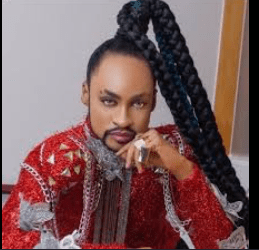
Denrele began his career in television as a presenter and video jockey, where his unconventional style immediately set him apart. His early hosting roles were characterized by high energy, improvisation, and a strong connection to youth culture and music entertainment.
His breakthrough came through music television and entertainment programming, where he became widely recognized across Nigeria and beyond for his bold presentation style. His screen presence is highly expressive, blending performance art with television hosting.
Denrele’s legacy lies in redefining what television presentation can look like in African youth entertainment media. He challenged traditional norms of presentation style and introduced a more expressive, personality-driven hosting approach.
Key Facts
- Full name of the subject: Denrele Olufemi Edun
- Date of birth: June 13, 1983
- Place of birth: Hamburg, Germany
- Family background: Nigerian family background
- Early childhood experiences: Exposure to diverse cultural environments
- Education history: University of Lagos (Industrial Relations and Personnel Management)
- Influences and mentors: Music television pioneers and entertainment presenters
- Career beginnings: Television presenting and video jockey roles
- Major achievements: Leading Nigerian entertainment TV personality
- Challenges and obstacles faced: Public criticism of unconventional presentation style
- Turning points in life: Rise in youth-focused entertainment television
- Contributions to society: Youth self-expression and creative freedom in media
- Personal life (marriage, children, relationships): Private personal life
- Awards and recognitions: Entertainment and youth culture awards
- Beliefs, values, or philosophy: Authentic self-expression in media
- Legacy and impact: Pioneer of expressive television presentation in Nigeria
- Historical or cultural significance: Major influence on African youth media aesthetics
Notable Works: Soundcity TV hosting, entertainment shows, red carpet hosting
Controversies:
One discussion involving Denrele Edun relates to public debate around his unconventional fashion and presentation style on television, which challenged traditional broadcasting norms in Nigeria’s entertainment industry. The issue reflects broader cultural conversations about identity expression in mainstream media.
Key stakeholders include television networks, audiences, advertisers, and cultural commentators. Critics have occasionally questioned the appropriateness of non-traditional presentation aesthetics in formal media spaces, while supporters argue that Denrele expanded creative freedom and representation in African entertainment broadcasting. No regulatory sanctions have been recorded.
The impact of this discussion has contributed to broader acceptance of diverse presentation styles in African youth entertainment media.
6. Michael Mol
Michael Mol is a South African medical doctor and television presenter whose career is defined by the intersection of healthcare communication and broadcast journalism. Born in South Africa, he was raised in an academically oriented environment that emphasized science, discipline, and public service.
Mol began his career in medicine, practicing as a qualified doctor before transitioning into television presenting. His early broadcasting work focused on health communication, where his medical background provided authority and credibility.
His breakthrough came through health-focused television programming, where he became a trusted voice in public health education. His screen presence is calm, informative, and structured, allowing complex medical topics to be communicated in accessible formats.
Mol’s legacy lies in bridging healthcare and media, making medical knowledge more accessible to general audiences through television broadcasting.
Key Facts
- Full name of the subject: Michael Mol
- Date of birth: April 22, 1970
- Place of birth: South Africa
- Family background: Professional and academically oriented family
- Early childhood experiences: Strong focus on science and education
- Education history: Medical degree (MBChB)
- Influences and mentors: Medical educators and health communication experts
- Career beginnings: Medical practice before television presenting
- Major achievements: Health television presenter and medical communicator
- Challenges and obstacles faced: Transition from clinical practice to media
- Turning points in life: Entry into television health programming
- Contributions to society: Public health education through media
- Personal life (marriage, children, relationships): Married with children
- Awards and recognitions: Health communication and media awards
- Beliefs, values, or philosophy: Public education through accessible communication
- Legacy and impact: Pioneer of medical television communication in Africa
- Historical or cultural significance: Key figure in health broadcasting media
Notable Works: Expresso Morning Show, health education programming
Controversies:
One discussion involving Michael Mol relates to broader debates about the role of medical professionals in mainstream entertainment television, particularly concerns about balancing clinical authority with media presentation. The issue reflects structural discussions in health communication rather than individual misconduct.
Key stakeholders include medical associations, broadcasting networks, public health institutions, and audiences. Critics occasionally question whether entertainment framing may oversimplify medical topics, while supporters emphasize the importance of accessible health communication. No formal disciplinary or regulatory findings have been recorded.
The impact remains within academic and professional discourse on medical communication in media.
7. ProVerb (Tebogo Thekisho)
ProVerb is a South African television host, rapper, and media personality whose career spans music, broadcasting, and entertainment presentation. Born in Kimberley, South Africa, he grew up in a culturally expressive environment that nurtured his interest in performance and storytelling.
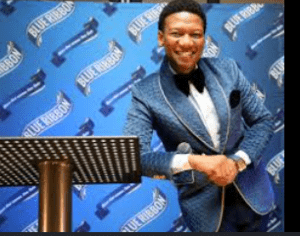
He began his career in music as a rapper before transitioning into television hosting, where his articulate delivery and composed presence quickly gained recognition. His early media work reflected discipline, lyrical intelligence, and strong audience engagement skills.
His breakthrough came as host of major South African reality television programs, where he became known for his calm authority and structured communication style. His screen presence is defined by control, professionalism, and emotional balance.
ProVerb’s legacy lies in his successful transition from music to mainstream television hosting, representing versatility and long-term adaptability in African entertainment media.
Key Facts
- Full name of the subject: Tebogo Sidney Thekisho
- Date of birth: April 12, 1981
- Place of birth: Kimberley, South Africa
- Family background: South African family with cultural influence
- Early childhood experiences: Exposure to music and performance arts
- Education history: Studied media-related disciplines
- Influences and mentors: South African hip hop and media pioneers
- Career beginnings: Rap music and recording artist
- Major achievements: Reality TV host and media personality
- Challenges and obstacles faced: Transition from music industry to television hosting
- Turning points in life: Becoming a major television host
- Contributions to society: Youth entertainment and media professionalism
- Personal life (marriage, children, relationships): Private personal life
- Awards and recognitions: Music and television awards
- Beliefs, values, or philosophy: Discipline and professional growth
- Legacy and impact: Bridge between South African music and television media
- Historical or cultural significance: Influential figure in multi-industry entertainment media
Notable Works: Idols South Africa hosting, music career, television presenting
Controversies:
One discussion involving ProVerb relates to public discourse around career transition from music to television hosting, particularly debates on credibility and professional reinvention in entertainment industries. The issue reflects broader industry patterns rather than individual misconduct.
Key stakeholders include music industry observers, television networks, and audiences. Critics initially questioned whether musicians could transition into authoritative hosting roles, while supporters highlight ProVerb’s long-term success and credibility. No formal regulatory issues have been recorded.
The impact of this discussion has reinforced acceptance of multi-disciplinary careers in African entertainment media.
8. Peter Ndoro
Peter Ndoro is a veteran South African television news and business host whose career has been defined by journalistic precision, composure, and authoritative delivery. Born in Zimbabwe and raised in Southern Africa, he developed early exposure to regional socio-economic dynamics that later informed his analytical broadcasting style.
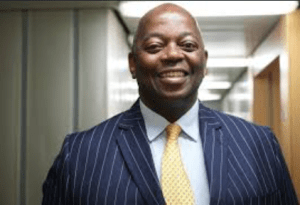
Ndoro began his career in radio journalism before transitioning into television news presenting. His early work focused on business reporting and financial news, where his clarity of speech and structured analysis quickly distinguished him in the newsroom environment.
His breakthrough came through international business news broadcasting, where he became a recognizable face on continental and global financial platforms. His screen presence is calm, measured, and fact-driven, reflecting a deep commitment to journalistic integrity.
Ndoro’s legacy lies in elevating African business journalism on television, contributing to global awareness of African markets, economics, and financial systems through disciplined reporting.
Key Facts
- Full name of the subject: Peter Ndoro
- Date of birth: June 21, 1972
- Place of birth: Zimbabwe
- Family background: Southern African family background
- Early childhood experiences: Exposure to regional African socio-economic environments
- Education history: Studied communications and journalism
- Influences and mentors: Broadcast journalism and financial news pioneers
- Career beginnings: Radio broadcasting and news reporting
- Major achievements: International business news television anchor
- Challenges and obstacles faced: Transition across regional media markets
- Turning points in life: Entry into international business broadcasting
- Contributions to society: Financial literacy and business awareness in Africa
- Personal life (marriage, children, relationships): Private personal life
- Awards and recognitions: Journalism and media excellence recognition
- Beliefs, values, or philosophy: Accuracy, clarity, and disciplined reporting
- Legacy and impact: Leading voice in African business television journalism
- Historical or cultural significance: Contributor to African economic media visibility
Notable Works: CNBC Africa broadcasting, business news anchoring, financial reporting
Controversies:
One discussion involving Peter Ndoro relates to broader industry debates about financial journalism neutrality, particularly in how business news presenters maintain objectivity while reporting on market-sensitive developments. The issue reflects structural expectations in financial broadcasting rather than personal conduct.
Key stakeholders include financial institutions, media organizations, investors, and regulatory observers. Critics sometimes raise general concerns about perceived bias in business reporting, while supporters emphasize Ndoro’s adherence to professional journalism standards. No formal disciplinary or regulatory findings have been recorded.
The matter remains within standard discourse on financial journalism ethics.
9. Frank Edoho
Frank Edoho is one of Nigeria’s most iconic television hosts, best known for his commanding presence, vocal precision, and long-standing role in game show broadcasting. Born in Enugu State, Nigeria, he grew up in a disciplined academic environment that emphasized communication and intellectual development.
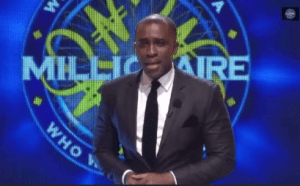
Edoho began his career in radio broadcasting, where his voice modulation and conversational intelligence quickly set him apart. His early work in television followed naturally, as he transitioned into presenting entertainment and game show formats.
His breakthrough came as host of “Who Wants to Be a Millionaire,” where his calm delivery and authoritative questioning style made him one of Africa’s most recognizable television personalities. His screen presence is defined by control, timing, and intellectual engagement.
Edoho’s legacy lies in shaping game show culture in African television, particularly in establishing high standards for quiz-based entertainment programming.
Key Facts
- Full name of the subject: Frank Edoho
- Date of birth: July 8, 1972
- Place of birth: Enugu State, Nigeria
- Family background: Nigerian middle-class family
- Early childhood experiences: Strong academic and communication upbringing
- Education history: University of Calabar (Animal Science)
- Influences and mentors: Radio broadcasting pioneers
- Career beginnings: Radio presenter and announcer
- Major achievements: Host of Who Wants to Be a Millionaire Nigeria
- Challenges and obstacles faced: Industry competition and program transitions
- Turning points in life: Becoming lead host of major game show franchise
- Contributions to society: Educational entertainment and knowledge-based programming
- Personal life (marriage, children, relationships): Married with children (publicly known relationships)
- Awards and recognitions: Nigerian television hosting awards
- Beliefs, values, or philosophy: Discipline and intellectual engagement in media
- Legacy and impact: Pioneer of Nigerian game show television excellence
- Historical or cultural significance: Central figure in quiz-based entertainment in Africa
Notable Works: Who Wants to Be a Millionaire Nigeria, television presenting
Controversies:
One discussion involving Frank Edoho relates to periodic public conversations about changes in hosting roles on long-running television formats, particularly when program structures or hosting transitions occur. The issue reflects the natural evolution of entertainment franchises rather than personal misconduct.
Key stakeholders include production companies, broadcasters, audiences, and franchise owners. Some audience segments express emotional attachment to long-standing hosts, while industry perspectives emphasize contract cycles and format renewal strategies. No formal regulatory findings have been recorded.
The impact is primarily associated with audience sentiment and franchise evolution discussions.
10. Maps Maponyane
Maps Maponyane is a South African television host, model, entrepreneur, and media personality known for his polished presentation style, intellectual communication, and strong digital media influence. Born in Johannesburg, South Africa, he was raised in a family that valued education, discipline, and public engagement.
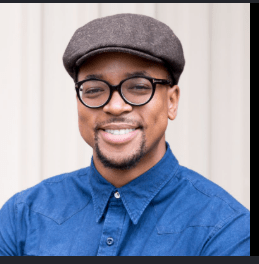
Maponyane began his career in modeling before transitioning into television hosting and entertainment presenting. His early media exposure helped him develop strong camera presence and audience communication skills.
His breakthrough came through television presenting roles across lifestyle, entertainment, and reality programming, where he became known for his articulate delivery and sophisticated screen presence. He represents a modern hybrid of traditional television hosting and digital media influence.
Maponyane’s legacy lies in redefining contemporary African male television hosting by blending media professionalism with entrepreneurship and digital branding.
Key Facts
- Full name of the subject: Masego Maponyane
- Date of birth: March 16, 1990
- Place of birth: Johannesburg, South Africa
- Family background: Son of South African sports personality Marks Maponyane
- Early childhood experiences: Exposure to sports, media, and public life
- Education history: Studied media and communication-related disciplines
- Influences and mentors: South African media and entertainment professionals
- Career beginnings: Modeling and brand representation
- Major achievements: Television presenter and media entrepreneur
- Challenges and obstacles faced: Managing public expectations due to family legacy
- Turning points in life: Transition into mainstream television hosting
- Contributions to society: Youth entrepreneurship and media representation
- Personal life (marriage, children, relationships): Private personal life
- Awards and recognitions: Entertainment and style awards
- Beliefs, values, or philosophy: Innovation and personal branding excellence
- Legacy and impact: Modern African lifestyle television influencer
- Historical or cultural significance: Represents new-generation African media identity
Notable Works: Top entertainment hosting, lifestyle programming, brand campaigns
Controversies:
One discussion involving Maps Maponyane relates to broader conversations around celebrity branding and influencer-driven media presence, particularly debates about the blending of entertainment, advertising, and editorial content in modern television and digital platforms. The issue reflects structural shifts in media economics rather than personal misconduct.
Key stakeholders include advertisers, media platforms, production companies, and audiences. Critics sometimes question the transparency of branded content integration, while supporters highlight industry-wide evolution toward influencer-led media ecosystems. No formal regulatory actions have been recorded.
The impact remains within ongoing discussions about media commercialization and influencer culture in African entertainment.
Notable Mentions
Katlego Maboe
Robert Marawa
Lungile Radu
Fez Mkhize
Jonathan Boynton-Lee
Akumaa Mama Zimbi (Male equivalent list reference noted)
Uti Nwachukwu
Terrence Creative
Maina Kageni
Cyril Africa