
Top 10 American Talk Show Hosts of All Time
Top 10 American Talk Show Hosts of All Time
In This Content
Quick List
Joe Pyne
Tom Snyder
Charlie Rose
Jack Paar
Dick Cavett
Bill Maher
Tavis Smiley
Mike Douglas
Craig Ferguson
Montel Williams
1. Joe Pyne
Blunt, confrontational, and unapologetically direct, Joe Pyne stands as one of the earliest architects of the modern talk show format. Born in Los Angeles, Pyne’s early life was shaped by discipline and resilience, including his service in the U.S. military during World War II. This background informed a personality that would later define his on-air presence authoritative, uncompromising, and often polarizing.
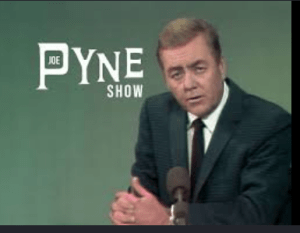
Pyne’s entry into broadcasting began in radio, where his sharp tongue and willingness to challenge callers quickly set him apart. Transitioning to television in the 1960s, he brought with him a style that broke from the polite conventions of early talk programming. His approach was rooted in confrontation, often engaging guests and callers in heated exchanges that blurred the line between debate and spectacle.
His breakthrough came with “The Joe Pyne Show,” which introduced audiences to a format driven by conflict and strong opinions. Pyne’s performance style assertive, combative, and at times abrasive reshaped audience expectations, proving that controversy could be a powerful driver of engagement. He did not simply moderate discussions; he dominated them, positioning himself as both host and central figure.
Pyne’s legacy is both influential and complex. While his methods were controversial, they laid the groundwork for future talk show formats that embraced confrontation and audience participation. His impact can be seen in decades of programming that followed, making him a foundational figure in the evolution of American television.
Key Facts
- Full name of the subject: Lester Joseph Pyne
- Date of birth: 22 February 1924
- Place of birth: Los Angeles, California, USA
- Family background: Middle-class American family
- Early childhood experiences: Military service shaped discipline and worldview
- Education history: Attended University of California
- Influences and mentors: Early radio broadcasters
- Career beginnings: Radio talk shows
- Major achievements: Host of The Joe Pyne Show
- Challenges and obstacles faced: Criticism over confrontational style
- Turning points in life: Transition from radio to television
- Contributions to society: Popularized audience-driven talk formats
- Personal life (marriage, children, relationships): Married, children
- Awards and recognitions: Recognized pioneer in talk show format
- Beliefs, values, or philosophy: Directness and confrontation
- Legacy and impact: Pioneer of controversial talk shows
- Historical or cultural significance: Influenced modern talk show dynamics
Notable Works: The Joe Pyne Show
Controversies:
Joe Pyne’s career was defined by sustained controversy surrounding his confrontational hosting style. The issue centered on his practice of aggressively challenging guests and callers, often using provocative language that critics argued crossed the boundaries of respectful discourse. This approach emerged in the broader context of 1960s American media, where talk radio and television were beginning to explore more unfiltered public dialogue. Stakeholders included broadcast regulators, network executives, audiences, and advocacy groups concerned with media standards. Critics contended that Pyne’s style encouraged hostility and sensationalism, while supporters argued that it represented a form of candid, unfiltered debate rarely seen in mainstream media at the time. There were no formal industry bans against his work, but the debates contributed to evolving standards around broadcast conduct. The impact of these controversies was significant, shaping both the opportunities and limitations of confrontational programming in American television history.
2. Tom Snyder
Measured, inquisitive, and deeply conversational, Tom Snyder brought a distinctive intellectual tone to late-night television. Born in Milwaukee, Snyder’s early life reflected a strong Midwestern sensibility, characterized by curiosity and discipline. His academic background in journalism provided a solid foundation for a career that would prioritize substance over spectacle.
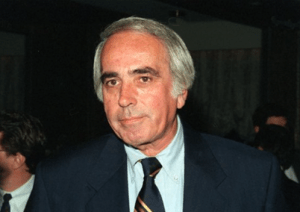
Snyder began his career in radio and local television news, where he developed a reputation for thoughtful reporting and clear communication. His transition into national television allowed him to refine a style that emphasized depth and authenticity. Unlike more performative hosts, Snyder approached interviews as genuine conversations, creating space for introspection and nuance.
His breakthrough came with “The Tomorrow Show,” where he departed from traditional late-night formats by focusing on extended, in-depth interviews. Snyder’s performance style calm, attentive, and intellectually engaged allowed guests to explore ideas in a way rarely seen on television. His approach attracted a diverse range of guests, from cultural figures to political thinkers.
Snyder’s legacy lies in his commitment to meaningful dialogue. He demonstrated that late-night television could serve as a platform for thoughtful discussion, influencing a generation of hosts who sought to balance entertainment with intellectual engagement.
Key Facts
- Full name of the subject: Thomas James Snyder
- Date of birth: 12 May 1936
- Place of birth: Milwaukee, Wisconsin, USA
- Family background: Middle-class American family
- Early childhood experiences: Strong Midwestern upbringing
- Education history: Marquette University
- Influences and mentors: Broadcast journalists
- Career beginnings: Radio and local TV news
- Major achievements: Host of The Tomorrow Show
- Challenges and obstacles faced: Competing with entertainment-driven formats
- Turning points in life: Launch of The Tomorrow Show
- Contributions to society: Promoted thoughtful television dialogue
- Personal life (marriage, children, relationships): Married, children
- Awards and recognitions: Broadcasting awards
- Beliefs, values, or philosophy: Depth and authenticity in conversation
- Legacy and impact: Influential late-night interviewer
- Historical or cultural significance: Elevated intellectual discourse on TV
Notable Works: The Tomorrow Show, Late Late Show
Controversies:
Tom Snyder faced occasional criticism regarding the pacing and tone of his interview style, particularly in comparison to more entertainment-driven late-night programming. The issue centered on whether his extended, introspective interviews were suitable for a format traditionally associated with lighter content. Stakeholders included network executives, audiences, and media critics. Critics argued that the slower pace could limit audience engagement, while supporters emphasized the value of depth and substance in broadcasting. Snyder consistently defended his approach as intentional, prioritizing meaningful conversation over spectacle. There were no formal disciplinary actions or controversies involving misconduct, and the debate remained largely stylistic. Its impact reinforced the diversity of formats within late-night television and validated the role of intellectual programming alongside entertainment.
3. Charlie Rose
Sophisticated, probing, and globally recognized, Charlie Rose built a career defined by access to some of the world’s most influential figures. Born in North Carolina, his early life was shaped by Southern values and a strong work ethic, which guided his academic and professional pursuits. His education in law and journalism provided the intellectual framework for his future in broadcasting.
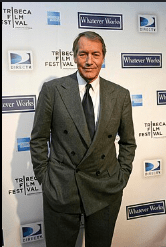
Rose’s career began in reporting and production, where he developed a reputation for diligence and professionalism. His transition into hosting allowed him to cultivate a style that emphasized depth, preparation, and strategic questioning. Early roles in American television positioned him as a serious journalist capable of navigating complex topics.
His breakthrough came with “The Charlie Rose Show,” a program that became synonymous with in-depth interviews featuring global leaders, artists, and thinkers. Rose’s performance style intense, focused, and methodical created an environment where guests engaged in substantive dialogue. His ability to secure high-profile interviews elevated the show’s status within global media.
Rose’s legacy is deeply intertwined with his contributions to long-form interview journalism. However, his career is also marked by significant controversy that has shaped how his work is viewed within the broader context of media ethics and accountability.
Key Facts
- Full name of the subject: Charles Peete Rose Jr.
- Date of birth: 5 January 1942
- Place of birth: North Carolina, USA
- Family background: Southern American family
- Early childhood experiences: Raised in a disciplined environment
- Education history: Duke University, University of North Carolina
- Influences and mentors: Journalists and broadcasters
- Career beginnings: Reporting and production
- Major achievements: Host of The Charlie Rose Show
- Challenges and obstacles faced: Career-ending controversies
- Turning points in life: Success of interview program
- Contributions to society: Long-form interview journalism
- Personal life (marriage, children, relationships): Private
- Awards and recognitions: Multiple journalism awards
- Beliefs, values, or philosophy: Depth and access in journalism
- Legacy and impact: Influential but controversial figure
- Historical or cultural significance: Redefined interview programming
Notable Works: The Charlie Rose Show, PBS interviews
Controversies:
Charlie Rose’s career was significantly impacted by allegations of sexual misconduct. The issue emerged through investigative reporting that detailed claims from multiple individuals regarding inappropriate behavior in professional settings. This occurred within the broader context of the media industry’s reckoning with workplace conduct, involving stakeholders such as former colleagues, media organizations, and the public. Critics emphasized accountability and the need for institutional reform, while Rose issued statements expressing regret and acknowledging inappropriate behavior. Verified outcomes included his dismissal from major broadcasting roles and the cancellation of his program. The matter is widely considered concluded in terms of institutional response, though its broader implications continue to influence discussions on workplace ethics. The impact was substantial, leading to a reassessment of his legacy and contributing to wider industry changes regarding conduct and accountability.
4. Jack Paar
A transitional figure who reshaped the tone of late-night television, Jack Paar brought emotional candor and intellectual curiosity to a medium still finding its identity. Born in Ohio during the Great Depression, Paar’s early life was marked by financial hardship and resilience. These formative experiences cultivated a personality that was both introspective and sharply observant qualities that would later define his on-screen presence.
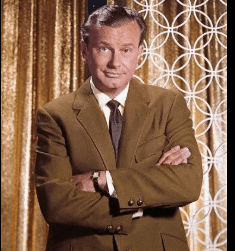
Paar’s career began in radio and early television, where he developed a conversational style that contrasted with the rigid formality of earlier broadcasters. His move into late-night television came at a time when the format was still evolving, allowing him to experiment with tone and structure. Unlike his predecessors, Paar infused his hosting with personal reflection, humor, and unpredictability.
His breakthrough came as host of “The Tonight Show,” where he transformed the program into a platform for meaningful conversation and emotional authenticity. Paar’s performance style intimate, reflective, and occasionally volatile allowed audiences to see the host as a human participant rather than a detached moderator. His willingness to express vulnerability on air set a precedent for future hosts.
Paar’s legacy lies in his humanization of television hosting. He demonstrated that authenticity and emotional depth could coexist with entertainment, influencing the evolution of late-night programming into a more personal and dynamic form.
Key Facts
- Full name of the subject: Jack Harold Paar
- Date of birth: 1 May 1918
- Place of birth: Ohio, USA
- Family background: Working-class American family
- Early childhood experiences: Grew up during the Great Depression
- Education history: Limited formal higher education
- Influences and mentors: Early radio personalities
- Career beginnings: Radio broadcasting
- Major achievements: Host of The Tonight Show
- Challenges and obstacles faced: Navigating censorship and network pressures
- Turning points in life: Hosting The Tonight Show
- Contributions to society: Humanized late-night television
- Personal life (marriage, children, relationships): Married, children
- Awards and recognitions: Emmy Awards
- Beliefs, values, or philosophy: Authenticity and emotional expression
- Legacy and impact: Pioneer of personal talk show style
- Historical or cultural significance: Transitional figure in TV history
Notable Works: The Tonight Show
Controversies:
A defining controversy involving Jack Paar centered on a dispute over network censorship during his tenure on “The Tonight Show.” The issue arose when a segment was edited by the network without his consent, prompting Paar to publicly address the matter and temporarily walk off the program. This occurred within the broader context of early television’s strict content regulations, involving stakeholders such as network executives, sponsors, audiences, and Paar himself. Critics debated whether his reaction was disproportionate, while supporters framed it as a stand for creative independence and artistic control. Paar later returned to the show, and no formal disciplinary action was taken. The incident remains a significant moment in broadcasting history, highlighting tensions between creative expression and institutional oversight, and influencing future negotiations around editorial autonomy.
5. Dick Cavett
Refined, intellectual, and quietly incisive, Dick Cavett brought a literary sensibility to the talk show format. Born in Nebraska, Cavett’s early life was shaped by an academic environment, with both parents working in education. This upbringing fostered a deep appreciation for language, ideas, and intellectual discourse.
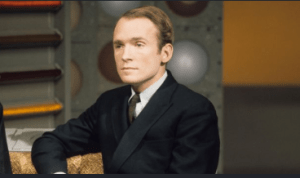
Cavett’s career began in comedy writing, including work with prominent entertainers, before transitioning into television hosting. His early experiences behind the scenes provided him with a nuanced understanding of performance and timing, which he later applied to his on-screen persona. Unlike more flamboyant hosts, Cavett’s style was understated, relying on wit and curiosity rather than spectacle.
His breakthrough came with “The Dick Cavett Show,” where he hosted a wide range of cultural, political, and artistic figures. Cavett’s performance style thoughtful, articulate, and gently probing allowed for in-depth conversations that often extended beyond typical television constraints. His ability to engage with complex subjects set him apart in an industry increasingly driven by entertainment value.
Cavett’s legacy lies in his elevation of the talk show into a platform for intellectual engagement. He demonstrated that television could accommodate nuanced discussion without sacrificing audience interest, influencing a generation of hosts who sought to balance substance with accessibility.
Key Facts
- Full name of the subject: Richard Alva Cavett
- Date of birth: 19 November 1936
- Place of birth: Nebraska, USA
- Family background: Academic family
- Early childhood experiences: Exposure to education and literature
- Education history: Yale University
- Influences and mentors: Writers and comedians
- Career beginnings: Comedy writing
- Major achievements: Host of The Dick Cavett Show
- Challenges and obstacles faced: Competing with entertainment-driven formats
- Turning points in life: Launch of his talk show
- Contributions to society: Promoted intellectual discourse on television
- Personal life (marriage, children, relationships): Married
- Awards and recognitions: Emmy Awards
- Beliefs, values, or philosophy: Curiosity and thoughtful dialogue
- Legacy and impact: Intellectualized talk show format
- Historical or cultural significance: Cultural and political interviewer
Notable Works: The Dick Cavett Show
Controversies:
Dick Cavett’s career intersected with controversy primarily through the high-profile and sometimes contentious discussions that took place on his program. One notable issue involved on-air disagreements between guests that escalated into public debate, raising questions about the host’s role in moderating conflict. This occurred within the broader context of television’s growing openness to political and cultural discourse during the late 1960s and 1970s. Stakeholders included guests, audiences, network executives, and critics. Some argued that Cavett allowed debates to become overly confrontational, while others praised his willingness to provide a platform for authentic, unscripted exchange. Cavett maintained that his role was to facilitate conversation rather than control it. No formal sanctions were imposed, and the debates remain part of the show’s historical significance. The impact reinforced the importance of balance between freedom of expression and responsible moderation in televised discussions.
6. Bill Maher
Provocative, satirical, and consistently polarizing, Bill Maher has built a career at the intersection of comedy and political commentary. Born in New York, Maher’s early life was shaped by a blend of cultural influences and a strong inclination toward debate and performance. His academic background in history and English provided a foundation for his later work in political satire.
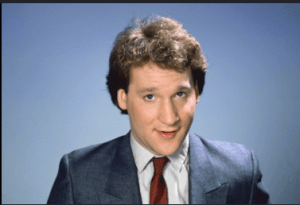
Maher’s career began in stand-up comedy, where he developed a style defined by sharp wit and willingness to tackle controversial topics. His transition into television allowed him to expand this approach into a broader format, blending humor with political analysis. Early programs established him as a distinctive voice within American media.
His breakthrough came with “Politically Incorrect” and later “Real Time with Bill Maher,” where he cultivated a format that combined panel discussion with monologue-driven commentary. Maher’s performance style direct, confrontational, and unapologetically opinionated has made him both influential and divisive. He engages audiences not by seeking consensus, but by challenging assumptions and provoking debate.
Maher’s legacy lies in his role as a catalyst for conversation within political media. He has expanded the boundaries of what talk shows can address, demonstrating that entertainment and political discourse can coexist, even when uncomfortable.
Key Facts
- Full name of the subject: William Maher
- Date of birth: 20 January 1956
- Place of birth: New York, USA
- Family background: Mixed cultural heritage
- Early childhood experiences: Exposure to diverse viewpoints
- Education history: Cornell University
- Influences and mentors: Comedians and political commentators
- Career beginnings: Stand-up comedy
- Major achievements: Host of Politically Incorrect and Real Time
- Challenges and obstacles faced: Public backlash over controversial statements
- Turning points in life: Launch of political talk shows
- Contributions to society: Political discourse through entertainment
- Personal life (marriage, children, relationships): Private
- Awards and recognitions: Emmy Awards
- Beliefs, values, or philosophy: Free speech and critical debate
- Legacy and impact: Influential political commentator
- Historical or cultural significance: Shaped modern political talk shows
Notable Works: Politically Incorrect, Real Time with Bill Maher
Controversies:
Bill Maher has been the subject of multiple controversies related to statements made during his programs and public appearances. A significant issue involved remarks made in the aftermath of major geopolitical events, which were widely criticized as insensitive. This occurred within the broader context of heightened national sentiment and media scrutiny, involving stakeholders such as audiences, advertisers, network executives, and advocacy groups. Critics argued that his comments crossed ethical boundaries, while Maher defended them as part of his commitment to free expression and critical inquiry. Verified outcomes included the cancellation of “Politically Incorrect” following advertiser withdrawal, demonstrating the tangible impact of public and corporate response. The matter remains a defining moment in his career, illustrating the tensions between free speech, public accountability, and commercial considerations in media.
7. Tavis Smiley
Measured, purposeful, and deeply rooted in cultural advocacy, Tavis Smiley built a career centered on amplifying African American voices within mainstream media. Born in Mississippi and raised in Indiana, Smiley’s early life was shaped by economic hardship and a strong foundation in faith and community. These formative influences cultivated a worldview grounded in social justice and public dialogue.
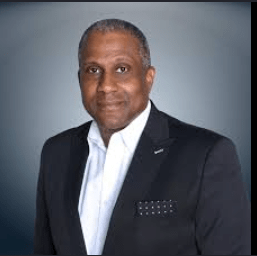
Smiley’s career began in political organizing and radio, where he developed a voice that combined activism with communication. His transition into television allowed him to expand his reach, bringing underrepresented perspectives into national conversations. Early appearances on cable news and public broadcasting established him as a thoughtful and articulate commentator.
His breakthrough came with programs such as “The Tavis Smiley Show” on PBS, where he hosted in-depth discussions on politics, culture, and social issues. Smiley’s performance style calm, reflective, and deliberate created a space for nuanced dialogue. He positioned himself not as a performer, but as a facilitator of important conversations, often centering voices overlooked by mainstream media.
Smiley’s legacy is defined by his commitment to representation and dialogue. He expanded the scope of American talk shows to include deeper engagement with issues of race, inequality, and policy, influencing the broader landscape of socially conscious broadcasting.
Key Facts
- Full name of the subject: Tavis Smiley
- Date of birth: 13 September 1964
- Place of birth: Mississippi, USA
- Family background: Raised in a working-class, faith-oriented family
- Early childhood experiences: Exposure to social and economic challenges
- Education history: Indiana University (did not complete degree)
- Influences and mentors: Civil rights leaders and media figures
- Career beginnings: Radio and political organizing
- Major achievements: Host of The Tavis Smiley Show
- Challenges and obstacles faced: Industry barriers and later controversies
- Turning points in life: Transition to national television
- Contributions to society: Advocacy for social justice and representation
- Personal life (marriage, children, relationships): Private
- Awards and recognitions: NAACP Image Awards
- Beliefs, values, or philosophy: Empowerment through dialogue
- Legacy and impact: Amplified marginalized voices in media
- Historical or cultural significance: Influential African American broadcaster
Notable Works: The Tavis Smiley Show, public affairs programming
Controversies:
Tavis Smiley’s career was significantly impacted by allegations of workplace misconduct that led to his suspension and eventual termination from PBS. The issue involved claims of inappropriate relationships and conduct within a professional environment, emerging during a broader period of scrutiny across the media industry. Stakeholders included Smiley, PBS executives, employees, and the viewing public. Critics emphasized accountability and workplace standards, while Smiley disputed aspects of the findings and raised concerns about due process. PBS conducted an internal investigation and concluded its review by ending its relationship with him, a decision that remains a verified outcome. The matter continues to be discussed in terms of both workplace ethics and procedural fairness. Its impact altered Smiley’s career trajectory and contributed to wider conversations about conduct and accountability in media organizations.
8. Mike Douglas
Warm, versatile, and quietly influential, Mike Douglas helped define the daytime talk show as a space of comfort and accessibility. Born in Chicago, Douglas’s early life was shaped by musical training and performance, which would later inform his approach to hosting. His background in entertainment gave him a natural ease on screen, allowing him to connect effortlessly with audiences.
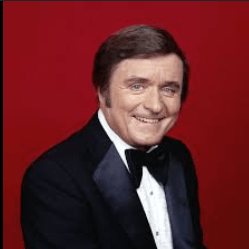
Douglas began his career as a singer and performer before transitioning into television. His early work in variety programming showcased his ability to engage with diverse audiences, blending music, conversation, and humor. This versatility became a defining feature of his hosting style.
His breakthrough came with “The Mike Douglas Show,” a daytime program that combined celebrity interviews, musical performances, and audience interaction. Douglas’s performance style gentle, approachable, and inclusive created an environment where guests felt at ease and audiences felt welcomed. He prioritized connection over confrontation, setting a tone that distinguished his show from more sensational formats.
Douglas’s legacy lies in his contribution to the evolution of daytime television. He demonstrated that talk shows could serve as spaces of positivity and community, influencing a generation of hosts who embraced warmth and accessibility as central elements of their craft.
Key Facts
- Full name of the subject: Michael Delaney Dowd Jr.
- Date of birth: 11 August 1925
- Place of birth: Chicago, Illinois, USA
- Family background: Middle-class American family
- Early childhood experiences: Musical training and performance
- Education history: Studied music and performance
- Influences and mentors: Entertainers and musicians
- Career beginnings: Singing and entertainment
- Major achievements: Host of The Mike Douglas Show
- Challenges and obstacles faced: Transition from music to television
- Turning points in life: Launch of daytime talk show
- Contributions to society: Family-friendly television programming
- Personal life (marriage, children, relationships): Married, children
- Awards and recognitions: Daytime Emmy Awards
- Beliefs, values, or philosophy: Positivity and inclusiveness
- Legacy and impact: Pioneer of daytime talk shows
- Historical or cultural significance: Shaped daytime TV format
Notable Works: The Mike Douglas Show
Controversies:
Mike Douglas largely avoided major personal controversies; however, his program occasionally became a platform for debates regarding the appropriateness of certain guests and topics for daytime television. The issue centered on whether discussions involving political or social tensions were suitable for a format traditionally associated with light entertainment. Stakeholders included network executives, advertisers, audiences, and advocacy groups. Critics expressed concern about maintaining family-friendly standards, while supporters argued for the importance of addressing real-world issues in accessible formats. Douglas maintained a balanced approach, aiming to preserve the show’s welcoming tone while accommodating meaningful dialogue. No formal sanctions or disciplinary actions were taken, and the debates remained part of the evolving expectations of daytime programming. The impact reinforced the delicate balance between entertainment and substance in talk show formats.
9. Craig Ferguson
Irreverent, introspective, and refreshingly unconventional, Craig Ferguson redefined late-night television through authenticity and spontaneity. Born in Scotland, Ferguson’s early life was marked by working-class roots and personal struggles, including challenges that would later inform his candid on-screen persona. His journey from stand-up comedy to television hosting was anything but linear.

Ferguson’s career began in comedy and acting, where he developed a distinctive voice characterized by self-awareness and unpredictability. His transition into American television brought a fresh perspective to the late-night format, challenging established norms and expectations. Early appearances showcased a host unafraid to deviate from scripted conventions.
His breakthrough came with “The Late Late Show,” where he transformed the program into a platform for unscripted, conversational engagement. Ferguson’s performance style improvised, candid, and often deeply personal created a unique viewing experience. He frequently broke the fourth wall, engaged directly with audiences, and infused his monologues with introspection rarely seen in the genre.
Ferguson’s legacy lies in his reinvention of late-night hosting as a space for authenticity. He demonstrated that vulnerability and individuality could resonate as strongly as traditional humor, influencing a new generation of hosts seeking to connect with audiences on a more personal level.
Key Facts
- Full name of the subject: Craig Ferguson
- Date of birth: 17 May 1962
- Place of birth: Glasgow, Scotland
- Family background: Working-class Scottish family
- Early childhood experiences: Personal struggles and resilience
- Education history: Limited formal higher education
- Influences and mentors: Comedians and performers
- Career beginnings: Stand-up comedy and acting
- Major achievements: Host of The Late Late Show
- Challenges and obstacles faced: Transition to U.S. television
- Turning points in life: Success as late-night host
- Contributions to society: Redefined late-night authenticity
- Personal life (marriage, children, relationships): Married, children
- Awards and recognitions: Peabody Award
- Beliefs, values, or philosophy: Honesty and individuality
- Legacy and impact: Innovator in late-night television
- Historical or cultural significance: Challenged traditional hosting norms
Notable Works: The Late Late Show with Craig Ferguson
Controversies:
Craig Ferguson has largely avoided major controversies; however, his unconventional approach to late-night television occasionally sparked debate regarding the boundaries of format and professionalism. The issue centered on his frequent departure from scripted content, including improvisation and direct audience engagement. Stakeholders included network executives, audiences, and media critics. Critics questioned whether such deviations undermined the structure of late-night programming, while supporters praised the authenticity and originality of his approach. Ferguson consistently framed his style as intentional, emphasizing connection over convention. No formal disciplinary actions were taken, and the debate remained largely stylistic. Its impact contributed to broader acceptance of diverse formats within late-night television.
10. Montel Williams
Authoritative, empathetic, and socially engaged, Montel Williams built a talk show legacy grounded in advocacy and human connection. Born in Maryland, Williams’s early life was shaped by discipline, including his service in the U.S. military. His experiences instilled a sense of structure and purpose that would later define his approach to broadcasting.
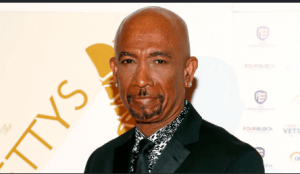
Williams’s career began in media following his military service, where he transitioned into television with a focus on public affairs and human-interest stories. His early work reflected a commitment to addressing real-life challenges faced by everyday individuals, setting him apart from more entertainment-driven hosts.
His breakthrough came with “The Montel Williams Show,” which became a platform for discussions on social issues, health, and personal transformation. Williams’s performance style compassionate, direct, and solution-oriented allowed him to engage deeply with guests while maintaining a sense of authority. He often positioned himself as both host and advocate, guiding conversations toward resolution and understanding.
Williams’s legacy lies in his integration of advocacy into the talk show format. He expanded the role of the host beyond entertainment, demonstrating that television could serve as a tool for education, support, and social change.
Key Facts
- Full name of the subject: Montel Brian Anthony Williams
- Date of birth: 3 July 1956
- Place of birth: Maryland, USA
- Family background: Military and disciplined upbringing
- Early childhood experiences: Structured environment
- Education history: United States Naval Academy
- Influences and mentors: Military leaders and media figures
- Career beginnings: Media roles after military service
- Major achievements: Host of The Montel Williams Show
- Challenges and obstacles faced: Health challenges and public scrutiny
- Turning points in life: Launch of talk show
- Contributions to society: Advocacy for health and social issues
- Personal life (marriage, children, relationships): Married, children
- Awards and recognitions: Daytime Emmy Awards
- Beliefs, values, or philosophy: Advocacy and empowerment
- Legacy and impact: Integrated social issues into talk shows
- Historical or cultural significance: Influential daytime host
Notable Works: The Montel Williams Show
Controversies:
Montel Williams has faced public scrutiny related to certain episodes of his program that dealt with sensitive medical or personal topics. The issue centered on concerns that some segments may have oversimplified complex issues or presented them in ways that could be interpreted as sensationalized. Stakeholders included medical professionals, advocacy groups, audiences, and network executives. Critics emphasized the importance of accuracy and ethical responsibility in discussing health-related topics, while supporters argued that the show provided valuable awareness and support to viewers. Williams has consistently maintained that his program aimed to inform and empower audiences. No formal sanctions were imposed, and the debates remain part of broader discussions about the responsibilities of daytime television in addressing serious issues. The impact reinforced the need for balance between accessibility and accuracy in public discourse.
Notable Mentions:
Ricki Lake
Maury Povich
Jerry Springer
Geraldo Rivera
Pat Sajak
Tom Hallick
Aisha Tyler
Tamron Hall
Rolonda Watts
Dinah Shore