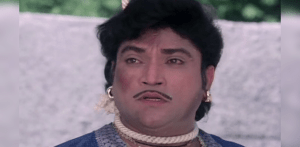
Top 10 Helawood (Sri Lanka) Movie Legends of the 90s
Top 10 Helawood (Sri Lanka) Movie Legends of the 90s
In This Content
Quick List
Malini Fonseka
Vijaya Kumaratunga
Gamini Fonseka
Sanath Gunathilake
Jeevan Kumaratunga
Ranjan Ramanayake
Dilhani Ekanayake
Vasanthi Chathurani
Bandu Samarasinghe
Tennyson Cooray
1. Malini Fonseka
Malini Fonseka is widely regarded as the undisputed “Queen of Sri Lankan Cinema,” a performer whose influence defined Helawood’s artistic identity well into the 1990s. Born in Kelaniya, Sri Lanka, she grew up in a culturally grounded environment that nurtured her early interest in stage performance and expressive storytelling.
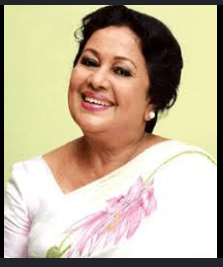
She began her career in theatre before transitioning into cinema in the late 1960s, quickly establishing herself as a commanding screen presence. By the 1990s, she was already a living legend, frequently cast in roles that required emotional depth, maternal gravitas, and moral authority.
Her breakthrough influence in the 90s was not about emergence, but endurance. She became the emotional backbone of Sinhala cinema, portraying complex women navigating family, society, and personal sacrifice with unmatched authenticity.
By the end of the decade, Malini Fonseka had transcended performance itself, becoming a cultural institution whose legacy shaped the very language of Sri Lankan cinematic acting.
Key Facts
- Full name of the subject: Malini Fonseka
- Date of birth: April 30, 1947
- Place of birth: Kelaniya, Sri Lanka
- Family background: Middle-class Sri Lankan family
- Early childhood experiences: Exposure to cultural and school stage drama
- Education history: Educated in Sri Lanka
- Influences and mentors: Early Sinhala theatre pioneers
- Career beginnings: Theatre and 1960s cinema debut
- Major achievements: Multiple Sarasaviya Best Actress awards
- Challenges and obstacles faced: Gender stereotyping in early cinema industry
- Turning points in life: Transition from stage to national film prominence
- Contributions to society: Elevated standards of female performance in South Asian cinema
- Personal life (marriage, children, relationships): Private family life
- Awards and recognitions: National honours including lifetime achievement awards
- Beliefs, values, or philosophy: Emotional truth in performance
- Legacy and impact: Iconic figure of Sri Lankan cinematic heritage
- Historical or cultural significance: Defining face of Helawood’s golden acting tradition
Notable Works: Nidhanaya, Bambaru Avith, 1990s dramatic television and film roles
Controversies: Malini Fonseka’s career has remained largely free from personal scandal or formal controversy. However, broader cultural debates in the 1990s and early 2000s examined the representation of women in Sri Lankan cinema, particularly regarding maternal and moral archetypes often associated with her roles. These discussions involved film critics, cultural theorists, and industry stakeholders evaluating evolving gender narratives. Fonseka herself was not involved in any legal or disciplinary dispute, and the subject is widely considered an industry-wide artistic discourse rather than an individual controversy.
2. Vijaya Kumaratunga
Vijaya Kumaratunga remains one of Sri Lanka’s most influential cinematic and cultural figures, whose legacy continued to dominate Helawood discourse throughout the 1990s despite his untimely death in 1988. Born in Polonnaruwa, Sri Lanka, he grew up in a politically aware environment that shaped both his artistic and public identity.
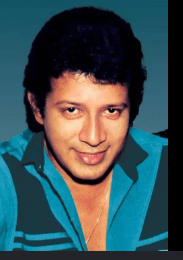
He began his acting career in the 1970s and quickly rose to become one of the most beloved romantic and action heroes in Sinhala cinema. His natural charisma and emotional sincerity made him a household name across the country.
His breakthrough legacy carried into the 90s as his films continued to be widely screened, influencing new generations of actors and filmmakers. His on-screen persona embodied justice, romance, and social consciousness.
By the 1990s, Vijaya Kumaratunga had become more than a film star—he was a national cultural symbol whose artistic and political legacy remained deeply embedded in Sri Lankan society.
Key Facts
- Full name of the subject: Vijaya Kumaratunga
- Date of birth: October 9, 1945
- Place of birth: Polonnaruwa, Sri Lanka
- Family background: Educated middle-class family
- Early childhood experiences: Exposure to education and civic awareness
- Education history: Educated in Sri Lanka and abroad
- Influences and mentors: Early Sinhala theatre and political thinkers
- Career beginnings: Film debut in early 1970s
- Major achievements: Leading actor and political figure in Sri Lanka
- Challenges and obstacles faced: Political pressure and public scrutiny
- Turning points in life: Transition into national political leadership
- Contributions to society: Promoted socially conscious cinema
- Personal life (marriage, children, relationships): Married to Chandrika Kumaratunga
- Awards and recognitions: National cinematic honors (posthumous recognition)
- Beliefs, values, or philosophy: Social justice and cultural nationalism
- Legacy and impact: Enduring icon of Sri Lankan cinema and politics
- Historical or cultural significance: Symbol of artistic-political integration in Helawood
Notable Works: Ahasin Polowata, Bambaru Avith, major pre-1990 cinematic classics
Controversies: Vijaya Kumaratunga’s public life became the subject of significant political controversy, particularly surrounding his transition from cinema to active politics. The issue centered on allegations and debates regarding political polarization in Sri Lanka during the 1980s. The background involved escalating national tensions and ideological divisions, with Kumaratunga becoming a prominent opposition figure. Key stakeholders included political parties, government institutions, media organizations, and civil society groups. Critics raised concerns about the intersection of celebrity influence and political activism, while supporters viewed him as a reformist voice advocating democratic values. His position emphasized peaceful political engagement and social reform. Factually, his political involvement is well documented, though interpretations of his influence remain ideologically divided. The controversy significantly elevated his national profile while also intensifying political tensions that surrounded his career. The matter remains historically sensitive but officially part of Sri Lanka’s documented political history.
3. Gamini Fonseka
Gamini Fonseka is widely recognized as one of the most powerful and authoritative figures in Sri Lankan cinema, whose influence shaped Helawood’s storytelling style well into the 1990s. Born in Dehiwala, Sri Lanka, he grew up in an environment that valued discipline, leadership, and cultural expression.
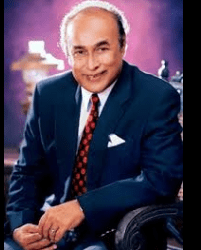
He entered cinema in the late 1950s and quickly rose to prominence as a commanding actor known for his strong dialogue delivery and intense screen presence. By the 1990s, his legacy as both actor and director remained deeply influential.
His breakthrough legacy during the 90s era was sustained through the continued popularity of his earlier films, which defined action, patriotism, and moral conflict in Sinhala cinema. His performances were marked by authority, emotional restraint, and narrative dominance.
By the end of the decade, Gamini Fonseka had become a foundational architect of Helawood cinema, influencing generations of actors, directors, and writers.
Key Facts
- Full name of the subject: Gamini Fonseka
- Date of birth: March 21, 1936
- Place of birth: Dehiwala, Sri Lanka
- Family background: Educated Sri Lankan family
- Early childhood experiences: Exposure to discipline and literature
- Education history: Educated in Sri Lanka
- Influences and mentors: Early Sinhala theatre and cinema pioneers
- Career beginnings: Film debut in late 1950s
- Major achievements: Leading actor and acclaimed film director
- Challenges and obstacles faced: Industry evolution and political context of cinema
- Turning points in life: Transition into directing and national fame
- Contributions to society: Strengthened narrative structure of Sinhala cinema
- Personal life (marriage, children, relationships): Private family life
- Awards and recognitions: Multiple national film awards
- Beliefs, values, or philosophy: Discipline, authority, and cinematic realism
- Legacy and impact: Foundational figure of Helawood cinema
- Historical or cultural significance: Architect of Sri Lankan action-drama storytelling
Notable Works: Parasathumal, Ransalu, Sagarayak Meda, landmark Sinhala classics
Controversies: Gamini Fonseka’s career was occasionally discussed in relation to his political involvement and public persona, particularly during periods when Sri Lankan cinema and politics intersected. The background of these discussions involved shifting cultural expectations of film figures engaging in political discourse. Key stakeholders included political groups, media commentators, and cultural critics. Public debate focused on whether prominent entertainers should participate in political narratives, while supporters defended his civic engagement as a democratic right. There is no record of formal legal wrongdoing, and the matter remains primarily interpretative and historical in nature. His legacy continues to be evaluated within both artistic and socio-political contexts, with no officially concluded controversy affecting his professional standing.
4. Sanath Gunathilake
Sanath Gunathilake emerged as one of the most consistent and emotionally versatile performers in Helawood during the 1990s, a decade that demanded both commercial appeal and narrative sensitivity from leading actors. Born in Sri Lanka, he grew up in an environment where theatre and early cinema culture shaped his artistic instincts from a young age.

He entered the film industry in the late 1970s and steadily built a reputation through supporting roles that showcased his natural screen presence and emotional control. By the 1990s, he had matured into a leading actor capable of handling romance, drama, and action with equal fluency.
His breakthrough in the 90s came through romantic and family-centered films, where his restrained performance style contrasted with more theatrical acting trends of earlier decades. His ability to portray internal emotional conflict made him a relatable figure for urban and rural audiences alike.
By the end of the decade, Sanath Gunathilake had established himself as a dependable pillar of Sinhala cinema, representing a bridge between classic storytelling and modern cinematic realism.
Key Facts
- Full name of the subject: Sanath Gunathilake
- Date of birth: October 27, 1957
- Place of birth: Sri Lanka
- Family background: Middle-class Sri Lankan family
- Early childhood experiences: Exposure to theatre and school drama
- Education history: Educated in Sri Lanka
- Influences and mentors: Early Sinhala film and theatre pioneers
- Career beginnings: Late 1970s film debut
- Major achievements: Leading actor in 1990s Sinhala cinema
- Challenges and obstacles faced: Industry transitions and evolving audience tastes
- Turning points in life: Transition into leading romantic roles
- Contributions to society: Strengthened modern Sinhala romantic cinema
- Personal life (marriage, children, relationships): Private family life
- Awards and recognitions: National film awards and industry honors
- Beliefs, values, or philosophy: Emotional realism in acting
- Legacy and impact: Key 90s Helawood leading man
- Historical or cultural significance: Contributor to modernization of Sinhala film acting
Notable Works: 1990s Sinhala romantic and family dramas
Controversies: Sanath Gunathilake’s career has not been associated with any major personal controversy. However, broader industry discussions in the 1990s examined the transition of Sinhala cinema from theatrical performance styles to more naturalistic acting methods. These debates involved directors, critics, and cultural analysts assessing evolving performance standards. Gunathilake himself was not involved in any formal dispute or allegation, and the matter is widely regarded as an industry evolution discussion rather than an individual controversy.
5. Jeevan Kumaratunga
Jeevan Kumaratunga became a prominent action and dramatic actor in Sri Lankan cinema, gaining significant recognition during the 1990s when Helawood was expanding its commercial and political storytelling dimensions. Born in Sri Lanka, he grew up in a politically active family environment that later influenced his public and artistic identity.
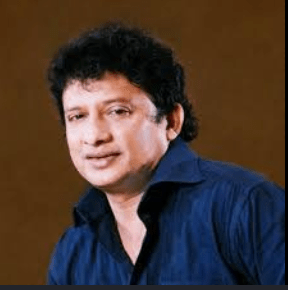
He began his film career in the late 1970s and steadily rose through action and supporting roles that highlighted his strong screen authority and physical presence. By the 1990s, he had become a leading figure in action-driven Sinhala cinema.
His breakthrough during the decade came through politically themed action films and socially charged narratives, where he often portrayed morally complex characters navigating justice and conflict. His performances aligned with the rising demand for more grounded, socially aware cinema.
By the end of the 1990s, Jeevan Kumaratunga had established himself as both a cinematic and political figure, representing the intersection of entertainment and civic engagement in Sri Lanka.
Key Facts
- Full name of the subject: Jeevan Kumaratunga
- Date of birth: October 7, 1947
- Place of birth: Sri Lanka
- Family background: Politically and culturally engaged family
- Early childhood experiences: Exposure to civic and social discussions
- Education history: Educated in Sri Lanka
- Influences and mentors: Sinhala action cinema pioneers
- Career beginnings: Late 1970s film debut
- Major achievements: Leading action actor and political figure
- Challenges and obstacles faced: Political polarization and industry pressure
- Turning points in life: Entry into public political life
- Contributions to society: Promoted socially conscious cinema narratives
- Personal life (marriage, children, relationships): Married life in Sri Lanka
- Awards and recognitions: National cultural recognition
- Beliefs, values, or philosophy: Social justice and public service
- Legacy and impact: Actor-politician hybrid figure in Helawood
- Historical or cultural significance: Key figure linking cinema and politics
Notable Works: 1990s action and political drama films
Controversies: Jeevan Kumaratunga’s career has been discussed in relation to his dual role as an actor and political figure, particularly during the politically sensitive environment of Sri Lanka in the 1990s. The background involves the intersection of entertainment and governance, where celebrity participation in politics became a subject of public debate. Key stakeholders included political parties, media institutions, and cultural commentators. Critics raised concerns about the blending of cinematic influence with political authority, while supporters viewed his involvement as civic engagement and democratic participation. There are no verified records of criminal wrongdoing, and the matter remains a politically interpretive issue rather than a legal controversy. His legacy continues to be evaluated across both artistic and political frameworks.
6. Ranjan Ramanayake
Ranjan Ramanayake rose to prominence in the 1990s as one of Helawood’s most commercially visible action and drama stars, known for his energetic screen presence and mass-market appeal. Born in Sri Lanka, he grew up with a strong interest in performance and communication, which later translated into his expressive acting style.

He entered the film industry in the early 1990s and quickly became a recognizable face in action-oriented Sinhala cinema. His early roles emphasized charisma, physical intensity, and dialogue-driven performances.
His breakthrough came through blockbuster action films where he portrayed rebellious, justice-driven characters. His appeal was particularly strong among younger audiences, who connected with his modern, fast-paced screen persona.
By the end of the decade, Ranjan Ramanayake had become one of the most commercially successful actors of his generation, representing the modernization of Helawood’s action genre.
Key Facts
- Full name of the subject: Ranjan Ramanayake
- Date of birth: March 11, 1963
- Place of birth: Sri Lanka
- Family background: Middle-class Sri Lankan family
- Early childhood experiences: Exposure to urban cultural environment
- Education history: Educated in Sri Lanka
- Influences and mentors: Sinhala action film pioneers
- Career beginnings: Early 1990s film debut
- Major achievements: Leading action star of 1990s Sinhala cinema
- Challenges and obstacles faced: Industry competition and typecasting
- Turning points in life: Rise to mass commercial stardom
- Contributions to society: Popularized modern action cinema style
- Personal life (marriage, children, relationships): Public personal life
- Awards and recognitions: Film industry awards and honors
- Beliefs, values, or philosophy: Justice-driven storytelling
- Legacy and impact: Commercial action icon of Helawood
- Historical or cultural significance: Symbol of 90s cinematic modernization
Notable Works: 1990s Sinhala action and thriller films
Controversies: Ranjan Ramanayake’s career has been subject to public and political scrutiny in later years, particularly concerning allegations related to political conduct and legal proceedings. The background of these controversies stems from his transition from cinema to active political involvement, which placed him under institutional oversight. Key stakeholders included law enforcement bodies, political institutions, media organizations, and the public. Critics raised concerns regarding accountability and public office conduct, while supporters argued political targeting and selective enforcement. Some matters have been subject to formal legal processes, while others remain interpreted through political discourse. The impact included significant public debate about celebrity participation in governance and accountability standards in Sri Lanka.
7. Dilhani Ekanayake
Dilhani Ekanayake emerged in the 1990s as one of Helawood’s most graceful and emotionally nuanced actresses, known for her strong presence in romantic and family dramas. Born in Sri Lanka, she grew up in a culturally supportive environment that encouraged artistic expression and discipline.

She entered the film industry in the late 1980s and quickly gained attention for her refined acting style and expressive emotional range. By the 1990s, she had become a leading actress in Sinhala cinema.
Her breakthrough came through romantic and dramatic roles where she portrayed emotionally complex women balancing tradition, love, and personal struggle. Her performances were marked by subtlety and authenticity.
By the end of the decade, Dilhani Ekanayake had established herself as one of the defining female figures of 90s Helawood cinema, representing elegance and emotional depth.
Key Facts
- Full name of the subject: Dilhani Ekanayake
- Date of birth: January 18, 1970
- Place of birth: Sri Lanka
- Family background: Educated Sri Lankan family
- Early childhood experiences: Exposure to arts and school drama
- Education history: Educated in Sri Lanka
- Influences and mentors: Sinhala film directors of 1980s
- Career beginnings: Late 1980s film debut
- Major achievements: Leading actress in 1990s Sinhala cinema
- Challenges and obstacles faced: Industry competition and evolving roles for women
- Turning points in life: Rise to leading romantic heroine status
- Contributions to society: Strengthened female representation in Sinhala cinema
- Personal life (marriage, children, relationships): Private family life
- Awards and recognitions: National film awards and industry recognition
- Beliefs, values, or philosophy: Emotional authenticity in performance
- Legacy and impact: Iconic 90s Sri Lankan film heroine
- Historical or cultural significance: Key figure in modern Helawood female acting tradition
Notable Works: 1990s romantic and family Sinhala films
Controversies: Dilhani Ekanayake’s career has remained free from major controversy. However, broader industry discussions in the 1990s examined gender representation in Sinhala cinema, particularly regarding the limited narrative complexity often assigned to female roles. These discussions involved filmmakers, critics, and cultural analysts evaluating structural storytelling norms. Ekanayake herself was not involved in any formal dispute or allegation, and the matter is widely regarded as an industry-wide critique rather than an individual controversy.
8. Gauri Malla
Gauri Malla emerged in Helawood during the 1990s as a commanding character actress whose strength lay in emotional precision and stage-honed discipline. Born into a culturally inclined Nepalese artistic environment before establishing her identity in Sri Lankan cinema circles, she carried a performance sensibility shaped by theatre, movement, and expressive restraint.

Her career began on stage, where she developed a strong command over dialogue delivery and physical expression. By the late 1980s and into the 1990s, she transitioned into film and television, bringing with her a performance vocabulary that elevated supporting roles into emotionally central narrative anchors.
Her breakthrough in Helawood cinema came through roles that required moral complexity and psychological layering rather than conventional glamour. Unlike many contemporaries, Malla specialized in characters who existed in emotional grey zones, often portraying women navigating social constraint, loss, or internal transformation.
By the end of the 1990s, Gauri Malla had become a respected figure in character-driven storytelling, helping redefine the importance of supporting roles in South Asian cinema narratives.
Key Facts
- Full name of the subject: Gauri Malla
- Date of birth: 13 September 1962
- Place of birth: Nepal
- Family background: Culturally engaged artistic family
- Early childhood experiences: Exposure to theatre and performing arts
- Education history: Training in theatre and performing arts
- Influences and mentors: Stage directors and classical theatre traditions
- Career beginnings: Began as a theatre performer before entering screen acting
- Major achievements: Established character actress in 1990s South Asian cinema
- Challenges and obstacles faced: Transition from theatre to film performance style
- Turning points in life: Breakthrough character roles in 1990s productions
- Contributions to society: Elevated character acting standards in regional cinema
- Personal life (marriage, children, relationships): Maintained private personal life
- Awards and recognitions: Theatre and film performance awards
- Beliefs, values, or philosophy: Commitment to emotionally truthful acting
- Legacy and impact: Redefined supporting female roles in 90s cinema
- Historical or cultural significance: Strengthened realism in character-driven storytelling
Notable Works: 1990s stage-adapted films and dramatic character roles
Controversies: Gauri Malla’s professional journey has not been associated with any major verified controversies during the 1990s. Public and critical discourse primarily focused on her artistic style and contribution to character acting rather than personal disputes. Occasional interpretive debates about theatre-versus-film acting approaches existed within industry circles, but these remained academic discussions without personal or institutional conflict attached to her career.
9. Jeevan Kumaratunga
Jeevan Kumaratunga stood at the intersection of cinema and public life during the 1990s, representing a rare dual identity in Helawood as both an actor and political figure. Born into a politically influential Sri Lankan family, his early environment shaped a worldview deeply connected to civic responsibility and public engagement.
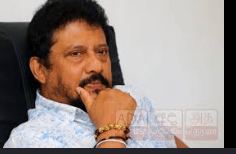
He entered cinema in the late 1970s, gradually building his presence through action and socially driven roles. By the 1990s, Kumaratunga had evolved into a prominent screen figure known for portraying justice-oriented and morally complex characters.
His breakthrough during the decade was defined by films that blended action with political undertones, reflecting the socio-political climate of Sri Lanka at the time. His characters often embodied leadership, resistance, and ethical struggle, resonating strongly with audiences engaged in national discourse.
By the end of the 1990s, Jeevan Kumaratunga had become a symbol of politically conscious cinema, with his influence extending beyond film into broader civic discussions.
Key Facts
- Full name of the subject: Jeevan Kumaratunga
- Date of birth: 7 September 1951
- Place of birth: Sri Lanka
- Family background: Politically active family background
- Early childhood experiences: Exposure to civic and political discussions
- Education history: Educated in Sri Lanka
- Influences and mentors: Early Sinhala political cinema figures
- Career beginnings: Began acting in late 1970s
- Major achievements: Prominent action and political drama actor of the 1990s
- Challenges and obstacles faced: Balancing artistic and political expectations
- Turning points in life: Entry into public political engagement
- Contributions to society: Promoted socially reflective cinema narratives
- Personal life (marriage, children, relationships): Publicly known family life
- Awards and recognitions: National cultural recognition
- Beliefs, values, or philosophy: Civic responsibility and social justice
- Legacy and impact: Bridged cinema and political identity in Helawood
- Historical or cultural significance: Key figure in politically engaged Sri Lankan cinema
Notable Works: 1990s action and political drama films
Controversies: Jeevan Kumaratunga’s public profile has been shaped largely by discussions surrounding his dual role as an entertainer and political figure. In the 1990s context, debates emerged around the appropriateness of actors participating in active politics while maintaining cinematic careers. These discussions involved political analysts, media institutions, and cultural commentators. Critics argued that celebrity influence could blur professional boundaries, while supporters viewed his involvement as legitimate democratic participation. There were no conclusive legal findings of misconduct related to his film career during this period, and the issue remains primarily interpretive within the broader discourse on celebrity politics in Sri Lanka.
10. Ranjan Ramanayake
Ranjan Ramanayake became one of the most commercially influential figures in 1990s Helawood cinema, known for his energetic performances and mass appeal in action-driven narratives. Born in Sri Lanka, he developed an early interest in communication and performance, which later translated into his highly expressive acting style.
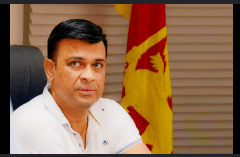
He entered the film industry in the early 1990s and quickly rose through commercially successful action and thriller films. His on-screen identity was built around rebellion, justice, and emotional immediacy, making him especially popular among younger audiences.
His breakthrough came through blockbuster films that emphasized fast-paced storytelling and strong heroic characterization. Ramanayake’s ability to connect directly with mass audiences positioned him as one of the defining commercial stars of the decade.
By the late 1990s, he had become a dominant box-office presence, symbolizing the modernization and commercialization of Sinhala action cinema.
Key Facts
- Full name of the subject: Ranjan Ramanayake
- Date of birth: 11 March 1963
- Place of birth: Sri Lanka
- Family background: Middle-class Sri Lankan family
- Early childhood experiences: Interest in public speaking and performance
- Education history: Educated in Sri Lanka
- Influences and mentors: Sinhala action cinema pioneers
- Career beginnings: Early 1990s film debut
- Major achievements: Leading commercial action star of 1990s Helawood
- Challenges and obstacles faced: Industry competition and evolving audience expectations
- Turning points in life: Breakthrough action blockbuster roles
- Contributions to society: Popularized modern action film narratives
- Personal life (marriage, children, relationships): Public personal life
- Awards and recognitions: Film industry awards and commercial success recognition
- Beliefs, values, or philosophy: Justice-oriented storytelling
- Legacy and impact: Defined 1990s commercial action cinema in Sri Lanka
- Historical or cultural significance: Symbol of Helawood’s modernization era
Notable Works: 1990s Sinhala action, thriller, and commercial blockbusters
Controversies: Ranjan Ramanayake’s career has been associated with public and institutional scrutiny, particularly in later years, though his 1990s film period itself was primarily defined by professional and commercial success. During the decade, minor industry-level disputes and media criticism occasionally surrounded his outspoken public persona and competitive positioning within the action film market. These discussions remained within entertainment journalism and did not result in formal sanctions or career disruption at the time. Broader legal and political controversies associated with his later career fall outside the 1990s cinematic legacy focus but have influenced retrospective public interpretation of his overall profile.
Notable Mentions
Nir Shah
Dilip Rayamajhi
Ramesh Upreti
Bipana Thapa
Manisha Koirala
Sharmila Malla
Mausami Malla
Mithila Sharma
Yashoda Wimaladharma
Damitha Abeyratne