Top 10 Borikwood (Puerto Rico) Movie Legends of the 90s
Top 10 Borikwood (Puerto Rico) Movie Legends of the 90s
In This Content
Quick List
Benicio del Toro
Rosie Perez
Joaquin Phoenix
Jennifer Lopez
Esai Morales
Rita Moreno
John Leguizamo
Miriam Colón
Jimmy Smits
Lauren Vélez
1. Benicio del Toro
Benicio del Toro emerged as one of the most compelling acting forces connected to the Puerto Rican diaspora of the 1990s, bringing a quiet intensity that would later define his global career. Born in San Germán, Puerto Rico, he grew up between Caribbean cultural rhythms and American influences, an environment that shaped his bilingual identity and his instinctive adaptability as a performer. His early exposure to contrasting cultural worlds became central to his screen presence, often characterized by emotional restraint and unpredictable depth.
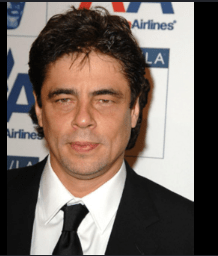
His career began with small television appearances and minor film roles, where he quickly distinguished himself through a minimalist acting style. Rather than relying on overt expression, del Toro developed a performance language built on silence, micro-expressions, and psychological tension. This subtlety made him stand out in Hollywood’s increasingly stylized 1990s film environment, where intensity often outweighed restraint.
His breakthrough in the 1990s came through supporting roles in major international productions that positioned him as a rising character actor of exceptional promise. These roles allowed him to explore morally ambiguous characters, often operating in crime, thriller, and psychological drama genres. His ability to convey internal conflict without dialogue became his defining artistic signature.
His legacy from this period lies in reshaping expectations of Latino actors in Hollywood, moving beyond stereotype-driven casting into complex, globally relevant character work. He helped establish a pathway for Puerto Rican actors in international cinema, influencing casting diversity and narrative depth in subsequent decades.
Key Facts
- Full name of the subject: Benicio Monserrate Rafael del Toro Sánchez
- Date of birth: February 19, 1967
- Place of birth: San Germán, Puerto Rico
- Family background: Middle-class family with legal and academic influences
- Early childhood experiences: Bilingual upbringing between Puerto Rico and the United States
- Education history: Studied acting in the United States at professional drama institutions
- Influences and mentors: European cinema, method acting traditions, Hollywood character actors
- Career beginnings: Minor television and supporting film roles in late 1980s and early 1990s
- Major achievements: Breakthrough Hollywood recognition in 1990s ensemble crime dramas
- Challenges and obstacles faced: Stereotyping of Latino roles in early casting
- Turning points in life: Transition into serious Hollywood character acting
- Contributions to society: Representation of Puerto Rican talent in global cinema
- Personal life (marriage, children, relationships): Publicly private personal relationships
- Awards and recognitions: Academy Award and international film honors (later career recognition)
- Beliefs, values, or philosophy: Commitment to immersive, psychologically grounded acting
- Legacy and impact: Redefined Latino character representation in Hollywood
- Historical or cultural significance: Key figure in Puerto Rican cinematic global integration
Notable Works:
The Usual Suspects
Fear and Loathing in Las Vegas
Basquiat
Controversies:
One publicly discussed issue in Benicio del Toro’s early career involves debates around typecasting of Latino actors in Hollywood productions during the 1990s. The issue centers on the limited range of roles offered to emerging Puerto Rican and broader Latin American actors during that era. This industry pattern shaped early casting opportunities for del Toro, often placing him in criminal, outsider, or morally ambiguous roles.
The background of this discussion lies in Hollywood’s structural casting practices of the 1990s, where Latino actors were frequently underrepresented in leading heroic or romantic roles. Del Toro’s early filmography reflected these constraints, even as his performances elevated the material beyond stereotypical framing.
Key stakeholders include casting directors, film studios, cultural critics, Latino advocacy groups in media, and international audiences. Critics argued that such casting practices reinforced narrow cultural narratives, while industry defenders pointed to market-driven casting decisions and genre conventions. Del Toro himself has addressed the broader issue of representation rather than specific grievances, focusing on craft over categorization.
Factually, no formal dispute or institutional case was associated with his career; the issue remains structural within the film industry rather than personal or legal. Over time, increased diversity in Hollywood has partially addressed these concerns, though debates on representation continue.
The impact of this narrative has reinforced del Toro’s reputation as an actor who transcended early limitations, ultimately transforming perceived constraints into a foundation for artistic depth and international recognition.
2. Rosie Perez
Rosie Perez stands as one of the most dynamic Puerto Rican-American performers to emerge in the late 1980s and 1990s, known for her explosive energy, rhythmic vocal delivery, and emotionally charged screen presence. Born in Brooklyn, New York, to Puerto Rican parents, she grew up at the intersection of urban American life and Caribbean cultural identity, a duality that deeply influenced her artistic expression.

Her career began unexpectedly in the world of dance and choreography, where her natural rhythm and physical storytelling ability caught the attention of filmmakers. This led to her transition into acting, where she quickly developed a reputation for portraying emotionally raw, street-smart characters with authenticity and intensity.
Her breakthrough in the early 1990s came through critically acclaimed film roles that showcased her ability to balance vulnerability with confrontation. She became a defining voice for urban Latina representation in Hollywood, challenging stereotypes through performances that emphasized complexity rather than caricature.
Her legacy lies in her contribution to expanding visibility for Puerto Rican and Latina actresses in American cinema. She helped redefine what it meant to be a Latina performer in Hollywood, bringing both cultural specificity and universal emotional depth to her roles.
Key Facts
- Full name of the subject: Rosa Maria Perez
- Date of birth: September 6, 1964
- Place of birth: Brooklyn, New York, United States
- Family background: Puerto Rican working-class immigrant family
- Early childhood experiences: Urban upbringing in multicultural Brooklyn environment
- Education history: Attended community schooling and dance training programs
- Influences and mentors: Street dance culture, urban theater, independent filmmakers
- Career beginnings: Dance choreography and music video appearances
- Major achievements: Breakthrough film roles in early 1990s Hollywood cinema
- Challenges and obstacles faced: Racial and gender stereotyping in casting
- Turning points in life: Transition from choreography to major film acting
- Contributions to society: Advocacy for Latino representation in media
- Personal life (marriage, children, relationships): Publicly known relationships and private family life
- Awards and recognitions: Academy Award nomination and industry honors
- Beliefs, values, or philosophy: Authentic cultural expression and artistic activism
- Legacy and impact: Pioneer for Latina visibility in American cinema
- Historical or cultural significance: Key figure in 1990s multicultural Hollywood expansion
Notable Works:
Do the Right Thing
White Men Can’t Jump
Fearless
Controversies:
Rosie Perez has been involved in broader industry discussions regarding representation of Latina women in Hollywood, particularly concerning stereotyping in casting during the 1990s. The issue centers on how Latina actresses were often limited to hyper-specific urban or supporting archetypes in mainstream cinema.
The background of this issue reflects Hollywood’s slow diversification during the late 20th century, where Latina performers were gaining visibility but still faced restricted role diversity. Perez’s early career roles were shaped by these structural limitations, even as she pushed against them through performance depth.
Key stakeholders include film studios, casting agencies, Latino advocacy organizations, cultural critics, and entertainment media. Critics argued that Hollywood narratives often confined Latina characters to narrow emotional or social categories, while supporters highlighted performers like Perez who expanded those boundaries through strong character interpretation.
There is no formal legal or institutional controversy linked to her career. The issue remains one of systemic representation rather than personal conduct.
The impact of this discourse has strengthened her role as a cultural advocate, reinforcing her status as a key figure in discussions about diversity and representation in Hollywood.
3. Joaquin Phoenix
Joaquin Phoenix occupies a unique space within the broader Puerto Rican-linked cinematic narrative of the 1990s, representing a deeply introspective and method-driven acting style that would later define global performance standards. Born in San Juan, Puerto Rico, into a traveling family of performers, he experienced a nomadic upbringing that exposed him early to alternative lifestyles and artistic experimentation.

His early career began in childhood television and film roles, where he performed under a different stage name before transitioning into more mature dramatic roles. Even at a young age, his performances displayed unusual emotional depth, often marked by intensity and psychological complexity beyond his years.
His breakthrough in the 1990s came through critically acclaimed independent and mainstream films, where he gained recognition for portraying emotionally unstable, morally conflicted, or deeply introspective characters. His acting style emphasized internalized emotion rather than external expression, setting him apart from many contemporaries.
His legacy from this period lies in redefining psychological realism in acting, influencing a generation of performers who adopted similar immersive techniques. He contributed significantly to the evolution of character-driven cinema in the late 20th century.
Key Facts
- Full name of the subject: Joaquin Rafael Phoenix
- Date of birth: October 28, 1974
- Place of birth: San Juan, Puerto Rico
- Family background: Artistic and performing arts family
- Early childhood experiences: Nomadic upbringing across multiple countries
- Education history: Informal education with focus on artistic development
- Influences and mentors: Family acting environment and method acting traditions
- Career beginnings: Child acting in television and film
- Major achievements: Critical acclaim in 1990s independent and studio films
- Challenges and obstacles faced: Early career instability and media scrutiny
- Turning points in life: Transition from child actor to serious dramatic performer
- Contributions to society: Advocacy for animal rights and social causes
- Personal life (marriage, children, relationships): Publicly private personal relationships
- Awards and recognitions: Multiple international acting nominations and awards (later career peak)
- Beliefs, values, or philosophy: Ethical lifestyle and immersive artistic practice
- Legacy and impact: Influential figure in psychological acting methodology
- Historical or cultural significance: Key contributor to 1990s independent cinema evolution
Notable Works:
To Die For
Inventing the Abbotts
Parenthood
Controversies:
One recurring discussion surrounding Joaquin Phoenix involves public scrutiny of his intense method acting approach and its psychological implications. The issue centers on how immersive acting techniques affect personal well-being and public perception of performance authenticity.
The background of this discussion stems from the rise of method acting culture in late 20th-century cinema, where actors increasingly adopted immersive techniques to enhance realism. Phoenix’s approach became emblematic of this movement.
Key stakeholders include film directors, mental health commentators, acting coaches, media outlets, and audiences. Critics have expressed concern about the potential emotional toll of extreme immersion, while supporters argue that it produces unmatched artistic authenticity. Phoenix has generally framed his approach as a personal artistic discipline rather than a public model.
There is no formal controversy or institutional ruling associated with his career practices. The debate remains artistic and psychological rather than regulatory.
The impact of this narrative has reinforced his reputation as one of the most committed and intense performers of his generation, contributing to broader discussions on the boundaries of acting technique and mental health.
4. Jennifer Lopez
Jennifer Lopez represents one of the most influential Puerto Rican figures to emerge from the 1990s entertainment ecosystem, embodying a rare duality of cinematic ambition and global pop-cultural transformation. Born in the Bronx to Puerto Rican parents, she grew up in a tightly knit working-class household where discipline, ambition, and cultural pride shaped her early worldview. This bicultural upbringing became central to her artistic identity, allowing her to navigate both mainstream American entertainment and Latin cultural spaces with equal fluency.

Her career began in dance, where she trained rigorously and performed in stage productions and music videos. This foundation in movement and rhythm gave her a distinct screen presence characterized by physical expressiveness and kinetic energy. She soon transitioned into acting, taking on minor television and film roles that highlighted her charisma even in limited screen time.
Her breakthrough in the 1990s came through a landmark biographical film performance that positioned her as a serious dramatic actress. This role elevated her beyond supporting appearances and placed her among the most promising Latina actresses in Hollywood. She became a symbol of crossover potential, representing both Latin American identity and mainstream Hollywood accessibility.
Her legacy extends far beyond acting, as she helped redefine the visibility of Puerto Rican and Latina women in global entertainment. By the end of the 1990s, she had established a dual career trajectory that would later expand into music, fashion, and entrepreneurship, making her a foundational figure in modern celebrity culture.
Key Facts
- Full name of the subject: Jennifer Lynn Lopez
- Date of birth: July 24, 1969
- Place of birth: Bronx, New York, United States
- Family background: Puerto Rican working-class immigrant household
- Early childhood experiences: Strong cultural identity shaped by Bronx community life
- Education history: Catholic schooling and dance training programs
- Influences and mentors: Latin music traditions, Broadway choreography, urban dance culture
- Career beginnings: Dancer on television shows and music tours
- Major achievements: Breakthrough film role in late 1990s biographical cinema
- Challenges and obstacles faced: Industry typecasting and racial stereotyping
- Turning points in life: Transition from dancer to leading film actress
- Contributions to society: Increased visibility of Latina performers in Hollywood
- Personal life (marriage, children, relationships): Publicly followed relationships and family life
- Awards and recognitions: Film and music industry nominations and honors
- Beliefs, values, or philosophy: Cultural pride and professional reinvention
- Legacy and impact: Global Latina entertainment icon
- Historical or cultural significance: Key figure in 1990s Latin crossover movement
Notable Works:
Selena
Out of Sight
Anaconda
Controversies:
One widely discussed issue surrounding Jennifer Lopez’s early career involves debates about authenticity and representation in her portrayal of culturally significant roles. The issue centers on how Hollywood casts and interprets Latin identity narratives within mainstream cinema.
The background of this discussion stems from the casting of Lopez in roles representing real-life cultural figures and fictionalized Latina characters during a period when Latino representation in Hollywood was expanding but still limited. Her performances became focal points for broader cultural expectations placed on Latina actresses.
Key stakeholders include film studios, Latino advocacy groups, cultural historians, entertainment media, and audiences across the United States and Latin America. Critics have occasionally questioned whether Hollywood’s framing of Latin identity influences performance perception, while supporters argue that Lopez brought unprecedented visibility and respect to Latina representation in mainstream film.
There is no formal dispute, legal case, or institutional ruling tied to these debates. The issue remains cultural and interpretive rather than procedural.
The impact of this narrative has reinforced Lopez’s position as both a cultural icon and a symbolic figure in discussions about representation, authenticity, and mainstream acceptance of Latin American identity in global entertainment.
5. Esai Morales
Esai Morales emerged in the 1990s as one of the most consistent and versatile Puerto Rican-American actors working across film and television, known for his commanding screen presence and ability to portray emotionally complex characters. Born in Brooklyn, New York, he was raised in a Puerto Rican household where cultural identity and community consciousness played a significant role in shaping his worldview.

His early career began in theater and independent film, where he quickly developed a reputation for disciplined performance and intellectual engagement with character development. Morales often gravitated toward socially charged narratives, reflecting both personal conviction and artistic curiosity.
His breakthrough in the 1990s came through prominent television and film roles that positioned him as a strong dramatic actor capable of carrying intense emotional and moral storylines. He became particularly known for portraying characters navigating systemic conflict, personal ambition, and cultural tension.
His legacy is defined by his contribution to expanding the range of Latino male representation in Hollywood, moving beyond stereotypes into complex dramatic territory. He remains a key figure in discussions about representation and narrative diversity in American media.
Key Facts
- Full name of the subject: Esai Manuel Morales Jr.
- Date of birth: October 1, 1962
- Place of birth: Brooklyn, New York, United States
- Family background: Puerto Rican working-class family
- Early childhood experiences: Urban upbringing with strong cultural identity
- Education history: Performing arts training and theater education
- Influences and mentors: Social realism theater and Latino cultural writers
- Career beginnings: Theater and supporting film roles
- Major achievements: Breakthrough roles in 1990s film and television dramas
- Challenges and obstacles faced: Typecasting and limited Latino lead roles
- Turning points in life: Transition into major dramatic television roles
- Contributions to society: Advocacy for Latino representation in media
- Personal life (marriage, children, relationships): Publicly known family life
- Awards and recognitions: Industry nominations and cultural honors
- Beliefs, values, or philosophy: Social responsibility in storytelling
- Legacy and impact: Expanded Latino male dramatic representation
- Historical or cultural significance: Key figure in 1990s Latino television visibility
Notable Works:
La Bamba
NYPD Blue
The Disappearance of Garcia Lorca
Controversies:
Esai Morales has been part of broader industry discussions regarding systemic underrepresentation of Latino actors in leading Hollywood roles. The issue centers on the limited availability of complex, non-stereotypical characters for Latino performers during the 1990s.
The background of this discussion reflects Hollywood’s structural casting patterns of the time, where Latino actors often faced barriers to leading-man roles outside of specific genre constraints.
Key stakeholders include casting agencies, film studios, Latino advocacy organizations, entertainment journalists, and audiences. Critics have argued that such systemic limitations restricted career trajectories, while industry representatives pointed to gradual diversification efforts over time. Morales has consistently advocated for expanded representation within the industry.
There is no formal controversy or legal dispute associated with his career. The matter remains structural and systemic rather than personal.
The impact of this narrative has strengthened Morales’s role as both an actor and advocate, contributing to ongoing conversations about equity and representation in global cinema.
6. Rita Moreno
Rita Moreno stands as one of the most legendary Puerto Rican figures in entertainment history, with a career spanning decades that deeply influenced the artistic environment of the 1990s. Born in Humacao, Puerto Rico, she immigrated to the United States at a young age, where she faced early cultural displacement that would later inform her powerful emotional range as a performer.
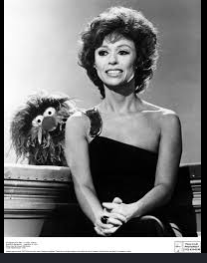
Her early career began in Hollywood’s Golden Age, where she quickly rose to prominence despite systemic limitations placed on Latina actresses. By the time the 1990s arrived, she was already an established icon whose presence carried historical weight within the industry.
Her continued work during the 1990s included film, television, and stage performances, where she served as both performer and cultural elder stateswoman. Her screen presence was defined by authority, emotional depth, and a lifetime of artistic experience.
Her legacy is monumental, as she broke racial and gender barriers long before the 1990s, making her a foundational figure for all subsequent Puerto Rican actors in global entertainment.
Key Facts
- Full name of the subject: Rita Moreno
- Date of birth: December 11, 1931
- Place of birth: Humacao, Puerto Rico
- Family background: Working-class immigrant family
- Early childhood experiences: Migration to the United States during childhood
- Education history: Performing arts and dance training in New York
- Influences and mentors: Broadway theater and early Hollywood directors
- Career beginnings: Stage and film roles in early Hollywood era
- Major achievements: Historic award-winning career spanning multiple decades
- Challenges and obstacles faced: Severe racial stereotyping in early Hollywood
- Turning points in life: Transition into global recognition and award-winning status
- Contributions to society: Advocacy for diversity and representation in media
- Personal life (marriage, children, relationships): Publicly documented personal relationships
- Awards and recognitions: EGOT status and lifetime achievement honors
- Beliefs, values, or philosophy: Artistic excellence and cultural resilience
- Legacy and impact: Pioneer for Latina representation in Hollywood
- Historical or cultural significance: One of the most influential Puerto Rican performers in history
Notable Works:
West Side Story
The Electric Company
Oz
Controversies:
One widely discussed issue in Rita Moreno’s career history involves early Hollywood typecasting practices that limited Latina actresses to stereotypical roles. The issue centers on systemic racial casting constraints in mid-20th-century American cinema, which extended into cultural discussions during the 1990s retrospective analysis of Hollywood history.
The background of this issue reflects the historical lack of representation in Hollywood, where Latina actresses were often confined to narrowly defined character archetypes. Moreno’s early career was shaped by these constraints before she later broke through such barriers.
Key stakeholders include Hollywood studios, film historians, cultural institutions, and Latino advocacy organizations. Critics of the system highlight its restrictive nature, while supporters of Moreno’s legacy emphasize her success in overcoming institutional limitations.
There is no formal legal controversy connected to her career, and the issue is historical and structural rather than personal.
The impact of this narrative reinforces her legacy as a transformative figure who helped redefine opportunities for Latina performers in Hollywood.
7. John Leguizamo
John Leguizamo emerged as one of the most dynamic and boundary-pushing Puerto Rican-Colombian performers of the 1990s, known for his explosive energy, genre-defying creativity, and deeply personal storytelling style. Born in Bogotá, Colombia, and raised in Queens, New York, he grew up in a multicultural environment that shaped his comedic voice and theatrical identity.
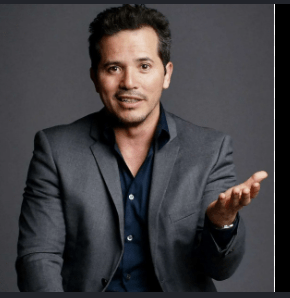
His early career began in stand-up comedy and theater, where he quickly gained attention for his high-energy performances and socially conscious humor. Leguizamo developed a unique performance style that blended autobiography, satire, and cultural critique, setting him apart from traditional film actors.
His breakthrough in the 1990s came through supporting and leading film roles that showcased his versatility across comedy, drama, and action genres. He became known for portraying fast-talking, emotionally expressive characters that reflected urban multicultural life in America.
His legacy lies in his contribution to redefining Latino performance art in Hollywood, particularly through his one-man stage shows and genre-diverse film work, which expanded narrative possibilities for Latino actors.
Key Facts
- Full name of the subject: John Alberto Leguizamo
- Date of birth: July 22, 1960
- Place of birth: Bogotá, Colombia
- Family background: Colombian immigrant family in the United States
- Early childhood experiences: Growing up in multicultural Queens environment
- Education history: Studied theater and acting in New York
- Influences and mentors: Stand-up comedy, street performance culture, theater arts
- Career beginnings: Stand-up comedy and theater performances
- Major achievements: Breakthrough film roles and acclaimed stage performances in the 1990s
- Challenges and obstacles faced: Industry stereotyping and limited Latino roles
- Turning points in life: Transition into mainstream Hollywood recognition
- Contributions to society: Advocacy for Latino representation and storytelling diversity
- Personal life (marriage, children, relationships): Publicly known family life
- Awards and recognitions: Theater awards and film industry nominations
- Beliefs, values, or philosophy: Cultural identity through storytelling
- Legacy and impact: Pioneer of Latino comedic and dramatic versatility
- Historical or cultural significance: Key figure in 1990s Latino performance innovation
Notable Works:
Super Mario Bros.
Carlito’s Way
Romeo + Juliet
Controversies:
One recurring discussion surrounding John Leguizamo involves debates about cultural representation in casting and his outspoken criticism of Hollywood’s limited opportunities for Latino actors. The issue centers on industry-wide disparities rather than a single incident.
The background of this discussion reflects systemic casting inequalities in the 1990s, where Latino actors frequently advocated for expanded representation in leading roles and production opportunities.
Key stakeholders include film studios, casting agencies, Latino advocacy groups, entertainment media, and audiences. Critics have sometimes debated the tone of Leguizamo’s public commentary, while supporters view his advocacy as necessary cultural critique.
There is no formal legal or institutional controversy associated with his career. The issue remains centered on industry representation dynamics.
The impact of this narrative has reinforced Leguizamo’s identity as both a performer and outspoken advocate for equity in entertainment, shaping broader conversations about inclusion in Hollywood.
8. Miriam Colón
Miriam Colón occupies a foundational position in the history of Puerto Rican and Latin American representation in American cinema, with a career that deeply influenced the cultural and artistic ecosystem of the 1990s. Born in Ponce, Puerto Rico, she grew up in a culturally rich environment where storytelling, performance, and community identity were deeply intertwined. Her early exposure to Puerto Rican oral traditions helped shape her commanding emotional depth as a performer.
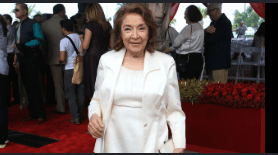
Her career began in theater and early television, where she quickly established herself as a powerful dramatic actress with exceptional vocal control and stage presence. Colón’s acting style was grounded in classical discipline, often reflecting the emotional weight of migration, identity, and resilience. She became known for bringing dignity and gravitas to every role, regardless of screen time.
Her breakthrough came through steady work in American film and television, where she became one of the earliest Puerto Rican actresses to maintain a sustained presence in Hollywood productions. By the 1990s, she was already regarded as a cultural pioneer whose career opened doors for future generations of Latino performers.
Her legacy extends beyond acting into institutional cultural development, as she played a key role in supporting Latino theater and performance education. Her influence continues to resonate in both artistic and academic discussions of representation in media.
Key Facts
- Full name of the subject: Miriam Colón Valle
- Date of birth: August 20, 1936
- Place of birth: Ponce, Puerto Rico
- Family background: Working-class Puerto Rican family
- Early childhood experiences: Strong cultural exposure to Puerto Rican storytelling traditions
- Education history: Theater training and acting workshops in New York
- Influences and mentors: Classical theater traditions and early Latino cultural pioneers
- Career beginnings: Stage acting and early television roles
- Major achievements: Longstanding career in film, television, and theater
- Challenges and obstacles faced: Racial and gender barriers in early Hollywood
- Turning points in life: Founding of Latino theater institutions in the United States
- Contributions to society: Development of Latino performing arts infrastructure
- Personal life (marriage, children, relationships): Largely private personal life
- Awards and recognitions: Lifetime achievement honors in theater and film
- Beliefs, values, or philosophy: Cultural preservation through performance arts
- Legacy and impact: Pioneer of Puerto Rican acting representation
- Historical or cultural significance: Foundational figure in Latino theater and cinema history
Notable Works:
Scarface
One Life to Live
The Ballad of Gregorio Cortez
Controversies:
Miriam Colón’s career has been largely free of direct controversy, though broader industry discussions have examined the historical marginalization of Latina actresses in mid-20th-century Hollywood, which shaped the early trajectory of her career. The issue centers on systemic underrepresentation rather than personal disputes.
The background of this discussion reflects Hollywood’s historical casting practices, where Latina actresses were often confined to limited roles that reinforced cultural stereotypes. Colón’s early career navigated these constraints while gradually expanding her artistic influence.
Key stakeholders include film studios, cultural historians, Latino advocacy organizations, and entertainment industry scholars. Critics of the system highlight structural inequality, while supporters of Colón’s legacy emphasize her resilience and institutional contributions to change.
There are no formal legal or professional disputes connected to her career. The matter is historical and systemic in nature.
The impact of this narrative reinforces her legacy as a pioneering force who helped lay the groundwork for greater inclusion of Puerto Rican performers in international cinema and theater.
9. Jimmy Smits
Jimmy Smits stands as one of the most recognizable Puerto Rican-American actors to achieve sustained success in mainstream American television and film during the 1990s. Born in Brooklyn to Puerto Rican parents, he grew up navigating the cultural duality of immigrant identity and American urban life, a dynamic that later informed his ability to portray authority figures with emotional complexity.

His early career began in theater and supporting television roles, where he quickly demonstrated a strong screen presence defined by calm authority, emotional depth, and intellectual clarity. Smits developed a reputation for portraying professionals, lawyers, and leaders with nuanced humanity rather than rigid formality.
His breakthrough in the 1990s came through a landmark television drama role that elevated him into mainstream American pop culture recognition. His character became one of the defining representations of Latino professionalism on U.S. television, breaking long-standing stereotypes in prime-time media.
His legacy is rooted in expanding the visibility of Latino actors in authoritative roles within Hollywood storytelling, helping reshape perceptions of Latino identity in mainstream entertainment.
Key Facts
- Full name of the subject: Jimmy Smits
- Date of birth: July 9, 1955
- Place of birth: Brooklyn, New York, United States
- Family background: Puerto Rican working-class immigrant family
- Early childhood experiences: Urban upbringing in multicultural Brooklyn environment
- Education history: Degree in theater and graduate acting training
- Influences and mentors: Classical theater, American television drama traditions
- Career beginnings: Stage acting and supporting television roles
- Major achievements: Breakthrough role in 1990s prime-time television drama
- Challenges and obstacles faced: Racial typecasting in early Hollywood casting systems
- Turning points in life: Transition into leading television roles
- Contributions to society: Representation of Latino professionals in mainstream media
- Personal life (marriage, children, relationships): Publicly known family life
- Awards and recognitions: Emmy Awards and industry nominations
- Beliefs, values, or philosophy: Authentic representation through disciplined performance
- Legacy and impact: Redefined Latino presence in American television leadership roles
- Historical or cultural significance: Key figure in 1990s television diversity expansion
Notable Works:
L.A. Law
NYPD Blue
Star Wars prequel trilogy
Controversies:
Jimmy Smits has not been associated with major personal controversies; however, his career is often discussed within broader debates about representation of Latino professionals in Hollywood television during the 1990s. The issue centers on systemic casting patterns that historically limited Latino actors in authoritative roles.
The background of this discussion reflects the gradual diversification of American prime-time television during the 1990s, where Smits became one of the few actors consistently portraying high-status professional characters of Latino heritage.
Key stakeholders include television networks, casting directors, cultural critics, Latino advocacy organizations, and audiences. Critics of the industry have highlighted the scarcity of such roles prior to this period, while supporters emphasize Smits’ role in breaking new ground for representation.
There is no formal legal or institutional controversy associated with his career. The discussion remains structural and representational in nature.
The impact of this narrative has reinforced Smits’ legacy as a transformative figure in American television, expanding opportunities for Latino actors in mainstream dramatic roles.
10. Lauren Vélez
Lauren Vélez emerged in the 1990s as one of the most compelling Puerto Rican-American actresses in American film and television, known for her strong emotional control, commanding screen presence, and ability to portray both vulnerability and authority. Born in Brooklyn to Puerto Rican parents, she was raised in a culturally rich urban environment that deeply influenced her artistic sensitivity.
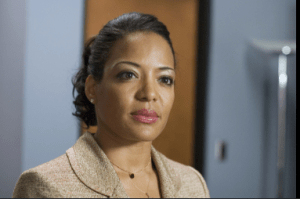
Her early career began in theater and television guest roles, where she quickly distinguished herself through disciplined performance and expressive emotional range. Vélez developed a reputation for portraying complex women navigating systems of power, family, and identity, often within socially grounded narratives.
Her breakthrough in the 1990s came through film and television roles that positioned her as a rising dramatic talent. She became especially known for roles that explored the psychological and emotional dimensions of urban Latina identity, contributing to a more nuanced representation in American media.
Her legacy lies in her contribution to expanding the emotional and narrative complexity of Latina characters in television and film, helping to shift industry expectations toward more layered storytelling.
Key Facts
- Full name of the subject: Lauren Luna Vélez
- Date of birth: November 2, 1964
- Place of birth: Brooklyn, New York, United States
- Family background: Puerto Rican immigrant family
- Early childhood experiences: Urban upbringing in culturally diverse Brooklyn
- Education history: Formal acting training and theater education
- Influences and mentors: Theater traditions and Latina cultural narratives
- Career beginnings: Theater performances and television guest roles
- Major achievements: Breakthrough television and film roles in the 1990s
- Challenges and obstacles faced: Limited casting opportunities for Latina actresses
- Turning points in life: Transition into recurring television drama roles
- Contributions to society: Representation of Latina professionals in media
- Personal life (marriage, children, relationships): Private personal life
- Awards and recognitions: Television and film award nominations
- Beliefs, values, or philosophy: Commitment to authentic cultural representation
- Legacy and impact: Strengthened visibility of Latina dramatic characters in television
- Historical or cultural significance: Key contributor to 1990s Latino television representation
Notable Works:
New York Undercover
I Like It Like That
Dexter
Controversies:
Lauren Vélez has largely remained outside of personal controversy, though her career exists within broader industry debates about the limited availability of multidimensional roles for Latina actresses in 1990s American television and film. The issue centers on structural representation gaps rather than individual conduct.
The background of this discussion reflects the gradual evolution of television casting practices in the 1990s, where Latina actresses were gaining visibility but still navigating restricted role diversity.
Key stakeholders include television producers, casting agencies, cultural critics, Latino advocacy groups, and audiences. Critics have noted the historical underrepresentation of Latina professionals in leading roles, while supporters highlight Vélez’s contribution to expanding those narrative boundaries.
There is no formal dispute or institutional controversy tied to her career. The issue remains systemic and industry-wide.
The impact of this narrative reinforces her legacy as part of a generation of actresses who helped redefine Latina representation in American television, moving it toward greater emotional depth and professional diversity.
Notable Mentions:
Raúl Juliá
Marc Anthony
Talisa Soto
Luis Guzmán
Kamala Lopez
Jacobo Morales
Sully Díaz
Braulio Castillo, hijo
Daniel Lugo
Cordelia González